2027 Cheapest Accredited Online Agriculture Degree Programs That Accept FAFSA

Co-Founder and Chief Data Scientist
Choosing an online agriculture degree is really a cost-and-fit decision: tuition matters, but FAFSA eligibility, transfer credits, accreditation, and career alignment can change the real price. The College Board reported average published tuition and fees of $11,610 for in-state public four-year students in 2024-25, which makes low-cost online options especially important for working adults and transfer students.
This guide explains how to compare accredited online agriculture programs, estimate net cost after aid, avoid common financial aid mistakes, and choose a program that supports your agriculture, agribusiness, food systems, or natural resources career goals.
Key Things You Should Know
Which Are the Cheapest Accredited Online Agriculture Degree Programs That Accept FAFSA?
The cheapest FAFSA-eligible online agriculture degree programs are typically offered by public, regionally accredited universities that participate in Title IV federal student aid. Because agriculture programs may be labeled as agricultural business, agricultural sciences, agribusiness, plant and soil science, animal science, or natural resources, students should compare both the degree title and the curriculum before deciding.
The table below highlights examples of accredited U.S. universities that offer online or mostly online agriculture-related bachelor's pathways and participate in federal student aid. Tuition changes regularly, so use the figures as a starting point and verify the current per-credit rate, fees, and online availability with each school before applying.
| School | Online agriculture-related degree example | Institutional accreditation | FAFSA participation | Cost position to check first |
| Fort Hays State University | Online agricultural business or agriculture-related bachelor's options | Higher Learning Commission | Yes, for eligible students and programs | Often among the lower published online undergraduate tuition options for public universities |
| University of Arkansas | Online agricultural business bachelor's pathway | Higher Learning Commission | Yes, for eligible students and programs | Competitive public online tuition, especially for transfer students who already have general education credits |
| Oregon State University Ecampus | Online agricultural sciences and related natural resources degrees | Northwest Commission on Colleges and Universities | Yes, for eligible students and programs | Not always the lowest sticker price, but strong online infrastructure and broad agriculture course availability can improve completion value |
| Kansas State University Online | Online agriculture, agribusiness, animal sciences, or food systems-related options depending on term availability | Higher Learning Commission | Yes, for eligible students and programs | Good candidate for students seeking land-grant agriculture coursework with online flexibility |
| Colorado State University Online | Online agricultural business or applied agriculture-related pathways depending on program availability | Higher Learning Commission | Yes, for eligible students and programs | May cost more than the cheapest public options but can be valuable when the curriculum aligns closely with agribusiness careers |
| University of Tennessee at Martin | Online agriculture or agribusiness-related degree completion options | Southern Association of Colleges and Schools Commission on Colleges | Yes, for eligible students and programs | Worth checking for students in the region who may qualify for state or institutional aid |
For a student comparing these programs, the first question should not be "Which school advertises the lowest tuition?" It should be "Which accredited FAFSA-eligible program lets me finish the degree at the lowest total out-of-pocket cost?" A slightly higher per-credit rate can be cheaper in practice if the school accepts more transfer credits, offers stronger advising, or provides enough online sections to help you graduate on time.
Students who are still exploring majors may also want to compare agriculture with broader flexible programs, such as an online interdisciplinary studies degree ranking affordable, especially if they want to combine agriculture with business, sustainability, communication, or technology.
How Does FAFSA Eligibility Work for Online Agriculture Degree Programs?
FAFSA eligibility means a school participates in federal student aid programs and the student meets federal and institutional requirements. It does not automatically mean every online agriculture program, certificate, enrollment status, or student situation qualifies for the same amount of aid.
To use FAFSA for an online agriculture degree, three things usually need to be true. The institution must be eligible for Title IV aid, the program must be an eligible degree program, and the student must meet requirements such as citizenship or eligible noncitizen status, satisfactory academic progress, and enrollment in an approved credential.
Before enrolling, students should confirm the following directly with the financial aid office because federal aid rules can vary by program format and enrollment pattern:
- Whether the specific online agriculture degree, not just the university, is Title IV eligible.
- Whether part-time enrollment qualifies for the aid amount the student expects.
- Whether required internships, labs, practicums, or field experiences affect cost or aid timing.
- Whether the school packages grants, federal loans, work-study, institutional scholarships, or state aid for fully online students.
- Whether nondegree courses, prerequisites, or certificate-only coursework can be covered by aid.
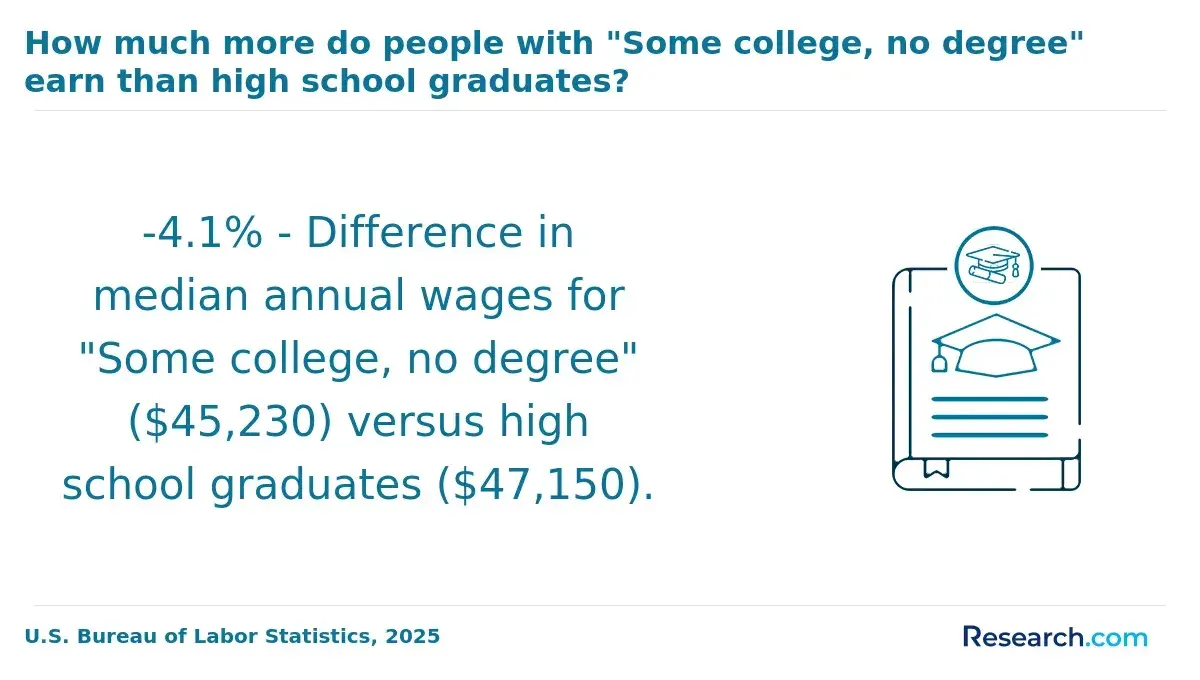
A common mistake is assuming "accepts FAFSA" means "affordable." FAFSA is an application, not a scholarship. It determines eligibility for federal aid and helps schools build aid packages, but the final net price depends on tuition, fees, enrollment load, family income, dependency status, transfer credits, grants, scholarships, and borrowing decisions.
How Much Does an Online Agriculture Degree Cost After Financial Aid?
The cost after financial aid is the net price: tuition and required expenses minus grants and scholarships. Federal loans reduce what you pay immediately, but they do not reduce the total cost because they must be repaid with interest.
The most useful cost comparison starts with published tuition and then moves to estimated net cost. The College Board's 2024-25 tuition benchmarks show why this matters: the average published tuition and fees were $11,610 for in-state public four-year students, $30,780 for out-of-state public four-year students, and $43,350 for private nonprofit four-year students. Online agriculture students often shop across state lines, so avoiding out-of-state price penalties can make a major difference.
The table below shows how the same agriculture degree can produce different out-of-pocket costs depending on transfer credits and grant aid. It is an example for comparison purposes, not a promise of aid or school pricing.
| Cost scenario | Credits needed after transfer | Example tuition rate | Tuition before aid | Example grant aid impact | Estimated tuition remaining |
| Full bachelor's with no transfer credit | 120 semester credits | $300 per credit | $36,000 | One year of maximum Pell-level aid would not cover the full degree | Varies widely by yearly eligibility and enrollment plan |
| Degree completion after associate degree | 60 semester credits | $300 per credit | $18,000 | Grant aid can cover a larger share of the remaining coursework | Lower borrowing risk if credits transfer cleanly |
| Higher tuition but stronger transfer acceptance | 45 semester credits | $425 per credit | $19,125 | Fewer remaining credits can offset the higher rate | May be cheaper than a lower-rate program that rejects credits |
The biggest red flags are hidden fees, unclear transfer evaluations, and programs that require campus visits or field placements with extra travel costs. Ask for a written cost estimate that includes tuition, mandatory fees, textbooks or digital materials, technology fees, graduation fees, and any in-person requirements.
If affordability is your main concern but agriculture is only one possible direction, it can help to compare net price across unrelated online fields as well. For example, students interested in technology-heavy food systems, precision agriculture, or automation may also research an online AI degree to understand how tuition, aid, and career outcomes differ by discipline.
The best-value online agriculture degree is the program that combines low net cost with a realistic path to completion and a curriculum tied to your career goal. In agriculture, that goal might be farm management, agribusiness, crop consulting, food systems, extension services, agricultural sales, soil and water conservation, or graduate study.
Value depends on more than tuition. A low-cost program may not be the best choice if it lacks the courses you need, rarely offers required classes online, or has limited advising for transfer students. A more expensive program can be worth considering if it has stronger agriculture faculty access, better internship connections, a land-grant extension network, or a concentration that matches your target job.
Use the following decision points to separate "cheap" from "good value" when comparing programs:
- Choose the lowest-tuition option when the curriculum matches your goal, your credits transfer well, and all required courses are available online on a predictable schedule.
- Choose the slightly higher-cost option when it accepts substantially more transfer credit, reduces time to graduation, or offers a concentration that directly supports your target role.
- Avoid choosing on cost alone if the program does not clearly publish degree requirements, online course rotations, accreditation status, or field experience expectations.
- Prioritize programs with strong advising if you are a transfer student, returning adult learner, veteran, first-generation student, or working full time.
Online education trends also affect value. Agriculture employers increasingly rely on data tools, GPS-guided equipment, sustainability reporting, supply-chain software, and food safety documentation. A low-cost program that includes business analytics, GIS, soil health, commodity marketing, or agricultural technology may be more useful than a cheaper program with a narrow or outdated course sequence.
Proper accreditation is nonnegotiable. For FAFSA purposes, the school must be accredited by an agency recognized by the U.S. Department of Education and approved for federal student aid participation. For most online agriculture bachelor's programs, institutional accreditation is the key accreditation to verify.
Programmatic accreditation is less common for agriculture bachelor's degrees than it is in fields such as nursing, engineering, or teacher education. However, some agriculture-related paths may have additional expectations if they connect to teacher licensure, dietetics, environmental regulation, or professional certification. Students pursuing agricultural education should check state educator licensing rules, because an online agriculture degree alone may not satisfy teacher certification requirements.
To verify accreditation and avoid diploma-mill risks, take these steps before applying:
- Search the school in the U.S. Department of Education's accreditation database or confirm the accreditor listed on the university website.
- Confirm that the accreditor is institutional and recognized for Title IV federal aid purposes.
- Ask the financial aid office whether the exact online agriculture degree is eligible for federal aid.
- Ask the department whether any licensure, certification, internship, or field placement requirements apply to your career goal.
- Save written confirmation of accreditation, aid eligibility, tuition, fees, and transfer credit evaluation before making a deposit.
One red flag is a school that emphasizes "national recognition" or "career certification" but does not clearly identify its institutional accreditor. Another is a program that advertises extremely low tuition but will not provide a degree plan, transfer audit, or financial aid estimate.
FAFSA can connect eligible online agriculture students to federal grants, loans, and sometimes work-study, depending on the school and the student's aid package. The most valuable aid is gift aid, because grants and scholarships do not need to be repaid if the student meets the terms.
The maximum Federal Pell Grant for the 2024-25 award year is $7,395. That figure is important because it shows both the power and the limit of federal grant aid: for a low-cost public online degree, Pell can cover a meaningful share of annual tuition, but it may not cover the full cost of a bachelor's program, especially for students taking full-time loads or paying higher online tuition.
Students should understand the main federal aid categories before deciding how much they can afford to borrow:
- Federal Pell Grant: Need-based grant aid for eligible undergraduate students who have not already earned a bachelor's degree.
- Federal Supplemental Educational Opportunity Grant: Additional need-based grant aid at participating schools, often limited by institutional funding.
- Direct Subsidized Loans: Need-based federal loans for eligible undergraduates, with interest benefits while enrolled at least half time.
- Direct Unsubsidized Loans: Federal loans available to eligible students regardless of financial need, with interest accruing under federal loan rules.
- Federal Work-Study: Part-time employment funding at participating schools, though fully online students should ask whether remote or local placements are available.
State grants, university scholarships, agricultural organization scholarships, employer tuition assistance, military education benefits, and tribal education funding can also reduce net cost. Students working in agribusiness, food production, equipment sales, conservation districts, or cooperative extension should ask employers whether tuition reimbursement is available for job-related coursework.
Students comparing graduate or professional paths should remember that aid rules change by degree level. For instance, someone considering agricultural leadership, rural social services, or community development could compare funding rules with other online graduate options such as MSW online programs, where loan limits, field placement requirements, and licensure considerations differ.
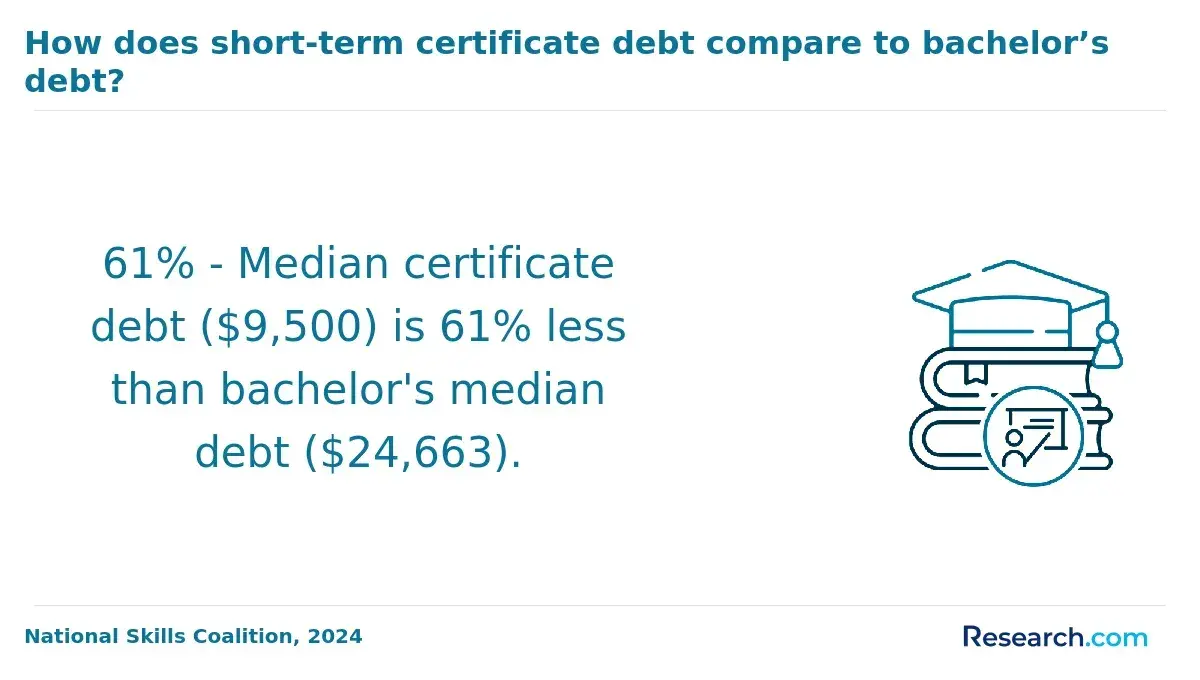
Transfer credits can be the largest cost reducer for online agriculture students. Many affordable online agriculture bachelor's programs work best as degree-completion pathways for students who already earned credits at a community college, technical college, or another university.
The savings are straightforward: every accepted credit is one less credit you need to pay for. However, not all transfer credits apply equally. A school may accept credits as electives but still require major courses, upper-division agriculture classes, statistics, chemistry, economics, or capstone requirements.
Before choosing a program, ask for a formal or preliminary transfer evaluation and look for these cost-saving details:
- Maximum transfer credits allowed toward the bachelor's degree.
- Minimum credits that must be completed at the university, also called residency requirements.
- Whether agriculture, business, biology, chemistry, economics, or technical college courses apply to the major or only to electives.
- Whether prior learning, military training, industry certifications, or work-based learning can earn credit.
- Whether transfer students can start major courses immediately or must complete prerequisites first.
The main trade-off is between tuition rate and transfer friendliness. A $275-per-credit program that accepts only 30 of your previous credits may cost more than a $400-per-credit program that accepts 75 credits and lets you finish faster. This is why total remaining credits are often more important than advertised tuition.
A low-cost FAFSA-eligible online agriculture degree is a strong fit for students who need flexibility but still want a recognized university credential. It is especially useful for learners who already work in agriculture, live far from campus, or need to keep earning income while finishing a degree.
These students often benefit most from this type of program:
- Community college transfer students who completed general education or agriculture technology coursework and want a bachelor's degree at a lower remaining cost.
- Working adults in farming, ranching, equipment sales, seed sales, food processing, conservation, or agricultural lending who need a credential for advancement.
- Rural students who cannot relocate for a campus program but can complete online courses with occasional local field experiences.
- Military-affiliated students and veterans who can combine federal aid, military education benefits, and transfer credit.
- Students interested in agribusiness, sustainability, natural resources, food systems, or agricultural communication rather than lab-intensive pre-professional tracks.
Students should be more cautious if their goals require extensive labs, licensure, teacher certification, veterinary prerequisites, or campus-based research. In those cases, the cheapest online option may not provide the access, hands-on training, or state-specific approvals needed for the next step.
Some students also compare agriculture with adjacent fields before committing. For example, someone drawn to workforce management in food production, farm labor operations, or agribusiness administration may want to compare curriculum and cost with an affordable online MBA human resources pathway if graduate business training is part of the long-term plan.
Career ROI depends on how much you pay, how much you borrow, how quickly you finish, and whether the degree supports roles with stable earnings. Agriculture is broad, so ROI differs sharply between farm management, agribusiness sales, crop consulting, food science support, conservation work, agricultural lending, and graduate study.
The U.S. Bureau of Labor Statistics reported in its 2024 occupational outlook data that agricultural and food scientist roles generally require at least a bachelor's degree and are projected to grow faster than the average for all occupations over the 2024-34 period. For students, this means an agriculture degree can be economically useful when it connects to science, food systems, sustainability, business operations, or technical agriculture roles rather than only serving as a general credential.
To estimate ROI before enrolling, compare your likely total debt against realistic job paths in your region. Agriculture salaries vary by location, commodity sector, employer type, and experience. A student planning to work in a family farm business may measure ROI through improved management skills and succession planning, while a student targeting agribusiness sales or food systems operations may focus more directly on salary growth.
Use this practical ROI screen before choosing the cheapest program:
- Estimate the total cost to finish, including remaining credits, fees, materials, and travel.
- Subtract grants, scholarships, employer assistance, and savings you do not need to repay.
- Estimate total federal loan borrowing by year and by degree completion plan.
- Compare the curriculum with job postings for your target roles, paying attention to skills like Excel, GIS, agronomy, commodity markets, soil science, food safety, and data tools.
- Choose the lowest net-cost program that still supports your target career path and lets you graduate on a realistic timeline.
A more expensive program can be worth it if it prevents delayed graduation, provides stronger career-specific coursework, or gives access to a better professional network. But borrowing heavily for a program with unclear career alignment is risky, even if the school is accredited and FAFSA-eligible.
How Should Students Choose the Cheapest FAFSA-Eligible Online Agriculture Degree?
The smartest approach is to compare programs in layers: eligibility first, then total cost, then academic fit, then career value. This prevents students from choosing a program that looks inexpensive but becomes costly because of rejected credits, missing courses, fees, or delayed completion.
Follow this step-by-step process before committing to an online agriculture degree:
- Confirm the school's institutional accreditation and federal student aid participation.
- Confirm that the exact online agriculture degree is eligible for FAFSA-based aid.
- Request a written tuition and fee estimate for your expected enrollment pattern.
- Submit transcripts early and request a transfer credit evaluation before comparing final costs.
- Ask whether all required agriculture major courses are available online and how often they are offered.
- Check for internships, labs, practicums, field days, proctored exams, or campus visits that may add cost.
- Compare grants and scholarships separately from loans so you know the true net price.
- Review career services, faculty expertise, course relevance, and graduate or employer outcomes where available.
- Choose the program with the best combination of low remaining cost, reliable completion path, and career relevance.
Do not stop at one school. Apply or request aid estimates from multiple accredited programs because aid packages can differ. A public university with higher posted tuition may become cheaper after scholarships, while a lower-tuition school may cost more if it accepts fewer credits or requires extra semesters.
If you are comparing agriculture with other online majors because your goal is flexible, career-oriented study, review how acceleration and transfer rules work in different fields. A student trying to finish quickly, for example, may compare agriculture degree-completion timelines with the fastest online psychology degree to understand how major requirements affect speed and cost.
Other Things You Should Know About Agriculture
Sometimes, but not always. Many programs offer all lecture-based courses online, but some may require internships, local field experiences, labs, proctored exams, or short campus visits. Confirm these requirements before enrolling.
Employers generally focus on accreditation, skills, experience, and program relevance. An online degree from a properly accredited university is typically treated as a legitimate credential, especially when paired with agriculture work experience or internships.
Many do. Requirements vary by major, but agricultural sciences, plant science, soil science, animal science, and natural resources programs may include biology, chemistry, statistics, or environmental science. Agribusiness programs usually emphasize economics, accounting, management, and marketing.
Yes, if the degree is from an accredited institution and includes the prerequisites required by the graduate program. Students considering food science, agronomy, agricultural economics, or environmental science graduate study should check prerequisite courses early.
- Online or Distance Learning Programs in Agriculture - Agriculture Journal IJOEAR Blog https://ijoear.com/blog/online-or-distance-learning-programs-in-agriculture
- Most Popular Online Agriculture Degrees 2025 https://www.onlineu.com/degrees/agriculture
- Financial Aid For Online Colleges https://www.affordablecollegesonline.org/financial-aid/financial-aid-for-online-colleges/
- Types of Financial Aid for Online Colleges https://www.umassglobal.edu/blog-news/types-financial-aid-online-colleges
- 9 Online Schools That Accept FAFSA (and How to Get Financial Aid) https://www.studentloanplanner.com/financial-aid-online-colleges/