2027 Online Agriculture Degree Programs With No Letters of Recommendation Required

Co-Founder and Chief Data Scientist
Applying to an online agriculture degree can be difficult when you do not have recent professors or supervisors available to write recommendations. Programs with no letters of recommendation required can offer a more accessible route for working adults, transfer students, and career changers, while still reviewing academic readiness.
National Center for Education Statistics data released in 2024 show that distance education remains a major part of U.S. higher education enrollment. This guide explains how to find credible programs, confirm current requirements, compare costs, and choose an agriculture degree that supports your career goals.
Key Things You Should Know
- "No letters of recommendation required" means the application does not require reference letters for the specific degree and applicant type; it does not mean transcripts, minimum GPA rules, prerequisite courses, essays, or residency documentation are waived.
- Online undergraduate agriculture options commonly use transcript-based admissions, while specialized master's programs may still request resumes, statements of purpose, relevant work experience, or recommendations; verify requirements on the degree-level application page before paying an application fee.
- Affordability and legitimacy matter more than streamlined admissions alone: College Board reported average 2024-25 published tuition and fees of $11,610 at public four-year in-state institutions, before housing, books, and aid, so compare total net cost, accreditation, transfer policy, and curriculum.
Which Online Agriculture Degree Programs Require No Letters of Recommendation?
The clearest no-recommendation opportunities are usually online bachelor's completion and undergraduate agriculture programs at regionally accredited public universities. These schools often rely on high school or college transcripts for general admission and do not list recommendation letters as a standard application item.
A letter being optional, however, is different from it being unnecessary: optional letters may be accepted but not required, while a waiver may apply only to applicants with a particular GPA or transfer status.
The programs below are examples of online agriculture-related bachelor's pathways that have commonly used transcript-centered undergraduate admissions. Policies can change by term, concentration, applicant type, and campus, so applicants should confirm the current program checklist directly with admissions before applying.
| Online degree pathway | Typical academic focus | Common no-letter admissions pattern | What to confirm |
| Oregon State University Ecampus B.S. in Agricultural Sciences | Agricultural systems, production, business, and sustainability | Undergraduate admission generally centers on application and transcripts | Whether the selected option has science prerequisites or an additional departmental review |
| University of Arizona Online B.S. in Sustainable Plant Systems | Plant production, controlled-environment agriculture, and sustainability | Online undergraduate applicants commonly follow university transcript-based admission procedures | Transfer-credit applicability and any course-placement requirements |
| University of Missouri online agriculture-related completion pathways | Agricultural leadership, extension, food systems, or related fields | Transfer and degree-completion review often emphasizes prior college coursework | Whether a specific major requires an essay, interview, or professional documentation |
These options can fit applicants who need flexibility but still want a university-based degree with agriculture content. Students seeking a broader, customizable degree may also compare an online interdisciplinary studies degree ranking affordable option, particularly when their intended work combines agriculture with business, environmental studies, or community education.
To identify additional options, start with public land-grant universities, extension-connected institutions, and established online divisions. Search the exact degree name plus "admissions requirements," then review the requirements for the intended start term rather than relying on a general university admissions page.
What Are the Admission Requirements for Online Agriculture Degree Programs With No Recommendation Letters?
Removing recommendation letters simplifies one part of the application; it does not remove academic screening. Undergraduate programs usually evaluate prior coursework and readiness for college-level science, math, writing, and technology-based learning. Graduate agriculture programs may use more individualized review even when letters are not requested.
Applicants should expect a combination of the following requirements and should distinguish university admission requirements from requirements imposed by the agriculture department.
- Completed institutional application and any required application fee or fee-waiver request
- Official high school transcript for first-year applicants, or official college transcripts for transfer applicants
- Minimum cumulative GPA or a holistic review when the GPA falls below the preferred threshold
- Completion of prerequisite courses, which may include algebra, biology, chemistry, statistics, or introductory agricultural science
- Personal statement, short-answer responses, resume, or work-history information when the program uses holistic review
- Proof of English proficiency for applicants required to provide it and identity or residency documents when applicable
Standardized test requirements have become less universal, but test-optional does not mean every student should assume scores are irrelevant. Ask whether scores are required, optional, or considered only for placement. For graduate programs, also ask whether the GRE is required and whether professional agricultural experience can strengthen an application.
A practical way to avoid a preventable denial is to request a pre-application transcript evaluation. It can show whether prior credits meet science and mathematics prerequisites and whether you are applying as a first-year, transfer, nondegree, or graduate student.
Are Online Agriculture Programs With No Letters of Recommendation Easier to Get Into?
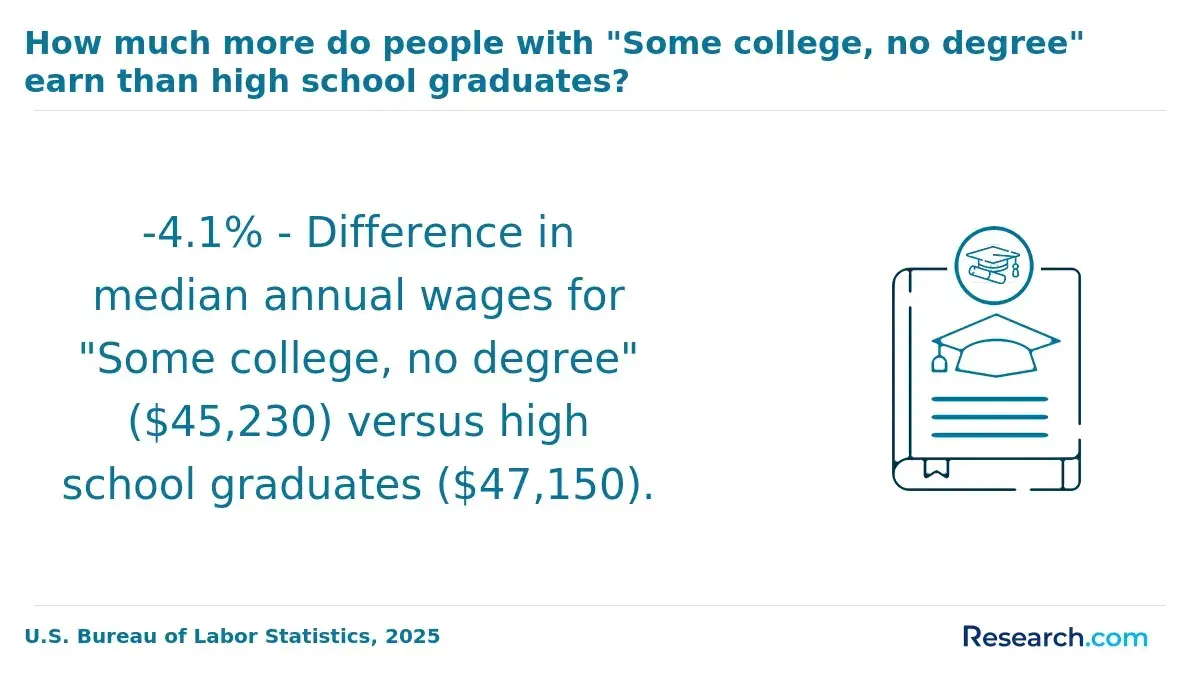
Not necessarily. A no-recommendation policy reduces the number of materials applicants must collect, but it does not indicate that a program has lower standards, a higher acceptance rate, or less rigorous coursework. Universities may use transcripts, prerequisite grades, cumulative GPA, writing samples, and available program capacity to make admissions decisions.
Streamlined admissions can be especially helpful for adults whose former instructors are difficult to contact, workers entering agriculture from another industry, and transfer students with a substantial college record. It may be less suitable for applicants to research-intensive graduate programs, competitive assistantship-funded programs, or programs requiring close professional evaluation.
Admissions flexibility is also common in other helping-profession pathways, although professional programs may use different screening methods. For example, applicants considering social services can review MSW online programs while recognizing that field-placement, licensure, and professional suitability expectations differ substantially from agriculture education.
Do not treat "no letters required" as an admission guarantee. A stronger strategy is to meet or exceed published academic prerequisites, explain relevant farm, food, environmental, laboratory, or business experience clearly, and submit a complete application early enough to address missing records.
When letters are not part of the file, admissions teams typically seek direct evidence that you can succeed in the curriculum and complete online work independently. The strongest substitute is usually a transcript showing successful college-level coursework, especially in subjects tied to the major.
This table shows how common application materials can answer questions that recommendation letters might otherwise address.
| Application material | What it helps demonstrate | How an agriculture applicant can use it |
| Official transcripts | Academic preparation and performance over time | Highlight completed biology, chemistry, economics, business, environmental science, or data courses |
| Personal statement | Goals, motivation, and fit | Connect intended study to food systems, farm management, agribusiness, conservation, or plant science goals |
| Resume | Work readiness and relevant experience | Include farm operations, food production, equipment, sales, extension, laboratory, logistics, or supervisory work |
| Prerequisite grades | Readiness for technical coursework | Show recent success in required math and science courses, particularly if earlier grades were weaker |
| Interview or portfolio, if requested | Communication and applied skills | Prepare concise examples of projects, production records, fieldwork, or problem-solving experience |
Technology is increasingly relevant to agriculture careers, from precision equipment and sensor data to supply-chain analysis. Applicants who want to pair agricultural knowledge with technical skills may find value in reviewing an online AI degree, but should choose a path based on the role they want rather than following a trend alone.
Use the statement or resume to supply context, not excuses. If your GPA was affected by work, caregiving, or a long enrollment gap, briefly explain the circumstances and emphasize recent coursework, training, or relevant achievements. Follow word limits exactly and do not submit extra materials unless the school permits them.
Start by confirming institutional accreditation through the U.S. Department of Education or the Council for Higher Education Accreditation databases. Institutional accreditation is the most important baseline because it affects transfer-credit recognition, federal financial-aid eligibility, and how employers and graduate schools assess the degree.
Agriculture does not have one universal programmatic accreditor for every degree type, so curriculum, faculty, and institutional standing deserve close attention.
Before enrolling, use these steps to verify that a program is legitimate and appropriate for your goal.
- Confirm that the university is accredited by an agency recognized by the U.S. Department of Education or CHEA.
- Match the online degree title, major, and concentration on the website to the credential that will appear on the transcript.
- Review the published curriculum for agriculture-specific courses, faculty credentials, experiential learning options, and clear graduation requirements.
- Ask whether online students have access to advising, library services, career support, laboratory alternatives, internships, field experiences, and extension networks.
- Request written confirmation that recommendation letters are not required for your applicant category and intended start term.
- Check whether your intended occupation requires a separate license, certification, supervised experience, or employer-specific credential.
Red flags include vague degree outcomes, unclear faculty information, pressure to enroll immediately, promises of guaranteed jobs or salaries, and an inability to explain tuition, transfer credit, or accreditation. Legitimate schools can still have streamlined admissions; the key question is whether they are transparent about academic expectations and student outcomes.
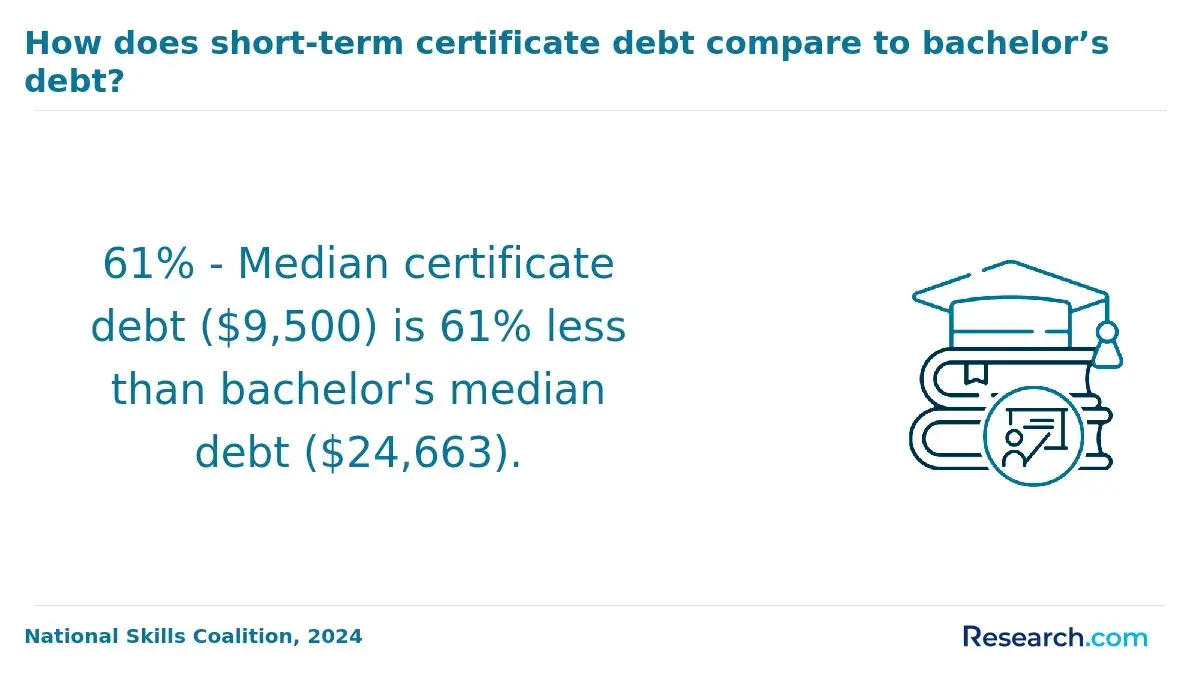
No-recommendation admissions do not determine tuition. Cost depends primarily on institution type, residency, credit load, transfer credits, delivery fees, required software, course materials, and whether laboratory or field components require travel. Online students may avoid commuting or relocation costs, but they should not assume online tuition is always lower than campus tuition.
For context, College Board's 2024-25 Trends in College Pricing reported average published tuition and fees of $11,610 for in-state students at public four-year institutions and $43,350 at private nonprofit four-year institutions. These are national benchmarks rather than prices for a particular agriculture program; use them to understand why residency and institutional type can materially affect the budget.
The following cost categories help applicants estimate the total amount more realistically than tuition alone.
| Cost category | Why it varies | What to ask the school |
| Per-credit tuition | Rates may differ by residency, campus, or online division | Is the rate fixed for online students, and does it change after enrollment? |
| Mandatory fees | Technology, distance-learning, student-service, and course fees may apply | Which fees apply to fully online agriculture students each term? |
| Materials and equipment | Courses may require lab kits, software, calculators, safety supplies, or field tools | What required materials are not included in tuition? |
| Experiential learning | Internships, field intensives, and travel can create additional expenses | Are in-person experiences required, optional, local, or reimbursable? |
| Transfer credit | More accepted credits can reduce remaining tuition and time | How many credits apply specifically to the major and general education requirements? |
Compare each school's net price after grants rather than choosing based on a low advertised per-credit rate. Also ask whether tuition is charged by credit, term, or subscription model, because the least expensive structure depends on your pace and transfer record.
Yes. Students enrolled in an eligible online degree at an accredited institution may generally be considered for federal financial aid if they meet federal eligibility rules and maintain satisfactory academic progress. A program's decision not to require recommendation letters does not by itself affect aid eligibility.
Complete the Free Application for Federal Student Aid as early as possible and then compare each institution's aid offer, not just its admission decision. Federal grants, federal Direct Loans, work-study availability, state aid, institutional scholarships, employer tuition assistance, and agriculture-related scholarships may all have separate deadlines and requirements.
Before borrowing, ask the financial-aid office to explain the difference between grants, scholarships, subsidized loans, unsubsidized loans, and private loans. Review how part-time enrollment, repeated courses, transfer credits, and accelerated terms affect eligibility. If a program includes a practicum or internship, ask whether that requirement changes your enrollment status or creates unpaid-work costs.
Students moving into agriculture management or agribusiness may also compare business-focused pathways, including an affordable online MBA human resources program, but should evaluate each degree against the actual skills required in their target role. Financial aid should support a coherent career plan rather than determine the major by itself.
A traditional bachelor's degree is commonly structured around 120 credits and can take about four years of full-time study. Actual completion time depends on accepted transfer credits, course sequencing, summer enrollment, required internships or fieldwork, and whether you study full time or part time. A no-recommendation policy changes application paperwork, not the academic credit requirements.
Degree-completion programs can be faster for students who already hold transferable general education credits or an associate degree. Conversely, students who need foundational math or science courses may need additional time. Ask whether upper-division agriculture courses are offered every term, because a once-per-year required course can delay graduation even in an online format.
Accelerated formats are useful only when they match your available time and academic preparation. Readers comparing pace across majors can review a fastest online psychology degree guide, while remembering that agriculture programs may have different laboratory, field, and seasonal learning requirements.
Build a term-by-term plan with an academic advisor before committing. Include prerequisites, major courses, experiential requirements, and a realistic weekly study schedule, especially if you work full time or manage farm and family responsibilities.
Often, yes. Transfer admission is one reason no-recommendation online agriculture programs can appeal to returning students: colleges can evaluate documented prior coursework rather than requesting personal references. However, acceptance of credits is different from applying those credits to your chosen major.
Most universities review official transcripts course by course. General education credits may transfer more easily than upper-level agriculture, science, or technical courses. Credits can also be limited by minimum grade requirements, course age, institutional residency rules, and equivalency decisions.
Before enrolling, request a written transfer evaluation and ask these focused questions.
- How many credits are accepted overall, and how many apply directly to agriculture major requirements?
- What minimum grade is required for transfer, especially for science, math, and major courses?
- Must students complete a minimum number of credits at the degree-granting institution?
- Will prior military training, industry credentials, AP, CLEP, or workforce learning be reviewed for credit?
- Can you appeal a course-equivalency decision by providing a syllabus, catalog description, or learning outcomes?
Do not resign from a current program or assume an associate degree will automatically satisfy all requirements until you receive the evaluation. A school's articulation agreement can be helpful, but the final determination often depends on your transcript, declared major, and catalog year.
How Should You Compare Online Agriculture Degree Programs That Do Not Require Letters of Recommendation?
Compare programs as academic and career investments, not simply as the shortest application. The best option aligns with the agriculture role you want, provides the needed technical foundation, fits your budget, and is transparent about how online learners complete applied work.
Use the comparison points below when narrowing your list. They help distinguish a genuinely flexible, credible program from one that is merely easy to apply to.
| Comparison factor | Why it matters | Strong evidence to look for |
| Admission policy | Requirements can vary by degree, concentration, and applicant type | A current written checklist confirming no recommendation letters are required for you |
| Accreditation and reputation | Supports aid eligibility, transferability, and employer confidence | Recognized institutional accreditation and transparent university information |
| Curriculum | Different agriculture careers require different preparation | Courses aligned with agribusiness, crop science, animal science, food systems, sustainability, or agricultural education goals |
| Applied learning | Agriculture often benefits from practical and local experience | Internships, projects, field placements, lab alternatives, or extension-connected opportunities |
| Total net cost | Tuition alone can hide fees and incomplete transfer credit | Written estimate covering tuition, fees, materials, travel, and anticipated aid |
| Career support | Career outcomes depend on more than the diploma | Advising, internships, employer connections, resume support, and clear graduate-school preparation |
The U.S. Bureau of Labor Statistics projects 8% employment growth for agricultural and food scientists from 2023 to 2033, faster than the average for all occupations. That outlook applies to a specific occupation rather than every agriculture degree holder, but it reinforces the value of matching coursework to an identifiable technical, scientific, business, or food-systems career path.
Apply to more than one well-matched program when practical. Before accepting an offer, compare the official financial-aid package, remaining credits, course schedule, support services, and whether the degree prepares you for the job, certification, or graduate program you have in mind.
Other Things You Should Know About Agriculture
Some do, particularly programs involving animal science, crop production, laboratory science, or agricultural education. Online delivery may use virtual labs, local projects, internships, short campus sessions, or approved field placements. Review the curriculum carefully to see whether travel or local supervision is required.
Work experience may strengthen an application through a resume or personal statement, but it usually does not formally replace a required letter when a program asks for one. In a no-recommendation program, relevant experience can help demonstrate career focus and readiness alongside transcripts.
Check the current degree-specific admissions page, begin the application checklist, and email or call admissions with your applicant category and intended term. Ask for written confirmation that letters are not required rather than assuming the general university policy applies to the major.
Career options may include farm or ranch operations, agribusiness sales, food systems coordination, agricultural education, sustainability work, supply-chain roles, extension-related support, and entry-level management. Some scientific, research, or regulated roles may require a specialized major, laboratory experience, graduate education, or additional credentials.
- Which Colleges Accept Supplemental Material? - Ivy Scholars https://www.ivyscholars.com/supplemental-materials/
- College Applications Without Essays: Do They Exist? https://collegewise.com/blog/college-application-without-essay
- Most Popular Online Agriculture Degrees 2025 https://www.onlineu.com/degrees/agriculture
- Does the Letter of Recommendation Still Matter in College Admissions? https://www.saraharberson.com/blog/letter-of-recommendation-still-matter-college-admissions
- Preparing Rural Students for College and Beyond by Improving Access to Coursework https://www.americanprogress.org/article/preparing-rural-students-for-college-and-beyond-by-improving-access-to-coursework/
- Online or Distance Learning Programs in Agriculture - Agriculture Journal IJOEAR Blog https://ijoear.com/blog/online-or-distance-learning-programs-in-agriculture
- Spark - Webflow HTML Website Template https://www.beallyou.org/post/what-are-supplemental-materials-for-college-applications