2027 Can You Get Licensed With an Online Agriculture Degree? Requirements, Rules, and What to Know

Co-Founder and Chief Data Scientist
Many prospective students wonder if completing an online agriculture degree qualifies them for necessary professional licenses. This concern matters as 35% of agriculture-related jobs require state licensure or certification to ensure competency in areas like pest management, crop advising, or soil science. However, state rules vary widely regarding online coursework, causing confusion about eligibility. Understanding which online programs meet these standards is crucial for career advancement.
This article examines licensure requirements specific to agriculture fields, clarifies how online education affects credentialing, and guides readers in navigating regulatory frameworks to secure proper licensing after graduation.
Key Benefits of Getting Licensed with an Online Agriculture Degree
- Licensure with an online agriculture degree enhances professional credibility and meets eligibility for specialized roles such as crop consultants or agricultural inspectors.
- Licensed professionals access broader employment opportunities across sectors like agribusiness, government agencies, and environmental management, facilitating greater job mobility.
- Licensed individuals typically experience higher long-term earning potential and improved advancement prospects, with industry data showing salary increases averaging 15% post-licensure.
Can You Get Licensed With an Online Agriculture Degree?
Licensure is attainable with an online agriculture degree when the program fulfills accreditation and curriculum standards required for professional credentialing. Completing required coursework combined with practical components such as soil science, crop management, and agricultural business equips graduates to meet licensure eligibility. Many programs facilitate hands-on learning locally to satisfy experience requirements. Understanding online agriculture degree licensure requirements is essential for ensuring the program supports eligibility for relevant licensing exams and state-specific mandates.
Earning a license through an online agriculture program opens access to regulated career paths in fields like agricultural inspection, pest control, and environmental management. Licensed professionals can take on higher responsibilities in farm management, consulting, and research, leading to enhanced salary potential and career advancement. Prospective students exploring professional outcomes may also find flexible options similar to those found in online mba programs, blending convenience with robust educational quality.
Do Licensing Requirements for Agriculture Vary by State?
Licensing requirements for agriculture professionals exist to ensure practitioners maintain competence and adhere to industry standards, but these rules vary significantly by state. Nearly 40% of states have unique licensure exams or require specific supervised work experience, reflecting regional priorities and regulatory differences. These variations should be carefully considered when evaluating state by state agriculture licensure requirements.
Key areas where requirements differ include:
- Exams: Some states mandate comprehensive tests covering topics like soil science, pest management, or agricultural law, while others may waive exams based on prior qualifications. This affects how quickly a candidate can become licensed depending on their chosen state.
- Supervised experience: The amount and type of supervised work needed before licensure can vary widely, from six months to multiple years, influencing eligibility timelines for new graduates.
- Continuing education: Certain states require ongoing coursework or certifications to maintain licensure, whereas others offer more flexible renewal policies. This impacts long-term professional development and compliance requirements.
- Scope of practice: Definitions of licensure-necessary activities differ by state, potentially affecting job roles and responsibilities for licensed professionals.
For those pursuing an online agriculture degree, understanding these agriculture license eligibility rules by state is essential to align education with future career opportunities. Prospective students and professionals may benefit from exploring options such as a fast track psychology degree to supplement skills for multidisciplinary roles in agricultural fields.
Are Online Agriculture Programs Different From Campus Programs for Licensure?
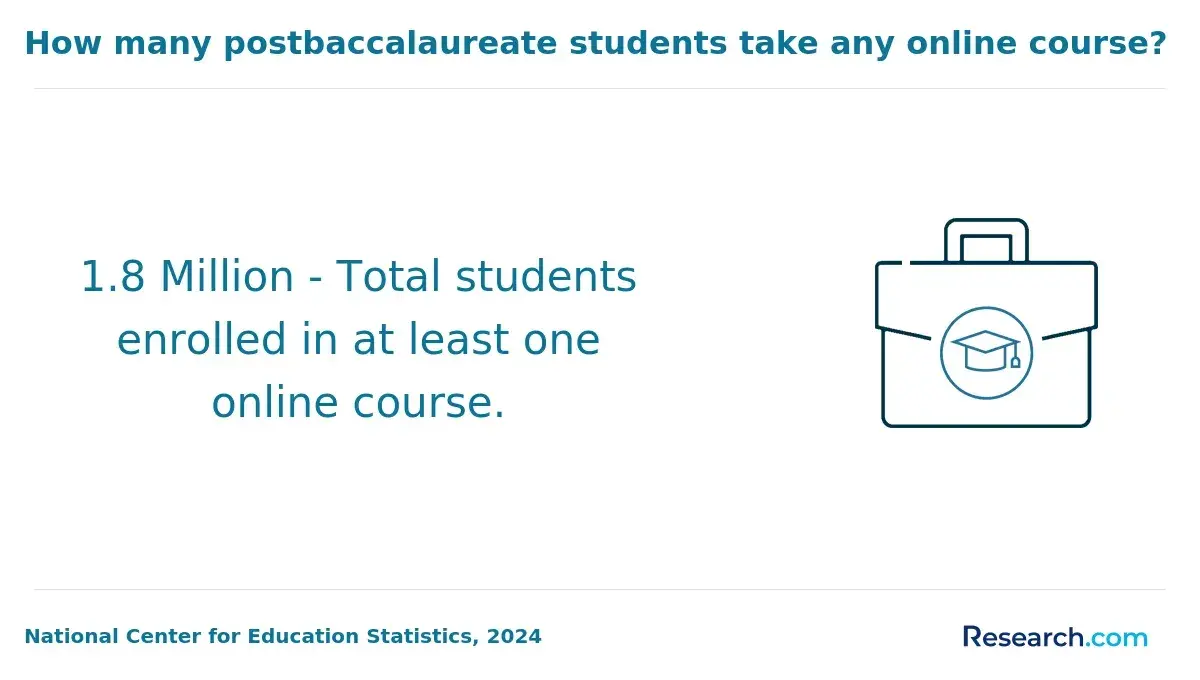
Online and campus agriculture programs generally do not differ in licensure eligibility if both meet accreditation and curriculum requirements. A 65% rise in enrollment for online agriculture degrees in recent years highlights increased trust in their quality and professional relevance.
- Curriculum Coverage: Whether online or on campus, programs must comprehensively cover essential subjects like soil science and agricultural economics to meet licensure standards.
- Practical Components: Hands-on experience remains crucial; many online students fulfill this via local internships or virtual labs, aligning with licensing board expectations.
- Skill Development: Critical thinking and technical skills are emphasized equally across formats, ensuring candidates are well-prepared for professional challenges.
- Assessment Methods: Exams and project work are designed to meet the same rigorous criteria regardless of delivery mode, providing consistent evaluation standards.
- Employer and Licensing Board Perceptions: Increasing acceptance of accredited online programs means employers and boards are more likely to recognize these credentials as valid and comparable to traditional degrees.
One licensed professional who earned his agriculture degree online shared that selecting elective classes was initially overwhelming but ultimately rewarding. He noted, "Choosing electives that aligned with my career goals helped deepen my expertise in sustainable farming practices." Despite some initial concerns about building connections remotely, he found that local internships provided invaluable real-world experience. "The hands-on components really bridged the gap between theory and practice," he explained. His journey underscores that careful planning and engagement with practical opportunities are key to achieving licensure success through an online program.
Clinical or practicum hours are fundamental in bridging theoretical knowledge with practical skills in agriculture programs, preparing students for professional practice and licensure. These hands-on requirements ensure that students gain real-world experience essential for competence in agricultural fields.
- Typical Hours: Practicum hour requirements vary widely, often ranging from several hundred to over a thousand hours depending on the program and licensure rules. These hours represent substantial, supervised fieldwork needed to satisfy professional credential criteria, especially important when researching online agriculture degree clinical hour requirements.
- Placement Settings: Students typically complete practicum hours at agricultural businesses, research farms, extension offices, or production facilities. Locations are selected to provide practical exposure aligned with agricultural disciplines and job functions.
- Supervision and Evaluation: Experienced mentors or supervisors oversee students during their practicum, assessing their technical skills, problem-solving abilities, and project management. Effective supervision ensures students meet competency benchmarks vital for licensure.
- Skills Gained: Clinical experiences help build technical proficiency in farm management, crop science, animal care, data collection, and regulatory compliance. These practical skills reinforce classroom learning and enhance employability.
- Online Program Facilitation: Online agriculture programs accommodate clinical hour needs by partnering with local farms or organizations, allowing students to complete required hours close to home. While some virtual simulations supplement learning, in-person placements are generally mandatory, reflecting the importance of practicum hours for online agriculture programs.
Prospective students interested in combining flexible online learning with essential experiential components should carefully evaluate how programs support practicum completion. For those exploring related fields, resources on an online masters in marriage and family therapy may offer insights into blended practical and theoretical training models.
Licensing exams confirm that candidates possess the skills and knowledge required to work effectively in agricultural professions and meet industry standards. About 70% of test takers pass these exams, underscoring the importance of solid preparation. Below are essential points to understand regarding the licensing exam following an online agriculture degree:
- Exam options: The Certified Crop Adviser (CCA) exam is among the most widely recognized certifications, although some states mandate specific licensing exams tailored to particular agricultural specialties.
- Core subjects tested: Exams typically focus on soil science, pest and crop management, and environmental stewardship to evaluate both technical expertise and practical application abilities.
- Test format: Most tests are multiple-choice and may be divided into various modules, allowing assessment of different knowledge areas critical for professional competence.
- Preparation methods: Candidates often benefit from reviewing coursework materials, taking practice exams, and joining study groups or review sessions, dedicating several months to thorough study.
- Retake policies: If unsuccessful, candidates usually have the opportunity to retake the exam after a waiting period, commonly ranging from 30 to 90 days, enabling further preparation.
- Eligibility for online graduates: Those completing accredited online agriculture programs that meet required coursework standards generally qualify to sit for licensing exams, making online education a valid pathway to licensure.
When speaking with a licensed professional who completed her agriculture degree online, she reflected on the licensing exam journey with appreciation for her flexible program. She shared, "Balancing work and study was challenging, but the structure of the online courses helped me prepare effectively." She found that practicing sample questions and participating in virtual study groups were invaluable. "Passing the exam felt like a true milestone because it validated the effort I put into both learning and applying agricultural concepts remotely." Her experience highlights how online education combined with disciplined exam preparation can lead to professional success in agricultural fields.
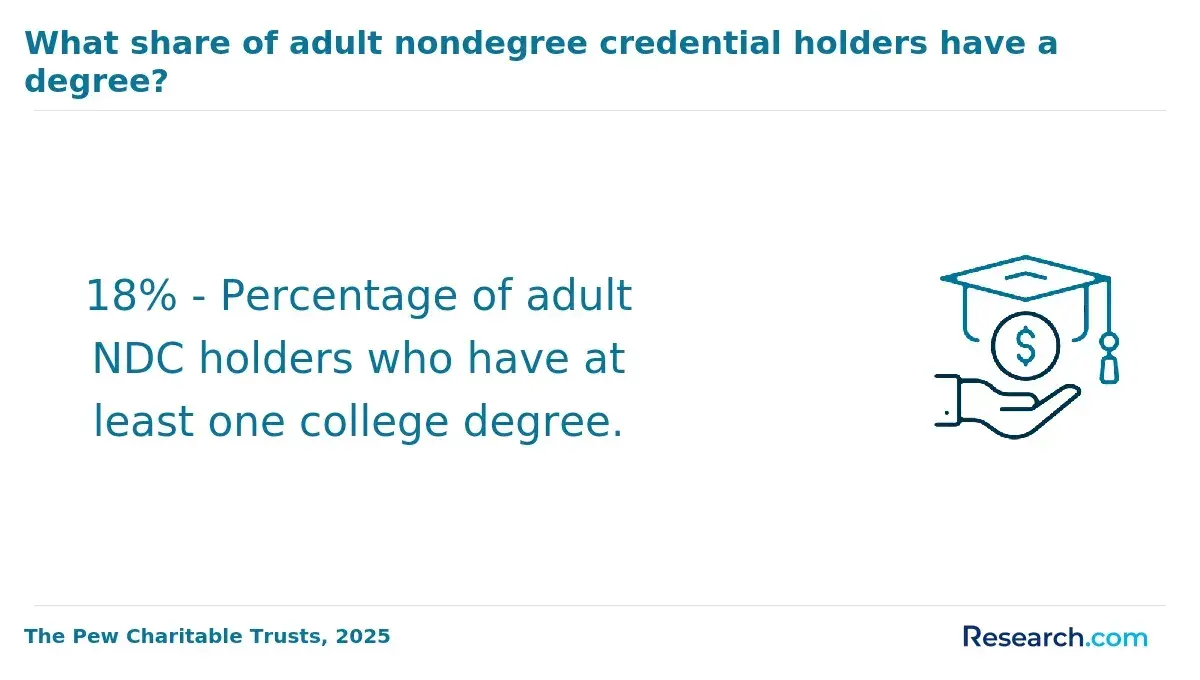
Yes, supervised work experience is generally required after earning an online agriculture degree, especially for those aiming for licensure or certification. This hands-on experience helps graduates develop essential practical skills and ensures they are equipped to handle real-world agricultural challenges effectively. Surveys indicate that about 70% of agriculture graduates pursuing professional credentials complete a mandatory supervised work period. The following points outline crucial elements of this requirement.
- Duration: Typically mandated by licensing authorities, supervised experience lasts between one and three years, varying by state and specialization.
- Typical Settings: Common workplaces include farms, agribusiness firms, research centers, government agencies, and extension services where practical applications can be observed.
- Mentorship: Graduates work closely with licensed professionals who provide guidance, oversight, and constructive feedback to enhance learning and professional growth.
- Skill Development: The program focuses on advancing competencies in areas like crop science, soil analysis, agricultural technologies, and environmental regulations.
- Career Readiness and Licensure: Completing supervised experience validates practical knowledge, boosts decision-making capabilities, and fulfills prerequisites essential for certification or state licensure.
This structured professional exposure bridges academic training with field demands, reinforcing graduates' ability to contribute responsibly and sustainably within the agriculture sector.
Licensure reciprocity allows professionals to obtain a license in a new state without repeating the entire credentialing process, which is essential for those who want to work in multiple regions. This flexibility is especially important for agriculture graduates seeking to expand their career opportunities across state lines. Several factors influence how reciprocity applies to those with online agriculture degrees.
- Eligibility criteria: Reciprocity for online agriculture graduates depends on whether the credentialing state recognizes the educational standards of the original license. States often require that the degree program meet specific accreditation and curricular requirements which can vary widely.
- Program requirements: Some states mandate that online agriculture programs be accredited by recognized bodies or include certain coursework. This can affect whether graduates from online degrees qualify for reciprocity under state licensing rules for online agriculture degrees.
- State agreements: Formal agreements or interstate compacts significantly influence reciprocity, as some states may not recognize licenses earned through online education without these compacts. Graduates should review these agreements to anticipate potential restrictions.
- Application process: Applicants typically need to submit proof of education, current licensure documentation, and may be required to pass additional exams or meet experience thresholds. This process ensures that standards are maintained across different licensing jurisdictions.
- Potential limitations: Certain states may impose limitations or extra requirements on licenses obtained via online programs due to concerns about program rigor or content. This can delay or complicate career mobility for affected graduates.
Careful research into these factors can save time and effort for graduates seeking to transfer licensure. For those interested in further education that supports such mobility, exploring online phd programs in organizational leadership may offer additional career pathways and credentialing advantages.
Online agriculture programs have become increasingly popular, with enrollment growing by more than 25% over the last five years. Many students prioritize how well these programs support licensure requirements to ensure their career prospects upon graduation. Below are key advantages and disadvantages to consider.
Pros
- Flexible Scheduling: Enables students to complete coursework around work or family commitments, aiding steady progress toward licensure.
- Wide Course Selection: Offers comprehensive foundational knowledge essential for passing state licensing exams.
- Rural Accessibility: Provides education opportunities for those in remote areas who might otherwise face barriers to licensure-related training.
Cons
- Limited Hands-on Training: In-person practical experience may be reduced or required separately, complicating fulfillment of license mandates.
- Supervision Challenges: Less direct oversight during field activities can hinder skill mastery and negatively influence employer perceptions.
- Reduced Networking: Fewer chances for professional connections may impact long-term career growth compared to traditional programs.
Licensure plays a crucial role in the earning potential of professionals with an online agriculture degree. Industry data indicate that licensed agriculture professionals typically earn up to 15% more on average than their non-licensed counterparts. These salary differences highlight the tangible benefits of licensure, especially for those seeking to maximize the return on their online education investment. Understanding the impact of online agriculture degree licensure on salary is essential for graduates considering certification.
The advantages of obtaining licensure extend beyond salary and influence career growth in several key ways:
- Access to Higher-Paying Specialized Roles: Licensed individuals qualify for specialized positions that often command higher wages. These roles demand verified expertise and may involve handling regulated agricultural tasks requiring official credentials.
- Eligibility for Leadership and Supervisory Positions: Licensure signals professional competence, making candidates more attractive for management opportunities. Employers frequently prefer licensed professionals for decision-making and leadership roles within agricultural organizations.
- Authorization for Regulated Responsibilities: Certain jobs, such as pesticide application or land management oversight, legally require licensure. Holding these credentials expands the scope of work an individual can perform and increases their marketability.
- Improved Job Stability and Employer Trust: Licensed workers generally enjoy greater job security as their credentials demonstrate adherence to industry standards. This trust enhances promotion prospects and long-term career sustainability.
Graduates holding an online agriculture degree who are evaluating their career trajectories should weigh these benefits carefully. For those interested in further advancing their credentials in a reduced timeframe, exploring 1 year master's programs may also be advantageous.
Licensure can significantly shape career opportunities for graduates with an online agriculture degree, affecting job roles, advancement, and salary potential. While some professionals benefit from certification requirements, others succeed in positions valuing practical skills and experience. Research indicates that approximately 40% of licensed agriculture graduates experience quicker career growth compared to their non-licensed counterparts.
Below is an overview of typical jobs associated with or without licensure.
Jobs With a License
- Licensed pesticide applicators: Manage chemical use safely following federal and state regulations, protecting public health and the environment, often leading to higher wages and job security.
- Certified crop advisers: Provide expert guidance on crop management while ensuring compliance with agricultural laws, enhancing career prospects and specialization opportunities.
- Soil testers: Conduct certified analyses to assess soil health, supporting sustainable practices and meeting regulatory standards that boost employment stability and advancement.
Jobs Without a License
- Agricultural business managers: Oversee farm operations or agribusiness activities using knowledge and leadership skills, focusing on efficiency without formal licensing requirements.
- Agricultural technicians: Support research and fieldwork, collecting data and maintaining equipment, roles that emphasize hands-on experience rather than certification.
- Marketing coordinators: Develop promotional strategies for agricultural products and services, relying on education and interpersonal skills more than licensure, generally offering flexible career paths.
What Graduates Say About Getting Licensed with an Online Agriculture Degree
- Edison: "The affordability of the online agriculture degree program really stood out to me, with costs averaging around $15,000 compared to traditional routes. The flexibility to study on my schedule made the learning process smooth and effective. Earning my license has opened doors in sustainable farming consulting, and I'm truly grateful for this pathway."
- Belinda: "Reflecting on my experience, the online agriculture degree was cost-effective, typically under $20,000 including licensure fees, which made higher education accessible for me. The program's interactive modules and expert faculty enriched my knowledge despite the virtual format. Now, as a licensed professional, I credit this degree with advancing my career in agricultural research significantly."
- John: "Choosing an online agriculture program was a strategic decision due to its reasonable tuition-averaging near $18,000, plus licensure costs-which balanced my budget well. The comprehensive curriculum and practical approach prepared me thoroughly for professional licensure. Since graduating, I've seen a measurable impact in my role managing crop production projects, relying heavily on the skills gained."
Other Things You Should Know About Agriculture Degrees
The state board or department of agriculture reviews the degree, not the online school. In 2027, most boards require an accredited bachelor’s degree, official transcripts, and a course match to the license category. Some also require a state exam, supervised experience, or specific science credits.
In 2027, maintaining an agriculture-related license often requires fulfilling specific continuing education requirements. These can vary by state and specialization, with courses focused on the latest industry trends, technologies, and regulations, typically amounting to a certain number of credit hours annually.
- List of Requirements https://www.prc.gov.ph/list-of-requirements
- Diploma in agriculture course online mode is valid for licence https://collegevidya.com/question-answer/diploma-in-agriculture-course-online-mode-is-valid-for-licence/
- Agriculture Jobs in Poland for Foreigners 2025 - Fasthire https://thefasthire.org/agriculture-jobs-in-poland-for-foreigners/
- Agricultural Education Extension Certificate https://www.centralstate.edu/programs/agricultural-education-extension-certificate
- Most Popular Online Agriculture Degrees 2025 https://www.onlineu.com/degrees/agriculture
- Online Agriculture Degrees | Murray State University https://www.murraystate.edu/academics/CollegesDepartments/HutsonSchoolOfAgriculture/Programs/agriscience.aspx
- Landscape Licensing Requirements by State | Duranta https://getduranta.com/blog/how-to-get-a-landscaping-license
- Is an Online Degree Worth It? https://www.coursera.org/in/articles/online-degree-worth-it
- State Licensing Simplified: What You Need to Know https://www.agriforaging.com/post/state-licensing-simplified-what-you-need-to-know
- How to Apply for an Agriculture Traineeship in Sweden https://www.atozserwisplus.com/blog/how-to-apply-for-an-agriculture-traineeship-in-sweden