2027 Weekly Start Online Degrees vs Self-Paced Accelerated Agriculture Degree Programs

Co-Founder and Chief Data Scientist
Choosing between weekly start online degrees and self-paced accelerated agriculture degree programs poses a challenge for students seeking flexibility and timely completion. According to the National Center for Education Statistics, online agriculture enrollment grew by 15% over the past five years, highlighting demand for diverse learning formats.
This article compares the two program types, examining pacing, time commitment, and support structures. Understanding these factors will help prospective students select the most effective path to advance their agriculture education and workforce readiness.
Key Benefits of Weekly Start Online Degrees vs Self-Paced Accelerated Agriculture Degree Programs
- Weekly start online degrees offer maximum flexibility, allowing agriculture students to begin courses every week and better align studies with seasonal farm work demands.
- Self-paced accelerated programs reduce time to completion, saving tuition costs by enabling students to finish agriculture degrees faster without compromising learning quality.
- Both formats improve student success by enabling personalized schedules, with research showing higher retention rates in agriculture-related online programs offering flexible pacing options.
How Are Weekly Start Online Degrees and Self-Paced Accelerated Agriculture Programs Structured?
Choosing the right online degree format is crucial for students aiming to balance education with personal and professional commitments. Understanding the structural differences helps clarify which program aligns best with a student's learning style and schedule.
Below is a comparison between weekly start online degrees and self-paced accelerated agriculture degree program formats.
Weekly Start Online Degrees
- Course pacing: Structured weekly lessons with fixed deadlines keep students on a consistent schedule and promote steady progress.
- Term length: Fixed, often semester-based durations provide clear timelines for program completion.
- Assignment schedules: Regular assignments and quizzes are due weekly, fostering ongoing engagement and accountability.
- Weekly time commitments: Typically 10 to 15 hours are needed each week, balancing moderate workload with consistent study habits.
Self-Paced Accelerated Degrees
- Course pacing: Fully flexible, allowing students to move through material independently without scheduled start dates.
- Term length: Variable and accelerated, often shortened to help motivated learners finish sooner.
- Assignment schedules: Assignments and exams become available on demand, enabling learners to complete work when ready.
- Weekly time commitments: Can range from 15 to 25+ hours, depending on the student's pace and motivation.
The weekly start online agriculture degree structure supports steady, cohort-based learning, which recent research indicates improves retention rates. In contrast, self-paced accelerated agriculture program formats provide flexibility ideal for working adults but can result in more variability in completion rates.
For those exploring options in related fields, reviewing online SLP programs offers additional insights into how program pacing influences student success.
Are Weekly Start Online Agriculture Programs Easier to Get Into vs Self-Paced Accelerated Programs?
Admissions ease is a key factor for students choosing between weekly start online agriculture degree admissions and self-paced accelerated agriculture programs. Students often weigh how admission criteria affect their chances of acceptance and readiness for the program's pace.
Here are the main differences in admission criteria between the two formats:
- GPA Expectations: Weekly start programs favor moderate GPA benchmarks suitable for steady progress, while self-paced accelerated tracks often require higher GPAs due to their demanding pace.
- Prerequisite Coursework: Accelerated programs typically demand more rigorous prior coursework to ensure students can handle fast-tracked learning, unlike weekly start formats which may be more flexible.
- Standardized Testing: Weekly start online agriculture degree admissions might waive standardized testing more often, whereas accelerated programs are more likely to require them.
- Admissions Focus: Accelerated tracks emphasize academic preparedness and relevant experience, with holistic review growing but maintaining a focus on readiness for intensive workloads.
Those interested in related fields might also consider a counseling degree online to explore flexible education options.
How Long Does a Weekly Start Online Degree Take to Complete vs Self-Paced Accelerated Agriculture Degree?
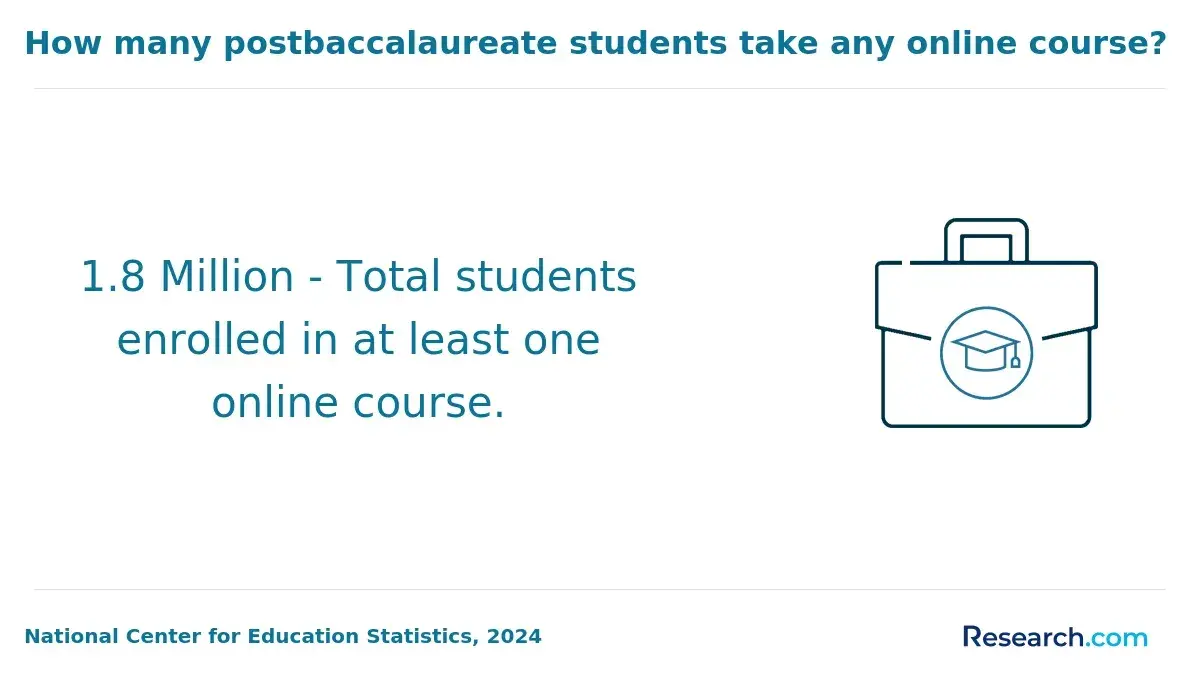
Choosing how long to spend on a degree significantly impacts a student's financial planning, career trajectory, and personal goals. Recent data shows nearly 70% of online learners prioritize faster degree options to enter the workforce more quickly or shift careers sooner.
Comparing weekly start online degrees to self-paced accelerated agriculture programs reveals key differences in completion times and flexibility.
- Term Length: Weekly start degrees follow a fixed schedule with terms usually lasting 6 to 12 weeks, which dictates a steady yet rigid pace. In contrast, self-paced accelerated agriculture programs let students set their own timelines, allowing them to advance as quickly as they can manage.
- Pacing Control: Weekly formats are instructor-led, requiring adherence to deadlines and class sessions, limiting how fast students can move. Self-paced models empower learners to progress independently based on their availability and motivation.
- Credit Load: Credit limits per term in weekly start programs keep students on a regular semester rhythm, restricting acceleration. Meanwhile, self-paced learners can increase their course load when ready, shortening overall time to graduation.
- Transfer Credits: Both formats accept transfer credits, which can reduce time to degree similarly if previous coursework applies.
- Enrollment Flexibility: Weekly start programs have fixed enrollment dates tied to term beginnings, requiring planning around set schedules. Self-paced programs often allow rolling admission, enabling students to begin and continue studies whenever convenient.
A professional who completed a self-paced accelerated online agriculture degree shared that managing personal responsibilities alongside an intensive course load was initially overwhelming.
He appreciated being able to tailor his study hours late at night after work and found "the freedom to move ahead when ready, without waiting for set term starts, was a game changer."
However, he noted the challenge of maintaining self-discipline, stating, "Without deadlines, staying motivated required constant effort, but the shorter completion time made it worthwhile."
Weekly start online degrees allow students to enroll every week with set schedules, while self-paced accelerated agriculture programs let learners progress at their own speed without fixed start times.
The following comparison highlights important flexibility aspects of both formats.
- Scheduling control: Self-paced programs grant learners complete authority over when and how they study, offering maximum adaptability. In contrast, weekly start programs follow predetermined class schedules, requiring students to commit to regular sessions.
- Pacing speed: Students in self-paced agriculture courses can speed up or slow down depending on their availability, while weekly start participants must keep pace with a fixed, weekly timeline.
- Start dates: Weekly start programs provide multiple entry points each week, reducing wait times to begin courses. Self-paced programs allow students to start at any time, eliminating scheduling constraints.
- Assignment deadlines: Weekly start degrees enforce strict weekly deadlines, ensuring steady progress. Self-paced learners enjoy more lenient or rolling deadlines, accommodating unpredictable schedules.
- Instructor interaction: Weekly start students usually have scheduled opportunities for real-time feedback and peer collaboration, whereas self-paced learners seek instructor support as needed on a more flexible basis.
- Ability to pause: Self-paced programs typically allow students to pause and resume studies without penalty, which is often limited or unavailable in weekly start formats.
Perceived difficulty heavily influences students' choices between self-paced accelerated and weekly start online agriculture degree programs, as it affects motivation and persistence. Understanding how these formats differ in challenge helps learners pick what suits their needs best.
Below is a comparison of key factors impacting perceived difficulty in both program types.
- Workload intensity: Accelerated programs condense curriculum into shorter durations, essentially increasing weekly study hours. Weekly start courses spread content over longer terms, offering a steadier workload that may feel more manageable.
- Pacing expectations: Self-paced accelerated students must independently set their timelines and keep progress on track, demanding proactive time management. Weekly start formats provide a structured schedule that clearly defines when assignments are due, reducing planning stress.
- Self-discipline required: Without fixed milestones, accelerated learners need greater self-regulation to avoid falling behind. Weekly start students benefit from regular deadlines and instructor check-ins that support consistent effort.
- Assessment structure: Faster programs often include frequent and cumulative exams or projects, which intensify preparation demands. Weekly start classes typically space assessments more evenly, allowing time to absorb material before evaluations.
- Instructor interaction: Weekly start formats generally offer more predictable and ongoing engagement with faculty and peers, helping learners clarify doubts promptly. Accelerated self-paced courses may have less frequent contact, requiring students to be more independent.
When I spoke with a graduate of a weekly start online agriculture degree program, she described her experience as challenging but manageable. She appreciated having clear deadlines each week, which helped her balance coursework with a full-time job and family responsibilities.
"The routine made it easier to stay focused," she said, noting that the steady pace prevented overwhelm. While some assignments were demanding, regular instructor feedback provided reassurance and kept her motivated.
She acknowledged that an accelerated self-paced format might have felt too intense without consistent structure and support, reinforcing that weekly start models suited her learning style better.
Grading methods significantly affect how students manage their workload, face academic pressure, and understand their progress in online agriculture degree programs. Recognizing these differences is essential for selecting a program that aligns with individual learning preferences.
The following comparison highlights key grading distinctions between weekly start online and self-paced accelerated agriculture formats.
- Assessment frequency: Weekly start programs use a fixed schedule with regular, often weekly or biweekly, assessments that promote steady engagement. In contrast, self-paced accelerated programs have variable evaluation timing, allowing students to complete assessments at their own speed.
- Mastery requirements: In weekly start formats, students typically must demonstrate mastery sequentially within set timeframes before progressing. Self-paced programs emphasize competency-based mastery, letting learners move forward once they've shown understanding, regardless of elapsed time.
- Pacing of evaluations: Evaluations in weekly start courses are synchronized across all students in a cohort, fostering a shared timeline. Self-paced options follow individualized schedules, meaning assessments depend on personal progress rather than a common calendar.
- Feedback timing: Weekly start students generally receive instructor feedback promptly on a predictable timeline, aiding timely improvements. Meanwhile, feedback in self-paced setups can be delayed since reviews depend on when assignments are submitted asynchronously.
- Grading flexibility: Weekly start agriculture programs tend to have less flexibility, with stricter deadlines and structured grading policies. Self-paced accelerated programs offer greater adaptability, accommodating varied learning speeds but requiring strong self-discipline from students.
Tuition models play a crucial role in determining the affordability and financial planning for students pursuing online Agriculture degree programs. Choosing the right tuition structure can influence both the total cost and the pace of completing the degree.
- Pricing Structure: Weekly start programs typically charge per credit hour with fixed rates for each term, offering clarity on expenses. Self-paced accelerated options use similar per-credit pricing but can lower total tuition by shortening enrollment time.
- Time-to-Completion: Weekly start formats follow a steady schedule, while self-paced accelerated degrees allow faster completion, potentially reducing overall costs linked to fees charged per term or enrollment period.
- Cost Predictability: Weekly start programs provide more predictable expenses since tuition and fees are set per term. Accelerated formats might have variable costs due to intense course loads and differing term lengths.
- Course Intensity: Accelerated programs demand a heavier workload in shorter periods, which may require upfront financial planning or aid. Weekly start formats spread coursework more evenly over time.
- Additional Fees: Both formats commonly include fees for technology, exams, and labs, but these can vary widely depending on the institution.
- Transfer Credits and Prior Learning: Both delivery styles often accept transfer credits and assessments for prior learning, reducing the number of required credits and lowering tuition costs.
Instructor support and academic guidance are essential components that influence student success in online degree programs, including agriculture degrees. These elements help learners understand course material, manage their responsibilities, and stay motivated throughout their studies.
Below is a comparison of instructor support in weekly start online agriculture degree and self-paced accelerated formats.
- Instructor Availability: Weekly start online agriculture degree instructor support typically offers regular access to instructors via scheduled live sessions, office hours, and prompt communications. In contrast, self-paced accelerated agriculture program student assistance is mainly asynchronous, using email or discussion boards with less frequent direct interaction.
- Response Times: Structured programs provide timely feedback, often within 24 hours, ensuring students receive clarification quickly. Self-paced formats usually have slower response times ranging from 24 to 72 hours, limiting immediate assistance.
- Structured Interaction: Weekly start courses have a fixed schedule promoting consistent instructor engagement and accountability. Self-paced courses put more responsibility on students to initiate contact and navigate materials independently.
- Live Communication Opportunities: Weekly start formats include live Q&A and real-time discussions enhancing comprehension and connection. Such opportunities are rare in self-paced programs, which rely on asynchronous communication.
- Academic Advising: Students in weekly start programs benefit from regular advising appointments to monitor progression, while self-paced students often need to proactively seek academic guidance.
- Student Independence: Self-paced accelerated agriculture program student assistance expects a higher degree of autonomy, requiring learners to manage their schedules and learning pace without constant instructor oversight.
For those exploring graduate studies that provide flexible scheduling with strong support systems, programs like those found in eMBA online fields highlight the importance of structured guidance in online education environments.
Employer perception of online agriculture degree programs plays a crucial role in shaping career outcomes. Hiring managers often consider how program format reflects a candidate's preparedness and ability to meet industry demands.
These perceptions influence decisions, especially when comparing weekly start online agriculture degree employer preference against self-paced options.
- Perceived Rigor: Weekly start programs are often viewed as more rigorous due to fixed schedules and regular assignments. This structure signals discipline and consistent time management, traits valued in project management and compliance roles within agriculture.
- Completion Timelines: Self-paced accelerated agriculture programs appeal by offering faster completion and flexibility, which supports students balancing work or family. However, some employers question if this speed compromises depth and thoroughness of learning.
- Time Management Skills: Candidates from weekly start formats demonstrate the ability to meet deadlines regularly and work within structured environments, reinforcing employer confidence in their reliability under time-sensitive conditions.
- Adaptability and Motivation: Self-paced accelerated programs require strong self-motivation and adaptability. These qualities align well with roles demanding innovation and rapid response to evolving agricultural technologies and market needs.
- Collaboration and Interaction: Employers tend to prefer candidates who have experienced cohort interaction as part of weekly start online agriculture degree programs, attributing enhanced teamwork and communication skills to this format.
- Workforce Alignment: While weekly start degrees balance structure and peer engagement, candidates from self-paced paths must often proactively demonstrate their rigor and teamwork capabilities to address employer concerns.
A 2023 survey by the Online Learning Consortium found that 68% of employers value completion of accelerated programs but 54% still favor formats with regular interaction, reflecting a nuanced job market value for self-paced accelerated agriculture programs.
Prospective students interested in these formats can explore options like an accelerated bachelors degree online to weigh the trade-offs between speed, flexibility, and employer expectations.
Understanding salary differences is essential for students considering online agriculture degree programs, especially as accelerated paths gain popularity. Research shows that graduates who complete their degrees sooner may increase their lifetime earnings by entering the workforce faster.
Exploring salary differences for weekly start agriculture degrees versus self-paced accelerated agriculture degree salary comparison provides valuable insight for informed decision-making.
- Employer perception: Weekly start programs often mirror traditional academic pacing, which some employers interpret as more rigorous and structured. Self-paced accelerated degrees, however, highlight a student's strong self-discipline and time management, traits highly valued in agriculture roles requiring independence.
- Time-to-completion: Accelerated programs enable earlier graduation, letting students begin earning professionally sooner. Weekly start schedules maintain consistent progress but may take longer, potentially delaying salary growth.
- Skills and competencies: Both program formats focus on developing essential agriculture skills, but self-paced accelerated degrees may emphasize adaptability and autonomy. Weekly start students benefit from steady peer interaction and scheduled learning, fostering collaboration skills.
- Career advancement opportunities: Demonstrating commitment through consistent weekly progress can appeal to employers emphasizing reliability. Conversely, accelerated graduates may showcase initiative and capability to manage demanding workloads, influencing promotion prospects differently.
- Return on investment: Balancing program cost, duration, and salary outcomes is critical. Accelerated degrees might demand higher upfront effort but yield earlier income, while weekly start programs spread costs and benefits over a longer timeframe.
Data from labor market analysis suggests that graduates with accelerated agriculture degrees can expect starting salaries approximately 5 to 10 percent higher on average due to earlier workforce entry.
However, as experience builds, salary differences often lessen, making personal career efforts a significant factor. Students should also explore options like online certificates to supplement their education and boost earning potential.
What Graduates Say About Their Weekly Start Online Degrees vs Self-Paced Accelerated Agriculture Degrees
- Cate: "Choosing the weekly start online agriculture degree program was perfect for me because it offered consistent milestones and steady progress while balancing my job. Although the average cost was a bit high, I managed it through employer tuition reimbursement and careful budget planning. This degree has significantly boosted my credentials, opening doors to leadership positions in sustainable farming practices."
- Karen: "I opted for the self-paced accelerated agriculture program to fit my studies around family commitments and ongoing work projects. The affordability was a big factor since the overall cost was lower than traditional programs, allowing me to avoid heavy debt. Reflecting on my journey, this flexible format helped me quickly apply newly acquired skills in crop management directly to my farm, advancing my business."
- Farrah: "From a professional standpoint, the weekly start online agriculture degree was a strategic choice to keep me engaged with a structured timeline and peer collaboration. Handling the tuition involved a mix of scholarships and financial aid, which made the investment feasible despite the typical costs. The program has sharpened my expertise in agricultural technology, enabling me to lead innovative initiatives at the agribusiness firm I work for."
Other Things You Should Know About Agriculture Degrees
Yes, weekly start online degrees offer frequent enrollment dates, allowing agriculture students to begin courses at multiple points throughout the year. This flexibility helps those managing seasonal farm duties or fluctuations in workload to start classes when it best fits their schedule, reducing conflicts with demanding periods on the farm.
Self-paced accelerated programs are well-suited for agriculture students who already have practical knowledge or related background. These programs allow students to progress quickly through familiar material and focus more time on advanced topics, enabling faster completion and deeper specialization.
Many accelerated agriculture programs require at least one supervised practicum, internship, or field placement, often 120 to 240 hours, before graduation. Schools usually set the site, faculty approval process, and safety rules. Programs tied to land-grant standards may also require documented field competencies.
- Difference Between Instructor-paced and Self-paced Courses https://help.edly.io/docs/difference-between-instructor-paced-and-self-paced-courses
- WBGx: e-Learning on Digital Agriculture | edX https://www.edx.org/learn/agriculture/world-bank-group-e-learning-on-digital-agriculture
- Technology in Agriculture Continues to Grow at Rapid Pace https://www.farm-equipment.com/articles/24879-technology-in-agriculture-continues-to-grow-at-rapid-pace
- Top 10 Accredited Online Colleges And Universities 2025 https://www.accreditedschoolsonline.org/online-colleges/
- Alternative grading in a six-week asynchronous course https://gradingforgrowth.com/p/alternative-grading-in-a-six-week
- Online or Distance Learning Programs in Agriculture https://ijoear.com/online-or-distance-learning-programs-in-agriculture
- Top 10 Benefits of Online Learning in Modern Education https://beal.edu/benefits-of-online-learning/
- The Ultimate Guide to Online Agriculture Courses: Compare and Choose Wisely – British Academy For Training & Development https://batdacademy.com/en/post/the-ultimate-guide-to-online-agriculture-courses-compare-and-choose-wisely