2027 Career Paths with a Clinical Psychology Master's Degree Explained

Co-Founder and Chief Data Scientist
The career landscape for professionals with a clinical psychology master's degree is shifting toward valuing specialized expertise, leadership, and analytical problem-solving within complex service delivery and research environments. Employers increasingly seek candidates proficient in evidence-based assessment tools, regulatory compliance, and integrated care coordination, reflecting the growing intersection of mental health with healthcare systems and policy. Clinical psychology graduate programs equip individuals for roles that blend clinical judgment with operational oversight, often requiring collaboration across multidisciplinary teams and fluency in digital health platforms.
Recent data from the National Center for Education Statistics shows a 15% increase in part-time enrollments for psychology master's programs, indicating rising demand among working professionals seeking flexible advancement opportunities. This article explores career pathways linked to a clinical psychology master's degree and assists readers in determining how these options align with their professional ambitions.
Key Things to Know About Career Paths With a Clinical Psychology Master's Degree
- Clinical psychology master's programs often require rigorous practicum hours, creating a tradeoff between extended study duration and enhanced real-world competency vital for licensure and specialized roles.
- Demand for clinicians with master's qualifications is growing in integrated care settings, signaling employers' preference for advanced clinical skills that boost interdisciplinary collaboration and leadership prospects.
- Expanding online clinical psychology programs, noted by the National Center for Education Statistics in 2024, improve access for adult learners but necessitate careful evaluation of accreditation to ensure long-term professional mobility.
What Can You Do With a Clinical Psychology Master's Degree?
Graduates with a clinical psychology master's degree often face critical decisions about how to position themselves within mental health and research domains, where practical scope and role autonomy vary widely. Selecting a career path requires nuanced consideration of licensure constraints, workplace settings, and growth trajectories, given that true clinical psychologist roles typically demand doctoral qualifications. Below is an analytical overview of career pathways and their operational realities for those holding this degree.
- Licensed Psychological Assistant: Functions primarily under supervision, assisting in assessment and treatment planning. Advancement hinges on gaining clinical hours required for doctoral licensure, making this a transitional role for many aiming to become fully licensed psychologists.
- Mental Health Counselor: Provides direct counseling services, often in community or outpatient settings. This path can offer stable employment with competitive compensation, especially as demand for counseling services rises, but clinical scope is limited compared to doctoral roles.
- Behavioral Health Coordinator: Focuses on care management and treatment integration without prescribing or performing psychotherapy independently. This role emphasizes leadership in multidisciplinary teams and can offer career flexibility outside of traditional therapy roles.
- Clinical Research Assistant: Supports data collection and analysis in applied psychological studies. This position suits those interested in research careers but typically offers lower compensation than clinical positions and requires additional specialization for upward mobility.
- Substance Abuse Counselor: Engages with a specialized client group where demand is growing due to public health focus. Master's-level credentials allow service provision with certification, yet advancement may be capped without further licensure.
For professionals weighing high paying jobs for clinical psychology graduates, understanding these distinctions influences not only initial employment but also longer-term earning potential and professional autonomy. Some roles favor operational leadership and interdisciplinary coordination, while others prioritize direct client interaction with supervision needs. Additionally, those interested in expanding their qualifications might explore hybrid paths combining clinical practice with specialized certifications or data-focused positions to enhance career resilience.
Those considering further education should also factor in program cost and flexibility; for example, exploring the cheapest FNP program online can be relevant for some professionals seeking complementary or alternative clinical credentials. Overall, employing a clinical psychology master's degree strategically involves aligning personal career ambitions against the realities of licensure, workplace expectations, and evolving mental health care demands.
What Are the Highest-Paying Careers With a Clinical Psychology Master's Degree?
Compensation in clinical psychology careers is heavily influenced by specialization, leadership duties, technical expertise, and the organizational context. Graduates who pursue supervisory roles or niche areas often find higher salary opportunities, though this typically requires additional credentials or experience. For many, deciding between advancing clinical skills or transitioning into administrative or assessment-focused roles involves tradeoffs affecting both earning potential and long-term career stability.
- Licensed psychologist assistant or psychological associate: These roles, often involving test administration and treatment planning under supervision, offer solid pay ranging from $60,000 to above $80,000. The salary advantage stems from specialized skill application and placement in healthcare or academia, where demand for licensed support staff remains robust.
- Mental health counselor or marriage and family therapist: Common pathways for master's graduates, these roles offer median earnings around $51,000 but can grow with licensure, clinical specialization, or private practice involvement. Their relative accessibility makes them widespread but less lucrative without advancement.
- Behavioral health program manager or clinical coordinator: Combining clinical insight with leadership responsibilities, these positions command salaries often exceeding $90,000. Growing healthcare integration and the emphasis on behavioral health management fuel demand, although such roles require demonstrated administrative competence and experience.
- Psychometrician or psychological assessment specialist: Professionals in this niche apply clinical psychology expertise to research, corporate wellness, or educational testing, securing compensation often between $70,000 and $85,000. These roles reward technical precision and are increasingly valued across interdisciplinary teams.
These career options illustrate that higher salaries correlate strongly with roles offering strategic influence, specialized skills, or managerial duties. Prospective graduates should realistically assess the investment needed in credentials and experience to access these upper-tier salaries within clinical psychology pathways.
Which Industries Hire Graduates With a Clinical Psychology Master's Degree?
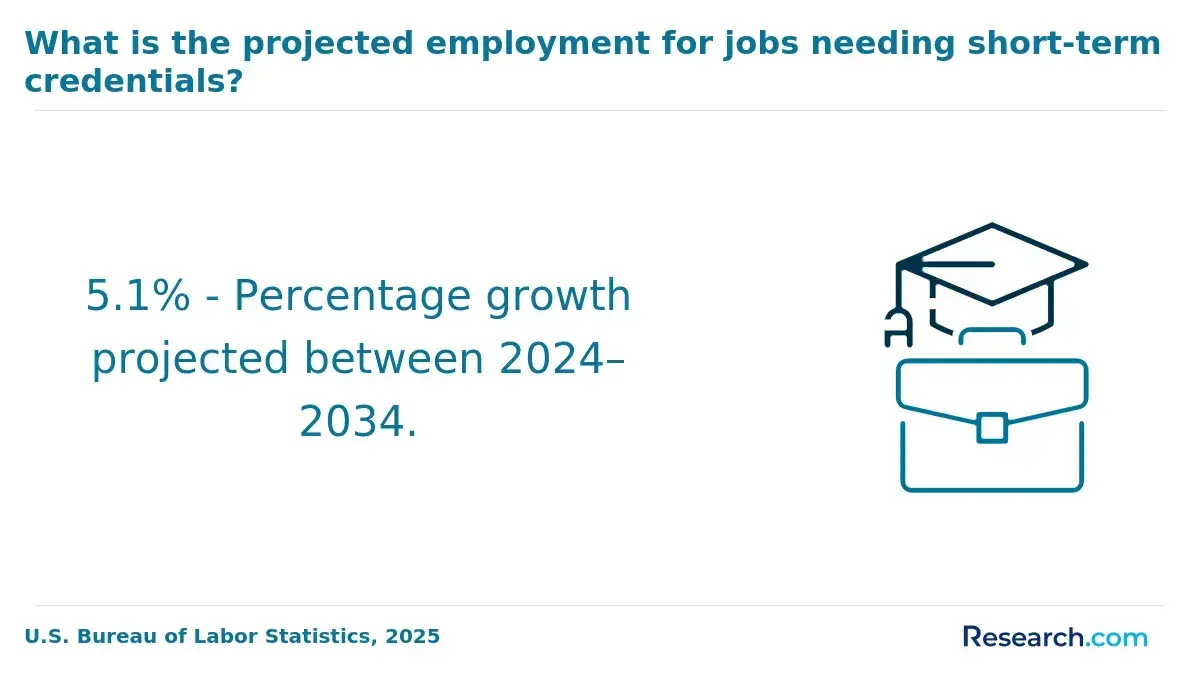
Graduates with a clinical psychology master's degree most frequently enter health care and social assistance environments, where their expertise in mental health assessment and therapeutic interventions directly supports patient care. These roles often involve navigating complex regulatory frameworks and integrating evidence-based treatments within multidisciplinary teams. However, those entering educational settings-such as school counseling or special education programs-face a tradeoff between more predictable schedules and comparatively lower earning potential. Experience and specialized certifications, such as trauma-informed care or neuropsychology, typically influence advancement opportunities across these sectors. Corporate employers, while currently a smaller market, increasingly seek clinical psychology professionals to design employee wellness programs and contribute to organizational development, although success here usually requires additional business acumen or HR credentials beyond clinical training.
Social service agencies and nonprofit organizations apply clinical psychology skills to outreach and crisis management, emphasizing flexible program design and community-driven approaches. Yet these roles often confront funding volatility that affects job stability and compensation. Academic and research positions capitalize on graduates' analytical and methodological training but demand significant qualifications beyond a master's, often including doctoral work and publication records, which can delay entry or advancement. Graduates must weigh these distinctions carefully, as sector choice substantially impacts career trajectory, workload, and the ability to influence practice standards or policy. Geographic region and institutional size further shape demand, underscoring how operational context affects both employment prospects and professional development pathways.
An early-career clinician shared that although initially drawn to clinical roles in hospital settings due to clear licensure pathways, she found herself reconsidering after observing frequent burnout and administrative burdens. Transitioning to a nonprofit allowed her to deploy her clinical skills in a more flexible, community-centered environment, even if that meant accepting a tighter budget and slower salary growth. She noted, "The shift required embracing broader responsibilities beyond therapy, like grant writing and outreach coordination, which I hadn't anticipated but ultimately expanded my leadership capabilities." This experience highlights how graduates must often adapt their expectations and skill sets when moving between sectors within clinical psychology-related fields.
What Is the Job Outlook for Careers Requiring a Clinical Psychology Master's Degree?
The job outlook for careers requiring a clinical psychology master's degree in the United States shows diverse demand influenced by sector and licensure scope. While overall psychologist employment is projected to grow by about 9% from 2022 to 2032, this mainly benefits doctoral-level roles. Master's graduates often fill essential support positions such as psychological assistants or counselors, with growth linked to mental health's increasing integration into community health and primary care settings. Geographic factors and supervisory requirements often limit independent practice, meaning graduates must navigate credentialing variations that influence job availability and professional autonomy.
Employment growth trends for clinical psychology master's degree graduates vary considerably by specialization and setting, with stronger prospects in community mental health centers, schools, and hospitals. Government and healthcare employers typically offer higher wage floors within this tier, though median salaries hover around $45,000 to $60,000 annually. The evolving policy landscape expanding behavioral health access and organizational focus on holistic care underpin stable demand but also raise competitive pressures among candidates. Understanding these dynamics alongside broader hiring patterns-similar to trends seen in fields like the job outlook for medical billing and coding-can inform practical decision-making about education investment and career pathways in clinical psychology.
What Entry-Level and Advanced Jobs Can You Get With a Clinical Psychology Master's Degree?
A master's degree in clinical psychology often leads initially to positions such as mental health counselor, case manager, or psychological assistant, roles that emphasize direct client interaction under licensed supervision. These entry-level jobs generally offer salaries between $45,000 and $60,000 and provide essential applied experience within healthcare or community settings. However, employers commonly expect closely supervised practice at this stage due to licensing limits, which means graduates must balance gaining practical skills with restricted autonomy. This tier serves as a critical proving ground where competence in behavioral health assessment and intervention is developed before advancing to more independent clinical roles.
Progression into advanced roles-such as licensed clinical social worker, psychological therapist, or program coordinator-typically requires accrued experience and additional credentials like LPC or LMFT licensure. These positions provide greater decision-making authority, higher median salaries ranging from $70,000 to $90,000, and opportunities to lead or specialize in fields like neuropsychology or forensic psychology. The pathway varies significantly across sectors: some employers value master's credentials more than others, influencing how quickly one can move into leadership. Graduates should understand that without a doctoral degree, independent psychologist licensure is mostly inaccessible, limiting certain advanced clinical roles and influencing long-term career strategy in this field. Employment projections confirm strong demand for mental health counselors, growing at 22% through 2032 (U.S. Bureau of Labor Statistics, 2024), underscoring viable entry points but also highlighting the competitive nature of upward mobility without further specialization or credentialing.
Can a Clinical Psychology Master's Degree Help You Change Careers?
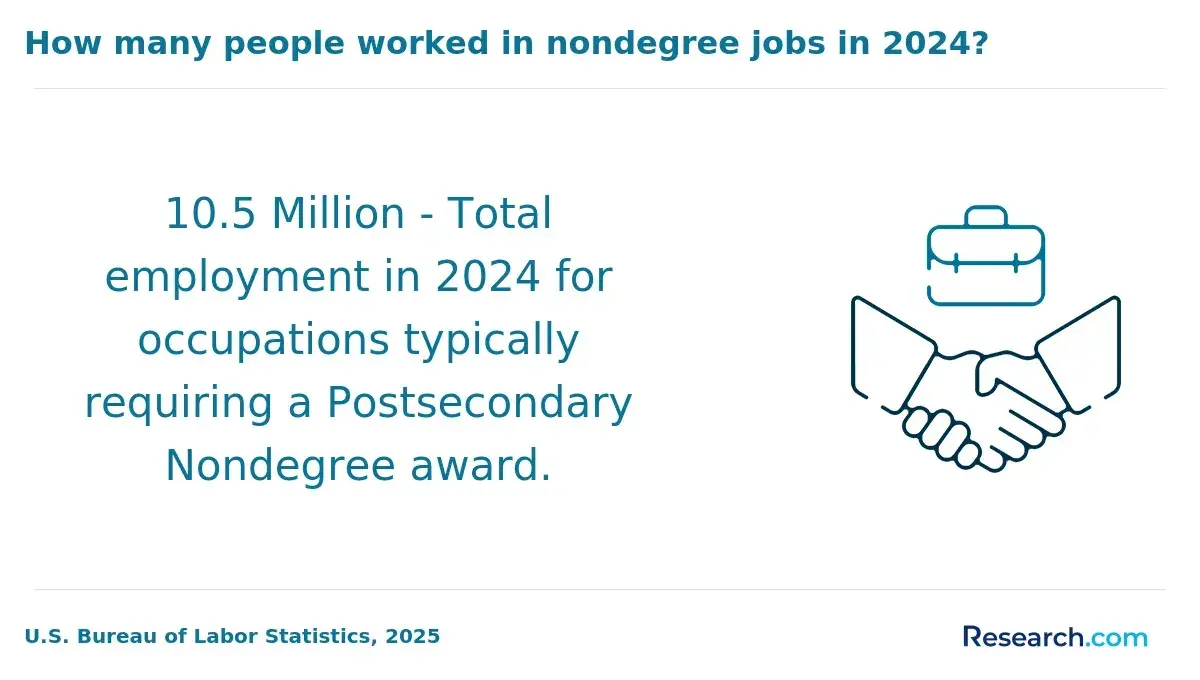
A clinical psychology master's degree can serve as a targeted tool for career changers by building specialized competencies that facilitate entry into healthcare, counseling, or organizational roles where behavioral expertise is essential. However, its effectiveness hinges on factors such as prior professional experience, licensure or certification pathways, and the specific industry segment targeted. For example, someone transitioning from an unrelated corporate position into behavioral health must often supplement their degree with internships or practicum experiences to meet employer expectations for hands-on skills. Many clinical psychology master's programs with rolling admissions charge tuition ranging roughly from $15,000 to $40,000, making cost a relevant factor in balancing educational investment against anticipated career repositioning outcomes. This financial range aligns with data on program flexibility, which may ease timing constraints for working professionals managing career change complexities while pursuing foundational psychological knowledge.
Outcomes for career change options with clinical psychology master's credentials are mixed, highly dependent on networking access and labor market demand in specialized fields such as school psychology, rehabilitation, or community mental health services. Graduates can reposition for leadership or technical roles when programs integrate applied learning and field placements, but many employers prioritize demonstrated practical competencies beyond classroom theory. Salary tradeoffs are common, as newcomers frequently accept entry-level positions despite prior career achievements, requiring strategic management of expectations and long-term mobility options. Those targeting regulated sectors may face additional barriers due to licensing mandates, necessitating a clear plan for credential completion.
For professionals exploring related credentials, options like the FNP post master's certificate illustrate alternative pathways emphasizing specialized roles outside purely clinical practice.
What Leadership and Management Roles Can You Pursue With a Clinical Psychology Master's Degree?
Leadership roles accessible with a Clinical Psychology master's extend well beyond direct client care, demanding a blend of psychological expertise and operational oversight tailored to each sector's dynamics. In healthcare, for instance, graduates often progress to supervisory positions requiring mastery of regulatory compliance, staff development, and program management-responsibilities that can evolve into department-level administration involving strategic budgeting and quality assurance. Corporate settings diversify these roles further by positioning graduates in leadership of wellness initiatives or behavioral training programs, where influence hinges on navigating organizational politics and aligning mental health priorities with business objectives. The variety in leadership pathways reflects employer expectations that increasingly favor candidates combining psychological insight with strong coordination and cross-functional decision-making skills-competencies that can significantly impact promotion criteria and salary trajectories.
The scope and nature of leadership depend heavily on the work environment and credentials held, with some roles necessitating deep technical proficiency while others prioritize grant oversight, policy advocacy, or stakeholder engagement, especially in nonprofit and public health organizations. Supervisory experience alone often proves insufficient; leadership jobs typically require advanced accountability measures including program outcomes and resource allocation efficacy. Many employers recognize the tradeoff in these positions as professionals balance diminished hands-on clinical work against gaining strategic influence and enhanced compensation. Recent industry reports indicate that candidates showcasing project management experience alongside clinical training consistently experience smoother transitions to mid- and senior-level leadership roles, underscoring the practical advantage of integrating managerial competencies during or soon after master's completion.
One graduate recalled navigating the rolling admissions process while juggling a full-time job and family commitments. Initially hesitant to apply due to the uncertain timeline, she delayed submitting her materials, worried that missed deadlines might derail her plans. In the end, her careful preparation earned a prompt acceptance that allowed her to begin course work sooner than expected, enabling her to strategically position herself for leadership opportunities earlier than peers who applied later. This experience highlighted how timing and readiness in the admissions cycle can materially affect career pacing for prospective clinical psychology leaders.
What Skills Do Employers Expect From Graduates With a Clinical Psychology Master's Degree?
Employers in clinical psychology increasingly prioritize graduates who combine technical competence with contextual clinical judgment, reflecting the complex realities of modern mental health care. Proficiency in standardized psychometric assessments and data interpretation remains foundational, yet these skills must be integrated with nuanced understanding of clients' psychosocial environments to inform individualized treatment strategies. For example, a hospital-based clinician adept in electronic health records and insurance protocols often gains a competitive edge by streamlining documentation and reimbursement processes-competencies that directly influence both patient outcomes and institutional efficiency. Graduates who demonstrate leadership through supervising junior staff or coordinating multidisciplinary teams align with organizational demands for operational excellence and strategic resource management, skills that can impact upward mobility and salary potential, where advanced roles frequently offer compensation increases exceeding 15% over entry-level positions according to recent workforce analyses from the Bureau of Labor Statistics (2024).
The spectrum of valued skills varies distinctly by sector and career trajectory within clinical psychology. Research-focused roles emphasize mastery in statistical software, grant writing, and outcome evaluation, supporting evidence-based practice and funding acquisition. In contrast, clinical environments expect adaptability to regulatory frameworks and resilience in high-pressure settings. These competencies are cultivated primarily through rigorously structured practicums and supervised clinical experiences that replicate authentic professional challenges, enabling graduates to transition smoothly into specialized settings like forensic or neuropsychology. Failure to develop these skills often restricts graduates' access to leadership roles and limits salary growth over time, underscoring the importance of programs that prioritize hands-on training and multidisciplinary collaboration to align skills with employer expectations in a competitive job market.
Are Remote and Flexible Careers Available With a Clinical Psychology Master's Degree?
Remote and flexible careers within clinical psychology master's graduates are distinctly shaped by the nature of specific roles and employer requirements, making blanket assumptions about telecommuting impractical. Positions centered on research, assessment, or administrative tasks typically offer greater latitude for remote or hybrid work due to reliance on digital tools for data analysis and report writing. Conversely, client-facing roles such as direct therapy or diagnostic evaluations demand hybrid models combining telehealth with occasional in-person sessions to meet licensing mandates and ethical standards. Crisis intervention, group therapy, and community outreach generally require physical presence, limiting flexibility. Employer expectations emphasize consistent productivity, engagement, and availability regardless of location, underscoring a tradeoff between geographic flexibility and performance demands. This nuanced landscape affects work-life integration and may influence career decisions, especially for professionals prioritizing remote or flexible conditions alongside clinical responsibilities.
Industry sector and organizational size further impact remote opportunities, with smaller private practices or independent contractors often permitting fully remote or flexible scheduling, while larger healthcare institutions impose collaboration and supervision protocols that restrict remote work. Experience level also matters: entry-level clinicians tend to spend more time onsite for supervision, whereas mid-career and research-focused professionals can transition more readily into flexible or remote roles. Those considering flexible career options in clinical psychology should recognize that remote positions often come with varying compensation structures and may require navigating more competitive hiring landscapes. Enrollment and workforce data from 2024 indicate growing interest in accelerated pathways, paralleling trends seen in related fields like nursing with fastest RN to BSN programs, suggesting evolving demands for efficient qualification routes that support career mobility and flexibility.
What Certifications or Licenses Complement a Clinical Psychology Master's Degree?
Licenses and certifications critically shape career trajectories for graduates holding a clinical psychology master's degree, defining both legal practice rights and competitive positioning. While licenses such as Licensed Professional Counselor (LPC) or Licensed Marriage and Family Therapist (LMFT) are mandatory for independent clinical work in most states, certifications in specialized approaches like trauma therapy or cognitive behavioral therapy add professional distinction. In practical terms, a clinician licensed but lacking specialization certificates may face narrower job eligibility and slower salary progression compared to peers with targeted credentials. Employers in hospitals or government settings, for instance, often demand evidence of the latest certifications to ensure compliance with evolving clinical standards and to enhance intervention quality, directly influencing hiring and reimbursement policies. This underscores how understanding state licensing requirements for clinical psychology careers is essential for graduates to navigate jurisdictional nuances and avoid gaps in legal authority to practice.
Beyond regulatory mandates, certifications serve as workforce signals of advanced capability and leadership readiness, fostering access to roles involving supervision, consultancy, or niche client groups. However, maintaining multiple certifications carries operational tradeoffs, including continuing education demands and potential renewal fees, which professionals must weigh against expected gains in marketability and salary premiums. Not all clinical psychology roles value these credentials equally; for example, community-based settings may prioritize state licensure, whereas specialized clinics emphasize certifications linked to evidence-based treatments. Career changers and active professionals also benefit from targeted credentials that validate specific skill sets rapidly, optimizing their alignment with labor market needs. Prospective students exploring pathways, including those interested in related areas like an online speech pathology bachelor degree for veterans, should carefully incorporate licensing and certification prospects into their long-term planning to enhance employability and professional credibility.
What Graduates Say About Career Opportunities With a Clinical Psychology Master's Degree
- Landen: "Balancing a full-time job while enrolled in my clinical psychology master's program was exhausting, but I chose it for the program's flexibility and the value it placed on internships. In hindsight, prioritizing a part-time internship over additional coursework helped me build a practical portfolio that caught the attention of several clinics. That hands-on experience made the difference in landing a remote counseling role, even though I wasn't licensed yet."
- Nicholas: "After finishing my master's, I quickly realized that without a license, upward mobility in clinical psychology settings was limited despite strong academic performance. I had to decide whether to pursue licensure immediately or focus on certifications and specialized skills to stay competitive. Opting for certifications led me to a steady job in behavioral health with moderate salary growth but more diverse day-to-day responsibilities than traditional roles."
- Maverick: "The program was intense, and financial constraints meant selecting a program with a shorter timeline was critical. I chose one that emphasized research and assessment skills, which paid off when I secured a research assistant position after graduation. However, transitioning into clinical practice was tougher than anticipated because many employers prioritized licensed clinicians or those with extensive internships, forcing me to pivot toward neuropsychological testing."
Other Things You Should Know About Clinical Psychology Degrees
Graduates with a master's degree in clinical psychology can pursue roles like mental health counselors, rehabilitation specialists, or human resources professionals in 2027. These positions leverage the skills acquired during the program while addressing some limitations due to licensure requirements for practicing as a psychologist.
Many states require a doctorate for full clinical licensure as a psychologist, meaning master's graduates may face constrained scopes of practice or need to pursue additional certifications to provide certain services independently. This licensing barrier affects salary negotiation power and eligibility for clinical positions that require autonomous decision-making. Students aiming for independent practice should weigh whether investing in a master's alone aligns with their career timeline or if planning for a doctoral path is more practical.
Employers in community mental health, academic settings, and private practice vary in their perception of a master's-level credential depending on experience, specialization, and demonstrated competencies. Experience with evidence-based interventions or specialized populations often outweighs degree title alone. Candidates who supplement their master's education with internships, certifications, or targeted skill development typically have better job placement and upward mobility prospects.
Accreditation by recognized bodies signals adherence to national standards of clinical training, which is crucial for licensure eligibility and employer confidence. Prioritizing accredited programs is advisable to avoid later credentialing hurdles and maximize employment opportunities in regulated clinical settings. Students willing to compromise on accreditation risk longer timelines and additional costs to meet state or employer requirements.
References
- American Psychological Association. (2023). APA guidelines for psychological practice with diverse populations. https://www.apa.org/about/policy/psychological-practice-diverse-populations.pdf
- Association of State and Provincial Psychology Boards. (2024). ASPPB guidelines for the licensure of master’s-level psychological practitioners: A jurisdiction review. https://www.asppb.net/page/licensure-standards
- Bureau of Labor Statistics. (2026). Occupational outlook handbook: Psychologists. U.S. Department of Labor. https://www.bls.gov/ooh/life-physical-and-social-science/psychologists.htm
- Health Resources and Services Administration. (2025). Health professional shortage areas (HPSAs): Mental health workforce projections. U.S. Department of Health and Human Services. https://data.hrsa.gov/topics/health-workforce/mental-health-workforce
- National Association of County and City Health Officials. (2025). National profile of local health departments: Staffing structures, budgets, and leadership trends. https://www.naccho.org/resources/pubs/profile
- National Board for Certified Counselors. (2026). National Certified Counselor (NCC) and exam registration handbook. https://www.nbcc.org/certification
- National Institute of Mental Health. (2024). Mental health services utilization and workforce delivery systems. U.S. Department of Health and Human Services. https://www.nimh.nih.gov/health/statistics/mental-health-services-utilization
- Substance Abuse and Mental Health Services Administration. (2025). National guidelines for behavioral health crisis care: Best practices toolkit. U.S. Department of Health and Human Services. https://www.samhsa.gov/resource/ebp/national-guidelines-behavioral-health-crisis-care