2027 Capstone vs Thesis Requirements for Financial Technology Master's Programs

Co-Founder and Chief Data Scientist
The choice between a capstone and thesis fundamentally shapes how graduate students, especially working professionals and career-changers, engage with financial technology master's programs. Capstone projects often demand proficiency in industry-standard tools like Python, R, or simulation platforms aligned with fintech delivery models, emphasizing real-time application under tight deadlines. In contrast, thesis tracks revolve around extended empirical research guided by faculty committees and established quantitative frameworks, demanding deeper data analysis skills and comprehensive defense processes. With online enrollment among adult learners rising by 15% in 2024 per NCES data, understanding these distinctions informs decisions on balancing time, workload, and career investments.
This article examines key differences in capstone versus thesis requirements to help identify which aligns best with individual work styles, professional objectives, and long-term fintech career pathways.
Key Things to Know About Capstone vs Thesis Requirements for Financial Technology Master's Programs
- Capstones prioritize applied problem-solving over original research, reducing time-to-degree by focusing on immediate fintech challenges but may limit exposure to in-depth theoretical frameworks vital for some innovation roles.
- Theses develop specialized research skills valued by employers emphasizing data-driven strategy, yet may delay labor market entry, requiring students to balance this with evolving fintech workforce demands.
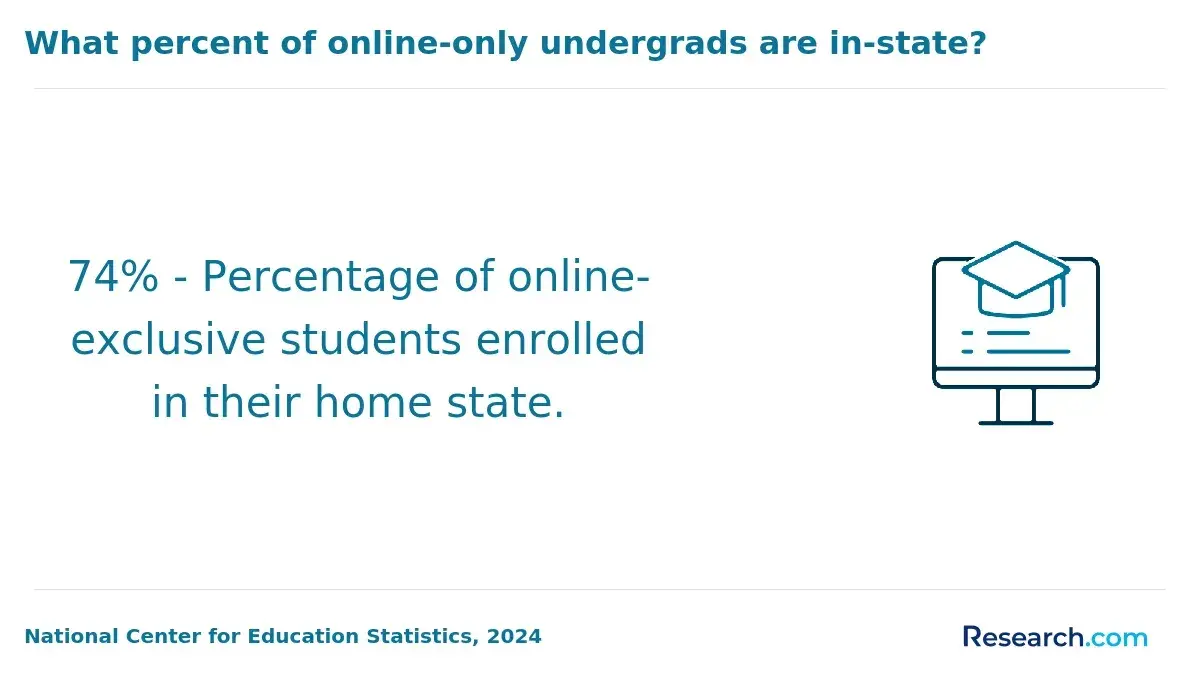
- As adult learners represent over 40% of graduate enrollment per NCES 2024 data, capstones often offer greater accessibility and manageable workloads, aligning better with professional schedules compared to the extended commitment a thesis demands.
What Is a Capstone Project in a Financial Technology Master's Program?
A capstone project in Financial Technology master's programs functions as a practical nexus where academic theories meet industry realities. Unlike a thesis, which prioritizes extended original research and theoretical contributions, a capstone demands actionable, applied outcomes that align with employer needs for immediate technical proficiency. This requirement creates a learning experience tailored to the fintech sector's fast-evolving environment and equips students with tangible skills.
- Professional Alignment: Capstone project requirements for financial technology master's programs center on solving real-world challenges such as implementing blockchain applications or developing secure payment systems. This focus helps students demonstrate competencies valued by fintech employers, including compliance navigation and cross-disciplinary collaboration.
- Structured Workflow: Students follow a deadline-driven timeline that emphasizes iterative design and prototype testing, reflecting typical fintech product development cycles. This approach contrasts with the more open-ended, exploratory schedules common in thesis work, fostering project management skills under time constraints.
- Program-Design Rationale: Financial technology programs use capstones to consolidate learning through applied capstone experience in financial technology graduate studies, ensuring graduates possess practical knowledge immediately transferable to the workforce. This reduces time-to-degree compared to thesis tracks by combining coursework with a defined deliverable.
- Thesis Contrast: The thesis path favors theoretical investigation and contribution to academic discourse but risks less alignment with pressing industry demands. Students must weigh whether their career goals justify the extra time and less structured guidance typical of thesis research versus the direct application focus of a capstone.
Students considering a capstone should assess how the project's applied nature, workload, and targeted skill development match their career stage and ambitions. Working professionals aiming for swift entry or advancement in fintech roles often benefit from the capstone's real-world orientation. For those leaning toward research or policy roles, the tradeoffs implicate both experience depth and time investment. Programs offering a cheap online MBA that integrates such capstone requirements can be particularly attractive for balancing cost, time, and employability outcomes.
What Is a Master's Thesis in Financial Technology Programs?
A master's thesis in financial technology programs acts as a rigorous, research-driven checkpoint that distinctly shapes student development and career pathways compared to project-based capstones. Unlike capstones-which prioritize practical problem-solving for immediate industry application-a thesis demands sustained original inquiry, often integrating complex quantitative methods with regulatory and technological frameworks. This foundational difference has significant implications for students balancing professional obligations or aiming for research-oriented careers.
- Research Depth: Theses require formulation of a precise hypothesis addressing gaps in fintech domains like blockchain algorithms or risk management. This in-depth scrutiny extends beyond applied solutions, demanding theoretical framing and comprehensive data analysis.
- Methodological Rigor: Programs emphasize reproducible, empirically based methods involving quantitative models or algorithm testing. This rigor prepares students for roles requiring advanced analytical skills and methodological transparency valued by regulators and academic employers alike.
- Faculty Expertise: Supervisors typically possess specialized fintech knowledge, guiding students through complex interdisciplinary questions rather than straightforward application projects, which increases expectations on original contribution and scholarly nuance.
- Workload Commitment: Completing a thesis often entails a semester or longer of data collection, iterative analysis, and formal defense. This extended timeline contrasts with shorter capstone projects, posing challenges for working professionals seeking faster degree completion.
- Career Impact: The thesis is strategically aligned with research-intensive roles, doctoral preparation, and positions demanding independent scholarly inquiry. Conversely, those prioritizing practical experience and swift industry entry might find capstone tracks more suitable.
For working professionals and career changers, choosing between the thesis or capstone option involves weighing time investment against long-term employability in specialized fintech sectors that prize research innovation over immediate technical deployment.
When Should You Choose a Capstone Over a Thesis in a Financial Technology Master's Program?
Opting for a capstone over a thesis in financial technology master's programs is strategically advantageous when students prioritize applied problem-solving and rapid degree completion aligned with workforce demands. Unlike theses, which require extensive academic research and formal writing, capstones focus on real-world fintech issues, making them better suited for professionals seeking to demonstrate tangible skills directly relevant to employer expectations.
- Career Alignment: A capstone suits those targeting roles in fintech product innovation, consultancy, or operational management, where project-based outcomes carry more weight than original research credentials.
- Time Efficiency: Capstone projects generally require less time to complete, fitting the schedules of working professionals who need to balance employment with academic progress without sacrificing credential relevance.
- Industry Engagement: Many programs design capstones in collaboration with industry partners, providing exposure to current regulatory or technological challenges that a traditional thesis often lacks.
- Research Commitment: Theses demand rigorous, faculty-guided investigation and academic writing, appropriate for those considering doctoral work or research-intensive careers, but less practical for students focused on immediate job market entry.
- Risk Management: Capstones mitigate the unpredictability inherent in thesis research timelines and complexities, reducing academic risk especially in fast-evolving fintech environments.
A graduate recalled weighing the choice near the end of their penultimate semester. They initially leaned toward a thesis, attracted by the prospect of deep research but ultimately switched to a capstone after employer feedback highlighted the greater value of project experience over academic publication in their target consulting firm. The capstone's structure allowed them to apply interdisciplinary tools directly to a fintech startup's compliance solution, facilitating networking opportunities and a quicker path to degree completion. Despite initial hesitation about foregoing a traditional scholarly route, the decision supported a smoother transition into industry roles, validating the practical advantages of a capstone in this context.
When Is a Thesis the Better Option for Financial Technology Students?
In financial technology master's programs, opting for a thesis instead of a capstone reflects a strategic choice rooted in research depth and academic rigor. A thesis demands extended timelines and faculty mentorship focused on original inquiry, which prepares students for specialized roles and doctoral studies more effectively than applied capstone projects. This pathway suits candidates targeting research-intensive careers or policy-oriented positions where systematic, evidence-based analysis outweighs immediate technical application.
- Research-Intensive Preparation: Thesis tracks emphasize complex methodologies and comprehensive data analysis, cultivating expertise needed for sustained academic or organizational research in fintech niches such as blockchain or regulatory technology. This extensive methodological training differentiates students pursuing rigorous inquiry from those oriented toward practical problem-solving.
- Faculty Mentorship: Access to advisors with specialized fintech research backgrounds is essential for thesis success. Their guidance in navigating narrow project scopes, data challenges, and publication opportunities supports scholarly competence and enhances long-term credibility within research communities.
- Career Trajectory Impact: Completing a thesis signals readiness for PhD programs and research-heavy roles in academia, government, or consulting firms, where evidence-based policy development or innovation leadership is valued over immediate portfolio demonstration.
- Long-Term Academic Value: Unlike capstones, theses contribute to academic recognition and often lead to peer-reviewed publications, solidifying a student's subject matter authority and supporting advanced professional opportunities.
When deciding if a thesis is the better culminating option for financial technology master's students, it is crucial to consider the distinct purpose and structure differences compared to a capstone. A thesis typically provides a deeper level of independent inquiry, intensive methodological training, and stronger research mentorship, which prepares students for doctoral programs or research-oriented careers. It also supports specialization depth and offers higher potential for publication, enhancing long-term academic and professional value.
For students balancing time constraints or seeking immediate practical skills, a thesis may prove less advantageous given its longer duration and narrower focus. Evaluating program structures, mentorship availability, and career objectives will clarify if the thesis pathway aligns with a student's professional aspirations. Prospective students can also explore inexpensive masters programs that maintain robust thesis options without disproportionate financial burden.
How Do Time, Workload, and Stress Compare Between Capstone And Thesis in a Financial Technology Master's Program?
The contrasting time demands and stress profiles of capstone and thesis requirements in financial technology master's programs reflect their fundamentally different academic and professional orientations. Choosing between them impacts how working professionals allocate time, engage intellectually, and manage persistent pressures over the course timeline.
- Time Compression: Capstone projects condense deliverables into short, intense bursts often involving team collaboration to simulate real-world fintech challenges. This tight scheduling can create acute workload spikes that require rapid problem-solving, posing challenges for students balancing jobs.
- Autonomous Engagement: Theses unfold across extended periods emphasizing independent, iterative research that demands persistent intellectual focus and discipline. This stretched timeline suits learners who can accommodate prolonged academic rigor but may face uneven stress due to ongoing advisor coordination.
- Faculty Interaction: Thesis candidates typically receive deep, continuous mentorship aimed at research refinement and originality, whereas capstone students engage with faculty over narrower intervals centered on practical feasibility and project completion.
- Outcome Orientation: Theses necessitate original contributions to fintech scholarship with rigorous data analysis and theoretical framing, intensifying cognitive strain. Capstones prioritize applied deliverables like prototypes or market analyses, aligning better with industry roles focused on immediate impact.
- Revision Demands: Thesis processes can involve multiple exhaustive revision cycles requiring resilience and detailed academic work. Capstone revisions usually focus on usability and presentation elements, with faster turnaround and lower iterative intensity.
For working learners, capstones offer compatibility with fluctuating schedules but may produce episodic high stress. Theses demand steadier, long-term effort, favoring candidates targeting research-oriented or doctoral pathways despite sustained intellectual pressure.
How Do Capstone and Thesis Choices Affect Career Outcomes in a Financial Technology Master's Program?
Capstone and thesis choices distinctly influence how fintech graduate competencies are perceived by employers and academic programs, shaping career outcomes in meaningful ways. Selecting one over the other carries implications for professional fit, skill signaling, and advancement opportunities in a sector defined by rapid innovation and evolving roles.
- Industry Relevance: Capstone projects focus on applied problem-solving, producing tangible solutions that fintech employers-especially in startups, corporate innovation, and consulting-value as evidence of job-readiness and impact orientation. This practical emphasis aligns with the demand for immediate contribution in product development and real-world implementation.
- Research Depth: Theses reflect rigorous academic inquiry, signaling capacity for data analysis and original research. This depth appeals to roles centered on algorithmic research, policy analysis, or preparation for doctoral programs, where methodological rigor outweighs immediate application.
- Time and Career Path Tradeoff: A capstone generally enables faster degree completion, benefiting professionals seeking quick credentialing to facilitate career shifts or progression without extensive research commitments. In contrast, a thesis extends program duration but opens doors to research-intensive roles and scholarly publication, which may be essential for specialized fintech analytics or academic careers.
- Employer Expectations: Fintech employers often differentiate candidates by the nature of their culminating work. Those with capstone experience demonstrate practical initiative and industry mentorship exposure, while thesis completers are viewed as possessing strong analytical rigor and discipline-specific expertise, influencing hiring for distinct position types.
Students weighing these options should also consider how their choice integrates with their broader professional context and goals. Those aiming for direct fintech career entry or transition might prioritize the portfolio strengths from a capstone, while those targeting policy, research, or doctoral study benefit from the scholarly foundation a thesis provides. For prospective students exploring program length and design relevant to these decisions, resources like online MFT programs accredited can offer comparative insights into degree structures supporting timely completion.
Choosing between capstone versus thesis career impact in Financial Technology master's programs shapes not only immediate employability but also the trajectory of graduate specialization, influence, and mobility within fintech ecosystems.
How Do Research-Based and Applied Learning Differ in a Financial Technology Master's Program?
Picking between a research-driven thesis and a practice-oriented capstone in financial technology graduate programs hinges on career goals and how students want to develop their expertise. The thesis demands deep engagement with existing fintech theory and original analysis, preparing those targeting academia or research-heavy roles, while the capstone prioritizes applied skills and immediate industry relevance, often favored by professionals shifting into development, product, or compliance functions.
- Time Investment: Thesis tracks require sustained effort over several months on literature review, data gathering, and validating hypotheses, often extending a program's duration. Capstones allow concentrated bursts to build usable fintech solutions or strategic documents tailored to real clients, fitting tighter schedules.
- Skill Focus: Research emphasizes critical thinking, methodological rigor, and navigating academic debates, nurturing analytical capabilities suited for PhD preparation. Applied projects cultivate technical implementation, cross-functional collaboration, and translating fintech trends into market-ready outputs aligned with employer expectations.
- Faculty Role: Thesis advisors prioritize scholarly contribution and methodological soundness, demanding precise academic writing and original insights. Capstone supervisors assess practical impact, innovation quality, and deliverable professionalism, often engaging industry mentors for real-world feedback.
- Career Alignment: Research paths align with those pursuing doctoral studies or quant-heavy roles requiring deep analytic experience, while applied learning suits professionals targeting fintech product design, regulatory analysis, or operational leadership, where demonstrable artifacts and problem-solving take precedence.
- Project Scope: Thesis projects dissect theoretical gaps or test novel fintech models under controlled conditions; capstones address tangible business or regulatory issues, frequently involving external stakeholders and iterative development cycles.
A recent graduate reflected on choosing between these paths during their final semester. Initially drawn to the thesis for its intellectual challenge, they found the time demands incompatible with their full-time job, especially as access to proprietary datasets was limited. Switching to a capstone, they collaborated closely with a fintech startup, delivering a functioning compliance dashboard within a four-month window. The faculty's pragmatic grading criteria contrasted with their early expectations about scholarly rigor, yet the hands-on experience proved invaluable for landing a product management position. Despite some lingering regrets about not engaging more deeply with theory, the decision matched the realities of their career timeline and personal obligations.
How Does Advising and Mentorship Differ in a Financial Technology Master's Program?
Advising models in thesis and capstone tracks within financial technology master's programs reflect fundamentally different expectations of student autonomy, faculty engagement, and project scope, with practical implications that extend into workforce readiness. The thesis advising structure emphasizes independent scholarly rigor tailored for original research contributions, which aligns with academic or research-focused career trajectories but demands significant self-management. In contrast, capstone mentorship prioritizes iterative faculty involvement that mirrors consulting or project management in professional fintech settings, fostering skills in stakeholder communication and applied problem-solving.
- Advisory Structure: Thesis students typically interact with a formal advisory committee, requiring scheduled reviews and detailed critique to maintain methodological rigor. This arrangement suits candidates aiming for doctoral programs or research roles but can increase administrative overhead and lengthen completion times.
- Feedback Dynamics: Capstone mentorship involves ongoing, practical guidance focused on deliverable milestones and industry relevance, offering faster, real-time adjustments. This collaborative style supports working professionals balancing job responsibilities by aligning academic output with immediate employer needs.
- Student Responsibility: Thesis advising assumes a high degree of independent initiative in literature synthesis and hypothesis development, demanding disciplined research planning. Capstone mentorship distributes responsibility more evenly between student and advisor, emphasizing applied technical skills and project execution over theoretical innovation.
- Workforce Implication: Employers in fintech often value capstone experience for its demonstration of project leadership and client engagement, which are critical in fast-evolving technology environments. Conversely, thesis experience signals potential for research-driven roles but may require additional practical exposure for industry readiness.
What Are the Typical Structures and Deliverables in a Financial Technology Master's Program?
The choice between capstone and thesis pathways in financial technology master's programs significantly influences workload, graduate outcomes, and alignment with professional goals. Capstones cater to those prioritizing practical application within compressed timelines, while theses offer a research-intensive route suited for academic or specialized careers. Understanding their typical structures and deliverables clarifies these tradeoffs.
- Capstone Format: Students develop a project addressing real-world fintech issues such as blockchain or payment systems. This involves less formal supervision, focusing on assembling a functional prototype and applying technical skills directly within industry contexts.
- Capstone Timeline: Usually completed within one to two academic terms, this pathway appeals to professionals seeking quicker integration of fintech concepts into their work without extensive delays.
- Thesis Orientation: Characterized by rigorous research, students formulate original hypotheses, conduct deep literature reviews, and apply quantitative or qualitative methods. This aims to expand foundational knowledge rather than immediate application.
- Thesis Deliverables: Emphasizes a lengthy, detailed written document plus an oral defense, demonstrating mastery and signaling readiness for doctoral programs or research-heavy fintech roles.
The divergent demands reflect how typical capstone and thesis structures for financial technology masters address varying employer expectations-capstones highlight problem-solving agility, while theses underscore analytical depth. This distinction shapes workforce readiness, influencing how hiring managers evaluate candidates' experience versus theoretical expertise. For working professionals assessing degree-completion pathways that fit their time constraints and career focus, these differences are critical.
Choosing a capstone may expedite employment or advancement in fintech roles, whereas committing to a thesis aligns with pursuits in research or academia. For sustained career planning, understanding these nuances helps gauge the real impacts of educational investment. For further context on navigating advanced credentials toward lucrative careers, consider exploring insights on high-paying jobs with environmental science degree.
How Flexible Are Program Policies in a Financial Technology Master's Program?
Flexibility in capstone versus thesis requirements significantly shapes how students navigate financial technology master's programs, especially when balancing academic demands with professional commitments. Institutional policies on culminating projects reflect competing priorities: ensuring academic rigor, meeting accreditation, and accommodating diverse student needs. This balance deeply influences who can pursue research-intensive theses versus applied capstones, how timelines are managed, and ultimately, the value of credentials in the job market.
- Policy Variation Across Programs: Flexibility depends largely on institutional rules and faculty capacity. Some programs strictly enforce thesis requirements to meet accreditation standards, limiting options for substitution with capstone projects. Others permit alternative tracks that emphasize applied learning but require careful faculty approval, impacting student workload and project scope.
- Switching Between Tracks: Moving from thesis to capstone or vice versa mid-program is generally constrained because of credit mapping and differing research intensities. Such shifts risk delaying graduation and can complicate employer recognition of the credential, which is critical for career changers needing clear, timely outcomes.
- Defense and Approval Processes: Thesis options typically involve formal defenses and rigorous review, extending completion timelines. Capstone projects often have structured deadlines aligned with coursework, offering clearer endpoints but less negotiation room for extensions-important for part-time or working students who value predictability.
- Implications for Working Professionals: For those balancing jobs, flexibility includes the ability to tailor projects to industry relevance, a common feature in some financial technology programs. Yet, this path requires early planning to secure approvals and manage deadlines, ensuring degree requirements fit within professional schedules.
These nuanced program policy options for culminating projects in financial technology graduate degrees shape student decisions, emphasizing trade-offs between in-depth research rigor and practical application. In this context, adult learners and professionals should prioritize institutions with transparent rules on project flexibility to align academic pathways with career goals and life constraints.
For related frameworks in flexible degree completion suggestive of practical scheduling, consider models such as a 2 year criminal justice degree online, which exemplifies structured flexibility for working students.
What Do Financial Technology Master's Graduates Say About Their Capstone Vs Thesis Experiences?
- Vince: "Balancing a full-time job while completing my financial technology master's thesis was overwhelming, but I chose a project focused on blockchain applications because it aligned with emerging market demands. This decision helped me land an internship that valued practical skills over certifications since many employers prioritized my portfolio demonstrating real-world problem solving. However, I quickly realized that without additional licensure, certain senior roles remained out of reach despite my technical expertise."
- Zane: "With limited savings, I had to be strategic in picking a capstone project that wouldn't extend my study time unnecessarily, so I focused on fintech risk management using data analytics-a field I was already passionate about. This approach allowed me to finish on schedule and secure a remote analyst position shortly after graduation, illustrating how flexible program options can enable faster workforce entry. Yet, competing against candidates with more direct experience taught me the importance of internships for standing out."
- Garrett: "I pivoted from traditional finance to pursue a master's in financial technology despite concerns about the workload and steep learning curve. Opting for a thesis on AI-driven credit scoring tools opened doors to a role that appreciates technical innovation but also highlighted salary growth limitations unless I obtained professional certifications. Navigating employer expectations taught me that continuous upskilling is essential even after graduation to advance within fintech."
Other Things You Should Know About Financial Technology Degrees
Yes. Capstones generally emphasize applied skills such as project management, coding, financial modeling, or system design tailored to fintech applications, which may accelerate readiness for industry roles. Theses demand a stronger focus on analytical rigor, research methodology, and theoretical problem-solving that can be valuable for roles involving strategy, policy, or advanced analytics but may delay entry into hands-on fintech tasks. Working professionals aiming to update technical competencies quickly might prefer a capstone for its practical orientation.
Fintech employers increasingly value demonstrable applied experience and project outcomes linked to real-world products or services, which capstone projects often provide. While some research-intensive roles or fintech startups oriented towards innovation may respect thesis work, many hiring managers prioritize portfolios showing tangible deliverables and teamwork. For students targeting immediate employability in fintech firms or startups, a capstone can offer clearer alignment with market expectations.
Capstone projects usually accommodate modular execution and shorter, more fixed durations, which can better fit the schedules of working professionals balancing jobs and studies. Theses often require sustained, independent research that can extend timelines unpredictably and demand more continuous focus. Those with constrained availability or who need structured milestones to maintain progress might find capstones a more manageable fit, whereas those with flexible timeframes and interest in deep inquiry may lean toward a thesis.
References
- Master’s Thesis or Capstone Project? Which One Is the Right Choice for https://research-rebels.com/blogs/how-to-write-thesis/master-s-thesis-or-capstone-project-which-one-is-the-right-choice-for-you
- DSpace https://uzspace.unizulu.ac.za/bitstreams/0f4cb128-9ffe-4aa3-9ac3-2d0e474f86a1/download
- Fintech’s Next Chapter: Our Thesis https://www.nea.com/blog/fintechs-next-chapter
- What is a project deliverable? Examples + workflows https://monday.com/blog/project-management/project-deliverables/
- Master of FinTech and Digital Finance - GEM https://www.grenoble-em.com/en/programs/master-of-fintech-and-digital-finance/
- Master of Science (MSc) FinTech https://www.dbs.ie/course/postgraduate/master-of-science-(msc)-in-financial-technology
- Research-Based Learning: Characteristics https://colegiomirasur.com/en/blog/research-based-learning/
- How College Choices Affect Career Outcomes | Pharmacy Times https://www.pharmacytimes.com/view/how-college-choices-affect-career-outcomes
- Advising and Mentoring of Students | EP3 Guide https://ep3guide.org/guide/advising-and-mentoring-of-students/
- Capstone Options in Master's in Communication Programs (Thesis vs Project) https://www.mastersincommunications.com/features/guide-to-graduate-communication-capstone-options