2027 Best Value Online Financial Technology Master's Degrees: Affordable Accredited Programs with the Highest ROI

Co-Founder and Chief Data Scientist
Choosing the right online financial technology master's degree demands more than prestige or convenience; it requires a clear assessment of value balanced against cost and career potential. With national data showing a 15% increase in enrollment among adult learners pursuing flexible online graduate programs in 2024, accessibility alone no longer guarantees return on investment.
Career trajectories hinge on accredited programs that align affordability with recognized rigor and relevant skills. Prospective students must navigate these factors strategically to avoid costly commitments that don't translate into meaningful employment gains or upward mobility in the evolving fintech landscape.
Key Things to Know About the Best Value Online Financial Technology Master's Degrees
- Programs accredited by recognized agencies ensure curriculum rigor and industry relevance, but often require foundational prerequisites, making them less accessible for career changers without prior finance or tech experience.
- Employers increasingly value programs that integrate hands-on fintech applications, signaling higher job market readiness over purely theoretical degrees; graduates from these often secure roles faster despite similar tuition costs.
- A 2024 National Center for Education Statistics report highlights a 12% rise in adult online enrollment, reflecting growing demand for flexible schedules; delays in enrollment can mean missing cohort start dates, extending time-to-degree and total cost.
What Are the Best Value Online Financial Technology Master's Programs in the U.S.?
Best value online financial technology master's programs in the U.S. balance not only tuition costs but also regional accreditation status, strong graduation rates, and significant post-graduation salary uplift. This balance is crucial because an affordable program with weak employer recognition might limit career prospects, while more expensive options may justify their cost through higher salary returns or superior networking opportunities.
A working professional weighing a $19,000 asynchronous program against a $45,000 flexible-paced alternative must consider how delivery format aligns with their schedule and if the salary growth supports the upfront investment. The practical ramifications of these tradeoffs directly influence long-term career trajectories in fintech roles such as quantitative analysts or blockchain developers.
- University of Michigan–Flint: This program costs approximately $19,000 in total, is delivered in an asynchronous format, and is distinguished by its focused fintech curriculum integrated with risk analytics, making it well-suited for risk-averse financial sectors.
- Syracuse University: With an estimated tuition of around $28,000, this program uses synchronous delivery through live online sessions and stands out by combining traditional finance with coding and blockchain for real-time, interactive learning.
- Stevens Institute of Technology: This program costs about $33,000 in total, features asynchronous delivery with occasional synchronous labs, and is notable for its strong emphasis on machine learning applications in fintech supported by industry partnerships.
- George Washington University: With a total tuition of approximately $38,000, this fully asynchronous program differentiates itself through faculty expertise linked to financial hubs and consulting work with federal agencies.
- University of Illinois Urbana-Champaign: This program costs around $45,000 in total, is delivered asynchronously with flexible pacing, and is recognized for its data-driven fintech specialization and strong alumni network that contributes to salary growth.
Let's explore the primary factors used to evaluate each program, providing insight into academic standards, student success, financial considerations, and professional outcomes.
- Accreditation: Each program is regionally accredited, ensuring recognized academic standards and transferability.
- Graduation Rates: Programs generally demonstrate graduation rates above 70%, reflecting student support mechanisms.
- ROI Factors: Measured by average post-degree salary increase of 20-35%, depending on previous experience and local job markets.
- Data Sources: Tuition and program details compiled from IPEDS and university-reported figures for the 2023-2024 academic year.
- Career Alignment: Curricula blend technical skills with financial theory to meet employer demand in emerging fintech sectors.
Financial technology graduate programs with highest ROI require students to carefully evaluate both the program structure and expected salary uplift. Many prospective students use resources referencing best majors and program costs to navigate this complex decision matrix.
What Accreditations Should an Online Financial Technology Master's Program Have?
Choosing an online financial technology master's program without confirming its accreditation risks costly setbacks, including limited credit transferability and reduced employer recognition. For example, graduates from a nationally accredited-only program may face difficulties when shifting careers or pursuing further education, as many employers and institutions favor regionally accredited degrees.
The accreditation structure for these programs hinges on two essential levels:
- Regional Accreditation: This baseline accreditation, awarded by one of the seven recognized U.S. regional accreditors such as the Higher Learning Commission (HLC), Southern Association of Colleges and Schools Commission on Colleges (SACSCOC), or Middle States Commission on Higher Education (MSCHE), signals that the entire institution adheres to rigorous academic standards. Its importance extends beyond quality assurance to determine eligibility for federal financial aid, facilitate credit transfers, and ensure broader employer acceptance. Programs lacking regional accreditation often present red flags regarding academic legitimacy and may restrict future educational or professional mobility.
- Programmatic Accreditation: Given the interdisciplinary nature of financial technology, which blends business, computing, and finance, specialized accreditation is a critical differentiator. Business-adjacent FT master's degrees ideally hold accreditation from bodies like the Association to Advance Collegiate Schools of Business (AACSB), indicating alignment with industry standards and employer expectations. For programs emphasizing computing or engineering aspects, ABET accreditation is relevant. These credentials provide a more focused validation of curricular quality and professional relevance within the sector.
- Red Flags: Be cautious of programs accredited solely by national or unrecognized agencies, as these can denote lower rigor and lack legitimacy in the eyes of employers or other colleges. Always verify that accreditors are recognized by the U.S. Department of Education or the Council for Higher Education Accreditation to avoid wasting time and resources on questionable credentials.
Prospective students should directly ask admissions representatives the following to confirm accreditation strength and trustworthiness:
- Regional Accreditation: Is your institution regionally accredited, and which accrediting body provides this status?
- Programmatic Accreditation: Does the financial technology master's program hold any specialized, program-specific accreditation?
- Credit Transferability: Are credits from this program transferrable to other regionally accredited institutions?
- Accreditor Recognition: Can you provide evidence that your accreditor is officially recognized by federal agencies or national accrediting oversight bodies?
How Much Does an Online Financial Technology Master's Degree Cost on Average?
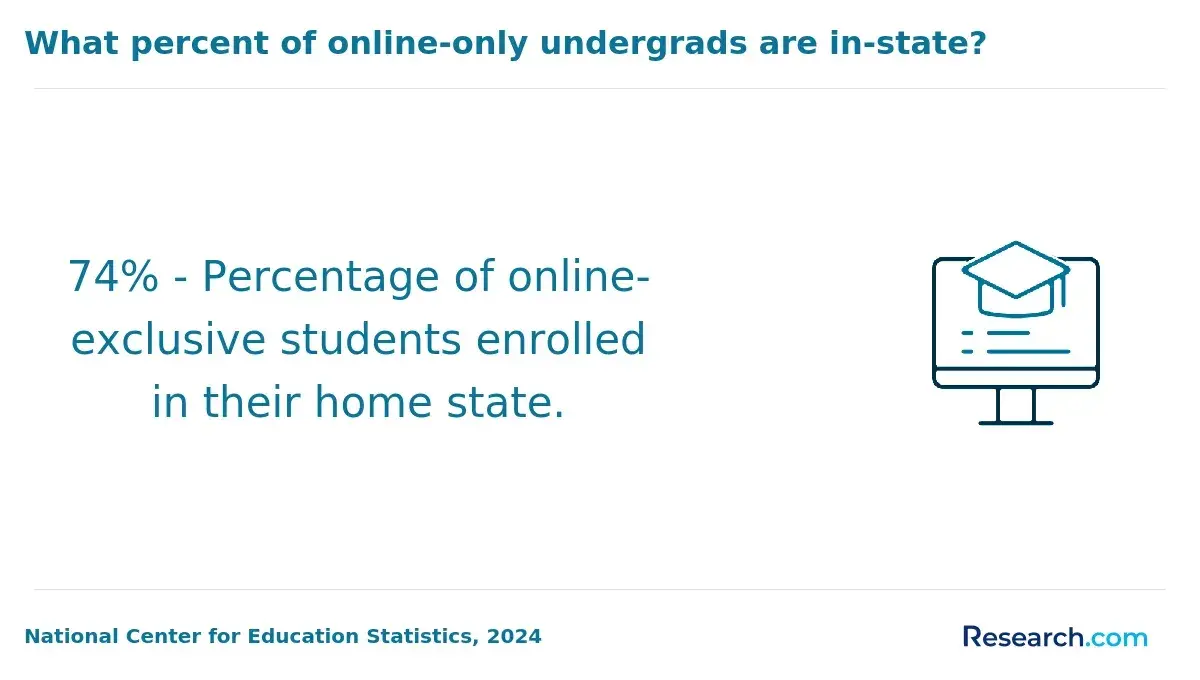
An online financial technology master's degree can vary widely in cost, with total program expenses typically falling between moderately priced public university offerings and more expensive private nonprofit institutions, based on IPEDS data and institutional disclosures. Per-credit-hour rates reflect this range, often influenced by residency factors; however, an increasing number of programs adopt flat tuition for all online students, minimizing out-of-state premium fees. For many learners, understanding the full cost requires looking beyond tuition to additional charges that accumulate throughout the program.
- Total Program Cost: Public universities tend to offer more accessible price points for accredited financial technology master's programs, with private nonprofits frequently commanding substantially higher fees driven by institutional resources and network advantages.
- Per-Credit-Hour Cost: While traditional pricing differentiated between in-state and out-of-state learners, many online options now set uniform credit-hour prices regardless of residency, simplifying budgeting but occasionally limiting cost savings for local students.
- Mandatory Fees: Enrollment, technology, student activity, and library fees often add a significant amount beyond base tuition, which students may underestimate when assessing affordability.
- Capstone/Thesis and Proctoring Costs: Additional expenses can emerge from required culminating projects or proctored remote exams, which vary by institution and may impact total out-of-pocket investment for candidates.
- Residency Requirements: Although many programs are fully online, some include short on-campus segments demanding travel and lodging costs that must be factored into the overall financial plan.
- Public vs. Private Benchmarks: A clear cost differential exists, with public universities generally offering lower total expenses but potentially fewer access points to extensive alumni networks or specialized financial technology emphases.
What Is the Return on Investment (ROI) of an Online Financial Technology Master's Degree?
Investing in an online financial technology master's degree translates to a financial tradeoff: weighing the potential salary uplift against tuition and related costs. Return on investment (ROI) in this context calculates as the increase in annual earnings after graduation minus the full program expense, divided by that expense-frequently expressed as a percentage or the number of years required to recover costs through higher pay.
Salary data for roles tied to such degrees-like fintech analysts or data analysts-reveal median pre-degree earnings commonly fall between $60,000 and $80,000, while graduates often reach $95,000 to $130,000 or more. This pay differential means program affordability is crucial; tuition totals from $15,000 to $30,000 often allow ROI to materialize within three to five years depending on geographic and industry conditions. However, several factors modulate this calculation:
- Work Experience: Candidates with a background in finance or technology typically amplify their salary gains post-degree, shortening ROI timelines.
- Institution Prestige: Credentials from reputable, accredited schools tend to yield stronger employment outcomes and salary premiums, directly influencing ROI.
- Regional Demand: Job markets in high-tech and financial hubs provide more robust compensation, making location a strategic consideration.
- Specialization: Emphasizing trending areas like blockchain or machine learning within financial technology can lead to superior market positioning and income.
- Non-Monetary ROI: Beyond salary, the degree can facilitate career shifts, leadership access, and greater employment stability.
What Are the Admission Requirements for an Online Financial Technology Master's Program?
Admission criteria for online financial technology master's programs often reflect the balance between academic rigor and relevant professional experience, highlighting the field's technical demands and interdisciplinary scope. For candidates navigating this process, understanding these requirements is crucial, as meeting or exceeding them directly influences admission prospects and later employability.
- Undergraduate GPA: A cumulative GPA of around 3.0 on a 4.0 scale is a common baseline, though notable flexibility exists depending on applicant background and program selectivity, particularly for those with substantial work experience in finance or technology sectors.
- Letters of Recommendation: Two to three references from academic or professional sources that can credibly speak to analytical abilities, professional conduct, and graduate-level potential are typically required.
- Statement of Purpose: This essay serves to clarify the applicant's motivations, career objectives, and alignment with the fintech discipline, offering admissions committees insight into the candidate's long-term vision beyond basic credentials.
- Resume or CV: Submitting an up-to-date, detailed resume that highlights relevant technical skills, financial experience, or data analytics expertise helps demonstrate real-world readiness and contextualizes academic records.
- Test Scores: While historically GRE or GMAT scores were standard, many programs now adopt test-optional or test-free policies, reducing barriers and placing greater emphasis on holistic evaluation.
- Program-Specific Prerequisites: Given fintech's STEM classification, foundational knowledge in mathematics, statistics, programming, or finance is often mandatory, with coursework or certifications strengthening an application's competitiveness.
Since admission standards vary widely among accredited programs, applicants should strategically apply across a breadth of reach, match, and safety options to optimize acceptance chances while aligning choices with career and financial goals.
What Is the Minimum GPA Requirement for a Financial Technology Master's Program?
Meeting minimum GPA requirements for admission into online financial technology master's programs is a practical threshold rather than a guarantee of acceptance or program fit. Most accredited programs set this baseline between a 2.75 and 3.0 undergraduate GPA, establishing the minimum eligibility for applicants. However, competitive programs typically expect a GPA of 3.2 or higher, reflecting the academic profile of those more likely to succeed and secure stronger employment outcomes in tech-driven finance roles.
This distinction is critical when evaluating options because meeting minimum eligibility may help you apply broadly, but failing to meet competitive benchmarks can limit scholarship consideration and increase the likelihood of rejection. For example, a working professional with a 2.8 GPA but substantial industry experience might still gain admission if the program offers GPA waivers or alternative strengths evaluation. Several schools accept portfolios, relevant certifications, or standardized test scores in place of strict GPA minimums.
Applicants with below-threshold GPAs may also be admitted conditionally, required to demonstrate academic competence through preliminary coursework or milestones before full enrollment. Programs rarely weigh GPA in isolation; most use holistic review processes incorporating work experience, statement of purpose, recommendations, and skill relevance.
For first-generation graduate students and career changers, understanding these nuances is vital to navigate how the average GPA needed for accredited financial technology master's degrees in the US translates into real admission chances. Costly missteps can be avoided by aligning personal profiles realistically against such criteria.
- Minimum Eligibility GPA: Most accredited online financial technology master's programs typically require an undergraduate GPA of around 2.75 to 3.0 as the baseline for consideration. This threshold represents the minimum academic achievement needed to enter the applicant pool but is not necessarily indicative of successful admission.
- Competitive GPA: Competitive programs often expect higher GPAs, commonly around 3.2 or above. This figure reflects the profile of students who are actually admitted and tend to perform well, signaling stronger academic preparation and potentially resulting in better graduate outcomes and job prospects.
- GPA Waivers and Alternatives: Many programs recognize that GPA alone is not a comprehensive measure of potential. Consequently, some allow applicants to substitute professional experience, portfolios, or standardized test scores in place of minimum GPA requirements. This flexibility can be crucial for working professionals or career changers whose academic record may not fully reflect their capabilities.
- Conditional and Provisional Admission: Applicants with below-threshold GPAs might still gain admission through conditional or provisional status. These arrangements often require additional coursework or meeting performance benchmarks early in the program to continue uninterrupted, providing a pathway without disregarding academic standards.
- Holistic Review: At many financial technology master's programs, GPA is only one dimension of evaluation. Admissions committees consider a range of factors-work experience, statement of purpose, recommendations, and relevant skills-to form a comprehensive view of each candidate's potential to succeed and contribute in a technologically evolving field.
For those seeking accelerated options, considering programs featured in resources like the 6 month masters degree listings can provide alternative pathways without compromising accreditation or workforce relevance.
What Financial Aid Options Are Available for Online Financial Technology Master's Students?
Federal grants rarely fund graduate studies, a common and often disappointing realization for first-generation applicants pursuing an online financial technology master's. Instead, borrowing through federal loans forms a core part of financing, with Direct Unsubsidized Loans offering fixed rates and Graduate PLUS Loans allowing higher borrowing limits after FAFSA submission. Still, relying exclusively on loans risks long-term debt burdens without guaranteed salary premiums, making other aid avenues crucial to investigate early on.
- Federal Loans: Direct Unsubsidized and Graduate PLUS Loans require FAFSA completion and define the baseline borrowing capacity for graduate students, with eligibility for outright grants being very limited.
- Institutional Scholarships and Fellowships: Universities may award merit- or need-based scholarships and fellowships to online financial technology students, but these are highly variable and often competitive, emphasizing the need for early research and prompt applications aligned with school deadlines.
- Employer Tuition Reimbursement: Professionals already employed can benefit from employer programs that partially or fully fund tuition; however, this usually depends on the alignment of the degree with current job responsibilities and internal company policies.
- Graduate Assistantships: Some online programs offer teaching or research assistantships with stipends or tuition waivers, though these are less common than on-campus positions and typically require advanced academic credentials and proactive engagement.
- External Scholarships: Targeted awards from financial technology-related professional bodies can meaningfully offset costs and reduce reliance on loans, but often require demonstration of field interest and professional commitment.
To maximize aid, applicants should submit the FAFSA as early as possible to secure priority consideration and better institutional funding chances; carefully target scholarships tied to financial technology specializations; maintain transparent communications with financial aid offices to explore package adjustments; and explore state-level grants supporting online learners. Understanding the Student Aid Index early enables realistic borrowing plans, helping avoid unmanageable debt relative to expected career returns.
How Long Does It Take to Complete an Online Financial Technology Master's Degree?
Completion time for an online financial technology master's degree has direct implications for workforce re-entry, salary trajectory, and employer perception. Full-time students typically finish between 18 months and 2 years, which aligns with a standard academic pace and allows earlier access to advanced roles requiring graduate credentials.
However, most learners enroll part-time-balancing work and life-extending the timeline to 2.5 to 4 years, which can delay career impact and increase total program costs. For first-generation graduate students or career changers, this extended duration often demands careful financial and time management planning.
- Full-Time Completion: Most full-time students finish between 18 months and 2 years, reflecting standard academic pacing with a manageable course load each semester.
- Part-Time Completion: Representing the majority, part-time learners often require 2.5 to 4 years to graduate, as they juggle work and personal commitments alongside academic demands.
- Credit Hour Requirements: Programs generally require 30 to 45 credit hours, with higher credit totals potentially extending the timeline.
- Transfer Credits: Acceptance of prior graduate coursework can shorten duration but varies significantly between institutions.
- Schedule Format: Cohort-based programs may have fixed timelines, while self-paced tracks allow students to accelerate or slow their progress based on individual circumstances.
- Accelerated Options: Some programs offer completion in as little as 12 months; however, speed should not outweigh considerations of accreditation and employer recognition.
- Thesis or Capstone Projects: These requirements can add one to two semesters, depending on student pace and faculty availability, impacting overall time to degree.
Although some accelerated programs claim completion in 12 months, employers often prioritize accreditation status and demonstrated competencies over speed alone. A realistic assessment of program structure helps avoid costly missteps, especially since a growing share of programs now incorporate flexible pacing to serve working professionals and underrepresented groups effectively. Recent enrollment data also show a steady increase in part-time online financial technology master's students who prioritize balancing work, which influences average completion times across the board.
Comparing durations across accredited online masters in finance programs reveals alignment in credit hour requirements and pacing options, highlighting institutional norms. This transparency assists prospective students in navigating admission cycles and financial aid frameworks more strategically.
Average duration of accredited online financial technology master's programs in the US depends not only on student status but on institutional policies, making informed planning critical when weighing affordability, academic credibility, and career return on investment.
What Specializations or Concentrations Are Available in Online Financial Technology Master's Programs?
Choosing a specialization within online financial technology master's programs directly affects career targeting and salary prospects, as employers increasingly value candidates with defined technical skills aligned to specific fintech demands. For example, a graduate focused on blockchain and cryptocurrency might access roles in digital asset firms or decentralized finance startups, while one concentrating on regulatory technology (RegTech) could fit compliance roles in banking.
Some programs expect students to commit early to a concentration, limiting flexibility, while others allow elective-based generalist tracks. This decision shapes not only employability but also long-term career mobility, making it crucial for prospective students-many of whom seek data analytics for financial services and blockchain technology concentrations tailored to fintech applications-to study job postings closely and identify which specializations are market priorities.
- Blockchain and Cryptocurrency: Emphasizing distributed ledger technologies and digital currencies shaping financial services innovation.
- Data Analytics and Machine Learning: Focusing on leveraging big data to create predictive models and automate decision-making in finance.
- Cybersecurity in Financial Services: Addressing the unique challenges of protecting financial data and systems from growing cyber threats.
- Payments and Digital Banking: Covering the infrastructure, regulation, and innovation behind modern payments ecosystems and online banking platforms.
- Regulatory Technology (RegTech): Concentrating on compliance solutions, risk management, and technology that supports regulatory adherence.
- Artificial Intelligence Applications: Exploring AI-driven automation and intelligent systems transforming financial products and customer experiences.
- Financial Engineering and Algorithmic Trading: Combining quantitative methods and programming for designing trading strategies and financial instruments.
- Product Management in Fintech: Preparing students for roles that oversee the development and deployment of fintech products and services.
Not all concentrations hold equal labor market value or regional relevance, so consulting alumni and program advisors is advisable to avoid costly mismatches. Careful due diligence informs a concentration choice that balances personal interest with robust employability.
- Accreditation Bodies: Regional accreditors such as Middle States, WASC, and SACSCOC affirm program quality; some programs may additionally hold specialized accreditation from business education agencies like AACSB or ACBSP.
- Program Delivery: Most online fintech master's degrees balance asynchronous coursework with synchronous elements for flexibility and interaction, allowing working professionals to engage without compromising employment.
- Admission Requirements: Varied by program but commonly include undergraduate degree verification, work experience, especially in technology or finance, and sometimes standardized test scores or professional certifications.
For those balancing financial constraints and academic goals, reviewing affordability alongside specialization relevance is vital. Candidates can reference analyses of the best online MFA programs as examples of how affordability impacts degree ROI across fields.
How Do Online Financial Technology Master's Programs Compare to On-Campus Programs in Quality and Recognition?
Employer skepticism toward online degrees has diminished significantly, particularly for financial technology master's programs offered by regionally accredited institutions. According to recent employer surveys, including data collected in 2024 from SHRM and other hiring authorities, the majority of managers prioritize the institution's reputation over the modality through which the degree was earned. This shift means that a master's degree earned online from a regionally accredited university generally holds equal credibility to its on-campus counterpart, especially since diplomas usually omit any indication of delivery method, preserving credential parity.
Nevertheless, there are practical distinctions that matter in the workforce and educational experience. On-campus students often access richer networking avenues via face-to-face interactions, direct entry to campus recruiting events, and hands-on labs or practicums-elements that can accelerate readiness for roles requiring applied skill sets. For example, a student pursuing a fintech specialization focused on regulatory technology might gain more from in-person workshops than purely virtual simulations.
Conversely, many online programs have begun to mitigate those gaps by integrating virtual networking tools, forming employer partnerships that facilitate remote internships, and offering short-term residencies to build community and experiential learning. Prospective students should weigh these tradeoffs carefully and focus their research on institutional outcomes rather than program format alone. Examining alumni employment status and salary trajectories via LinkedIn or similar platforms provides more reliable indicators of career ROI.
- Accreditation: Regional accreditation remains the critical benchmark ensuring degrees carry proper professional weight irrespective of online or in-person delivery.
- Employer Perception: Surveys from SHRM (2024) reveal most hiring managers evaluate the institution's reputation over program modality, reducing bias against online degrees.
- Networking: On-campus programs deliver direct interpersonal connections and campus recruiting pipelines, though online programs increasingly offer hybrid events and virtual networking.
- Practical Experience: Access to labs and practicum sites traditionally favors on-campus students; however, innovative hybrid residencies and virtual simulations are emerging alternatives.
- Career Outcomes: Alumni employment data and salary ranges, often accessible via LinkedIn, provide essential insights beyond delivery mode into a program's true labor market efficacy.
What Graduates Say About the Best Value Online Financial Technology Master's Degrees
- Vicente: "Balancing a full-time job and family left me with very limited time to pursue further education, so I prioritized programs that offered flexibility and affordability. I chose an accredited online master's in financial technology that allowed me to complete coursework at my own pace while still gaining essential skills in blockchain and machine learning. Although I didn't land a role immediately at a top fintech firm, the portfolio projects I developed helped me secure an internship that opened doors to a promising entry-level position with remote work options."
- Zane: "After considering a career change but facing budget constraints, I selected a program known for its strong ROI rather than its prestige. The coursework was intense, and I had to adjust my workload significantly, but completing the degree helped me understand the practical limitations employers place on licensure versus tangible experience. Despite competitive hiring landscapes, the certification and hands-on skills I acquired made it easier to negotiate a salary increase, even if advancement without additional licensure remains a longer-term challenge."
- Gael: "I was skeptical about investing heavily in a master's without a guaranteed return, especially given how niche the financial technology field is. Choosing an affordable accredited program helped manage my risk, and I focused on building a portfolio during the program to emphasize real-world skills rather than just theoretical knowledge. Employers I interviewed with clearly valued internship experience and demonstrable projects more than the degree alone, leading me to accept a role that required continued learning but offered a foothold in the industry."
Other Things You Should Know About Financial Technology Degrees
Graduates commonly move into roles such as fintech analysts, risk managers, or product developers in banking and technology firms. However, outcomes hinge heavily on program alignment with current industry tools and practices, as well as the depth of practical, applied learning. Programs emphasizing real-world projects and partnerships with employers tend to facilitate smoother transitions into mid-level and specialized positions, which can significantly impact salary growth and career trajectory.
Beyond tuition, students should anticipate expenses such as software licenses, specialized hardware, proctored exam fees, and required course materials not covered by tuition. These can add up considerably, especially in programs with lab components or proprietary fintech platforms. Prospective students must budget carefully to avoid surprises that diminish the overall value and ROI of the degree, and they should inquire upfront about these ancillary costs before enrolling.
Prioritize programs with strong connections to the fintech industry, demonstrable job placement rates, and curricula that emphasize the technologies and regulations dominating the market. Consider tradeoffs like program length versus depth and part-time options that accommodate working professionals. For those targeting rapid career shifts or specific roles, programs with integrated internships or capstone projects aligned to employer needs offer the highest likelihood of timely, meaningful employment outcomes.
References
- Best Financial Technology Master's Degree Programs, Jobs, and Salaries https://careerkarma.com/blog/best-financial-technology-masters-degrees/
- MSc Financial Technology | Fintech Master's Degree https://www.wbs.ac.uk/courses/masters/financial-technology/
- Master of Science in Digital Financial Technologies (Fintech) https://www.kennesaw.edu/degrees-programs/master-degrees/fintech.php
- Master of Science in Financial Technology (MSc FinTech) Fees and Financing - Asian Institute of Management https://aim.edu/fintech-fees-and-financing/
- Average Cost of a Master's Degree: 2025 Analysis https://educationdata.org/average-cost-of-a-masters-degree
- Best Master in FinTech Programs - Admission Info | ARINGO https://aringo.com/top-ranked-masters-programs-in-fintech/
- Admissions https://www.imperial.ac.uk/business-school/masters/financial-technology/admissions/
- Funding Your Online Master’s Degree: How to Pay Less with Financial Aid https://www.onlinemastersdegrees.org/financial-aid/
- Online M.Com in Fintech (Certification) | Amity Online https://amityonline.com/mcom-fintech-online
- Master in Finance and Fintech - July 2026 - Online https://masters-finance.com/