2027 Financial Technology Master's Programs With Practicum Placement Support

Co-Founder and Chief Data Scientist
Choosing a financial technology master's program with effective practicum placement can define early career outcomes, especially when placement matching lacks transparency or supervisory quality varies widely. In 2024, continuing adult learners now represent over 50% of graduate enrollments, underscoring the demand for flexible pathways that bridge theory and practice. Yet many programs overlook critical factors such as accreditation compliance, diversity of practicum sites, and contingency planning for placement disruptions. This analysis reveals what differentiates programs with robust practicum frameworks from those offering nominal support, empowering candidates-first-time entrants, career changers, and remote learners-to assess practical value beyond promotional claims.
Key Things to Know About Financial Technology Master's Programs With Practicum Placement Support
- Programs often use algorithmic matching based on student skills and industry needs, which improves placement relevance but may limit flexibility for students seeking niche or startup environments.
- Supervisor qualifications usually prioritize current fintech industry experience over academic tenure, aligning mentorship with employer expectations yet potentially constraining exposure to diverse theoretical frameworks.
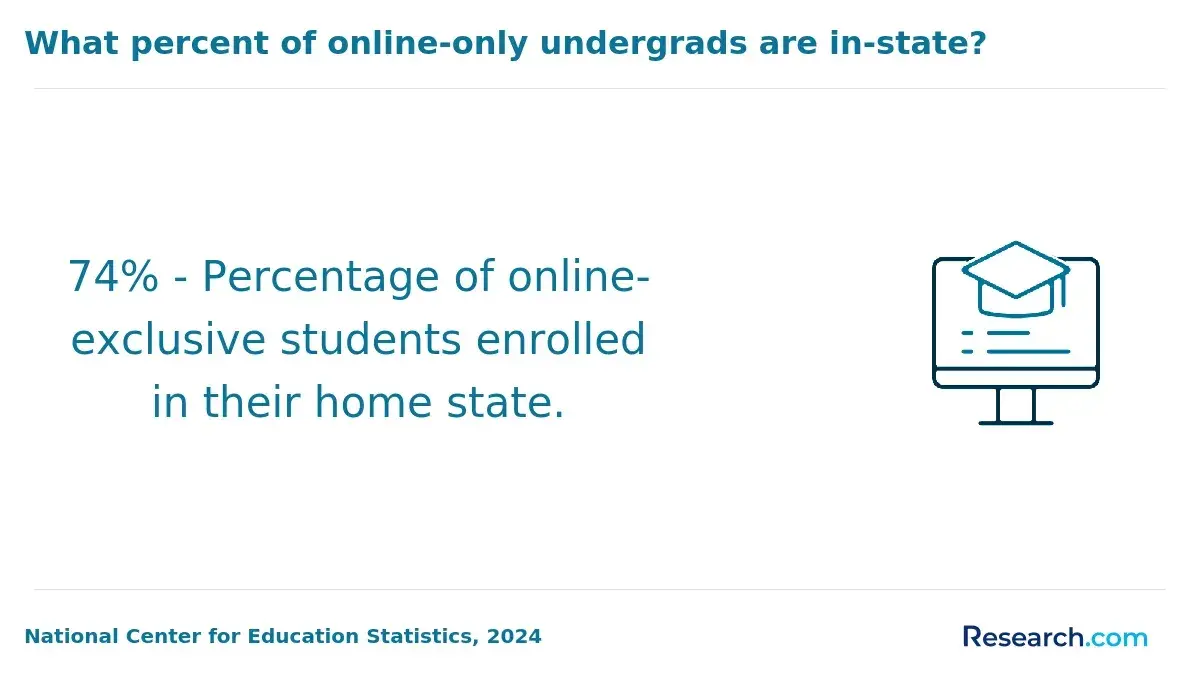
- Site diversity ranges widely, with regional hubs dominating; this geographic concentration affects access costs and opportunity timing, underscoring the need for contingency plans amid growing demand documented by the 2024 National Center for Education Statistics.
What Are Financial Technology Master's Programs With Practicum Placement Support?
Master's-level practicums in financial technology programs function as pivotal bridges between academic theory and applied professional experience, distinct from typical internships or clinical placements by their structured, curriculum-integrated nature. Unlike internships where students frequently shoulder the responsibility of securing placement, programs with practicum placement support actively manage and facilitate student integration into relevant fintech roles. This distinction matters deeply in an industry where access often hinges on established networks and proximity to financial hubs, putting those with limited connections or geographic constraints at a significant disadvantage without this support.
Programs offering practicum placement services in financial technology graduate programs incorporate several key features that define their practical value and long-term career impact. These include:
- Structure: Practicums are cohesively embedded within the program's curriculum, with clear competencies and learning outcomes aligned to fintech's technical and regulatory demands, unlike unstructured experiences that vary widely in quality.
- Placement Support: Dedicated personnel coordinate matching students with vetted fintech firms or startups, removing the common barrier of self-sourcing and ensuring alignment with career goals and skill development.
- Quality Assurance: Placement sites undergo institutional vetting to confirm their relevance, professional standards, and adherence to accreditation requirements, increasing the likelihood that students gain substantive, employable skills.
- Flexibility Considerations: Recognizing geographic and logistical challenges, especially for students outside fintech epicenters, programs often include contingency options such as virtual practicums or remote placements to broaden accessibility.
This article examines these mechanisms in depth, offering those evaluating financial technology master's programs with practicum placement support a grounded understanding of what separates robust experiential pathways from nominal or unsupported engagements. For students determining how best to navigate their entry or advancement in fintech, such insights clarify which program features correspond with enhanced employability and realistic integration into the evolving financial technology workforce.
Why Is Practicum Placement Support Critical in Financial Technology Master's Programs?
Practicum placement support in financial technology master's programs directly impacts a graduate's ability to secure relevant, timely work experience that aligns with employer expectations. Without institutional guidance, students risk delayed graduations or roles misaligned with their career objectives, undermining both their practical competence and marketability.
Outcomes research, accreditation standards, and professional credentialing requirements converge to establish structured placement support as essential, not optional, in quality financial technology graduate education.
- Outcomes Clarity: Empirical evidence links well-organized practicum experiences to higher employment rates and meaningful skill acquisition, highlighting the critical value of programs that actively facilitate placements rather than leaving arrangements to student initiative.
- Licensing and Certification Compliance: Many financial technology certifications mandate practicum settings that are supervised, relevant, and documented. Programs without formal site partnerships risk students facing delays or outright denial of credentials due to insufficient practicum conditions.
- Supervisor Qualifications: Accreditation bodies require supervisors who hold recognized professional credentials and demonstrate mentoring ability, which placement programs are better positioned to ensure compared to unsupervised student placements.
- Risk of Mismatched or Delayed Placement: Without institutional networks, students frequently encounter difficulties securing suitable practicum sites on time, which prolongs degree completion and increases associated costs.
- Equity and Accessibility: Students outside urban centers rely heavily on programs offering diverse and virtual practicum options to overcome geographic and resource barriers.
- Contingency Planning: Robust placement programs maintain multiple site partnerships and backup options to mitigate unforeseen disruptions, supporting continuous practicum progress and consistent training quality.
How Do Financial Technology Master's Programs Structure Their Practicum Components?
Practicum components in financial technology master's programs are critical junctures where theoretical knowledge intersects with real-world application, yet their structure varies significantly with implications for student success and workforce readiness. For career changers or working professionals, the scheduling and credit demands of these practica can either facilitate seamless integration into busy lives or pose substantial hurdles. Evaluating these elements extends beyond credit hours to assessing how programs sequence practica relative to coursework and the intensity of supervision offered.
Many financial technology graduate programs position practica late in the curriculum to ensure foundational competence, requiring students to complete key modules before engaging in field placements. This sequencing supports meaningful contribution during placements, particularly valued by employers seeking candidates with both technical and applied skills. The practicum typically accounts for three to six credit hours, reflecting a workload comparable to part-time professional engagement.
Common placement models present distinct trade-offs: sequential practica spread over semesters afford continuous learning and stronger employer relationships but can prolong time-to-degree, which may be challenging for those balancing family or geographic limitations. Intensive block placements concentrate experience into short periods, enhancing immersion but often clashing with ongoing work commitments. Concurrent placements embedded within academic terms blend theory and practice but demand robust time-management capabilities, which not all students possess.
When assessing options, prospective students-whether recent graduates or individuals relocating from rural areas-should analyze program flexibility, practicum supervision quality, and alignment with their personal and professional constraints. Those interested in formalizing practical skills can consult resources like the bachelor's in criminal justice pathway for comparative insight into structured practicum support in related fields.
- Timing: Practicum often follows foundational coursework, ensuring students deploy technical competencies effectively in real-world contexts.
- Credit Hours: Typically ranges between three and six credits, representing a significant yet manageable component of the master's workload.
- Models: Sequential placements enable sustained employer interaction; block placements maximize immersion but limit flexibility; concurrent practica integrate with courses but require advanced time management.
- Flexibility and Supervision: Programs demonstrating adaptive scheduling and active mentorship from qualified supervisors tend to yield stronger practical outcomes and employer satisfaction.
- Matching and Site Diversity: Effective programs tailor placements to student interests and location, leveraging diverse fintech environments to enhance experiential learning.
- Accreditation and Contingency Planning: Accredited programs often include backup site options or virtual alternatives, critical for students outside urban centers or with unpredictable placement prospects.
What Qualifications Do Students Need to Qualify for Financial Technology Practicum Placement Assistance?
Qualification for practicum placement support in financial technology master's programs depends on meeting both academic benchmarks and professional prerequisites that satisfy host organizations and regulatory standards. These requirements shape students' readiness to perform in industry settings and protect all parties involved by minimizing risks and ensuring compliance.
- GPA Threshold: A minimum cumulative GPA around 3.0 is commonly enforced, serving as a baseline indicator of a candidate's ability to grasp complex fintech concepts critical for effective contribution during practicum.
- Prerequisite Coursework: Students often must complete foundational courses-such as programming, data analysis, and financial systems-to demonstrate necessary technical proficiency before beginning practical engagements, thereby reducing training burdens on placement sites.
- Background Check Clearance: Given the sensitivity of financial data and fraud prevention priorities, many programs require successful completion of thorough background checks, aligning with the compliance demands of participating institutions.
- Immunization or Health Documentation: Though less frequent in fintech compared to clinical disciplines, some placements mandate health documentation due to on-site safety protocols or partner institution policies.
- Professional Liability Insurance: Enrollment in liability coverage protects both students and sites from potential legal claims related to errors or omissions during practicum activities, fostering responsible professional practice.
These conditions reflect a balance between regulatory safeguards and the risk management interests of practicum partners. Early preparation-starting coursework and administrative steps prior to enrollment-reduces eligibility delays and helps students align with placement timelines. Prospective students should request detailed schedules for completing each requirement so they can integrate these into their program planning from the outset and avoid last-minute setbacks.
One graduate recalled how waiting for official background check results extended their practicum start date, complicating their ability to secure a preferred placement. They wished they had proactively initiated clearance procedures before admission confirmation, noting that understanding specific timeline expectations during the rolling admissions phase would have helped mitigate uncertainty and streamline their transition into hands-on learning.
Which Types of Practicum Sites Are Commonly Used in Financial Technology Master's Programs?
The type of practicum site significantly shapes the competencies and professional outlook students gain in financial technology master's programs, making it crucial to match placements with career objectives to avoid misaligned skill development. Students placed in corporate or workplace environments-such as fintech startups, banks, or financial services firms-engage with cutting-edge technologies like blockchain and cybersecurity, gaining exposure to rapid decision-making and competitive cultures that reflect many industry settings.
- Government Offices: These placements focus on regulatory compliance and public sector fintech projects, emphasizing policy interpretation and stakeholder coordination, which suits students targeting roles in governance or regulatory affairs.
- Nonprofit Organizations: Working with nonprofits centers on mission-driven fintech applications like financial inclusion and impact investing, providing experience in slower-paced environments prioritizing social outcomes over profit, which may limit exposure to commercial market dynamics.
- Community Agencies and Schools: Though less prevalent, such sites foster skills in fintech education and outreach, preparing students for roles that require adaptation of technology to diverse or underserved populations.
- Private Practices: Smaller advisory firms offer personalized mentorship and client-facing experience, beneficial for those seeking consultancy or startup environments demanding adaptability.
Institutions vary in site diversity and student input on placement choice; prospective students should investigate how practicum options align with their targeted sector and inquire specifically about their influence over site selection to ensure the practicum advances relevant, employable skills rather than a generic experience detached from their career pathway.
How Do Financial Technology Programs Match Students With Appropriate Practicum Placements?
Effective practicum placement matching in financial technology master's programs is a nuanced process that directly influences student learning outcomes and early career trajectories. Programs employ different models, from fully centralized, program-led placement systems to hybrid approaches that allow students to propose preferred sites from a vetted list before final decisions. This spectrum of matching strategies reflects tradeoffs between student agency and program control, which can impact how well placements align with both educational objectives and real-world employability.
- Geographic Proximity: Programs weigh student location heavily to ensure feasible commuting and integration into local fintech ecosystems. However, candidates in rural or underserved regions often face restricted options, which can translate into less relevant or lower-quality practicum experiences.
- Student Interests: Placements tailored to specific fintech niches increase practical skill alignment but may reduce the breadth of available sites, lengthening placement timelines and requiring flexibility on specialization focus.
- Site Availability: The volume and capacity of partner organizations constrain placement variety and speed. Limited slots mean students might need to consider sectors adjacent to fintech or broader financial services to secure practical experience.
- Supervision Capacity: Quality mentorship is essential but unevenly distributed, especially outside large firms. Programs often screen sites for qualified supervisors, which narrows options but preserves instructional rigor and compliance with accreditation standards.
- Accreditation Alignment: Ensuring practicum sites meet program and institutional accreditation criteria restricts placements to credible, vetted organizations, safeguarding educational legitimacy but sometimes at the cost of diversity in practicum environments.
Prospective students should inquire about placement confirmation timelines, protocols if preferred sites are unavailable, and whether they have meaningful input before final matching. These factors substantially affect placement satisfaction and post-graduate outcomes. Ultimately, understanding the operational details of practicum matching aids in selecting programs with robust infrastructure rather than nominal practicum offerings, especially for those entering financial technology from other fields or geographic constraints. For further context on related accredited credentials, exploring an online master in data science can also provide insight into structured practicum integration.
What Is the Role of Field Supervisors and Faculty Liaisons in Financial Technology Practicum Programs?
Effective practicum experiences in financial technology hinge critically on the distinct but complementary roles of field supervisors and faculty liaisons. While the former acts as the on-site mentor navigating day-to-day workflows and real-world problem solving, the latter ensures the practicum stays tethered to academic standards and learning goals. This division can have substantial consequences; for instance, a field supervisor lacking deep industry insight or proper credentials may lead to missed skill building, whereas insufficient faculty oversight risks academic misalignment or unresolved logistical issues.
- Field Supervisors: These are seasoned professionals with verifiable fintech experience, often holding recognized certifications or licenses. Their contribution extends beyond task management-they contextualize challenges within industry trends, foster professional networking, and evaluate practical competencies in a way that directly shapes employability.
- Faculty Liaisons: Positioned within academia, these educators or administrators coordinate communication, conduct site visits, and enforce alignment with the program's curriculum. They act as intermediaries to solve disputes or adapt placements, thereby safeguarding both academic integrity and student well-being.
- Supervision Qualifications: Many programs enforce minimum thresholds such as several years of relevant professional experience and appropriate credentialing. Though licensure is not universally mandated, robust oversight stems from demonstrable expertise verified by the host institution.
- Supervision Quality: The supervision level often dictates whether a practicum delivers meaningful skill development or becomes a disengaged formality. Poor mentorship can restrict student growth and impair career readiness.
- Student Support: Prospective students should probe how faculty liaisons maintain ongoing contact, the frequency of formal evaluations or site visits, and what escalation protocols exist if supervision proves inadequate or conflicts arise.
One graduate recalled applying during a rolling admissions cycle and found the timing of practicum placement communications critical. She hesitated to commit without clarity on whether her practicum site would provide qualified supervision and regular faculty engagement. The eventual decision to delay acceptance until receiving confirmation of strong oversight proved pivotal; once assured, she experienced a practicum environment that balanced rigorous mentorship with proactive academic monitoring, validating the importance of scrutinizing these roles before enrolling.
How Do Financial Technology Programs Support Students Who Face Challenges Securing a Practicum Site?
- Geographic Scarcity: Rural students face shortages of approved practicum sites locally, so successful programs expand placements through remote or hybrid models curated in a dynamic site database.
- Competitive Demand: Overlapping enrollment among financial technology graduate programs intensifies competition; dedicated coordinators facilitate strategic site matches to mitigate this pressure.
- Credential and Clearance Delays: Early guidance and front-loaded administrative steps reduce disruptions from background checks or regulatory clearances that can stall placements.
- Mid-Placement Site Failures: Programs with documented contingency protocols-including standby sites and rapid reassignment-minimize the risk of aborted experiences due to site or supervisor issues.
- Personal Hardship Circumstances: Flexible accommodations and clear communication pathways enable students facing emergencies or health setbacks to continue progress without penalty.
Students seeking financial technology master's practicum site placement support should inquire specifically about fallback placement availability, coordinator involvement, and diversity of approved sites before program commitment. This is especially crucial for those with employment constraints or specialized career goals. Evidence indicates that enrollment surges tend to precede placement bottlenecks, underscoring the value of timing inquiries and applications strategically. Integrating such practical considerations reflects a student-centered approach rather than superficial program claims.
This understanding parallels broader trends seen in other fields, such as military-oriented education, where reliable placement support is a differentiator. For those interested in interdisciplinary options with structured adaptability, consulting resources like the online military college listings can provide comparative insight into institutional support models.
In summary, financial technology graduate programs practicum assistance for difficult placements varies widely. Evaluating operational details like coordinator engagement, contingency plans, and site network robustness offers meaningful leverage when choosing programs aligned to real-world employment landscapes.
What Accreditation Standards Govern Practicum Requirements in Financial Technology Master's Programs?
Accreditation standards directly shape the structure and rigor of practicum requirements in financial technology master's programs, influencing how well graduates are prepared to meet workforce demands. For instance, a program lacking formal accreditation adherence may offer practicum experiences with insufficient supervision or vague learning objectives, negatively affecting a graduate's readiness for licensure or employer expectations. Prospective students must therefore scrutinize how accreditation affects practicum design and quality to avoid investing in credentials that do not translate into tangible career advantages.
- Regional Institutional Accreditors: Organizations like the Middle States Commission on Higher Education (MSCHE) or the Higher Learning Commission (HLC) ensure that practicum components are embedded within the curriculum with clear goals and sufficient faculty oversight. These bodies require formal agreements with practicum sites and ongoing evaluation but typically defer exact supervision ratios and practicum hour minimums to institutional discretion.
- Programmatic Accreditors: Specialized accreditors, such as the Accreditation Council for Business Schools and Programs (ACBSP), impose more detailed practicum requirements, including minimum contact hours (often 100-300) and controlled student-to-supervisor ratios around 10:1 or better. They emphasize site approval aligned with financial technology competencies, safety, and ethics, thus enhancing the practical value of placements.
- Professional Associations: While not accrediting bodies, groups like the Global Association of Risk Professionals (GARP) and CFA Institute influence practicum expectations by promoting industry-aligned competencies and ethical standards. Their guidance encourages programs to maintain practical relevance and strong supervision practices.
Compliance with these standards is critical beyond academic quality: employers, licensure boards, and advanced programs often verify that practicum experiences meet accreditation benchmarks. Students in rural or geographically constrained areas should request detailed practicum descriptions and written confirmation of accreditation status, paying special attention to how programs handle site diversity, supervisor qualifications, and contingency plans for placement disruptions. Such diligence distinguishes programs offering robust field placement support from those delivering nominal practicums. For further comparison on degree options integrating practical components effectively, consider reviewing the best online master degree in human resource management.
How Do Online and Hybrid Financial Technology Master's Programs Handle Practicum Placement Support?
Practicum placement support in online and hybrid financial technology master's programs faces a fundamental tension between scalability and localized compliance. These programs must navigate varying state regulations around supervision, legal site agreements, and accreditation standards while serving a dispersed student body. For example, a student in Montana seeking a fintech practicum must find a locally approved host with qualified supervisors, a process complicated if program resources focus primarily on major financial centers. Without robust placement frameworks, students risk delayed practicums or limited experiential diversity, which employers increasingly scrutinize alongside technical skills.
- Nationally Networked Site Databases: Programs offering extensive databases of preapproved practicum sites across states enable faster matching but typically cluster opportunities in urban financial hubs, disadvantaging students outside key regions or with specialized interests.
- State-Specific Placement Coordinators: Employing coordinators attuned to local regulatory and employer landscapes enhances tailored placements and compliance. However, this model demands substantial administrative resources and may yield uneven support depending on geographic distribution.
- Partnerships With Multi-Site Organizations: Collaborations with nationwide fintech firms or banks streamline supervision standards and ensure a baseline quality, yet they can constrain practical experiences to corporate environments, potentially limiting exposure to entrepreneurial or niche fintech roles.
- Student-Identified Site Approval Workflows: Allowing students to propose practicum sites offers flexibility crucial for working professionals or those in remote areas, but shifts vetting responsibilities onto them, requiring robust institutional oversight to maintain educational and legal standards.
Prospective students should inquire about a program's track record in out-of-state placements, support mechanisms for rural or underserved students, and any state licensing barriers impacting degree portability. With the financial technology sector's average entry-level salaries ranging widely depending on practicum quality and network access, understanding placement infrastructure is essential to aligning educational investments with realistic workforce outcomes.
What Graduates Say About Financial Technology Master's Programs With Practicum Placement Support
- Vicente: "Balancing a full-time job and the financial technology master's program was tough, especially with the practicum placement deadline looming. I chose this program because it offered a structured internship path, which ultimately helped me build a portfolio that employers actually valued over certifications. While I didn't land a six-figure title immediately, the hands-on experience gave me a solid foot in the door, making the intense workload worth it."
- Zane: "Transitioning careers with limited savings made me cautious about committing to a lengthy course, so I picked a financial technology program with strong practicum support for faster real-world exposure. The decision paid off when my internship turned into a remote offer, giving me the flexibility I needed without relocating. However, I quickly realized that without licensure, my upward mobility is somewhat capped, which means further certification might be my next step."
- Gael: "After graduation, I entered an incredibly competitive hiring market where employers emphasized portfolios over degrees. The practicum made a crucial difference by allowing me to apply skills directly to fintech projects under real conditions, but managing the extra workload alongside job hunting was a challenge. While I secured a role in fintech, I've had to accept that salary growth is slower without advanced credentials and that networking remains key to progression."
Other Things You Should Know About Financial Technology Degrees
Students should inquire about the range and quality of practicum sites, how placements are matched to individual interests and skills, and the level of ongoing support provided during the practicum. Understanding if the program has formal partnerships with reputable financial firms or fintech startups can indicate stronger employer connections. Additionally, asking about contingency plans for placement disruptions-such as remote or virtual alternatives-can be crucial for those in rural or geographically limited areas.
Practicum placement can serve as a critical bridge from academic learning to practical application, providing real-world experience that many employers require. Students who actively engage with program coordinators to ensure placements align with targeted career sectors-such as digital payments, blockchain, or regulatory technology-tend to gain more relevant skills. Prioritizing programs with structured mentorship during practicum enhances workplace readiness, while passive placements may offer limited networking or skill-building opportunities, which can restrict post-graduation hiring prospects.
Typical practicum requirements range between 120 to 200 hours, though this varies widely by program and regional accreditation standards. Programs demanding higher hours generally provide more immersive experiences but may extend the total time to degree completion, which impacts working professionals balancing job and study. Prospective students should assess whether the practicum's intensity fits their schedule and whether the experience depth justifies the time investment in terms of tangible career benefits.
References
- Fintech and your career https://gradireland.com/careers-advice/fintech-and-your-career
- What is the content of the field internship? / Faculty of Social Studies https://fss.osu.eu/24351/what-is-the-content-of-the-field-internship/
- Financial Technology (FinTech) and Business Analytics (with optional Placement/Project year) MSc https://www.chester.ac.uk/study/course-search/financial-technology-fintech-and-business-analytics-msc/
- FinTech/Finance Placements/Internships | Gradcracker - Careers for STEM Students https://www.gradcracker.com/search/maths-business/fintech-finance-work-placements-internships
- Role of fintech in education | Rootstack https://rootstack.com/en/blog/role-fintech-education-financing-future-learning
- 7 Skills You Need for a Finance Internship https://absoluteinternship.com/blog/7-skills-you-need-for-a-finance-internship/
- Financial Support for Internships Can ‘Level the Playing Field’ | Insight Into Academia https://insightintoacademia.com/financial-support-for-internships-can-level-the-playing-field/
- Financial Technology (Fintech) https://centralasian.uz/financialtechnologyfintech
- Financial Technology (FinTech) placements | Student life | University of Stirling https://www.stir.ac.uk/student-life/careers/employers/recruiting-our-students/student-projects/financial-technology-fintech-placements/
- University Strategy - Fintech Cadence | Canada's Fintech Hub https://fintechcadence.com/university-strategy/