2027 Respiratory Care Therapy Practicum Requirements Explained

Co-Founder and Chief Data Scientist
Meeting practicum requirements poses a significant challenge for students pursuing a respiratory care therapy degree, given strict hour mandates, supervision standards, and placement settings across diverse clinical environments. Navigating background checks, maintaining GPA thresholds, and adhering to state- or program-specific rules often complicate timely graduation and certification eligibility. Recent data shows that over 70% of respiratory care students report delays in certification due to unmet clinical hour requirements. Understanding these practicum demands early enables students to plan effectively, ensuring compliance with academic and licensure standards.
This article explains respiratory care therapy practicum requirements, highlighting key factors and offering strategies to stay on track for career readiness and licensure.
Key Things To Know About Respiratory Care Therapy Practicum Requirements
- Completing practicum requirements offers hands-on experience essential for mastering respiratory care therapy techniques under real clinical supervision-bridging classroom knowledge with patient care skills.
- Field experience and internships build professional competence by exposing students to diverse respiratory conditions and healthcare environments, preparing them for varied workplace challenges.
- Supervised clinical hours foster critical decision-making and communication abilities crucial for effective respiratory therapists, enhancing employability and confidence in clinical settings.
What Is A Practicum In Respiratory Care Therapy Program?
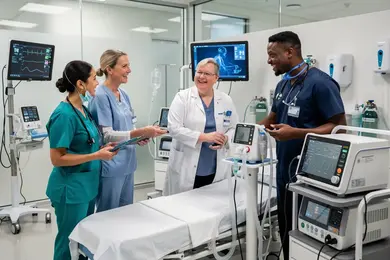
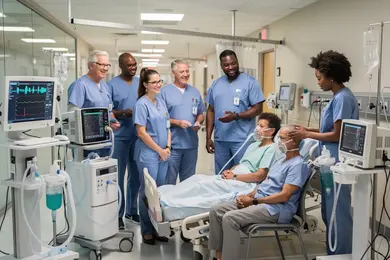
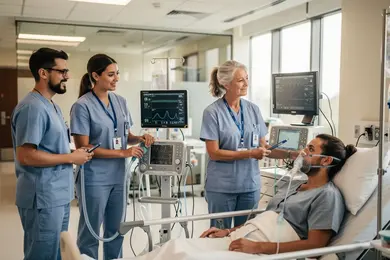
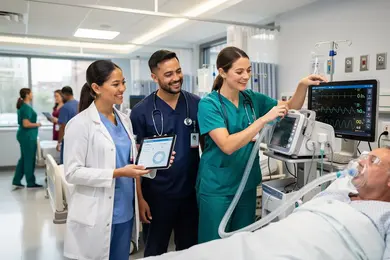
A practicum in a Respiratory Care Therapy program is a supervised clinical experience designed to integrate classroom theory with practical application in real healthcare settings. Typically part of U.S. degree curricula, practicums provide structured exposure to patient care under professional guidance. Studies indicate that over 85% of respiratory care employers prefer candidates with documented clinical training in respiratory care therapy practicum, emphasizing its role in career readiness.
Essential elements of a practicum experience include:
- Structured Fieldwork: Unlike internships or capstone projects, practicums focus on direct patient care responsibilities. Students engage in respiratory assessments and therapeutic treatments within hospitals or rehabilitation facilities while following strict safety protocols.
- Timing within Curriculum: Practicums generally occur after foundational coursework such as anatomy, physiology, and respiratory care theory is completed. This sequencing ensures students meet eligibility requirements and are prepared to apply knowledge in clinical settings.
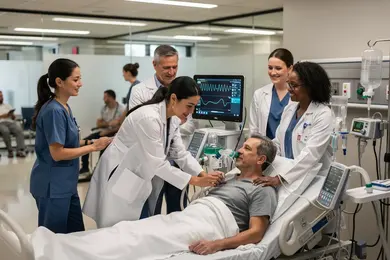
- Supervision and Feedback: Licensed respiratory therapists or clinical instructors oversee student performance, providing continuous evaluations and structured feedback. This oversight verifies both technical competence and professional conduct.
- Skill Development and Career Preparedness: Through hands-on learning and real-world exposure, students build essential clinical skills and professional habits. These experiences foster critical thinking and decision-making abilities needed for workforce success.
- Certification and Graduation Requirements: Completion of the practicum is often mandatory before graduates can sit for credentialing exams like Certified Respiratory Therapist (CRT) or Registered Respiratory Therapist (RRT), confirming readiness for entry-level practice.
For those exploring advanced healthcare education pathways, it helps to be aware of related offerings such as PharmD programs that similarly emphasize applied clinical experience.
What Are The Eligibility Requirements For Respiratory Care Therapy Practicum?
Practicum eligibility standards in Respiratory Care Therapy programs exist to ensure students are academically qualified and professionally prepared for their supervised clinical experiences. These requirements help safeguard patient safety and promote high-quality experiential learning. Research shows that more than 80% of respiratory care therapy programs require a minimum GPA of 2.5 or higher to maintain eligibility, underscoring the emphasis on academic performance for successful field placement.
Common eligibility requirements for respiratory care therapy practicum placement in the United States typically include the following:
- Minimum GPA: Programs generally require a cumulative GPA between 2.5 and 3.0 to demonstrate sufficient academic capability. This ensures students grasp essential respiratory care concepts needed for clinical settings.
- Prerequisite Coursework: Completion of foundational courses such as anatomy, physiology, microbiology, and respiratory therapy theory is mandatory. These prerequisite coursework requirements for respiratory care therapy practicum students establish the necessary knowledge base for safe patient care.
- Competency Demonstration: Students must show proficiency in key clinical skills and simulations like ventilator management, airway suctioning, and emergency procedures. These competencies confirm preparedness for hands-on practicum work.
- Faculty or Departmental Approval: Academic advisors or clinical coordinators typically review a student's academic standing, skill assessments, and administrative compliance to grant practicum approval.
- Enrollment and Health Compliance: Active enrollment in the practicum course or clinical rotation is required. Additionally, students must often pass background checks, drug screenings, immunizations (including influenza and TB tests), and health physicals to comply with healthcare facility policies and ensure patient safety.
Students seeking information about alternative pathways or institutions may find options with fewer testing requirements-for example, nursing schools that don t require TEAS test near me.
How Many Practicum Hours Are Required For Respiratory Care Therapy Program?
Practicum hour requirements in respiratory care therapy programs ensure students gain essential hands-on experience critical for professional competence. These requirements vary depending on institutional policies, state mandates, and accrediting bodies, with many programs aligning to national standards that often recommend a minimum of 1,200 total hours combining classroom and clinical training. This practical exposure is vital for bridging academic learning with direct patient care skills highly valued by employers.
The following points outline important factors shaping practicum hour expectations in respiratory care therapy education:
- Typical Hour Range: Programs generally mandate between 600 and 1,200 total practicum hours, encompassing both observation and active clinical involvement. The exact requirement depends on the program format and regional regulatory guidelines.
- Hands-On Versus Observation: While some hours are devoted to observing respiratory care procedures, the majority focus on supervised direct patient care to develop competency with clinical equipment and interventions.
- Sequential Rotations: Practicums are often divided into phases or rotations across various settings such as hospitals, outpatient centers, and rehabilitation facilities. This structure broadens clinical exposure and adaptation to diverse patient populations.
- Supervision and Evaluation: Students perform practicum duties under licensed practitioners' oversight, who assess skills and provide feedback. Documentation, including logs and supervisor signatures, is essential for verifying completed hours and competencies.
- Weekly Time Commitment: Typical clinical hour requirements range from 12 to 24 hours weekly over one or multiple semesters. This schedule aims to mirror the professional work environment and cultivate reliability and time management.
- Completion Tracking: Institutions employ meticulous tracking systems to confirm practicum progress, ensuring students fulfill performance criteria necessary for program advancement and graduation.
A professional who pursued a respiratory care therapy degree shared that balancing practicum hours alongside coursework initially felt overwhelming. He recalled, "The rotations exposed me to real-world challenges I hadn't anticipated-the unpredictability of patient needs and the fast pace demanded constant attentiveness." Recording every clinical task and obtaining frequent supervisor evaluations required discipline, but he also found these steps instrumental in building confidence and readiness. Reflecting on the journey, he noted, "Meeting the hour requirements wasn't just about quantity; it was about truly mastering each skill before moving forward."
What Courses Must Be Completed Before Starting Practicum?
Completing prerequisite coursework is essential for students preparing to enter a respiratory care therapy practicum, ensuring they possess the necessary foundation for hands-on clinical training. Research indicates that programs which sequence these courses before field placements see a 25% increase in student readiness, highlighting the importance of structured academic progression in applied learning environments. Effective preparation through prerequisite courses aligns with employer expectations for well-prepared candidates in healthcare roles.
The following core coursework categories are typically required before beginning practicum experiences:
- Fundamental Sciences: Courses in respiratory anatomy, physiology, and pathophysiology establish the biological and clinical principles vital for understanding patient care and making informed decisions during practicum work.
- Professional Ethics and Communication: Training in ethical standards and healthcare communication develops students' ability to engage respectfully with patients and collaborate effectively within multidisciplinary teams under supervision.
- Research and Critical Thinking: Introductory research methodology and evidence-based practice coursework equip students to interpret clinical studies and apply new therapies thoughtfully during clinical placements.
- Patient Assessment Skills: Instruction in observational techniques and symptom evaluation prepares students to monitor patient conditions accurately, a crucial competency for safe and effective respiratory care intervention.
- Technical Competency Development: Practical courses focusing on respiratory care equipment and procedures build hands-on skills, ensuring students can confidently participate in real-world clinical settings.
While prerequisite structures vary among related fields such as nursing, psychology, or counseling, respiratory care therapy programs emphasize these academic domains to promote comprehensive clinical readiness. Curriculum sequencing plays a key role in determining practicum eligibility and successful transition to supervised fieldwork. For those exploring accelerated pathways in healthcare, fast track career programs may offer streamlined options to complete required coursework efficiently.
How Does The Respiratory Care Therapy Practicum Placement Process Work?
The practicum placement process in respiratory care therapy programs links classroom knowledge with hands-on clinical training through structured collaborations between educational institutions and healthcare sites. These coordinated efforts ensure students gain essential practical skills and meet accreditation mandates, with studies indicating that over 80% of healthcare employers favor candidates who have completed verified practicum experiences for job readiness.
Key components of this process include the following:
- Eligibility Verification: Students must fulfill course prerequisites, maintain required grade point averages, and complete health screenings including immunizations and background checks. Documentation such as CPR certification is often mandatory to meet clinical site policies.
- Application and Matching: Placement coordinators manage applications where students express their preferences for practicum sites. The process balances individual learning goals with site availability and specialty areas to optimize each clinical assignment.
- Institutional Coordination: Educational programs collaborate with hospitals and respiratory care facilities through formal agreements detailing student responsibilities, supervision, and liability coverage to align with academic objectives.
- Screening and Interviews: Some sites require personal interviews or additional screening to evaluate student professionalism and communication skills before final acceptance.
- Faculty Oversight: Faculty members monitor student performance by reviewing clinical logs, conducting site visits, and ensuring adherence to accreditation standards throughout the practicum.
- Onboarding and Supervision: Students complete orientations specific to each clinical setting and receive direct mentorship from licensed respiratory therapists to support safe skill development.
A respiratory care therapy graduate shared that navigating the placement process involved careful preparation of health documents and multiple communications with both school advisors and clinical sites. She recalled, "Coordinating with the practicum office early was crucial because deadlines and paperwork were strict." The experience included a somewhat nerve-wracking interview at a hospital but ultimately confirmed her readiness to step confidently into professional practice. Reflecting on that period, she emphasized the importance of the practicum as a bridge from theory to effective patient care, stating it was a decisive step in launching her career with practical insight and confidence.
What Documents And Paperwork Are Required Before Practicum?
Pre-practicum documentation in respiratory care therapy programs ensures that students meet regulatory and institutional standards for safe and effective clinical training. Over 85% of healthcare education programs have recently heightened these requirements to improve student assessment and uphold patient safety in hands-on environments. Completing accurate paperwork ahead of practicum placement streamlines administrative procedures and strengthens compliance with legal and professional guidelines.
Key documentation students typically provide before starting their practicum includes the following:
- Application Form: This official request initiates the practicum approval process and requires detailed student information such as enrollment status and preferred clinical sites. It acts as the primary record for coordination between the educational institution and practicum facilities.
- Health Clearances: Students must submit proof of recent physical exams, tuberculosis screening, drug tests, and confirmation of absence of communicable diseases. These health verifications are crucial to ensure student fitness for patient interaction and protect public health.
- Vaccination Records: Current immunizations-including influenza, hepatitis B, and MMR-are mandatory to meet clinical site policies and public health standards. Proper documentation verifies compliance with immunization protocols required for clinical exposure.
- Criminal Background Checks: Many programs demand criminal history reviews and, in some cases, child abuse clearances. These screenings confirm the student's eligibility for sensitive healthcare environments and align with legal and institutional policies.
- Liability and Confidentiality Agreements: Students must sign forms acknowledging responsibility for safeguarding patient information and assuming liability coverage during their practicum experience. These documents reinforce ethical and risk management standards.
- Site-Specific Paperwork: Some placements require additional onboarding documents, such as safety training certificates, infection control acknowledgments, or access authorizations. These materials facilitate smooth integration into the practicum setting and adherence to site protocols.
What Background Checks, Immunizations, Or Clearances Are Needed?
Pre-practicum compliance requirements protect students and the populations they serve by ensuring health, safety, and legal standards are met before clinical placements begin. Over 70% of healthcare training programs require thorough background checks and immunization proof as part of student eligibility for practicum participation. These measures support safe learning environments and professional accountability.
The following are common areas of clearance and screening needed for Respiratory Care Therapy practicums:
- Criminal Background Checks: Students must often undergo state and federal criminal history reviews, sometimes including fingerprinting. This process helps confirm eligibility to work in clinical settings and upholds legal and ethical standards protecting patients and staff.
- Immunization Records: Documentation of immunizations such as MMR, Hepatitis B, influenza, and evidence of tuberculosis testing is typically required. These health safeguards reduce the risk of disease transmission in healthcare environments and ensure compliance with institutional policies.
- Child Abuse and Fingerprint Clearances: Depending on the practicum site-especially in pediatric or educational settings-students may need clearances from child abuse registries and fingerprint-based background checks. These clearances comply with state laws and institutional risk management protocols.
- CPR Certification and Drug Screening: Valid cardiopulmonary resuscitation certification confirms essential emergency response skills. Some programs also mandate drug testing to align with workplace safety policies and maintain clinical readiness.
- Institutional and State Variations: Requirements and deadlines for submitting documentation vary widely across programs and locations. Students should plan ahead to avoid delays, as some clearances can take weeks to process depending on state regulations and facility policies.
What Should Students Expect During Respiratory Care Therapy Practicum Placement?
Practicum placements in respiratory care therapy programs serve as critical links between academic instruction and supervised clinical experience, allowing students to translate classroom theory into hands-on patient care. Experiential learning like this has gained prominence in higher education as a key factor in workforce preparation-reflecting employer preferences that favor graduates with applied clinical training. A 2022 survey by the Commission on Accreditation for Respiratory Care found that over 85% of employers prioritize hiring candidates with documented supervised clinical experience during a respiratory care therapy practicum placement.
Students embarking on such practicums can expect a range of structured experiences and expectations, including the following:
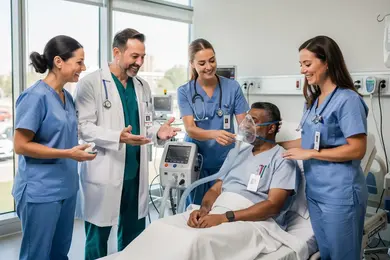
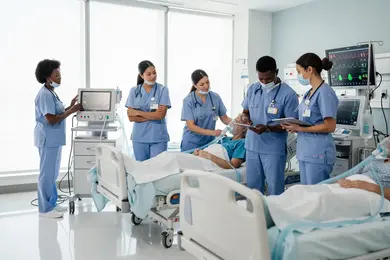
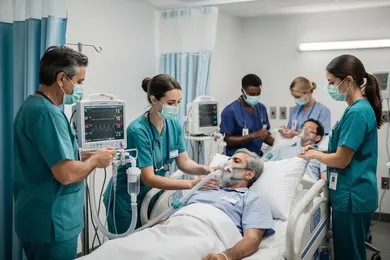
- Clinical Responsibilities: Students engage in daily respiratory care duties such as administering treatments, monitoring patient responses, and assisting with diagnostic tests, always under supervision. These tasks help bridge theoretical knowledge with real-world patient care, enhancing job-relevant competencies.
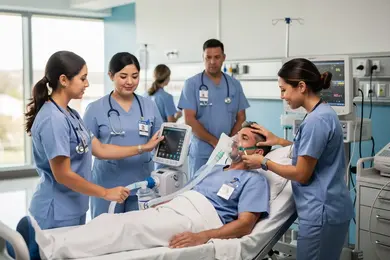
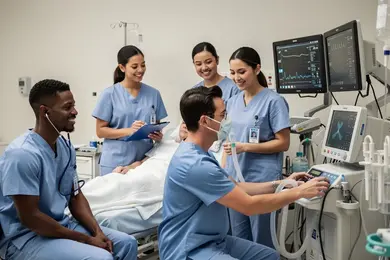
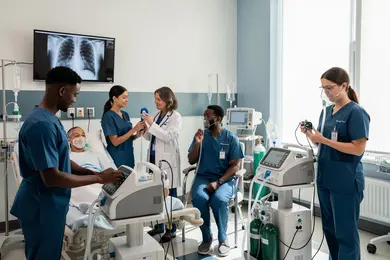
- Supervision and Mentorship: Practicums are overseen by licensed respiratory therapists or clinical instructors who provide direct feedback and guidance. This mentorship fosters professional growth while ensuring patient safety within the supervised clinical environment.
- Professional Conduct: Maintaining confidentiality, punctuality, and appropriate communication is mandatory. Adhering to workplace policies and ethical standards prepares students for collaborative, team-based healthcare settings.
- Performance Evaluation: Regular assessments measure technical skills, critical thinking, and interpersonal communications. These evaluations often include observations, skills checklists, and reflective journaling, influencing final practicum grades and demonstrating readiness for certification or graduation.
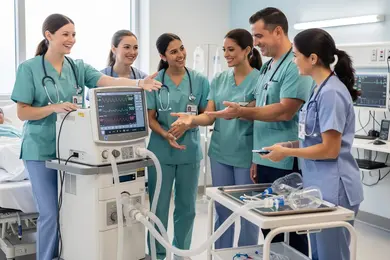
- Skill Development: Hands-on experience allows students to refine critical abilities like airway management, ventilator operation, and patient education. Exposure to varying clinical scenarios builds adaptability essential for respiratory care therapy roles.
- Communication and Teamwork: Effective interaction with multidisciplinary teams, patients, and families sharpens communication skills that enhance holistic care delivery.
- Common Challenges: Students often face fast-paced environments, stress management, and balancing academic and clinical demands. These challenges teach resilience and time management critical for professional success.
A strong practicum experience serves not only as an academic requirement but as a strategic career asset. It expands professional networks and significantly improves employability outcomes, equipping students with validated skills that employers seek. For those considering advanced education pathways in healthcare, exploring options such as a doctorate in healthcare administration can further enhance leadership opportunities after completing respiratory care therapy training.
How Are Practicum Students Supervised And Evaluated?
Supervision and evaluation within respiratory care therapy practicums are essential for supporting student development and ensuring academic accountability. These oversight processes guide students through hands-on training while maintaining standards that align with workforce readiness. Studies show that structured experiential learning can improve clinical competency by up to 40%, highlighting the value of formal supervision in bridging theory with practice.
Effective practicum student supervision methods typically involve diverse roles and structured evaluation techniques, explained as follows:
- Supervisor Roles: Clinical supervisors oversee daily student activities, observing performance directly and providing feedback aimed at applying theoretical knowledge in patient care environments. They ensure compliance with safety protocols and clinical standards throughout the practicum.
- Mentor Guidance: Mentors, often seasoned respiratory therapists or healthcare professionals, offer professional development support beyond technical skills. They encourage critical thinking, ethical decision-making, and foster ongoing career growth.
- Faculty Advisors: Academic faculty coordinate with clinical sites to monitor practicum progress, clarify learning objectives, and assess student work such as reflective journals. They serve as liaisons between educational institutions and practicum locations, maintaining academic rigor.
- Assessment Methods: Evaluation includes direct observation, competency checklists, periodic progress reviews, and formal performance assessments. Students commonly maintain reflective journals to self-evaluate, with supervisors verifying proficiency during real-world clinical experiences.
- Communication and Feedback: Regular meetings, written reports, and informal discussions facilitate open communication among students, supervisors, and faculty. Feedback systematically identifies strengths and areas for improvement throughout the placement.
- Variations in Standards: While supervision and evaluation frameworks share core components, they may vary according to institutional policies, accreditation criteria, and specific clinical settings. The consistent goal is to confirm students meet competency milestones and readiness for professional respiratory care practice.
These practicum structures not only fulfill academic requirements but also serve as strategic career assets-building competencies, enhancing professional exposure, and improving employability for those in respiratory care therapy degrees. For students interested in linked health professions, exploring accelerated MSN psychiatric np programs may offer complementary pathways.
How Does Practicum Help With Licensure Or Certification Requirements?
Practicum experiences play a critical role in fulfilling licensure and certification mandates within respiratory care therapy programs by linking academic study with hands-on, supervised practice. These clinical placements ensure students meet regulatory standards while gaining practical skills essential for professional readiness. A 2023 National Board for Respiratory Care report highlights that over 85% of employers prefer candidates who have successfully completed accredited practicum requirements.
Key elements of practicum involvement include the following:
- Clinical Hours Fulfillment: Practicum participation satisfies the clinical or fieldwork hour quotas enforced by licensing agencies, providing direct patient care experience under supervision.
- Competency Benchmarks: Students must exhibit proficiency in technical tasks, clinical judgment, and protocol adherence, with evaluations verifying their readiness for licensure.
- Supervision and Compliance: Certified practitioners or educators oversee clinical training to guarantee alignment with accreditation and state licensing regulations.
- Documentation and Confirmation: Educational institutions maintain detailed records of practicum hours and performance assessments, which serve as official proof in licensure submissions.
- Cross-Disciplinary Application: While particularly vital in respiratory care therapy, practicum prerequisites also extend to fields like healthcare, counseling, and education-each adapted to discipline-specific credentialing needs.
What Do Students Say About Their Respiratory Care Therapy Practicum Experience?
- Brianna: "My practicum in respiratory care therapy was both challenging and rewarding-I initially struggled with meeting the strict eligibility requirements, which delayed my placement. However, once I was finally accepted, the hands-on experience far exceeded my expectations and deepened my understanding of patient care. The supervision from experienced therapists was supportive yet demanding, pushing me to grow professionally every day."
- Jesse: "Reflecting on my time in the respiratory care therapy practicum, I found the evaluation process to be very comprehensive, incorporating both practical skills and theoretical knowledge. I appreciated that my supervisors provided detailed feedback regularly, which helped me identify areas for improvement. Although I had concerns about balancing workload with my studies, the experience ultimately affirmed my commitment to this career path."
- Jonah: "I entered my respiratory care therapy practicum with high hopes, and fortunately, most of them were met. The team environment was collaborative, and I was closely mentored through various critical procedures. One difficulty I encountered was adapting quickly to the fast-paced clinical settings, but ongoing evaluations gave me clear benchmarks to aim for and boosted my confidence significantly."
Other Things You Should Know About Respiratory Care Therapy Degrees
Yes, practicum hours for respiratory care therapy can often be completed across various healthcare environments such as hospitals, outpatient clinics, and specialized respiratory care centers. This diversity helps students gain broad clinical exposure and experience different patient care scenarios. However, students must ensure that all practicum sites are approved by their academic program and meet accreditation standards.
Yes, students must adhere to professional dress codes and conduct policies while on practicum assignments. This usually includes wearing prescribed uniforms or scrubs, maintaining hygiene standards, and demonstrating respectful interaction with patients and staff. Compliance with these requirements is essential for maintaining a safe and professional clinical environment.
Should students struggle to finish the necessary practicum hours in 2027, they typically need to consult their academic advisor to discuss potential solutions, which could include extended practicum periods or additional support resources. Each educational institution may have specific policies and procedures to address such situations.
If a student cannot complete the required practicum hours on time due to illness or other valid reasons, most programs allow for makeup hours to be scheduled. It is important to communicate promptly with the clinical and academic coordinators to arrange additional shifts. Failure to meet practicum requirements may delay program progression or graduation.
References
- Practicum vs. Internship in Counseling Programs: What’s the Difference? https://www.nec.edu/news/practicum-vs-internship-counseling-programs
- Clinical Practicum https://www.tru.ca/science/departments/respiratory-therapy/courses/practicum.html
- Practicum document requirements | Faculty of Education https://www.uottawa.ca/faculty-education/practicum-document-requirements
- Developing an Internship Program | Respiratory Therapy https://respiratory-therapy.com/disorders-diseases/chronic-pulmonary-disorders/asthma/developing-an-internship-program/
- RSPT 2266 - Practicum III - Respiratory Care Therapy/Therapist https://catalog.tjc.edu/preview_course_nopop.php
- Respiratory Care Therapist https://catalog.ccbcmd.edu/preview_program.php
- Section 4: Professional Practice - CACREP https://www.cacrep.org/section-4-professional-practice/
- Everything You Need to Know to Become a Respiratory Therapist https://www.crosscountry.com/blog/everything-you-need-to-know-to-become-a-respiratory-therapist
- RSPT191R: Respiratory Practicum I https://catalog.rivervalley.edu/respiratory-therapy/rspt191r
- Immunization Requirements in Healthcare Higher Education https://blog.verifiedcredentials.com/immunization-requirements-in-healthcare-higher-education