2027 Capstone vs Thesis Requirements for Engineering Management Master's Programs

Co-Founder and Chief Data Scientist
Choosing between a capstone and a thesis shapes the graduate experience in engineering management, outlining distinct demands on time and method. Capstones often rely on industry tools like Agile frameworks or simulation software, emphasizing project delivery schedules compatible with working professionals who must balance full-time employment and coursework. Thesis tracks immerse candidates in formal research protocols, committee oversight, and advanced data analysis, extending timelines but deepening methodological rigor. As the National Center for Education Statistics reports, adult learners represent over 40% of graduate enrollments nationally, underscoring the need to weigh how each path affects long-term flexibility and career pivot opportunities.
This article analyzes these contrasts to guide prospective students toward the track best aligned with their work style, professional aims, and commitment level.
Key Things to Know About Capstone vs Thesis Requirements for Engineering Management Master's Programs
- Capstones emphasize applied projects over original research, reducing overall workload intensity but requiring real-time problem-solving skills employers prioritize in engineering management roles.
- Theses develop research rigor valued in strategy-driven or technical leadership roles, though such specialization may limit immediate job mobility compared to capstone graduates.
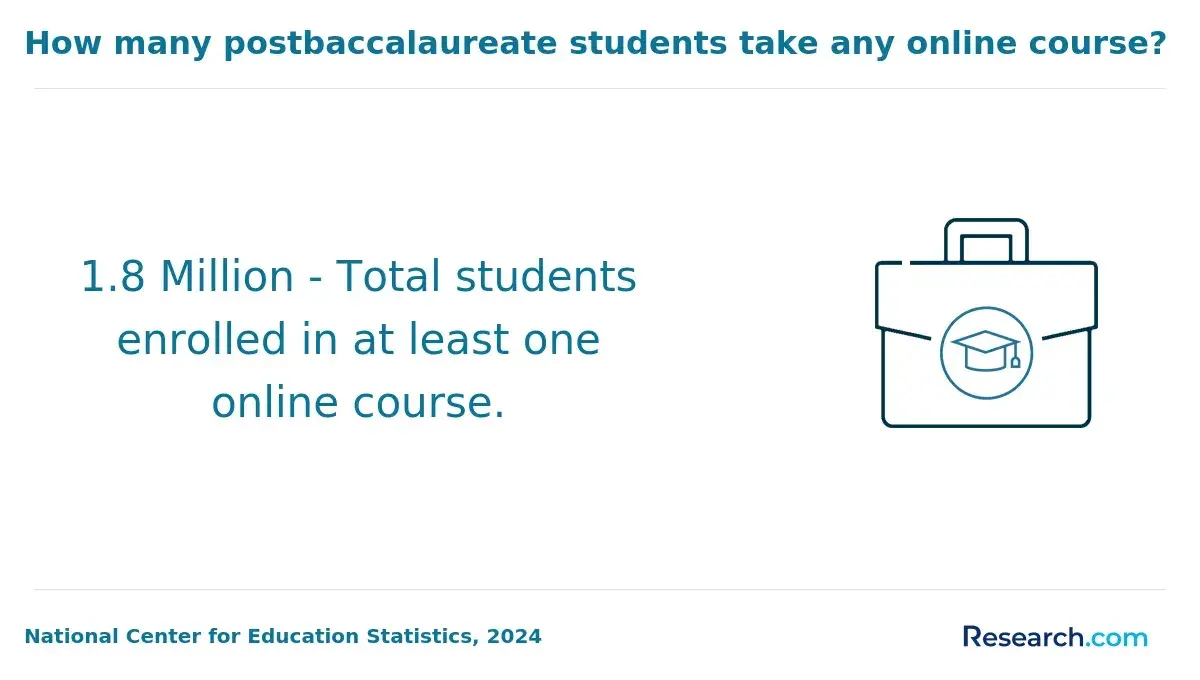
- With online engineering management enrollments growing 12% annually according to NCES 2024, capstones often expedite completion, benefiting adult learners balancing work and study demands.
What Is a Capstone Project in a Engineering Management Master's Program?
A capstone project in engineering management master's programs embodies a practice-focused culmination that connects academic learning with tangible workplace challenges. Rather than extending a research hypothesis over months, students engage in applied problem solving that mirrors managerial decision-making under real constraints. For example, a team may partner with a manufacturing firm to redesign production workflows, demonstrating proficiency in balancing technical and operational factors within a set budget and timeline. This controlled immersion prepares graduates for roles demanding both engineering acumen and leadership finesse, distinguishing the capstone from more abstract research like a thesis, which prioritizes original knowledge creation over immediate professional impact.
- Professional Alignment: Capstone projects reflect employer demand for graduates who can immediately contribute through project management and systems optimization. Unlike theses, which aim for academic depth, capstones simulate organizational challenges requiring cross-functional negotiation and rapid iteration.
- Workflow Concentration: These projects channel student effort into a discrete, integrative assignment, often team-based, which can shorten degree completion time by replacing prolonged research phases with focused application.
- Program Design Rationale: Many engineering management graduate programs adopt capstones to support experiential learning objectives and to appeal to adult learners balancing work, emphasizing skills over scholarly publication.
- Contrast with Thesis Learning: Theses foster investigative specialization and theoretical contribution, often positioning students for research-intensive careers, whereas capstones prize adaptive problem-solving useful in frontline management roles.
Given these dynamics, students weighing capstone alternatives should consider how the applied capstone experience in us engineering management graduate programs aligns with their career priorities and timing constraints. Adult learners or career changers focused on direct employability and managerial readiness may benefit from the more streamlined, practical capstone pathway. Those intending to pursue doctoral study or highly specialized research careers might find traditional thesis routes more appropriate. Prospective enrollees can also explore program structures and financial options, including by consulting resources on cheapest online colleges that accept FAFSA to manage educational costs effectively without sacrificing relevant experiential learning.
What Is a Master's Thesis in Engineering Management Programs?
A master's thesis in engineering management programs represents a rigorous, research-intensive project that tests a student's capacity to integrate engineering principles with management frameworks in a practical, evidence-based manner. Unlike capstone projects that typically emphasize applied skills and faster completion, the thesis demands a deeper exploration of complex industry challenges through original research designed to advance theoretical knowledge or innovative practice.
- Dual Expertise Supervision: Theses require mentorship from advisors skilled in both technical engineering and organizational management, ensuring research questions and methods meet standards from both domains and align with real-world industry needs.
- Methodological Rigor: The project prioritizes comprehensive research designs, combining qualitative and quantitative data that extend beyond typical coursework, which prepares students for roles involving independent project leadership and strategic decision-making.
- Extended Timeline and Workload: Compared to capstone alternatives, the thesis necessitates longer-term commitment, more documentation, iterative feedback, and a formal defense, which may not suit students balancing full-time jobs or immediate career pivots.
- Career and Academic Leverage: Completing a thesis can enhance prospects in research and development, consultancy, or doctoral studies but may deliver less immediate practical experience than a capstone, affecting employability based on individual career goals.
For example, a working professional targeting consultancy roles in high-tech industries might prefer the deep analytical skills honed through a thesis, while others aiming for rapid skill acquisition and degree completion may find a capstone more aligned with their circumstances. Choosing the thesis track should thus weigh workload demands against long-term professional aspirations and employer expectations in engineering management fields.
When Should You Choose a Capstone Over a Thesis in a Engineering Management Master's Program?
Choosing a capstone over a thesis in engineering management master's programs is strategically preferable when the priority lies in demonstrating practical leadership and applied problem-solving rather than producing original academic research. This choice aligns best for students balancing full-time work or seeking an expedited path that directly supports workforce needs. For example, a mid-career professional aiming to move into project leadership might find the targeted, outcome-driven nature of a capstone more relevant and manageable than the open-ended depth of a thesis.
- Workload and Timing: Capstones typically impose a structured, finite scope that fits within a defined timeframe, reducing risks associated with extended research timelines and unpredictable mentorship demands common in thesis tracks.
- Career Relevance: Capstones focus on solving real-world engineering management challenges, providing evidence of applied skills directly translatable to leadership and operational roles, which is often more valued by industry recruiters.
- Faculty Engagement: Faculty supervision for capstones tends to be more directive and consistent, making it easier to navigate progress and deadlines compared to the exploratory nature of thesis advising.
- Professional Balance: For students juggling employment, capstones offer a pragmatic balance, enabling degree completion without the intensive research commitment and literature review requirements characteristic of theses.
- Program Alignment: Engineering management programs emphasizing accreditation standards and industry readiness frequently prefer capstones as they readily demonstrate competency in applied analytics, process optimization, and team coordination.
One engineering management graduate recalled facing a pivotal decision during their final semester: with a full-time job and limited time, pursuing a thesis felt impractical due to its research uncertainty and faculty availability challenges. Instead, they opted for a capstone project developed in collaboration with their employer, focusing on streamlining supply chain operations. This approach allowed them to apply classroom concepts in a tangible, work-relevant context, meet the program's graduation timeline, and build a portfolio piece that resonated with hiring managers in their sector. Though initially hesitant about forgoing the academic prestige of a thesis, the graduate ultimately saw the capstone as a more effective lever for immediate career advancement.
When Is a Thesis the Better Option for Engineering Management Students?
Pursuing a thesis in engineering management master's programs typically suits students targeting research-intensive career trajectories and academic rigor, rather than those prioritizing rapid degree completion or immediate practical skills. The thesis process involves sustained faculty guidance, complex research design, and detailed data analysis, offering a foundation in scholarly methods often not emphasized in capstone projects. This specialization fosters the research readiness necessary for roles demanding empirical expertise and supports ambitions toward doctoral studies.
- Doctoral Preparation: Completing a thesis sharpens research methodologies and academic writing skills fundamental to succeeding in PhD programs. It functions as a crucial training ground, helping students navigate the expectations of scholarly inquiry specific to engineering management disciplines.
- Research Credibility: A thesis demonstrates technical competence in original investigation, enhancing employability in research-driven roles such as R&D leadership or consulting. Employers in these fields often prioritize candidates with proven experience in rigorous analysis and publication potential.
- Academic Dissemination: Students intending to publish or present at conferences benefit from the thesis structure, which typically demands producing work that withstands peer evaluation and contributes to the field's knowledge base.
- Faculty Mentorship: Programs maintaining thesis tracks often integrate student projects with faculty-led studies aligned to strategic research areas, providing deeper mentorship, networking, and opportunities that surpass typical capstone experiences.
This thesis pathway, however, requires greater time investment and intellectual commitment, factors critical when weighing educational choices against professional demands and life circumstances. Those interested in specialized research should also explore scholarships for accounting majors as a comparable example of how targeted academic opportunities support niche expertise development within master's level studies.
How Do Time, Workload, and Stress Compare Between Capstone And Thesis in a Engineering Management Master's Program?
Time management and stress levels in engineering management master's programs hinge critically on whether students pursue a capstone or a thesis, with clear operational and career implications shaping this choice.
- Time Commitment: Capstone projects are designed with firm deadlines and structured phases, suiting professionals who must integrate study within existing job demands. In contrast, a thesis unfolds over multiple semesters, requiring sustained, independent effort that can be disrupted by advisor schedules and iterative feedback loops, complicating timely degree completion for working students.
- Workload Nature: The thesis demands deep dives into academic research methods, original data collection, and extensive analysis, emphasizing scholarly rigor. Capstones, conversely, focus on applying professional experience to solve practical problems, often in collaboration with industry partners, which concentrates effort in intense bursts near key milestones rather than a continuous research load.
- Stress Drivers: Thesis candidates face unpredictability from factors like data availability and faculty responsiveness, intensifying pressure across uncertain timelines. Capstone teams confront coordination challenges and performance dependencies within groups, but the clearer structure and relevance to real-world engineering contexts often provide more manageable stress contours for those balancing employment.
How Do Capstone and Thesis Choices Affect Career Outcomes in a Engineering Management Master's Program?
The choice between a capstone and a thesis in engineering management master's programs distinctly shapes how employers perceive candidates' strengths and readiness, impacting hiring and career paths in meaningful ways. While both culminate a student's graduate experience, they convey different skillsets and professional orientations that align variably with roles in industry, research, and academia.
- Employer Signaling: A capstone project signals practical problem-solving skills and the ability to implement management principles in real-world settings, traits highly valued in operational leadership or consulting roles within engineering management. Conversely, a thesis demonstrates research competence and analytical depth, attracting employers focused on R&D and analytical rigor.
- Skill Orientation: Capstones emphasize applied integration and often produce tangible deliverables that appeal to organizations demanding immediate, actionable results. Theses center on theoretical exploration and original inquiry, fostering capabilities suited for academic or innovation-driven careers.
- Career Tradeoffs: Opting for a capstone can shorten degree completion and yield portfolio-ready outcomes conducive to advancing in strategic or managerial roles. A thesis requires greater intellectual investment and time but builds research credentials essential for doctoral studies or specialized technical paths within engineering management.
- Workforce Fit: In sectors where licensing or certification matters, such as certain professional tracks, the capstone may be preferred for applied competence, while the thesis garners respect for scholarly rigor. Understanding these nuances is crucial for aligning education choices with long-term workforce ambitions.
For graduate students balancing career changes or working while studying, these distinctions in capstone versus thesis career impact in engineering management master's programs should weigh heavily in decision-making. Those targeting roles that integrate cross-functional collaboration may find the capstone's practical focus more relevant. Meanwhile, students aiming for research-intensive roles benefit from the thesis emphasis on independent inquiry.
Prospective students also must consider alternative pathways and complementary qualifications. For example, exploring accredited options beyond engineering management, such as in related fields like paralegal studies, can be informative. Resources on online paralegal programs provide insights into credentialing and applied research opportunities across disciplines, helping inform strategic educational planning.
How Do Research-Based and Applied Learning Differ in a Engineering Management Master's Program?
The distinction between research-based and applied learning in engineering management master's programs shapes not only academic experience but also future employment trajectories. Students must weigh how each pathway aligns with their professional ambitions and practical constraints, especially considering that employers in technical management roles often prioritize distinct competencies depending on sector and seniority.
- Time Commitment: Research-based learning typically demands substantial investment in literature review, hypothesis development, and iterative analysis, extending project timelines. In contrast, applied capstone projects emphasize efficient implementation of solutions within tight deadlines, better suiting professionals juggling work responsibilities.
- Skill Development: Thesis pathways cultivate deep analytical abilities, methodical inquiry, and academic writing proficiency, underpinning roles in R&D or doctoral preparation. Applied projects develop project management, cross-functional collaboration, and practical problem-solving skills directly transferrable to leadership positions in operations or consultancy.
- Faculty Interaction: Research advisors focus on scientific rigor and contribution to theory, which can involve frequent, in-depth guidance. Capstone supervisors assess applicability and clarity for practitioners, often fostering closer ties to industry stakeholders and accelerating learning through real-world feedback loops.
- Outcome Focus: A thesis aims to generate new insights or validate theoretical models, positioning graduates for roles demanding research acumen. Capstones prioritize actionable deliverables such as process improvements or technology assessments, appealing to employers seeking immediate operational impact.
- Career Tradeoffs: While theses open pathways to academia and specialized consulting, they often extend degree duration and narrow direct exposure to workplace dynamics. Capstones shorten time to completion and enhance readiness for management roles but may limit opportunities requiring advanced research credentials.
One graduate faced a choice for a fall semester project amid a demanding full-time job. Opting for the thesis route, they struggled with limited access to relevant datasets, forcing reliance on secondary sources and extensive faculty meetings to refine methodology. The drawn-out timeline clashed with work projects, sparking doubts about feasibility. Conversely, peers pursuing capstones liaised directly with industry partners to develop implementation plans, receiving swift supervisor feedback and completing projects within six months. Reflecting on this, the graduate acknowledged the thesis deepened their analytical confidence but questioned if the prolonged process delayed crucial leadership opportunities they observed gaining colleagues capturing applied experience.
How Does Advising and Mentorship Differ in a Engineering Management Master's Program?
Choosing between thesis and capstone tracks in engineering management master's programs hinges significantly on the nature of faculty engagement, which shapes the student's academic trajectory and skill development. Unlike the more practice-driven capstone mentorship, thesis advising demands sustained scholarly diligence and independent inquiry, a distinction that influences both workload and career implications. For instance, a student aiming for research roles or doctoral study will face rigorous oversight designed to deepen theoretical acumen, while capstone students benefit from mentors who prioritize project feasibility and professional relevance, aligning better with industry leadership ambitions.
- Advising Model: Thesis advising involves close, individualized faculty oversight with emphasis on research design, methodological rigor, and iterative critique, reflecting the discipline's demand for scholarly autonomy and critical analysis.
- Mentorship Focus: Capstone mentorship centers on applied problem-solving and practical deliverables. Faculty act as guides in managing project scope and stakeholder expectations, fostering real-world skills rather than academic depth.
- Feedback Dynamics: Thesis feedback cycles tend to be prolonged and revision-heavy, balancing theory refinement and empirical validation. Capstone feedback is typically more frequent, pragmatic, and focused on actionable improvements within shorter timeframes.
- Supervisory Structure: Theses often require formal committees and documented milestones, adding complexity to project management. Capstones usually rely on single mentor relationships emphasizing collaborative execution and timeline adherence.
Understanding these distinctions is crucial for working professionals who must weigh the time-intensive intellectual demands of thesis work against the structured, outcome-oriented nature of capstone projects that align more directly with employer expectations in engineering management roles.
What Are the Typical Structures and Deliverables in a Engineering Management Master's Program?
In evaluating capstone project requirements in engineering management master's programs, the choice between capstone and thesis routes directly shapes the balance between applied skills and research depth. Working professionals often find capstones fit tighter timelines and emphasize practical problem-solving aligned with immediate workplace demands, while theses cater to those preparing for research or academic careers, requiring substantial methodological rigor and extended timelines.
- Faculty Oversight: Capstone projects generally involve a single faculty advisor with optional industry mentors, focusing on real-world challenges, whereas theses require a committee of faculty members to provide detailed scholarly guidance throughout the research process.
- Project Focus: Capstones aim for actionable outcomes and implementable solutions, typically culminating in professional reports or presentations. Theses prioritize theoretical contributions and original research, involving formal proposal development and extensive literature reviews.
- Timeline and Planning: Capstones are designed to complete within one or two semesters, making them feasible for students balancing work and study. Theses demand longer, iterative engagement over multiple semesters, reflecting the depth of inquiry expected in engineering management graduate studies.
- Assessment and Defense: Capstones are evaluated primarily on practicality, communication, and implementation, while theses undergo rigorous examination of research quality, methodology, and academic contribution, often including an oral defense to prepare students for future research-intensive roles.
Choosing between these paths requires recognizing how each shapes workload, learning, and career outcomes. For example, students targeting immediate applicability in management roles may prioritize capstone projects for their alignment with workplace expectations, while those pursuing doctoral studies or specialized research roles benefit from the thesis's foundational rigor. Those researching capstone project requirements in engineering management master's programs should also consider program pacing, as faster completion options can be found in some offerings, with details available via the fastest masters degree resource.
How Flexible Are Program Policies in a Engineering Management Master's Program?
Flexibility in capstone versus thesis options significantly influences graduate students' ability to align their culminating experience with professional goals and time constraints in engineering management. Programs often balance resource limits, accreditation, and curriculum focus, shaping policy decisions that impact student choices and degree completion timelines.
- Program Variation: Engineering management culminating requirement policy flexibility differs widely by institution. Some prioritize applied skills with mandatory capstones, while others value original research, promoting thesis routes with strict oversight. This variation largely reflects faculty expertise and industry expectations embedded in program design.
- Track Switching: Several programs permit students to shift between capstone and thesis tracks early on, but such moves usually require committee approval and evidence of readiness. This flexibility can help students pivot based on evolving interests or workload capacity but is often constrained by scheduling and faculty availability.
- Defense and Approval: Thesis options typically involve formal proposal defenses and ongoing reviews, unlike capstones which emphasize team problem-solving and applied deliverables. These requirements limit thesis candidacy to students who can commit to rigorous research timelines, often posing challenges for part-time or working professionals.
- Working Student Implications: Flexibility in deadlines or applied research substitutions can accommodate career changers and working learners, provided programs offer clear policies and faculty sponsorship. Lack of adaptability, however, risks extended enrollment or incomplete degrees, affecting long-term employability in fields intertwined with management and technical proficiency.
Selecting between capstone and thesis tracks in engineering management master's programs involves weighing institutional policies that govern project scope, faculty engagement, and time commitments. Those seeking more structured, applied learning paths might prefer capstones, whereas students aiming for research depth or academic progression often opt for thesis tracks with stricter oversight. Understanding these policy nuances alongside workforce demands can profoundly affect degree relevance and employability outcomes for busy professionals and career changers navigating this field.
For individuals with interests in complex occupational roles, such as a criminal profiler, the choice of culminating project framework can intersect with specialized training requirements and flexible academic pathways.
What Do Engineering Management Master's Graduates Say About Their Capstone Vs Thesis Experiences?
- Jude: "Balancing a full-time job while completing my Engineering Management master's thesis was a significant challenge, especially with limited time to dedicate exclusively to research. I chose a project that aligned closely with my current role to maximize relevance and minimize additional effort. Ultimately, this decision paid off by strengthening my practical problem-solving skills and leading to a promotion, though I realized that without a professional engineering license, my path to senior leadership remains somewhat restricted."
- Russell: "Facing budget constraints, I opted for a capstone project that partnered with a local startup, trading traditional thesis work for an internship experience. This choice was driven by my need to pivot careers swiftly and build a compelling portfolio. The hands-on exposure helped me land a remote role with a growing tech company, but I found that competing for higher-paying positions still requires additional certifications beyond the degree."
- Christopher: "The intense coursework and capstone workload forced me to reprioritize my personal life, which was tough but necessary. I deliberately selected a research topic with an emphasis on industry-relevant data analytics to boost my employability. While I secured a role shortly after graduating, I noticed that many employers valued my internship and portfolio more than my thesis, reinforcing how practical experience often outweighs academic achievements in this field."
Other Things You Should Know About Engineering Management Degrees
Employers in engineering management typically prioritize proven problem-solving skills and practical experience over the specific form of a final project. A capstone often signals applied, team-based project management skills directly relevant to industry challenges, while a thesis indicates strong research and analytical abilities valued in organizations with R&D or strategic planning roles. For candidates targeting management positions in operational or technology-driven firms, a capstone may carry more immediate relevance, whereas a thesis can differentiate applicants aiming for roles requiring technical depth or innovation leadership.
Yes, selecting a capstone project often fosters deeper connections with industry partners, project stakeholders, and peers due to its collaborative and applied nature. This interaction can create tangible professional networks and references valuable for job placement. In contrast, a thesis may involve more independent work guided by academic advisors with fewer direct industry linkages, potentially limiting immediate networking opportunities that influence career transitions in engineering management.
In 2027, the capstone typically requires structured, project-based work that can be integrated into a professional schedule, offering flexibility for working professionals. Conversely, a thesis demands more independent research and time investment, requiring careful time management and potentially affecting work-life balance.
Completing a thesis can enhance analytical skills and contribute to thought leadership, which may offer advantages for long-term career trajectories involving consulting, entrepreneurship, or roles with advanced technical oversight. However, its benefits depend heavily on how well the research aligns with evolving industry challenges. For most engineering management professionals seeking to advance through operational leadership, a capstone demonstrating applied competence and direct business impact often provides clearer, more immediately transferable outcomes.
References
- Dissertation vs Capstone: Learn Key Difference https://edubirdie.com/blog/dissertation-vs-capstone
- Research-Based Learning: Characteristics https://colegiomirasur.com/en/blog/research-based-learning/
- Research Based Learning: a Lifelong Learning Necessity - Solution Tree Blog https://www.solutiontree.com/blog/research-based-learning-a-lifelong-learning-necessity/
- Work Breakdown Structure in Project Management: Short Guide https://productive.io/blog/work-breakdown-structure-in-project-management/
- Capstone Options in Master's in Communication Programs (Thesis vs Project) https://www.mastersincommunications.com/features/guide-to-graduate-communication-capstone-options
- Engineering Management Dissertation Topics https://www.researchprospect.com/engineering-management-dissertation-topics/
- Capstone Project vs Thesis in University: Key Differences Explained https://www.quetext.com/blog/capstone-project-vs-thesis
- How does your choice of university affect your future? https://theconversation.com/how-does-your-choice-of-university-affect-your-future-45699
- Work breakdown structure (WBS) in project management: Full guide https://www.wrike.com/project-management-guide/faq/what-is-work-breakdown-structure-in-project-management/
- What’s the Difference Between a Mentor, Advisor, and a Coach? https://alessiobresciani.com/leadership/whats-the-difference-between-a-mentor-an-advisor-and-a-coach/