2027 Job Placement Rates for Respiratory Care Therapy Master's Graduates: Employment Outcomes

Co-Founder and Chief Data Scientist
Graduates of respiratory care therapy master's programs often face a complex job market where placement rates reflect more than academic achievement. Industry sector, geographic demand, and the depth of internship experience crucially shape employment prospects.
For example, the Bureau of Labor Statistics projects a faster-than-average growth for respiratory therapists by 2028, signaling rising workforce needs that vary regionally.
Yet, employer perception of program rigor and clinical readiness can differ sharply, influencing both hiring speed and career sustainability. Understanding these factors is vital for navigating choices about enrollment timing, program focus, and practical experience to secure competitive positions in this evolving healthcare field.
Key Things to Know About the Job Placement Rates for Respiratory Care Therapy Master's Graduates
- Graduates focusing on neonatal and pediatric concentrations face higher demand but limited geographic availability, requiring strategic relocation decisions that may delay employment but enhance long-term specialization benefits.
- Internship quality directly influences employer perception, with comprehensive clinical experiences consistently correlating to faster job placement and stronger hiring confidence, underscoring the tradeoff between program duration and practical exposure.
- Regional workforce shortages identified by the Bureau of Labor Statistics in rural and underserved areas enable quicker employment but involve access challenges, affecting timing and cost considerations for adult learners balancing work and study.
What Are the Typical Job Placement Rates for Respiratory Care Therapy Master's Graduates?
Job placement rates for master's graduates in respiratory care therapy often mask critical distinctions in what constitutes "placement," which can significantly alter career outcomes. For example, a graduate reporting placement within six months might be employed part time in an unrelated healthcare support position, while another secured full-time work as a respiratory therapist in a major hospital.
Understanding these nuances shapes how one assesses program effectiveness and labor market responsiveness, especially given the diverse pathways respiratory care therapy master's graduates follow.
Interpreting program-published placement data demands scrutiny of definitions and timing to avoid overestimating the credential's immediate practical value.
- Full-Time Field-Related Employment: This is the most meaningful metric for graduates aiming to leverage their master's degree directly in respiratory care therapy careers. Programs focusing on this metric often show lower rates because they exclude part-time, unrelated, or continuing education outcomes, but they better reflect the degree's alignment with workforce demand.
- Any Employment: Broader employment definitions inflate placement figures by including part-time roles, jobs outside respiratory care, or even unrelated sectors. While this can indicate economic activity, it offers limited insight into true degree-to-career alignment, potentially obscuring the practical benefits of the credential in the healthcare labor market.
- Continued Education: Some graduates pursue advancing certifications or doctoral programs, which programs may count differently or exclude. This pathway delays immediate employment outcomes but could enhance long-term career trajectories-a tradeoff important for those weighing immediate employment versus academic or professional advancement.
- Variation in Reporting: Differences in survey timing (e.g., 6 months versus 12 months post-graduation), response rates, and geographic or institutional factors substantially affect placement statistics. Regional concentrations with higher healthcare demand may report stronger outcomes, whereas programs in saturated labor markets or reporting at earlier intervals may show weaker placement.
- Contextual Influences: Factors such as completing internships with employer partners, program specialization (like focusing on pediatric versus adult respiratory care), and prior workforce experience critically influence the speed and sustainability of finding relevant employment.
These layers illustrate why graduates and prospective students should closely evaluate placement data within the context of their career goals and local labor market conditions. For those balancing work and study, comparing outcomes against expectations of part-time employment or continued education is crucial.
Additionally, individuals considering a degree in healthcare administration might weigh these employment dynamics differently given divergent industry demand and career pathways.
Carefully matching program outcomes with personal goals and market realities remains essential to making an informed decision about pursuing a respiratory care therapy master's degree.
How Does Respiratory Care Therapy Master's Graduate Employment Compare to the National Average?
Graduates of respiratory care therapy master's programs often find themselves in a labor market position that is slightly stronger than the national average for all master's degree holders, particularly within healthcare. This relative advantage, however, hinges largely on the ability to navigate sector-specific demands and regional labor market dynamics that shape employer hiring preferences and job stability.
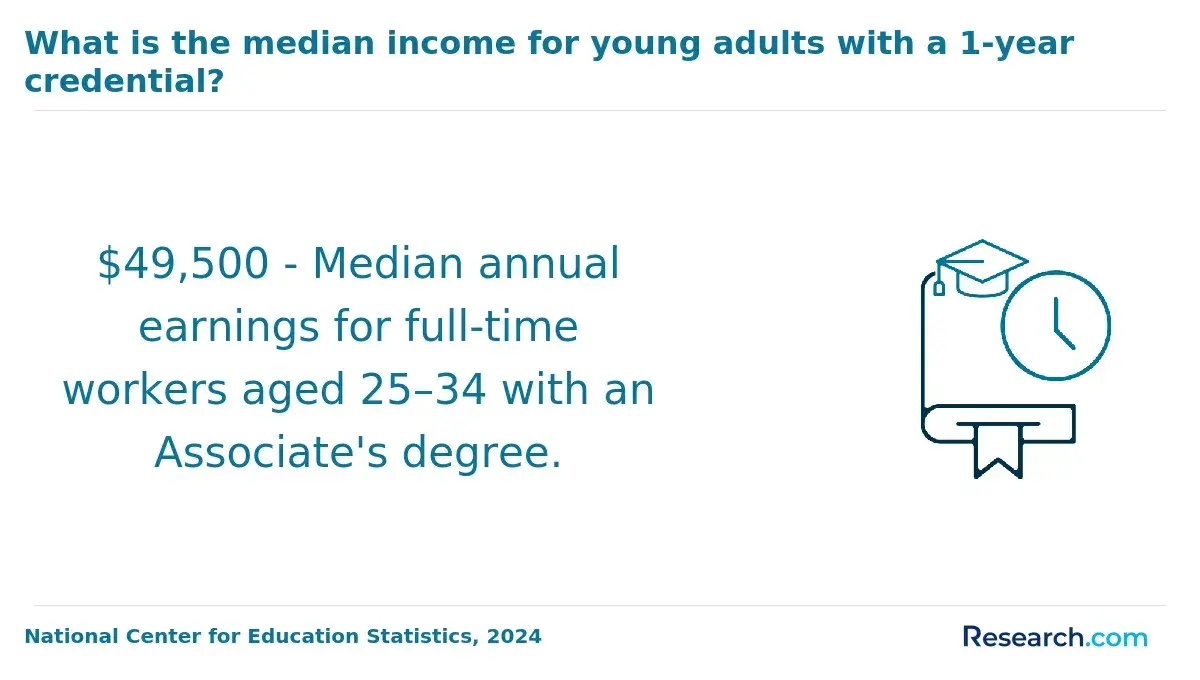
When analyzing employment rates from the Bureau of Labor Statistics (BLS) and National Center for Education Statistics (NCES), respiratory care therapy master's graduates generally meet or exceed employment benchmarks recorded at six months and one year post-graduation.
This contrasts with broader master's degree outcomes, where variability across fields can dilute aggregate employment rates.
- Field Demand: The consistent expansion of healthcare roles, especially amid aging populations and increased respiratory health awareness, sustains stronger hiring trends for respiratory care therapy graduates compared to many other disciplines.
- Credential Specificity: Employers frequently prioritize candidates who possess certifications and hands-on skills unique to respiratory care therapy, resulting in quicker placements and reduced skill mismatches.
- Regional Labor Markets: Employment prospects heavily depend on geographic healthcare infrastructure; metropolitan areas with diversified health systems demonstrate higher absorption rates than rural regions with fewer respiratory care facilities.
- Data Definitions: Discrepancies in how 'employment' is classified-ranging from full- to part-time, clinical relevance, or contract work-introduce complexity when comparing respiratory care therapy outcomes with national averages, complicating straightforward assumptions.
- Practical Implications: For prospective students and career switchers, aligning program choice with regions of high healthcare demand and emphasizing accredited clinical experience can markedly influence employment success and long-term career viability.
Which Industries and Sectors Hire the Most Respiratory Care Therapy Master's Graduates?
The industries most actively hiring respiratory care therapy master's graduates remain concentrated but reflect varying opportunities depending on specialization and location.
This degree typically funnels graduates into healthcare roles that leverage clinical expertise, yet certain program paths and geographic markets open alternative sectors, underscoring a tradeoff between career flexibility and domain-specific depth.
Prospective students must weigh whether they prioritize immediate clinical employment or longer-term pathways including research or public health.
- Healthcare Sector: This dominates employment for respiratory care therapy master's graduates, particularly in hospitals, outpatient centers, and respiratory-specific clinics where skills in critical care, neonatal respiratory support, and pulmonary rehabilitation are highly prized.
- Academic and Research Institutions: Those pursuing thesis tracks or research-oriented concentrations frequently secure roles within universities, medical schools, or clinical research settings. These careers engage teaching and grant-supported investigations into respiratory therapies but represent smaller employment shares.
- Government and Public Health: Federal and state agencies hire select graduates for program development related to respiratory health, epidemiology, and policy enforcement. These roles appeal to candidates aiming to influence public systems beyond bedside care, although opportunities vary geographically and generally lag behind healthcare demand volumes.
- Private Sector and Industry: While less widespread, some graduates find positions in medical device companies, pharmaceutical firms, and consulting firms focused on respiratory technology or healthcare management. Success here often requires combining clinical knowledge with business or technical skills beyond standard curricula.
- Geographic and Programmatic Factors: Urban centers with extensive hospital networks offer diverse options, contrasted with rural regions that tend to limit openings to direct clinical roles. Meanwhile, the thesis option correlates with academic sector placements, while clinically focused tracks channel graduates predominantly into patient-facing employment. These variations critically affect employment outcomes and career trajectory.
For individuals considering respiratory care therapy master's employment by healthcare sector in the United States, evaluating the balance between industry concentration and specialization pathways can influence career resilience and growth potential.
This analysis aligns with outcomes from IPEDS graduate outcome surveys and BLS industry-occupation data, highlighting which industry sectors manifest the strongest demand.
Students intrigued by diversified health-related roles may also explore medical billing and coding programs as complementary or alternative pathways within the broader healthcare ecosystem.
What Types of Job Titles Do Respiratory Care Therapy Master's Graduates Most Commonly Hold?
Job titles held by respiratory care therapy master's graduates reveal crucial differences in how this credential functions across various career stages. Entry-level roles typically reflect the degree's role as an initial clinical qualification, while mid- and senior-level titles indicate strategic use of the master's for upward mobility or specialization.
When evaluating employment outcomes, distinguishing these categories clarifies the credential's practical value and signals to prospective or returning students what to expect in their job search.
- Respiratory Therapist: The predominant entry point for new graduates, involving direct patient respiratory care, treatment administration, and clinical monitoring in hospital or outpatient environments. This title often marks the first professional role after degree completion.
- Clinical Coordinator: This middle-management position is typical for those leveraging the master's degree alongside clinical experience, focusing on organizing care protocols, supervising therapy staff, and managing service delivery logistics.
- Respiratory Care Manager: Reflecting senior leadership responsibilities, this role includes budgeting, policy formulation, staff development, and interfacing with hospital administration. It generally requires significant prior practice combined with the advanced credential.
- Clinical Specialist: Focused on technical expertise, these positions involve specialized practice areas such as pulmonary diagnostics, ventilator support, or neonatal respiratory care, often blending clinical application with research or advanced methodologies.
- Educator or Faculty Member: Graduates moving into academic or training roles apply their advanced degree to teaching and professional development within educational or healthcare institutions.
One recent graduate recalled the uncertainty during the rolling admissions process that characterized their transition into the respiratory care therapy program. Balancing current job responsibilities with application deadlines, they hesitated to submit early without comparable clinical experience, fearing rejection.
When finally admitted, the delay impacted their internship scheduling, which subsequently influenced job placement timing after graduation. This experience underscores how strategic timing and preparation in admissions can affect early career positioning within the labor market for master's-level respiratory care professionals.
How Soon After Graduation Do Respiratory Care Therapy Master's Graduates Typically Find Employment?
Employment timelines for respiratory care therapy master's graduates hinge significantly on how programs measure and report placement. The distinction between time-to-offer-when a graduate formally accepts a position-and time-to-start-the actual commencement of the job-creates a gap that reflects onboarding and licensing processes rather than immediate employability.
Placement data often includes graduates securing offers before completing their studies, skewing perceptions of speed and not always representing those initiating their search post-graduation.
Prospective students must clarify whether reported rates cover three months, six months, or a full year after graduation, as shorter intervals typically show lower placement percentages, reflecting a more stringent standard.
- Measurement Window: Timeframes for counting employment outcomes vary widely across programs, affecting reported success rates and requiring critical evaluation.
- Pre-Graduation Offers: Early job acceptance inflates placement speed metrics but may not apply to all candidates, especially those shifting careers or entering the workforce later.
- Industry and Geography: Graduates in urban hospitals or outpatient facilities often find roles sooner than those in rural or specialized settings, where demand fluctuates.
- Clinical Experience: Extensive internships can accelerate hiring by providing networking advantages and practical credibility that employers prioritize.
- Employer Expectations: Advanced roles aimed at master's graduates may extend job search duration but potentially yield higher-level positions impacting long-term career trajectory.
Understanding these factors offers a realistic framework for evaluating graduate outcomes. While many secure offers within six months, individual experiences vary substantially based on program definitions, local labor markets, and personal preparation.
What Is the Average Salary for Respiratory Care Therapy Master's Graduates in Their First Job?
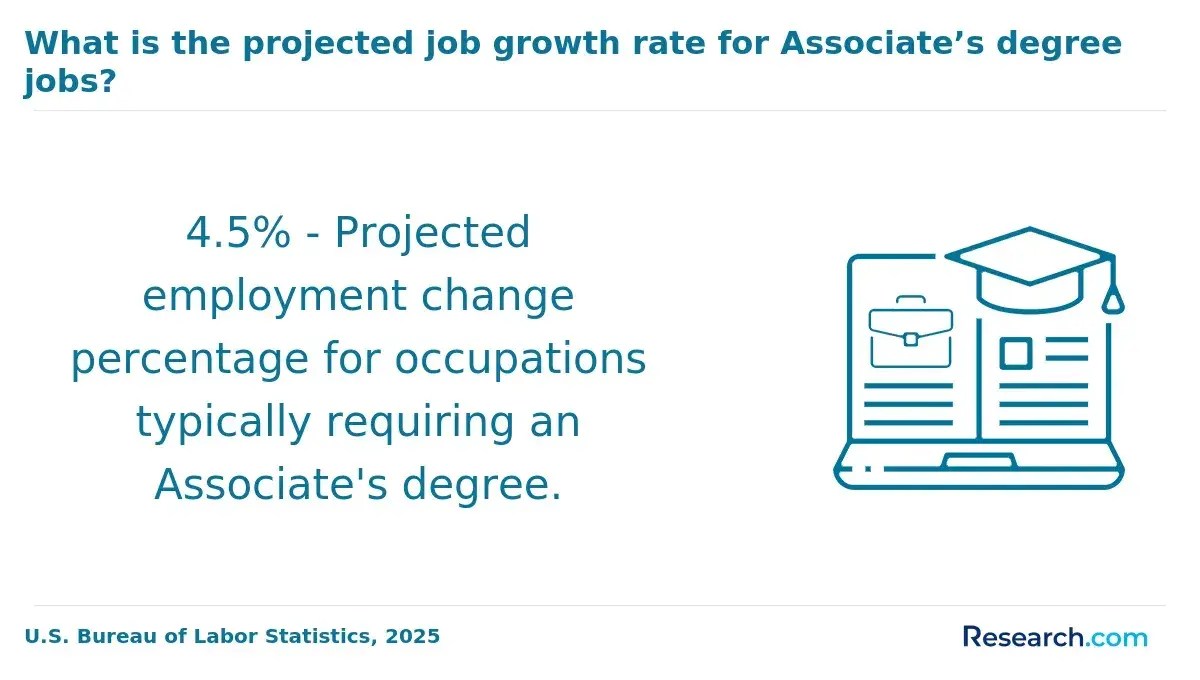
Average salary figures for respiratory care therapy master's graduates entering their first professional role cannot be viewed in isolation, as multiple workforce factors influence initial earnings and career trajectory. Entry-level earnings for respiratory care therapy master's degree holders vary widely depending on immediate employment context, experience background, and program pedigree.
For example, a graduate in a metropolitan hospital often sees markedly higher starting pay than one employed in rural outpatient care, reflecting regional demand and cost-of-living differentials.
Similarly, career changers new to the field typically earn less than those leveraging previous clinical experience through an advanced degree to accelerate salary growth.
Employing only program-published median salary data risks an incomplete picture since such figures often reflect a subset of self-reporting alumni skewed toward higher earners.
Prospective students should integrate data from the BLS Occupational Employment and Wage Statistics (OEWS), NACE salary surveys, and specialized compensation benchmarks to set realistic expectations about initial compensation and hiring timelines.
- Industry Sector: Earnings vary substantially, with hospital-based roles usually providing the highest starting salaries compared to outpatient, home healthcare, or research settings.
- Geographic Location: Urban centers and regions like the Northeast and West Coast commonly offer higher salaries reflecting local market competition and living costs.
- Program Selectivity and Concentration: Graduates from highly selective or specialized respiratory care therapy programs are often positioned for stronger initial salaries due to rigorous clinical training and employer reputation.
- Career Changer vs. Advancement: Individuals using the master's degree to progress within respiratory care generally secure higher starting pay than those entering the field for the first time.
- Data Source Discrepancies: Salaries drawn from multiple authoritative data sets offer a more balanced view than self-reported program medians, which may overrepresent top earners.
Understanding these variables is essential for setting informed salary expectations that align with personal career strategy in respiratory care therapy.
For those weighing graduate options, comparing these insights with broader healthcare and allied health fields, including data on the best online kinesiology degree programs, can also provide valuable perspective on how respiratory care therapy fits within the wider spectrum of advanced healthcare credentials.
Employer Confidence in Online vs. In-Person Degree Skills, Global 2024

How Do Respiratory Care Therapy Master's Program Rankings Affect Graduate Employment Outcomes?
Program rankings in respiratory care therapy master's education often give a skewed impression of graduate employment prospects. While high rankings may indicate strong faculty or research, they seldom guarantee swift job placement.
Employers and recent graduates emphasize practical outcomes and local industry alignment over abstract scores, highlighting that geographic demand, employer networks, and program design typically outweigh prestige in real hiring decisions.
- Location: Graduates from programs in regions with dense healthcare networks encounter more opportunities, irrespective of their school's standing.
- Alumni Network Strength: A connected alumni base can fast-track job access through referrals and mentorship beyond what rankings capture.
- Employer Partnerships: Programs embedded in local clinical sites or hospital systems provide experiential learning and direct hiring channels that accelerate employment.
- Program Concentrations: Specialized tracks aligned with workforce needs-such as neonatal respiratory care-enhance graduate appeal in targeted segments.
- Outcome-Specific Data: Transparent placement rates, salary benchmarks, and employer affiliations offer more actionable insights than generalized rankings.
- Internship Experience: The quality and relevance of clinical practicums substantively shape readiness and marketability upon graduation.
A graduate recalls navigating multiple program offers during a rolling admissions cycle. Despite some top-ranked options, delays in acceptance notices forced a difficult choice: commit early to a less renowned program with strong hospital ties or wait uncertainly for higher-ranked candidates to hear back.
Ultimately, the decision favored pragmatic alignment with clinical partners over perceived prestige, a choice validated by swift employment soon after graduation.
What Role Does Geographic Location Play in Respiratory Care Therapy Master's Graduate Job Placement?
Geographic location plays a decisive role in job placement rates and employment outcomes for respiratory care therapy master's graduates, shaping both the timing and quality of workforce entry.
Data from the Bureau of Labor Statistics illustrates that metropolitan areas with concentrated healthcare industries exhibit higher demand and faster employment for these graduates.
For example, graduates attending programs in or near major urban centers often benefit from direct connections to employers through on-campus recruiting and internships, significantly shortening their job search time compared to peers relocating to unfamiliar markets after graduation.
Such geographic variation in respiratory care therapy master's graduate employment rates highlights how program location aligns with regional workforce needs and hiring practices.
- Access: Proximity to metropolitan healthcare centers provides graduates with greater access to recruiting events and internships, critical stepping stones to full-time positions; hospitals in these markets frequently hire interns directly after graduation.
- Networks: Alumni and professional networks are more active within program locations tied closely to major employment markets, enabling graduates to tap into contacts for job leads and mentor guidance.
- Employer Relationships: Established partnerships between programs and local healthcare facilities foster smoother transitions from education to employment, often reflected in program-specific outcomes reports highlighting employer lists and alumni placement maps.
- Relocation Trade-offs: Graduates who move away from their program's geographic area often confront longer job searches due to fewer local contacts and unfamiliarity with employer expectations, which can suppress initial salary offers and delay workforce entry.
- Salary Variability: Urban markets tend to offer higher salaries, but also feature more competitive hiring environments, which means job seekers must balance potential pay against placement risk.
- Flexibility Impact: Students with geographic flexibility should consider aligning their program choice with their target job market to maximize outcomes, while those fixed in location benefit most from programs with strong local employer engagement to optimize employment success.
These regional job placement trends for respiratory care therapy master's alumni underscore the practical necessity of evaluating how program location intersects with intended career geographies.
Prospective students weighing master's programs should critically assess how geography influences access to key employers and internship opportunities—foundational components for timely and favorable job placement.
Beyond respiratory care alone, this principle applies across healthcare disciplines, including speech pathology. For learners interested in exploring related fields, a resource on the best 5 year speech pathology programs offers additional insights on accelerated pathways with regional employment implications.
How Do Internship and Practicum Experiences Influence Respiratory Care Therapy Master's Employment Rates?
Internship and practicum experiences profoundly shape employment outcomes for respiratory care therapy master's graduates by providing supervised applied learning that traditional coursework alone cannot offer. These hands-on placements allow students to develop practical skills, gain exposure to healthcare employers, and build professional references critical for navigating competitive job markets.
For example, a candidate completing a practicum in a metropolitan hospital's neonatal care unit may secure employment faster by demonstrating niche skills aligned with employer demand, unlike peers without such direct exposure.
Programs emphasizing structured, supervised internships-often found in professional track or hybrid respiratory care therapy master's degrees-tend to yield stronger job placement rates due to established employer partnerships and relevant fieldwork.
When evaluating potential programs, graduates should assess the quality and relevance of internship opportunities, prioritizing those embedded in their target industry sector rather than simply the existence of any practicum requirement.
This approach reflects findings from national workforce data and peer-reviewed studies highlighting the correlation between internship impact on respiratory care therapy master's job placement rates and the nature of the practicum experience.
Additionally, geographic factors play a role; internships in regions with high healthcare demand improve career launch prospects, particularly when paired with sector specialization such as adult critical care or pulmonary rehabilitation.
Comprehensive internship experiences also align with patterns observed in broader healthcare credentialing, as discussed in analyses of best PMHNP programs online, demonstrating how practicum experience and employment outcomes for respiratory care therapy graduates are interconnected.
- Internship Quality: Engagement with diverse patient populations and contemporary clinical protocols enhances graduate readiness and employer appeal.
- Networking Opportunities: Supervisory mentors and clinical site professionals provide critical references that facilitate recruitment in competitive healthcare environments.
- Industry Sector Alignment: Targeted internships in specialized areas like neonatal care or pulmonary rehabilitation connect students to niche employers, improving placement efficiency.
- Geographical Factors: Placement in high-demand metropolitan or specialized healthcare regions correlates with accelerated job offers following graduation.
What Career Services and Job Placement Support Do Respiratory Care Therapy Master's Programs Offer?
The effectiveness of career services in respiratory care therapy master's programs varies widely, yet it directly influences how quickly graduates find employment and the spectrum of healthcare employers available to them.
For candidates new to respiratory care therapy or those entering competitive markets, robust career support can be the difference between months-long unemployment and immediate placement.
Programs offering comprehensive, data-driven career resources often see faster job placement outcomes, reflecting employer perceptions of graduate readiness and program reputation.
- Career Advising: Specialized advisors guide students and alumni in crafting targeted career strategies, identifying viable job sectors, and maximizing professional development opportunities-critical for navigating complex healthcare job markets.
- Employer Recruiting Events: These events create direct pathways to employment by connecting students with recruiters from hospitals and clinics actively seeking respiratory care therapy graduates, thereby shortening typical job search timelines.
- Alumni Mentorship Platforms: Access to a network of experienced alumni provides current students with insider insights, industry expectations, and often leads to referrals or job offers within trusted professional circles.
- Resume and Interview Coaching: Practical workshops and personalized sessions hone application and interviewing skills, directly impacting employer impressions and improving interview success rates.
- On-Campus Recruiting Partnerships: Collaborations with healthcare employers allow for streamlined, on-site interviews, reducing geographic and logistical barriers for both students and hiring organizations.
Prospective students should request transparent usage and outcome data-such as the proportion of students utilizing career services, attendance at recruiting events, and job placement through program ties-to accurately gauge service effectiveness.
In an environment where average respiratory care therapy salaries hover around $60,000 to $75,000 annually depending on location and specialization, gaining access to employers through well-established career services can significantly improve both hiring speed and long-term salary trajectories.
What Graduates Say About the Job Placement Rates for Respiratory Care Therapy Master's Graduates
- Cade: "Balancing a full-time job while pursuing my master's in respiratory care therapy was a massive challenge, especially with limited evenings available for coursework. I chose this program primarily because of its flexible online format, allowing me to continue working and build the necessary clinical hours. Ultimately, the internship component proved invaluable, leading directly to a position at a hospital that prioritized hands-on experience over merely licensure, which I initially found unexpected but validating."
- Mohamed: "Finances were a significant constraint when I decided to pursue advanced study in respiratory care therapy, so I carefully selected a program with both a reasonable tuition and strong industry connections. The turning point came when I realized many employers in my region favored candidates who brought a portfolio of case studies and internships rather than just credentials. Although I had to postpone my licensure exam due to work demands, the practical skills I developed helped me secure a role in a rehabilitation clinic focused on long-term patient care."
- Axel: "After switching careers, I faced the tough reality that respiratory care therapy roles often demand licensing, which takes time and additional exams beyond the master's degree. I opted for a program that offered remote learning options and emphasized career services, hoping to accelerate my entry into the field. While salary growth remains somewhat capped without advanced certifications, I landed a critical care position where I use my clinical training daily, and the remote aspect of the program gave me the flexibility to maintain my family commitments."
Other Things You Should Know About Respiratory Care Therapy Degrees
Employment rates differ significantly depending on the program's specialization within respiratory care therapy. Graduates who focus on intensive care or neonatal respiratory support often experience higher placement rates due to strong demand in hospital settings. Conversely, specializations centered on outpatient or home care respiratory services may face slower job entry, reflecting fewer openings and increased competition. Prospective students should prioritize specializations aligned with acute care environments for better immediate employment prospects.
In 2027, job placement rates for respiratory care therapy master's graduates can vary depending on their chosen specialization. Graduates specialized in critical care and neonatal care have shown higher placement rates compared to those in general respiratory practice due to growing demand in those specific areas.
Students should request specific employment rates broken down by graduation year, specialization, and geographic region to understand placement variability. Inquiring about the types of employers hiring graduates and average time to employment helps evaluate market demand realistically. Furthermore, asking how alumni employment data are collected and verified can reveal the reliability of reported outcomes, guiding more informed enrollment decisions.
Employers often see the master's degree as a valuable signal of advanced clinical expertise and research competence, especially for specialized care roles or leadership positions. However, many prioritize practical experience and certifications alongside the degree. Graduates should be prepared for the degree to complement, rather than replace, professional credentials and workplace experience, and program choices should emphasize applied skills development to meet these employer expectations.
References
- Respiratory Therapy Graduate Outcomes https://www.shawnee.edu/respiratory-therapy/graduate-outcomes
- Careers in Respiratory Therapy are Booming https://www.mssu.edu/news/2026/04/respiratory-therapy.php
- Local Respiratory Therapy Programs Report 100% Employment Rate for Recent Graduates - Kettering College https://kc.edu/local-respiratory-therapy-programs-report-100-employment-rate-for-recent-graduates/
- Reasons You Should Pursue a Master’s Degree in Respiratory Care https://www.rushu.rush.edu/news/reasons-you-should-pursue-masters-degree-respiratory-care
- Respiratory Therapist Salary | Respiratory Therapy Salary | RT Salaries https://www.respiratorytherapistlicense.com/salaries/
- Make a Difference with a Respiratory Therapy Career | Moffitt https://www.moffitt.org/careers/career-compass/make-a-difference-with-a-respiratory-therapy-career/
- Reasons You Should Pursue a Masters Degree in Respiratory Care https://www.rush.edu/news/reasons-to-pursue-masters-degree-respiratory-care