2027 Can Your AAS in Office Administration Transfer into an Online BS in Business Administration?
Audited and Verified:
Our Editorial and Data Verification Process
Research.com uses government datasets, official education statistics and primary institutional information to support its career and degree guides. Our review process checks factual accuracy, occupational definitions, source dates and the requirements associated with the credentials discussed.
How This Article Was Fact-Checked
Our editorial team verifies salary estimates, employment projections, education requirements and program information against original data providers and official organizations. Salary figures are checked against the relevant occupational definitions and reporting periods. Information about licensure, accreditation and required in-person training is reviewed separately.
Fact-checked and verified on:

Co-Founder and Chief Data Scientist
An AAS in Office Administration can be a starting point for an online BS in Business Administration, but the number of credits a school accepts may differ from the number that actually shorten your degree. That distinction matters if you are choosing a program around work, tuition, and a graduation goal.
This guide explains how applied associate credits are evaluated, which courses are most likely to meet requirements, and what to request from schools before enrolling. You will be able to compare offers based on remaining coursework rather than an advertised transfer maximum.
Key Things You Should Know
- An AAS in Office Administration can transfer into some online BS in Business Administration programs; admission and credit awards depend on the receiving school.
- The decisive figure is credit applied to your degree requirements, not merely credits accepted. Ask for an audit showing general education, business core, electives, and remaining courses.
- Compare total remaining tuition and required terms after the evaluation. A generous credit award may still leave accounting, economics, statistics, or other sequenced courses to complete.
Can an AAS in Office Administration transfer into an online BS in Business Administration?
An Associate of Applied Science (AAS) is usually designed around occupational preparation, but its college-level courses may qualify for transfer into a Bachelor of Science in Business Administration (BSBA). The receiving institution decides whether to admit you, accept each course for credit, and apply that credit to its degree requirements. Those are separate decisions.
Your best prospects are programs with an explicit applied-associate pathway, a transfer agreement covering your college, or room for career-focused electives. A program that accepts your full transcript as elective credit may still require most of its business core and general education. Conversely, a program accepting fewer credits could leave you with a clearer, shorter course sequence.
Request a course-by-course, program-specific evaluation before committing. If speed is important, a national comparison of accelerated business bachelor's schools can help you build a shortlist, but only your individual degree audit can establish how quickly you could finish.
How many AAS credits transfer to an online business administration bachelor's degree?
There is no reliable number based on the AAS title alone. Schools set their own transfer limits, course-equivalency rules, minimum grades, and requirements for credits earned at the degree-granting institution. The useful question is how many credits reduce your remaining BSBA requirements.
A transfer evaluation should separate accepted credits into the following categories. This makes competing offers easier to compare than a single total does.
| Where accepted credit applies | What it means for completion |
| General education | May replace required writing, mathematics, or other breadth courses. |
| Business core or prerequisites | May remove required courses, provided the content and level match. |
| Concentration requirements | Counts only if an official concentration permits the course. |
| Free electives | Helps only to the extent that the degree has elective space remaining. |
| Not accepted | Does not reduce the credits needed for this degree. |
For example, an office software course could transfer as an elective without replacing a required business analytics course. Ask the registrar or transfer office for the evaluation and a business adviser for an audit showing unmet requirements. For a broader way to weigh credits against time and price, see this business administration degree affordability duration and value guide.
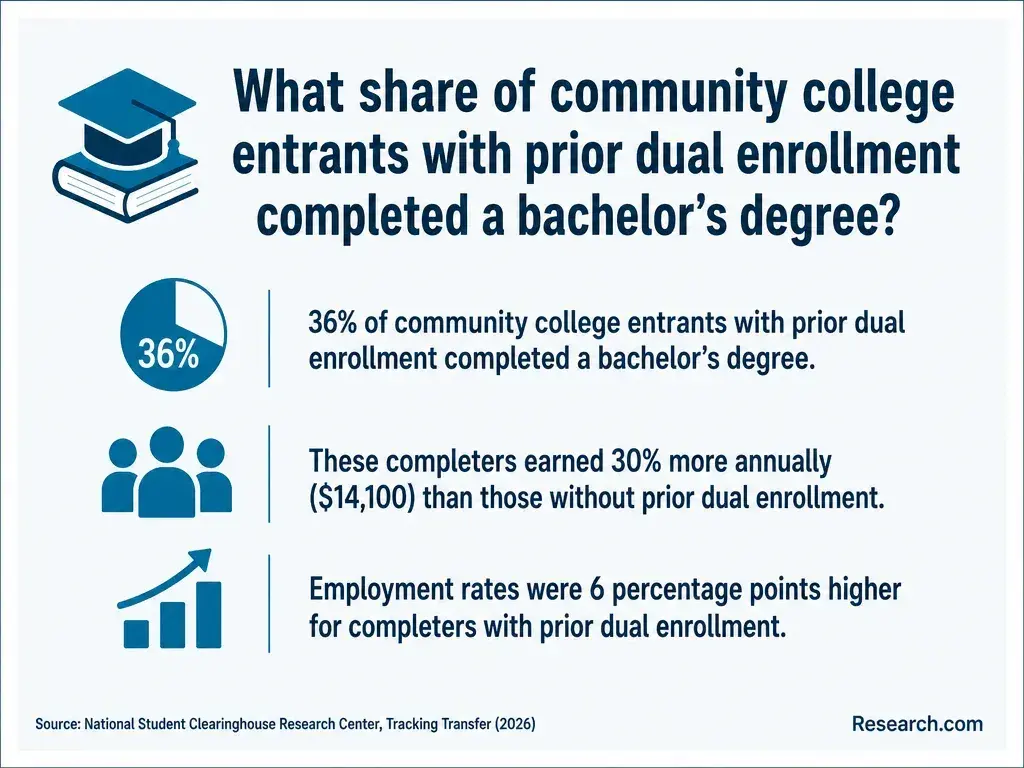
What transfer requirements apply to an AAS in Office Administration?
Policies vary by institution and sometimes by the business major. A school may recognize your prior college while still requiring a minimum grade for a particular course, a comparable syllabus, or completion of a prerequisite before you enter upper-level business classes. Check the catalog for your intended enrollment term rather than assuming the rules from another BSBA apply.
Use this sequence to identify obstacles before paying an enrollment deposit:
- Send an official AAS transcript and identify every college at which you earned credit.
- Collect catalog descriptions and syllabi for courses that might replace accounting, economics, mathematics, statistics, or business requirements.
- Ask the transfer office about course equivalencies, grade thresholds, credit limits, and any appeal or substitution process.
- Ask a business adviser which prerequisites remain, when they are offered, and how residency requirements affect graduation.
- Obtain an updated degree audit if a course is reclassified or an exception is approved.
Some programs admit students before every business prerequisite is complete; others set conditions for entry into the major or particular courses. A guide to business administration admissions coursework and credit requirements can help you formulate questions, but the receiving school has final authority over your record.
Some do, but accreditation does not require every program to accept an AAS or award identical credit. Check that the institution holds recognized institutional accreditation, then ask about its specific applied-degree transfer policy. If a school cites AACSB, ACBSP, or IACBE, confirm the accreditor's scope and whether the business program you plan to enter is covered; business accreditation is distinct from institutional accreditation and from a transfer guarantee.
Compare policies at the level of your exact degree. An online BSBA, an online BBA, and a degree-completion program may have different cores, elective capacity, and transfer rules even at the same institution. A list of economical college choices for business administration majors is a starting point for identifying schools to ask - not a substitute for verifying their accreditation and requesting individual evaluations.
Composition and other general education courses may meet breadth requirements when their content and credit level match. Business communication, introductory accounting, economics, and quantitative courses may satisfy business requirements if the receiving department approves an equivalency. Office administration, records, customer service, and software courses are often considered for electives, but a similar course title alone is not enough to establish a match.
Pay particular attention to quantitative preparation. A spreadsheet course may show useful skills without replacing statistics; bookkeeping may not cover the financial accounting outcomes required by the BSBA. Provide syllabi that document topics, assignments, and instructional level when a course appears to overlap.
If your AAS included purchasing or inventory work and you are considering a specialized degree instead, compare the additional requirements before changing direction. This guide to accelerated degree planning for supply chain undergraduates provides a separate pathway to examine; those AAS courses will not automatically meet a supply chain major's requirements either.
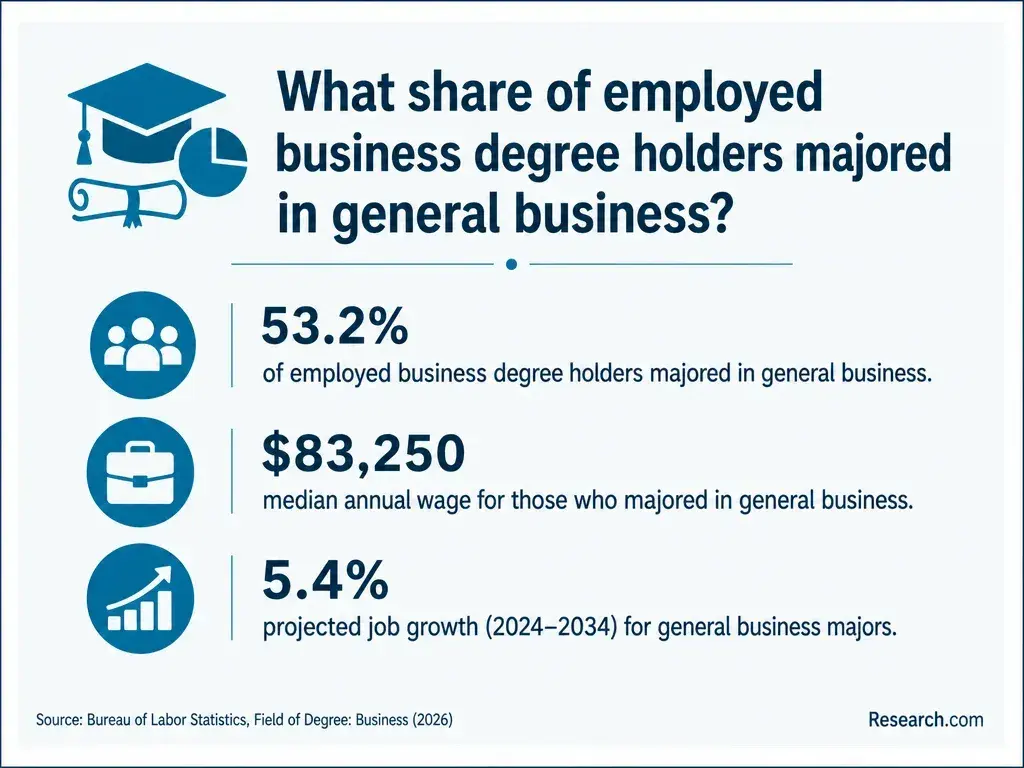
Delivery format does not determine transfer-credit eligibility by itself. The consequential differences are course access, scheduling, assessments, and support.
An online program may let you remain employed and avoid commuting, yet still require scheduled meetings, group presentations, proctored exams, or fixed weekly deadlines. A campus program may offer face-to-face advising or recruiting that matters to you, but its required classes might conflict with your work schedule.
Ask both programs whether required business courses are offered in the terms you need, whether attendance is live, and whether an internship, capstone, or campus visit is mandatory. Compare the answers against your available weekly study time. Resources on accelerated study formats for bachelor's students can clarify format options, but a shorter calendar does not necessarily mean fewer assignments or lower total tuition.
You ordinarily apply as a transfer student rather than assuming the AAS itself enrolls you in the BSBA. Expect to provide an application and official transcripts from prior colleges.
The school may also request proof of the awarded associate degree, course syllabi, or other materials needed to evaluate disputed credits. Requirements for essays, recommendations, test scores, and minimum academic standing vary, so check the institution's current transfer-admission instructions.
Separate documents needed for admission from those needed for credit review. Submit transcripts early, then ask whether the business major requires a second application or approval after university admission. If upfront application charges affect where you apply, a guide to online colleges without application fees may help narrow the search; confirm each school's current fee and transfer process directly.
Both depend on the approved degree audit, not simply on having completed an associate degree. Remaining general education, business prerequisites, upper-level requirements, and credits that must be earned at the BSBA institution determine the workload. Course sequencing and the number of terms in which required classes are offered can extend the calendar even when many credits transfer.
For a meaningful cost comparison, ask each school for the remaining courses and price them using its applicable tuition rate and mandatory fees. Include books or software, possible proctoring costs, and the financial effect of studying part time.
Check aid eligibility with the financial-aid office, especially if transferred credits affect your academic-progress review. Advice on how to reduce tuition costs for a business degree is most useful after you know which courses you still need.
Choose based on a feasible term-by-term plan and estimated remaining cost, not the lowest advertised per-credit rate. Obtain written clarification if a school's initial credit estimate has not yet become an official evaluation.
Office administration experience plus a BSBA can support applications for operations coordinator, administrative specialist, project coordinator, or business-support roles.
The degree may also help you pursue a functional path in human resources, marketing, or procurement, but employers will assess relevant tasks and skills, not the degree title alone. Document examples of scheduling, process improvement, customer communication, budgeting support, or spreadsheet work from your AAS training and employment.
For salary context, the U.S. Bureau of Labor Statistics reports a May 2025 median annual wage of $75,940 for human resources specialists and projects 6% employment growth from 2025 to 2035. These occupation-wide figures are not an expected starting salary or a BSBA graduate outcome; HR-specific experience and employer requirements still matter.
If purchasing or logistics is your target, compare the BSBA's electives and applied opportunities with a specialized pathway. A review of supply chain education costs and career prospects can inform that choice, while your actual transfer evaluations show which degree would take less additional study.
Do business administration graduates need licenses or professional certifications?
A BSBA does not generally require a professional license to graduate or to pursue broad administrative and business-support work. Specific occupations are different: accounting licensure and certain financial-services activities have separate rules, while HR and project-management certifications have their own eligibility criteria. A business course or concentration does not award those credentials automatically.
Start with the requirements in postings for your intended role. If an employer wants a particular software skill or voluntary certification rather than a bachelor's degree, targeted training may be the more direct choice.
If it requires a bachelor's degree for advancement, compare a realistic completion plan with any shorter credential option; an accelerated business college program guide can help you investigate degree formats without assuming that acceleration replaces job-specific experience.
Other Things You Should Know About Business Administration Programs
Not necessarily. Some schools accept transfer applicants with unfinished associate degrees. Ask whether completing yours would activate a transfer agreement or change how general education is evaluated.
Possibly, if the school offers approved prior-learning assessment. Employment alone does not award credit; ask what evidence, assessment, fees, and degree limits apply.
Sometimes. Obtain advance written approval for the specific course and requirement, since later transfer may be limited by residency or upper-level credit rules.
That depends on the institution's credential policy. Ask for the official degree title and how the program appears on the diploma and transcript before enrolling.
- Eligibility Requirements | Federal Student Aid https://studentaid.gov/understand-aid/eligibility/requirements
- Accreditation in the U.S. | ed.gov http://www.ed.gov/laws-and-policy/higher-education-laws-and-policy/college-accreditation/accreditation-in-the-us
- Transfer & Articulation Agreements | atlanticcape.edu https://atlanticcape.edu/student-resources/transfer-planning/transfer-agreements.php
- Transfer FAQ: Admission | Hofstra University https://www.hofstra.edu/admission/transfer-faq/
- Transfer Credits | Brooklyn College https://www.brooklyn.edu/admissions-aid/transfer/transfer-credits/
- Providing Syllabi for Courses with No Evaluation | psu.edu https://priorlearning.psu.edu/providing-syllabi-courses-no-evaluation
- Business Administration | Iowa State University Catalog https://catalog.iastate.edu/collegeofbusiness/businessadministration/
- Bachelor's Degree Requirements | University of Oregon Academic Catalog https://catalog.uoregon.edu/admissiontograduation/bachelorrequirements/
- Transfer and Pre-Matriculation Credit: Advising Handbook | Financial Aid & Scholarships https://www.rochester.edu/college/ccas/handbook/transfer-credit.html