2027 Can You Study Fashion Merchandising Master's Programs Part-Time? Options & Duration

Co-Founder and Chief Data Scientist
Enrollment trends in graduate education reveal that part-time study models vary widely in structure and impact, particularly in specialized fields like fashion merchandising. Students often face complex decisions about how program design influences internship access, cohort integration, practicum timing, and research demands. Employer expectations and licensure considerations add further dimensions, shaping the feasibility of balancing professional obligations alongside academic progression. Part-time options may extend degree completion but not always flexibly, potentially increasing logistical and financial strain. Evaluating these factors is critical, as structural differences across institutions often determine whether part-time enrollment effectively supports career transition or merely prolongs credential attainment.
This article examines part-time fashion merchandising master's programs, their duration, and key trade-offs. It aims to provide a clear framework for students weighing varied program formats against evolving workforce priorities and academic requirements.
Key Benefits of Studying Fashion Merchandising Master's Programs Part-Time
- Part-time study extends program duration, often doubling it, which can delay access to advanced roles but aligns with steady skill accumulation without employment disruption.
- Employers in 2024 increasingly value demonstrated project management and digital merchandising proficiency over graduation speed, making part-time paths viable if practical skills are emphasized.
- Online part-time formats reduce geographic and financial access barriers; however, candidates must anticipate potential networking limitations compared to full-time, campus-based cohorts.
Can You Study a Fashion Merchandising Master's Program Part-Time?
Part-time study in a fashion merchandising master's program is most feasible when programs offer flexible course sequencing and accommodate the uneven availability of working students. Programs with modular or asynchronous course designs, fewer required internships per semester, and options to extend project deadlines align better with part-time enrollment realities. However, the practicality of this approach varies widely depending on whether the discipline demands significant project-based coursework, in-person internships, or direct industry collaboration. Graduate students managing substantial work or caregiving obligations often find that a tailored part-time structure can provide necessary balance, though not all programs integrate these accommodations effectively, which affects student progress and experience.
Choosing part-time enrollment entails tradeoffs beyond simple schedule flexibility. The extension from typical two-year full-time timelines to three or four years can dilute momentum and delay skill accumulation, potentially impacting career progression. Networking opportunities, a critical component in fashion merchandising careers, may be limited by reduced campus presence and fewer cohort interactions. Moreover, industry shifts during an extended program may require ongoing recalibration of skills and knowledge, complicating timely alignment with evolving employer expectations. Thus, flexibility should be weighed against the consequences of a longer academic timeline and the implications this has on employability and professional development.
Individuals most likely to benefit from flexible part-time fashion merchandising graduate programs include working professionals maintaining relevant industry roles and career changers balancing education with established responsibilities. This pathway offers the ability to integrate real-time work experience with academic learning, which can enhance practical understanding and applicability. Conversely, students without immediate professional engagement or those seeking rapid entry into new sectors might find full-time study more strategically advantageous. Evaluating the specific demands of one's personal situation alongside program structure is essential to determine if part-time study genuinely supports long-term career objectives or simply postpones critical outcomes. Prospective students looking into entrepreneurial training may also consider shortest MBA.
How Long Does It Take to Complete a Part-Time Fashion Merchandising Master's Degree?
Completing a part-time fashion merchandising master's degree generally ranges from two to four years, but this timeframe is highly dependent on factors like enrollment intensity and program layout. Unlike full-time cohorts, part-time students typically take fewer courses per term, which inherently prolongs the overall duration. Institutional pacing, such as semester versus quarter systems and credit requirements, further influences how swiftly a student can navigate the curriculum. Data from a 2024 graduate education report shows that about 65% of part-time candidates finish within three years, though a notable minority extends beyond four years due to varied personal and academic circumstances.
Several structural elements impact completion time, including course sequencing and the availability of required classes, which might be offered only in specific terms or years. Prerequisite chains can create bottlenecks that delay progress, especially when foundational courses must precede advanced topics. Internship or practicum requirements add another layer of complexity, often demanding time blocks incompatible with heavy work schedules. Since many part-time students maintain full-time employment alongside their studies, balancing these responsibilities necessitates flexible program models or slows advancement if students opt for fewer courses per term to mitigate burnout.
Extended timelines have nuanced implications beyond just academic scheduling. Protracted study periods can risk skill depreciation or misalignment with rapidly evolving industry trends, potentially affecting employability and salary trajectory. Financially, longer enrollment increases cumulative tuition and related costs, which can strain personal budgets or defer the return on investment. Thus, selecting programs with structured advising and clear timelines is crucial to managing these tradeoffs effectively and maintaining momentum toward graduation.
A student entering a part-time Fashion Merchandising master's program recounted their challenge navigating a rolling admissions cycle where acceptance timing varied widely. Faced with early admission offers but uncertain course availability in subsequent terms, they hesitated before committing, weighing the risk of delaying enrollment against missing a spot in their preferred program. The juggling of application deadlines with work demands added pressure, and the student ultimately chose a program with more predictable start dates, prioritizing clear progression over immediate acceptance despite the emotional difficulty of waiting.
How Are Part-Time Fashion Merchandising Master's Courses Structured?
Part-time fashion merchandising master's programs are structured to balance flexibility with academic rigor, yet their design varies significantly across institutions-directly shaping student time management, engagement, and mastery of course material. Recognizing these structural elements clarifies how the pacing and delivery formats influence both learning outcomes and professional applicability.
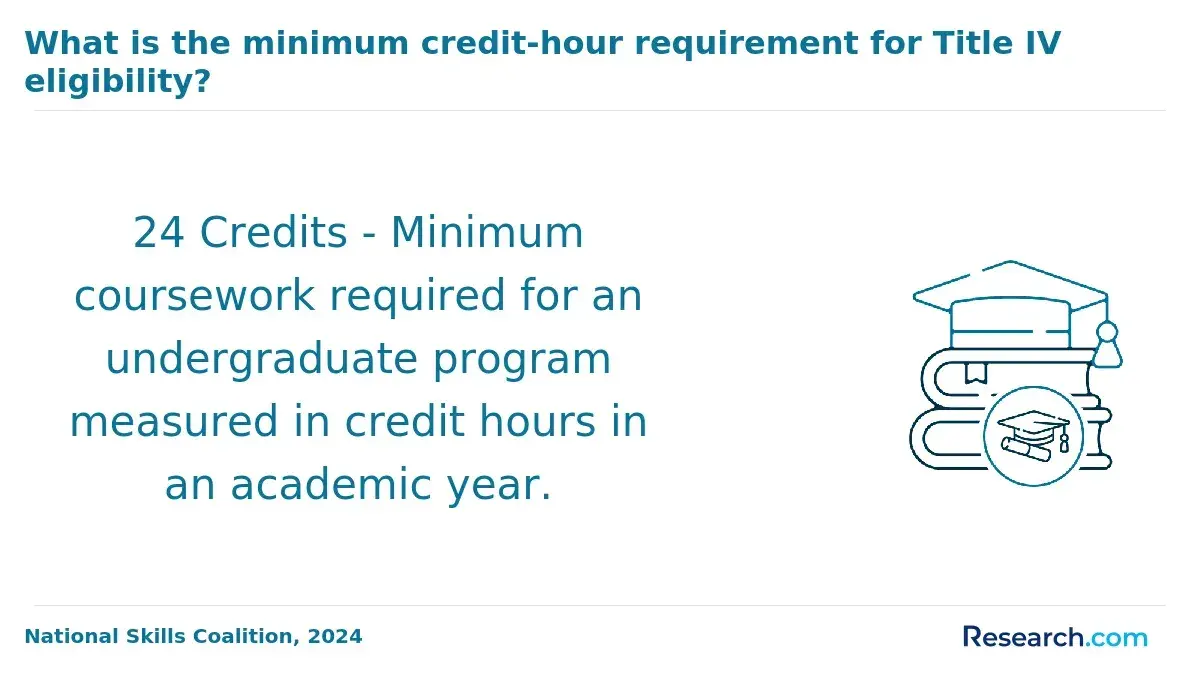
- Extended Duration and Modular Coursework: Most part-time tracks extend from 2.5 up to 4 years, allowing students to handle fewer courses per semester. This modular approach reduces immediate workload stress but demands sustained commitment and self-discipline to maintain continuity and depth over time, often challenging long-term knowledge retention and consistent motivation.
- Flexible Course Delivery Formats: Evening, weekend, and hybrid online/in-person options predominate, providing essential scheduling freedom for working professionals. While such flexibility accommodates external responsibilities, it can dilute synchronous interaction, potentially limiting peer collaboration and immediate feedback-key components for applied fields like fashion merchandising.
- Equivalent Academic Rigor: Despite slower pacing, part-time students face largely identical standards for projects, case analyses, and exams as full-timers. This parity reinforces industry expectations but requires learners to integrate real-world applications concurrently with academic demands, testing their ability to contextualize theory within evolving market trends.
- Impact on Networking and Experiential Learning: Prolonged timelines may restrict access to condensed internships or in-person networking events common in full-time formats. Institutions increasingly offset this with virtual career services and flexible internship scheduling; however, students must proactively compensate for fewer immersive opportunities to build industry connections.
- Work-Life Integration and Time Management Challenges: Balancing ongoing employment or personal commitments alongside academic responsibilities necessitates advanced time management skills. Successful candidates often demonstrate heightened discipline and prioritization, traits valued by employers seeking both expertise and reliability.
According to a 2024 National Center for Education Statistics report, approximately 42% of graduate students in applied arts and business-related fields opt for part-time enrollment, underscoring the critical demand for adaptable yet rigorous program structures in disciplines like fashion merchandising.
Can Students Work Full-Time While Earning a Part-Time Fashion Merchandising Master's Degree?
Working full-time while pursuing a part-time Fashion Merchandising master's degree can be achievable under certain conditions. Programs designed with asynchronous formats and predictable schedules provide flexibility that accommodates professional responsibilities. Students with relevant industry experience often find the learning curve less steep, which helps balance work and study demands more effectively. According to data from the National Center for Education Statistics in 2024, about 62% of part-time graduate students maintain full-time employment, highlighting that balancing these commitments is common but requires intentional planning.
Nonetheless, the challenge lies in managing the intensity of coursework alongside occupational pressures, especially when retail cycles or seasonal peaks coincide with academic deadlines. Students working over 35 hours weekly might face slower progression and increased stress, which can compromise both academic success and job performance. Networking opportunities and immersive projects may also be limited by time constraints, reducing some benefits of graduate study. For those weighing part-time Fashion Merchandising graduate programs against full-time work, exploring alternatives like game design courses online or other flexible formats could provide additional perspectives on balancing education with a demanding schedule.
Which Universities Offer the Best Part-Time Fashion Merchandising Master's Programs?
Choosing the best part-time online fashion merchandising master's program is a strategic step with lasting consequences on employability, salary growth, and career flexibility. The notion of "best" is highly individual, hinging on a student's current career stage, availability, and targeted specialization within the field.
- Curriculum Relevance and Adaptability: Programs offering updated, industry-aligned coursework ensure graduates gain applicable skills amid rapid retail technology shifts. A robust curriculum that adapts to emerging trends like digital merchandising and data analytics is crucial for career resilience.
- Faculty with Active Industry Engagement: Instructors who maintain professional ties and practical experience bridge theory and real-world application, enhancing networking opportunities and deepening students' understanding of market demands.
- Flexible Scheduling and Pacing: Part-time structures that genuinely accommodate working professionals-through asynchronous content combined with limited synchronous sessions-reduce burnout and allow learners to balance education with personal and job commitments, directly affecting program completion rates and sustained motivation.
- Access to Applied Learning and Internship Opportunities: Integration of experiential elements such as virtual internships, capstones, or collaborations with industry partners translates theory into practice, accelerating employability and skill mastery crucial for talent acquisition in competitive retail environments.
- Accreditation and Institutional Credibility: Accredited programs provide a quality assurance benchmark that matters to employers and can influence eligibility for professional certifications or licensure, impacting both immediate job prospects and long-term career mobility.
- Alumni Outcomes and Network Strength: Programs with demonstrable records of successful graduate placement and active alumni communities offer ongoing support, mentorship, and industry connections that facilitate career advancement beyond graduation.
According to recent data from the National Center for Education Statistics, roughly 35% of graduate students enroll part-time, underscoring the importance of structure and support in these programs to meet evolving learner needs.
A former student recalled applying amid rolling admissions and hesitating before committing due to workload concerns. She eventually opted for a program with clear part-time pacing and proactive academic advising, which proved pivotal in managing her job and family alongside coursework. Her experience highlighted how timely, transparent communication from admissions during the decision phase can greatly ease uncertainty and shape successful enrollment outcomes.
How Much Does a Part-Time Fashion Merchandising Master's Degree Cost?
Part-time fashion merchandising master's programs generally charge tuition on a per-credit basis, with public institutions typically ranging between $400 and $900 per credit and private universities between $800 and $1,800 per credit. Given that these programs often require between 30 and 36 credits to graduate, the total tuition cost can vary from roughly $12,000 to over $60,000. These figures align with current data sources such as the U.S. National Center for Education Statistics and university financial disclosures, reflecting a broad spectrum of pricing that depends heavily on the institution type and program structure. Understanding these ranges provides essential context for prospective students evaluating the part-time fashion merchandising master's degree cost relative to other disciplines and educational formats.
Cost variability arises from several structural factors. Pricing depends significantly on how institutions bill tuition-whether by credit hour or via flat fees-and on residency status, with in-state students often benefiting from lower rates. Delivery format plays a role, as online or hybrid programs may offer different pricing models, sometimes with reduced fees for distance learners. Extended enrollment duration typical of part-time study can also increase total expenses, as indirect costs like technology fees and course materials accumulate over time, even if per-credit costs remain stable. Program prestige and networking opportunities, which influence employer recognition and long-term career impact, often correlate with higher tuition, adding a qualitative dimension to cost considerations tied to educational investment.
For many professionals managing work and family, spreading tuition over a longer timeline can ease immediate financial burdens but may lead to a higher overall investment due to the protraction of fees and materials. Some employers provide tuition assistance or reimbursement programs that can offset costs in fashion merchandising-related roles, partially mitigating financial strain. Those investigating advanced degrees should weigh these factors alongside program flexibility and career objectives, using resources like masters human resources analyses to understand comparable educational investments. Such deliberate evaluation is crucial when assessing the average tuition fees for part-time fashion merchandising programs amid evolving workforce demands.
Do Programs Help Arrange Flexible Clinical Placements for Part-Time Students?
Part-time programs in fashion merchandising often rely on partnerships with retailers, brands, and supply chain entities to arrange clinical placements, attempting to accommodate students who balance work and personal commitments. These programs may utilize a distributed network of placement sites and structured scheduling models, offering options such as evening, weekend, or remote practicums to enhance accessibility. However, the degree of flexibility is closely tied to the program's infrastructure and its relationship with industry partners, with some institutions better equipped to support diverse schedules than others.
Despite these efforts, several constraints limit the actual flexibility available to part-time students. The availability of placement sites can be restricted, and minimum hourly requirements still apply, often necessitating continuous or synchronous participation during typical business hours. Geographic limitations further narrow options, especially for students in less urban areas. Moreover, compliance with accreditation standards or professional expectations frequently results in rigid practicum structures, making true scheduling freedom an exception rather than the norm. According to recent National Center for Education Statistics data, only around 62% of part-time graduate students in business-related fields report accommodations for flexible placements, indicating a substantial portion may face strict practicum timelines.
To mitigate these challenges, students benefit from proactive planning and exploring placements affiliated with their current employers, which often permit greater scheduling control. Programs with established clinical pipelines and transparent practicum coordination tend to provide smoother placement experiences. Consequently, evaluating how a fashion merchandising program facilitates practicum scheduling and offers support during placement can be as crucial as other curriculum considerations for those managing multiple responsibilities alongside their studies.
What Challenges Do Students Face in Part-Time Fashion Merchandising Master's Programs?
Part-time study in fashion merchandising master's programs offers flexibility but introduces distinct pressures compared to full-time enrollment. Challenges stem from the interplay between program design, course demands, and students' simultaneous professional and personal obligations, which collectively shape academic progress and career readiness.
- Time Management and Workload Constraints: Balancing full-time employment, family responsibilities, and coursework compresses the time available for deep learning and critical analysis. This often results in cognitive overload, limiting students' ability to engage fully with complex merchandising concepts and market dynamics.
- Extended Program Duration: The longer timeline to complete part-time studies can dilute momentum and increase financial strain. Prolonged engagement may affect motivation and delay the timely acquisition of skills needed to respond to fast-changing industry trends.
- Reduced Networking and Experiential Opportunities: Part-time students tend to have less access to internships, live projects, and industry events, restricting their ability to build professional networks and gain practical insights critical to employability in fashion merchandising roles.
- Challenges Staying Current with Industry Evolution: The fashion merchandising sector rapidly evolves with shifting consumer behaviors and digital retail innovations. Part-time learners' stretched schedules can hinder continual exposure to these developments, risking skill gaps relative to full-time peers.
- Difficulty Integrating Theory and Practice: Limited immersive experiences and fewer real-time collaborations make it harder for part-time students to apply classroom knowledge effectively, which may impede their readiness to meet employer expectations in a competitive job market.
Data from a 2024 National Center for Education Statistics study highlights that around 42% of part-time graduate students face notable challenges balancing work and study, correlating strongly with increased drop-out rates relative to full-time enrollees. This underscores the need to critically assess whether part-time modes align with one's career objectives and life context in fashion merchandising.
Which Careers Benefit Most From Part-Time Graduate Education?
Part-time graduate education in fashion merchandising functions as a strategic accelerator in careers where employer expectations intertwine experience, credentialing, and continuous skill development. Its value is especially pronounced in roles where formal qualifications and applied knowledge sequentially unlock higher responsibility and pay. Careers suited to part-time study benefit from the ability to implement coursework insights immediately on the job while maintaining professional engagement.
- Retail Managers: Part-time master's programs offer retail managers deeper expertise in consumer behavior, supply chain logistics, and visual merchandising that can be directly applied to complex operational challenges. Retaining active employment while studying helps managers meet growing graduate-level credential requirements, particularly as 63% of retail leadership roles now prioritize such qualifications alongside significant work experience.
- Fashion Buyers and Merchandisers: The rapidly shifting fashion marketplace demands agility and foresight. Part-time study allows these professionals to blend academic insights on trend forecasting and market analysis with their ongoing role, optimizing decisions. A 5% growth projection in these positions highlights a competitive advantage for those enhancing their education without leaving the workforce.
- Marketing Professionals in Fashion Brands: Professionals focused on brand strategy and digital marketing gain from part-time programs that teach advanced analytics and consumer behavior interpretation tied to emerging retail technologies. With 72% of employers valuing master's-level skill sets to navigate digital shifts, part-time graduate education ensures marketers remain relevant and promotable.
- Sustainability Coordinators in Fashion: The increasing demand for sustainable sourcing and corporate responsibility integrates complex business and environmental knowledge. Part-time master's students benefit from structured programs that provide both specialized academic frameworks and immediate applicability to sustainability initiatives within their companies.
Choosing the best part-time graduate programs for fashion merchandising professionals requires balancing these career-specific dynamics with personal commitments. For those exploring affordable options that maintain career momentum, programs like cheap online masters in finance demonstrate how accessible graduate education can support continuous professional growth.
What Factors Matter Most When Comparing Program Flexibility?
Program flexibility in master's degrees, especially in fields like fashion merchandising, encompasses various dimensions that directly affect a student's ability to manage workload, pacing, and career continuity. Flexibility is not just about optional part-time status or online access; it involves how program design accommodates real-life complexities faced by working professionals, impacting completion timelines and learning efficacy. Evaluating flexibility requires a nuanced approach that considers structural and academic elements relevant to individual circumstances.
- Course Scheduling Structure: The timing and frequency of classes-whether fixed livestream sessions or more liberally arranged-determine how well students juggling employment can maintain steady progress. Rigid schedules often force difficult tradeoffs, increasing stress and risking attrition.
- Asynchronous vs. Synchronous Delivery: Programs emphasizing asynchronous coursework provide greater autonomy, enabling students to learn at times aligned with personal and work responsibilities. According to the National Center for Education Statistics, 62% of graduate students in professional fields prefer this format for better workload management.
- Credit Load Adaptability: The ability to adjust credit hours each term, especially through official part-time tracks, allows students to extend their studies without penalty, preserving career continuity and financial stability.
- Specialization and Elective Flexibility: When students can tailor their course selection to evolving goals, they better align academic outcomes with practical market demands, which enhances long-term employability in the fashion merchandising sector.
- Internship or Practicum Requirements: Programs with mandatory in-person components can limit flexibility, complicating work-study-life balance for those requiring more adaptable pathways.
- Administrative Responsiveness and Support: Timely access to advising and career services remotely can critically influence academic success and practical transition into or advancement within the workforce.
Many who prioritize balancing work and part-time fashion merchandising graduate study options will find that these factors collectively shape whether a program genuinely fits their needs. Employers increasingly seek candidates adept at managing such dual demands, expecting both current industry expertise and resilience in workload handling. For those comparing programs, examining these dimensions beyond surface-level flexibility claims offers more reliable guidance for sustainable academic and career outcomes.
Students who want broader context about degree-level choices to complement these factors can explore insights on what's the easiest bachelor's degree to get. This can inform a strategic understanding of academic demands as they balance personal and professional commitments.
What Graduates Say About Studying Fashion Merchandising Master's Programs Part-Time
- Patricia: "Completing the part-time fashion merchandising master's program gave me a solid foundation, but I quickly realized that employers in this field tend to value portfolio depth and internship experience far more than just academic credentials. I had to invest additional time building my network and showcasing practical projects to stand out in a competitive hiring process."
- Aldo: "The program's flexible schedule allowed me to continue working while studying, which was crucial for me. I found that the ability to balance work and education made the transition smoother, but it also meant I entered the workforce later than some peers. Nevertheless, my improved understanding of merchandise planning helped me secure a role with remote work options, which wouldn't have been possible without the degree."
- Micah: "After graduating, I noticed salary growth in fashion merchandising can plateau unless you pursue additional certifications or specialize further. The master's program was rigorous and practical, but advancing past entry-level roles often required strategic pivots and careful career moves rather than relying on the degree alone. Being realistic about these trade-offs helped me plan my next steps more effectively."
Other Things You Should Know About Fashion Merchandising Degrees
In 2027, many universities offer part-time fashion merchandising master's programs, which often include courses in retail management, fashion buying, trend forecasting, and digital marketing. Part-time study allows students to explore these areas flexibly, aligning with industry trends.
Employers in fashion merchandising focus largely on skills and portfolio rather than time-to-degree, so part-time study per se doesn't diminish degree value. However, part-time students often rely on concurrent work experience to demonstrate practical competence, which can enhance employability if well integrated. Conversely, stretched-out programs risk date mismatch with industry cycles or trends, potentially making skills less current. Prospective students should weigh how well their program aligns with evolving industry demands and allows timely application of knowledge to stay competitive.
Part-time fashion merchandising programs generally require 10 to 20 hours of weekly study, but variation exists depending on curriculum intensity and project deadlines. Time-consuming elements like merchandising simulations, data analysis, or market research assignments may cluster around certain weeks, challenging students' ability to maintain consistent performance alongside work or family duties. Understanding a program's specific rhythm and dedicating buffer time for peak periods is crucial; underestimating workload can lead to burnout or compromised academic outcomes.
Choosing between specialized and generalist part-time programs depends heavily on career goals and prior experience. Students aiming for niche roles such as luxury brand management or digital merchandising benefit more from specialized tracks that provide targeted skills aligned with employer expectations. In contrast, broader curricula better serve those shifting sectors or targeting flexible roles like wholesale or retail management. Given the extended timeline of part-time study, prioritizing curricular focus safeguards against diffused learning and ensures tangible skill acquisition with direct relevance to post-graduation career moves.
References
- Best Fashion Schools to Attend in 2026 (and How to Choose the Right One for Your Career) - GLAM OBSERVER https://glamobserver.com/best-fashion-schools-to-attend-in-2026/
- Online Master in Fashion Management | Rome Business School https://romebusinessschool.com/master-online-in-fashion-management/
- Fees & Financing https://www.ifaparis.com/admissions/tuition-fees
- Master in Merchandising: How It Shapes Your Career in Fashion https://blog.waveplm.com/master-in-merchandising-how-it-shapes-your-career-in-fashion/
- Fashion Merchandising & Buying Course - Master | Polimoda Fashion School https://www.polimoda.com/courses/master/fashion-merchandising-buying/
- Fashion Management MPS https://www.newschool.edu/parsons/mps-fashion-management/
- What Are the Most In-Demand Fashion Careers? https://www.eaebarcelona.com/en/blog/fashion-career-opportunities
- Part-Time Fashion Courses | Fashion Retail Academy https://www.fashionretailacademy.ac.uk/part-time-fashion-courses
- Fashion Buying & Merchandising | Fashion Courses | Istituto Marangoni https://www.istitutomarangoni.com/en/fashion-courses/master/fashion-business/fashion-buying-merchandising
- Fashionista: Amidst Industry Upheaval, Are Fashion Students Changing Their Career Goals? — Fashion Scholarship Fund https://www.fashionscholarshipfund.org/press/amidst-industry-upheaval-are-fashion-students-changing-their-career-goals