2027 Can You Study Information Technology Management Master's Programs Part-Time? Options & Duration

Co-Founder and Chief Data Scientist
The increasing complexity of workforce demands compels many to consider part-time study for information technology management master's programs. Yet, the mere availability of part-time options masks critical variations in program design that affect course pacing, cohort engagement, and requirement sequencing. Employers may expect consistent performance despite academic commitments, while students must navigate licensure or practicum deadlines alongside financial constraints. In some cases, part-time enrollment extends graduation timelines significantly, impacting career-transition opportunities or salary progression.
Understanding these structural distinctions and their implications is essential for informed decision-making, surpassing a simple yes-or-no inquiry about part-time accessibility.
Key Benefits of Studying Information Technology Management Master's Programs Part-Time
- Part-time study extends duration, often doubling completion time, which may delay skill updates amid rapidly evolving IT management paradigms, impacting immediacy of career advancement opportunities.
- Employers increasingly favor candidates balancing part-time studies and work, signifying practical application of new knowledge; this trend reflects demand for continuous learning integrated with real-world problem-solving.
- Rising online enrollment in part-time IT management master's programs in 2024 signals broader access but mandates rigorous self-discipline, as cost savings often correspond with reduced institutional guidance and networking chances.
Can You Study a Information Technology Management Master's Program Part-Time?
Part-time study in an information technology management master's program is most viable when the program's structure and course sequencing accommodate reduced enrollment without compromising essential experiential learning components. The feasibility depends heavily on whether coursework integrates substantial project-based assignments, internships, or research obligations that require sustained engagement and collaboration.
Students balancing demanding professional roles or personal commitments often find part-time formats that offer evening, weekend, or online classes critical to managing workload, but the practicality varies across IT management subfields. For example, some concentrations may demand synchronous participation in company-sponsored projects or timed simulations that complicate part-time pacing. This nuanced variability shapes the realistic options available to those seeking flexible IT management graduate degrees.
The tradeoffs of part-time study extend beyond mere schedule flexibility to encompass longer time-to-completion, delayed immersion in peer networks, and a slower cadence of skill acquisition. Extending a graduate degree over three to five years can leave students vulnerable to shifting technology trends, evolving employer expectations, and new regulatory requirements impacting relevance at graduation.
Many employers value simultaneous professional experience and academic credentials, but prolonged programs may reduce momentum for immediate career advancement. Networking opportunities, which often occur through full-time cohort interactions and campus events, may be less accessible, potentially affecting access to mentorship and timely job referrals. The degree's value proposition hinges on balancing these real-world consequences with the need for adaptable enrollment.
Working professionals with established careers and clients to manage stand to gain significantly from part-time information technology management master's programs, particularly when their job roles align closely with their coursework, enabling immediate application of new knowledge. Conversely, career changers or those lacking robust workplace support might find full-time enrollment more efficient for acquiring skills rapidly and expanding their professional network. Students with extensive personal obligations benefit from the pacing flexibility but should critically evaluate whether extended timelines could affect program eligibility for certain accelerated career paths or licensing processes.
For individuals uncertain about the sustained commitment required, exploring programs that integrate such flexible options with clear completion benchmarks is advisable, as is comparing their path to the documented benefits of programs like those outlined for masters in social work online, where part-time models have been examined rigorously for balancing work and study demands.
How Long Does It Take to Complete a Part-Time Information Technology Management Master's Degree?
Completion timelines for part-time information technology management master's degrees typically span three to five years, but this range is not absolute. Time-to-degree varies widely depending on how many courses students can handle per term and the specific program's design, including course sequencing and credit requirements. Unlike full-time programs that often finish in about two years, part-time formats prioritize flexibility, allowing students balancing work and personal commitments to progress at a sustainable pace.
According to recent 2024 graduate outcomes data, approximately 65% of part-time students complete their degrees within four years, highlighting this as a common benchmark, though nearly one-fifth take longer due to various competing demands.
Several structural and personal factors influence whether students finish sooner or later. Delays often arise from limited course offerings or prerequisite chains that stretch beyond a usual academic year, making some classes available only intermittently. Requirements such as internships or practicums, when integrated, can extend timelines, especially if they must align with professional obligations. Students working full-time may deliberately reduce their course load to maintain work-life balance, which slows completion but helps sustain steady progress without burnout or dropouts.
Extending study duration has practical consequences beyond academic calendars. Longer timelines may affect the currency of acquired skills given rapid technological change, and they can postpone related career moves or salary improvements tied to credential milestones. Financially, prolonged enrollment can increase indirect costs and delay return on investment, though spreading expenses over more years may ease immediate burdens. This tradeoff between flexibility and expediency requires careful consideration aligned with individual career strategies and employer support structures.
During the rolling admissions process, one student hesitated after being offered conditional acceptance pending prerequisite completion. Balancing uncertainty about their work schedule and family needs, they delayed confirming enrollment while seeking clarification on course availability for the next semester. This wait introduced stress as spots filled quickly, but once they secured a place, they felt relief knowing their decision matched realistic timing and allowed a manageable academic load without sacrificing job stability.
How Are Part-Time Information Technology Management Master's Courses Structured?
Part-time information technology management master's programs are deliberately structured to balance flexibility with academic rigor, though the degree of this balance varies by institution and directly influences student performance and engagement. Understanding these structural elements helps prospective students gauge how the program's design supports manageable workloads, skill acquisition, and integration of learning with professional demands.
- Extended Program Duration: These degrees often span two to four years, allowing students to distribute coursework and assessments over a longer period. This pacing reduces weekly workload intensity but requires sustained motivation and long-term commitment, which can challenge those juggling competing priorities over multiple years.
- Mixed Learning Modalities: Combining asynchronous lessons with scheduled synchronous sessions allows flexibility but influences interaction quality. Asynchronous content-like pre-recorded lectures-offers convenience for working professionals, while live webinars and group activities, typically held during evenings or weekends, maintain critical real-time collaboration and networking opportunities.
- Consistent Academic Standards: Part-time students meet the same rigorous core requirements as full-time peers, ensuring comparable credential value. However, with deadlines spaced out, programs aim to prevent overload, yet this spacing demands advanced self-regulation skills to keep pace without losing depth of understanding or practical application.
- Work-Integrated Assignments: Curricula emphasize projects tied to current job roles or real-world case studies, enabling immediate transfer of knowledge and skills to the workplace. This approach enhances professional relevance but can limit theoretical breadth, so students must remain proactive in seeking holistic understanding beyond applied tasks.
- Optional Intensive Residencies: Some programs offer brief on-campus workshops or residencies to build hands-on expertise and foster peer connections. While beneficial for skill development and networking, these events may disrupt work schedules, requiring careful planning to avoid conflict with existing responsibilities.
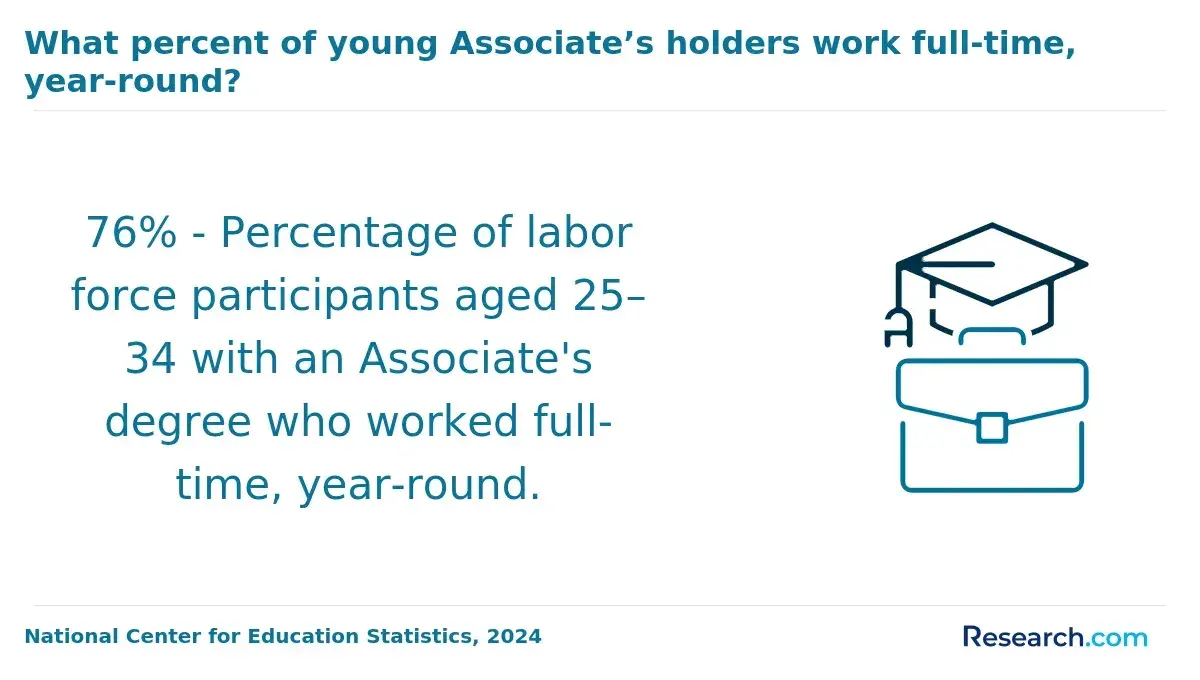
According to the National Center for Education Statistics (2024), nearly 45% of graduate students in part-time programs choose this format primarily to balance employment with academic commitments, highlighting the critical role course structure plays in accommodating diverse lifestyles without compromising learning outcomes.
Can Students Work Full-Time While Earning a Part-Time Information Technology Management Master's Degree?
Balancing a full-time job with a part-time information technology management master's degree is achievable when programs offer flexible delivery formats such as asynchronous online courses or fixed evening and weekend schedules. Predictable course timelines and manageable weekly study requirements, often ranging from 15 to 20 hours, help students integrate their academic responsibilities into work and personal routines. Prior professional experience in IT or related fields can reduce the learning curve, enabling smoother comprehension and application of coursework while maintaining full-time employment.
According to the National Center for Education Statistics, nearly 45% of graduate students enrolled part-time also hold full-time positions, highlighting that balancing full-time work and part-time IT management graduate programs remains a practical option for many.
Nonetheless, this dual commitment introduces significant challenges. Cognitive overload and limited opportunity for meaningful networking might constrain career growth during study, as slower academic progression and delayed skill utilization often occur. The overlap of workplace demands with academic deadlines can increase stress and elevate burnout risk, especially for those juggling family or other obligations. Without employer support such as tuition assistance or flexible work hours, sustaining motivation and performance in both roles becomes difficult.
For professionals exploring transition pathways-such as combining a part-time degree with prior experience or even a bachelor of psychology online-realistic time management and institutional flexibility are critical to long-term success.
Which Universities Offer the Best Part-Time Information Technology Management Master's Programs?
Selecting a part-time online information technology management master's program demands a strategic approach, as the choice significantly influences employability, salary progression, and professional mobility. The "best" program depends heavily on individual circumstances such as current career stage, available time for study, and targeted specialization areas. Evaluating programs involves more than reputation; it requires a critical look at structural and qualitative elements that impact real-world career outcomes.
- Curriculum Relevance and Rigor: Programs should offer coursework closely aligned with evolving industry standards, integrating both managerial and technical competencies. A curriculum that emphasizes emerging technologies and real-world application ensures graduates possess skills immediately valuable to employers and can adapt to rapid sector changes.
- Faculty Industry Engagement: Instructors actively connected to the IT sector or management industries bring current insights and practical perspectives. This engagement enhances learning by linking theory to practice, improving readiness for leadership roles and complex problem-solving in workplace environments.
- Flexible Pacing and Scheduling: Given the competing demands on working professionals, programs that balance asynchronous classes with occasional live sessions allow students to maintain employment without compromising academic progress. Flexibility reduces attrition and helps sustain momentum toward degree completion.
- Access to Applied Learning Opportunities: Internship options, capstone projects, or industry partnerships provide hands-on experience crucial for skill validation and networking. These elements can substantially improve graduate employment outcomes by bridging academic concepts with actionable workplace skills.
- Accreditation and Institutional Reputation: Recognized accreditation signals adherence to quality standards and influences employer perception. Programs from well-regarded institutions often offer stronger alumni networks and career services, which correlate with higher levels of post-graduate job placement and career advancement.
- Alumni Success and Career Outcomes: Transparent data on alumni employment rates, salary growth, and leadership trajectories support informed decisions. Since approximately 35% of technology graduate students enroll part-time nationally, programs with demonstrable positive outcomes reinforce the return on investment for working professionals balancing education and career demands.
One graduate recalled their experience navigating the application process amid a demanding work schedule. The program's rolling admissions meant waiting weeks for a decision, which created uncertainty about planning finances and study timetables. They hesitated initially, concerned that delays might disrupt momentum, but prioritized submitting a detailed preparatory application that highlighted relevant experience. When acceptance finally arrived, the relief was palpable, and the candidate felt that the strategic timing and thorough preparation had been key in securing a spot in a highly competitive cohort tailored for part-time learners.
How Much Does a Part-Time Information Technology Management Master's Degree Cost?
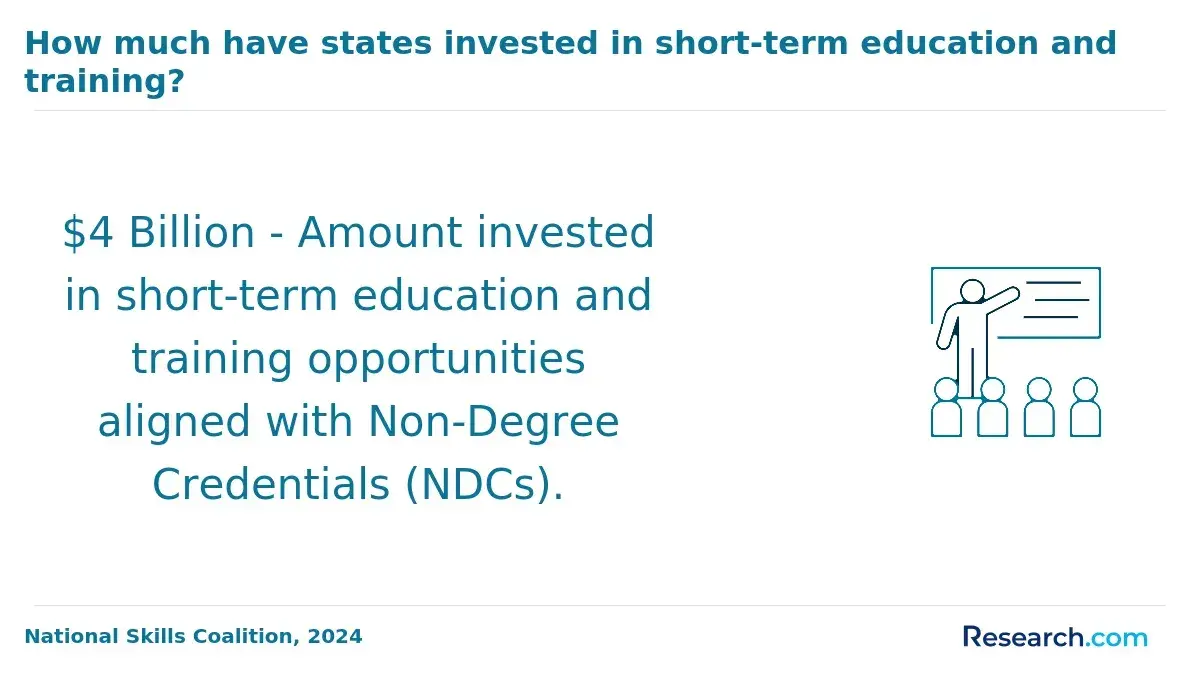
Part-time information technology management master's degree tuition typically ranges between $20,000 and $60,000 total, according to recent data from the U.S. National Center for Education Statistics and institutional disclosures. Public universities often charge $400 to $900 per credit hour for in-state students, making a 30- to 36-credit program possible for as little as $12,000, while out-of-state or private institutions frequently exceed $1,000 per credit hour. This wide spectrum reflects not only institutional differences but also evolving market demands for skills and specialized knowledge in IT management fields.
These tuition figures help contextualize the financial commitment required, especially when comparing options to programs like the 1 year online master's in human resources that may offer different cost and pacing models.
Costs vary significantly due to credit-hour billing models that weigh heavily on overall pricing, particularly for part-time students who pay per course rather than a flat semester rate. Residency status further influences fees, with in-state students benefiting from discounted prices compared to higher out-of-state or private rates. Delivery format also affects tuition, as online or hybrid programs can sometimes cut costs by reducing on-campus facility use, although prestigious or highly specialized programs may price online courses on par with or above their on-campus counterparts, reflecting perceived value and networking advantages. Extended enrollment times inherent in part-time pacing increase cumulative tuition and related expenses, creating a financial dynamic distinct from full-time cohort models that require fewer semesters overall.
Spreading enrollment over multiple years helps part-time students manage payments but often results in higher total expenditures due to prolonged tuition accrual, living costs, and opportunity costs from delayed workforce advancements. Prospective students should scrutinize ancillary charges such as technology fees and course materials, which add to the baseline tuition load. Employer tuition assistance programs frequently provide crucial financial relief, particularly in information technology management roles where firms actively invest in upskilling their workforce.
Such support can substantially improve affordability and return on investment, making the overall fee structure a critical factor in realistic educational planning for working professionals seeking affordable part-time IT management graduate programs fees.
Do Programs Help Arrange Flexible Clinical Placements for Part-Time Students?
Part-time Information Technology Management master's programs that include clinical or practicum components often rely on partnerships with multiple organizations and distributed placement networks to create scheduling options that accommodate diverse student needs. Institutions may assign dedicated coordinators who collaborate individually with students to align placement timelines with employment and personal commitments. The extent of flexibility, however, varies significantly based on the resources a school can dedicate to these efforts and how its program integrates practicum requirements into the curriculum.
Despite these supports, practical constraints frequently limit true flexibility for part-time learners. Sites offering placements may require a set minimum time commitment that is difficult to reconcile with part-time students' inconsistent availability. Geographic factors and employer demands further restrict scheduling options. Moreover, accreditation standards or professional requirements can impose rigid structures, which means that the advertised flexibility is often conditional rather than absolute. A 2024 report from the National Center for Educational Statistics notes that while about 63% of graduate programs with clinical components offer some form of flexible scheduling, actual adherence to these flexible arrangements can vary considerably.
To maximize placement success, part-time students benefit from early planning and leveraging existing employer relationships when possible, using these as placement sites to reduce coordination challenges. Choosing programs with established clinical pipelines or robust institutional partnerships also improves chances of securing suitable placements. Understanding the practical limits of flexibility enables students to better balance work, study, and practicum commitments, making informed decisions based on their individual constraints and program offerings.
What Challenges Do Students Face in Part-Time Information Technology Management Master's Programs?
Part-time information technology management master's programs offer flexibility but introduce academic and logistical pressures distinct from full-time study. Challenges arise from program design, workload demands, and students' overlapping professional and personal commitments, requiring critical balance for successful progression. According to the National Center for Education Statistics, nearly 58% of part-time graduate students report significant difficulty managing their time effectively, underscoring the widespread nature of these obstacles.
- Time Management Constraints: Balancing coursework with full-time employment and personal responsibilities compresses available hours for study, increasing the risk of falling behind or withdrawing. This persistent pressure can reduce comprehension and lead to prolonged degree completion timelines.
- Limited Networking Opportunities: Reduced interaction with faculty and peers compared to full-time cohorts limits access to mentorship and professional connections. Such restrictions can diminish exposure to industry trends, hiring pipelines, and collaborative projects essential for career growth.
- Scheduling Conflicts: Many programs assume flexible availability, but working professionals often face irreconcilable conflicts with fixed class times, project deadlines, or on-site requirements. These clashes can restrict access to learning resources and hinder the integration of theoretical knowledge with practical application.
- Cognitive and Emotional Overload: Sustained multitasking across job roles, academic demands, and caregiving duties elevates stress levels, increasing the likelihood of burnout. This strain impacts both short-term academic performance and long-term motivation to complete the degree.
These challenges highlight the importance of realistic self-assessment and strategic planning to ensure that part-time study aligns with one's available capacity and career objectives in the competitive field of information technology management.
Which Careers Benefit Most From Part-Time Graduate Education?
Part-time graduate education in information technology management serves as a strategic tool for accelerating career progress in roles where hands-on experience, credentialing, and continuous skill enhancement intersect closely with promotion and salary advancement. Its value is greatest in professions that demand ongoing practical application of new knowledge alongside established responsibilities, enabling professionals to fill critical skill gaps without leaving employment. The 2024 National Center for Education Statistics report highlights that over 60% of part-time graduate students maintain full-time employment while studying, underscoring the demand for flexible programs aligned with workforce needs.
- IT Project Managers: These professionals benefit from part-time study by acquiring advanced leadership and strategic planning skills while managing live projects. This simultaneous growth supports employer expectations of continuous learning without project disruption and promotes readiness for higher-level roles that require proven on-the-job experience combined with updated academic credentials.
- Systems Analysts: Part-time programs allow systems analysts to immediately apply emerging technologies and analytical methods learned in class to their work. This ongoing integration of theory and practice improves job performance and strategic value, making part-time graduate education a practical approach to stay relevant amid evolving IT ecosystems.
- IT Consultants: Consultants need to keep expertise current across various sectors. Part-time education enables them to balance client demands, steady income, and education simultaneously, leading to adaptability and enhanced credibility without career interruptions.
- IT Security Managers: Security roles require up-to-date technical knowledge and understanding of organizational risk. Part-time study equips these managers to acquire advanced skills in threat analysis and compliance, supporting effective management of operational priorities alongside academic growth.
- Mid-Career IT Professionals Pursuing Leadership: For those aiming to transition into leadership, part-time learning balances professional duties with education. Though the program duration is longer, it offers time to develop necessary competencies while maintaining employer relations and income.
For working professionals weighing investment in part-time graduate education, understanding these dynamics is critical. Such programs provide tangible advantages within career pathways emphasizing experiential learning coupled with credential updates, making it possible to advance without sacrificing current employment or income.
Additionally, those interested in allied career data might explore information about how much do forensic psychologists make, as benchmarking compensation across specialized fields can inform strategic decisions regarding graduate education.
What Factors Matter Most When Comparing Program Flexibility?
Program flexibility for online information technology management master's degrees is not a one-dimensional criterion but a composite of several structural, academic, and logistical factors. Prospective students balancing full-time work with it management graduate study must interpret flexibility through how well a program adapts to real-world constraints like time availability, workload, and career demands.
- Course Delivery Format: The availability of asynchronous versus synchronous courses determines how students can schedule their study time. Fully asynchronous programs provide maximum calendar freedom but may reduce peer interaction, which can impact networking and collaborative learning outcomes.
- Part-Time Enrollment Options: Programs offering part-time paths allow students to extend duration, easing term workloads and reducing burnout risk. This flexibility is critical for working professionals managing multiple responsibilities while progressing steadily.
- Credit Load Adaptability: The ability to adjust credit hours per term affects pacing and completion time. More rigid credit requirements can impede students needing to reduce course loads during busy work periods.
- Pacing and Acceleration Policies: Flexibility in pausing or accelerating study without academic penalty enables learners to align progress with career cycles or personal commitments, preserving both educational and employment continuity.
- Internship or Practicum Requirements: Programs that integrate experiential components with flexible scheduling or virtual options better accommodate working students and improve skill applicability without excessive disruption.
- Administrative Responsiveness: Access to timely advising, simplified enrollment adjustments, and support services directly impacts a student's ability to navigate unforeseen life challenges while maintaining academic momentum.
The 2024 report by the National Center for Education Statistics highlights that 67% of graduate students prioritize flexible scheduling in program selection, a figure reflecting how essential these specific flexibility dimensions have become for balancing career and study commitments effectively.
When evaluating part-time information technology management master's program flexibility, such detailed structural and policy factors often matter more than broad claims of "flexibility." Understanding these nuances helps candidates identify options genuinely aligned with their need to balance full-time work with it management graduate study while safeguarding learning quality and timely credential attainment.
When reviewing curriculum and specialization choices, prospective students should also consider how employer recognition, program rigor, and the potential to target growth areas like cloud computing or cybersecurity impact long-term value beyond scheduling convenience. Programs that optimize both curricular relevance and flexible delivery modes better prepare learners for evolving workforce demands.
Career changers or professionals managing workplace and personal responsibilities might find it useful to explore pathways in related fields reflected in resources like the degrees for paralegals, as comparative models for how flexible graduate study can be operationalized and scaled across different disciplines.
What Graduates Say About Studying Information Technology Management Master's Programs Part-Time
- Levi: "Completing my part-time information technology management program meant juggling work and classes for two years, but it gave me the flexibility to keep advancing in my job. I found that employers valued my hands-on experience and project portfolio more than the degree itself when I applied for management roles. Still, I learned that without additional certifications, salary growth can stall even with the master's, so I'm planning to pursue those next."
- Oliver: "After graduating, I quickly realized that the practical skills I gained in information technology management helped me shift into a remote role that fits my lifestyle. The curriculum's focus on real-world workflows, combined with internships, made my transition smoother than expected. However, I noticed some hiring managers prioritized candidates with specialized certifications, so it's important to align your learning with industry demands."
- Ulysses: "The decision to pursue a part-time information technology management master's was partly driven by the desire to pivot into leadership. While the program was rigorous, competing for director-level roles remains challenging without solid managerial experience. The degree opened doors, but ultimately, combining it with a strong professional network and demonstrating practical team management was critical in landing my current position."
Other Things You Should Know About Information Technology Management Degrees
Employers increasingly recognize part-time master's degrees as credible, especially when the candidate demonstrates consistent professional advancement alongside study. However, some managers still view part-time degrees as less immersive, potentially questioning whether candidates have had exposure to the latest developments as intensively as full-time graduates. Applicants should be prepared to emphasize how their concurrent work experience integrates with their academic knowledge to offset such biases and signal readiness for IT leadership roles.
Part-time programs stretch learning over multiple years, which may dilute exposure to cutting-edge technologies or emerging management methodologies compared to compressed full-time curricula. This staggered pace can delay the ability to apply new skills in volatile IT landscapes where timeliness is critical. Prospective students should assess their industry's pace of change and prioritize flexible programs offering updated content or micro-credentials to maintain relevance during extended study periods.
Managing significant external responsibilities alongside graduate studies often leads to increased stress and time scarcity, which can reduce academic focus and limit proactive career moves such as internships or projects. While part-time study offers schedule flexibility, students must realistically appraise their capacity to sustain rigorous coursework without sacrificing job performance or personal commitments. Prioritizing time management strategies and setting clear boundaries is critical to ensuring academic success and leveraging the degree for measurable career advancement.
References
- Top 10 Cheapest Online Master's in Information Technology Degrees - Computer Science Degree Hub https://www.computersciencedegreehub.com/best/cheap-online-masters-information-technology/
- Part-Time Master in Technology & Management â CODE https://code.berlin/en/study/master/technology-and-management-part-time/
- Detail https://www.th-owl.de/en/studies/available-courses/degree-programs/detail/information-technology-teilzeit/
- What You Can Do With a Master's in Information Technology Management https://sopa.tulane.edu/blog/what-you-can-do-masters-information-technology-management
- Why study a master’s degree in information technology? https://www.hotcoursesabroad.com/study-abroad-info/subject-guides/masters-degree-in-information-technology/
- For Career-Driven Master's Students, a Flexible Program is Essential https://paloaltou.edu/resources/blog/career-driven-masters-students-flexible-program-essential
- Tuition fee - Master's Business Information Technology Management - Amsterdam Business School https://abs.uva.nl/content/masters/business-information-technology-management/tuition-fee/tuition-fee.html
- What Jobs Can I Get With a Master’s Degree in IT Management? | CSU Global https://csuglobal.edu/blog/what-jobs-can-you-get-masters-degree-it-management
- The Various Pros and Cons of Earning a Part-Time Masters https://www.uopeople.edu/blog/pros-and-cons-of-studying-a-part-time-masters/
- MSc in Information and Technology Management (Part-time) - CUHK Business School Masters https://masters.bschool.cuhk.edu.hk/programmes/mscitm/