2027 Can You Study Public Policy Master's Programs Part-Time? Options & Duration

Co-Founder and Chief Data Scientist
The availability of part-time study options in public policy master's programs reflects diverse institutional structures and student needs, rather than a uniform path. These programs differ markedly in length, course sequencing, cohort integration, and practicum requirements, shaping how students manage academic progress alongside professional and personal responsibilities. Employer expectations often influence workload capacity and scheduling, while licensure or certification routes may restrict flexibility. Financial constraints and family commitments further complicate duration and pacing decisions.
Examining these factors reveals that the mere existence of part-time enrollment is insufficient; understanding program-specific trade-offs is crucial for aligning educational choices with career objectives.
Key Benefits of Studying Public Policy Master's Programs Part-Time
- Part-time online public policy master's extend completion to 3-5 years, reflecting a tradeoff between work-study balance and prolonged exposure that may delay entry into advanced leadership roles.
- Employers increasingly value demonstrated practical skills over degree speed; part-time program graduates often integrate emerging policy challenges into current roles, enhancing real-time applicability and workforce relevance.
- A 2024 study shows 42% of part-time online public policy students are career changers managing family obligations, underscoring how extended accessibility supports diverse socioeconomic backgrounds but can raise cumulative costs.
Can You Study a Public Policy Master's Program Part-Time?
Part-time study in a public policy master's program becomes most viable when the course structure accommodates flexible sequencing, allowing students to balance academic demands with external obligations such as full-time work or family responsibilities. Programs emphasizing asynchronous learning, hybrid formats, or extended credit timelines can help sustain manageable workloads across semesters. However, feasibility varies considerably depending on whether the curriculum requires project-based coursework, clinical hours, internships, or intensive research components-factors that intensify scheduling complexity and may disproportionately challenge part-time enrollees.
The nature of these requirements influences how well a student can integrate part-time public policy graduate programs with their existing commitments, with some fields imposing stricter timing constraints or cohort-based progression that limit flexibility.
Choosing a part-time path often extends time-to-completion by one to three years compared to full-time tracks, which can delay skill acquisition and postpone critical networking opportunities linked to on-campus interaction and cohort cohesion. While spreading coursework reduces immediate intensity, it can slow momentum for skill development, making it harder to capitalize on evolving industry demands or shifting employer expectations in public policy sectors.
In some cases, this delay affects how quickly professionals leverage advanced credentials for promotion or transition to policy research roles that may prioritize continuous, immersive education. The flexibility of part-time enrollment is thus not an unequivocal advantage; it requires weighing the tradeoffs between long-term educational outcomes and immediate situational needs within dynamic fields.
Working professionals juggling full-time employment and part-time public policy graduate programs often derive the most practical benefit from this approach, as they can apply coursework directly to their current roles, enhancing experiential learning. Career changers or students with significant personal commitments may also find part-time pathways advantageous when immediate immersion in full-time study is not feasible.
Nonetheless, these individuals should critically evaluate whether the extended duration and reduced peer interaction might limit access to certain competitive segments of the policy labor market. Navigating these realities requires strategic decision-making grounded in an understanding of how program design, personal capacity, and career objectives intersect over the course of study.
For professionals interested in interdisciplinary growth, options such as an artificial intelligence degree online can complement public policy skills and increase adaptability in technology-driven policy environments.
How Long Does It Take to Complete a Part-Time Public Policy Master's Degree?
Part-time public policy master's programs commonly span three to five years, though these timelines vary widely depending on how programs accommodate course loads and institutional pacing. Unlike full-time tracks, which often conclude in around two years, part-time students balance reduced credit hours with work and life commitments, extending their overall duration. Data from a 2024 national survey indicates that approximately 65% of part-time students complete their degrees within four years, suggesting most programs structure curricula to promote steady but flexible progress. However, completion speed is not fixed and hinges on choices around enrollment intensity and curricular sequencing.
Variations in duration result from both program design and personal circumstances. Limited course availability, rigid prerequisite sequences, or mandatory internships can prolong time to completion, especially if certain classes are only offered once per year or during specific terms. Students juggling full-time employment may enroll part-time, reducing credits per semester and stretching out their studies. Thesis versus non-thesis options also influence timelines, as research projects require additional commitment beyond standard coursework. Programs that offer evening or weekend classes and flexible advising tend to better support those balancing professional and family responsibilities, mitigating potential delays.
The longer timelines inherent in part-time study often come with tradeoffs: prolonged enrollment can dilute skill currency in rapidly evolving policy environments and delay promotions or salary increases tied to degree completion. Financially, spreading tuition and related costs over more years may ease immediate burdens but extend total investment duration. Students must weigh the flexibility gained against the strategic implications of extended timeframes, particularly in fields where timely application of knowledge affects career trajectory and influence.
One student recalled applying during a rolling admissions cycle and hesitating amid uncertainty about course schedules and work demands. Their decision to wait for clearer information about evening class availability delayed application by several months, causing stress but ultimately preventing premature enrollment in an ill-fitting course load. This experience underscored how timing and preparatory planning can significantly affect part-time public policy students' pathway and persistence.
How Are Part-Time Public Policy Master's Courses Structured?
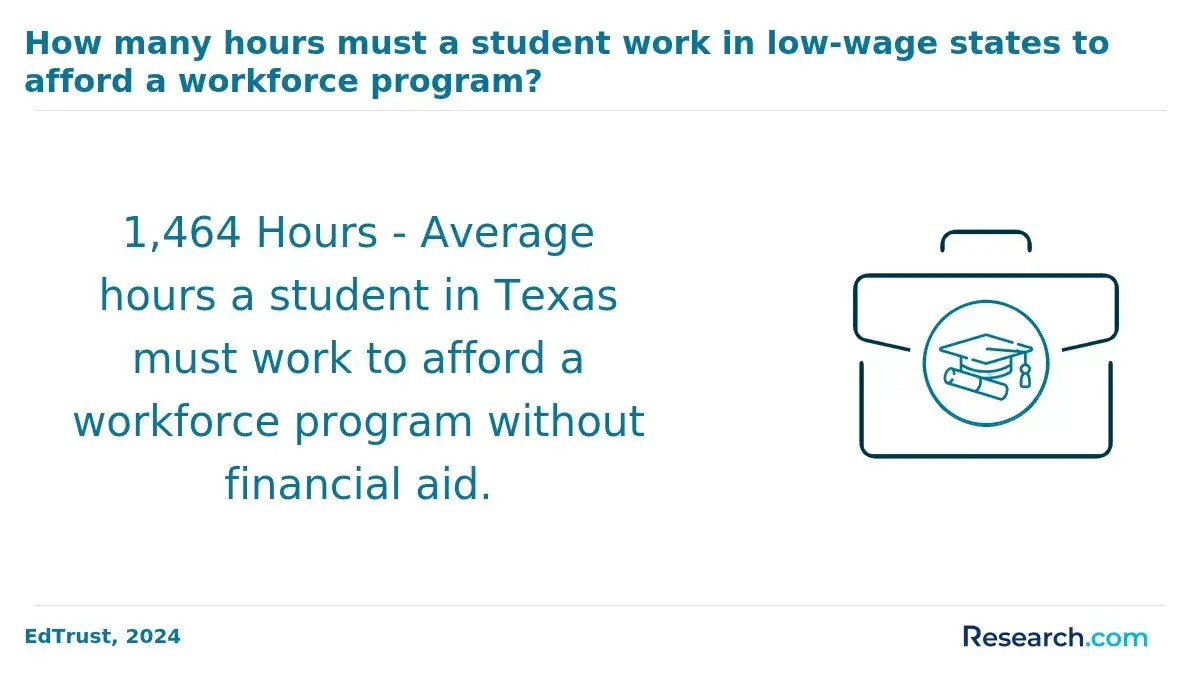
Part-time public policy master's programs are intentionally structured to offer flexibility while upholding academic rigor, though specific designs can vary significantly across institutions. These program frameworks shape how students manage their workload, engage with peers and faculty, and apply learning to professional contexts, all critical factors for balancing study with external responsibilities.
- Extended Duration and Pacing: Programs typically span two to four years, allowing students to enroll in fewer courses per term-commonly one or two-to prevent overload. This slower pace reduces burnout risk but demands sustained motivation and strategic time management, as progress is gradual and continuity between topics requires active effort.
- Hybrid Delivery Models: A blend of asynchronous online content and live sessions, often scheduled for evenings or weekends, enables learners to access materials flexibly while preserving real-time interaction. This combination facilitates networking and collaborative learning, though asynchronous components can challenge engagement depth without disciplined participation.
- Course Load and Cognitive Engagement: The lighter academic load per semester aims to balance workload with comprehension, allowing students to absorb complex policy theories without becoming overwhelmed. However, fewer simultaneous courses can limit peer interaction and reduce immersion, requiring proactive networking to build meaningful professional relationships.
- Practical Application and Assessment: Rigorous requirements such as comprehensive exams and capstone projects emphasize applying theory to real-world policy challenges. This focus aligns academic work with career relevance, benefiting students who can integrate learning directly into their jobs, which many employers highly value.
- Work-Life Integration Considerations: The structure inherently supports learners juggling employment or family by offering flexible scheduling and reduced course intensity. According to a 2024 report by the National Center for Education Statistics, nearly 60% of graduate students in professional fields like public policy opt for part-time study largely due to the adaptability of hybrid formats, underscoring the appeal and importance of this model for diverse student populations.
Can Students Work Full-Time While Earning a Part-Time Public Policy Master's Degree?
Maintaining full-time employment while enrolled in a part-time public policy master's program can be achievable when programs offer structured flexibility, such as asynchronous coursework or predictable scheduling that accommodates work hours. Programs designed with evening, weekend, or hybrid formats ease integration, particularly for students with prior professional experience who can leverage existing knowledge to reduce the learning curve.
According to the National Center for Education Statistics in 2024, nearly 40% of graduate students studying part-time also work full-time, underscoring the prevalence of this dual commitment. Effective time management and realistic workload assessments are critical to sustaining both responsibilities without sacrificing progress or academic quality.
However, balancing full-time work with part-time public policy graduate programs presents notable challenges, including cognitive overload from managing professional and academic deadlines simultaneously. Competing demands can curtail opportunities for networking and prolonged engagement with complex policy material, potentially slowing degree completion and limiting the depth of learning.
The risk of burnout escalates when workplace pressures intensify around critical academic milestones, particularly for students juggling family obligations or less flexible employers. Prospective students should weigh these tradeoffs carefully and assess whether their work environment and program flexibility align to support sustained success rather than overextension, which could dilute the degree's career impact.
Those interested in exploring related flexible graduate options might consider programs like an online masters in psychology as alternative paths bearing different workload dynamics.
Which Universities Offer the Best Part-Time Public Policy Master's Programs?
Choosing the best part-time public policy master's program involves weighing multiple structural and qualitative factors that directly affect long-term career prospects, salary growth, and job market adaptability. The definition of "best" varies depending on one's career phase, time availability, and targeted specialization within public policy, making a critical, nuanced evaluation essential.
- Curriculum Relevance and Practical Integration: Programs that embed real-world policy challenges and applied projects into their coursework better prepare students for immediate workplace demands. This hands-on focus facilitates skill acquisition that employers prioritize, increasing employability compared to purely theoretical curricula.
- Faculty Engagement with Industry and Research: Access to instructors actively involved in policy research or consulting translates into exposure to current trends and networks. Faculty influence often opens doors to internships and job connections, which can accelerate career mobility post-graduation.
- Flexible Pacing and Delivery Formats: Part-time students juggling work and family obligations benefit from flexible course schedules, including asynchronous or hybrid models. Programs providing adaptable pacing help prevent burnout and enable completion within feasible timeframes, preserving student retention and skill relevance.
- Accreditation and Institutional Credibility: Recognized accreditation ensures that a program meets rigorous academic standards and is respected by employers and credentialing bodies. This factor directly impacts the degree's perceived value in competitive job markets.
- Alumni Outcomes and Career Services: Robust career support tailored to part-time learners and demonstrable graduate success in securing relevant roles indicate a program's effectiveness. According to a 2024 National Center for Education Statistics report, nearly half of part-time public administration graduates see improved employment prospects within two years, underscoring the link between program quality and career advancement.
A graduate recalled applying during a rolling admissions period where uncertainty about final acceptance timing forced careful planning around work leaves and relocation possibilities. With deadlines looming, the candidate hesitated between programs with similar reputations but differing start dates and application requirements. Ultimately, prioritizing a program with responsive admissions staff and clarified timelines reduced anxiety and allowed a smoother transition into part-time study alongside ongoing professional responsibilities.
How Much Does a Part-Time Public Policy Master's Degree Cost?
Part-time public policy master's program tuition fees typically range from about $20,000 to more than $60,000 in total, with significant variation tied to institutional type and geographic location. According to current data from sources including the U.S. National Center for Education Statistics, public universities usually offer more affordable rates, especially for in-state students who may pay as little as $500 to $1,000 per credit hour. Private institutions and out-of-state enrollees often face rates exceeding $1,500 per credit hour. These figures reflect the average cost of part-time public policy degrees but mask important nuances in how tuition is structured and billed across schools.
Costs vary widely because part-time students are generally charged per credit hour rather than a flat semester tuition rate, making program pacing a principal factor in overall expense. Residency status, institutional prestige, and program delivery format-whether fully on-campus, hybrid, or online-also influence pricing, with some programs adding technology or administrative fees tied to their mode of instruction. Extended enrollment, a common feature of part-time study, can increase total costs due to repeated fees and longer access to university resources. These elements combine to make budgeting for a degree complex and highly individual.
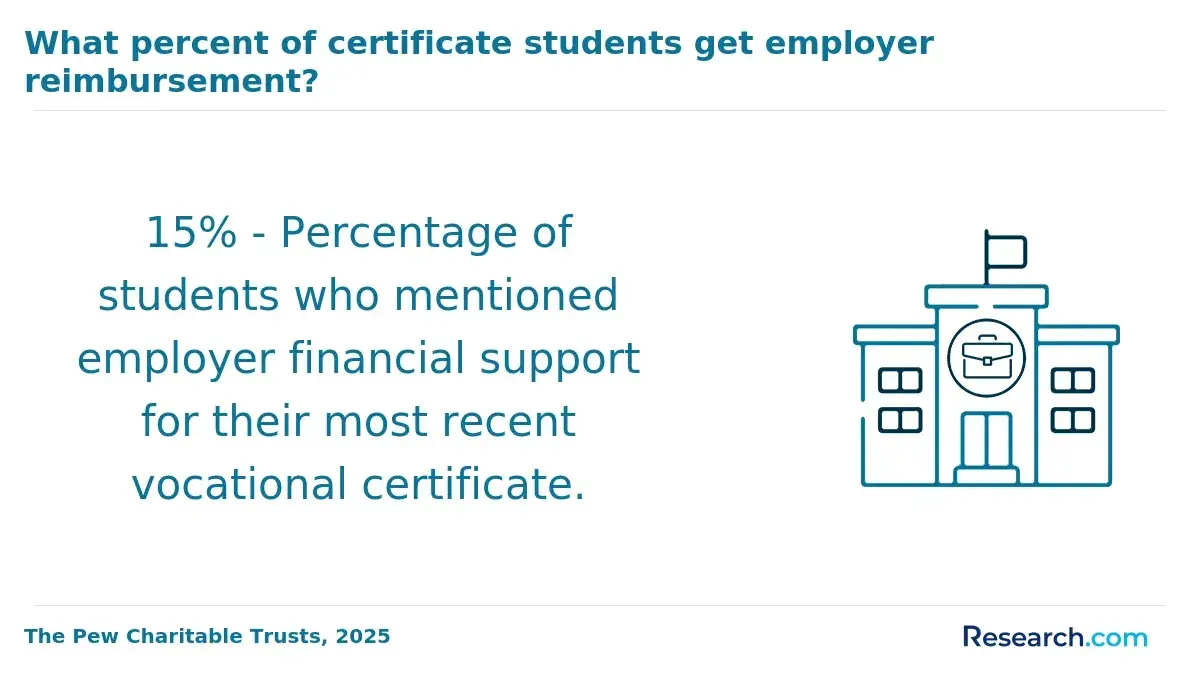
Realistically, many learners stretch payments over several years, which helps manage financial strain but may increase cumulative expenses compared to full-time cohorts. Ancillary costs such as textbooks, software licenses, and occasional travel for residencies further affect affordability. Employer tuition assistance programs sometimes help mitigate these costs, especially for professionals advancing in niche policy areas where employers recognize strategic skill development. For those weighing public policy studies alongside other graduate options, comparing these factors against expected career gains is essential rather than focusing solely on sticker price.
This approach parallels how prospective students might also evaluate the best MBA for entrepreneurship as a financial and professional investment.
Do Programs Help Arrange Flexible Clinical Placements for Part-Time Students?
Part-time Public Policy master's programs typically establish partnerships with local government agencies, nonprofits, and research organizations to facilitate practicum placements that can accommodate varied schedules. These programs often rely on dedicated coordinators or liaisons tasked with aligning placement opportunities to students' employment and family commitments. Flexibility in scheduling is further supported through options like remote or hybrid practicums and extended timelines that allow students to complete requirements beyond a traditional semester. However, the degree of adaptability largely depends on the institution's resources and how the program integrates practical fieldwork into its curriculum.
Despite these support mechanisms, part-time students frequently encounter constraints stemming from limited site capacity, minimum-hour requirements, and geographic considerations tied to employer locations or program stipulations. Coordination with workplaces can be complex, particularly when placements must align with accreditation standards or professional expectations that restrict flexible timing. While many programs emphasize accommodating part-time learners, the reality often involves negotiating between institutional rigidity and personal responsibilities, which can lead to extended completion times or increased self-management demands.
Students aiming to optimize practicum outcomes can benefit from early planning, especially in securing placements related to their current employment, which may reduce scheduling conflicts and enrich practical learning. Selecting programs with established practicum pipelines or remote supervision options can mitigate some logistical challenges. According to a 2024 survey by the National Association of Schools of Public Affairs and Administration, approximately 57% of part-time public policy students report satisfaction with practicum arrangements, though a significant portion continues to face scheduling obstacles, underscoring the importance of strategic program choice and proactive engagement.
What Challenges Do Students Face in Part-Time Public Policy Master's Programs?
Part-time study in public policy master's programs offers flexibility but generates distinct academic and logistical pressures absent in full-time enrollment. These pressures arise from the interaction of program design, demanding coursework, and students' simultaneous professional and personal commitments. Such dual responsibilities require nuanced time allocation and can affect academic performance and career trajectories.
- Time Management Constraints: Balancing rigorous academic demands with full-time employment and family responsibilities creates profound scheduling conflicts. The need to attend evening or weekend classes often reduces personal downtime and may cause cognitive overload, limiting students' capacity to engage deeply with coursework and policy analysis tasks.
- Extended Completion Timelines: Prolonged program duration is common, which can intensify financial burdens and delay progression into senior roles. Because part-time students spread credits over longer periods, they risk stagnation in career momentum, especially where employers prioritize recent academic knowledge alongside practical skills.
- Reduced Networking and Peer Interaction: Limited face-to-face engagement with peers results in fewer collaborative learning opportunities and networking channels essential to policy career advancement. This isolation can hinder access to informal mentorships and reduce exposure to diverse perspectives critical for nuanced policy formulation.
- Challenges Integrating Theory and Practice: While work experience can complement academic learning, part-time students often struggle to align their real-time job functions with evolving theoretical frameworks, weakening their ability to synthesize knowledge and apply quantitative or qualitative methods effectively.
- Restricted Access to Experiential Learning: Internships, capstone projects, and mentorship programs frequently prioritize full-time students, limiting part-time learners' chances to acquire hands-on experience. This gap can decrease employability outcomes, as practical exposure is highly valued in public policy roles.
A 2024 report by the National Center for Education Statistics found nearly 68% of part-time graduate students face difficulty balancing coursework with full-time jobs, underlining the significant operational challenges within this pathway.
Which Careers Benefit Most From Part-Time Graduate Education?
Part-time graduate education in public policy serves as a strategic accelerator in careers where expertise, credentials, and ongoing skill development closely impact advancement prospects. Its practical value is especially evident when working professionals must balance current job responsibilities with acquiring qualifications that enable promotion, salary growth, and meaningful skill application.
- Government Officials and Administrators: For these professionals, part-time study allows refinement of analytical and leadership capacities without leaving their roles. A 2024 NASPAA report shows that public sector employees completing part-time graduate programs experience an 18% higher promotion rate within three years, highlighting how part-time public policy degrees fit structured professional development pathways and advancement criteria.
- Policy Analysts and Researchers: Staying current with regulatory changes and data analysis methods is vital here. Part-time programs offer flexibility to integrate emerging academic insights directly into ongoing work, fostering evidence-based decisions. Georgetown University data from 2024 indicates policy analysts with master's credentials earn roughly 25% more over a decade, underlining the tangible financial impact of continued part-time education.
- Nonprofit Sector Leaders: Burdened by demanding workloads, nonprofit managers benefit from cohort-based formats that facilitate immediate application of fundraising, advocacy, and organizational strategies learned academically. This real-time translation boosts organizational impact while maintaining income and professional networks, crucial for careers deeply embedded in stakeholder relations.
Such targeted professional growth through part-time study proves advantageous in navigating the incentives and realities of the public and nonprofit sectors. Exploring flexible, credential-enhancing options, especially those supported by evidence of labor market alignment, is fundamental to choosing the best careers for part-time public policy master's programs.
For individuals balancing professional and personal demands, resources like a well-curated librarian degree online guide illustrate parallel pathways where part-time study effectively complements employment.
What Factors Matter Most When Comparing Program Flexibility?
Evaluating part-time master's program flexibility in public policy requires a nuanced understanding of how different program features affect the ability to balance full-time work with graduate study. Flexibility is not a uniform attribute; it varies by program design and individual circumstances, influencing pacing, workload management, and overall academic success.
- Course Scheduling Structure: Whether courses are asynchronous, synchronous, or hybrid directly impacts a student's ability to attend classes while working. Asynchronous courses offer maximum temporal freedom, crucial for those with irregular schedules, while synchronous formats, though facilitating live interaction, may constrain accessibility.
- Credit Load Adaptability: Programs that allow variable course loads per term enable students to adjust intensity in response to work and personal demands. Rigid credit requirements can prolong time-to-completion or force dropouts among those unable to maintain full course loads.
- Program Pacing Options: The availability of part-time enrollment and flexible term progression affects how students maintain career continuity without sacrificing academic quality. Programs that mandate fixed semesters limit those juggling unpredictable professional responsibilities.
- Practicum and Residency Requirements: On-site residencies or mandatory internships can significantly reduce flexibility by imposing attendance obligations incompatible with remote work or family care, thereby narrowing viable candidate pools.
- Support Services and Administrative Responsiveness: Accessible academic advising, career counseling, and technology support mitigate barriers that can disrupt students' balance of commitments. Responsive administration often correlates with improved persistence and timely graduation.
A 2024 report by the National Center for Education Statistics highlights that nearly 65% of part-time graduate students prioritize scheduling flexibility when choosing a program, underscoring its critical role. Candidates should critically assess how program design aligns with their unique work and life demands while considering curriculum relevance to practical skills and employability.
Those seeking pathways intersecting closely with career changes may also explore options like the online EDS to EDD bridge program for further academic progression.
What Graduates Say About Studying Public Policy Master's Programs Part-Time
- Kurt: "After completing the part-time public policy program, I realized that employers often prioritize hands-on experience and a strong portfolio over just having a degree. I focused on internships and crafting a few consulting projects which helped me land a role faster than peers who relied solely on academic credentials."
- Timothy: "The flexibility of the part-time public policy program was crucial for balancing work and study, but I noticed that advancement without additional licensure can be limited. While I gained valuable insights into policy analysis, navigating the career ladder required strategic lateral moves and continuous skill development beyond the classroom."
- Andrew: "Entering the workforce remotely brought unexpected challenges after graduation. I found that competing for certain policy roles meant investing in certifications and networking, not just relying on the degree. The program gave me a solid foundation, but practical hiring realities pushed me to pivot into a more specialized consultancy niche."
Other Things You Should Know About Public Policy Degrees
Part-time public policy programs often limit the time students spend on campus and reduce participation in cohort-based activities, which can restrict networking opportunities. For working professionals, fewer in-person interactions make it harder to build relationships that lead to mentorships or job referrals. If career advancement depends heavily on such connections, prioritizing programs with strong virtual networking platforms or regional alumni engagement may be critical.
In 2027, students pursuing part-time public policy master's programs must consider the program's curriculum design to ensure it stays updated with current developments in rapidly changing policy areas. Many institutions periodically update their courses to maintain relevance, but it's essential to confirm this with individual programs.
Balancing workload is a key challenge; part-time studies demand consistent effort over several years, often with overlapping deadlines and ongoing assignments. It's advisable to realistically assess personal bandwidth and prioritize intensive planning upfront. Students who underestimate the cumulative demands risk burnout or extended timelines, while those who set boundaries and maintain steady progress tend to experience more manageable stress and better academic outcomes.
References
- Master's in Public Policy MPP - The Red Pen https://theredpen.in/masters-in-public-policy-mpp/
- For Career-Driven Master's Students, a Flexible Program is Essential https://paloaltou.edu/resources/blog/career-driven-masters-students-flexible-program-essential
- Which policy master’s programs should you apply to? (Part 2) - Emerging Technology Policy Careers https://emergingtechpolicy.org/pathways/graduate-school/policy-masters/2-where-to-apply/
- Permit for temporary residence – graduate - Office for Foreigners - Gov.pl website https://www.gov.pl/web/udsc-en/permit-for-temporary-residence--graduate
- The challenges of the part-time student http://fionasaunders.co.uk/the-challenges-of-the-part-time-student/
- MPP vs. MPA: Which Degree Should You Choose? https://claremontlincoln.edu/news-blog/mpp-vs-mpa/
- Working Students Face New Challenges in a Shifting Policy Landscape https://www.higheredtoday.org/2025/08/18/working-students-face-new-challenges-in-a-shifting-policy-landscape/
- International Public Policy Online MSc https://www.qmul.ac.uk/postgraduate/taught/coursefinder/courses/international-public-policy-online-msc/
- I have completed part-time studies, can I obtain a permit to look for a job? https://en.migrant.wsc.mazowieckie.pl/pl/faq/I-have-completed-part-time-studies%2C-can-I-obtain-a-permit-to-look-for-a-job%3F
- Top Career Paths After MA in Public Policy & Governance https://amityonline.com/blog/amity-online-public-policy-governance-program