2027 Can You Get Licensed With an Online Sociology Degree? Requirements, Rules, and What to Know

Co-Founder and Chief Data Scientist
Many aspiring sociologists seek online degrees but face uncertainty about eligibility for professional licensure. Approximately 28% of sociology graduates work in social services or mental health sectors where licensure often plays a critical role in career advancement. However, state requirements vary widely, and some authorities question the validity of online programs for meeting these standards. Understanding how online education influences licensure prospects is essential to avoid costly missteps.
This article clarifies the requirements, highlights relevant rules, and guides readers through the licensure process for online sociology degree holders, enabling informed decisions about their education and career paths.
Key Benefits of Getting Licensed with an Online Sociology Degree
- Licensure with an online sociology degree enhances professional credibility, meeting regulatory standards often required for roles like social work or counseling.
- It broadens employment opportunities and improves job mobility across public, private, and nonprofit sectors.
- Licensed sociologists generally experience higher long-term earning potential and greater prospects for career advancement within research, policy, and community services.
Can You Get Licensed With an Online Sociology Degree?
Licensure is achievable with an online sociology degree when the program meets accreditation standards and includes required coursework and practical experience. Completing classes in social theory, research methods, ethics, and applied sociology provides the essential knowledge base for professional practice. Many programs also offer supervised fieldwork or internships, key components for fulfilling practical experience criteria. Prospective students should understand that meeting these educational and experiential requirements is crucial for aligning with licensing board expectations, making online sociology degree licensure requirements an important consideration.
Obtaining a license through an online sociology program opens doors to regulated career paths such as social work, counseling, and community advocacy that mandate licensure. Licensed professionals may access higher-level job responsibilities and demonstrate verified expertise within their fields. Additionally, earning licensure often leads to better compensation due to validated skills and credentials.
For students exploring options, it is advisable to consider programs recognized for their quality, such as those highlighted among accredited online mba programs, to ensure the degree meets licensing prerequisites and supports career advancement in sociology.
Do Licensing Requirements for Sociology Vary by State?
Licensing rules for sociologists exist to ensure professionals maintain competence and adhere to ethical standards, but requirements vary considerably by state. For instance, about 40% of states require a specific licensing exam for sociologists involved in clinical or applied settings, while others impose no formal licensure mandates. These differences influence how prospective sociologists prepare for credentialing across the U.S. market.
Key areas where state licensing requirements for sociologists often differ include:
- Licensing Exams: States vary in whether they mandate an exam, the exam's content, and its difficulty level, directly affecting the preparation effort and timeline for aspiring licensed sociologists.
- Supervised Professional Experience: The required amount and nature of supervised work can range widely, influencing internship and employment choices needed to fulfill licensure prerequisites.
- Continuing Education: Some states impose strict continuing education requirements to maintain licensure, requiring ongoing commitment to professional development and training.
- Scope of Practice: Legal definitions of what licensed sociologists may perform on the job differ, thereby impacting career opportunities and the types of services professionals can offer.
- Renewal and Fees: States set variable renewal schedules and fee structures, affecting the cost and administrative responsibilities of maintaining credentials over time.
Because of this variability in sociology licensure rules by state, students should diligently research their target state's regulations. This is particularly important when selecting an online sociology degree, ensuring it aligns with licensure eligibility and professional goals. For those also considering related fields, online business degree programs accredited provide accredited options worth exploring.
Are Online Sociology Programs Different From Campus Programs for Licensure?
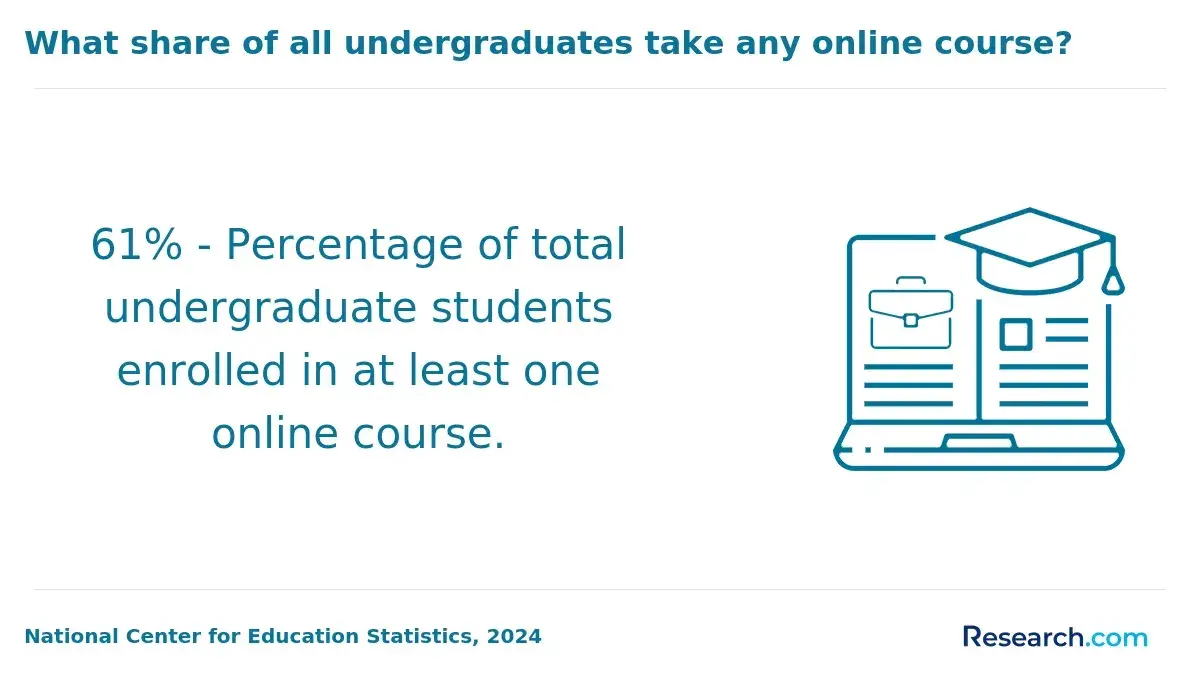
Online sociology programs do not inherently affect licensure eligibility compared to campus programs; the determining factor is accreditation and curriculum quality rather than delivery mode. Enrollment in online degrees has increased by more than 20% in the past five years, demonstrating wider acceptance of these credentials for professional purposes.
Curriculum Coverage: Both online and in-person programs are expected to teach foundational sociological theories, research techniques, and ethical considerations to meet licensing standards. The substance of the coursework is critical regardless of format.
Practical Experience: Licensing boards frequently require supervised internships or fieldwork, which many online programs incorporate through local placements. This hands-on training ensures students develop necessary applied skills comparable to those gained on campus.
Skill Development and Assessments: Online programs typically use similar evaluation methods as traditional ones, such as exams, projects, and applied assignments. These assessments verify mastery of key competencies essential for licensure.
Employer Perceptions: Attitudes toward online degrees continue to evolve positively, with more organizations recognizing their validity in professional settings. This gradual shift supports graduates entering licensed sociology careers.
Licensing Recognition: Confirming that the chosen online program aligns with state-specific licensure requirements remains vital. Ensuring experiential components and curriculum standards are met safeguards eligibility.
A licensed professional who earned an online sociology degree shared that navigating elective choices was initially overwhelming but rewarding. He noted, "Selecting electives allowed me to tailor my studies to my interests, which enriched my understanding beyond core requirements." Although managing coursework remotely challenged his time management skills, he praised the flexibility it provided during a busy career phase. His hands-on internship near home bridged theory and practice effectively, confirming that the online path did not disadvantage his licensure process.
Clinical or practicum hours play a crucial role in preparing students for professional practice and licensure by providing supervised, real-world experience that bridges theory and application. These hours help develop practical skills and meet regulatory requirements essential for licensure eligibility in many social science fields.
- Typical hours required: Practicum hour requirements for online sociology degrees often range from 300 to over 1,000 supervised clinical hours, depending on state licensure pathways and professional standards.
- Placement settings: Students usually complete practicum hours in community organizations, mental health clinics, schools, or social service agencies to gain hands-on exposure to client and community interactions relevant to sociology and social work.
- Supervision and guidance: Qualified professionals oversee these placements, providing direct supervision, regular feedback, and ensuring ethical practice is maintained throughout the hands-on experience.
- Skills acquisition: Through clinical hours, students learn essential skills such as client assessment, intervention techniques, case management, and effective communication, all vital for social science professionals.
- Online program accommodations: Many online sociology programs assist students in finding local practicum placements and offer remote supervision options, such as virtual meetings, to ensure students complete in-person requirements despite remote studies.
Those pursuing licensure should note that documenting completed practicum or clinical hours is often a mandatory state board requirement to sit for licensing exams, making these hours indispensable in professional credentialing. Prospective students interested in affordable educational options may also explore the cheapest mlis degree online for related guidance in social sciences.
Licensing exams play a crucial role in confirming that social work professionals possess the skills and knowledge needed to practice safely and ethically. Successfully passing the required exam also determines eligibility for independent clinical practice. Presently, around 60-70% of first-time candidates nationwide clear this exam, illustrating its challenging standards. Below is a summary of the key details regarding these licensure requirements:
- Exam Name: The Licensed Clinical Social Worker (LCSW) exam is the primary licensing test for individuals pursuing clinical social work careers after earning a sociology-related degree.
- Content Areas: Topics covered include human development, clinical evaluations, intervention techniques, and professional ethics, reflecting both theory and field application.
- Format: The exam is typically multiple-choice, designed to assess practical skills alongside foundational knowledge to ensure readiness for clinical responsibilities.
- Preparation Strategies: Candidates often engage in study programs, utilize review guides, and complete supervised fieldwork to meet the comprehensive demands of the exam.
- Retake Policy: If a candidate does not pass on the initial attempt, most states permit retakes following a prescribed waiting period, providing additional time for further review.
- Relevance for Online Graduates: It is important that online sociology degrees align with state educational standards and accreditation criteria to qualify for licensure, validating the graduate's professional competence.
A licensed professional who completed an online sociology degree shared her experience after I asked about the licensing exam process. She described feeling anxious before taking the exam but emphasized how her comprehensive online program and practical internships helped build confidence. She recalled the value of consistent study routines amid balancing work and home life, which made the wait between attempts manageable when she did not pass initially. Reflecting on her journey, she noted, "Passing wasn't just about memorizing content, it was about understanding how to use that knowledge when working with real clients." Her positive outlook and persistence highlight how preparation and realistic expectations are key for future licensure candidates coming from online sociology backgrounds.
Supervised work experience is not usually required after completing an online sociology degree, as sociology is not a licensed profession. However, practical experience can be helpful depending on the career path a graduate chooses.
Here are key points to consider:
- There is no formal or legal requirement for supervised work experience after an online sociology degree.
- Most entry-level roles focus on research, analytical, and communication skills, not supervision hours.
- Some careers related to sociology (e.g., social work or counseling) may require supervised experience, but these are separate, licensed fields.
- Many programs include research projects, fieldwork, or internships that provide applied experience.
- Supervised experience through nonprofits, government agencies, or community organizations can improve employability.
- Practical experience is optional but beneficial, especially for applied or public-sector roles.
Licensure reciprocity allows professionals licensed in one state to obtain authorization to practice in another without redoing the entire licensing process. This is particularly significant for those who may want to work or provide services across different states or regions, supporting career flexibility and minimizing unnecessary delays. Several factors determine how reciprocity applies to online sociology graduates.
Key considerations for licensure reciprocity in this context include:
- Eligibility Criteria: Most states require candidates to graduate from programs accredited by recognized agencies. For online sociology degrees, this means the program must meet established standards, impacting how licensing boards view credentials for reciprocity.
- Program Requirements: Some states specify curriculum standards or practical components that must be fulfilled. The quality and format of an online degree can influence whether it satisfies these requirements when seeking reciprocity.
- State Agreements: Reciprocity depends heavily on formal pacts or interstate compacts. Not all states participate equally, so sociology graduates should review whether their original licensing state has arrangements with the state where they intend to practice.
- Application Process: Licensure by reciprocity often requires submitting proof of credentials, verification of good standing, and sometimes completion of additional exams or supervised practice hours to comply with local rules.
- Potential Limitations: While earning an online degree does not automatically exclude eligibility, graduates must ensure their education aligns with both their original and target state's licensing requirements to avoid setbacks.
Those exploring licensure reciprocity for online sociology degrees should also consider programs known for accessibility and affordability, as these factors can influence their preparation and eligibility. For those interested, some options are highlighted in the cheapest online bachelor's degree listings, which may help identify pathways that balance cost and compliance.
Being aware of state licensing rules for sociology graduates and maintaining compliance with standards ensures smoother transitions across jurisdictions and supports long-term career goals.
Enrollment in online sociology programs has surged by over 30% recently, driven by students seeking flexible paths to licensure. As licensure remains a key consideration, understanding the benefits and drawbacks of these programs is crucial for informed decisions. Below is an overview of the main pros and cons of online sociology studies for licensure.
Pros
- Flexibility: Online formats allow students to balance coursework with work or personal commitments, facilitating continuous progress toward licensure.
- Wider accessibility: Geographic barriers are reduced, enabling enrollment in accredited programs regardless of location, which can broaden options for fulfilling licensure requirements.
- Cost-effectiveness: Savings on commuting and housing expenses make these programs financially attractive while maintaining educational quality necessary for credentialing.
Cons
- Limited hands-on training: Certain licensure mandates require in-person practicums, which can be difficult to attain fully online, potentially affecting readiness and eligibility.
- Supervision challenges: Securing fieldwork or internships with proper oversight may be harder remotely, complicating compliance with licensure prerequisites.
- Perception obstacles: Some employers may view online degrees as less rigorous, possibly impacting job prospects despite accreditation.
Licensure can significantly affect salary prospects for those with an online sociology degree. Licensed professionals in related fields, such as social work or counseling, often earn up to 20% more annually than their non-licensed counterparts, reflecting increased responsibilities and verified expertise. This difference highlights the value of credentials when it comes to higher earning potential. The following points outline how licensure can influence salary and career growth.
- Access to Higher-Paying Roles: Licensure grants eligibility for specialized and senior positions that command better salaries. Many rewarding job opportunities in clinical or supervisory roles are only open to credentialed professionals, increasing earning potential significantly.
- Eligibility for Leadership Positions: Holding a license often qualifies individuals for management or administrative roles within social service organizations. These leadership positions generally offer raises and performance bonuses tied to licensure status.
- Specialized Responsibilities: Licensed sociologists or allied professionals can take on advanced duties and casework that require official credentials. This added expertise justifies higher wages and can shorten the path to career advancement.
- Increased Job Security: Professional recognition and legal authorization that come with licensure provide enhanced job stability. Employers value licensed staff for their verified competence, which can translate to longer tenure and steady income growth.
For graduates evaluating the online sociology degree salary impact, pursuing licensure in related fields is a strategic move. Familiarity with state-specific licensure requirements and obtaining supervised experience are essential steps to leverage an online degree toward licensed, higher-paying roles. Those entering the field might explore options at cheap online colleges that support licensure pathways to optimize both education costs and career outcomes.
Licensure plays a crucial role in shaping career possibilities for online sociology degree holders, often unlocking professions with higher earning potential and formal regulatory oversight. Graduates may opt for licensed roles to engage in clinical practice and leadership, while others select non-licensed positions for greater flexibility and diverse opportunities. Recent data show licensed social workers earn roughly 20% more than peers without credentials. Below is an overview of typical jobs available in both pathways.
Jobs With a License
- Clinical social worker: Provides mental health counseling, therapy, and case management, requiring state licensure that enables clinical practice and enhances career growth.
- Licensed professional counselor: Offers therapeutic services and behavioral health support, necessitating supervised experience and exams, which often lead to higher salaries and professional credibility.
- Mental health therapist: Delivers specialized interventions for individuals or groups, adheres to strict ethical guidelines, and benefits from regulatory compliance that builds trust and authority.
Jobs Without a License
- Research analyst: Conducts data collection and policy analysis in various sectors, contributing to social insights without requiring clinical licensure.
- Community outreach coordinator: Manages programs and advocacy efforts, supporting social initiatives and organizational goals without direct clinical responsibilities.
- Nonprofit program manager: Oversees development and administration of projects aimed at societal improvement, leveraging applied sociology skills without the need for a professional license.
What Graduates Say About Getting Licensed with an Online Sociology Degree
- Winston: "Completing my online sociology degree was a game-changer, especially considering the affordability-I spent less than the national average, which made pursuing licensure very manageable. The program's flexibility allowed me to balance work and study effortlessly. Since getting licensed, I've seen real growth in my career, taking on roles I only dreamed of before. "
- Gladys: "The cost of the online sociology degree program was surprisingly reasonable compared to traditional campuses, which eased the financial pressure during licensure preparation. My experience was enriching, with comprehensive coursework that felt relevant and engaging. This degree has profoundly shaped my professional life, opening doors to impactful social research positions."
- Alex: "Investing in an online sociology degree was a strategic decision given the lower tuition costs and the convenience it offered. The program was rigorous and demanded discipline, but it prepared me thoroughly for licensure. Professionally, the degree enhanced my credibility and equipped me with skills essential for leadership in community services. "
Other Things You Should Know About Sociology Degrees
State social work or counseling boards, not sociology departments, decide recognition. They usually require a regionally accredited bachelor’s or master’s degree, plus verified transcripts and any supervised hours. The Association of Social Work Boards and state psychology boards do not license sociology graduates just for the degree alone.
Professional associations play a key role in supporting licensed sociologists, including those with online degrees. Joining organizations such as the American Sociological Association can provide access to networking, resources, and updates on regulatory changes. Membership can also enhance credibility and professional development opportunities.
- Social Work Licensing Requirements by State https://agentsofchangeprep.com/blog/social-work-licensing-requirements/
- Bachelor of Science - Sociology (Online) https://www.famu.edu/academics/famu-online/bachelor-of-sociology.php
- Bachelor of Arts in Sociology Online at William Paterson https://online.wpunj.edu/degrees/undergraduate/bachelor-of-arts-in-sociology/
- Getting Your Social Work Licensure: State by State Requirements https://www.publicservicedegrees.org/college-resources/social-work/licensure-by-state/
- Social Work Licensure https://socialworklicensemap.com/social-work-licensure/
- Course Requirements https://www.uab.edu/cas/sociology/online-ma/requirements
- What Can You Do With An Online Sociology Degree? https://www.saintleo.edu/about/stories/blog/what-can-you-do-with-an-online-sociology-degree
- Pros and cons of online BA for working professionals - Online Manipal https://www.onlinemanipal.com/blogs/pros-and-cons-of-online-ba-for-working-professionals
- What Can You Do With A Sociology Degree? https://www.immerse.education/career-exploration/sociology/careers-in-sociology/
- Online Sociology Degrees Programs https://www.academicinfo.net/soc.html