2027 Can You Get a Creative Writing Bachelor's Degree After 30?

Co-Founder and Chief Data Scientist
Imagine juggling family responsibilities and a full-time job while wondering if earning a bachelor's degree in creative writing after 30 is even possible. Many adults hesitate-believing traditional programs don't accommodate their unique scheduling needs. Yet, the National Center for Education Statistics reports that nearly 40% of undergraduate students are over 25, reflecting a growing trend of adult learners seeking degrees later in life.
This article explores how adults can navigate enrollment, select flexible programs, manage finances, and leverage prior experience to successfully attain a bachelor's degree in creative writing, providing a clear pathway from uncertainty to achievement.
Key Things to Know About Getting a Creative Writing Bachelor's Degree After 30
- Admissions often emphasize prior academic work over age-many programs accept transfer credits and recognize life experience, easing entry for students over 30.
- Financing options like employer tuition assistance and federal aid remain accessible-balancing family demands requires flexible schedules, often available via online or part-time programs.
- Long-term earnings from a bachelor's in Creative Writing increase steadily-return on investment can be accelerated by combining credentials with related fields such as communications or education.
Can You Really Get a Creative Writing Bachelor's Degree After 30?
Data from the National Center for Education Statistics (NCES) reveals a substantial increase in adult learners aged 25 and older enrolling in bachelor's programs, including many pursuing creative writing degrees. Returning to college after 30 is not only achievable but increasingly common, as numerous institutions have redesigned their curricula and formats to meet the unique needs of adult students. This trend reflects a broader shift in higher education toward accessibility and flexibility. For those exploring creative writing degree options for adult learners, it's important to understand several critical factors that influence the pathway to graduation.
Millions of adults successfully complete bachelor's degrees each year, balancing challenges with clear benefits. This overview highlights time commitments, financial strategies, program types, career impact, and support systems essential for adult learners navigating creative writing programs.
- Enrollment Trends: Adult learners now constitute a significant share of undergraduates, and growing numbers of students choose creative writing and related humanities fields, supported by institutional recognition of this demographic.
- Program Flexibility: Colleges offer multiple options such as online courses, evening classes, and accelerated tracks tailored to fit work and family responsibilities, enhancing accessibility and reducing time-to-completion.
- Financial Considerations: Returning students frequently access financial aid, employer tuition reimbursement, and grants designed for non-traditional learners, making degree pursuit more affordable.
- Career Impact: A creative writing degree can facilitate career changes into publishing, content creation, education, and other fields-providing a credential that strengthens adult learners' resumes and job prospects.
- Support Systems: Many institutions provide dedicated services for adult students, including academic advising, resume workshops, and peer networks that create community and aid retention.
Prospective students should also explore the availability of credit for prior learning and look into easy masters degrees online as potential next steps after earning their creative writing bachelor's degree.
Why Are More Adults Over 30 Pursuing a Creative Writing Bachelor's Degree?
The number of adults over 30 pursuing a creative writing bachelor's degree has increased notably in recent years, reflecting significant shifts in adult education and workforce demands. Data from the Lumina Foundation, NCES, and the American Council on Education (ACE) reveal a clear upward trend of mid-career learners returning to complete bachelor's credentials, especially in adaptive, skills-focused fields like creative writing. This increase stems from several crucial factors making the degree attractive and attainable for older students.
- Career Transitions: Many adults seek to shift into creative sectors or roles emphasizing storytelling and writing skills, with a creative writing degree providing foundational expertise and recognized credentials.
- Employer Tuition Benefits: More companies now offer tuition assistance, easing cost barriers for working adults committed to advancing their education.
- Layoffs and Economic Shifts: Post-pandemic workforce disruptions have led many to reconsider their career paths, with creative writing offering a flexible and accessible means to reinvent themselves, particularly as digital content creation accelerates.
- Online Program Availability: The growth of online creative writing programs eliminates location and scheduling challenges, supporting adults balancing family, work, and other obligations.
- Wage Premiums and Career Outcomes: Obtaining a bachelor's degree in creative writing often enhances earning potential in fields like content development, marketing, publishing, and communications, underscoring the degree's value.
Supporting these drivers is a robust infrastructure tailored to adult learners, including credit for prior learning, personalized pacing, and dedicated support services. This environment aligns well with the increasing demand for creative writing and strong communication skills in today's job market. For adults over 30 considering this path, the rise in enrollment affirms their ambitions and opens access to flexible, accredited programs that suit their life stage and goals. Those seeking to navigate this journey efficiently might also explore related educational opportunities such as a counseling bachelor's degree online, which similarly accommodates adult learners.
Adults over 30 pursuing a creative writing bachelor's degree face unique motivations and educational needs that influence enrollment trends. These include benefits of earning a creative writing bachelor's degree for adult learners and the increasing demand for flexible creative writing programs for adults over 30.
What Are the Most Common Challenges Adults Over 30 Face When Pursuing a Creative Writing Degree?
Adults over 30 pursuing a creative writing degree often face several intertwined challenges that can disrupt their academic progress.
Time Constraints: Juggling full-time employment, family care, and coursework makes it difficult to find uninterrupted study periods, increasing the risk of falling behind.
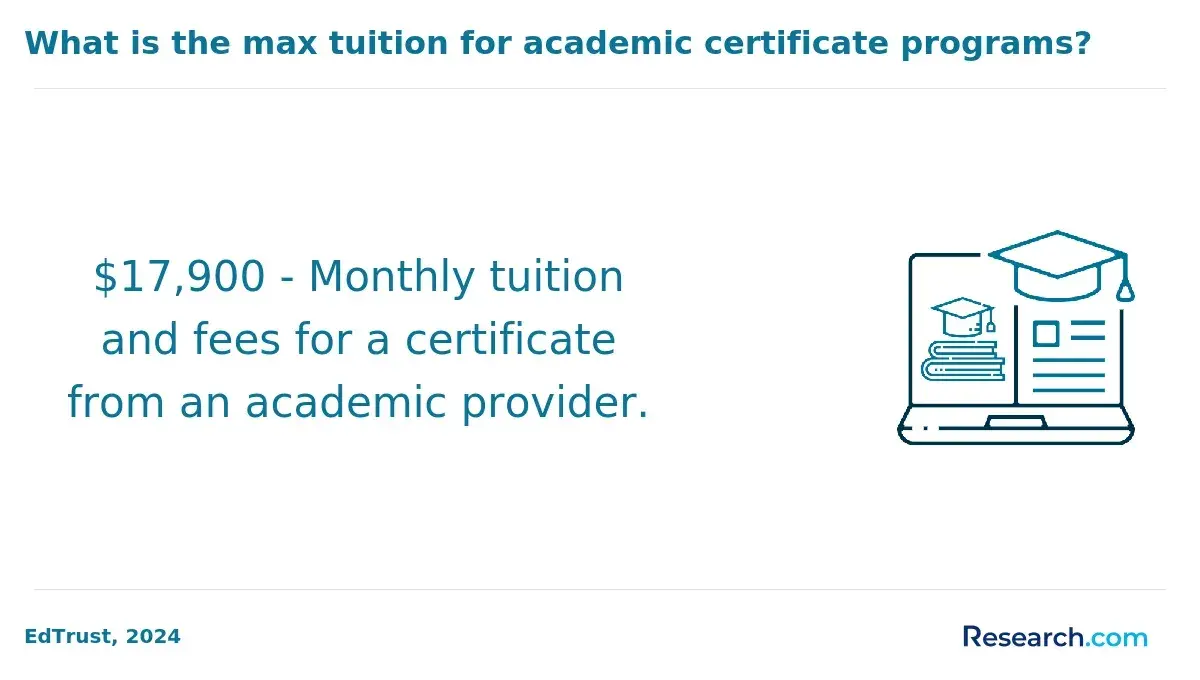
Financial Pressures: Unlike younger students, many adult learners are solely responsible for tuition, living costs, and debt, which can create stress intense enough to cause them to pause or quit their studies.
Technology Gaps: Returning to school after an extended break means adapting to new digital tools and online learning platforms-a process that can initially slow momentum but improves with guidance.
Imposter Syndrome: Feelings of self-doubt or alienation among younger peers often reduce engagement; however, building supportive networks can help overcome this psychological barrier.
Academic Bureaucracy: Complex processes involving admissions, credit transfers, and degree requirements can overwhelm those unfamiliar with current higher education systems, yet navigating institutional resources effectively can ease these difficulties.
Most adult students undertaking a creative writing bachelor's degree encounter at least two or three of these barriers simultaneously. Recognizing this shared experience reduces feelings of isolation and fosters resilience, helping learners maintain commitment despite setbacks.
One professional who enrolled in a creative writing bachelor's program after 30 shared that balancing family priorities and weekly deadlines was initially "overwhelming," causing moments when he questioned his capacity to succeed. He described learning to use campus academic advising services and peer study groups as turning points that made the administrative side manageable and reduced "that nagging sense of not belonging." While adapting to digital submission platforms was frustrating at first, consistent support helped him feel more confident. His journey illustrates that challenges are real but surmountable with persistence and the right resources in place.
Adult learners pursuing the best adult creative writing bachelor's degree programs can choose from diverse formats designed to match different lifestyles and commitments.
- Fully Online: These programs provide the greatest flexibility, with asynchronous coursework that lets students study on their own schedules. Institutions like Western Governors University (WGU) offer such options, making it easier for adults balancing jobs and family to progress at their own pace.
- Hybrid: Combining online classes with occasional in-person sessions, hybrid formats give a balance of convenience and face-to-face interaction. Scheduled residencies or workshops often take place during weekends or evenings to accommodate working adults while fostering engagement.
- Evening and Weekend On-Campus: Targeted at those with traditional work hours, these programs hold classes outside normal business times. This approach offers structured, in-person learning but requires proximity to campus, suitable for learners who benefit from regular direct instruction.
- Competency-Based Education (CBE): CBE focuses on skill mastery over time spent in class, enabling students to accelerate by demonstrating prior knowledge. This format suits veterans, career changers, and fast-track seekers. WGU is known for its competency-driven paths that fit varied timelines.
- Accelerated Cohort Models: These intensive, fixed-group programs move quickly through curriculum allowing motivated adults to complete degrees faster while gaining peer support. Southern New Hampshire University (SNHU) exemplifies this model, appealing to those eager for rapid career pivoting.
Choosing a program that aligns with one's learning preferences and schedule ensures a smoother path to earning a flexible creative writing degree for adults over 30. For those exploring options, comparing formats alongside personal commitments supports informed decisions. Additionally, resources like the easiest MSW online program exemplify how adult-friendly structures can help balance education with life's demands.
Adult learners pursuing a creative writing bachelor's degree often experience varied timelines influenced by enrollment status and previous academic credits. Full-time students generally finish in about four to five years, while those juggling part-time schedules and other responsibilities may take six years or more. Transfer credits and prior learning assessments (PLA), including CLEP exams and military credits, can reduce course loads significantly-sometimes by nearly one-third-enabling faster degree completion.
Accelerated programs tailored for adults provide flexible, year-round scheduling and online options, allowing motivated students to graduate in as little as three years by managing a heavier course load. Creating a personalized timeline requires assessing current credits, weekly study availability, and desired graduation timing. For example, a working parent might plan for slow, steady progress with part-time enrollment, while a veteran using PLA and transfer credits might aim for an expedited path under three years.
Recent data shows over 70% of four-year institutions now formally recognize prior learning for adult students, reflecting broader institutional support for these approaches. This trend supports faster degree completion without sacrificing academic rigor or quality in creative writing programs.
- Enrollment Intensity: Full-time study averages 4-5 years; part-time schedules often extend beyond six years due to external commitments.
- Credit Transfer: Institutions accept prior college and military credits, lowering course requirements and accelerating progress.
- Prior Learning Assessment: CLEP exams and PLA convert experiential knowledge to credit, streamlining degree pathways.
- Accelerated Programs: Flexible, intensive options allow dedicated learners to finish within three years.
- Personalized Planning: Individual timelines depend on credits earned, schedule capacity, and graduation goals.
A professional who completed her creative writing degree after age 30 shared that juggling family and work obligations required careful scheduling and a lot of self-motivation. She emphasized how leveraging military credits and taking advantage of PLA saved her "at least a full year" of study. Despite the challenges of balancing responsibilities, she found that setting a clear, adaptable timeline made the process manageable and more rewarding. Reflecting on her journey, she noted, "It wasn't just about finishing fast-it was about making each course count toward building my writing career."
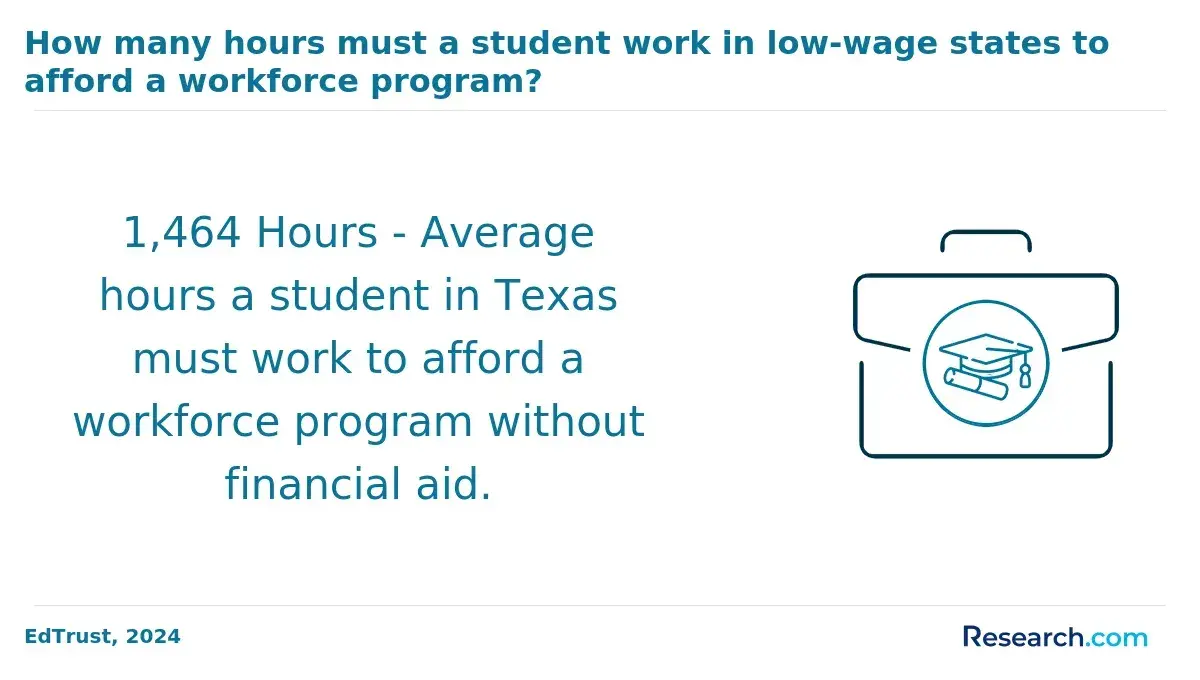
Adults over 30 pursuing a creative writing bachelor's degree have access to several funding resources beyond common assumptions about traditional students. The Federal Student Aid office confirms that FAFSA eligibility includes learners of any age enrolled in qualifying programs, dispelling the myth that aid is age-restricted. Pell Grants provide need-based, no-repayment funding, while subsidized and unsubsidized loans cover tuition and living costs with varying repayment terms. Early FAFSA submission is crucial as some aid is awarded on a first-come, first-served basis. Eligibility often includes those with prior degrees or partial credits, though Pell Grant limits still apply.
Employer Tuition Assistance: Many companies support employee development with tuition reimbursement, including for creative writing degrees. Reaching out to human resources can reveal available programs, eligibility, and funding limits. Some employers partner with education providers, reducing expenses substantially.
State Adult Learner Grants: Specialized grants and scholarships target adults returning to higher education to facilitate career transitions or reentry. Checking state education agency websites can uncover funding geared specifically for adult students.
Scholarships from Professional Associations: Literary organizations and writing clubs often offer scholarships based on merit, need, or membership, along with valuable mentorship and networking opportunities.
Income-Share Agreements (ISAs): Some schools provide ISAs, linking repayment to graduates' income rather than upfront tuition, which may ease initial financial burdens but requires careful review of terms.
Cost comparisons show that online programs frequently cost less than on-campus ones, and public institutions generally have lower tuition than private colleges. Flexible online formats also help adults balance work and family by reducing living and transportation expenses.
Data from SHRM, NACE, and LinkedIn Workforce Insights confirms that a regionally accredited creative writing bachelor's degree holds significant value for hiring managers regardless of the graduate's age or time taken to complete the program. The credential itself-not the age at which it was earned-is what truly matters on a resume.
- Employer Perception: Employers hiring for creative writing positions often favor adult learners because of their professional maturity, real-world experience, and demonstrated perseverance in completing their degrees later in life.
- Industry Requirements: In publishing, content creation, marketing, and media, a bachelor's degree in creative writing is typically a mandatory baseline for entry-level roles. Completion at age 30 or beyond is equally respected compared to finishing at 22.
- Age-Related Concerns: Despite potential biases, research shows employers prioritize skills and credentials over age. Adult learners bring unique perspectives and additional maturity that enhance their candidacy for creative writing roles.
- Resume and Verification: Diplomas and transcripts do not indicate a graduate's age. Verification focuses solely on accreditation and legitimacy of the degree.
- Recent Trend: LinkedIn's 2023 Workforce Report highlights a 22% increase in hiring managers who express openness to candidates earning degrees later in life, especially in creative industries.
For those balancing career shifts, family, or other commitments, earning a creative writing degree after 30 represents a meaningful, credentialed pathway recognized across varied creative sectors.
Prior professional experience credit in creative writing programs can greatly accelerate degree completion for adult learners, especially those over 30 pursuing a creative writing bachelor's degree. Institutions increasingly leverage mechanisms that recognize experiential learning and related competencies to reduce time-to-degree and costs.
- Prior Learning Assessment (PLA): Colleges evaluate portfolios showcasing writing samples, publications, or professional projects. Faculty review these to award credit aligned with course outcomes. For example, portfolios might include manuscripts or published articles demonstrating undergraduate-level skills.
- Examinations: Exams like CLEP (College-Level Examination Program) and DSST (DANTES Subject Standardized Tests) enable learners to test out of foundational courses. Although no creative writing-specific exam exists, tests in English composition or literature satisfy general education credits, freeing time for specialized creative writing coursework.
- ACE-Recommended Credit: The American Council on Education (ACE) recommends credit for military training and professional certifications related to communication or storytelling. Veterans and certified professionals can often translate this into academic credit recognized by many institutions.
The Council for Adult and Experiential Learning (CAEL) notes adult learners frequently earn 20 to 30 credits through PLA-equivalent to about one year of full-time study. Excelsior College, Thomas Edison State University, and Charter Oak State College stand out for robust PLA processes tailored to creative writing, providing flexible pathways for adults leveraging work experience for creative writing degree completion after 30.
Admissions officers prefer applicants who frame professional experience-such as writing, editing, marketing, or communication roles-as academic assets rather than gaps. A well-curated writing portfolio combined with a detailed resume highlighting relevant skills positions adult learners as experienced writers rather than students catching up.
Many adults convert career experience in creative writing or adjacent fields into shortened study timelines, transforming prior learning into strategic advantage. For those seeking flexible options, exploring the project management degree online accredited programs may offer additional pathways to complement their creative writing goals.
Admission requirements for creative writing bachelor's programs vary widely, especially for adult learners over 30 who bring diverse educational backgrounds. Many institutions recognize the unique challenges and experiences of adult applicants and offer more flexible entry routes than traditional undergraduate programs.
Minimum GPA: While some selective programs require a minimum GPA of 2.5 to 3.0 from prior college coursework, many schools aimed at adult learners consider GPA in context or set lower thresholds. For those with a low GPA history, academic renewal or grade forgiveness policies may allow replacing poor grades with recent coursework, enhancing admission chances. Prospective students should self-assess their records honestly to find programs aligned with their profiles.
Standardized Test Waivers: Students over 25 often qualify for waivers from SAT or ACT requirements, reflecting an understanding that standardized tests may not accurately assess mature learners returning to education after a break.
Letters of Recommendation: Most programs request one to three letters, and adult learners may submit references from employers, mentors, or community leaders rather than solely academic sources, emphasizing relevant skills and character.
Personal Statement: A well-crafted personal statement remains crucial. Applicants should clearly express their motivation for pursuing creative writing, relevant experiences, and how the degree fits their career or personal goals.
Residency and Transfer Credit Policies: Many programs welcome transfer credits from previous institutions, sometimes applying grade forgiveness for older courses. Conditional admission options may be available, requiring applicants to maintain a specified GPA or complete preparatory courses.
Open or Rolling Admissions: Institutions serving adult learners often adopt open or rolling admissions, focusing on demonstrated potential rather than strict GPA cutoffs. This approach contrasts with traditional selective programs that emphasize competitive entry requirements.
For those seeking creative writing degrees, exploring flexible schools-including many online colleges that accept low GPA-can create smoother paths toward completion. Understanding adult learner admission criteria for creative writing degrees ensures applicants choose programs suited to their individual journeys.
Adult learners pursuing a creative writing degree after age 30 often face competing demands from family caregiving and full-time jobs, which can extend the time needed to finish their programs. Research from the Institute for Women's Policy Research shows that responsibilities like parenting or eldercare, combined with steady employment, considerably slow degree completion. Added financial pressures from tuition and living costs further increase challenges, underscoring the need for reliable support networks.
Time management is critical for success in creative writing studies. Methods such as the Pomodoro Technique and time-blocking allow students to focus on writing and coursework during small, consistent intervals. Case studies highlight how maintaining regular scheduled sessions-even brief ones-helps students stay on track. Flexible employer policies, including adjustable hours or remote work, are frequently essential in allowing learners to participate in classes and workshops without setbacks.
Support from family, like shared caregiving duties or emotional encouragement, can reduce stress and improve persistence. Colleges offering campus childcare, emergency financial aid, and specialized adult learner resources provide important external assistance that smooths progress toward degree attainment. Prospective students should carefully evaluate these resources before enrolling and communicate openly with advisor offices to arrange needed accommodations in advance.
- Caregiving Challenges: Managing family responsibilities often delays completion; awareness enables access to targeted support.
- Time Management: Pomodoro and time-blocking support consistent study habits amid busy schedules.
- Employer Flexibility: Adaptable work arrangements help balance academic and job demands effectively.
- Family Support: Emotional and practical backing from loved ones lessens adult learners' burdens.
- Institutional Resources: Childcare and emergency funds, plus adult services, aid degree progress.
Research from the National Student Clearinghouse highlights that robust advising significantly boosts adult learner completion rates in creative writing programs. Prospective students should look for comprehensive support structures designed to meet the unique challenges faced by adults returning to school.
- Dedicated Adult Learner Advisors: Advisors trained to assist returning students-such as military veterans, career changers, and parents-offer tailored academic guidance and help balance education with life demands, improving retention and progress.
- Prior Learning Assessment Offices: These offices recognize previous work, life experiences, and portfolios, granting academic credit that shortens time to degree and reduces costs-critical for those needing efficient credential completion.
- Evening and Weekend Tutoring: Flexible tutoring hours accommodate busy schedules, ensuring adult students receive support in writing and research skills at convenient times.
- Virtual Library Access: Digital resources and online databases enable research and project development anytime, a vital feature for distance learners and those managing family or work commitments.
- Career Services for Career Changers: Specialized job placement support-including resume workshops and internship opportunities-helps adult learners pivot into creative industries effectively.
- Peer Networks for Non-Traditional Students: Community groups foster motivation and reduce isolation by connecting adult learners with similar experiences, enhancing both academic and social engagement.
Before enrolling, ask programs directly about these support services-with the presence of such infrastructure strongly linked to successful degree completion for adults pursuing creative writing.
What Graduates Say About Getting a Creative Writing Bachelor's Degree After 30
- Hazel: "Enrolling in the creative writing bachelor's degree program after 30 was a game-changer for me-especially because of the excellent financial support options available. Balancing life and studies felt manageable with scholarships and flexible payment plans. The program's accreditation gave me confidence that the degree held real value, which motivated me to fully commit and succeed."
- Justin: "Reflecting on my time in the creative writing program, I appreciate how the curriculum was designed for mature students like me. The accreditation ensured employers recognized my qualification, which was crucial when I transitioned to a professional writing career. Plus, the career services helped me connect with opportunities I might not have found otherwise."
- Jayden: "Choosing to start the creative writing bachelor's degree after 30 was intimidating, but the community and financial aid made it accessible. I value that the program supported my career goals from day one, with professors who understood the unique challenges faced by older students. Today, I'm thriving in a professional writing role I never imagined possible before enrolling."
Other Things You Should Know About Creative Writing Degrees
Adults over 30 can manage tuition costs by exploring scholarships specifically tailored for non-traditional students, enrolling in part-time programs to spread out expenses, and utilizing employer tuition reimbursement plans. Additionally, comparing online program costs with on-campus options could offer financial benefits.
Yes, several colleges offer accelerated creative writing bachelor's programs that recognize prior learning and work experience. These programs often provide credit-by-examination or portfolio assessments tailored for adult learners, allowing completion in less time than traditional pathways. They emphasize flexibility, making it easier for adults balancing work and family commitments to earn their degree efficiently.
Yes. Most regionally accredited colleges accept transfer credits from prior coursework, usually up to 90 of the 120 credits required for a bachelor’s degree. Schools review official transcripts, compare course content, and may limit how many creative writing major credits can be transferred.
Adults over 30 should prioritize programs that offer flexibility through online or evening classes to accommodate personal schedules. Reviewing the curriculum for a balance between creative development and career preparation is key. Additionally, they should check whether the institution offers credit for prior learning or experience, as this can shorten time to graduation and reduce costs.
- The 3 Acts of a Writer's Life-Or How Your Age Affects Your Writing - Helping Writers Become Authors https://www.helpingwritersbecomeauthors.com/musings-on-how-your-age-affects-your-writing/
- Bachelors in Creative Writing - AEC Overseas https://www.aecoverseas.com/bachelors-in-creative-writing/
- Choosing a Creative Writing Course https://www.nawe.co.uk/writing-in-education/writing-at-university/choosing-a-course.html
- SFCC Library and Creative Writing program offer free online Spring 2026 Writing Generation Series – Our Mission https://www.sfcc.edu/press/sfcc-library-and-creative-writing-program-offer-free-online-spring-2026-writing-generation-series/
- 12 Mature students Creative Writing Scholarships available https://www.hotcoursesabroad.com/study/international-scholarships/all/qn/creative-writing/mature-students/all/cid/qid/kc.3/1175/nty/scholarship.html
- How Colleges Award Credits For Work Experience https://www.affordablecollegesonline.org/college-resource-center/college-credit-for-work-experience/
- Bachelor of Fine Arts in Creative Writing | Courses | ACD https://acd.iamu.edu/courses/bachelor-of-fine-arts-in-creative-writing/
- Student view: A day in the life of a mature-aged Creative Writing student https://www.studiosity.com/blog/student-view-a-day-in-the-life-of-a-mature-aged-creative-writing-student
- Creative Writing Bachelors Degree Your Guide | literatura.edu.pe https://literatura.edu.pe/creative-writing-bachelors-degree/
- How Many Years Does it Take to Get a Bachelor's Degree? - Affordable Schools https://www.affordableschools.net/faq/how-many-years-bachelors-degree/