2027 Can You Complete an Online Game Development Degree Program While Working Full-Time?

Co-Founder and Chief Data Scientist
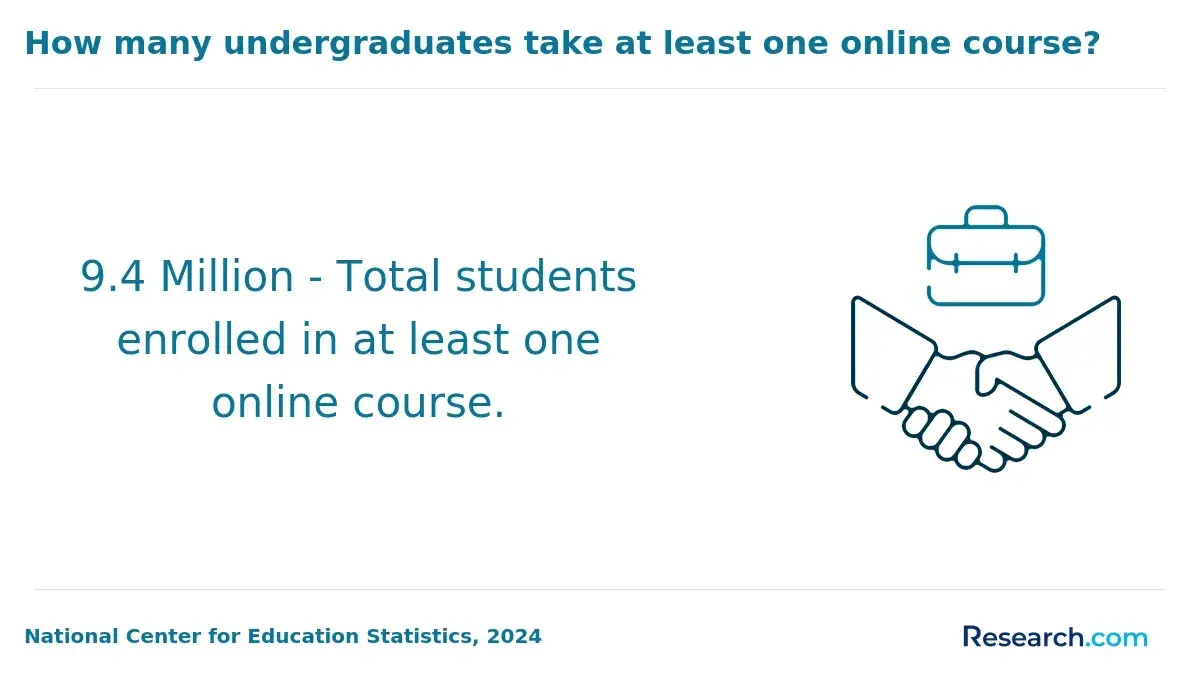
Many full-time professionals face the challenge of managing demanding work schedules, family responsibilities, and the rigorous coursework required for an online game development degree. According to the National Center for Education Statistics, nearly 40% of online learners in the U.S. are employed full-time, highlighting the growing need for flexible education options tailored to busy adults.
This article offers practical insights to help you assess whether pursuing an online game development program fits your lifestyle. By exploring time management strategies and program demands, you can make an informed decision about balancing your career goals and academic commitments effectively.
Key Benefits of Completing an Online Game Development Degree Program While Working Full-Time
- Flexible scheduling allows full-time workers to balance coursework with jobs, enabling steady progress without sacrificing income or professional commitments.
- Access to recorded lectures and digital labs supports learning at convenient times, crucial for mastering complex game development tools and coding skills outside standard hours.
- Networking opportunities in online forums foster industry connections, helping students gain insights and internships relevant to game design while maintaining their employment.
How Long Does It Take to Complete an Online Game Development Degree While Working Full-Time?
Completion time for an online game development degree while working full-time varies greatly depending on several key factors. These factors influence how quickly students can progress through their coursework and ultimately graduate.
Below are the main considerations that impact the online game development degree duration for working professionals:
- Enrollment Status: Most working professionals enroll part-time, which lowers their course load per term and limits weekly study hours to around 10-20. This often extends the time to finish a degree compared to the 30-40 hours weekly study expected of full-time students.
- Course Format: Programs offered asynchronously or with accelerated 8-week courses provide flexibility, allowing students to balance work and study more easily. However, shorter terms can be intense and challenging for busy students.
- Transfer Credits: Students who bring prior academic credits or relevant professional experience can reduce their course requirements significantly. This factor is a crucial way to shorten degree time for part-time learners.
- Work Schedule and Weekly Study Hours: Irregular or demanding work hours often force a lighter educational load each semester, directly increasing the overall length of study.
- Program-Specific Requirements: Degrees that include capstone projects, internships, or practicum experiences may extend the timeline, especially for those balancing employment.
Part-time students pursuing a full game development degree should prepare for a commitment of five years or longer, though programs with flexible pacing and credit recognition can reduce this. Many working adults complete shorter certificate or non-degree programs within nine months to a year when dedicating 20-30 hours weekly.
For those curious about accelerated paths, quickest online undergraduate degrees for working adults can offer further insights into speeding up degree completion. Understanding how long to finish game development degree part-time can help working professionals plan their education around career goals more effectively.
Is an Asynchronous or Synchronous Online Game Development Program Easier for Students Working Full-Time?
For students working full-time, asynchronous online game development programs are generally easier to manage than synchronous ones due to their flexible scheduling. This course format allows learners to balance work, study, and personal life more effectively by accessing lectures and assignments anytime.
The ability to complete coursework without fixed class times significantly impacts a full-time professional's ability to stay consistent with studies alongside job demands. As a result, flexible asynchronous game development degree programs for working professionals are often preferred by those juggling multiple responsibilities.
Asynchronous programs let students review recorded lessons and work on projects according to their own schedules, which is ideal for professionals with irregular hours. In contrast, synchronous online game development courses require attending live classes and participating in real-time group activities, which can enhance engagement and immediate feedback but might clash with work shifts.
For example, a developer working late nights can catch up on 3D modeling tutorials in asynchronous courses, while synchronous formats better support interactive debugging sessions. Both formats have merits, but understanding the benefits of synchronous vs asynchronous online game development courses helps students choose what aligns best with their time management needs. Those interested can explore more about the easiest online degree to get for balancing work and study.

What Time Management Strategies Help Online Game Development Students Working Full-Time?
Effective time management is crucial for online game development students juggling full-time employment, as it directly influences academic performance and timely project delivery. Implementing structured strategies can make balancing these responsibilities more manageable.
Here are five practical, research-supported approaches:
- Dedicated Scheduling: Reserve fixed, recurring periods exclusively for game development work and treat them as indispensable appointments to maintain steady progression.
- Task Breakdown and Prioritization: Segment complex assignments into smaller tasks, ranking them by urgency and impact to minimize overwhelm and focus efforts efficiently.
- Timeboxing: Assign specific time blocks for tasks like coding or design to heighten concentration and curb distractions during intensive creative phases.
- Productivity Tools: Utilize platforms such as Trello or Notion to map out projects, track milestones, and identify peak productivity windows for better workflow management.
- Habit Formation: Build consistent routines, like daily development sessions after work or extended weekend blocks, to foster momentum and skill retention.
One student who balanced full-time work with an online game development degree shared that the biggest challenge was managing her energy after long workdays. She found breaking projects into tiny, achievable goals critical, often telling herself, "Just one small task tonight."
Over time, establishing evening work habits helped her stay engaged without burnout. Using task trackers gave her a clear picture of progress, which kept her motivated even during stressful weeks. Reflecting on her journey, she emphasized how persistence and celebrating small wins made completing her degree possible despite the demands of full-time employment.
Balancing a full-time job while pursuing an online game development degree can be overwhelming due to the demanding nature of both commitments. The combination of professional responsibilities and challenging coursework often creates significant pressure for students.
Below are the primary difficulties full-time workers encounter in these programs.
- Time Management Strain: Managing work hours alongside intensive game development projects requires advanced planning and discipline. Overlapping deadlines and the iterative process of game design can consume large blocks of time, making it difficult to keep up with both professional and academic tasks effectively.
- Risk of Burnout: Juggling job duties with stringent academic expectations can lead to sustained stress and exhaustion. The game development industry's culture often includes demanding "crunch" periods, intensifying fatigue and risking both mental and physical health for students balancing these pressures.
- Limited Access to Networking and Support: Full-time professionals frequently lack the availability to participate in networking activities or live workshops, which are important for building industry contacts and practical skills. Missing these interactions can limit career growth and reduce firsthand exposure to game development practices.
Balancing internships with full-time employment poses a significant challenge for those pursuing an online game development degree, due to the time and flexibility these practical experiences require. Still, internships remain vital in many programs as they provide essential industry exposure and professional connections.
To accommodate working students, online game development programs often implement the following strategies:
- Flexible Internship Scheduling: Internships can often be completed on a part-time basis or during evenings and weekends, allowing students to maintain their jobs while gaining practical experience without interruption.
- Remote Internship Opportunities: Many programs collaborate with companies offering internships that can be done remotely, enabling students to work from home and harmonize study with professional commitments.
- Credit for Prior Work Experience: Some institutions permit students to apply their relevant industry experience toward internship requirements, acknowledging existing skills and accelerating their academic progress.
- Career Center Support and Advising: Career advisors help students identify and secure internships that fit their schedules and goals, assisting with applications and time-management techniques tailored to full-time workers.
- Summer-Only Internship Options: Certain internships are structured for summer months when students often have more flexibility, reducing conflicts with full-time employment during the traditional academic year.
When asked about how his program managed internship demands alongside his full-time job, one student reflected positively on the experience. He recalled feeling overwhelmed at first, uncertain how to juggle work, study, and an internship simultaneously.
Yet, the ability to pursue a remote internship and receive personalized guidance from career advisors proved invaluable. "Being able to contribute meaningful projects without the commute made all the difference," he shared. He also appreciated that his prior game development work counted toward internship requirements, which helped reduce redundancy and stress.
Overall, he described the program's flexibility as a critical factor in successfully navigating the internship without interrupting his career trajectory.
Balancing a full-time job with an online game development degree demands reliable, high-quality technology to keep up with coursework and collaborative projects. Having the right tools allows students to efficiently manage their studies alongside professional commitments and ensures smooth progress through technical assignments.
Here are the essential technology requirements every full-time worker should consider when pursuing an online game development program:
- High-Performance Computer: The best laptop for online game development degree students includes a PC or Mac with at least 8 GB RAM, a multi-core processor, and a discrete graphics card such as DirectX 11 or OpenGL 3.2 with 2 GB or more of VRAM. This setup is required to run complex game engines and software smoothly, especially for 3D modeling and real-time rendering tasks.
- Industry-Standard Game Engines: Proficiency in platforms like Unity and Unreal Engine is necessary since these tools are central to coursework and collaborative projects. They enable prototyping, testing, and deploying games, reflecting real-world game development workflows used professionally.
- Professional Software Suites: Access to applications such as Adobe Photoshop, Illustrator, and Adobe Audition supports creating and editing 2D art and audio assets. These software requirements for online game development programs ensure students gain practical media production skills matching industry standards.
- Version Control Systems: Tools like Git and GitHub are essential for managing codebases and coordinating with classmates asynchronously. Version control streamlines collaboration and safeguards project files, which is critical when balancing studies with a full-time workload.
- Reliable Internet and Cloud Storage: A stable and fast internet connection is vital for accessing learning materials, submitting assignments, and attending virtual meetings. Cloud storage services like Google Drive or Dropbox help securely share and back up large game project files, supporting flexible study schedules.
For those considering advanced studies without added dissertation pressure, exploring non dissertation doctoral programs can be a valuable option.
Financial aid can be a crucial factor for full-time professionals pursuing an online game development degree, as it helps ease the financial burden while balancing work and study. Accessing aid effectively can enhance career advancement without compromising financial stability.
Here are key considerations affecting financial aid eligibility for working students in online programs.
- Federal Aid (FAFSA): Many accredited online game development degree programs allow students to apply for federal student aid for working professionals studying online by submitting the Free Application for Federal Student Aid (FAFSA). Being employed full-time does not automatically disqualify applicants, but income is reviewed for need-based aid like Pell Grants or subsidized loans. Southern New Hampshire University encourages working professionals to utilize FAFSA for financial support.
- Employer Tuition Assistance: Numerous employers provide tuition reimbursement or assistance programs that can significantly offset the cost of earning a game development degree. If your work aligns with technology or game development, you might qualify for partial or full tuition support. Confirm eligibility requirements and obligations with your HR department, as some programs demand grade maintenance or post-graduation employment commitments.
- Scholarships and Grants: Working full-time students can pursue scholarships and grants designed for adult learners in technology fields, including game development. These awards often come from universities, industry groups, or private foundations. For example, M3DS Academy offers merit-based scholarships that benefit those juggling job responsibilities and academic commitments.
- Part-time vs. Full-time Enrollment: Eligibility for financial aid often varies by enrollment status. While many aid programs accommodate part-time students, some grants and scholarships require full-time enrollment. It's important to assess program criteria and consult advisors to determine the optimal course load for aid eligibility and work-life balance.
- Program Accreditation and Type: Federal financial aid is available only for accredited degree programs. Non-credit courses or bootcamps may not qualify for FAFSA or Pell Grants, but alternative funding options like state workforce programs or industry scholarships might be available. To maximize financial aid eligibility, confirm your online program appears in listings of accredited online universities that don't charge to apply.
Employer support has become a critical factor for full-time professionals pursuing online game development degrees, as balancing work and study requires flexibility and resources. Workplace policies directly influence a student's ability to manage academic responsibilities alongside demanding job roles.
Understanding common employer tuition assistance for online game development degrees and company policies supporting employee education in game development can help prospective students plan their careers effectively.
Key insights into employer support include:
- Tuition Reimbursement: Many technology companies offer tuition assistance for degrees related to job roles like game development, helping reduce financial barriers. This support often requires employees to maintain job performance and commit to remaining with the company for a specified period after graduation.
- Flexible Work Hours: Flexible schedules and remote work options are common policies that enable employees to attend online classes and meet coursework deadlines. Such flexibility is essential for game development professionals who face fluctuating project schedules and creative demands.
- Career Advancement Incentives: Some organizations link degree completion to promotions or salary hikes, encouraging employees to pursue education. For example, earning a degree can open pathways to roles such as lead developer or technical artist.
- Paid Time Off for Education: Though rare, certain employers offer paid educational leave to support focused learning without the financial strain of lost income. Typically, this benefit is reserved for high-demand or strategic positions within the company.
- Concerns About Performance Impact: Some employers limit support due to concerns about decreased productivity during study periods, especially around product launches. They may restrict educational benefits or discourage programs perceived as time-intensive.
Many organizations now partner with universities to provide tuition discounts and education benefits, making programs more accessible. Professionals curious about certifications that add value to their game development careers can explore what certifications pay the most to complement their degrees.
The salary impact of completing an online game development degree while working full-time varies based on several factors. Industry demand for game developers remains strong, with software development projected to grow 17% through 2033. Degree level influences earnings; on average, those holding a bachelor's degree in game development earn about $89,000 annually, compared to roughly $76,000 for associate degree holders.
Employer attitudes differ-some value hands-on experience and practical skills gained during work more than formal education, while others see a degree as crucial for career advancement. Additionally, relevant work experience consistently correlates with higher salaries, emphasizing the importance of time spent in the field.
Balancing full-time employment with online study often supports quicker promotions and enhanced job security, as learners apply new knowledge in real time. This combination signals strong time management and commitment to employers, which can lead to salary increases or tuition reimbursement at some companies.
However, financial benefits are not guaranteed and depend on factors such as the specific area within game development, employer policies, and overall economic trends. Some organizations prioritize portfolio strength and released projects over formal education when considering advancement.
Choosing the right online game development program is crucial for full-time workers managing both career and study. A program's design and flexibility often dictate whether they can juggle professional duties alongside academic goals without undue stress. Key considerations can help ensure the program fits their unique needs and maximizes their chances of success.
- Flexible Scheduling and Asynchronous Coursework: Programs that offer asynchronous learning or recorded lectures allow students to study at convenient times, such as evenings or weekends. This adaptability helps working adults balance coursework with unpredictable or demanding job schedules.
- Credit for Prior Learning and Transfers: Recognition of previous work experience or college credits can accelerate degree completion and reduce costs, making education more accessible for established professionals in the field.
- Accreditation and Industry-Relevant Curriculum: Accredited programs with up-to-date courses in programming, game engines, and design ensure students gain skills aligned with current industry standards, improving job prospects.
- Faculty Expertise and Networking: Instructors with real game development experience and strong industry links provide mentorship and career connections vital for advancement.
- Student Support Services: Access to advising, technical help, and career resources tailored to online learners supports busy professionals when challenges arise outside normal hours.
What Graduates Say About Completing an Online Game Development Degree While Working Full-Time
- Jason: "Balancing a full-time job while pursuing an online game development degree was challenging but incredibly rewarding. The flexible pace allowed me to absorb complex concepts without feeling overwhelmed, and seeing my projects evolve boosted my confidence tremendously. Considering the average cost was reasonable compared to traditional programs, it was a smart investment in my future."
- Camilo: "Enrolling in an online game development degree while working full time was a reflective journey for me. I appreciated how the curriculum accommodated my busy schedule, enabling deep dives into topics at my own speed. The affordability made it accessible, and I've noticed a clear impact on my creative skills and career opportunities since graduation."
- Alexander: "As a professional working full time, the structure of the online game development degree program suited my needs perfectly. The self-paced learning combined with relevant coursework helped me apply new skills directly to my job, enhancing my portfolio and career prospects. The cost was competitive and justified by the quality and flexibility of the program."
Other Things You Should Know About Game Development Degrees
Most programs require a high school diploma or GED, an online application, and transcripts. Some ask for a portfolio, especially for art or design tracks. Transfer students may need a minimum 2.0 GPA, and coding tracks can request basic math or programming experience.
Full-time workers in 2027 can manage group projects in online game development programs effectively by leveraging flexible scheduling, using digital collaboration tools, and maintaining open communication with their team. Many programs now also accommodate varied time zones, making coordination easier.
Balancing hands-on experience with a full-time job poses challenges, including limited time and potential burnout. However, online programs often offer flexible schedules and resources, enabling work on practical projects during non-working hours. Proper time management and employer support can help overcome these obstacles.
- University Programs | Riot Games https://www.riotgames.com/en/university-programs
- Work–Life Experiences of Game Development Graduates: Exploring the Complications in Moving from Institutional Education to Industry | ACM Transactions on Computing Education https://dl.acm.org/doi/full/10.1145/3725859
- Games Development, BSc Hons https://www.gre.ac.uk/undergraduate-courses/engsci/games-development-bsc-hons
- Synchronous vs Asynchronous Training: Differences, Pros, Cons, and How-To Host Each https://teambuildinghub.com/team-building/virtual/managing-team-development/training/synchronous-vs-asynchronous/
- Game Development Degrees and Alternatives in 2025 https://www.coursera.org/articles/game-development-degree
- Synchronous vs. Asynchronous Learning: What's the Difference? https://www.growthengineering.co.uk/synchronous-vs-asynchronous-learning/
- CD PROJEKT RED — Award-Winning Creator of Story-Driven RPGs https://www.cdprojektred.com/en/internship
- Epic Games Internship | Push The Limits of Gaming & Interactive - Unreal Engine https://www.epicgames.com/site/en-US/earlycareers
- Can I Work Full-Time While Earning an Online Degree? https://www.athens.edu/online-degree-completion-programs-working-adults/can-i-work-full-time-while-earning-an-online-degree/
- Comprehensive Guide Online Game Development Bachelor’s Degree https://www.computerdegreesonline.org/game-development-bachelors-degree/