2027 Can A State Insurance Producer License Strengthen a BS in Business Administration Plan? Credit and Career Questions
Audited and Verified:
Our Editorial and Data Verification Process
Research.com uses government datasets, official education statistics and primary institutional information to support its career and degree guides. Our review process checks factual accuracy, occupational definitions, source dates and the requirements associated with the credentials discussed.
How This Article Was Fact-Checked
Our editorial team verifies salary estimates, employment projections, education requirements and program information against original data providers and official organizations. Salary figures are checked against the relevant occupational definitions and reporting periods. Information about licensure, accreditation and required in-person training is reviewed separately.
Fact-checked and verified on:

Co-Founder and Chief Data Scientist
An insurance producer license can help you enter or advance in insurance sales, but it does not automatically shorten a BS in Business Administration. If you are licensed - or planning to become licensed - the useful question is whether the degree adds skills and opportunities worth its remaining time and cost. This guide explains how to check potential credit, separate degree requirements from state licensing rules, choose relevant coursework, and assess career outcomes. You can use those distinctions to build a degree plan without counting on credits or job benefits that have not been confirmed.
Key Things You Should Know
- A state producer license authorizes specified insurance activity; it is not a college credential, and the license itself does not automatically earn BS in Business Administration credit.
- Ask the receiving college to evaluate documented licensing-related training and show where any awarded credit applies in an official degree audit - not merely how many credits it accepts.
- A business degree can strengthen finance, analytics, and operations skills, but state licensing remains separate, and occupation-wide salary figures are not starting-pay promises for licensed graduates.
What Is an Insurance Producer License, and How Does It Relate to Business Administration?
A state insurance producer license permits an individual to sell, solicit, or negotiate insurance within the lines of authority the state grants, such as life or property and casualty. A BS in Business Administration is an academic degree covering business functions. One establishes legal authority for regulated work; the other develops broader knowledge that may help with customer strategy, financial decisions, and agency operations.
For an employed producer, the degree may become more valuable when the goal extends beyond obtaining a license - for example, analyzing an agency's performance or preparing for operations responsibilities. A license alone is not proof of managerial readiness, just as a business degree does not confer a license. If you need to keep earning while studying, compare online business administration degrees for employed adults against your actual work schedule rather than assuming "online" means self-paced.
Can Insurance Producer License Credits Transfer Toward a Business Administration Degree?
Possibly - but usually through evaluated learning, not by transferring the license itself. A college may consider completed coursework, documented professional training, an approved prior-learning assessment, or an exam under its own policies. State-required pre-licensing classes and continuing education are not automatically semester credits, even when they involve substantial study.
The decisive distinction is credit accepted versus credit applied. An award of elective credit may leave accounting, statistics, general education, concentration, and campus-residency requirements untouched. Before paying for additional training in the hope of earning degree credit, take these steps:
- Collect your license record, training-provider details, course outlines, completion certificates, exam information, and any existing college transcripts.
- Ask the transfer or prior-learning office which materials it evaluates and whether the learning has an applicable credit recommendation or requires an assessment.
- Request a written degree audit identifying any awarded credit by requirement, then confirm remaining prerequisites and residency rules with a business adviser.
A preliminary estimate is not a graduation commitment. For other coursework that may affect your plan, review business administration admissions coursework and credit requirements alongside the receiving college's current catalog.
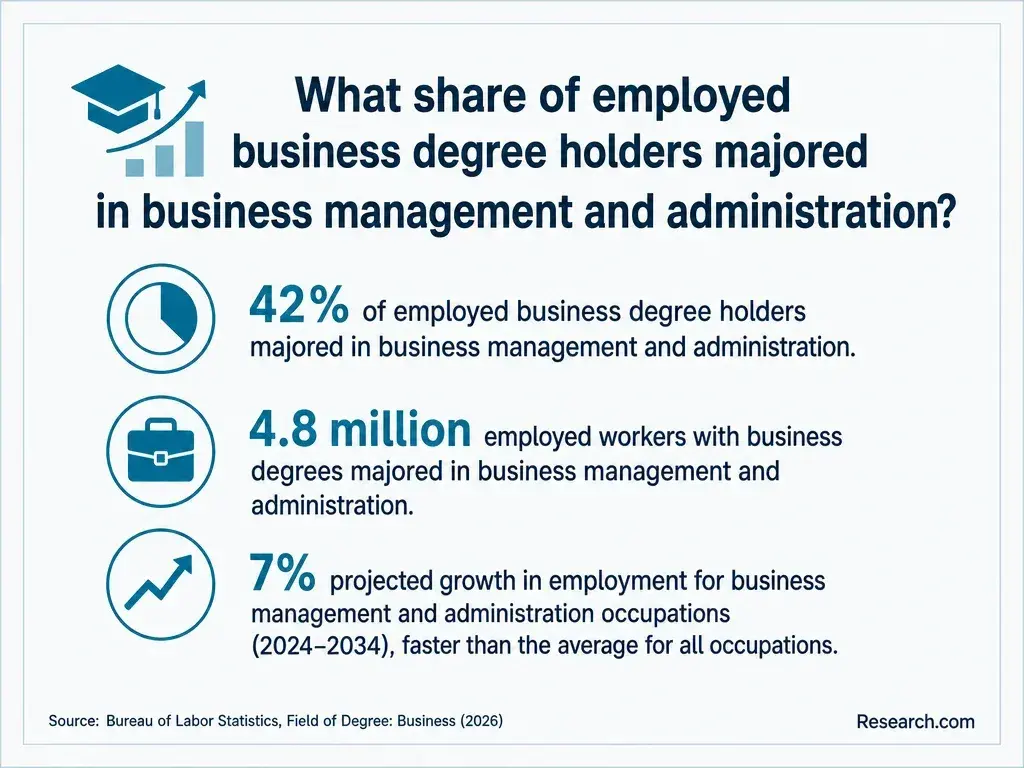
Does a BS in Business Administration Prepare You for Insurance Licensing?
A business degree can provide useful background in finance, marketing, business law, and communication. It generally does not replace a state's producer licensing process. Insurance exams test state-specific rules and the selected line of authority; a general business class may not cover those subjects at the required depth.
If your immediate objective is to become a producer, check your state regulator's requirements and prepare for the relevant exam directly. If you also want a bachelor's degree, treat licensing preparation and degree completion as related but separately scheduled projects. An accelerated business college program guide may help you assess faster academic formats, but a shorter degree calendar does not waive licensing steps.
Your state insurance department is the authority for the license you seek. Requirements can differ by state, line of authority, and resident or nonresident status. Check its current instructions for eligibility, any required prelicensing education, examination, application and background-check procedures, fees, renewal, continuing education, and insurer-appointment rules. Some activities involving securities-linked products may require additional registration or qualifications; a producer license alone may not be enough.
Confirm these requirements before buying a course or scheduling an exam, especially if you expect to work across state lines. Keep school-application expenses separate from licensing expenses: schools with zero-cost college applications may reduce one education cost, but they do not remove state licensing charges or requirements.
Choose courses against the work you want to do, not just the word "insurance" in a course description. For a producer, accounting and finance can improve interpretation of financial information; marketing and consumer behavior can support client outreach; statistics and spreadsheets can help assess retention or sales patterns. Business law and ethics can strengthen judgment, although neither substitutes for line-specific compliance training.
For agency operations, add management, information systems, and process improvement where available. Check whether those subjects are required courses, electives, or part of an official concentration - and whether choosing them adds credits or delays graduation. If your target is primarily organizational leadership rather than licensed sales, compare the curriculum with fast-paced online organizational leadership bachelor's programs; the better choice depends on the responsibilities you want to demonstrate, not the degree title alone.
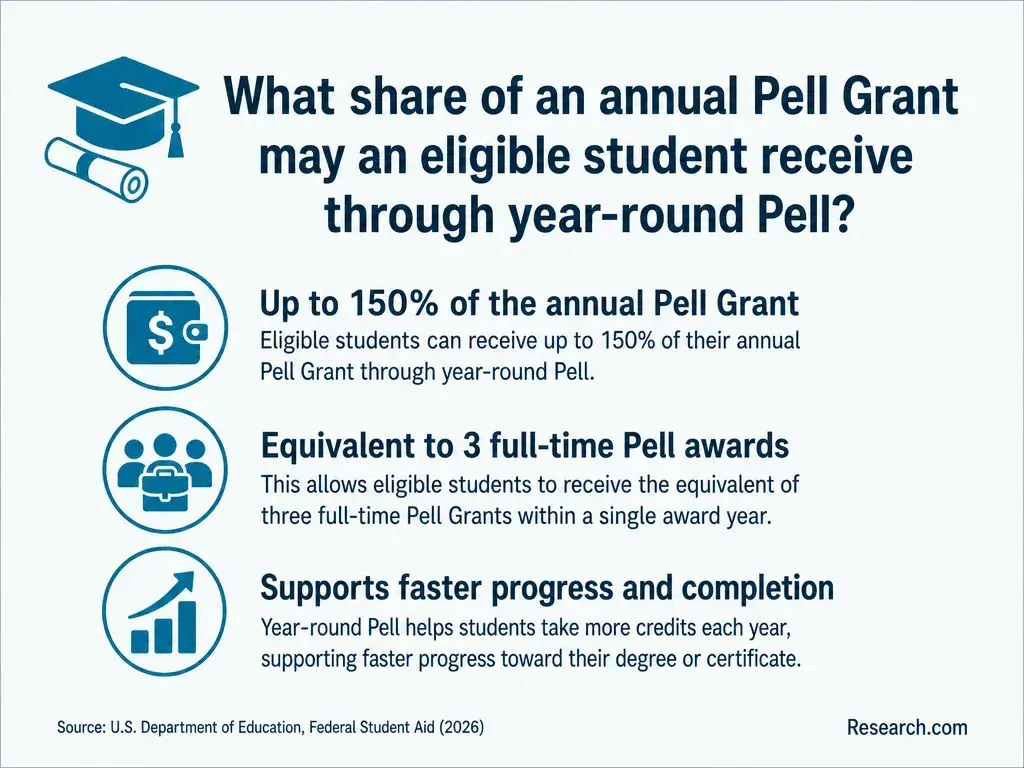
They can be, particularly if client appointments or agency hours make regular campus attendance difficult. Suitability depends on the course schedule, not the delivery label. Ask whether classes require live meetings, fixed-time exams, proctoring, group presentations, internships, or campus visits. Also check whether required business courses are offered often enough to support your intended pace.
Plan study time around renewals, peak work periods, and household commitments. An asynchronous course can still have firm weekly deadlines. If speed matters, compare bachelor's programs for faster completion with a sustainable part-time schedule; acceleration does not necessarily reduce total coursework or make assignments easier.
A bachelor's degree commonly involves approximately 120 semester credits, but the remaining time and price depend on the school's requirements, applicable prior credits, enrollment pace, and course availability. A producer with previous college study could have a very different completion plan from someone starting without college credit. No reliable personal cost estimate is possible until the school evaluates your record.
Compare schools using the same remaining-credit assumptions. Include tuition, mandatory fees, books and software, possible proctoring or travel costs, and any earnings you would give up to study. Ask when employer tuition assistance is paid and whether grades or continued employment affect it. Resources that compare shorter business administration college programs can help form a shortlist, but your written audit and current charges should determine the final comparison.
The strongest combination depends on your existing experience. A newly licensed producer may start in client-facing sales or service and use business coursework to build stronger reporting and communication skills. An experienced producer may use those skills when pursuing agency operations, sales-support, or supervisory opportunities. Employers will still assess actual results, judgment, and experience; the degree alone does not award a management role.
Other insurance-related jobs - including underwriting, claims, analytics, and project coordination - have different hiring criteria and may not require a producer license at all. If your real goal is project work rather than selling insurance, compare value-focused project management degree choices with a general business degree and relevant workplace projects before committing to a licensing-centered plan.
There is no single salary or growth rate for people who hold both credentials. Pay depends on the occupation, location, employer, experience, and - for some producer roles - how compensation combines salary and commissions. The US Bureau of Labor Statistics reports a $78,760 median annual wage for market research analysts in May 2025, with 7% projected employment growth from 2025 to 2035. Those occupation-wide figures describe one possible analytical path, not the expected pay or prospects of a new producer or business graduate.
Use the occupation matching your target duties when assessing earnings, and compare likely compensation with the cost of completing your degree. If you are weighing a different bachelor's path, such as project management, its financial aid packages for online project management bachelor's students are relevant to that alternative's net cost - not evidence that either degree will produce a particular salary.
How Can You Choose an Accredited Business Administration Program for Insurance?
Start by confirming the institution's accreditation, the exact degree awarded, and whether any claimed AACSB, ACBSP, or IACBE accreditation actually covers the business program you would enter. Institutional and business-program accreditation have different scopes; neither indicates that the degree satisfies state producer licensing requirements.
Next, compare written degree audits, relevant electives, online-course obligations, prior-learning policies, and total remaining cost. Ask an adviser whether an insurance-related workplace project could satisfy a course or capstone requirement, and obtain employer permission before using client or agency data. For a cost-conscious shortlist, online business education on a smaller budget is a starting point - not a substitute for comparing your own aid offer, approved credits, and path to graduation.
Other Things You Should Know About Business Administration
Generally, your license status is separate from college enrollment. An inactive license may, however, limit the insurance activities you can perform at work or use for an applied assignment. Confirm your status with the state regulator.
Do not assume so. Obtain required employer and faculty approvals, follow privacy and confidentiality rules, and use anonymized or hypothetical information when real records are not authorized.
No. Relevant business courses and documented insurance experience may serve your goal without a formal concentration. Compare the concentration's additional coursework with the skills your target employer expects.
Yes, if both are accurate and relevant. List the degree and license separately, including the license's state and line of authority, so employers do not mistake academic study for licensing eligibility.
- How to Become a Resident Producer / Illinois Insurance Agent https://idoi.illinois.gov/producers/licensescertificationsfaqs/become-resident-producer.html
- Continuing Education Requirements - NY DFS https://www.dfs.ny.gov/apps_and_licensing/agents_and_brokers/continuing_education
- Producer Licensing | kansas.gov https://www.insurance.kansas.gov/licensing/resident-producer-licensing
- Initial Insurance Producer Licensing Process | pa.gov https://www.pa.gov/agencies/insurance/licensing/licensees/initial-insurance-producer-licensing-process
- Producer Initial and Renewal Licenses | maryland.gov https://insurance.maryland.gov/Producer/Pages/Producer-Initial-and-Renewal-Licenses.aspx
- Types of Business Degrees: Your Complete Guide | UWA Online https://online.uwa.edu/news/types-business-degrees/
- Bachelor of Science in Business Administration, Insurance and Risk Management | Academics | UNLV https://www.unlv.edu/degree/bsba-insurance-risk-management
- Life and Health Insurance License Classes | bryantstratton.edu https://www.bryantstratton.edu/continuing-education/insurance-career-training/life-health/
- Insurance (Continuing Education) | Durham Technical Community College https://www.durhamtech.edu/continuing-education/insurance
- Program: Business Administration - Insurance and Risk Management, A.S. https://catalog.sfcollege.edu/preview_program.php