
2027 Can a Data Science Master's Help You Return to Work After a Career Break?

Co-Founder and Chief Data Scientist
A data science master's can help you return to work after a career break, but the degree alone will not close an employment gap. Its value depends on your previous work, the skills you need to refresh, and whether a program gives you credible projects and access to employers.
This guide helps career returners decide whether graduate study is the right route back - and, if it is, how to choose a program that supports a realistic target role.
Key Things You Should Know
- A master's is most useful when it closes a specific technical gap and gives you recent work to show employers; it is not a substitute for relevant experience or a job-search plan.
- Choose a target role before choosing a degree. Returning to an adjacent analytics role may be more practical than aiming immediately for a data scientist position.
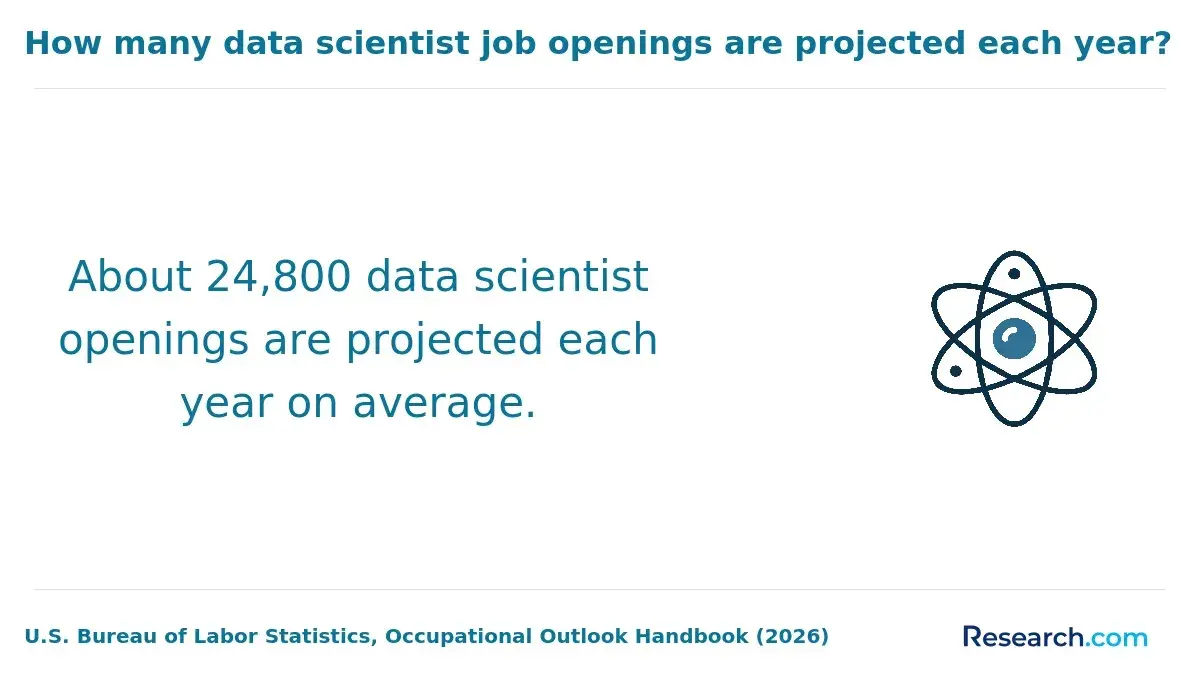
- The U.S. Bureau of Labor Statistics reports a $120,230 median annual wage for data scientists in May 2025 and projects 35% employment growth from 2025 to 2035. Neither figure predicts an individual returner's job offer or starting pay.
Can a data science master's help you return to work after a career break?
Yes - if the program solves a problem your existing experience and shorter training cannot solve as well. Graduate coursework can provide structured practice with current tools, feedback on technical work, and a recent record of completing demanding projects. Those benefits matter when a career break has left you without recent examples to discuss in interviews.
Start with your former occupation, not with a degree title. A former business analyst may already know how to turn stakeholder questions into useful metrics; a former software developer may bring programming and production-system experience; a former researcher may bring study design and statistical reasoning. The degree should build on those strengths while addressing identifiable gaps - not require you to start your career story over.
A master's is less compelling if you can demonstrate the required skills already and mainly need interview practice, a refreshed portfolio, or a professional network. It is also a risky choice if you have no target role: completing coursework does not establish which employers need your particular mix of old and new skills.
Before enrolling, test the transition in a sequence that produces evidence rather than just credentials:
- Review several current postings for one or two adjacent roles and note recurring skills you cannot yet demonstrate.
- Complete a small project using a question and data type relevant to your previous field; document your decisions, limitations, and results.
- Ask each prospective program how students access substantial projects, employer connections, and career support after a break.
- Compare the remaining skills gap with what the degree teaches and what a shorter course or independent project could cover.
What careers can you pursue with a master's in data science?
The most realistic first role may combine your earlier domain knowledge with new analytical skills. This comparison illustrates possible transitions, not jobs that a degree automatically qualifies you for.
| Previous experience | Potential target role | Experience to carry forward | Likely evidence to add |
| Operations or business analysis | Data analyst or analytics specialist | Metrics, process knowledge, stakeholder communication | SQL, reproducible analysis, clear visualizations |
| Software development | Data engineer or machine learning engineer | Programming, testing, production practices | Data pipelines or model-deployment projects |
| Research or quantitative work | Data scientist or applied statistician | Research design, interpretation, subject expertise | Programming and applied modeling with documented validation |
Job titles vary by employer. Compare actual responsibilities before selecting electives: a data scientist posting centered on experimentation calls for different preparation than a data engineering posting centered on pipelines. If your goal is specifically AI development rather than broad data analysis, compare affordable AI graduate degrees against data science options using curriculum and total cost, not the degree name alone.
What skills do data science master's programs teach?
Programs commonly address programming, statistics, data management, machine learning, and communicating results. For a career returner, the question is not whether these topics appear in a brochure. It is whether you will practice them at a level that lets you explain your work to an employer.
Look for assignments that require you to obtain and clean data, select and evaluate an appropriate method, and communicate its limits to a nontechnical audience. If your past job involved clients, patients, operations, or policy, that domain judgment can make a technically sound analysis more useful. Meanwhile, current AI tools make it especially important to show that you can check data quality, evaluate outputs, and justify decisions rather than merely generate code.
What are the admission requirements for a data science master's?
Requirements vary by institution. Programs may assess prior coursework, quantitative preparation, programming experience, transcripts, recommendations, or written application materials. Some teach foundational topics within the degree; others expect applicants to arrive ready for graduate-level statistics and coding. A career break does not, by itself, tell you whether you qualify.
Check the published requirements of each program and ask admissions staff how they assess older coursework and recent self-study. A completed project can demonstrate readiness, but it may not satisfy a formal prerequisite. If application paperwork is a barrier, machine learning master's options with no admissions statement may be worth examining; an omitted essay does not mean omitted academic requirements.
How long does a data science master's take and cost?
There is no reliable single timeline or price for every program. Required credits, course availability, full- or part-time enrollment, and project requirements determine how long completion takes. For a returner, the relevant timeline also includes the time needed to build interview-ready work and search for a job.
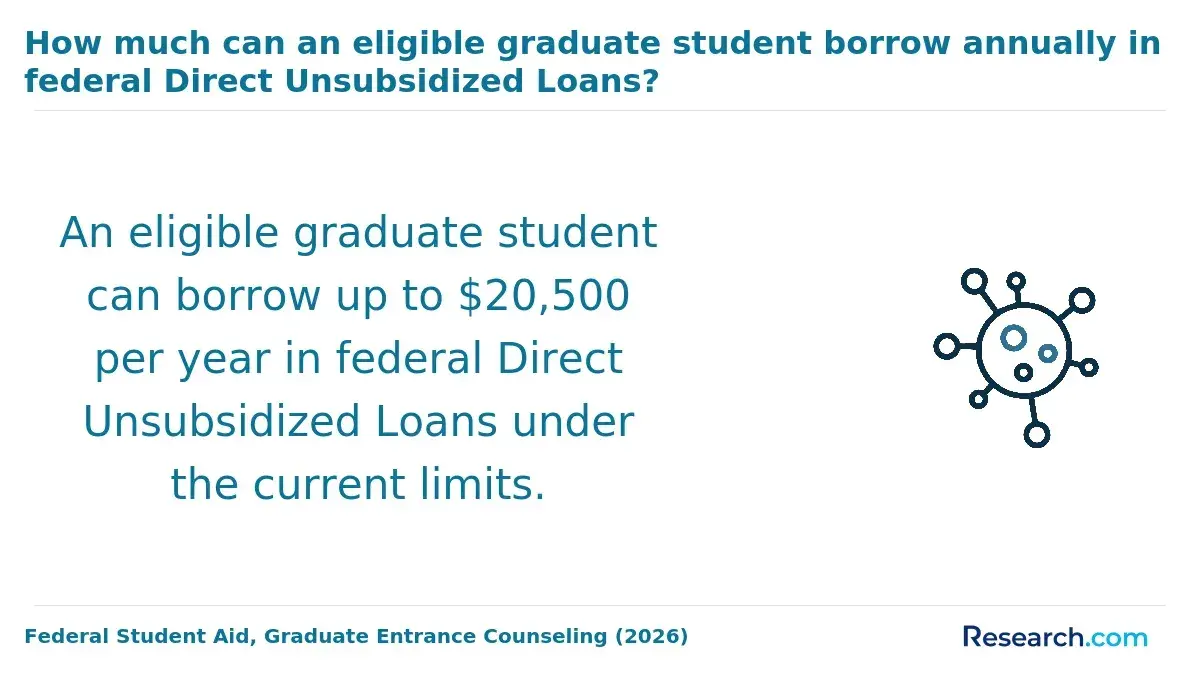
Compare the total cost to completion, not tuition alone: include mandatory fees, materials or computing costs, travel if required, and the income you may give up by reducing paid work. Ask whether tuition changes by residency or enrollment pace and whether employer assistance or eligible financial aid applies. The graduate data science financial aid guide can help you identify financing questions to resolve before committing. Borrowing is harder to justify when the program cannot show how its coursework and support connect to your target role.
Is an online or campus data science master's better for career returners?
Neither format is inherently better. The better choice is the one that lets you complete rigorous work while accessing the people and projects you need for your return. An online program may fit caregiving or paid work; a campus program may make in-person collaboration easier. Both can include substantial group work.
When reviewing low-cost online data science master's programs, check whether courses meet live, whether group projects cross time zones, and whether career services are available to remote students. For campus options, ask how often attendance is required and whether the schedule works alongside your obligations. A flexible format has limited value if it prevents you from finishing projects or participating in recruiting.
How can you choose an accredited data science master's program?
Verify that the institution holds recognized institutional accreditation using its accreditor's current directory. Then assess the specific program separately: institutional accreditation does not establish that its data science curriculum, career services, or graduate outcomes meet your needs. If you will study across state lines, confirm that the institution can enroll students where you live.
A useful program comparison starts with evidence you can inspect: required courses, examples of project work, instructor feedback, access to computing resources, and career services for students with prior professional experience. Ask whether published employment results separate career changers from continuing professionals and whether the school reports how many graduates responded. Treat rankings and broad salary claims as weaker evidence than a clear match between the program and your skills gap.
What coursework should a data science master's program include?
For a return to work, prioritize coursework that produces demonstrable ability: statistical inference, programming and SQL, data cleaning, model evaluation, and communication. A substantial applied project can connect these skills to your previous industry. Ask to see project expectations, not just course titles; a topic mentioned in one module is different from one practiced throughout a course.
Match electives to the jobs you identified. If postings emphasize building reliable pipelines, examine whether the program teaches data architecture and production practices. AI graduate curricula with data systems coverage offer a useful comparison for that goal. If postings instead emphasize experiments or forecasting, seek repeated practice in those methods. A common mistake is choosing the most fashionable elective while leaving the core skill required by your target employers unaddressed.
What salary can you earn after a data science master's?
The U.S. Bureau of Labor Statistics reports that data scientists had a median annual wage of $120,230 in May 2025. That is an occupation-wide figure - not a starting salary, a figure specific to master's graduates, or an estimate of the wage increase caused by earning a degree.
Your offer would depend on the role, location, employer, technical evidence, and experience you bring back to work. For a financial decision, compare plausible openings you could pursue with and without the degree, then weigh any potential change in earnings against total education costs and time out of paid work. Do not calculate a payback period by assuming you will receive the occupation-wide median immediately after graduation.
What is the job outlook for data science careers?
The U.S. Bureau of Labor Statistics projects 35% employment growth for data scientists from 2025 to 2035. That signals expanding demand for the occupation overall, but it does not measure hiring prospects for career returners or guarantee that graduate-level applicants will face little competition.
Use the outlook as context, then examine current openings that match your background and location. Look at required experience, tools, and domain knowledge. If few postings fit your present profile, an adjacent analyst role or a project-based return may be a more credible first step than waiting for the degree to make you competitive for every data scientist vacancy.
Other Things You Should Know About Data Science
Give a brief, factual explanation, then move to your relevant experience and recent work. You do not need to turn the break into an apology; be ready to explain what you can do in the role now.
Yes, if they are relevant and you can explain your own contribution. Describe the problem, methods, results, and limitations. Label academic work accurately rather than presenting it as paid employment.
Not without appropriate permission. Use public or properly de-identified data instead, and avoid disclosing former employers' private information, even when describing an otherwise valuable project.
Check each employer's requirements. A recent instructor or project supervisor may be able to speak to your current skills, while a former manager can address your earlier work. Ask references in advance what they can credibly discuss.
References
- Tuition, Fees, & Aid - UChicago Data Science Institute https://datascience.uchicago.edu/education/tuition-fees-aid/
- 12 Data Science Skills (+10 Hard-Won Career Lessons) | Syracuse University https://ischool.syracuse.edu/data-science-skills/
- What You Can Do with a Master's in Data Science and Artificial Intelligence | Harvard Extension School https://extension.harvard.edu/blog/what-you-can-do-with-a-masters-in-data-science-and-artificial-intelligence/
- How to Relaunch Your Career With a Returnship | UW Professional & Continuing Education https://www.pce.uw.edu/news-features/articles/relaunch-your-career-with-returnship
- MS Data Science - Notre Dame financial aid https://financialaid.nd.edu/apply-or-renew/graduate-students/graduate-program-costs/ms-data-science/
- Lifetime Returns to Obtaining a Master's Degree | Marriner S. Eccles Institute for Economics https://marriner.eccles.utah.edu/lifetime-returns-to-obtaining-a-masters-degree/
- What Can I Do With a Degree in Data Science? Career Paths & Skills | Harvard SEAS https://seas.harvard.edu/news/what-can-i-do-degree-data-science-career-paths-skills
- Online vs. In-Person College: What Employers Really Think About Each - CityU of Seattle https://cityu.edu/online-vs-in-person-college/
- 10 Skills You Need to Succeed as a Data Scientist | Intuit Blog https://www.intuit.com/blog/innovative-thinking/data-science-skills/


