2027 Best Value Online Health Education Master's Degrees: Affordable Accredited Programs with the Highest ROI

Co-Founder and Chief Data Scientist
Choosing an online health education master's degree often involves balancing costs, credibility, and clear career benefits. For many, the challenge lies in finding programs that maintain rigorous accreditation without burdening students with excessive debt. Recent data from the National Center for Education Statistics shows a 12% rise in graduate enrollment among adult learners since 2022, signaling growing demand for flexible, reputable options that accommodate work and life commitments.
This trend highlights how timing and accessibility weigh heavily on candidate decisions. Understanding which programs offer the strongest return on investment can prevent costly missteps and optimize long-term career trajectories.
Key Things to Know About the Best Value Online Health Education Master's Degrees
- Programs balancing tuition affordability against limited specialization options highlight a cost-access tradeoff, guiding candidates to prioritize core competencies over niche expertise when budgets constrain choices.
- Accredited degrees signal adherence to evidence-based curriculum standards, meeting employer expectations in public health sectors and enhancing job market competitiveness amid rising credential scrutiny.
- Growing demand for online learning from working adults, validated by National Center for Education Statistics 2024 data showing a 12% enrollment increase, underscores the necessity of timing-flexible formats for career mobility.
What Are the Best Value Online Health Education Master's Programs in the U.S.?
Best value in an online health education master's program is not simply about the lowest tuition sticker price but hinges on a nuanced balance of accredited curriculum quality, realistic graduation rates, and measurable salary growth after degree completion. For instance, a working professional weighing the decision might encounter a program with lower tuition yet extended time to degree completion due to less institutional support, ultimately incurring higher indirect costs and delayed salary benefits.
Conversely, a slightly higher-priced program with robust alumni services and stronger employer recognition can accelerate career returns and minimize opportunity costs. Each choice reflects a strategic tradeoff between upfront financial investment and long-term workforce relevance within public health systems and wellness initiatives.
- University of Central Florida: Estimated total tuition around $17,000; fully asynchronous delivery; features a curriculum designed for working professionals with flexible pacing and strong community health emphasis.
- University of Florida: Approximately $23,000 total tuition; mostly asynchronous with some synchronous components; known for robust integration with statewide health initiatives and research opportunities.
- Indiana University Bloomington: Roughly $27,500 total tuition; asynchronous format; distinguished by its focus on applied behavioral health and extensive alumni network supporting career placement.
- University of North Carolina at Greensboro: Tuition near $29,000; blended synchronous and asynchronous; offers specialized tracks in school health and global health education frameworks.
- Northeastern University: Around $34,000 total tuition; synchronous online sessions; emphasizes experiential learning and leadership skills aligned with urban health challenges.
This comparison highlights major academic metrics such as accreditation, graduation performance, tuition levels, salary growth, and learning delivery formats. These elements provide a balanced view of program quality, cost, and flexibility.
- Accreditation: All listed programs hold Council on Education for Public Health (CEPH) or equivalent accreditation, ensuring academic and professional standards.
- Graduation Rates: Program completion ranges from 70% to 85%, reflecting diverse student commitments and institutional support systems.
- Post-degree Salary Lift: Graduates report average salary increases between 15% and 30% within three years of graduation, varying by geographic region and prior experience.
- Delivery Format: Programs adapt delivery modes to support adult learners balancing work and study, offering asynchronous options for flexibility and synchronous for interactive engagement.
- Data Sources: Information is drawn from IPEDS data, university reports, and verified accreditation bodies, reflecting the 2023-2024 academic year tuition and outcomes.
Prospective students identifying the best value online health education master's programs in the U.S. should weigh affordable accredited health education master's degrees with highest ROI carefully against their personal schedules and career goals. In parallel, those also exploring clinical pathways might consider reviewing online FNP programs as a potential alternative or complement to public health education credentials depending on workforce demand and employer preferences.
What Accreditations Should an Online Health Education Master's Program Have?
Choosing a master's program without verifying accreditation can risk wasting tens of thousands of dollars and potentially limit career advancement. For instance, a graduate from a program lacking recognized regional accreditation may find their credits non-transferable and face barriers to federal financial aid and employer acceptance, undermining long-term career prospects.
Online health education master's programs are regulated through a two-tier accreditation system. First, institutional accreditation, granted by one of seven regional agencies like the Higher Learning Commission (HLC), Southern Association of Colleges and Schools Commission on Colleges (SACSCOC), or Middle States Commission on Higher Education (MSCHE), confirms the institution's overall academic standards. This accreditation is essential for federal financial aid eligibility, credit transferability, and recognition by employers and other universities.
Second, programmatic or specialized accreditation targets discipline-specific quality and relevance. For health education and related fields such as public health, accreditation from bodies like the Council on Education for Public Health (CEPH) signals that a program maintains industry standards and current best practices, often influencing certification eligibility and employer perception.
Some related fields might seek AACSB (business-related) or CACREP (counseling) accreditation, but these are less common in health education. Programs accredited only by national organizations that lack recognition from the U.S. Department of Education or the Council for Higher Education Accreditation (CHEA) pose significant red flags, often limiting financial aid access and professional respect.
Before committing to a program, prospective students should confirm these accreditation details by asking admissions representatives these critical questions:
- Regional Accreditation: Is your institution accredited by a recognized regional agency?
- Programmatic Accreditation: Does the program hold specialized accreditation relevant to health education or public health?
- Recognition: Are your accreditations acknowledged by the U.S. Department of Education and CHEA?
- Outcomes: What are your alumni's job placement rates and certification success?
How Much Does an Online Health Education Master's Degree Cost on Average?
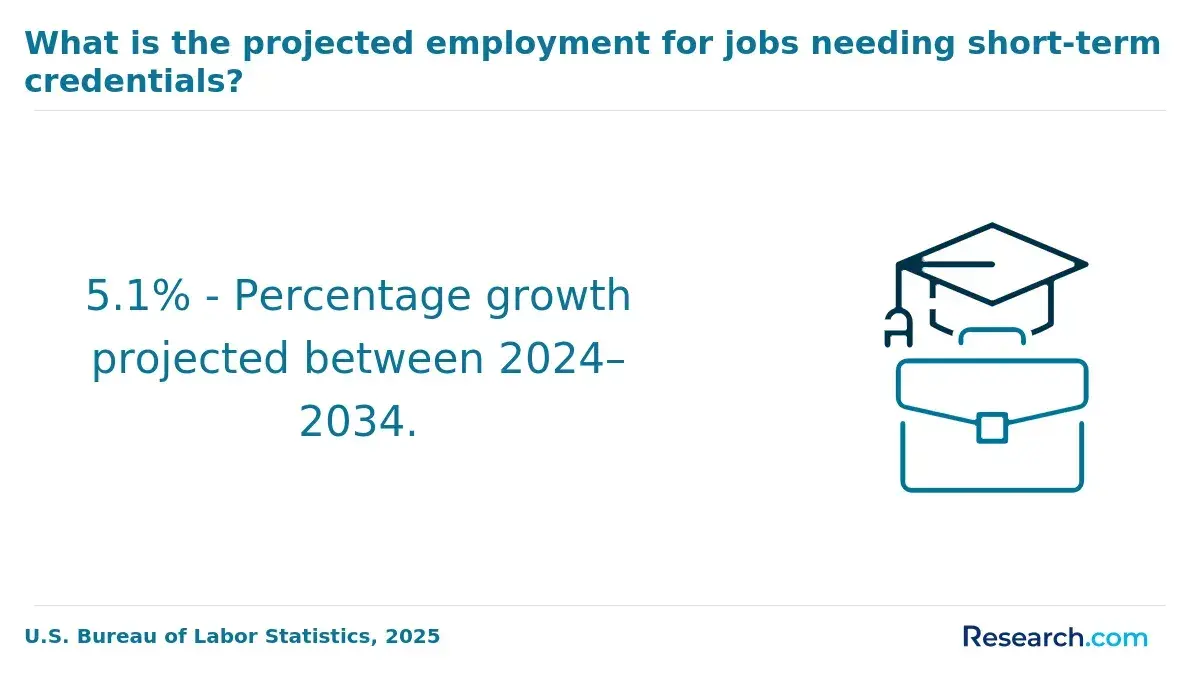
The total cost of an online health education master's degree typically falls between $15,000 and $45,000, with per-credit tuition ranging from around $400 to $1,200 based on publicly reported data from IPEDS and institutional websites. This variation reflects not only institutional type but also residency status and program design, factors that influence the financial burden on students weighing affordability against program quality.
Working professionals seeking flexibility may face higher expenses because some private programs charge flat rates irrespective of residency, while public institutions can offer significantly lower in-state tuition rates but often impose extra fees for out-of-state learners.
Beyond tuition, several frequently overlooked costs affect the overall investment. These include technology fees, usually between $50 and $200 per term, which cover access to online learning platforms; mandatory administrative and student service fees adding several hundred dollars annually; and thesis or capstone project fees that can range from $300 to $1,000 depending on institutional resources.
Additionally, many programs charge per-exam proctoring fees, typically $30 to $70, which are rarely included in the published tuition figures. Some programs also require brief in-person residencies, incurring travel and accommodation expenses that may not be apparent upfront.
- Tuition Variation: Public universities often charge $400-$700 per credit hour for in-state students, with out-of-state rates increasing 20%-50%, while many now offer flat tuition for all online learners.
- Private vs. Public: Private and nonprofit institutions generally command $800-$1,200 per credit hour with no residency discount.
- Mandatory Fees: Technology, administrative, and student service fees typically add several hundred dollars annually.
- Thesis/Capstone Fees: Range from $300 to $1,000 depending on program requirements.
- Proctoring Fees: Usually $30-$70 per exam, often separate from tuition costs.
- Residency Requirements: Some programs require brief on-site sessions, increasing total expenses through travel and lodging.
First-generation students and career-changers should carefully factor these detailed cost components into budgeting decisions, balancing upfront expenses with long-term gains achievable through roles that value this credential. While the average tuition and fees for health education master's programs can seem steep, transparent cost assessment enables realistic planning and reduces the risk of unexpected financial strain.
Prospective students should also recognize how specialization impacts employability and earning trajectories-similar to the transparent outlook provided for positions tied to a certified medical coder salary, understanding the financial and practical commitments of a health education master's is critical for informed career pivots.
What Is the Return on Investment (ROI) of an Online Health Education Master's Degree?
The financial return on investment (ROI) of an online health education master's degree depends heavily on how graduates translate advanced credentials into higher salaries relative to costs. ROI can be calculated by subtracting total program expenses from the salary increase after graduation, then dividing this difference by the program cost-expressed as a percentage or a payback period in years.
Typically, roles secured post-degree, such as health educators or community health managers, see median salaries rise from roughly $45,000-$55,000 before the degree to $60,000-$75,000 afterward, according to Bureau of Labor Statistics and PayScale data. Several variables critically influence this financial outcome:
- Work Experience: Candidates with prior relevant experience often secure higher post-degree wages, shortening ROI timelines.
- Institution Prestige: Alumni from more reputable, accredited programs generally receive stronger salary offers due to employer recognition.
- Regional Demand: Local labor market conditions drastically impact job availability and compensation, with some regions offering premiums for health educators.
- Specialization: Focus areas like public health policy or chronic disease management can open doors to leadership roles with better pay.
Besides financial metrics, non-monetary benefits-including increased eligibility for promotions, enhanced career flexibility, and job security amid evolving healthcare needs-significantly shape the degree's overall value. These qualitative returns should be weighed alongside salary potential to determine fit for individual goals.
What Are the Admission Requirements for an Online Health Education Master's Program?
Admission to online health education master's programs reflects a balance between academic standards and practical workforce demands, affecting candidate competitiveness and program fit. For professionals with nontraditional backgrounds, meeting these requirements impacts both their eligibility and ability to demonstrate relevant competencies.
- Undergraduate GPA: A baseline cumulative GPA of approximately 3.0 on a 4.0 scale is typical, although some programs may consider applicants with lower GPAs if offset by strong professional experience.
- Letters of Recommendation: Two to three endorsements from academic or workplace supervisors are usually required to validate an applicant's preparedness for graduate-level health education challenges.
- Statement of Purpose: Applicants must present a succinct, focused essay outlining their motivation, career objectives, and how the program aligns with their professional goals.
- Resume or CV: Comprehensive documentation of relevant work experience-especially in health, education, or community roles-is critical to establish practical readiness.
- Standardized Tests: Although GRE or GMAT scores have historically been requested, an increasing number of programs now waive these tests, reflecting shifts in admission philosophy that emphasize holistic evaluation.
- Prerequisite Coursework: Many programs expect foundational coursework in biology, statistics, or public health, signaling the importance of quantitative skills in technical health education curricula.
Given the variability in admission criteria across accredited programs, applicants should strategically apply to a diverse array of options-including reach, match, and safety schools-to optimize their chances while balancing affordability and program outcomes. This approach is particularly relevant for first-generation students and career changers navigating complex educational and financial decisions.
What Is the Minimum GPA Requirement for a Health Education Master's Program?
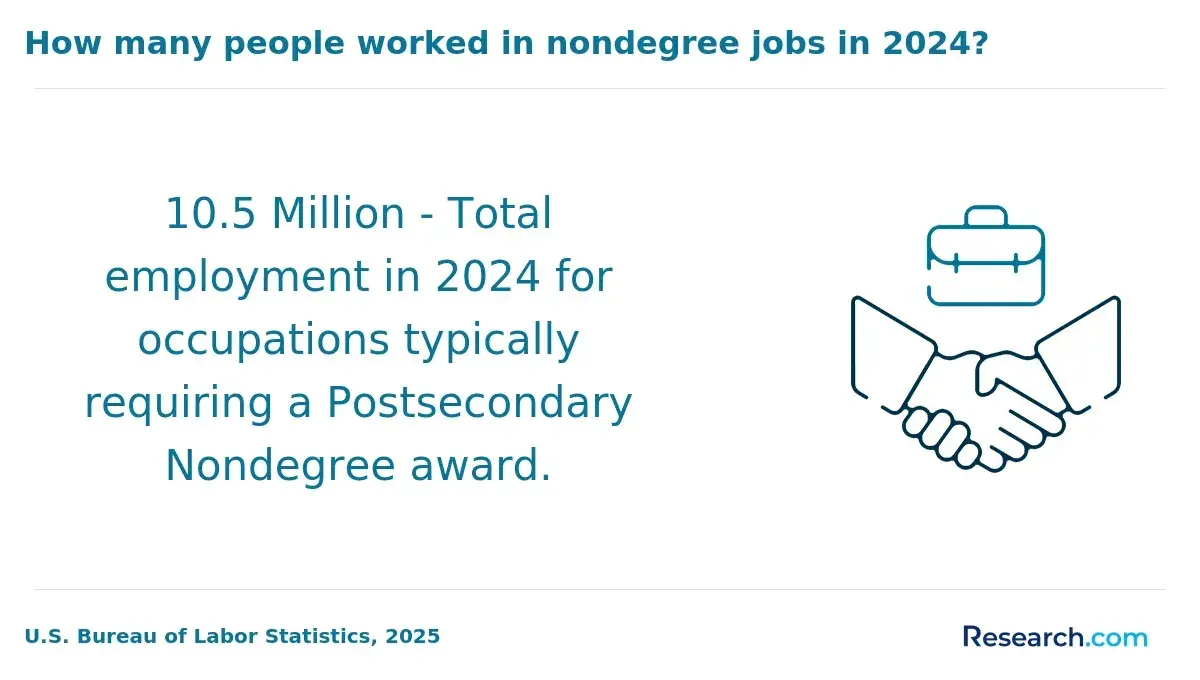
Applicants with GPAs below these thresholds still have viable pathways through conditional admission or by leveraging GPA waivers. Many programs recognize professional experience, portfolios, or standardized test scores like the GRE to make exceptions. For example, a working professional returning to school who struggles with a lower GPA might gain entry by demonstrating relevant career accomplishments or passing prerequisite coursework. Such holistic review processes also weigh letters of recommendation and personal statements, acknowledging the multidimensional nature of applicant potential.
Choosing programs with transparent GPA criteria is crucial for first-generation graduate students and career changers seeking the best return on investment. Prospective students can also explore related credentials like the FNP post master's certificate for complementary career flexibility in health fields.
- Minimum Eligibility: Most programs consider GPAs typically from 2.75 to 3.0 as the floor for review but do not guarantee acceptance at this level.
- Competitive GPA: Accepted students usually have GPAs at or above 3.2; meeting this improves chances significantly.
- GPA Waivers: Professional experience, portfolios, or standardized test scores can substitute for GPA deficiencies in many programs.
- Conditional Admission: Some institutions admit students below cutoff with prerequisites or performance conditions.
- Holistic Review: GPA is weighed alongside work history, recommendations, and personal statements to assess overall fit.
What Financial Aid Options Are Available for Online Health Education Master's Students?
Graduate students pursuing an online master's in health education often face constrained funding options that demand strategic planning to avoid unsustainable debt. Unlike undergraduate aid, federal grants such as Pell Grants are largely inaccessible, a reality that catches many first-generation students off guard and underscores the need to focus on loan types and alternative support mechanisms early in the process.
- Federal Loans: The primary federal aid comes from Direct Unsubsidized Loans and Graduate PLUS Loans. These loans have distinct eligibility criteria and repayment terms that can significantly impact post-graduation financial flexibility, making thorough understanding essential before borrowing.
- Institutional Scholarships and Fellowships: Many programs award merit-based scholarships or fellowships that do not require repayment but often involve stringent application deadlines and documentation of academic or professional excellence.
- Employer Tuition Reimbursement: For working professionals, employer-sponsored tuition assistance can substantially reduce personal costs, though it often requires committing to continued employment or achieving specific service milestones.
- Graduate Assistantships: Some online programs offer assistantships that include tuition waivers or stipends, but these are limited and typically competitive, so early inquiry is prudent.
- External Scholarships: Health education associations frequently provide scholarships targeted at underrepresented groups or career-changers, supplementing other aid but usually demanding well-crafted applications.
Completing the FAFSA promptly is critical for establishing eligibility, as it determines the Student Aid Index-a key metric replacing the earlier Expected Family Contribution-and shapes loan limits and opportunities. Beyond federal aid, applicants should proactively research grants specific to their discipline or state, negotiate financial aid packages where possible, and apply early to maximize funding options.
How Long Does It Take to Complete an Online Health Education Master's Degree?
Completion time for an online health education master's degree hinges on balancing academic load with work and life obligations, a common tension for part-time graduate students who represent the majority of enrollees. Full-time students generally finish in 18 months to 2 years, aligning with traditional full-time workforce entry points. However, many working professionals and career-changers take 2.5 to 4 years, extending enrollment to manage existing commitments and reduce burnout. This tradeoff impacts not only time-to-degree but also financial outlay and potential career momentum.
- Credit Hour Requirements: Most programs require 30 to 45 credit hours, shaping duration based on semester course loads and institutional pacing.
- Course Load Per Semester: Heavier course loads shorten timelines but increase stress and risk of lower academic performance, while lighter loads prolong completion.
- Transfer Credits: Acceptance of prior graduate coursework varies widely, with some institutions allowing credit that can reduce time and cost significantly.
- Program Format: Cohort-based programs impose fixed schedules which can slow progress if a student falls behind, whereas self-paced formats allow motivated learners to accelerate.
- Accelerated Programs: Some programs offer completion in as little as 12 months; though faster, accreditation and employer recognition weigh more heavily on long-term value than simply speed.
- Thesis or Capstone: Projects or research theses can add one or two semesters depending on individual pace and faculty support availability.
Recent enrollment patterns indicate increasing demand across healthcare systems for master's-prepared health educators capable of advancing public health initiatives. Graduates should evaluate programs not just on duration but quality and recognition, as these factors directly affect employability and return on investment in a competitive labor market. Likewise, some fields linked to health education, such as nursing pathways offering acute care certification for FNP, exemplify the importance of aligning credential timelines with career goals and employer expectations.
Understanding the average time to complete a health education master's program in the US facilitates informed decision-making about enrollment intensity and career planning aligned with personal circumstances and workforce realities.
What Specializations or Concentrations Are Available in Online Health Education Master's Programs?
Specializations within online health education master's programs critically shape the trajectory and financial outcome of graduates' careers. The choice of concentration defines not only the expertise a student acquires but also the types of roles and salary ranges they can access, marking an important distinction between generalist credentials and targeted qualifications.
A graduate focusing on health policy and management is more likely to pursue leadership or administrative roles within healthcare organizations, while community health promotion specialists often engage directly in designing public initiatives. Many programs require early declaration of a concentration, which can streamline curriculum and experiential learning toward those specific outcomes, though some offer flexible, generalist tracks with elective options for customization.
Common specializations offered across accredited online health education master's programs in the United States typically include:
- Community Health Promotion: Focuses on designing and implementing programs that improve health outcomes at the population level.
- Global Health Education: Addresses health challenges in international contexts, emphasizing epidemiology and cross-cultural communication.
- Health Policy and Management: Concentrates on regulatory, administrative, and organizational aspects of health systems.
- School Health Education: Prepares professionals to deliver comprehensive health curricula within educational institutions.Workplace Health and Wellness: Focuses on occupational health programs aimed at improving employee well-being and productivity.
- Public Health Informatics: Integrates data management and technology solutions to enhance health education and service delivery.
- Chronic Disease Prevention: Specializes in strategies and interventions for reducing chronic illness prevalence.
- Mental Health Education: Emphasizes promoting mental wellness and educating communities on psychological health issues.
Aligning program choices with research on affordable health education concentrations with highest career ROI involves examining job postings for preferred specializations in target labor markets. Not all concentrations provide equal employment advantages, so speaking with alumni or program advisors is essential to gauge real-world outcomes. This data-driven decision approach helps mitigate costly mismatches between educational investment and professional returns.
Key accreditation and credibility factors to consider include:
- Accrediting Bodies: Council on Education for Public Health (CEPH), National Commission for Health Education Credentialing (NCHEC)
- Program Format: Fully online with synchronous, asynchronous, or hybrid delivery options
- Faculty Credentials: Experienced instructors with practical and research expertise in public health
- Outcome Transparency: Availability of graduation rates, employment metrics, and alumni feedback
For those interested in intersecting pathways within psychology and health, fewer studies explore specialized options beyond health education, but resources such as forensic psychology graduate programs online illustrate similar market-focused educational tailoring approaches across disciplines.
How Do Online Health Education Master's Programs Compare to On-Campus Programs in Quality and Recognition?
Employer perception remains a critical factor when weighing online versus on-campus health education master's programs. Recent surveys, including those by the Society for Human Resource Management (SHRM) in 2024, indicate that the majority of hiring managers do not differentiate between degrees earned online or on-campus if the degree comes from the same regionally accredited institution. This underscores accreditation as the principal equalizer: a regionally accredited program carries the same credential value regardless of delivery method, especially when diplomas omit modality-specific notation. However, real-world workforce dynamics highlight nuanced tradeoffs.
On-campus students benefit from organic networking with peers and recruiters, as well as direct access to campus career fairs and on-site practicum or lab experiences essential in applied health education fields. Meanwhile, many online programs have adapted by offering virtual networking events, employer partnership initiatives that facilitate job placements, and hybrid formats requiring occasional in-person residencies to address practical skills training. For working professionals balancing time and location constraints, these hybrid models can offer a viable alternative without sacrificing employability.
Rather than focusing exclusively on modality, prospective students should prioritize institutional reputation and measurable graduate outcomes, using tools like LinkedIn to verify alumni career trajectories. Earnings for health education master's holders typically vary by specialization but can range broadly-many graduates report salaries between $60,000 and $90,000, reflecting demand in healthcare systems nationwide. In a hiring landscape increasingly driven by verified skills and outcomes, the choice of program should align with professional goals, learning preferences, and access to career supports.
- Accreditation: Regional accreditation ensures comparable credential quality regardless of program delivery and is vital for employment legitimacy.
- Employer Perception: Most hiring managers in 2024 treat online and on-campus degrees equivalently from accredited universities, minimizing modality stigma.
- Networking: On-campus offers direct employer interactions; online programs offset this with virtual events and employer partnerships.
- Practicum Access: Applied health education often requires hands-on training; hybrid residencies or partner placements help online students meet this need.
- Institution Focus: The school's graduate outcomes and industry connections more significantly impact career prospects than whether a program is online or on-campus.
What Graduates Say About the Best Value Online Health Education Master's Degrees
- Landen: "Balancing a full-time job and family responsibilities meant I had very limited time, so I chose an affordable, accredited health education program known for its flexible schedule. The program's focus on practical skill development helped me build a strong portfolio while completing a part-time internship remotely. Though I initially hoped to move into clinical roles, I quickly learned that many employers valued hands-on experience and certifications more than the degree alone, so my strategy shifted toward gaining those credentials alongside the degree."
- Nicholas: "After deciding to pivot from a non-healthcare field, cost was a major constraint, so I went with one of the highest ROI health education master's programs with affordable tuition. The curriculum was rigorous, but the networking opportunities and career support helped me land an internship that directly led to a full-time position in community health outreach. However, I've noticed salary growth is somewhat capped without licensure, which I didn't pursue, so I'm planning additional certifications to stay competitive."
- Maverick: "I chose an accredited, budget-friendly health education program because I needed remote options while managing a busy work schedule. The program's emphasis on real-world case studies gave me the confidence to apply for educational coordination roles, many of which value internship experience over licensure. While I initially aimed for a management track, I realized some advancement opportunities require additional credentials, which I'm now considering based on how demanding my current workload is."
Other Things You Should Know About Health Education Degrees
Beyond tuition, students often face fees for technology access, licensing exam preparation, and required fieldwork placements, which can add substantial unanticipated expenses. Some programs require students to provide their own transportation for internships or certifications that are mandatory to practice professionally, further increasing costs. Decision-makers should budget for these additional expenses upfront and seek programs with transparent cost disclosures to avoid financial strain during their studies.
Most programs rely on learning management systems that require reliable, high-speed internet and proficiency with digital collaboration tools like video conferencing and discussion boards. This can pose challenges for students in areas with limited connectivity or those balancing work and study, as synchronous sessions or intensive multimedia assignments may demand a flexible schedule and robust hardware. When selecting a program, individuals should assess their own tech accessibility and time availability in relation to the course delivery format to ensure they can fully engage with the curriculum.
Choosing a program requires a clear understanding of your target role and employer expectations, particularly regarding specialized certifications or experience components integrated into the curriculum. Students aiming for leadership or public health advocacy roles should prioritize programs offering opportunities for applied research, policy analysis, and strategic communication training. Those focused strictly on community-based health promotion might emphasize hands-on practicums and partnerships with local health organizations. Aligning program strengths with long-term career trajectories is critical to avoid earning a degree that doesn't enhance employability or salary potential in the chosen niche.
References
- Health Professions Education - Future graduate students https://grad.usask.ca/programs/health-professions-education.php
- Online Master's in Public Health (MPH): Review Top Programs https://www.degreesforgood.org/online-degrees/public-health-programs/masters-mph/
- The Online College Students' Guide to Financial Aid https://www.edumed.org/financial-aid/
- Financial Aid Guide https://www.publichealth.org/resources/financial-aid/
- Is Grad School Worth It? A Comprehensive Return on Investment Analysis - FREOPP https://freopp.org/whitepapers/is-grad-school-worth-it-a-comprehensive-return-on-investment-analysis/
- Financial Aid For Online Colleges https://www.affordablecollegesonline.org/financial-aid/financial-aid-for-online-colleges/
- Best Master’s in Health Education Online Programs for 2025 https://www.onlinemastersdegrees.org/best-programs/health-education/
- M.Ed. in Health and Wellness Education | ACE https://ace.edu/degree-programs/masters-degrees/masters-healthcare/master-of-education-in-health-and-wellness-education/
- Master of Public Health Online https://www.unthealth.edu/tcom/public-health/master-of-public-health-online.html
- 25 Most Affordable Online MPH Programs - MPH Online https://www.mphonline.org/most-affordable-online-mph-programs/