2027 Best Value Online Cinematography Master's Degrees: Affordable Accredited Programs with the Highest ROI

Co-Founder and Chief Data Scientist
Choosing an online cinematography master's program involves balancing affordability, accreditation, and career impact-a challenge amplified by the rising cost of graduate education. As enrollment in online graduate programs grew by over 12% in 2023 according to the National Center for Education Statistics, demand reflects both the need for flexible learning and the pressure to maximize return on investment. For students navigating these options, identifying programs that align with professional standards while minimizing financial burden is essential. This analysis equips prospective students with clear criteria to discern which affordable accredited programs offer the strongest pathways to meaningful career advancement in cinematography.
Key Things to Know About the Best Value Online Cinematography Master's Degrees
- Programs balancing affordability with regional accreditation reduce total debt burden, but may sacrifice cutting-edge equipment access, impacting hands-on skill development crucial in highly technical Cinematography roles.
- Employers increasingly seek candidates with demonstrable project portfolios over brand-name degrees, indicating practical experience and adaptability hold more weight than institutional prestige in Cinematography hiring.
- An EDUCAUSE 2024 report shows adult learners prioritize enrollment flexibility; thus, online Cinematography degrees offering asynchronous coursework accommodate career transitions and family obligations but may extend time-to-completion.
What Are the Best Value Online Cinematography Master's Programs in the U.S.?
The best value in online cinematography master's programs involves a strategic equilibrium between tuition affordability, institutional accreditation strength, satisfactory graduation rates, and the likelihood of meaningful salary improvement post-graduation. For students balancing financial constraints and career goals-such as a working professional aiming to transition into film production or a first-generation graduate seeking regional industry connections-this balance dictates both immediate affordability and long-term return on investment.
Selecting programs solely based on the lowest sticker price risks overlooking key factors like program rigor or network access, while choosing only high-cost, prestigious options may expose learners to disproportionate debt without commensurate salary uplift, especially in niche visual storytelling fields. The interplay of synchronous collaboration opportunities versus asynchronous flexibility also affects the practical value for those juggling coursework with existing professional and personal commitments.
- Institution: Academy of Art University
- Estimated Tuition: $29,000 total
- Delivery Format: Fully asynchronous
- Differentiator: Offers intensive access to professional-grade equipment rental and virtual studio simulations supporting hands-on cinematography practice.
- Institution: Full Sail University
- Estimated Tuition: $33,500 total
- Delivery Format: Primarily synchronous with real-time project collaboration
- Differentiator: Integrates real-world client briefs in coursework to build portfolio-ready projects with industry relevance.
- Institution: Baker University
- Estimated Tuition: $35,000 total
- Delivery Format: Combination of synchronous workshops and asynchronous lectures
- Differentiator: Focuses on narrative cinematography with strong faculty ties to regional production companies, facilitating internships.
- Institution: University of Colorado Denver
- Estimated Tuition: $39,000 total
- Delivery Format: Hybrid synchronous classes with intensive summer residencies
- Differentiator: Emphasizes sustainable production techniques alongside traditional cinematography skill sets.
- Institution: Emerson College
- Estimated Tuition: $42,000 total
- Delivery Format: Mostly asynchronous with scheduled virtual seminars
- Differentiator: Boasts robust alumni network with demonstrated salary uplift for graduates entering film and television sectors.
- Data Sources: IPEDS database and recent institution-reported outcomes
- Tuition Accuracy: Figures reflect the current academic year including fees
- Accreditation: All programs hold regional accreditation and specialized media arts endorsements
- Graduation Rates: Verified through official institutional data or national education statistics
- Salary Metrics: Compiled from state workforce records and alumni surveys specific to cinematography-related roles
An often-overlooked consideration is the alignment of a program with evolving employer expectations, especially as productions become increasingly interdisciplinary and technologically complex. For those interested in augmenting their qualifications with complementary skills-such as speech pathology or communication-exploring associated pathways can be strategic, as evidenced by the rising demand across healthcare systems and media industries. For learners seeking additional graduate education options, comparable fields may include SLP programs online, which exemplify how specialized skills develop alongside domain-specific credentials to enhance employability.
What Accreditations Should an Online Cinematography Master's Program Have?
Choosing an online cinematography master's program without verifying its accreditation can severely limit your financial aid, credit transfer options, and employability after graduation. Employers and graduate schools often scrutinize accreditation status closely, making it a core metric of program legitimacy and long-term career return on investment.
The accreditation framework for cinematography graduate programs functions on two essential levels. First, regional institutional accreditation from one of the seven recognized accreditors-such as the Higher Learning Commission (HLC), Southern Association of Colleges and Schools Commission on Colleges (SACSCOC), or Middle States Commission on Higher Education (MSCHE)-is the fundamental quality baseline. This type of accreditation is necessary to access federal financial aid and to ensure your degree's credits will be transferable if you pursue further education or shift institutions. Employers also tend to recognize degrees from regionally accredited schools as credible signals of academic rigor.
Second, programmatic or field-specific accreditation relevant to cinematography or the broader media arts field can add value by confirming curriculum alignment with evolving industry standards. Unlike fields like engineering or counseling, cinematography does not have a universally dominant accreditor akin to ABET or CACREP. However, endorsements or validations from film, media, or digital production organizations can enhance your credentials and signaling power toward specialized employer networks.
Beware of programs accredited solely by national agencies or unrecognized entities, as these often offer weaker financial aid access, limited credit transfer, and poorer employer recognition. Accepting such a credential without careful consideration can result in unexpected debt and career obstacles.
Before committing, use this checklist when speaking with admissions representatives:
- Institutional Standing: Is the university regionally accredited by one of the recognized regional accreditors?
- Program Accreditation: Does the cinematography master's program hold field-specific or media arts-related accreditation or endorsements?
- Credit Transfer: Are credits widely accepted by other accredited graduate schools?
- Financial Aid Eligibility: Does the program qualify for federal financial aid based on its accreditation?
How Much Does an Online Cinematography Master's Degree Cost on Average?
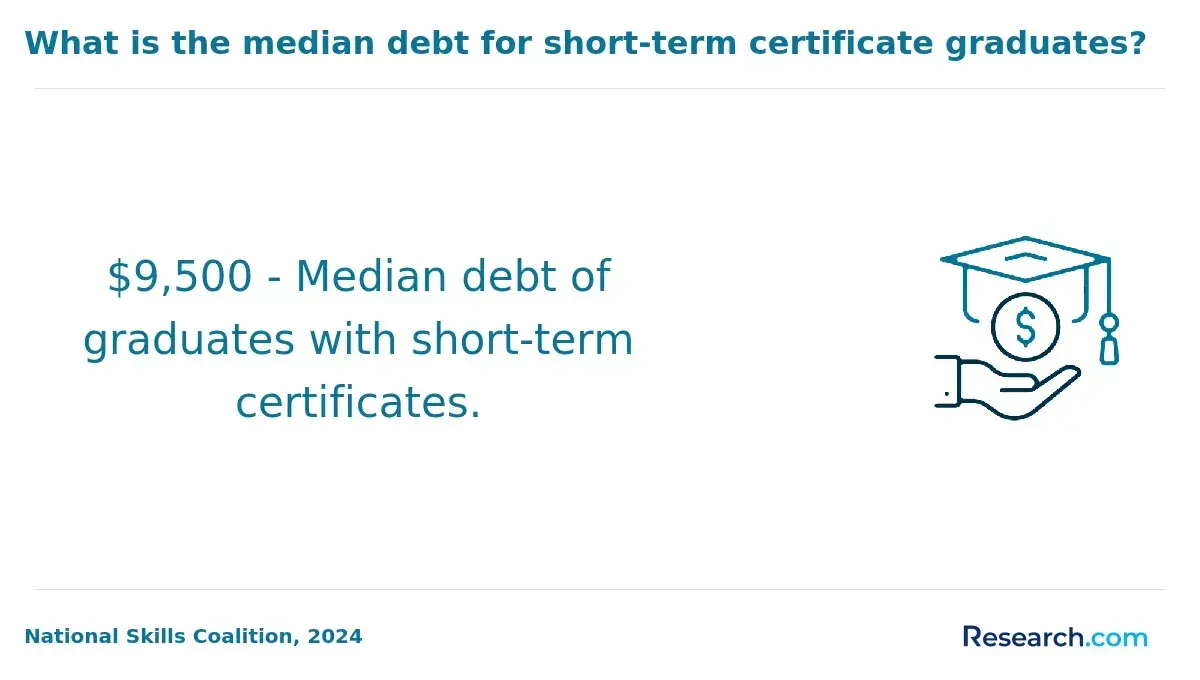
Online cinematography master's programs in the United States typically incur total costs ranging from moderate to high five figures, heavily influenced by credit hour requirements and institution type. Public universities often charge between $400 and $900 per credit hour, with clear distinctions between in-state and out-of-state tuition. In contrast, private and nonprofit institutions usually price their courses between $800 and $1,200 per credit hour, frequently applying a flat rate regardless of residency. These differences significantly impact affordability, especially for working professionals and career changers evaluating their return on investment for an affordable online cinematography master's degree in the US.
- Program Cost Range: Accredited programs generally require 30 to 48 credit hours, resulting in widely varying total expenses that reflect institution type and program length.
- Per-Credit-Hour Cost: Public university online rates fluctuate by residency status, whereas private schools often maintain consistent tuition pricing for all online students.
- Fees and Additional Expenses: Beyond tuition, mandatory costs include technology fees, course materials, thesis or capstone fees, and proctoring charges, which collectively add thousands to the total investment.
- Residency Requirements: Several programs demand brief in-person residencies or studio intensives, imposing travel and lodging costs that may disrupt schedules for working adults.
- Public vs. Private Benchmarks: Public institutions on average offer lower tuition, especially for in-state learners, though some have adopted flat-rate models that reduce pricing transparency for these students.
- Real-World Tradeoffs: Higher tuition rates at private schools may come with enhanced alumni networks and career services, but students should critically assess whether these benefits justify additional financial burden.
Choosing among programs involves balancing these cost variables alongside employment outcomes and the practical constraints of financing advanced education. For first-generation graduate students, understanding this spectrum helps prevent unexpected expenses and positions them for career decisions that reflect long-term value rather than sticker price alone. Those seeking comprehensive comparisons may also explore the cheapest online master's degree in psychology as a model for evaluating affordability combined with academic credibility.
What Is the Return on Investment (ROI) of an Online Cinematography Master's Degree?
The financial return of pursuing an online cinematography master's degree depends heavily on balancing tuition costs against expected income growth. ROI in this context is calculated by subtracting total program expenses from the post-degree salary increase, then dividing that figure by the program cost, often expressed as a percentage.
Alternatively, the payback period shows how many years of elevated earnings are necessary to recover educational expenses. Entry-level salaries for cinematography-related roles generally fall between $40,000 and $50,000 annually, while those advancing with specialized skills and graduate credentials may see compensation rise to $70,000 or more, based on data from BLS and PayScale.
- Work Experience: Established professionals with a background in film production frequently secure leadership roles after earning a master's, resulting in shorter ROI timelines compared to newcomers.
- Institution Prestige: Degrees from highly regarded, accredited programs can translate into access to valuable industry networks and premium job offers.
- Regional Demand: Locations with thriving media sectors offer higher salaries and quicker recuperation of educational investments.
- Specialization: Expertise in niche areas such as visual effects or digital cinematography can substantially increase earning potential.
- Non-Monetary ROI: Some benefits, including greater eligibility for promotions, career flexibility, and enhanced job security, are critical yet harder to quantify financially.
One graduate recounted their admission experience during the rolling application process: feeling uncertain about when to commit, they delayed submitting materials until receiving all necessary portfolio feedback. This hesitation extended the timeline but ultimately ensured a stronger application. While the wait introduced stress, it underscored the importance of strategic preparation to maximize outcomes, illustrating that timing and readiness are as pivotal as financial considerations in navigating these programs' ROI.
What Are the Admission Requirements for an Online Cinematography Master's Program?
Admission to online cinematography master's programs requires more than meeting a GPA cutoff; it demands a cohesive portfolio and evidence of preparedness that align with employer expectations for creative and technical roles. A baseline undergraduate GPA near 3.0 on a 4.0 scale is common, but applicants should recognize that some schools weigh artistic potential or professional experience heavier than strict academic metrics. For example, candidates with a slightly lower GPA but strong industry experience or notable projects may still gain admission where portfolios are prioritized.
- Letters of Recommendation: Expect two or three references emphasizing your creative capabilities, reliability, and ability to manage graduate-level work, typically from instructors or professionals familiar with your film-related accomplishments.
- Statement of Purpose or Personal Essay: Beyond listing goals, this essay should demonstrate a realistic grasp of the film industry's demands and convey how the program fits into your career trajectory.
- Professional Resume or CV: Highlight concrete roles and projects that showcase both technical proficiency and narrative skill, critical for standing out to admissions committees and future employers.
- Prerequisite Coursework: Many programs expect candidates to have foundational knowledge in areas such as film theory, digital media, or technical production. Some programs, particularly those with STEM alignment, may require evidence of quantitative skills or technical literacy.
- Test Scores (GRE/GMAT): While increasing numbers of accredited programs adopt test-optional policies, certain competitive programs may still request GRE results, posing a strategic consideration for applicants balancing effort and cost.
Given the variability in admissions criteria and evaluation methods, applicants should apply to a balanced mix of reach, match, and safety programs to optimize their chances in a competitive environment.
What Is the Minimum GPA Requirement for a Cinematography Master's Program?
Admission to online cinematography master's programs hinges on clearly differentiating between minimum eligibility and competitiveness, a nuance crucial for candidates balancing academic records with career experience. Most accredited programs typically require an undergraduate GPA between 2.75 and 3.0 as a threshold for application consideration. However, surpassing this minimum rarely guarantees admission, especially where programs have a more selective intake. Competitive programs often expect a 3.2 GPA or higher, reflecting the usual profile of successful applicants rather than a strict cutoff. This distinction helps applicants prioritize where to invest their effort and how to interpret admissions data strategically.
- Minimum GPA: Most online cinematography master's programs typically require applicants to hold an undergraduate GPA between 2.75 and 3.0. This threshold serves as a minimum eligibility criterion rather than a guarantee of admission.
- Competitive GPA: Leading and more competitive programs often expect a GPA of 3.2 or higher, reflecting the profile of admitted students rather than an absolute cutoff.
- Program Transparency: Many universities publish both the minimum GPA required for application consideration and the average GPA of admitted cohorts to clarify expectations.
- GPA Waivers: Programs frequently offer GPA waiver options, allowing applicants with lower academic performance to substitute relevant professional experience, a strong portfolio, or standardized test scores to demonstrate readiness.
- Conditional Admission: Students with below-threshold GPAs may be admitted provisionally, often accompanied by stipulations such as completing prerequisite courses or demonstrating competency during early coursework.
- Holistic Review: GPA is just one part of a comprehensive evaluation process that includes work experience, artistic vision, letters of recommendation, and portfolio strength, important for assessing practical skills and potential employment outcomes.
For working professionals or career changers with a GPA below the stated minimum, understanding how programs use conditional admission and waiver policies can make the difference between continuing education and stalled advancement. Incorporating professional experience or portfolio strength recognizes that many students appear for online cinematography master's degrees with varied educational backgrounds. This approach aligns with employer expectations, where demonstrated practical ability can outweigh purely academic metrics.
Ultimately, evaluating typical GPA admissions criteria for US cinematography master's degrees with this layered understanding supports informed decision-making, ensuring applicants allocate resources wisely and identify programs offering a realistic path to skill acquisition and career ROI. Prospective students may also consider related fields or explore additional offerings, such as an online degree business administration, to complement creative skills with managerial competencies in the evolving media landscape.
What Financial Aid Options Are Available for Online Cinematography Master's Students?
Financing an online cinematography master's demands a strategic approach given the limited availability of direct grants for graduate students and the nuanced mix of supports impacting long-term debt and career flexibility. Unlike undergraduate funding, federal grants like Pell Grants are mostly inaccessible, which frequently surprises first-generation applicants who must lean heavily on loans and scholarships. Procuring a balanced aid package often involves layering federal loans with institutional and external awards while considering employer tuition benefits when relevant.
- Federal Loans: Graduate students can secure Direct Unsubsidized Loans and Graduate PLUS Loans via FAFSA, but these accrue interest immediately, requiring careful repayment planning to mitigate excessive debt burdens.
- Institutional Scholarships and Fellowships: Many programs offer merit- or need-based scholarships specifically for cinematography graduate students, which can be combined with loans to reduce net costs effectively.
- Employer Tuition Reimbursement: Professionals currently employed should assess their eligibility for employer-sponsored tuition assistance, though such benefits often come with work commitments that influence career mobility.
- Graduate Assistantships: While less common in fully online formats, some programs provide teaching or research assistant roles that include stipends or tuition waivers, offering both financial aid and relevant experience.
- External Scholarships: Professional cinematography organizations frequently award scholarships targeting graduate students; these do not require repayment and are worth pursuing despite competitive application processes.
- FAFSA Process: Graduate applicants must submit FAFSA annually, generating a Student Aid Index (formerly Expected Family Contribution) that governs federal aid eligibility and amounts.
- Maximizing Aid Tips: Apply early to meet deadlines; focus on scholarships tailored to cinematography; negotiate aid offers based on your profile; and explore state grant programs, especially if you are an in-state resident.
An online cinematography master's graduate recalled hesitation during the rolling admissions cycle, having submitted FAFSA late and learned their aid package after program acceptance. This delay caused anxiety, as they juggled offers from other schools with differing financial aid timelines. Eventually, the graduate negotiated a modest increase in institutional support after demonstrating competing offers, underscoring the advantage of early preparation and proactive communication with financial aid offices-a critical step often overlooked by prospective students balancing work and application tasks simultaneously.
How Long Does It Take to Complete an Online Cinematography Master's Degree?
Completion time for an online cinematography master's degree is a pivotal decision factor with clear workforce implications. Full-time students generally finish in 18 months to 2 years, reflecting traditional graduate credit pacing. Yet, a majority of online learners opt for part-time study due to concurrent job or family commitments, extending the average time to 2.5 to 4 years. This variation impacts when graduates enter the field and begin leveraging advanced skills, affecting early career momentum in a competitive industry. Notably, recent enrollment data confirm that flexible pacing remains crucial for working professionals balancing multiple roles.
- Credit Hour Requirements: Most programs require 30 to 45 credits; completion speed hinges on how many credits students manage each term.
- Course Load Per Semester: A heavier course load shortens duration but increases stress-especially for professionals juggling employment.
- Transfer Credits: Prior graduate coursework can reduce time, but acceptance policies differ widely and may limit applicability.
- Scheduling Format: Cohort-based sequences fix timelines, whereas self-paced tracks offer autonomy but demand high self-motivation.
- Accelerated Options: Some programs promise completion within 12 months; however, accreditation and employer recognition hold greater weight than speed alone in hiring decisions.
- Thesis or Capstone Projects: These requirements commonly add one or two semesters, depending on pace and faculty availability, influencing total program length.
Students evaluating the average time to complete cinematography master's programs in the US should consider these factors alongside program reputation and career outcomes. Because speed can conflict with depth of learning or networking opportunities, prospective candidates must balance urgency with readiness to maximize long-term employability. For those comparing affordability and academic credibility, resources like online master's degree in history listings offer useful context for navigating program selection beyond mere duration estimates.
What Specializations or Concentrations Are Available in Online Cinematography Master's Programs?
Choosing a specialization in an online cinematography master's program often defines not only the focus of a student's study but also their employability and long-term earning potential. Employers increasingly value graduates with skills tightly aligned to specific production roles or industry segments, making the selection of a concentration a key decision early in the graduate journey.
For example, a graduate focusing on Visual Effects (VFX) may access opportunities in high-demand digital content creation environments, while those specializing in Production Management might find roles emphasizing logistical expertise in studio settings. Programs differ in flexibility: some offer broad, elective-driven tracks allowing students to pivot across disciplines, whereas others require early declaration of a concentration, which can streamline career targeting but limit exploratory breadth.
The best online cinematography master's degree specializations in the United States typically include:
- Directing: Mastery of visual storytelling and leadership roles on set.
- Camera and Lighting Techniques: Technical skills in camera operation and lighting design for varied shooting conditions.
- Post-Production and Editing: Expertise in digital editing, color grading, and sound design.
- Documentary Filmmaking: Training in non-fiction narrative construction and ethical filmmaking practices.
- Visual Effects (VFX): Skills in CGI, compositing, and digital film enhancements.
- Screenwriting and Story Development: Crafting narrative structure and collaborative scriptwriting.
- Production Management: Focus on budgeting, scheduling, and logistics of film production.
- Experimental and New Media: Exploration of innovative forms and emerging cinematic technologies.
Prospective students should analyze job postings for wanted roles to determine which specializations are currently prioritized by employers. This practice ensures alignment of academic pursuit with market needs, as not all concentrations carry equal labor market value or salary prospects. Connecting with alumni and program advisors can provide deeper insights into how each specialization translates into career outcomes. For those comparing broad fields of study that include other disciplines, a relevant example to consider is the range of programs listed in the best online human resource management masters degree, which similarly balance specialization flexibility with career specificity.
- Accrediting Bodies: Regional agencies like the Middle States Commission on Higher Education and the Western Association of Schools and Colleges maintain institutional standards and program quality.
- Industry Certification: Associations such as the American Society of Cinematographers offer certification that attests to professional competencies respected in the filmmaking industry.
- Academic Rigor: Accreditation ensures that curricula meet rigorous benchmarks important for degree credibility and employer recognition.
- Financial Aid Transparency: Accredited programs typically provide clearer access to federal aid and scholarships, crucial for affordability considerations.
How Do Online Cinematography Master's Programs Compare to On-Campus Programs in Quality and Recognition?
Employer research, including surveys from SHRM and other workforce studies, consistently finds that most hiring managers do not differentiate between online and on-campus master's degrees in cinematography from the same accredited institution. The determining factor in credential recognition is accreditation, which guarantees that academic rigor, faculty expertise, and curriculum standards meet established benchmarks. Diplomas from regionally accredited schools typically do not specify if the degree was earned online, resulting in equal acceptance in professional settings.
Nonetheless, on-campus programs maintain certain advantages linked to their immersive formats, which can affect practical readiness and networking opportunities. Choosing between modalities often involves weighing these tradeoffs in relation to one's career goals and learning preferences.
- Networking: In-person programs provide direct access to peers, faculty, and industry visitors, fostering relationships often essential to early career development. Some online programs offset this with virtual meetups, discussion forums, and assigned mentors to build engagement.
- Recruitment: Campus-based students frequently benefit from established employer pipelines and on-site career fairs, which can streamline internship and job placement efforts. Leading online programs now collaborate with employers and incorporate periodic hybrid residencies to facilitate these connections.
- Practical Experience: Access to labs, studios, and practicums is intrinsically easier on campus, though prominent online programs arrange local partnerships or intensive residency sessions to provide hands-on learning.
- Institution Focus: Program reputation and alumni outcomes-visible through platforms like LinkedIn-often provide clearer insight into post-degree success than delivery format alone. Prospective students should prioritize institutional quality and career alignment over modality preferences.
What Graduates Say About the Best Value Online Cinematography Master's Degrees
- Romeo: "Balancing full-time work and family commitments made me lean toward an affordable, flexible Cinematography master's that allowed part-time study. I chose a program known for its strong hands-on projects rather than pure theory, which was vital since I wanted to build a portfolio for freelance gigs. After graduating, I secured an internship with a local production company, but I noticed many employers still prioritized industry experience over the degree alone, so I'm actively seeking more on-set opportunities to grow my resume."
- Aidan: "Switching careers at 29, budget constraints forced me to pick a program with a solid ROI instead of a prestigious but costly school. The decision came down to practicality: quick credentialing plus direct collaboration on real productions. The master's sharpened my technical skills and landed me a junior camera operator role within six months, though I learned that advancement can stall without additional certifications or union membership in this field."
- Luke: "I was drawn to a program with an affordable tuition and strong networking ties because I wanted remote learning options due to my workload. While the curriculum was intense, the flexibility meant I could keep my day job. Post-graduation, I found that employers highly value internships more than the degree itself, so I prioritized completing an unpaid production assistant role to supplement my studies, which helped me break into contract work more quickly than relying just on my academic credentials."
Other Things You Should Know About Cinematography Degrees
Graduates often enter roles such as director of photography, camera operator, or post-production specialist, but job placement is heavily influenced by program reputation and industry connections. Online programs without strong industry partnerships may leave graduates needing to build networks independently, which can slow career progress. Prospective students should prioritize programs with proven alumni placements or mentorship opportunities, as these directly affect the ability to secure roles with competitive employers.
Programs typically demand robust computing power to handle video editing and rendering, along with stable high-speed internet for streaming lectures and submitting large files. Hands-on skill development varies; some curricula rely on simulation or peer collaboration online, while others expect periodic in-person residencies. Students should assess whether program delivery matches their learning style and resource access, as insufficient tech readiness can hinder both coursework completion and portfolio quality.
Focus first on how well the program aligns with your target career niche-whether narrative filmmaking, commercial production, or documentary work-as specialization affects course content and networking. Affordability should be weighed against accreditation quality and outcome data like employment rates and average salaries; cheaper programs may lack rigor or industry credibility, limiting ROI. Prioritize programs offering clear career support, including portfolio development and employer connections, to maximize post-graduation opportunities.
References
- Top 11 Fully Funded MFA Film Programs in the US and Canada https://www.filmschool.org/articles/top-10-fully-funded-mfa-film-programs-with-generous-stipends-in-the-us-and-canada.222/
- How to Get a Film Scholarship https://careerkarma.com/blog/film-scholarships/
- Tuition - The Los Angeles Film School https://www.lafilm.edu/admissions/tuition/
- Online Degrees https://www.nyfa.edu/online-degrees/
- Cinematography | AFI CONSERVATORY https://conservatory.afi.com/cinematography/
- Scholarship & Funding Options at London Film Academy https://londonfilmacademy.com/fees-and-funding
- Funding Guide https://nfts.co.uk/funding-guide
- MFA Film | Graduate https://communications.howard.edu/academics/media-journalism-and-film/mfa-film
- Study Film at Private Universities in Germany from 645 https://www.privathochschulen.net/en/courses/media-sciences/film
- Does College Pay Off? A Comprehensive Return On Investment Analysis - FREOPP https://freopp.org/whitepapers/does-college-pay-off-a-comprehensive-return-on-investment-analysis/