2027 Industry Demand for Cinematography Master's Graduates: Job Outlook & Hiring Trends

Co-Founder and Chief Data Scientist
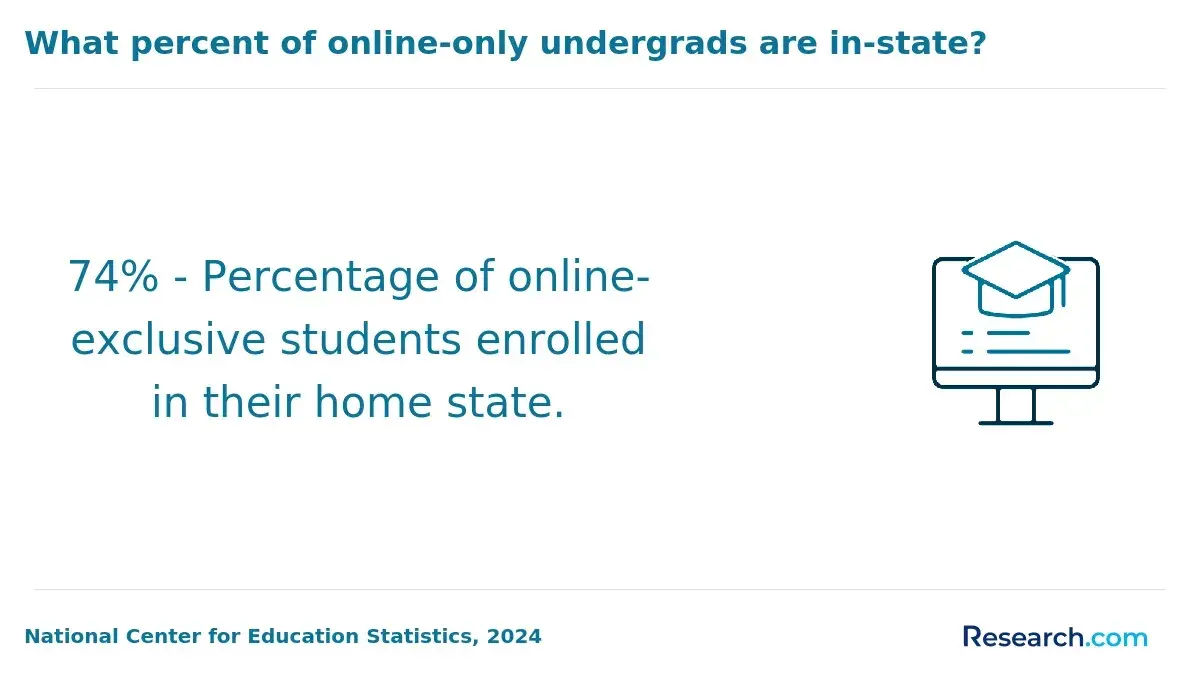
The employment landscape for cinematography master's graduates is shaped by evolving employer demands for specialized technical expertise, project leadership, and fluency with emerging industry software and workflows. Roles such as director of photography, camera operator, and post-production supervisor increasingly require advanced credentials combined with portfolio-ready experience. For working professionals and adult learners balancing cost and schedule constraints, accredited online programs offer flexibility without sacrificing exposure to industry-standard tools or compliance knowledge relevant to film, television, and digital media sectors. Recent National Center for Education Statistics data indicate a 15% growth in online master's enrollment among adults aged 25-39, reflecting a broader shift toward timely, accessible graduate education in creative fields.
This article examines these hiring trends, credential expectations, and program features to help readers assess if pursuing a cinematography master's supports their professional goals, financial considerations, and market position.
Key Things to Know About Industry Demand for Cinematography Master's Graduates
- Employers increasingly seek candidates with specialized cinematic technique mastery, reflecting a shift toward role differentiation rather than broad production skills, narrowing opportunities for generalists in advanced cinematography roles.
- The 2024 National Center for Education Statistics report shows rising adult enrollment in flexible online master's programs, indicating that accessible scheduling impacts career shifts and timing more than traditional full-time study.
- While advanced degrees enhance prospects in high-tech cinematography areas, the cost and time commitments can deter potential mid-career professionals, underscoring a crucial tradeoff between credential value and immediate workforce entry.
What is the current job outlook for cinematography master's graduates?
The current job outlook for cinematography master's graduates reveals a complex landscape shaped by shifting industry demands and evolving employer expectations, rather than clear-cut expansion. Graduates must navigate an employment environment that prizes a mix of artistic talent and technical fluency, while also adapting to sector-specific hiring patterns and credential expectations that influence their competitiveness and career trajectories.
- Industry Demand Dynamics: Demand depends heavily on production company activity across film, streaming, and commercial sectors. Master's graduates face strong competition where prior experience and networking remain critical, yet advanced technical and creative expertise can distinguish candidates for leadership roles like Director of Photography or Post-Production Supervisor.
- Technology Adoption: Familiarity with cutting-edge digital cameras, color grading software, and virtual production methods increasingly separates master's graduates from less-specialized applicants. Employers expect entrants to seamlessly integrate creative vision with complex digital workflows, underscoring the importance of specialized graduate programs prioritizing these skills.
- Geographic and Remote Variation: Hiring concentration remains uneven, with hubs like Los Angeles and London holding the majority of opportunities. However, a rise in remote and online content production is broadening geographic access, creating niche openings for graduates adept at virtual collaboration and adaptable to varied production environments.
- Credential and Certification Impact: While formal licensure is rare in cinematography, professional certifications, especially in relevant software and production management, enhance employability and salary potential. These credentials can give master's graduates an advantage in markets where employers seek verifiable technical competencies alongside creative leadership.
- Advancement and Salary Implications: Master's-level preparation supports advancement into supervisory and managerial roles that command higher pay but also demand budgeting, scheduling, and client relations acumen. Graduates lacking practical exposure to these operational aspects may find upward mobility limited despite technical skills.
- Career-Transition Relevance: For budget-conscious adult learners and professionals seeking to pivot, understanding the practical labor-market factors behind employment trends for cinematography master's degree holders is essential. Flexible program formats and clear ROI considerations should guide decisions to avoid expensive paths that do not correspond to realistic hiring conditions or professional growth.
Given these nuanced factors, potential students targeting cinematography at the master's level will benefit from evaluating programs that align tightly with current industry technology, offer pathways to certification, and prepare graduates for sector-specific realities rather than relying on generic assumptions about career advancement.
Those interested in related fields might also consider alternative accelerated credentials, such as a fastest psychology degree, which illustrates how time- and cost-efficient program options can influence employability in competitive job markets.
Which industries hire the most cinematography master's graduates?
The demand for master's-level graduates in cinematography is driven by nuanced operational requirements and core industry needs rather than simply broader employment prospects. Specific sectors prioritize advanced cinematographic expertise tied to complex technical workflows, creative innovation, or strategic content delivery, shaping distinct career pathways and role expectations for graduates.
- Entertainment Industry: Film and television production companies lead in hiring, favoring candidates who blend artistic vision with deep technical skill. Master's training equips graduates to handle high-definition digital workflows and leadership roles like director of photography or lighting director, where evolving industry standards and hands-on experience are critical.
- Advertising Agencies: These employers demand fast-paced adaptability and mastery of emerging technologies such as drone cinematography and virtual production. Graduates with advanced degrees fill roles requiring innovative visual storytelling for short-form branded content, often under tight creative deadlines.
- Corporate & Educational Media: Organizations in this sector value graduates who combine technical video production with project management and strategic communication. Creating internal communications, training videos, and documentaries here requires balancing limited budgets with polished, audience-focused output-a skill honed through graduate-level study.
- Immersive Media Technologies: Growing fields like virtual reality (VR) and augmented reality (AR) seek cinematography graduates versed in spatial storytelling and complex camera systems. Demand is fueled by increased research funding and R&D initiatives aiming to push creative and technical frontiers.
- Public Broadcasting & Nonprofits: These sectors prioritize socially relevant content production under regulatory and financial constraints. Master's credentials signal both creative independence and professional perseverance, attracting employers who require candidates adept at maintaining quality amid resource limitations.
What are the most common job titles for cinematography master's degree holders?
Job titles linked to cinematography master's graduates reflect employer priorities around balancing hands-on technical expertise with creative and managerial responsibilities. These titles serve as practical signals of expected skill sets and leadership capabilities, shaping how graduates navigate their early roles and advancement trajectories.
Employers often categorize talent to differentiate between purely operational tasks and positions requiring strategic oversight or cross-department collaboration. This delineation affects job seekers' positioning, influencing salary brackets, remote work potential, and the alignment of credentials with specific career tracks in a competitive media production landscape.
- Assistant Cinematographer: Generally entry-level, this role focuses on applying technical skills under supervision and mastering camera equipment operations. It's a typical starting point that allows graduates to translate academic knowledge into real production environments while building rapport within the camera department.
- Camera Operator: A mid-tier position where professionals are responsible for executing shooting setups according to the director of photography's creative direction. This role signals readiness for more autonomy on set, bridging technical precision with interpretive visual storytelling.
- Director of Photography (DoP): Often the target for experienced master's graduates, this job combines artistic leadership and technical decision-making responsibilities. Employers hiring DoPs expect a refined creative vision, crew management abilities, and fluency in production workflows, frequently requiring a portfolio evidencing both innovation and reliability.
- Digital Imaging Technician: Specialized in ensuring image fidelity through color grading and quality control, this role demands an analytical approach tied closely to post-production pipelines. Employers may use this title to attract graduates with technical mastery beyond on-set work, reflecting the growing importance of digital workflows.
- Post-Production Supervisor: Focused on overseeing editing processes and visual effects integration, this position requires organizational skills and collaborative communication across departments. Graduates pursuing this path often balance artistic considerations with client and technical management demands.
- Senior Cinematographer/Visual Consultant: Reserved for seasoned professionals, this title indicates a blend of creative mentorship and strategic input on larger-scale projects. Hiring managers expect significant practical experience, possible certifications, and the ability to influence project direction at multiple levels.
One graduate recalled researching industry openings while debating how to describe their skills on applications. Initial uncertainty came from divergent job descriptions: some emphasized technical camera operation, others stressed creative leadership or digital expertise.
Discovering roles titled Digital Imaging Technician and Visual Consultant clarified paths aligned with their master's focus on both technical acumen and aesthetic sensibility. This helped them tailor applications to employers valuing hybrid skills rather than narrow job labels, ultimately broadening their career options.
How does the salary for cinematography master's graduates compare to other advanced degrees?
Salary outlooks for cinematography master's graduates illustrate a complex labor market shaped by creative project work rather than standardized professional tracks. Compared with other advanced degrees, compensation often reflects a blend of portfolio strength, freelance dynamics, and niche employer demand rather than formal credentialing alone.
For example, while a master's in business administration may translate more directly into salaried roles with structured advancement, cinematography roles range widely-from independent film directors of photography to corporate media specialists-with pay varying accordingly.
- Industry Premium: Unlike fields where salaries benefit from regulatory licensing or widespread corporate adoption, cinematography professionals see a market premium tied mostly to demonstrated creative skill and reputation. This dynamic limits predictable salary ceilings but rewards differentiated portfolios.
- Role Specialization: Earnings hinge on specific job titles and sectors; corporate video production may offer steadier income than freelance film projects, affecting how film graduates approach employment. This fragmented role landscape contrasts with more linear paths typical of engineering or healthcare graduate tracks.
- Credential Signaling: Formal degrees in cinematography carry less weight in initial hiring compared to business or law where degrees serve as minimum filters, placing greater emphasis on experience and industry networks over academic pedigree.
- Geographic Variation: Higher-paying markets like Los Angeles or New York offer better nominal wages but come with elevated living expenses, which can offset salary gains, influencing how graduates weigh location against earning potential.
- Advancement Ceiling: Unlike some advanced degrees that lead to escalating management roles, salary growth for cinematography often plateaus without entrepreneurial success or transition into adjacent media production roles.
- Return on Investment: Budget-conscious learners may find that the value of a cinematography master's degree lies more in access to specialized contacts and creative skill development than in direct salary growth, a consideration critical when comparing it to programs like more financially oriented cybersecurity degrees.
Ultimately, salary growth and earning potential for cinematography master's graduates depend heavily on navigating a network-driven, portfolio-centric labor market where standard career ladders are less defined than in other graduate degree pathways.
What hiring trends are shaping demand for cinematography master's talent?
The demand for cinematography master's graduates increasingly reflects complex industry needs that extend well beyond technical proficiency. Employers prioritize candidates who combine advanced expertise with leadership and communication skills essential for managing intricate productions.
Graduates who excel in both creative problem-solving and logistical coordination are uniquely positioned for roles involving supervision and cross-department collaboration.
- Credential Signaling: Employers view master's degrees as proof of disciplined training and advanced capability, often associating these qualifications with readiness to handle sophisticated digital tools and innovative production techniques.
- Technical Depth: Mastery of emerging technologies such as virtual production, HDR imaging, and real-time rendering differentiates candidates by enabling them to meet modern production demands and assume senior creative responsibilities.
- Leadership Preparedness: The ability to lead camera teams and negotiate interdisciplinary workflows is increasingly critical as shoots grow more complex, requiring candidates who can balance artistic vision with operational delivery.
- Cross-Functional Fluency: Translating between artistic concepts and post-production or visual effects pipelines adds tangible value, enhancing project efficiency and making graduates more competitive in collaborative environments.
These hiring dynamics influence career trajectories by emphasizing adaptability and strategic insight. Graduates who can integrate technical innovation with effective team coordination tend to secure roles offering higher responsibilities and better compensation, underscoring the practical importance of targeted, flexible master's training for professionals mindful of cost and return on investment.
What skills and specializations are most in demand for cinematography master's roles?
Employers hiring master's graduates in cinematography increasingly seek candidates who demonstrate specialized technical skills integrated with creative leadership and cross-disciplinary collaboration. In practical terms, this means that advanced training must translate into operational effectiveness on complex shoots and adaptability to rapidly evolving production technologies.
For instance, a hiring manager screening candidates for a director of photography role will prioritize demonstrated fluency in digital workflows and the ability to coordinate lighting and camera teams seamlessly under tight timelines. Such competencies directly influence both hiring decisions and long-term role sustainability in high-stakes production environments.
- Digital Imaging Proficiency: Mastery of cutting-edge digital cameras and color grading systems is critical. Graduates who excel here manage multi-format pipelines with precision, ensuring consistency from shooting through post-production, a skill highly emphasized in job descriptions.
- Advanced Lighting Design: Expertise in hybrid lighting for traditional and virtual sets is increasingly sought. This specialization aligns with industry trends toward LED volumes and real-time rendering, offering a competitive edge in innovation-focused roles.
- Visual Storytelling Leadership: Employers value candidates who shape narrative pacing and mood beyond camera operation, positioning them for leadership in both commercial and art-house projects through thoughtful shot composition and scene blocking.
- Post-Production Integration: Competence in digital asset management and collaborative software facilitates smoother workflows between cinematographers, editors, and VFX teams, which is essential in today's hybrid and distributed production models.
- Emerging Media Formats: Skills in VR and AR applications, though niche, are rapidly growing in importance. Graduates proficient in immersive storytelling often secure roles at the forefront of new media, reflecting industry investment in these technologies.
Budget-conscious students considering flexible online education for these in demand cinematography master's skills should evaluate programs offering strong ROI and clear industry connections. For example, those exploring pathways might compare curricula emphasizing technical depth and innovative specializations against the backdrop of overall cost by researching the cheapest online master's in project management as a proxy for affordable, career-aligned programs in related fields.
How do employers describe the value of cinematography master's graduates?
Employers in film production view master's graduates in cinematography through a lens shaped by specific operational demands and project complexities. These candidates are often distinguished not just for their technical fluency but for how that expertise translates into tangible on-set execution and collaborative efficiency.
- Technical Depth: Master's graduates are expected to demonstrate advanced proficiency with sophisticated camera systems, lighting setups, and post-production processes. This deep technical foundation allows them to adapt quickly to emerging technologies such as virtual production environments, reducing supervisory overhead.
- Applied Problem-Solving: Beyond theory, employers prioritize candidates with documented experience delivering project-based results under realistic production constraints. Practical exposure through internships or thesis projects signals readiness to meet tight deadlines and complex briefs.
- Leadership Readiness: Advanced training is often interpreted as evidence of potential to lead camera teams and liaise effectively with directors and editors. Employers use the credential to assess not just artistic vision but organizational and communication skills vital for managing production workflows.
- Credential Signaling: A master's degree provides a formal indicator of comprehensive craft mastery, which some employers use to differentiate candidates amid a competitive pool. This credential may substitute partially for extensive professional experience by demonstrating familiarity with current industry standards and critical feedback processes.
A graduate recalled during a second-quarter hiring cycle that a production company explicitly questioned their capability to run digital workflows with minimal guidance and coordinate across departments. The interviewer referenced the candidate's master's-level training as a proxy for advanced technical and leadership readiness but stressed a preference for demonstrated, real-world adaptability.
Although the formal degree opened doors, the graduate recognized the ultimate hiring decision hinged on how well their project portfolio aligned with the company's evolving production challenges and budget constraints, highlighting the pragmatic balance employers seek between credentialed expertise and practical outcomes.
What ROI do cinematography master's graduates typically see from their degree investment?
Return on investment (ROI) for a master's degree in cinematography is not simply about salary increases but reflects a complex balance of costs, timing, and employer perception in a field where practical skills and industry relationships often outweigh formal credentials.
Graduates must weigh tuition expenses against how quickly they can apply new expertise to projects, gain access to better roles, or pivot within the visual storytelling industry.
For example, an adult learner attending a part-time online program may continue working while upskilling, minimizing income disruption and speeding cost recovery compared to a full-time campus route.
- Program Affordability: Lower tuition and financial aid options reduce upfront debt burden, crucial for budget-conscious learners or career changers with limited savings.
- Flexible Scheduling: Part-time or online formats allow students to maintain current employment, shortening opportunity-cost windows and enabling simultaneous experience accumulation.
- Employer Support: Access to tuition reimbursement programs can significantly offset expenses and encourage continuous professional development without financial strain.
- Credential Signaling: While licensing is rare, a master's serves as a visible commitment to mastering advanced techniques and can differentiate candidates in competitive hiring scenarios.
- Market Relevance: Programs emphasizing hands-on projects and current technology better position graduates to meet evolving industry demands and increase promotion potential.
- Time-to-Payoff: Faster program completion combined with immediate application of learned skills accelerates breaking even on educational investment amid shifting job market conditions.
What job search and hiring strategies work best for cinematography master's candidates?
Job search strategy critically impacts cinematography master's graduates' placement outcomes because industry hiring frequently bypasses general job boards in favor of referral networks and demonstrated technical fluency. Unlike many disciplines where volume applications and broad keyword matching can create opportunities, cinematography roles often hinge on timing applications to project production cycles and presenting role-specific expertise tied to current industry demands.
For example, production companies expand crews primarily around scheduled shoots; candidates who align submissions with these windows markedly increase visibility and likelihood of engagement.
- Credential Positioning: Emphasize master's-level training by connecting academic skills to tangible technical competencies like advanced lighting and camera operation. Targeted resumes that integrate industry-relevant keywords help clear automated scans and signal practical readiness beyond generic qualifications.
- Portfolio Evidence: Maintain an updated, curated reel or project portfolio showcasing applied knowledge through collaborations or internships. Employers treat these materials as primary proof of a candidate's artistic vision and technical reliability under real production conditions.
- Employer Targeting: Focus on key industry players such as production companies, broadcast networks, and advertising studios that favor referrals and curated submissions over generic postings. Understanding these hiring channels reduces wasted effort on platforms with low project-based engagement.
- Interview Preparation: Tailor discussions to illustrate problem-solving on set, teamwork with technical crews, and responsiveness to creative direction. Scenario-based interview practice better reflects employer expectations for adaptability during unpredictable shoots.
- Application Timing: Coordinate job hunting with production schedules to capitalize on peak periods when multiple projects expand their technical teams. This timing awareness is critical given the freelance, project-dependent nature of many cinematography roles.
Developing expertise in these job search dimensions aligns well with effective job search strategies for cinematography master's graduates aiming to secure competitive roles despite industry volatility. For those pursuing flexibility and cost-efficiency, evaluating options such as the cheapest online university in USA can offer accredited pathways that fit adult learners' schedules and budget constraints without sacrificing curriculum relevance.
How will future trends like AI and automation affect hiring for cinematography master's graduates?
AI and automation are shifting rather than eliminating demand for cinematography master's graduates, reshaping how employers define and evaluate creative roles. For example, a production company may seek candidates who not only grasp traditional lighting techniques but can also leverage AI-assisted color grading and automated editing tools to increase efficiency without compromising artistic intent.
This creates a nuanced hiring environment where technical fluency and strategic judgment carry more weight than rote skills alone.
- Technical Fluency: Mastery of AI-driven software and automation platforms is increasingly essential, requiring graduates to blend traditional cinematographic expertise with advanced digital toolsets.
- Strategic Interpretation: Employers prioritize candidates who can analyze and apply data from digital workflows to enhance visual storytelling and optimize production decisions.
- Human Judgment: Despite automation, roles emphasize nuanced creative choices and ethical responsibility, especially as AI-generated content raises questions around originality and copyright.
- Implementation Leadership: Graduates are expected to guide teams through evolving pipelines, integrating emerging technologies while maintaining collaborative production standards.
- Role Adaptability: Rapid technological change demands flexibility, with successful professionals continuously updating skills to stay relevant amid shifting industry needs.
These dynamics underscore the importance of adaptability and ethical awareness in the hiring process. Candidates who demonstrate automation-resistant skills and judgment stand apart. For students exploring affordable options to build such competencies, accredited online programs, alongside specialized cyber security courses online, can support versatile career pathways. Understanding AI impact on cinematography master's graduate hiring trends is vital for those navigating this evolving job market.
What Do Graduates Say About Industry Demand for Cinematography Master's Graduates?
- Romeo: "Balancing full-time work with my cinematography master's program was a real constraint, but I chose it knowing that hands-on experience would be key. The program's emphasis on internships helped me secure a role on an indie film set shortly after graduating. However, I quickly learned that in this industry, a strong portfolio often outweighs formal certifications when employers are hiring."
- Aidan: "With limited funds and just one year to commit, I opted for a condensed cinematography master's program focused on practical skills rather than theory. This decision fast-tracked my entry into freelance work, allowing me to build a diverse portfolio remotely. Yet, I noticed that without a formal licensure or association membership, my salary progression plateaued despite positive client feedback."
- Luke: "I entered the program with the intention to pivot my career, but the heavy workload forced me to rethink how deeply I could specialize. Choosing projects that aligned with my strengths rather than trying to master everything led to a valuable internship in commercial cinematography. Still, the competitive job market made it clear that navigating beyond networking and experience requires strategic adaptability."
Other Things You Should Know About Cinematography Degrees
The specialization you pursue can significantly influence your employability, as employers often seek candidates with targeted expertise in areas like digital cinematography, lighting, or post-production color grading. Opting for a program that allows hands-on experience in high-demand niches, rather than a broad, theoretical curriculum, increases your chances of matching employer needs. Prioritizing practical skills aligned with current industry equipment and workflows generally results in stronger job placement outcomes.
While online programs provide vital flexibility for working professionals and budget-conscious learners, they may limit direct access to industry connections critical for early career advancement. In-person programs typically offer immersive collaborative environments and networking that can trigger key hiring leads. Students must weigh whether their existing networks can compensate for online format limitations or if investing in on-campus time will yield better employment trajectories.
The workload and project intensity of cinematography master's programs in 2027 prepare graduates by honing their technical expertise and creative vision. These programs often simulate real-world industry pressure and deadlines, making graduates adaptable and well-equipped for the fast-paced demands of cinematography careers.
Higher-ranked programs may offer prestige but often come with steep costs and less flexible scheduling, which can delay entry into the workforce or increase debt burdens. Accredited, affordable online programs with verified industry partnerships can deliver comparable practical skills and hiring prospects, especially if they emphasize up-to-date technology and mentorship. Budget-conscious students should prioritize program ROI, focusing on proven employment outcomes and adaptable learning formats over brand name alone.
References
- The Real ROI of Film School - Marq Academy https://marqacademy.edu.my/the-real-roi-of-film-school/
- Graduates pivot careers due to AI and job automation https://ise.org.uk/knowledge/insights/431/graduates_pivot_careers_due_to_ai_and_job_automation/
- How do you calculate the ROI of a college degree? https://www.highereddive.com/news/calculating-return-on-investment-college-degrees/718993/
- Most In-Demand Jobs in the Film Industry - San Francisco Film School https://www.sanfranciscofilmschool.edu/most-in-demand-jobs-in-the-film-industry/
- Benefit of a Masters in Film? https://www.filmschool.org/threads/benefit-of-a-masters-in-film.11391/
- Career earnings by college major - The Hamilton Project https://www.hamiltonproject.org/data/career-earnings-by-college-major/
- Cinematographers: Salary, career path, job outlook, education and more - RaiseMe https://www.raise.me/careers/media-and-communication/film-and-video-editors-and-camera-operators/cinematographers/
- Film Major Jobs: Discover the Realities of Your Career https://filmlocal.com/filmmaking/film-major-jobs/
- Why is studying a master's degree in film key to your future? https://taiarts.com/en/blog/por-que-estudiar-un-master-cinema/
- A comprehensive guide to in-demand roles in film & games https://www.cgspectrum.com/blog/in-demand-roles-in-film-and-games