
2027 Best Two-Year Degrees With 6-Week Courses

Co-Founder and Chief Data Scientist
A six-week class may fit your schedule, but will it help you finish an associate degree sooner? That depends on the courses available, how many you can take at once, and any prerequisites or clinical requirements. Cost matters, too: College Board reported average published tuition and fees of $4,050 for in-district students at public two-year colleges in 2024-25. That figure is a useful starting point, not a total-degree price. This guide compares promising degree fields and shows working adults and other time-conscious students what to verify before enrolling.
Key Things You Should Know
- Business, IT, criminal justice, and psychology are often easier to schedule in short online terms than majors with labs or clinical placements - but verify six-week availability for every required course.
- An associate degree commonly requires about 60 semester credits; six-week classes shorten individual terms, not the credit requirement or necessarily the time to graduation.
- Choose a transfer-focused AA or AS for a planned bachelor's pathway, or evaluate an AAS for workforce preparation; confirm that credits and any licensing-related coursework serve your specific goal.
Top 10 Best Two-Year Degrees With 6-Week Courses
Business Programs
An associate degree in business administration or accounting can suit students seeking broadly applicable office skills or a bachelor's transfer pathway. Courses may cover bookkeeping, spreadsheets, management, and business communication. Many classroom-based subjects can fit six-week terms, but accounting sequences and required electives may not run every term. An AA or AS may favor transfer; an AAS may emphasize immediate workplace skills. Compare required-course schedules and transfer agreements before choosing either.
Healthcare Programs
Healthcare administration and medical billing and coding are possibilities for students who want healthcare-related coursework without a bedside clinical program. An AAS may emphasize records, reimbursement, and office operations; an AS may include more transferable science or general education. Short online courses may be practical for administrative subjects, but required internships, coding software, or certification preparation can affect scheduling. Confirm that the program matches the job you want: administrative study alone does not qualify you for a licensed clinical role.
Information Technology Programs
IT support, networking, and cybersecurity associate degrees may use short courses for technical foundations, though labs and capstone projects still take substantial weekly time. An AAS can emphasize troubleshooting and hands-on tools; an AS may offer a clearer bachelor's pathway. Look for access to current lab environments and courses that build in a workable sequence. An associate degree can support entry-level applications, but employers may also value certifications, demonstrated skills, and experience.
Nursing / Pre-Nursing Programs
Pre-nursing AS coursework may include six-week general education classes, but science labs often require longer or carefully sequenced terms. An Associate Degree in Nursing typically adds selective admission, supervised clinical placements, and program-specific accreditation considerations; do not assume its nursing courses use six-week blocks. For registered nurse licensure, graduates must meet state board requirements and pass the NCLEX-RN. If nursing is your goal, ask for the actual nursing-course and clinical schedule - not just the college's general term calendar.
Criminal Justice Programs
A criminal justice AA, AS, or AAS can cover courts, corrections, policing, and report writing. Lecture-based classes may work well in short terms, making this field worth checking for flexible scheduling. Match the degree to your aim: a transfer-oriented program may fit future bachelor's study, while a career-focused program may emphasize applied coursework. Police and other public-safety hiring commonly involves separate academy, fitness, background, and agency requirements; the degree alone is not a job qualification.
Psychology / Counseling Programs
A psychology or human services AA or AS can provide a foundation in behavior, research, and communication, often through courses suited to short online terms. It is generally best viewed as a transfer pathway or preparation for certain support roles, not a counseling license. Independent clinical counseling usually requires graduate education and state licensure. Check that statistics and other required courses transfer into your intended bachelor's major; a fast associate schedule offers little benefit if credits do not apply later.
What Are Two-Year Degrees With Six-Week Courses?
They are associate degree programs in which some or all classes run for six weeks rather than a conventional semester. The degree itself still requires its published credits, general education, and major requirements. A student taking one course per block might finish later than a student taking several longer courses at once.
"Two-year" describes a common full-time planning period, not a guaranteed finish date. Start dates, course sequencing, accepted credits, and enrollment intensity all matter. A six-week format is most useful when required classes are offered frequently enough - and you have enough weekly study time - to keep progressing.
Which Two-Year Degrees Can Be Completed Through Six-Week Courses?
Business, IT, criminal justice, and psychology are good fields to investigate because much of their coursework can be classroom-based. Healthcare administration may also fit. Pre-nursing can include short general education courses, while nursing and other clinical degrees are less likely to fit a wholly six-week schedule.
These are fields to investigate, not verified promises about every college. Request a degree map showing the length and next available start date of each required course. For criminal justice applicants concerned about how a record could affect education and career choices, the guide to college degrees for felons can help frame questions to ask before committing.
Are Six-Week College Courses Accredited and Transferable?
Course length does not determine accreditation or transferability. Check the college's institutional accreditation and, where relevant, whether a nursing or allied-health program holds the programmatic accreditation expected by licensing boards or employers.
For transfer, ask the destination college to evaluate specific courses against your intended bachelor's requirements. A school may accept a course as elective credit without applying it to your major. Keep the course descriptions and degree plan, and seek a written transfer evaluation or established articulation agreement when possible.
What Do You Learn in Accelerated Two-Year Degree Programs?
You generally study the same subjects required by the college's associate curriculum, at a faster weekly pace. Business students may practice accounting and communication; IT students may work in networking labs; psychology students may study research methods; and healthcare students may learn records or patient-care concepts, depending on the major.
Shorter terms leave less time to recover if you fall behind. Ask for a sample syllabus and expected weekly workload before combining demanding courses. If your eventual goal is licensed counseling, the associate degree is an early step; comparing cheapest online masters programs may help you understand the longer educational path, though price alone cannot establish licensure suitability.
Can You Earn These Degrees Online or On Campus?
Some majors can be delivered online, but "online" does not necessarily mean self-paced. The formats below differ in the commitments they may impose, so check the actual schedule rather than relying on the delivery label.
| Format | Typical scheduling consideration | Potential limitation |
| Asynchronous online | Access coursework around work or family obligations | Weekly deadlines and proctored assessments may still be fixed |
| Scheduled online | Attend live sessions from a distance | Meeting times may conflict with shifts |
| Hybrid or campus | Complete in-person labs, skills practice, or classes | Travel and placement hours reduce flexibility |
Clinical programs may require in-person placements even when lectures are online. Before enrolling, confirm whether labs, exams, orientations, internships, or clinical hours require travel and who arranges the placement.
What Are the Admission Requirements for Accelerated Degree Programs?
Colleges commonly request an application and prior school transcripts. Requirements for a particular major may be stricter than those for admission to the college: nursing, for example, may require prerequisites, a separate application, or additional screening. Ask whether you can begin general education courses before entering a selective major.
Students with prior college, military, or professional learning should request a credit evaluation before accepting a projected finish date. Awarded credit depends on the school's policies and may not satisfy a major requirement. Service members can also compare online military colleges, while checking each institution's credit and residency rules.
How Much Do Accelerated Two-Year Degrees Cost?
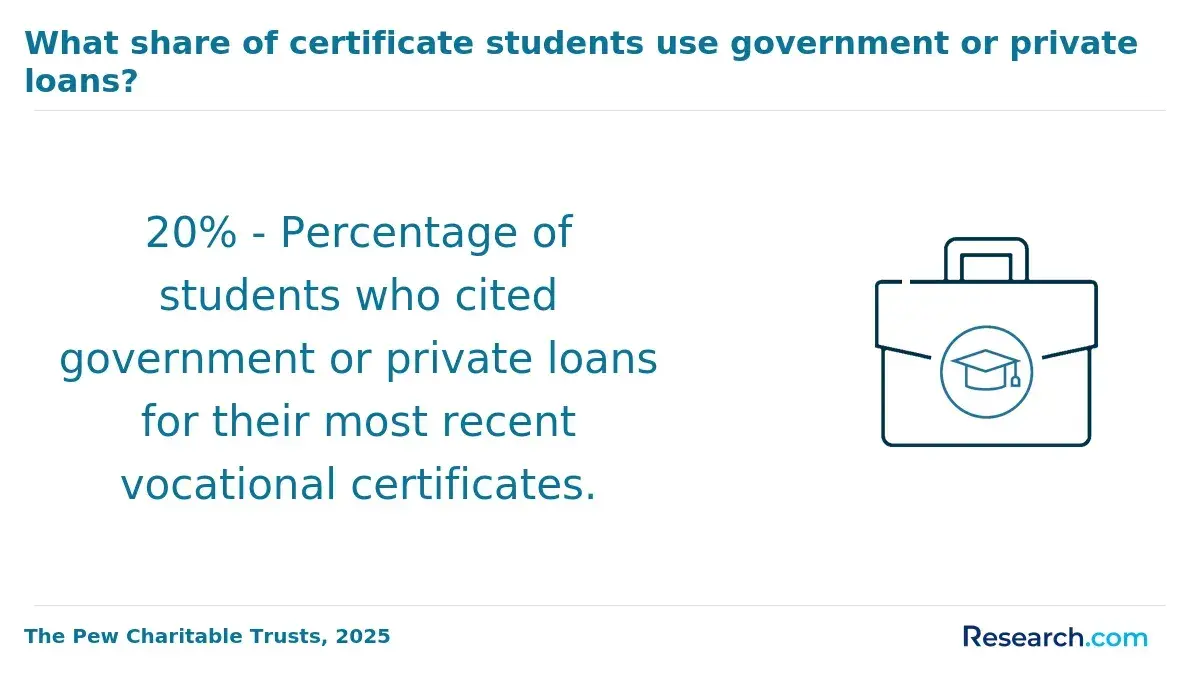
Compare the cost of finishing, not just the price of one short course. Published tuition may exclude mandatory fees, books, technology, lab supplies, clinical expenses, and travel. Residency status, transfer credit, and the number of courses available each term can change the final bill and timeline.
Ask each college for a degree audit and an estimate based on your remaining courses. Then check federal financial aid eligibility, scholarships, employer assistance, and payment options. Faster terms can reduce time out of the workforce for some students, but an intense schedule that forces you to repeat a course can increase cost.
What Jobs and Salaries Do These Two-Year Degrees Lead To?
Career possibilities depend on the major and on qualifications beyond the degree. Business graduates may pursue office or bookkeeping roles; IT graduates may seek support positions; and healthcare administration graduates may explore records or office work. Hiring requirements vary by employer, and psychology study alone does not qualify someone as a licensed counselor.
For context, the U.S. Bureau of Labor Statistics reports a May 2024 median annual wage of $93,600 for registered nurses. That is a wage for the occupation - not a predicted salary for associate degree graduates. Entering the occupation requires meeting state licensure requirements and passing the licensing exam. Research psychology roles generally require substantially more education; readers considering that route can explore cheapest PhD programs as one part of a long-term cost comparison.
How Do You Choose a Reputable Six-Week Course Program?
Start with the job or transfer destination you want, then compare colleges on evidence of both short-course availability and a workable path to graduation. Before paying an enrollment deposit, take these steps:
- Request the full degree map, including credits, prerequisites, course lengths, start dates, and any lab or clinical schedule.
- Verify institutional accreditation and any program approval or accreditation needed for your intended license or credential.
- Ask for a written evaluation of prior credits and confirmation of how planned courses will apply at a transfer destination.
- Compare total estimated cost and a realistic completion timeline at the course load you can sustain.
Be cautious if a school advertises "six-week degrees" but shows only six-week classes, cannot document when required courses run, or implies that graduation automatically brings licensure or a particular salary. The best option is the one whose schedule, requirements, and cost work for your goal - not simply the shortest term.
Other Things You Should Know About
No. Six weeks normally describes one course term, not the whole degree. Completion depends on required credits, accepted prior credit, course availability, and your course load.
They usually cover material in fewer weeks, so deadlines come closer together. Review a sample syllabus and expected weekly hours before taking multiple courses at once.
Often, but policies vary. Ask whether required courses repeat frequently enough for part-time students to maintain progress.
An AA is often designed with transfer in mind, while an AAS commonly emphasizes workforce skills. Neither label guarantees how credits will apply; confirm requirements with your intended bachelor's program.
References
- Academic Years, Academic Calendars, Payment Periods, and Disbursements | 2025-2026 Federal Student Aid Handbook https://fsapartners.ed.gov/knowledge-center/fsa-handbook/2025-2026/vol3/ch1-academic-years-academic-calendars-payment-periods-and-disbursements
- DAPIP | Homepage - Office of Postsecondary Education (OPE) https://ope.ed.gov/dapip/
- Recognition of Accrediting Agencies | Texas Higher Education Coordinating Board https://www.highered.texas.gov/recognition-of-accrediting-agencies/
- Semester Course Load and Student Performance - PMC - NIH https://pmc.ncbi.nlm.nih.gov/articles/PMC7568764/
- Fast Facts: Tuition costs of colleges and universities (76) | ed.gov https://nces.ed.gov/fastfacts/display.asp
- How many hours per week should I expect to spend on coursework? | UW-Madison Online https://online.wisc.edu/knowledgebase/how-many-hours-per-week-should-i-expect-to-spend-on-coursework/
- Transfer Credit and Credit for Prior Learning - South Piedmont Community College https://spcc.edu/student-life-resources/student-records/transfer-credit-and-credit-for-prior-learning/
- Evaluation of Transfer Credit | Cal Poly Academic Catalog https://catalog.calpoly.edu/academic-standards-policies/evaluation-transfer-credit/
- Transfer to Four-year Colleges and Universities | fl.edu https://catalog.tsc.fl.edu/content.php
- How Long Does It Take to Get an Associate Degree? | snhu.edu https://www.snhu.edu/about-us/newsroom/education/how-long-is-an-associate-degree


