
2027 Best Two-Year Degrees With 2.0 GPA Admission

Co-Founder and Chief Data Scientist
A 2.0 GPA can make college applications feel uncertain, but it does not rule out an associate degree. The harder question is which programs will admit you to the major, not just the college. Cost matters, too: the College Board's 2024 Trends in College Pricing reports average published in-district tuition and fees of $4,050 at public two-year colleges for 2024-25. This guide compares accessible degree fields, flags selective programs, and shows you what to verify before spending money on an application or prerequisite courses.
Key Things You Should Know
- A 2.0 GPA may meet a college's general admission standard without meeting the separate standard for nursing or another selective major.
- For salary context, the U.S. Bureau of Labor Statistics reports a $93,600 median annual wage for registered nurses in 2024; an associate degree alone does not confer RN licensure or guarantee that wage.
- Start with your goal: an AA or AS may better support transfer, while an AAS may offer more direct job preparation. Verify the actual curriculum and admission rules.
Top 10 Best Two-Year Degrees With 2.0 GPA Admission
Business Programs
Business administration and accounting associate degrees can be practical starting points for applicants with a 2.0 GPA, particularly where the college admits students before they declare a major. Coursework often covers accounting, spreadsheets, communication, and management fundamentals.
An AA or AS may suit a planned bachelor's transfer; an AAS may emphasize immediate workplace skills. Ask whether the specific business program has its own GPA rule and whether its courses will apply to your intended bachelor's degree. Entry-level office or bookkeeping work is possible, but management jobs usually require experience.
Healthcare Programs
Health information technology and medical administrative programs may offer a more accessible route into healthcare than clinical majors, although requirements vary. They can prepare students for records, scheduling, billing, or other administrative work rather than hands-on patient care.
Clinical options such as radiography, respiratory therapy, and dental hygiene often require science prerequisites, competitive selection, supervised practice, and licensing or certification. Ask for the major's admission rubric before taking prerequisites: admission to the college is not a reserved clinical seat.
Information Technology Programs
Associate programs in IT support, networking, and cybersecurity fundamentals may admit students under a college's general standards, making them worth investigating with a 2.0 GPA. Compare hands-on labs, current software and equipment, internships, and preparation for relevant industry certifications.
An AAS often targets entry-level technical work; an AS may fit a computer science transfer plan. Neither a degree title nor a cybersecurity concentration guarantees an analyst job. Ask whether the major imposes a math prerequisite or separate progression GPA.
Nursing / Pre-Nursing Programs
Pre-nursing may allow you to enter a college and complete prerequisites with a 2.0 GPA, but it is not the same as admission to an associate degree in nursing (ADN) cohort. ADN selection commonly considers prerequisite grades, science performance, entrance assessments, and available clinical places.
Before enrolling in pre-nursing, request the nursing program's current selection criteria and ask how unsuccessful applicants can use their credits. ADN graduates must also meet state licensing requirements and pass the required licensing examination to become registered nurses.
Criminal Justice Programs
Criminal justice AA, AS, and AAS programs can provide an accessible introduction to law, courts, and corrections when the major follows general college admission rules. Choose a transfer-oriented curriculum if you expect to pursue a bachelor's degree.
An AAS may be more focused on immediate employment, but police and corrections agencies set their own hiring, background, physical, and training requirements. Ask employers about eligibility before assuming the degree qualifies you for a particular public-safety role.
Psychology / Counseling Programs
A psychology AA or AS can be a reasonable transfer pathway for a student rebuilding an academic record. Expect introductory psychology, research or statistics, and general education courses. Associate-level human-services programs may instead include supervised fieldwork and prepare students for support roles.
Neither path independently qualifies someone to practice as a licensed psychologist or professional counselor; those careers require substantially more education and state-specific credentials. Confirm that required courses transfer into your intended bachelor's major.
What Are the Best Two-Year Degrees That Accept a 2.0 GPA?
The best choice is the degree field that both admits you under its actual major-level rules and advances your career or transfer goal. No field universally "accepts a 2.0 GPA": policies belong to individual colleges and programs. The comparison below shows which options to investigate first, not a ranking or a promise of admission.
Use the admission hurdle column to decide what to ask each college before applying.
| Degree field | Likely fit | Admission point to verify |
| Business | Broad workplace skills or bachelor's transfer | Separate major GPA or course prerequisites |
| IT | Technical entry-level preparation or computing transfer | Math prerequisites and major progression rules |
| Criminal justice | Public-safety studies or transfer | Major rules and separate employer standards |
| Psychology | Transfer toward further study | Transferability of statistics and major courses |
| Healthcare administration | Nonclinical healthcare work | Program-specific requirements |
| Clinical healthcare or nursing | Licensed patient-care pathways | Selective cohort admission and clinical eligibility |
Business, IT, criminal justice, psychology, and nonclinical healthcare programs may be sensible first inquiries if admission accessibility is your priority. If you are comparing interests as well as job prospects, a guide to fun majors in college that pay well can help frame the longer-term bachelor's decision; it cannot establish whether a particular associate program accepts a 2.0 GPA.
Can You Get Into an Associate Degree Program With a 2.0 GPA?
A 2.0 GPA does not automatically prevent admission to an associate degree program. A college may admit applicants under a general policy, review their record individually, or offer a route to improve academic standing. Its nursing or allied-health program can still have a higher minimum, prerequisite-grade rules, or competitive selection.
Find out which GPA the school uses: high school, previous college, prerequisite, or cumulative college GPA. If you have prior college coursework, ask whether academic-standing restrictions apply and how repeated courses are treated. Get the policy for your intended major in writing rather than relying on the college's general admissions page.
Which Two-Year Degrees Offer the Strongest Career and Salary Potential?
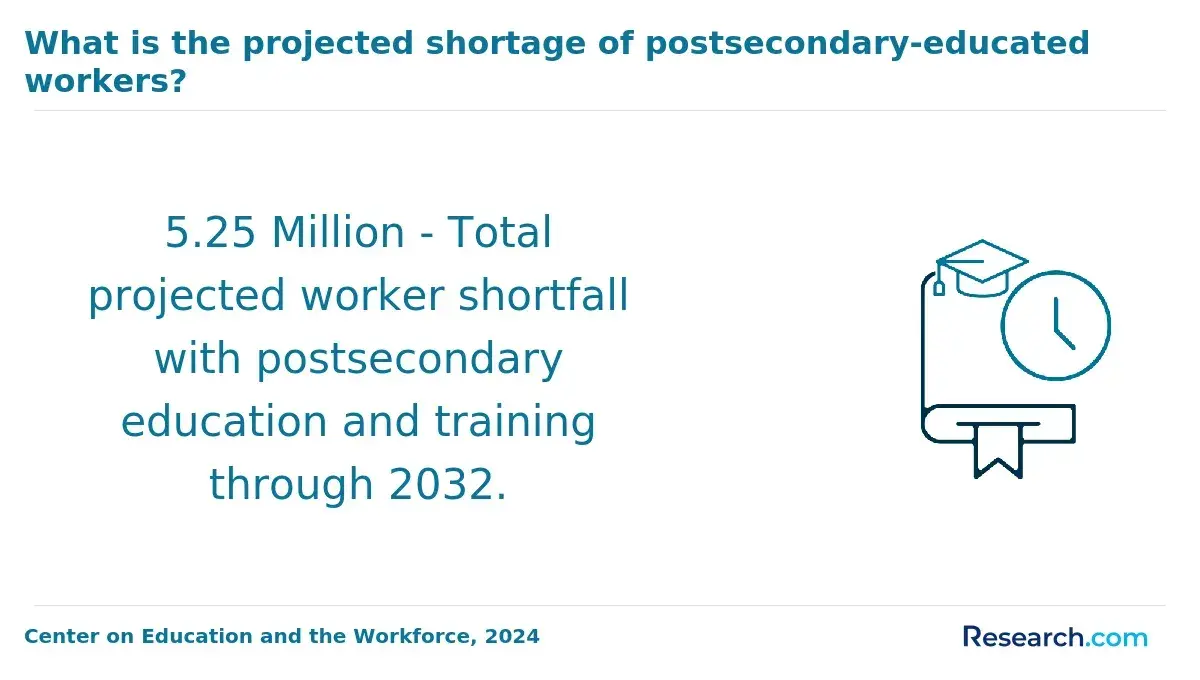
Clinical healthcare can offer strong occupational pay, but some of its programs are among the least straightforward to enter with a 2.0 GPA. The Bureau of Labor Statistics reports a 2024 median annual wage of $93,600 for registered nurses. That is a wage for people working in the occupation - not a projected salary for ADN students - and becoming an RN requires state licensure.
IT can provide a route into support roles while you build experience and credentials. Business can lead to varied office roles, though an associate degree rarely substitutes for experience in management hiring.
Psychology is usually a stronger transfer choice than a direct route to a licensed counseling career. If your eventual goal requires graduate study, explore the full bachelor's-to-graduate pathway before comparing online masters options; first make sure your associate credits will apply toward the bachelor's degree you need.
What Admission Requirements Apply Beyond a 2.0 GPA?
Beyond GPA, colleges may request a diploma or equivalent, transcripts, placement information, or proof that prerequisite courses are complete. Some programs also require minimum grades in particular subjects.
Clinical majors may add an application deadline, entrance assessment, background check, immunizations, and eligibility for placements. Requirements vary by institution and can change between admission cycles.
Ask the admissions office and the department separately: "Can I enter this major now with my record, or only enter the college?" Then ask what must happen to progress or apply to a selective cohort. A common mistake is paying for several prerequisites without checking whether your grades would make you competitive for the next available cohort.
How Long Do Two-Year Degree Programs Take and What Do They Cost?
Many associate degrees are designed for roughly two years of full-time study, but a 2.0 GPA does not determine completion time. Part-time enrollment, course sequencing, accepted transfer credits, prerequisite work, and clinical placements can change the schedule. Request a term-by-term plan that reflects your starting credits and available course sections.
The College Board's reported $4,050 average in-district public two-year tuition and fees for 2024-25 is a useful benchmark, not a total degree price. Residency status, books, equipment, transportation, living costs, and clinical expenses can materially change what you pay.
Compare each school's full estimated cost and your aid offer. A list of schools with the cheapest tuition online college options can broaden a search, but low tuition alone does not establish low total cost or admission to your chosen major.
Are Online Two-Year Degrees as Valuable as Campus Programs?
An online degree can be valuable if its institution is appropriately accredited and the format meets your academic and career needs. Delivery mode alone does not determine quality or transferability. For IT, business, and transfer-focused subjects, ask how labs, tutoring, exams, and group work operate online.
Nursing and other clinical programs still require supervised in-person experiences, even when some coursework is online. Do not assume "online" means study whenever you want: scheduled meetings and fixed deadlines may apply.
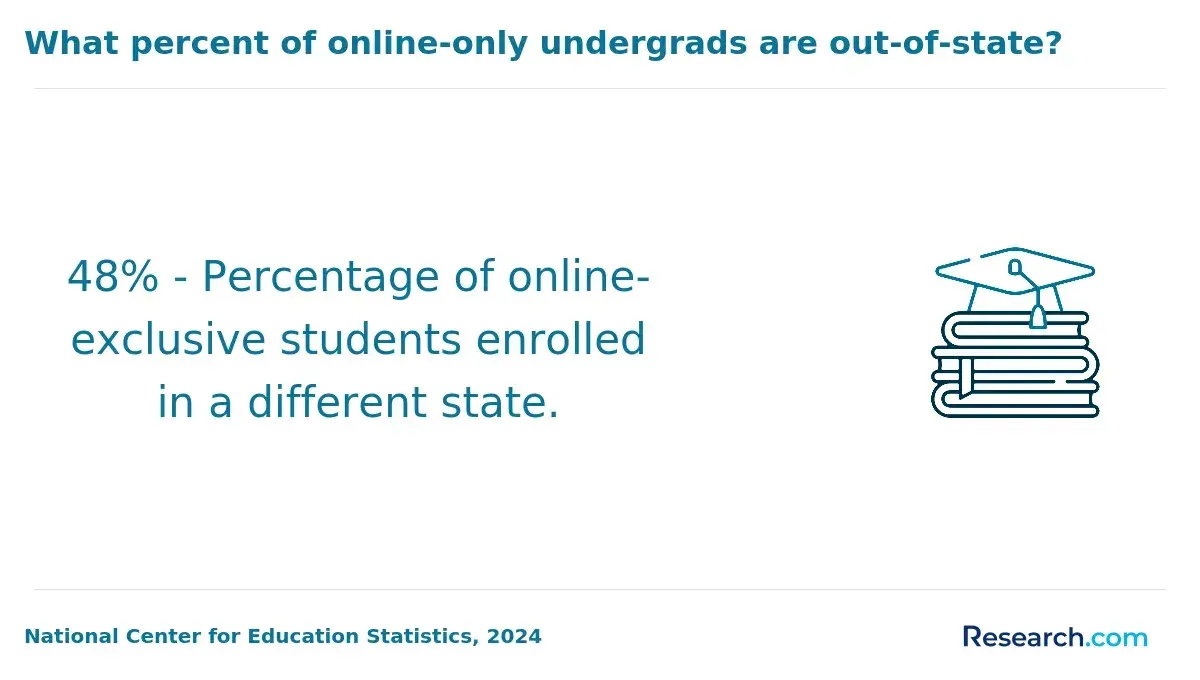
If scheduling is your main obstacle, compare course calendars and any self paced degrees you are considering, then confirm that the particular associate program offers that format. Also check where clinical placements occur and whether an out-of-state program meets requirements for your intended license.
What Coursework Do Students Complete in Two-Year Degree Programs?
Most associate programs combine general education - such as writing, math, and social science - with courses in the major. Business students might study accounting; IT students might complete networking labs; psychology students might take statistics.
An AA or AS often emphasizes courses intended for transfer, while an AAS commonly devotes more space to occupational training. Those are tendencies, not substitutes for reading the course plan.
Healthcare curricula may also include science prerequisites, labs, and supervised clinical work. Human-services programs may require a practicum. Compare the actual required courses against your goal: a course can transfer as elective credit without satisfying a bachelor's major requirement. Ask the destination university to evaluate the proposed pathway before you commit to it.
Which Two-Year Careers Require Licensure or Professional Certification?
Nursing and many hands-on allied-health occupations have requirements beyond graduation. Depending on the role and state, these can include an approved educational program, examination, licensure, or professional certification. IT certifications can strengthen an application but are generally separate from the associate degree.
Public-safety agencies likewise impose hiring and training standards independent of a criminal justice major.
Before choosing a regulated career path, check the licensing board's current education rules for the state where you intend to work and ask the college whether its program is designed to meet them. Do this before enrolling in an out-of-state online or hybrid program: an accredited college is not, by itself, proof of eligibility for a particular license.
How Can You Choose an Accredited Two-Year Degree Program?
Check the college's institutional accreditation through the accreditor or the U.S. Department of Education's accreditation database. For a licensed occupation, also check whether the specific program has any accreditation or approval required for your intended credential.
Accreditation supports quality oversight but does not guarantee that every credit transfers or that graduates meet every state's licensing rules.
Before applying, request the major's published admission criteria, a course plan, an estimate of total costs, and - if you plan to transfer - a written explanation of how credits apply at your destination school.
Treat vague promises that "anyone can get into nursing" or that "all credits transfer" as red flags. The strongest option is one whose admission route, remaining requirements, cost, and next step you can verify.
Other Things You Should Know About
GPA alone does not establish aid eligibility. Submit the FAFSA and ask the financial aid office about its satisfactory academic progress rules, especially if you have previous college credits.
You may be able to enter a college or pre-nursing track, but ADN admission often has separate prerequisites and competitive selection. Check the nursing department's current criteria.
Choose by destination, not GPA alone. An AA or AS may fit a planned transfer; an AAS may fit direct job preparation. Verify both admission and how the required courses serve your goal.
Ask how the program evaluates recent coursework, repeated classes, and prerequisite grades. Stronger new work may help, but each program decides which grades count and how applicants are selected.
References
- School-Determined Requirements | 2024-2025 Federal Student Aid Handbook https://fsapartners.ed.gov/knowledge-center/fsa-handbook/2024-2025/vol1/ch1-school-determined-requirements
- Price of Attending an Undergraduate Institution - COE https://nces.ed.gov/programs/coe/indicator/cua/price-of-attending-an-undergraduate-institution
- Admissions Policy - Robeson Community College https://catalog.robeson.edu/content.php
- Graduation and Degree/Certificate Requirements - Academic Catalogs https://catalog.louisville.edu/undergraduate/university-wide-unit-specific-policies/graduation-degree-requirements/
- Undergraduate Admission Policies - Georgia Gwinnett College https://catalog.ggc.edu/content.php
- Undergraduate Tuition Rates | Indiana State University https://www.indianastate.edu/costs-aid/undergraduate-tuition-rates
- Admission - St. Louis Community College. https://catalog.stlcc.edu/general-information/admission/


