2027 Best Professional Doctorate Programs for Transfer Students

Co-Founder and Chief Data Scientist
Already have graduate coursework and considering a professional doctorate? The crucial question is not whether a university accepts transfer credit, but whether your intended doctoral program will apply it to requirements you would otherwise have to complete. That distinction affects both cost and time away from work.
The stakes can be substantial, the U.S. Bureau of Labor Statistics reported median annual pay of $93,600 for registered nurses in 2024, making foregone earnings relevant to a working clinician's DNP decision. This guide compares professional doctorate fields and shows you what to verify before enrolling.
Key Things You Should Know
- Program-level approval matters. Graduate credits accepted by a university may not satisfy doctoral coursework, clinical hours, residency, or project requirements.
- Post-master's pathways deserve attention. A curriculum designed around an existing qualifying degree can be more useful than a generous-sounding transfer maximum that applies only to electives.
- Compare the remaining degree, not credits alone. Get a written evaluation of applicable coursework, required in-residence credits, the culminating project, total price, and expected schedule before committing.
Top 10 Best Professional Doctorate Programs for Transfer Students
Business / DBA Programs
A Doctor of Business Administration (DBA) suits experienced managers who want to investigate workplace problems through applied research. Applicants commonly bring graduate business education or substantial professional experience, but an MBA does not automatically reduce DBA requirements. Ask whether previous research-methods or business courses replace required doctoral courses or only electives. Compare the remaining coursework, any residencies, and the applied dissertation or doctoral project. If your goal is promotion rather than doctoral-level inquiry, weigh the DBA against experience, an MBA, or targeted executive education.
Education / EdD Programs
A Doctor of Education (EdD) usually emphasizes improvement in educational practice or systems. A relevant master's degree may satisfy admission requirements without earning transfer credit. Strong transfer prospects depend on course equivalency, how recently coursework was completed, and whether the EdD permits substitutions. Ask specifically about research methods, concentration courses, cohort sequencing, and the dissertation-in-practice or other culminating project. Teachers should also check whether the degree fits their employer's advancement rules; an EdD alone does not confer a new teaching license.
Educational Leadership Programs
Educational leadership doctorates may award an EdD or another professional credential and can target K-12 administrators, college leaders, or organizational executives. Transfer students should match the concentration to their intended role: a prior education master's may overlap with leadership courses but not doctoral inquiry or internship requirements. If principal or superintendent licensure is the goal, verify state approval and required field experiences separately. For higher education leadership, compare the program's applied project, schedule, and employer recognition before assuming the doctorate improves promotion prospects.
Psychology Programs
A Doctor of Psychology (PsyD) can prepare students for clinical practice, but its transfer rules must be evaluated alongside accreditation and state licensure eligibility. Prior graduate psychology courses may not replace required supervised training, internship, or dissertation requirements. Some PsyD pathways admit applicants with a bachelor's degree; others specify graduate preparation. If you intend to become a licensed psychologist, prioritize an eligible curriculum and placement record over the largest advertised transfer allowance. A nonclinical psychology doctorate is not an interchangeable licensure pathway.
Nursing / DNP Programs
The Doctor of Nursing Practice (DNP) is an advanced nursing practice credential with distinct post-bachelor's and post-master's entry routes. For a nurse who already holds a qualifying MSN, a post-master's curriculum may be more relevant than general transfer credit. Ask how the school evaluates prior graduate courses and documented clinical hours against its DNP requirements; neither is automatically accepted. Compare specialty eligibility, required practice hours, placements, and the DNP project. Existing nursing licensure and, where applicable, advanced-practice certification remain separate considerations.
Public Health Programs
A Doctor of Public Health (DrPH) typically focuses on public health leadership and applied inquiry. MPH coursework may support admission, but similar course titles do not guarantee a shorter DrPH. Compare whether previous epidemiology, biostatistics, or management study can replace specific requirements, then account for leadership practice, residencies, and the applied dissertation or project. The DrPH is most compelling when its training fits a defined public health leadership goal; an MPH plus relevant experience may be the better-value route for some positions.
Computer Science Programs
Practice-oriented computing doctorates are less standardized by degree name than DNPs or EdDs. Examine the actual credential and curriculum before treating a computer science doctorate as a professional rather than research pathway. Previous graduate computing courses may satisfy technical electives while leaving doctoral research, independent project, or residency requirements intact. Compare the program's industry relevance with a graduate certificate, master's degree, or portfolio of substantial technical work. Do not assume that experience with emerging AI tools earns academic credit.
Cybersecurity Programs
A practice-focused cybersecurity doctorate can suit professionals studying organizational security, risk, or policy. Degree titles and transfer policies vary, so request an evaluation of previous graduate security coursework against the specific curriculum - not merely an institutional transfer approval. Check whether a required project can be completed using workplace data without exposing confidential information. For many security roles, experience and industry certifications may offer a clearer return than a doctorate; choose doctoral study when its applied inquiry or leadership focus fills a genuine gap.
Social Work / Human Services Programs
A Doctor of Social Work (DSW) generally emphasizes advanced practice, leadership, or practice-based scholarship. An MSW may be required for admission yet still yield no separate transfer credits. Compare the program's treatment of previous graduate methods courses, supervised activities, and its capstone or dissertation. If clinical social work is your objective, verify state licensing requirements: a DSW does not replace the required professional degree, supervised experience, or examination. Human services doctorates may have different entry and licensing implications.
Public Administration / Public Policy Programs
A Doctor of Public Administration (DPA) is generally aimed at applied public-sector leadership. Previous MPA or policy courses may overlap with doctoral material, but confirm whether they satisfy required courses or electives and whether a minimum number of credits must be earned at the awarding institution. Compare the applied research requirement and the program's fit with your agency or policy specialty. A master's degree plus management experience may be sufficient if the desired role does not call for doctoral-level inquiry.
What is a professional doctorate, and how can transfer students benefit?
A professional doctorate is a doctoral credential oriented toward advanced practice, applied inquiry, or professional leadership. Examples include the DBA, EdD, DNP, PsyD, DrPH, DPA, and DSW. Unlike a research-focused PhD, its culminating work may address a problem in a workplace or professional setting, although it remains substantial doctoral-level work.
For transfer students, the potential benefit is narrower than "bringing credits with you." Eligible graduate-level coursework might replace a specified course or elective; a qualifying master's degree might instead provide entry to a separately designed post-master's pathway. Those are different policies. Neither implies that candidacy, clinical work, residency, or a doctoral project disappears.
If you have not yet completed the undergraduate education needed for doctoral admission, start with that eligibility question. Resources on a bachelor degree online in 2 years concern an earlier stage of education, not credits that ordinarily transfer into a doctorate.
There is no reliable cross-field winner based on a single published maximum. A university-wide graduate transfer limit can differ from a doctorate's own limit, and a program may accept a course without applying it to the degree. The most promising option is the one that approves the most relevant requirements from your actual transcript while preserving your career eligibility.
These pathways offer different forms of potential advantage. Use the comparison to decide which kind of evaluation to request, not as a ranking of guaranteed credit awards.
| Pathway | Potential transfer benefit | Principal limitation |
| Post-master's DNP | Curriculum built for nurses with qualifying graduate preparation | Prior coursework and clinical hours still require review; specialty requirements remain |
| EdD, DBA, DPA, or DrPH with course transfer | Approved graduate courses may replace specified classes or electives | Core, residency, and culminating requirements may be excluded |
| PsyD with advanced standing | Some equivalent graduate coursework may count | Clinical training and licensure rules can limit substitutions |
When comparing named schools, request the current doctoral catalog policy and an individualized, written degree audit. Ask which courses apply to the intended doctorate, the maximum allowed, minimum grades, course-age rules, and the credits that must be completed there. A list of easy masters programs cannot establish which completed master's courses a doctoral faculty committee will approve.
Check the institution's current accreditation with its recognized institutional accreditor, then check whether your profession requires or strongly favors separate programmatic accreditation. Confirm the specific campus, program, and delivery pathway where relevant; a university's general accreditation does not by itself establish licensure eligibility.
Before paying an enrollment deposit, use the following sequence to resolve the most consequential uncertainties:
- Confirm the institution and its accreditation status in the accreditor's directory and official institutional disclosures.
- Check the applicable programmatic accreditor and the state licensing board if you seek a regulated occupation.
- Ask the doctoral program whether credits from your previous institution and program meet its accreditation-related transfer rules.
Guides to accredited online colleges can help you frame an initial search, but verify current doctoral and professional requirements directly. This is especially important for clinical psychology and advanced nursing pathways.
Most applicants need at least a completed bachelor's degree; many professional doctorates require a relevant master's degree, professional experience, an active license, or a combination. Programs may also review transcripts, prerequisite courses, a statement of purpose, recommendations, a writing sample, an interview, or an applied-research proposal. GPA and standardized-test rules are program-specific.
Admission and transfer evaluation are separate decisions. Submit transcripts from every graduate institution and obtain course descriptions or syllabi early. Ask whether the evaluation occurs before enrollment and whether a conditional decision can change after faculty review. For a regulated field, confirm any required current license or certification before applying. A strong application does not guarantee that previous graduate credits will shorten the doctorate.
Neither format has an inherent transfer-credit advantage. Choose based on the program's approved credits, remaining requirements, professional fit, and the time you can reliably attend. Online coursework may still involve scheduled meetings, campus residencies, local clinical placements, or an in-person defense. Campus study may be preferable when supervision, laboratories, or placement relationships are central to your goal.
Ask for a term-by-term schedule covering the remaining degree, not just online course descriptions. Someone completing an earlier undergraduate qualification may explore accelerated online bachelor degree programs accredited; that flexibility should not be mistaken for an accelerated doctoral transfer pathway. At the doctoral level, project supervision and professional training can determine the schedule.
Common components include advanced field courses, research or evaluation methods, specialized electives, and a substantial culminating requirement. Depending on the credential, that might be an applied dissertation, dissertation-in-practice, DNP project, clinical training, professional capstone, or defended research project. Some programs also require comprehensive assessments or advancement to candidacy.
A frequent transfer mistake is counting only the courses left after an evaluation. Ask which requirements cannot be transferred and when they begin. A course waiver might reduce tuition without moving the start of a cohort project; an approved elective might leave the entire clinical sequence untouched. Request the current degree plan and project handbook so you can judge the work still required after coursework.
There is no dependable universal duration or price. Entry route, enrollment intensity, course sequencing, approved transfer credits, clinical requirements, and progress on the culminating project all matter. A post-master's curriculum is not automatically quicker for every applicant, and a short online course does not make the whole doctorate accelerated.
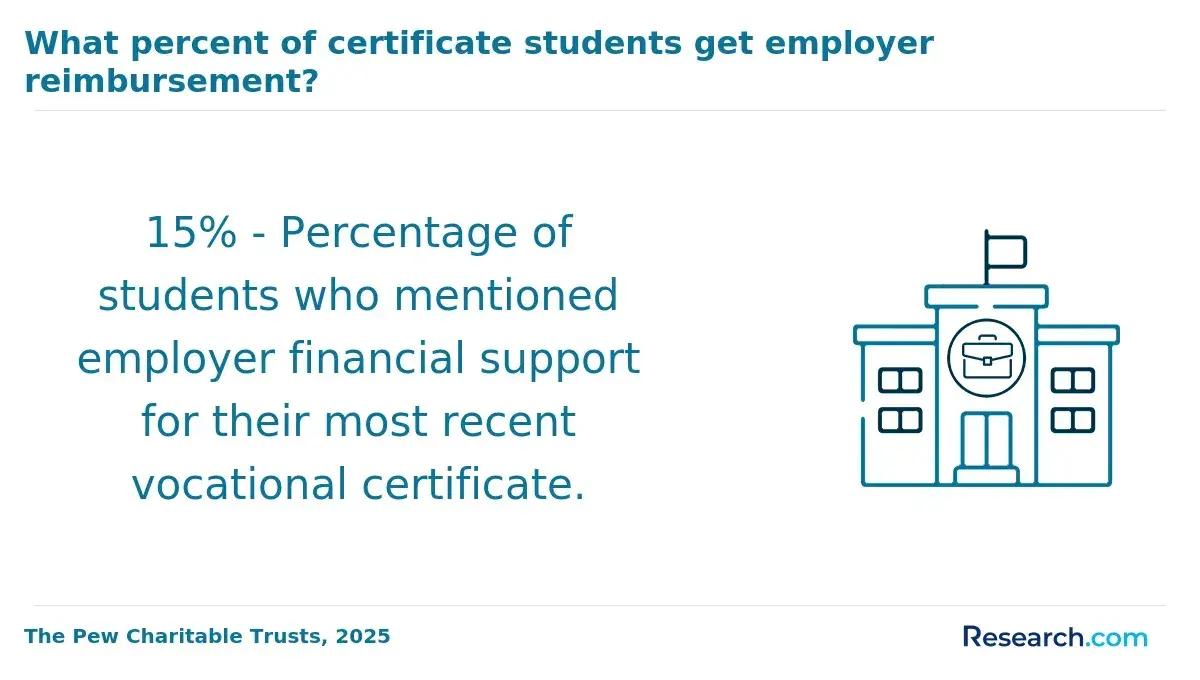
For a useful cost comparison, calculate tuition on the credits you will actually take, then add mandatory and program fees, travel or residency costs, clinical-placement expenses, and likely lost earnings. Subtract only funding or employer assistance for which you are eligible. Graduate aid, scholarships, and assistantships vary; do not assume a practice-oriented doctorate carries the funding package sometimes offered by research PhD programs. Obtain written estimates for both a planned schedule and a plausible extra term.
These degrees may support advanced practice, applied research, or leadership in their respective fields, but they do not guarantee a promotion or a particular salary. For context, the Bureau of Labor Statistics reported 2023 median annual pay of $110,680 for medical and health services managers. That figure describes an occupation - not DNP or DrPH graduates - and management jobs generally also depend on experience.
Evaluate return on investment against the job you could realistically pursue without the doctorate. For a prospective DBA or DPA student, compare employer expectations and advancement opportunities with continued management experience. For a prospective PsyD or DNP student, assess whether the specific program supports the intended licensed practice. Changing employer needs, including AI-related changes to analytical work, make demonstrable expertise and relevant experience important alongside the credential.
Which licenses or certifications do professional doctorate graduates need?
Requirements depend on the occupation and state, not simply the letters after your name. Clinical psychologist licensure can involve an eligible doctoral program, supervised experience, and examinations. Advanced-practice nursing roles can require an RN license, qualifying graduate preparation, national certification, and state authorization. Education administrator and clinical social work roles have their own state-specific rules.
Check your intended state board's requirements before choosing a program or transferring out of one. Ask the new school to confirm in writing whether its pathway meets the educational requirements for the credential you seek. Credits that are academically acceptable may still fail to satisfy a required clinical, specialty, or field-experience component.
Other Things You Should Know About
Sometimes. The doctoral program must approve eligible graduate coursework for specific degree requirements; holding a master's degree alone does not guarantee credit.
Not necessarily. Cohort schedules, clinical work, residency, and the doctoral project can determine completion time even after coursework is waived.
Do not assume it does. Experience may support admission or a workplace-based project, but academic credit requires an explicit doctoral-level policy and evaluation.
Request a written, program-level transfer evaluation, a remaining-degree plan, a full cost estimate, and confirmation of any accreditation or licensure requirements relevant to your goal.
- School-Determined Requirements - FSA Partner Connect https://fsapartners.ed.gov/knowledge-center/fsa-handbook/2026-2027/vol1/ch1-school-determined-requirements
- Graduate Credit Transfer Policy - Campus Offices https://campus.collegeforcreativestudies.edu/policy/transfer-credits-graduate/
- Can I transfer credits into a doctoral program? | Capella University https://www.capella.edu/blog/phd-doctorate/can-i-transfer-credits-into-a-doctoral-program/
- DNP and MN Handbook - WSU College of Nursing https://nursing.wsu.edu/student-policies-procedures/dnp-and-mn-handbook/
- Transfer Credit - Columbia GSAS https://www.gsas.columbia.edu/content/transfer-credit
- 4.6.1 - Transfer Credit for Doctoral Programs https://graduatecollegebulletin.ouhsc.edu/hbSections.aspx
- Graduate Degrees | University of Florida Catalog https://gradcatalog.ufl.edu/graduate/degrees/
- Financial Aid Terms | PA State System of Higher Education https://www.passhe.edu/students/financial-aid-terms.html
- Course Transfer Policy | Official Catalog | Charter Oak State College https://www.charteroak.edu/catalog/current/academic_policies_regulations/course_transfer_policy.php