2027 Best Part-Time Doctoral Programs

Co-Founder and Chief Data Scientist
A part-time doctorate can let you keep working, but a flexible course schedule does not necessarily make research, clinical hours, or a final project flexible. This guide compares ten doctoral program families and shows how to evaluate their workload, cost, and career value. The stakes are substantial: the U.S. Bureau of Labor Statistics (BLS) reported a 2023 median wage of $145,080 for computer and information research scientists, an occupation that typically requires at least a master's degree. That wage is not a doctoral-graduate outcome; it illustrates why matching an expensive credential to a specific career goal matters.
Key Things You Should Know
- The best part-time program is one that officially permits part-time enrollment and fits your work schedule through coursework, research, and the final requirement - not just during online classes.
- Compare total tuition, fees, required visits, and funding. A funded PhD and a tuition-funded professional doctorate can have very different costs despite similar published tuition rates.
- Choose by career goal: a research-focused PhD, an applied doctorate such as a DBA or EdD, and a clinically oriented DNP or PsyD are not interchangeable. BLS occupational wages, including the $145,080 research-scientist median cited above, do not predict your earnings.
Top 10 Best Part-Time Doctoral Programs - Part-Time Doctorates
Business / DBA Programs
A Doctor of Business Administration (DBA) generally suits experienced managers who want to study organizational problems through applied research. Look for an explicit part-time pathway, predictable seminar times, and permission to use workplace data for a doctoral project or dissertation. A business PhD is usually a better match for someone seeking intensive original research and an academic research career; it may require full-time study. If your goal is a promotion rather than a research-based contribution, compare the DBA's cost and workload with an MBA, targeted training, and additional management experience.
Education / EdD Programs
A Doctor of Education (EdD) can fit teachers, administrators, and learning-design professionals investigating practical problems in their workplaces. Part-time formats may include evening seminars, cohort meetings, and an applied dissertation or doctoral project. Check whether your employer can support data collection and whether the program's calendar conflicts with the school year. An education PhD usually emphasizes original scholarship and faculty research fit. Neither degree alone grants a teaching or administrative license; state requirements remain separate.
Educational Leadership Programs
Educational leadership doctorates overlap with EdD programs but deserve a separate comparison if you are targeting school systems, higher education, or organizational learning. Examine the concentration - not just the degree title - for courses in policy, finance, supervision, and improvement research. Ask whether internships, district partnerships, or on-site activities are required and whether your existing position can satisfy them. Aspiring principals or superintendents must confirm that the program meets their state's certification rules; an otherwise flexible doctorate may not qualify.
Psychology Programs
A psychology PhD typically centers on research; a Doctor of Psychology (PsyD) often emphasizes clinical practice. Both may involve demanding supervised training that limits how much you can work, even when classes are part-time. For clinical goals, confirm the program's American Psychological Association accreditation status where relevant, internship arrangements, and your state's licensure requirements before applying. A nonclinical psychology doctorate is not a shortcut to psychologist licensure. For research goals, prioritize adviser fit, methods training, and realistic access to funding.
Nursing / DNP Programs
A Doctor of Nursing Practice (DNP) emphasizes advanced nursing practice and systems improvement; a nursing PhD emphasizes research. DNP entry routes differ for nurses with a BSN and those with an MSN, so compare only programs for which you qualify. A part-time course plan still needs room for clinical hours or a practice project. Verify whether placements can be completed near home, what the school arranges, and whether the specialty meets your state's licensure or certification rules. Existing nursing licensure may be an admission requirement.
Public Health Programs
A Doctor of Public Health (DrPH) generally targets experienced public health practitioners seeking leadership and applied-research skills; a public health PhD emphasizes original research. Compare required professional experience, team-based projects, residencies, and whether the final project can address a problem at your workplace. "Online" may still mean scheduled live sessions or visits. If you primarily need a new specialty or an entry route into public health, an MPH may be less costly and more appropriate than a doctorate.
Computer Science Programs
A computer science PhD can support advanced research in areas such as AI, systems, or security, but part-time availability depends on the department and adviser. Laboratory meetings, publication expectations, and access to computing resources may be harder to arrange around a job than coursework. Ask whether outside employment is permitted, whether research can relate to your employer's work, and how funding changes with enrollment status. For many software roles, a master's degree or substantial project experience may offer a better return.
Cybersecurity Programs
Cybersecurity doctorates may emphasize original computing research, applied security leadership, or policy. Choose the curriculum by the work you want to do: technical research calls for strong methods and faculty fit, while organizational leadership calls for governance and risk expertise. Part-time applicants should examine lab access, security restrictions on workplace data, and dissertation supervision. A doctorate is not generally required for security analyst or manager roles; relevant experience and industry credentials may be a more direct next step.
Social Work / Human Services Programs
A Doctor of Social Work (DSW) often focuses on advanced practice or organizational change, while a social work PhD typically prepares students for research. Compare project expectations, cohort meeting times, and whether field-based research is feasible alongside client responsibilities. If your goal is independent clinical practice, check state social-work licensing rules: a DSW does not replace required supervised experience or examinations. Applicants without a social-work background should confirm entry eligibility rather than assuming general human-services experience qualifies.
Public Administration / Public Policy Programs
A Doctor of Public Administration (DPA) commonly emphasizes applied government and nonprofit leadership; a public policy PhD often emphasizes research methods and policy analysis. Part-time students should compare quantitative prerequisites, dissertation or capstone requirements, and rules on using agency data. Public-sector employers may offer tuition assistance but may also restrict research involving confidential records. If you want to move into policy work rather than produce doctoral-level research, compare an MPA or MPP and relevant professional experience first.
What Are the Best Part-Time Doctoral Programs for Working Professionals?
There is no single best part-time doctoral program for every working professional. The strongest choice is an accredited program that formally supports your enrollment pace, prepares you for a defined goal, and offers a feasible route through its research, clinical, or project requirements. A program should not be called part-time merely because some classes meet online or in the evening.
The comparison below identifies which program families are worth investigating first. It is a career-fit shortlist, not a ranking of individual universities; confirm each school's current part-time policy and requirements in its doctoral catalog.
| Goal | Program family to investigate | Critical part-time constraint |
| Apply research to organizational practice | DBA, EdD, DrPH, DPA, or DSW | Scheduled cohorts and access to workplace data |
| Build a research career | Field-specific PhD | Adviser availability, research activity, and possible full-time expectations |
| Advance clinical or nursing practice | Relevant PsyD, PhD, or DNP | Placements, supervised hours, and licensing rules |
Shortlist individual programs only after checking the official catalog for permitted enrollment intensity, required visits, a sample course rotation, and the culminating requirement. If those details are unclear, ask the program director for them in writing before treating the program as a workable part-time option.
Part-time enrollment does not change the need for accreditation. Confirm the institution's recognized accreditation, then check whether your intended profession requires or strongly favors programmatic accreditation. For example, psychology training and nursing education can have accreditation implications beyond the institution's general status.
Accreditation alone does not establish state licensure eligibility. Ask the program to identify the states for which it has determined its curriculum meets educational requirements, then confirm current rules with the relevant state board. Do this before enrolling if clinical practice, school administration, or another regulated occupation is your goal.
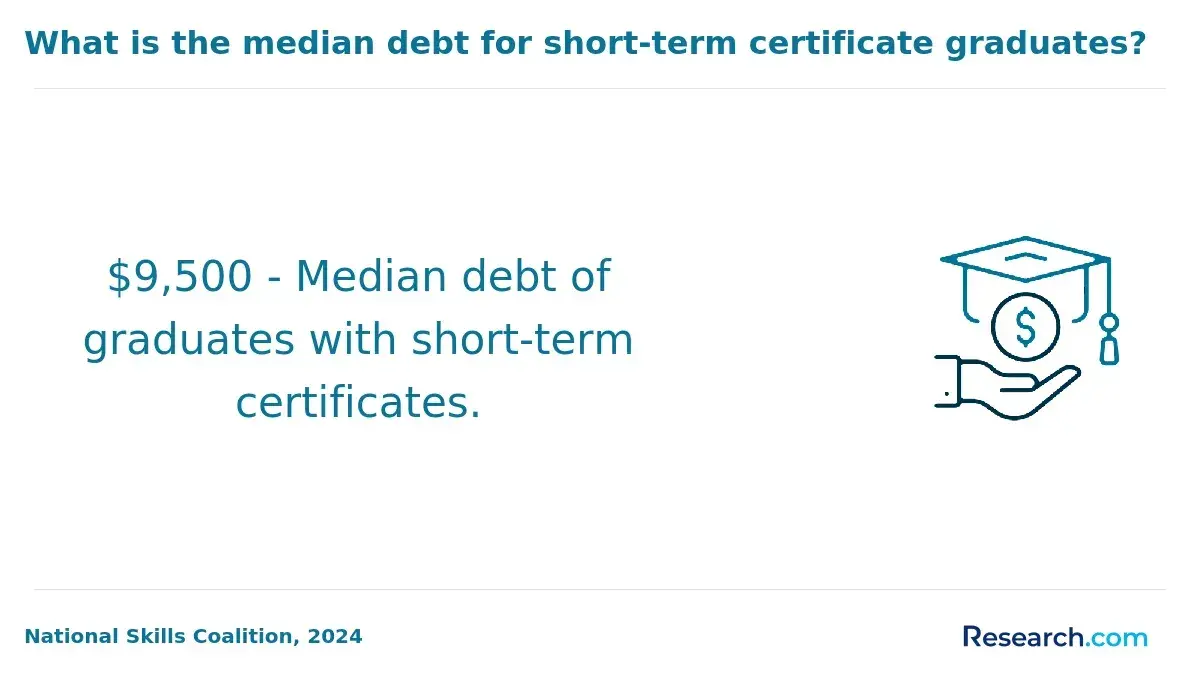
The meaningful price is the cost to finish, not tuition for one term. Build a budget around required credits, part-time fees, annual tuition changes, residencies, travel, materials, clinical expenses, and the additional terms a dissertation or project might require. Ask whether you pay tuition or continuation fees after coursework ends.
Funding structures differ sharply. Some research PhDs offer assistantships, tuition remission, or stipends, but part-time students may be ineligible; many professional doctorates rely more heavily on student or employer payment. Get a written estimate for your planned pace and ask how long any award lasts. If a doctorate is not essential to your goal, compare it with the cheapest online master's degree options in the relevant field rather than assuming the additional credential will pay for itself.
Online describes delivery; part-time describes enrollment pace. Neither guarantees the other. An online doctorate may have fixed deadlines, live seminars, campus residencies, local clinical placements, or scheduled defenses. Campus study may offer easier access to laboratories and advisers but require travel or a regular commute.
Compare the formats against your actual weekly availability. Request a sample term schedule and a complete list of in-person requirements, including those that arise after coursework. If you need an applied culminating project rather than a traditional dissertation, review online doctoral programs without dissertation carefully: verify the credential and official final requirement, because a project can still demand substantial research and scheduled supervision.
Requirements vary by degree and entry route. Most applicants need at least a bachelor's degree; many professional doctorates require a relevant master's degree, professional experience, or an existing license. Research PhDs may admit students after a bachelor's degree but place particular weight on research preparation and faculty fit. Do not assume a master's degree automatically reduces doctoral coursework.
Check the specific doctoral program's policy for prerequisites, GPA, GRE or GMAT scores, writing samples, interviews, recommendations, and adviser contact. Nursing and clinical pathways may add credential requirements. For a research proposal, identify faculty whose current work genuinely overlaps with yours and ask whether they expect to take part-time students. University-wide graduate admissions rules may not capture these program-level conditions.
Doctoral coursework commonly combines advanced field study with research methods and specialization. Research PhDs may add qualifying exams, candidacy, a dissertation proposal, original research, and an oral defense. Professional doctorates may require a dissertation, applied study, clinical project, or substantial capstone. Part-time does not mean a reduced academic standard.
Ask when the final requirement begins, how often your adviser meets with part-time students, and whether you can use workplace data. Identify approval steps that depend on an employer, a clinical site, or human-subjects review. These dependencies can outlast coursework and affect both your schedule and cost.
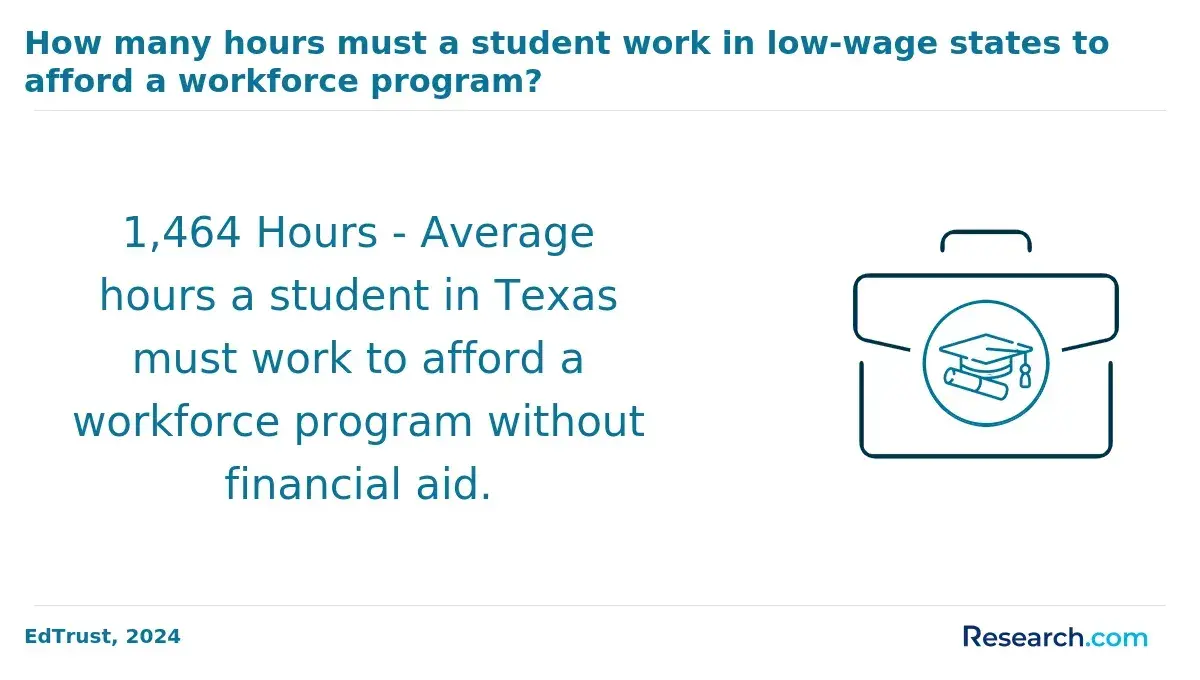
Part-time completion takes longer than a program's fastest advertised route in many cases, but there is no universal timeline. Course rotation, entry pathway, qualifying exams, adviser capacity, data collection, clinical hours, and proposal or defense approval can all determine the finish date. A shorter course term is not proof of a short doctorate.
Ask for the department's part-time course sequence, expected time to candidacy or project approval, maximum time-to-degree rule, and recent completion information if available. A fast track program is worth considering only if its advertised timeline includes your starting qualifications and every remaining doctoral requirement. Request a transfer-credit evaluation before counting prior graduate study toward either time or savings.
Doctoral graduates may pursue research, teaching, advanced practice, consulting, or organizational leadership, depending on the degree and their prior experience. A credential alone does not secure a faculty post, executive job, license, or promotion. Some research careers require publications or postdoctoral training; clinical roles can require supervised practice and examinations.
Use occupational pay as context, not a forecast. BLS reported a 2023 median wage of $126,260 for nurse practitioners; that figure covers workers in the occupation, not DNP graduates specifically, and nurse practitioner preparation and state licensure requirements apply. Before paying for a doctorate, check whether the role you want requires it or whether experience, a master's degree, or online certification programs could meet your goal with less disruption.
How Do You Choose a Reputable Part-Time Doctoral Program?
Start with a defined outcome - such as leading practice improvement, qualifying for a regulated role, or conducting original research - and compare programs against it. The following checks turn a promising description into an enrollment decision:
- Confirm the institution's accreditation, any relevant programmatic accreditation, and state licensure implications.
- Find explicit confirmation of part-time enrollment and obtain a sample schedule covering coursework and the final research or practice requirement.
- Compare written total-cost estimates, part-time funding eligibility, employer benefits, and charges after coursework ends.
- Discuss adviser availability, research or project fit, required visits, and recent part-time completion experience with the department.
Two warning signs are a "flexible" label without a documented part-time pathway and a price quote that excludes the dissertation or project stage. If a school cannot clarify either point, keep comparing. The reputable option is the one whose requirements you can verify and realistically meet - not simply the highest-ranked or fastest-advertised program.
Other Things You Should Know About
Sometimes. Confirm that the program officially permits part-time enrollment and that research meetings, clinical hours, and required visits fit your work schedule. Ask whether your employer will accommodate periods of heavier demand.
Enrollment pace alone does not determine recognition. Accreditation, academic requirements, research or practice quality, and relevance to your intended role matter more.
Possibly, but admission with a master's degree does not guarantee advanced standing. Request a program-level evaluation showing which eligible graduate courses satisfy specific doctoral requirements.
Choose a PhD when original research and faculty fit are central to your goal. Consider a relevant professional doctorate when you want to apply doctoral-level inquiry to practice or leadership. Compare actual curricula, funding, and career requirements before deciding.
- College Affordability and Transparency Center | ed.gov https://collegecost.ed.gov/
- Certification Procedures - Questions and Answers http://www.ed.gov/laws-and-policy/higher-education-laws-and-policy/certification-procedures-questions-and-answers
- College Navigator - National Center for Education Statistics https://nces.ed.gov/collegenavigator/
- General Schedule Qualification Policies | U.S. Office of Personnel Management https://www.opm.gov/policy-data-oversight/classification-qualifications/general-schedule-qualification-policies/
- Hybrid Juris Doctor, JD | collegesoflaw.edu https://www.collegesoflaw.edu/academics/hybrid-juris-doctor/
- Online Doctoral Programs | National University https://www.nu.edu/online-degrees/doctoral/
- Standard Tuition Costs | ASU https://tuition.asu.edu/cost
- Admissions Requirements and Procedures - Pitt Catalog https://catalog.upp.pitt.edu/content.php
- Student Location & Disclosures for Professional Licensure or Certification Disclosure (Policy OG-33) | Clarkson College https://catalog.clarksoncollege.edu/academic-information-policies/student-location-disclosures
- How Long Does a Doctoral Degree Take to Earn? A Guide to Planning Your Next Step | Illinois https://education.illinois.edu/about/news-events/news/article/2025/07/18/how-long-does-a-doctoral-degree-take-to-earn--a-guide-to-planning-your-next-step