2027 Best PhD Programs With Conditional Admission

Co-Founder and Chief Data Scientist
A weak grade, missing prerequisite, or incomplete document does not always end a doctoral application—but "conditional admission" can mean different things at different schools. The National Science Foundation's Survey of Earned Doctorates counted 57,862 U.S. research doctorate recipients in 2023, a reminder that doctoral study is a substantial commitment, not simply an admissions hurdle.
This guide is for prospective PhD applicants comparing conditional pathways. It explains what conditions may involve, where to look across fields, and how to judge whether an offer leads to the research training, funding, and career options you actually want.
Key Things You Should Know
- Conditional admission is a written offer with requirements to meet; a general graduate-school policy does not establish that a particular PhD program offers it.
- Compare the exact condition, deadline, consequences, faculty fit, and funding before accepting—not just whether the school will admit you.
- A PhD ordinarily requires original research and a dissertation; DBA, EdD, DNP, and other professional doctorates are different credentials.
Top 10 Best PhD Programs With Conditional Admission - Top Programs
Business / DBA Programs
For a research career in management, accounting, or a related discipline, look for a PhD in business, not a Doctor of Business Administration (DBA). A DBA is generally practice-oriented and should not be counted as a PhD with conditional admission. Ask whether a business PhD department considers applicants who lack a specified quantitative course or whose academic record requires review. Even where graduate-school conditional admission exists, the department may still require strong research fit and may decline conditional applicants.
Education / EdD Programs
A PhD in education generally emphasizes original research; a Doctor of Education (EdD) often focuses on applied educational practice. If a department offers conditional PhD admission, clarify whether the condition concerns research-methods preparation, a prerequisite, or documentation. Do not assume an EdD admissions policy also applies to its PhD. Compare adviser availability, dissertation expectations, and funding if your goal is research rather than advancement in an existing education role.
Educational Leadership Programs
Educational leadership may be offered as a PhD specialization or as an EdD. For this article, only the PhD pathway qualifies. Ask admissions staff whether applicants needing additional statistics or research coursework can receive a conditional PhD offer and whether the condition must be cleared before starting doctoral research. School leadership certification is a separate, state-specific question; admission or graduation does not automatically confer it.
Psychology Programs
Psychology PhD admissions can depend heavily on research experience and faculty or laboratory fit. A conditional offer may not resolve a lack of available supervision. Distinguish a PhD from a PsyD, and check whether the program prepares students for research, clinical practice, or both. For clinical goals, investigate programmatic accreditation, supervised training, and the intended state's licensing rules before treating an admissions accommodation as a viable professional pathway.
Nursing / DNP Programs
A nursing PhD develops researchers who study care, health systems, or related questions. A Doctor of Nursing Practice (DNP) is a different, practice-focused degree. If a nursing school mentions conditional graduate admission, confirm that it applies specifically to the PhD and ask whether nursing credentials, prior coursework, or a potential adviser remain mandatory. A nursing PhD does not itself grant a new clinical license or advanced-practice certification.
Public Health Programs
Public health PhD applicants may need quantitative preparation and a clear match with a faculty member's research. A Doctor of Public Health (DrPH), commonly oriented toward practice and leadership, is not interchangeable with the PhD. Ask whether deficiencies can be resolved through specified coursework after admission or must be completed beforehand. Also compare funded research opportunities; an offer with costly prerequisite work and no funding may be less attractive than delaying an application.
Computer Science Programs
A computer science PhD centers on original research, even when applicants have substantial industry experience. If your background lacks a required course, ask whether the PhD department permits conditional enrollment and how completing the course affects research milestones and assistantship eligibility. Research-group capacity and adviser fit may matter more than a general graduate-school admissions exception. A master's degree or industry research experience may be a better next step if the proposed condition does not address those gaps.
Cybersecurity Programs
Cybersecurity research may sit within computer science, engineering, information systems, or a standalone PhD. Check the actual degree awarded rather than relying on a concentration name. Published conditional admission for a university's graduate students does not establish eligibility for its cybersecurity PhD. Ask whether computing foundations, security coursework, research experience, and adviser availability are prerequisites that can be addressed after entry or requirements that must be met before admission.
Social Work / Human Services Programs
Social work PhD programs typically prepare researchers; a Doctor of Social Work (DSW) is a separate credential. Departments may weigh practice experience alongside research readiness, but experience alone does not establish eligibility for conditional admission. If your goal is clinical social work, confirm state licensing requirements independently: a PhD does not replace required supervised practice or examinations. Ask whether any admissions condition would delay research-methods courses, assistantships, or adviser assignment.
Public Administration / Public Policy Programs
A public policy or public administration PhD is a research doctorate; a Doctor of Public Administration (DPA) is a different degree. Applicants should compare method training, faculty interests, and access to research funding. If a school allows conditional graduate admission, verify that the policy covers the specific PhD and identify precisely what must be completed. For government leadership goals that do not require original research, a relevant master's degree and professional experience may offer a more direct route.
What Is Conditional Admission to a PhD Program?
Conditional admission means a school offers entry subject to stated requirements. Depending on its policy, these might involve completing prerequisite courses, providing a final transcript, meeting an academic-performance standard, or supplying other missing materials. Terms such as "provisional" and "probationary" may have different meanings, so rely on the written offer rather than the label.
At the PhD level, an important distinction is who has approved the offer. Graduate-school eligibility does not necessarily override a department's selective admissions decision or its need for an available research adviser. An applicant who must satisfy requirements before enrollment has a different offer from one permitted to begin doctoral coursework while satisfying them.
There is no defensible universal list of "best" conditional-admission PhD programs: the defining policy must be confirmed for each specific PhD and application cycle. None of the field families above should be read as a claim that every program in that field offers conditional admission. A school belongs on your shortlist only when its current doctoral admissions materials or an authorized program representative confirms the pathway in writing.
The distinctions below help you compare offers without mistaking a general policy for an available PhD place:
| Published information | What it establishes | What remains unconfirmed |
| University-wide graduate conditional-admission policy | The institution recognizes a conditional pathway for some graduate applicants. | Whether the PhD department permits it or has an adviser and funding available. |
| PhD-specific admissions policy | The department describes conditions it may consider for its applicants. | Whether an individual applicant will receive an offer or financial support. |
| Individual written PhD offer | The applicant's own conditions and deadlines, if stated clearly. | Any funding, research, or progression terms omitted from the offer. |
For a useful comparison, shortlist PhD departments by research fit first. Then request confirmation of conditional-admission eligibility, the exact condition, and funding treatment. If those answers are unavailable, do not rank that program as a verified conditional-admission option.
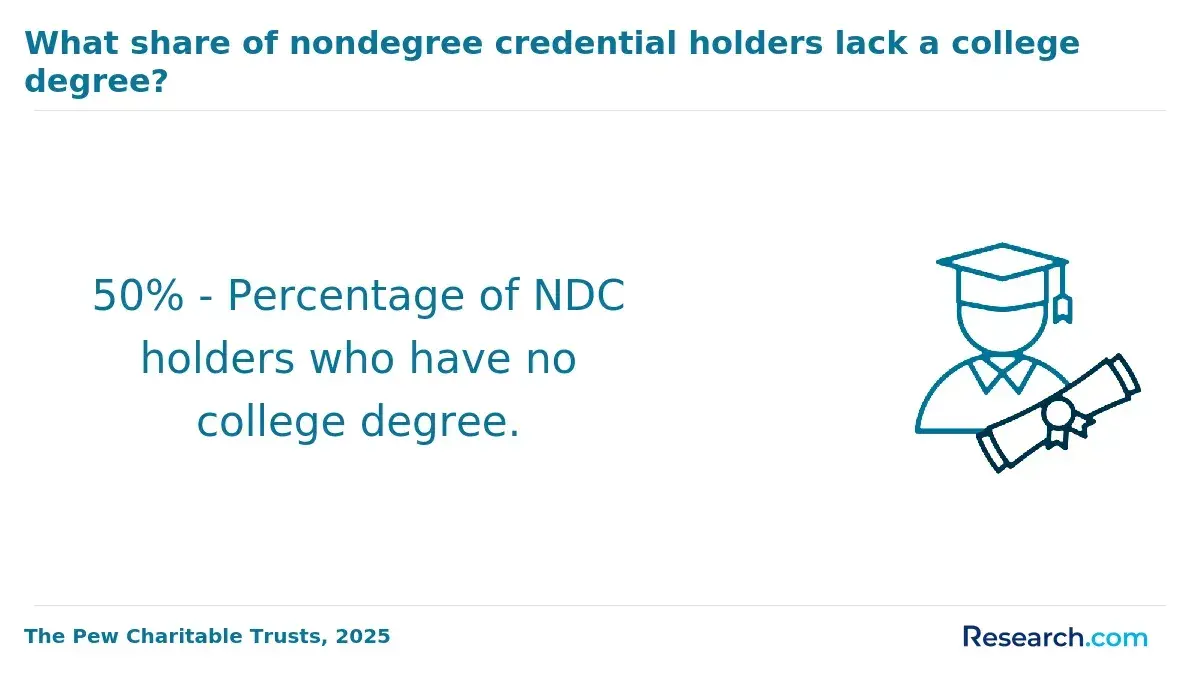
Requirements vary by department and by the reason an application falls short. A PhD applicant generally needs a completed bachelor's degree at minimum; some programs require a relevant master's degree, professional credentials, or specific prior courses. Departments may also evaluate grades, writing samples, research experience, recommendations, interviews, and alignment with prospective advisers. A condition does not necessarily waive these selective requirements.
Ask the program to put the consequential details in writing:
- What must be completed, at what grade or standard, and by which deadline?
- Can doctoral courses begin before the condition is met, and do those courses count toward the PhD?
- What happens to enrollment, assistantships, and funding if the condition is not met?
- Is a faculty adviser required or available at the point of admission?
If you have not yet completed undergraduate study, conditional PhD admission is not a shortcut around the bachelor's degree. Resources on the best college majors can help with that earlier decision, but doctoral eligibility ultimately depends on the specific program's preparation and research expectations.
Online delivery can reduce travel for coursework, while campus study may make laboratory access and frequent faculty interaction easier. Neither format makes conditional admission automatic. Research meetings, synchronous seminars, residencies, clinical placements, examinations, and dissertation defenses may still have scheduled or in-person requirements.
The format comparison matters most when you calculate the time available to clear an admissions condition and begin research. Confirm whether the entire PhD supports your intended location and enrollment schedule—not merely whether some classes are online. Also ask whether part-time enrollment is officially permitted and whether it changes funding eligibility.
Conditionally admitted students may complete the same core research methods and disciplinary courses as other PhD students while also meeting a specified prerequisite or performance requirement. Whether prerequisite work earns doctoral credit depends on the written degree plan; it should never be assumed.
After coursework, many PhD pathways involve qualifying or comprehensive examinations, advancement to candidacy, a dissertation proposal, original research, and a defense. Ask when the admission condition must be cleared relative to those milestones. If a department restricts candidacy or adviser assignment until then, an apparently small requirement could affect research progress.
There is no single reliable completion time for a conditionally admitted PhD student. Entry preparation, course sequencing, enrollment intensity, adviser availability, data collection, candidacy, and dissertation progress all matter. A required foundation course may add time if offered infrequently, even when it carries no doctoral credit.
Request the department's typical time-to-degree information and ask how students with your particular condition move through the curriculum. Do not treat a master's degree as an automatic time reduction; only the PhD program can determine whether previous graduate coursework satisfies its requirements. For readers still working toward initial eligibility, an accelerated bachelor's degree concerns an earlier stage of study, not an accelerated PhD.
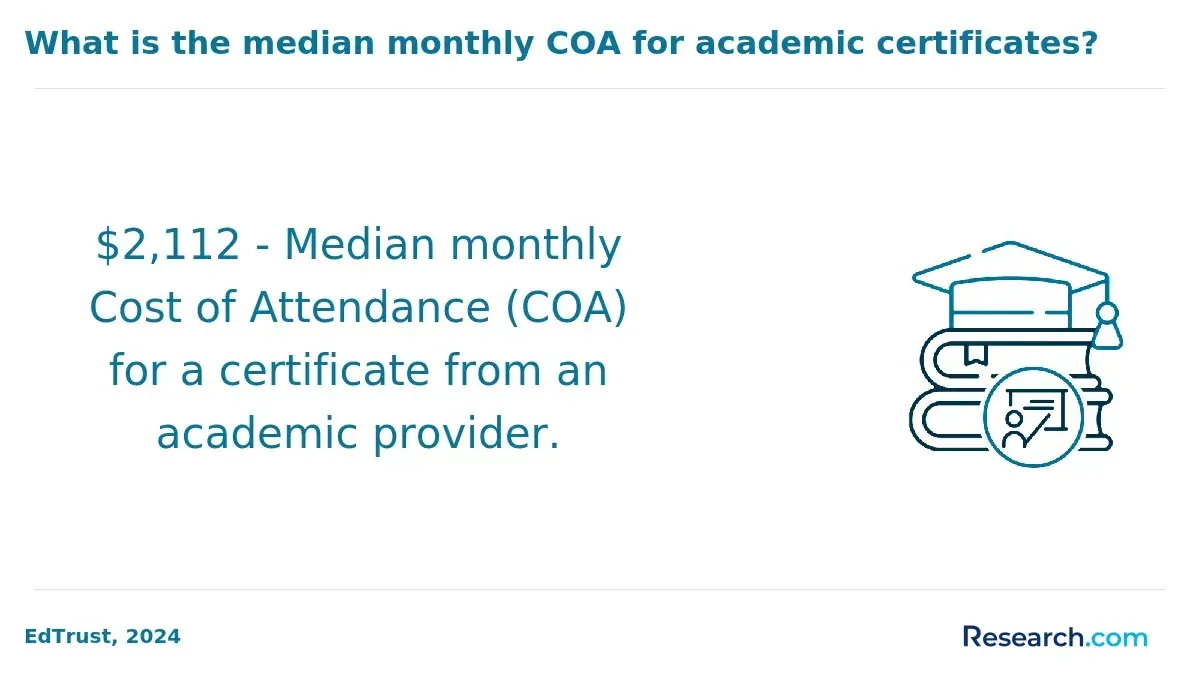
Compare net cost over the likely period of study, not published tuition alone. A funded PhD offer may include tuition remission and a stipend; another may leave the student responsible for tuition, fees, insurance, and living expenses. Neither "PhD" nor "conditional admission" establishes that funding is guaranteed.
When comparing written offers, include the following costs and benefits because a condition can change when support begins:
- Tuition and mandatory fees for doctoral courses and any required prerequisite work.
- Assistantship or fellowship eligibility, stipend terms, tuition remission, and the duration and conditions of support.
- Health coverage, research expenses, travel or residency costs, and likely living costs.
- Whether extra coursework or delayed candidacy could extend enrollment beyond funded years.
Ask for a funding explanation specific to your conditional offer. Federal aid eligibility and borrowing options should be checked against current school and federal rules, not inferred from admission alone.
PhD training can support university teaching, academic or industry research, government analysis, and specialized roles, depending on the discipline. Conditional admission does not change the credential awarded after successful completion, but it also does not guarantee completion or employment. Faculty positions may require a strong publication record and, in some fields, postdoctoral training; clinical roles may require separate licensure.
Use occupational wage data for the role you want, not as a predicted salary for PhD graduates. Compare that role's actual qualification requirements with the cost, funding, and foregone earnings of doctoral study. A guide to the most lucrative college majors describes undergraduate-field considerations; it is not evidence that a PhD or a conditional offer raises earnings. If your target job primarily rewards professional experience, a master's degree or additional experience may be the better investment.
How Can You Choose a Reputable Conditional-Admission PhD Program?
Start with the research question you want to pursue, then identify PhD departments with relevant faculty. Check the institution's recognized accreditation, the program's current admissions policy, dissertation requirements, typical completion experience, and written funding terms. For licensure-oriented psychology or other regulated paths, check applicable program accreditation and state-board rules separately.
Before accepting a conditional offer, ask the department to confirm whether your condition is achievable within the available course schedule and funding period. Speak with a prospective adviser about supervision and research resources where appropriate. Red flags include an unwritten or unclear condition, promises of funding without an offer letter, and claims that online study removes all in-person obligations. A guide to the easiest bachelor degree to get cannot substitute for the subject preparation and research fit a selective PhD requires.
Other Things You Should Know About
Possibly, but only if the specific department considers that circumstance. A university-wide graduate policy is not proof that its PhD will admit an applicant below its usual standard.
Usually not. The offer should state whether prerequisites must be completed before enrollment or can be taken afterward, and whether they count toward the degree.
Policies vary. Ask whether assistantships, fellowships, and tuition remission begin immediately or depend on clearing the condition.
Not necessarily. Schools use these terms differently. Read the written offer for the academic standard, deadline, and consequence of not meeting it.
- Rule 3341-3-76 - Ohio Administrative Code | Ohio Laws https://codes.ohio.gov/ohio-administrative-code/rule-3341-3-76
- School-Determined Requirements | 2024-2025 Federal Student Aid Handbook https://fsapartners.ed.gov/knowledge-center/fsa-handbook/2024-2025/vol1/ch1-school-determined-requirements
- Academics: Section 4: Academic Calendar, Admission, and Enrollment: Admission Requirements https://academics.waldenu.edu/handbook/registration-admission-enrollment/admission-requirements
- GSH Section 2 - Admissions | Graduate School https://gradsch.osu.edu/graduate-school-handbook-gsh/gsh-section-2-admissions
- Tuition Support Program | Graduate School https://gradschool.missouri.edu/funding/assistantships/tuition-support/
- Academic Policies and Requirements for Graduate Students | utk.edu https://catalog.utk.edu/content.php
- III. Admissions - Purdue University https://catalog.purdue.edu/content.php
- Graduate School Policies and Requirements | usc.edu https://cataloguepubs.usc.edu/cat2013/uscgraduate/policies.html
- Provisional and Conditional Admission to the Graduate School | University of Louisiana at Lafayette https://louisiana.edu/graduateschool/admissions/after-you-apply/provisional-and-conditional-admission-graduate-school
- Tuition & Fee Waivers - Graduate College - University of Illinois https://grad.illinois.edu/funding/tuition-fee-waivers