2027 Best Online Undergraduate Degrees With Fast Admissions Decisions

Co-Founder and Chief Data Scientist
Waiting months for an admissions decision can delay a raise, career change, or transfer plan. Fast-admission online bachelor's programs are designed for students who need a quicker path without sacrificing legitimacy. NCES reported in 2024 that about 9.4 million U.S. undergraduates took at least one distance education course in fall enrollment data, showing how mainstream online study has become.
This guide helps working adults, transfer students, military learners, parents, and first-time college students compare degree options, verify quality, estimate costs, and choose a program that fits their timeline and career goals.
Key Things You Should Know
- Fast admissions usually means a decision in the same day to about two weeks, but enrollment speed still depends on transcripts, transfer evaluations, financial aid processing, and program start dates.
- Accreditation is the first filter: choose institutions recognized by U.S. Department of Education-approved accreditors, and check programmatic accreditation when licensure is involved, especially in nursing, education, engineering, and some healthcare fields.
- College Board's 2024 pricing data shows average published tuition and fees of $11,610 for in-state public four-year colleges and $43,350 for private nonprofit four-year colleges, so total cost and aid matter as much as admissions speed.
Top 10 Best Online Undergraduate Degrees With Fast Admissions Decisions
Business Degrees
Online business degrees often move quickly because many schools use rolling admissions, broad prerequisites, and multiple start dates. Common majors include business administration, accounting, finance, marketing, human resources, and supply chain management. This path fits students who want flexible career options in operations, sales, analytics, entrepreneurship, or management. Look for AACSB, ACBSP, or IACBE accreditation when comparing business schools. A fast decision is useful, but the better test is whether the program includes applied projects, spreadsheet and analytics training, internship options, and transfer-friendly general education policies.
Healthcare Degrees
Healthcare administration, health sciences, public health, and health information management are among the most common quick-admission online healthcare degrees. They typically do not prepare students for direct clinical licensure, but they can lead to administrative, compliance, population health, and operations roles. Students should ask whether the curriculum includes healthcare law, revenue cycle management, quality improvement, data privacy, and ethics. For health information programs, CAHIIM accreditation can be especially important. Choose this route if you want healthcare work without bedside clinical practice.
Information Technology Degrees
Online IT degrees are strong candidates for fast admissions because many programs serve working adults and accept transfer credit, military training, and industry certifications. Coursework usually covers networking, systems administration, cloud computing, databases, scripting, and project management. This degree fits students who want practical technology roles without the heavier math and theory often found in computer science. Ask whether certifications such as CompTIA, Cisco, AWS, or Microsoft credentials can count for credit or align with courses, because that can shorten the path to completion.
Computer Science Degrees
Computer science degrees can offer quick admissions, but they may have stricter math readiness expectations than IT programs. Students study programming, algorithms, databases, software engineering, operating systems, and sometimes AI or machine learning. This major is best for learners who want software development, data, automation, or technical product roles. Review placement tests, calculus requirements, programming prerequisites, and portfolio opportunities before enrolling. If you need a rapid start but have limited coding experience, choose a program with beginner-friendly first courses and strong tutoring support.
Cybersecurity Degrees
Cybersecurity bachelor's programs often combine fast admissions with career-focused curricula in network defense, risk management, digital forensics, secure systems, and incident response. They suit students who enjoy problem solving, rules-based analysis, and continuous learning. Look for NSA Center of Academic Excellence designation, hands-on labs, security operations simulations, and alignment with Security+, CySA+, or CISSP knowledge areas. A quick admission decision is helpful, but students should avoid programs that promise unrealistic job outcomes without labs, faculty expertise, or clear employer-aligned skills.
Psychology Degrees
Online psychology degrees frequently use open or rolling admissions and attract students interested in human behavior, research, counseling-adjacent work, human services, or organizational roles. A bachelor's degree alone does not qualify graduates to become licensed psychologists or therapists, but it can support entry-level roles and graduate study. Students who prefer focused, independent work may also compare psychology-related paths with best jobs for introverts. Prioritize programs with research methods, statistics, ethics, and field experience options.
Nursing Degrees
Fast-admission online nursing degrees are usually RN-to-BSN programs for licensed registered nurses, not pre-licensure programs for students with no nursing credential. Admissions commonly require an active RN license, prior nursing coursework, clinical documentation, and transcripts. Students seeking initial RN licensure should verify state board approval, clinical placement rules, and NCLEX eligibility before applying. For licensed nurses, an online BSN can support leadership, public health, case management, and graduate nursing goals while allowing continued employment during study.
Education Degrees
Online education degrees may offer quick decisions, but licensure requirements vary by state. Some bachelor's programs prepare students for teacher certification with fieldwork and student teaching, while others focus on non-licensure areas such as early childhood studies, educational studies, or instructional support. Before enrolling, confirm whether the program meets your state's teacher preparation requirements. Fast admission should not outweigh licensure alignment, placement support, background-check procedures, and supervised classroom experience. This degree fits students committed to teaching, training, child development, or school support roles.
Criminal Justice Degrees
Criminal justice programs often offer fast admissions because they serve adult learners, public safety employees, military students, and transfer students. Coursework typically includes law enforcement systems, courts, corrections, ethics, criminology, policy, and research methods. This major can support roles in public safety, probation, investigations, emergency management, security, and victim services. Requirements for sworn law enforcement roles vary by agency and state, so students should check age, fitness, background, academy, and citizenship requirements before assuming the degree alone is enough.
Engineering Degrees
Online engineering bachelor's degrees with quick admissions are less common than business or IT programs because lab work, math sequencing, and ABET accreditation matter. Options may include electrical, industrial, mechanical, software, or engineering technology programs. Students should distinguish engineering from engineering technology: both can be valuable, but they may lead to different licensure and job pathways. If professional engineer licensure is a goal, ABET accreditation and state board rules are critical. Expect more structured pacing than in many other online majors.
What are fast-decision online undergraduate degrees and how do admissions timelines work?
Fast-decision online undergraduate degrees are associate or bachelor's programs that review applications on an accelerated or rolling basis. Instead of waiting for one annual admissions cycle, applicants may receive a decision after submitting a short application, transcripts, proof of graduation or GED completion, and sometimes test scores or transfer records.
Admissions speed and enrollment speed are not the same. A school may admit you quickly, but you may still need transcript evaluation, FAFSA processing, advising, registration, placement testing, or background checks before classes begin. The table below summarizes common timelines so you can tell whether a school's claim is realistic.
| Admissions model | Typical decision timing | Best fit | Main caution |
| Instant or same-day review | Within hours after required documents arrive | Open-admission or adult-focused programs | Decision may be conditional until official transcripts are verified |
| Rolling admissions | A few days to two weeks | Transfer students and working adults | Popular start dates can still fill before you finish enrollment steps |
| Priority deadline review | After a published deadline | Selective programs with limited seats | Less flexible if you need to begin immediately |
| Cohort-based review | Varies by cohort start | Nursing, education, engineering, and clinical-adjacent fields | Licensure, labs, or clinical placements can lengthen the process |
A good fast-admission program is transparent about what happens after acceptance. Ask whether your admission is final, provisional, or conditional, and whether missing documents could delay aid, transfer credit, or course registration.
How can students verify accreditation and avoid online degree mills with quick admissions?
Accreditation is the strongest protection against online degree mills. A legitimate college should be accredited by an institutional accreditor recognized by the U.S. Department of Education or the Council for Higher Education Accreditation. Fast decisions are not a problem by themselves; the red flag is speed combined with vague accreditation, pressure tactics, no faculty information, or promises that sound too certain.
Use this verification process before sending transcripts, paying fees, or signing an enrollment agreement:
- Search the school in the U.S. Department of Education's Database of Accredited Postsecondary Institutions and Programs or CHEA's directory.
- Confirm that the accreditor listed on the school's website matches the accreditor shown in the official database.
- Check programmatic accreditation if the degree leads to licensure, certification, or regulated practice.
- Review the school's state authorization page to confirm it can enroll online students in your state.
- Ask for written details on tuition, fees, refund rules, transfer credit, graduation requirements, and complaint procedures.
Degree mills often rely on urgency. Be cautious if a school says you can earn a bachelor's degree almost entirely from "life experience," refuses to provide a physical address, lists fake accrediting bodies, or guarantees employment. Legitimate schools may award credit for prior learning, but they document it through exams, portfolios, military transcripts, corporate training evaluations, or standardized credit recommendations.
Which online bachelor's majors most commonly offer quick admissions and strong career value?
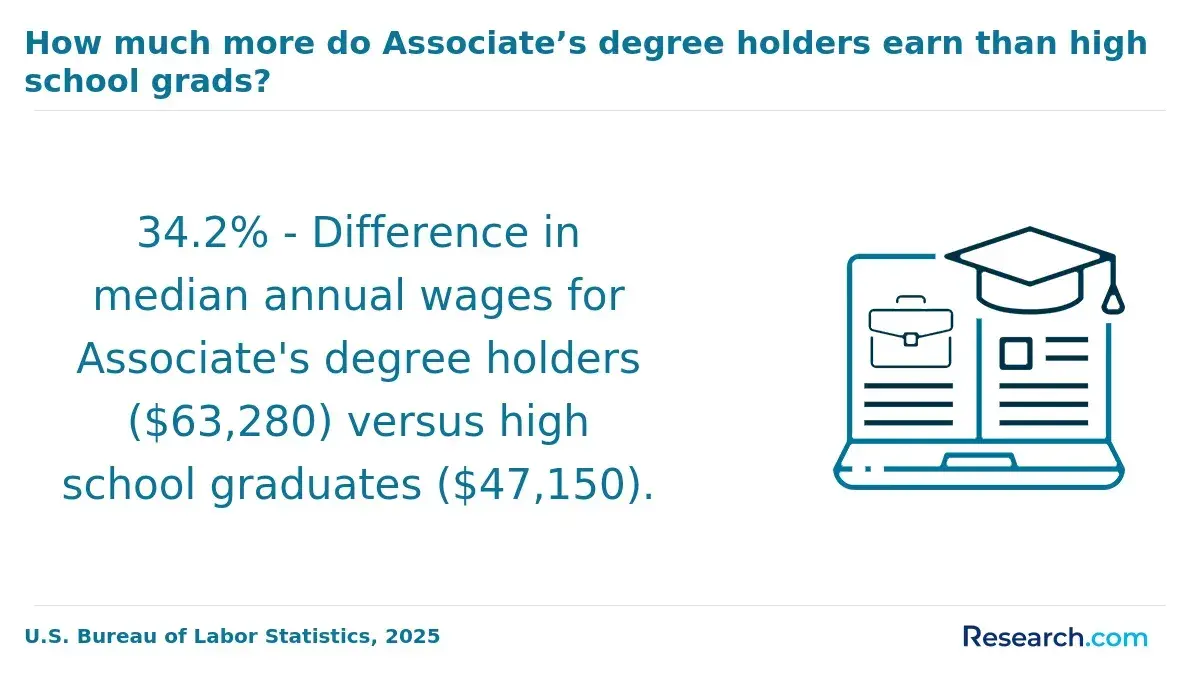
The best fast-admission major depends on your current credits, work history, career target, and tolerance for math, writing, labs, or licensure rules. In general, the majors that most commonly combine quick admissions with strong career value are business, information technology, computer science, cybersecurity, healthcare administration, accounting, and RN-to-BSN nursing.
Students comparing online programs that pay well should look beyond the major name and ask what job-ready skills the curriculum actually builds. A business degree with analytics, accounting, and project management may offer clearer value than a broad program with few applied assignments.
This comparison highlights how popular online majors differ by admissions speed, career alignment, and constraints that can affect your decision.
| Major area | Why admissions may be fast | Career value driver | Watch for |
| Business administration | Broad eligibility and many start dates | Management, operations, sales, and analytics flexibility | Programs that are too general without concentrations or projects |
| Information technology | Adult-focused formats and certification credit | Practical systems, networking, cloud, and support skills | Outdated labs or limited hands-on work |
| Computer science | Online demand and scalable coursework | Programming, software design, data, and automation skills | Math sequencing and weak coding support for beginners |
| Cybersecurity | High demand for online technical programs | Security operations, compliance, and risk skills | No labs, no certifications alignment, or unrealistic job claims |
| RN-to-BSN nursing | Designed for licensed RNs | Leadership, care coordination, and graduate school preparation | State authorization and clinical or practicum expectations |
| Healthcare administration | Usually non-clinical and transfer-friendly | Healthcare operations, compliance, and quality improvement | Confusing it with clinical licensure preparation |
If you already have extensive credits, the "best" major may be the one that accepts the most applicable transfer credit while still aligning with your intended job market. If you are starting from scratch, prioritize programs with strong first-year support, clear degree maps, and no hidden prerequisites.
What are typical admission requirements for online bachelor's programs with rapid decisions?
Fast-admission online bachelor's programs usually simplify the first review, but they still require proof that you are eligible for undergraduate study. Requirements vary by school and major, and selective programs may ask for more documentation than open-admission programs.
Most applicants should be prepared to submit the following materials quickly because missing documents are the most common reason a "fast" decision slows down:
- Online application with legal name, contact information, citizenship or residency details, and intended major.
- Official high school transcript, GED record, or home-school documentation if you have limited college credit.
- Official transcripts from every college previously attended, even if you withdrew or earned low grades.
- Government-issued identification or residency documentation if required for tuition classification or identity verification.
- Placement test results, prior college math or English courses, or readiness assessments when required.
- Major-specific documents such as an RN license, background check, prerequisite courses, portfolio, or professional certification.
Many online programs no longer require SAT or ACT scores for adult and transfer students. However, test-optional does not mean requirement-free. Schools still evaluate academic history, minimum GPA rules, transfer standing, and whether you meet prerequisites for the major.
A practical way to speed up admission is to order official transcripts before applying. If you attended multiple colleges or plan to obtain an online master degree, request all records at once and confirm whether the school accepts secure electronic delivery.
How do program length, start dates, and transfer credit policies affect how fast you can enroll?
Program length depends on credits required, transfer acceptance, start-date frequency, course load, and whether courses are offered in accelerated terms. A bachelor's degree usually requires about 120 semester credits, but students with prior college credit, military training, industry certifications, or an associate degree may be able to shorten the timeline.
Flexible calendars can be especially useful for parents and caregivers comparing online courses for stay at home moms because the fastest program is not always the best fit. A six-week term may help motivated students move quickly, while an eight- or fifteen-week term may be more manageable alongside childcare or work.
These factors determine how quickly you can move from application to first class and from first class to graduation:
- Start dates: Monthly or multiple yearly starts can reduce waiting time, while cohort programs may require you to wait for the next sequence.
- Transfer credit limits: Some schools accept up to a large share of bachelor's credits, while others require more credits in residence.
- Prior learning assessment: Credit by exam, portfolio review, military transcripts, and evaluated corporate training can reduce repeated coursework.
- Course availability: A program can advertise accelerated courses but still delay graduation if required classes are not offered often.
- Full-time versus part-time pacing: Full-time study moves faster but can increase workload, while part-time study may protect grades and persistence.
Ask for a personalized degree plan before enrolling. A school's general completion estimate is less useful than a written review showing which credits apply, which requirements remain, and when each required course is offered.
How do tuition, financial aid, and employer tuition benefits work for fast-admission online degrees?
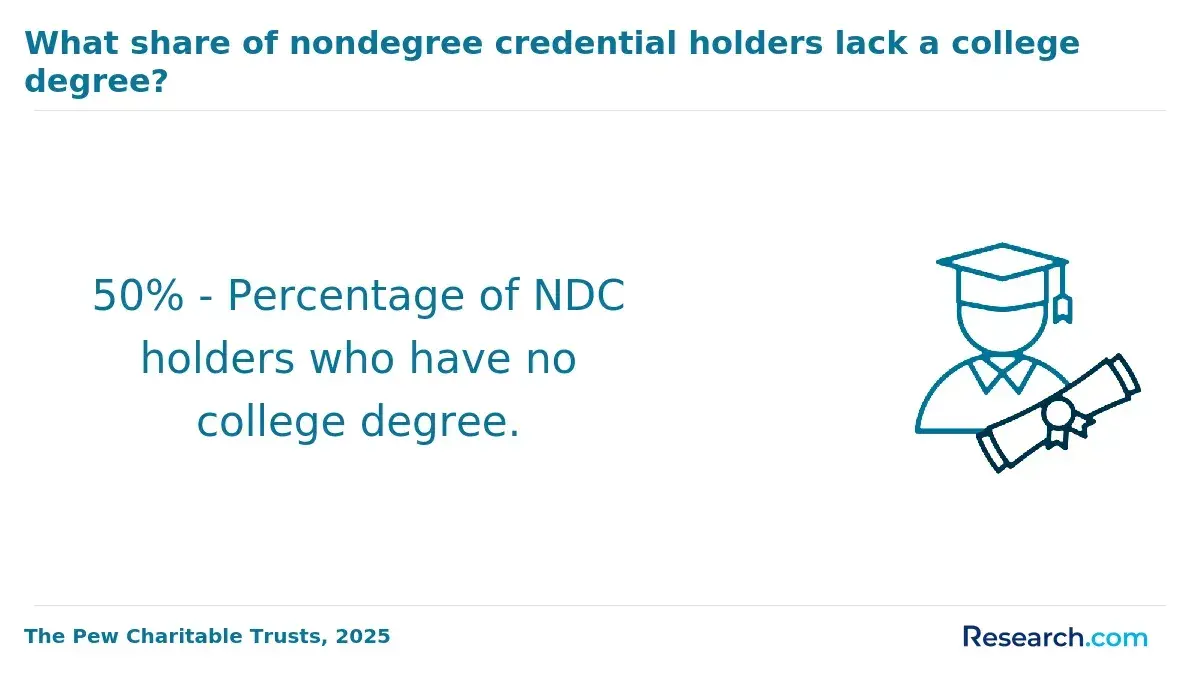
Fast admissions do not automatically mean low cost. Tuition may be charged per credit, per term, or through a subscription model, and online students may still pay technology, assessment, graduation, transcript, and course-material fees. College Board's 2024 data placed average published tuition and fees at $11,610 for in-state public four-year colleges and $43,350 for private nonprofit four-year colleges, which shows why comparing net price matters more than sticker price.
Use this cost comparison to identify where online programs can differ financially. The figures are not a quote from any one school; they are cost categories students should verify before committing.
| Cost factor | Why it matters | What to ask |
| Tuition rate | Per-credit and flat-rate models can favor different course loads | Is tuition the same for online, out-of-state, military, or transfer students? |
| Fees | Small recurring fees can raise the total cost over many terms | Which technology, assessment, clinical, lab, and graduation fees apply? |
| Transfer credits | Accepted credits reduce both time and tuition | How many credits will apply directly to my degree requirements? |
| Books and materials | Some online programs use paid courseware or included digital materials | Are materials included, optional, or billed separately? |
| Employer benefits | Tuition assistance can reduce borrowing but may require grade or service commitments | Does the school defer billing until employer reimbursement is paid? |
| Future graduate study | Some careers require or reward advanced credentials | Will this bachelor's degree meet admission expectations for graduate programs? |
Complete the FAFSA even if you plan to study online. Eligible students at accredited institutions may qualify for federal grants, loans, work-study, state aid, institutional scholarships, and employer tuition assistance. If graduate school may be part of your long-term plan, comparing undergraduate affordability now can preserve flexibility later when reviewing options such as the most affordable online masters.
Before borrowing, estimate your total program cost after transfer credit and aid, not just the first term. A lower per-credit price may not save money if the school accepts fewer credits or requires extra prerequisites.
What does the curriculum look like in flexible, fast-admission online bachelor's programs?
Flexible, fast-admission online bachelor's programs usually combine general education, major courses, electives, and a capstone or applied project. The format may be asynchronous, synchronous, hybrid, competency-based, or cohort-based. The best choice depends on how much structure you need and whether the major requires labs, clinical practice, fieldwork, or proctored assessments.
The curriculum should build both degree completion and employable skills. In career-focused programs, look for assignments that produce portfolio evidence, such as business plans, data dashboards, security reports, lesson plans, care coordination projects, case analyses, or software applications.
Most online bachelor's programs include several layers of coursework:
- General education courses in writing, quantitative reasoning, humanities, social science, natural science, and communication.
- Major foundation courses that introduce core concepts such as accounting, programming, anatomy, criminology, psychology, or education theory.
- Advanced major courses that build specialized skills through projects, simulations, research, labs, or case studies.
- Electives or concentrations that let students focus on areas such as analytics, cloud computing, leadership, public health, child development, or digital forensics.
- Capstone, practicum, internship, student teaching, or clinical components when required by the discipline or accreditor.
AI is also changing curriculum design. Strong programs teach students how to use AI tools responsibly for research, productivity, coding, data interpretation, or workflow support while still assessing original thinking, ethical judgment, and discipline-specific competence.
What careers, salaries, and job outlooks align with popular fast-admission online degrees?
Career outcomes vary by location, experience, internships, certifications, licensing, portfolio strength, and the health of the labor market. A fast-admission online bachelor's degree can be valuable when it connects directly to a realistic job path and helps you build evidence of skills employers recognize.
The table below uses recent U.S. labor-market salary and outlook context from BLS occupational data. Use it as a directional comparison, not a guarantee of what any individual graduate will earn.
| Degree area | Related roles | Relevant BLS wage or outlook context | Decision takeaway |
| Business | Operations coordinator, management analyst, sales manager, accountant | BLS reported a 2024 median pay of $101,190 for management analysts | Best for students who want broad mobility and can add analytics, finance, or operations skills |
| Healthcare administration | Clinic manager, quality coordinator, health services administrator | Medical and health services managers had a 2024 median pay of $117,960 | Strong fit for non-clinical healthcare leadership paths, especially with healthcare experience |
| Information technology | Systems administrator, network specialist, cloud support associate | Computer and information technology occupations remain among the higher-wage occupational groups in BLS data | Useful when the program includes labs, certifications, and current platforms |
| Computer science | Software developer, QA analyst, data-focused associate roles | Software developers had a 2024 median pay of $133,080 | Best for students prepared for programming practice, math, and portfolio building |
| Cybersecurity | Security analyst, SOC analyst, compliance analyst | Information security analysts had a 2024 median pay of $124,910 | High-value path when paired with labs, certifications, and entry-level IT experience |
| Nursing RN-to-BSN | Registered nurse, case manager, nurse leader | Registered nurses had a 2024 median pay of $93,600 | Best for licensed RNs seeking advancement, leadership, or graduate study readiness |
| Education | Teacher, instructional assistant, training specialist, childcare administrator | Teacher pay and demand vary widely by state, district, subject, and licensure area | Licensure alignment matters more than admissions speed |
| Criminal justice | Probation officer, investigator, public safety specialist, security manager | Public safety roles often use agency-specific hiring and academy requirements | Good fit when paired with local hiring research and realistic background requirements |
Students should not choose a major only because a national median salary looks attractive. The smarter approach is to compare entry-level roles in your region, review employer job postings, identify required skills, and choose coursework that fills gaps you can prove through projects or credentials.
A degree may be worth it when it helps you qualify for roles that previously screened you out, supports advancement with your current employer, or reduces the time needed to finish through transfer credit. It may be less worthwhile if the program is expensive, weakly aligned with your target job, or missing licensure approval you need.
How should students compare schools to choose the best fast-admission online bachelor's program?
To choose the best fast-admission online bachelor's program, start with fit rather than speed. A same-day decision is useful only if the school is accredited, affordable, transfer-friendly, properly authorized in your state, and aligned with your career goal.
This comparison can help you separate meaningful program differences from marketing claims.
| Comparison factor | Strong sign | Red flag |
| Accreditation | Recognized institutional accreditation and programmatic accreditation when needed | Unrecognized accreditor, vague approval language, or no database listing |
| Admissions speed | Clear decision timeline and document checklist | Pressure to enroll before you receive written cost and credit information |
| Transfer policy | Written preliminary transfer evaluation before or soon after admission | Promises that "most credits transfer" without degree-specific mapping |
| Cost transparency | Full tuition, fees, aid, refund, and billing policies are easy to find | Only monthly payment amounts are emphasized |
| Student support | Advising, tutoring, library access, tech support, and career services for online students | Support exists only during business hours or only for campus students |
| Career alignment | Curriculum includes projects, labs, certifications, fieldwork, or licensure preparation | Career claims are broad, unsupported, or unrelated to coursework |
Before enrolling, take these practical steps to reduce risk and improve your odds of finishing:
- Define the job or graduate program you want after the degree, then work backward to required credentials and skills.
- Verify institutional accreditation, state authorization, and any programmatic accreditation or licensure approval.
- Request a written transfer credit review and compare how many credits apply to the major, not just total elective credit.
- Calculate total net cost after grants, scholarships, employer aid, transfer credits, fees, and expected time to completion.
- Ask for a sample course shell or orientation demo so you can judge workload, technology, and instructor interaction.
- Review graduation rates, retention information, student complaint history, and career services available to online students.
- Talk with admissions and academic advising, then compare whether their answers match the catalog and written policies.
Common mistakes include choosing the fastest school without checking accreditation, assuming online means self-paced, ignoring state licensure rules, and comparing tuition without counting transfer-credit loss. The best program is the one that helps you start soon, finish realistically, and move toward a career outcome you have verified.
Other Things You Should Know About
Some online bachelor's programs issue same-day or next-day decisions, while others take a few days to two weeks after receiving required documents. Transcript delays, transfer reviews, financial aid, and cohort start dates can still affect when you actually begin classes.
They can be respected if the school is properly accredited and the program builds relevant skills. Employers are more likely to focus on accreditation, experience, portfolio work, certifications, licensure, and whether the degree matches the role.
Often, yes. Many online programs are designed for transfer students, but each school decides how credits apply. Ask for a written degree audit showing which credits satisfy general education, major, elective, and residency requirements.
The biggest red flag is pressure to pay or enroll before you can verify accreditation, total cost, transfer credit, and program requirements. A legitimate fast-admission school should still provide clear written policies and time for you to review them.
References
- Best Online Bachelor & Master Degree Combined Programs https://www.onlinemastersdegrees.org/best-programs/accelerated-bachelors-to-masters/
- 6 Ways to Increase Student Enrollment https://decisions.com/blog/6-ways-to-increase-student-enrollment
- Timing Is Everything: Shifting Trends in Student Decision-making https://www.encoura.org/resources/wake-up-call/timing-Is-everything-shifting-trends-in-student-decision-making/
- Two-year degrees https://www.buckingham.ac.uk/study/undergraduate/two-year-degrees/
- 16 Factors in College Admission Decisions — Elite Educational Institute https://eliteprep.com/blog/16-factors-influencing-college-admission-decisions
- Ten Factors that Influenced the Decision to Apply in 2023 — Academica Forum https://forum.academica.ca/forum/ucas2024-10-factors-influencing-choice
- Online Degrees and Programs | South University https://www.southuniversity.edu/online
- Best Online Colleges for Working Adults [2026] https://www.straighterline.com/blog/degree-completion-best-online-colleges-for-working-adults
- Factors in the Admission Decision - National Association for College Admission Counseling (NACAC) https://www.nacacnet.org/factors-in-the-admission-decision/
- Admissions Response Time: Why It Matters and How Universities Can Improve It https://goedmo.com/blog/admissions-response-time/