2027 Best Online Sociology Degree Master's Programs for Working Professionals

Co-Founder and Chief Data Scientist
Working professionals seeking to advance in the social sciences face challenges balancing career demands with further education. According to the National Center for Education Statistics, enrollment in master's sociology programs increased by 12% from 2015 to 2022, reflecting growing interest in this field. However, only 34% of these students attend programs offering flexible online options suitable for full-time workers.
This article addresses these issues by examining key factors like program accreditation, curriculum design, and cost-effectiveness. It guides readers through evaluating quality, financial aid, and career prospects to select the best online sociology master's degree that fits their professional and personal needs.
Key Things to Know About the Best Online Sociology Degree Master's Programs for Working Professionals
- Admission requires a bachelor's degree, typically with a minimum GPA and relevant coursework; application procedures may include letters of recommendation, personal statements, and sometimes professional experience documentation.
- Programs offer flexible, asynchronous structures to accommodate working professionals, emphasizing part-time study options and curriculum focusing on applied sociological methods and career-oriented skills.
- Evaluate programs by comparing tuition costs, financial aid availability, faculty expertise, accreditation status, alumni success rates, and student support services to ensure alignment with career goals and schedules.
What Are the Best Online Sociology Master's Programs Available for Working Professionals Today?
Working professionals seeking to advance their careers through the best online sociology master's programs for working professionals need options that combine flexibility, strong accreditation, and clear career advancement potential. The demand for sociologists is projected to grow 10% between 2022 and 2032, reflecting steady opportunities in the field. Below is a list highlighting five top accredited online sociology master's degrees for career advancement, carefully selected based on curriculum strength, delivery format, and student outcomes.
- University of Texas at Arlington: This fully online program offers asynchronous classes ideal for balancing work and study. It is regionally accredited, emphasizing applied sociology and research methods to prepare students for diverse employment paths.
- University of Massachusetts Lowell: Known for its comprehensive curriculum, the program combines academic rigor in social theory and policy analysis with strong student support and a vast alumni network active in social research roles.
- Liberty University: Featuring 100% online, self-paced courses, Liberty's program caters to working adults needing maximum scheduling flexibility. The program is accredited by the Southern Association of Colleges and Schools Commission on Colleges (SACSCOC) and culminates in a capstone project centered on community impact.
- University of Cincinnati: With a focus on applied sociology and community engagement, this program blends online coursework with occasional live sessions, boasting high graduation rates and strong career placement in nonprofit and government sectors.
- Southern Illinois University Carbondale: Offering part-time options and hybrid coursework, this program is accredited by the Higher Learning Commission. It highlights critical thinking and social research skills, supporting advancement in various professional fields.
Programs were selected based on accreditation, flexibility tailored for working professionals, curriculum robustness, and positive outcomes like graduation and placement rates. These factors ensure students can pursue advanced sociology degrees without disrupting employment while gaining meaningful credentials and knowledge. For those considering further education, researching online phd programs for working professionals may also be beneficial for long-term career growth.
What Accreditation Standards Should an Online Sociology Master's Program Meet?
Accreditation ensures online sociology master's programs meet quality standards that impact credential recognition, employer acceptance, and eligibility for federal financial aid. Regional accreditation standards for sociology graduate degrees, such as those from the Southern Association of Colleges and Schools Commission on Colleges (SACSCOC) or the Higher Learning Commission (HLC), verify comprehensive institutional quality. Sociology-related careers are expected to grow 8% from 2022 to 2032, making accredited education crucial. Consider these key accreditation factors:
- Regional vs. Programmatic Accreditation: Regional accreditation evaluates entire institutions, ensuring broad academic and administrative standards, while specialized or programmatic accreditation targets specific sociology programs, although it is less common.
- Impact on Financial Aid and Transfers: Only regionally accredited programs typically qualify for federal aid and enable easier credit transfers between institutions.
- Employer Recognition: Degrees from accredited programs are more widely accepted by employers, increasing graduates' job prospects.
- Checking Accreditation Status: Prospective students should verify accreditation through the U.S. Department of Education's database or the Council for Higher Education Accreditation (CHEA) to confirm legitimacy.
- Identifying Red Flags: Beware of diploma mills that offer quick degrees, lack transparent admissions, or have unclear faculty credentials to avoid wasting time and resources.
Those researching affordable options may also explore cheapest phd programs online as part of their broader educational planning.
What Is the Minimum GPA Requirement for an Online Sociology Master's Program?
Working professionals often seek online sociology master's programs to enhance their careers without disrupting their employment. Nearly 60% of these programs now use holistic admission methods, assessing multiple factors beyond GPA. Here are important considerations about GPA requirements and application strategies:
- Typical GPA Thresholds: Most programs expect a minimum GPA around 3.0 on a 4.0 scale based on undergraduate performance. This baseline helps admissions teams quickly identify academically prepared candidates.
- Conditional Admission Options: Some schools offer provisional acceptance for applicants with lower GPAs, allowing them to prove their capabilities through extra coursework or relevant professional experience.
- Holistic Review Practices: Admissions committees value professional experience, strong letters of recommendation, and compelling personal statements, which can offset a marginal GPA.
- Strengthening Applications: Prospective students with below-average GPAs can improve competitiveness by completing post-baccalaureate sociology or related graduate courses and obtaining certifications in social research or data analysis.
- Selective vs. Accessible Programs: Highly selective programs often require GPAs above 3.3, while more inclusive schools may accept candidates with GPAs as low as 2.7 if they demonstrate other qualifications.
A graduate of a sociology master's program shared that despite initial anxiety about having a GPA slightly below the typical cutoff, they found the admissions team receptive to their professional background and well-crafted personal statement. They emphasized how the program's flexible approach to academic records and emphasis on holistic evaluation gave them confidence to apply. Reflecting on the experience, they noted that supplementing their application with graduate coursework before enrollment was crucial, helping them transition smoothly and excel in the program. Their success story highlights the value of programs recognizing diverse indicators of potential beyond GPA alone.
Working professionals exploring online sociology master's program admission requirements should carefully evaluate their academic background and any prerequisites prior to applying. This assessment helps ensure they are prepared to handle the coursework while balancing career obligations. Below is a checklist of common prerequisites and pathways for candidates with diverse educational and professional histories.
- Undergraduate Degree in Sociology or Related Field: Most programs require a bachelor's degree in sociology or a closely related social science such as anthropology, psychology, or political science. Applicants with foundational understanding of sociological concepts and research methods are preferred.
- Completion of Foundational Coursework: Programs often expect applicants to have completed undergraduate courses in sociological theory, research methods, and statistics to prepare for graduate-level study and analysis.
- Bridge or Leveling Courses: Many online sociology master's programs offer bridge courses for students coming from adjacent disciplines lacking specific sociology coursework, providing the essentials needed before or during the master's curriculum.
- Professional Experience: In professionally oriented programs, relevant work experience in social services, community organizations, or research roles can sometimes substitute for academic prerequisites, showcasing applied sociological skills.
- Strong Academic Record: Maintaining a minimum GPA, often near 3.0 on a 4.0 scale, is common to demonstrate readiness for graduate coursework.
Working professionals pursuing a sociology master's degree can evaluate these factors to identify gaps and prepare accordingly. Considering educational prerequisites for sociology master's degrees is crucial to align with program standards. Additionally, those seeking to improve career prospects may find that degrees in this field complement high paying degrees in related areas, supporting long-term advancement.
Exploring the curriculum is a crucial step for working professionals assessing online sociology master's programs. Examining core requirements, elective options, and course delivery methods helps confirm a program's fit with both career objectives and lifestyle demands. Below are key elements typically found in these curricula:
- Core Coursework: Foundational courses usually include sociological theory, research methods, social statistics, and studies on social inequality. These build essential knowledge and skills needed for advanced analysis and professional practice.
- Elective Concentrations: Students often select from specialized tracks like criminology, social policy, or organizational sociology, refining their expertise to align with personal and occupational goals.
- Capstone and Thesis Options: Many programs offer a capstone project or thesis that allows in-depth exploration of a topic relevant to the student's career. This often involves original research or applied scholarship, fostering critical thinking and subject mastery.
- Practicum and Internship Components: Practical placements may be integrated to provide experiential learning, especially when licensure or professional advancement benefits from hands-on fieldwork.
- Flexible Delivery Formats: To accommodate working schedules, programs frequently use modular designs such as 8-week terms, weekend intensives, or asynchronous coursework. These formats help maintain rigor while offering scheduling adaptability.
- Curriculum Models: Competency-based education (CBE) models allow students to progress at their own pace by demonstrating mastery of skills, ideal for experienced professionals. Conversely, credit-hour systems follow a fixed timeline and cohort structure, which some learners find beneficial for steady progress.
A graduate shared that balancing work and study felt more manageable thanks to the modular setup. He recalled, "Juggling full-time work with courses was tough, but the 8-week terms gave me clear, focused bursts of learning rather than overwhelming semesters." He emphasized how choosing electives matched his job responsibilities, making coursework feel directly relevant. The option to complete a thesis deepened his engagement, while asynchronous lectures allowed study during off-hours, reducing stress. Overall, the curriculum's flexibility and practical focus made his master's degree journey smoother and more rewarding than expected.
Completion times for online sociology master's degrees vary widely depending on factors like enrollment status and program structure. Full-time students often finish within 12 to 18 months, benefiting from heavier course loads and concentrated schedules. Part-time tracks typically range from 2 to 3 years, accommodating those balancing work and study, while some accelerated options enable completion in under 12 months for highly motivated learners. Credit transfer policies, prior learning assessments, and dual-enrollment opportunities can further shorten these timelines by recognizing previous academic or professional experience. National data shows that nearly half of master's students pursue their degrees part-time, highlighting the demand for flexible pacing. Below are key considerations for managing degree completion efficiently:
- Flexible Enrollment Options: Choosing between full-time, part-time, or accelerated tracks depends on your availability and professional obligations. Understanding each option's workload helps set realistic expectations and maintain steady progress.
- Credit Transfer and Assessments: Leveraging previous coursework or professional experience through credit transfer or competency exams can reduce required credits, speeding up graduation without sacrificing learning quality.
- Work-Life Balance Challenges: Balancing employment, family, and study often leads to extended timelines. Planning ahead for busy work periods or personal commitments can prevent interruptions and maintain momentum.
- Financial Considerations: Funding gaps or changes in financial aid eligibility may delay studies. Carefully budgeting and verifying aid requirements tied to enrollment intensity support uninterrupted enrollment.
- Program Requirements Variability: Some programs include thesis projects, internships, or prerequisite courses that add time. Reviewing degree plans early helps anticipate additional semesters and plan accordingly.
- Realistic Timeline Planning: Set achievable goals based on your lifestyle, course load capacity, and career objectives. Communicate regularly with academic advisors to adjust plans and stay on course without jeopardizing work commitments.
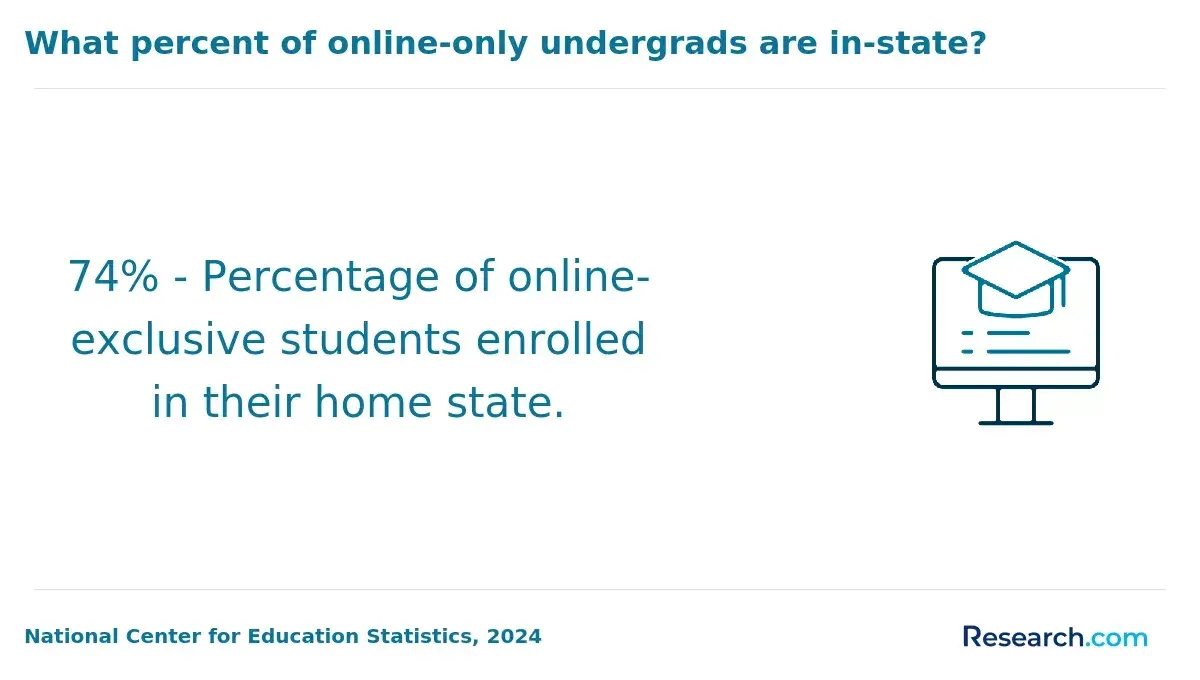
Costs associated with online Sociology master's programs vary substantially, typically ranging from $400 to $1,200 per credit hour depending on the institution's tuition model. Working professionals seeking a clear financial picture should consider the total program expense, which usually falls between $15,000 and $45,000 for degrees requiring 30 to 36 credit hours. Many online programs simplify cost structures by applying a flat tuition rate regardless of residency, which benefits those living outside the institution's home state. Below is a concise overview of key cost factors to help students assess the average total expenses for online Sociology master's degrees.
Higher enrollment in master's-level Sociology programs-up by 8% over the past five years-illustrates growing demand and competition. This summary highlights essential financial components to consider when budgeting for such degrees.
- Tuition Per Credit Hour: Most programs charge between $400 and $1,200 per credit hour, influenced by the school's prestige and online delivery format. A flat online tuition rate is becoming common, reducing the complexity between in-state and out-of-state tuition fees.
- Total Program Cost: The full degree cost typically ranges from $15,000 to $45,000, depending on credit requirements and tuition rates. Programs with 30 to 36 credit hours fall within this range, accommodating diverse academic paths.
- Additional Fees: Technology fees can add $50 to $200 per semester, while thesis submission or comprehensive exam fees often range from $100 to $300. These one-time or recurring costs impact the overall budget.
- Indirect Costs: Textbooks and necessary software subscriptions may run between $500 and $1,200 annually. Also, professional memberships, such as those from the American Sociological Association, and certification exam fees can increase expenses beyond tuition.
- Residency and Travel Expenses: While many programs have minimal or no residency requirements, some necessitate campus visits or intensive residencies. These impose travel and lodging costs that should not be overlooked by working professionals balancing other commitments.
- Comparing Costs Effectively: Utilizing resources like the College Scorecard and institutional Net Price Calculators enables prospective students to evaluate program affordability accurately. These tools help factor in financial aid options and personalized costs, making comparisons among programs more transparent.
For working professionals seeking advancement without career disruption, understanding the affordable online master's programs in Sociology will significantly aid in selecting a path aligned with both financial and professional goals.
Financial aid plays a crucial role for working professionals who aim to pursue an online sociology master's degree without disrupting their careers. Understanding the options available can help maximize support and reduce out-of-pocket expenses. Below are key funding sources and strategies relevant to graduate students.
- Federal Loans: Graduate students typically qualify for Direct Unsubsidized Loans and Grad PLUS Loans through the U.S. Department of Education. These loans do not require demonstrating financial need but do necessitate submitting the Free Application for Federal Student Aid (FAFSA), which must be completed annually using the student's personal financial information.
- Scholarships and Fellowships: Specialized awards for sociology students can be found on platforms like Fastweb and Scholarships.com, as well as through professional bodies such as the American Sociological Association. Eligibility often depends on enrollment in accredited programs, academic achievement, or aligned research interests, with awards ranging from $1,000 upwards. Deadlines commonly fall in early spring or fall.
- Employer Tuition Reimbursement: Many working students may benefit from tuition reimbursement plans offered by their employers. Negotiating these benefits involves confirming program accreditation, aligning coursework with work schedules, and understanding reimbursement timing and requirements such as proof of grades or completion to avoid financial surprises.
- Graduate Assistantships and Fellowships: Although less frequent for online learners, some institutions offer assistantships and fellowships to support online graduate students. These positions can provide valuable experience and financial support but are competitive, requiring proactive inquiry and early application.
Balancing work and graduate studies demands programs that offer flexibility and user-friendly learning environments. Online sociology master's degrees that incorporate diverse scheduling methods enable professionals to effectively manage coursework alongside job responsibilities. The following features highlight how programs cater to the needs of working students.
- Flexible Course Delivery: Many programs use asynchronous formats, allowing students to complete assignments and lectures on their own schedules. Some also include synchronous sessions or hybrid options, combining live interaction with on-demand content, to accommodate various learning preferences and work commitments.
- Cohort-Based Structures: Grouping students into cohorts fosters a sense of community and accountability, which can help maintain motivation. This approach benefits professionals by creating peer support networks that understand the challenges of balancing work and study.
- Evening and Weekend Availability: Scheduling live classes outside regular business hours allows full-time employees to participate without altering work hours. Such timing ensures accessibility for students who cannot attend traditional daytime sessions.
- Recorded Lectures and Mobile Compatibility: Access to recorded lessons enables revisiting material anytime, enhancing comprehension for busy learners. Additionally, mobile-optimized platforms allow coursework to be accessed conveniently via smartphones or tablets, supporting study on the go.
- Specialized Support Services: Programs designed for adult learners often provide academic coaches, technical support, or peer mentoring focused on non-traditional student needs. These resources assist with time management, technology navigation, and integrating studies with professional life.
- Trial Access to Learning Platforms: Prospective students should utilize open houses or demo sessions to explore the user interface and features of the learning management system. Experiencing the platform firsthand ensures it aligns with individual organizational habits before enrollment.
Preparing for an online sociology master's degree requires careful attention to technology needs, especially for working professionals balancing careers and studies. Ensuring your setup meets program standards can smooth your learning experience and prevent technical disruptions.
- Hardware and Operating Systems: Programs generally require a reliable computer running updated operating systems such as Windows 10 or macOS Catalina and later to support all course materials and software efficiently.
- Internet Speed: A stable high-speed internet connection with at least 10 Mbps is essential for streaming lectures and participating in live discussions, a common expectation in essential digital tools for online sociology graduate courses.
- Software Requirements: Standard software includes web browsers like Chrome, Firefox, or Safari, PDF readers, and word-processing tools such as Microsoft Word or Google Docs, which are vital for coursework and assignments.
- Specialized Tools: Some courses may require field-specific programs like SPSS or Stata for data analysis, or qualitative research platforms. These tools might be accessible through institutional licenses or may require students to purchase them independently.
- Accessibility and ADA Compliance: Many online programs support assistive technologies, including screen readers and captioning features, to accommodate students with disabilities, ensuring equitable access to all materials.
- Technology Readiness Assessment: Prospective students should review their device specifications, network speed, and software availability. This step helps determine if upgrades are necessary before enrolling, ensuring smooth participation throughout the program.
Those interested in exploring related degree options might also consider a construction management bachelor degree to expand their academic portfolio alongside their sociology studies.
For working professionals, examining career outcomes after earning an online sociology master's degree is essential to assess potential returns on investment. Insights into job advancement, salary impacts, and employment trends can guide decisions about enrollment and career planning.
- Upward Mobility and Job Titles: Graduates often experience promotions to roles such as social researcher, policy analyst, or human resources manager. Holding a master's degree typically enhances eligibility for leadership positions and greater responsibilities in various sectors.
- Salary Implications: Median annual wages for related professions generally fall between $60,000 and $90,000, with government and nonprofit roles frequently offering higher pay. A master's strengthens analytical and theoretical skills that can improve negotiation leverage for better compensation.
- Career Advancement vs. Career Change: Professionals seeking growth within their existing fields tend to access elevated salary bands and leadership roles. Those pivoting to new industries like market research or community development may start with lower salaries but benefit from substantial growth opportunities over time.
- Data Sources and Program Evaluation: Reliable career outcome data-including employment rates, median starting salaries, and leading employers-are typically available through program admissions offices. Requesting this information enables prospective students to assess program quality and alignment with their goals.
What Graduates Say About Getting Accepted in Online Sociology Degree Master's Programs for Working Professionals
- Jude: "Applying for the sociology master's program tailored for working professionals was a game changer. I appreciated how the program offered the flexibility I needed without compromising rigor. Navigating various accredited institutions was initially overwhelming, but focusing on those with clear online resources made all the difference."
- Ernest: "My journey through the landscape of accredited online sociology programs helped me make informed decisions that balanced my career and education. I relied heavily on official academic catalogs and accrediting agencies to understand program requirements clearly. Reflecting back, this careful research helped me excel without feeling lost in the process."
- Micah: "Before enrolling, I spent time reviewing federal education resources to better manage the demands of an online sociology master's degree. The emphasis on programs designed for working professionals gave me confidence I could succeed despite my busy schedule. Overall, this approach was both practical and motivating, ensuring I stayed on track."
Other Things You Should Know About Sociology Degrees
Most programs require either a thesis or a capstone project, usually worth 3 to 6 credits. The thesis emphasizes original research and may require faculty approval, while the capstone often uses applied data analysis or a workplace-focused sociology project completed in the final term.
Faculty members in reputable online sociology master's programs typically hold doctoral degrees and maintain active research portfolios in areas relevant to sociology. Program accreditation bodies often require institutions to demonstrate that online faculty meet the same standards as those teaching on campus. Prospective students should look for detailed faculty profiles showcasing scholarly publications, conference presentations, and contributions to the field, which indicate a strong research engagement that enriches the learning experience.
Many online sociology master's programs now deliver education quality comparable to their on-campus counterparts, especially when offered by regionally accredited institutions. Employers generally recognize degrees earned online from reputable schools as equivalent, provided the program's rigor and curriculum align with industry standards. However, prospective students should verify program accreditation and consider the institution's reputation to ensure their degree holds value in the job market.
- HSDA, sociology degrees fully online https://ung.edu/news/articles/2023/10/hsda-sociology-degrees-fully-online.php
- Online MA in Sociology https://www.uncfsu.edu/academics/colleges-schools-and-departments/college-of-humanities-and-social-sciences/department-of-sociology-and-interdisciplinary-studies/online-ma-in-sociology
- Sociology (MA/MS) https://www.etamu.edu/programs/sociology-ms/
- Accredited Online Sociology Degree Programs https://www.accreditedonlinecolleges.org/sociology/
- 2025 Most Affordable Online Sociology Master's Degrees https://www.onlineu.com/most-affordable-colleges/sociology-masters-degrees
- Scholarships and financial aid for students - SWPS University https://english.swps.pl/programs/apply-for-scholarships/scholarships-financial-aid
- M.A. Sociology – Approaches to Contemporary Society https://www.fernuni-hagen.de/english/study/academic-programs/master-sociology.shtml
- Are Online Master’s Degree Programs Accredited? - MastersDegree.net https://mastersdegree.net/are-online-masters-degree-programs-accredited/
- Top 5 Most Affordable Online Master’s In Sociology Degrees https://www.gradschoolhub.com/affordable/online/masters/sociology/
- Application and admission: Sociology - international procedure | Tilburg University https://www.tilburguniversity.edu/education/masters-programs/sociology/application