2027 Online Special Education Degree Master's Programs That Accept Transfer Credits

Co-Founder and Chief Data Scientist
Many prospective students face challenges when pursuing an online special education master's degree due to unclear policies on transfer credits. For those with prior coursework or certifications, transferring credits can significantly shorten program duration and reduce costs. However, an estimated 42% of online special education master's programs limit transfer credits to fewer than 12 semester hours, creating barriers to timely completion.
This situation often frustrates career changers and international applicants who seek efficiency and flexibility. This article explores how to identify programs with favorable transfer credit policies and offers strategies to maximize credit acceptance, helping applicants make informed decisions aligned with their academic and professional goals.
Key Benefits of Online Special Education Degree Master's Programs that Accept Transfer Credits
- Accepting transfer credits can significantly reduce the time to degree completion, often by up to one year, allowing students to enter the workforce or advance careers more quickly.
- Transfer-friendly programs help lower overall tuition costs by reducing required credits, making graduate education more affordable for working professionals and career changers.
- Online flexibility accommodates diverse schedules, enabling students to balance coursework with professional or personal commitments while integrating previously earned credits seamlessly.
Why Should You Pursue an Online Special Education Master's Degree With Transfer Credits?
For many prospective students and career changers, choosing an online special education master's program with transfer credit options offers a strategic path to advance their education efficiently. This is particularly important for those balancing work or other commitments while pursuing a graduate degree.
Transfer credits can significantly reduce overall credit-hour requirements and accelerate degree completion, saving valuable time and tuition expenses. Below are some of the key benefits to consider when exploring these programs:
- Time Savings: Transfer credits allow students to bypass redundant coursework, which shortens the time needed to earn the degree and enables quicker entry or re-entry into the professional field.
- Cost Efficiency: Reducing required credit hours directly lowers tuition and associated fees, making programs with transfer options an affordable choice compared to some traditional routes.
- Flexibility: These programs accommodate diverse student backgrounds and schedules, granting working professionals and career changers the ability to tailor their studies without sacrificing quality or rigor.
- Transfer Credit Alignment: Institutions typically evaluate transcripts and syllabi carefully to ensure previously completed graduate-level courses align with program standards and accreditation, protecting academic integrity.
Compared with traditional on-campus degrees, online special education master's programs with transfer credit options often provide greater adaptability and personalized pacing. This flexibility contributes to sustained student momentum and successful outcomes.
Students seeking guidance on financing their education may also find helpful resources by exploring options similar to those featured in affordable online MBA programs, which often emphasize cost-effective pathways. Overall, understanding the benefits of transfer credits in online special education master's degrees is crucial to making informed decisions that align with both academic and professional goals.
What Is the Minimum GPA Requirement for a Special Education Master's Program?
Online special education master's programs generally require a minimum GPA between 2.5 and 3.0 on a 4.0 scale for admission. Transfer credits, however, often have a higher GPA standard, typically requiring a minimum of 3.0 in the relevant coursework to ensure transferred classes demonstrate adequate mastery.
Admissions committees may offer conditional acceptance to applicants who fall just below these thresholds, especially if they present strong professional experience or have shown academic improvement. Strengthening your application with recommendation letters, a compelling statement of purpose, or relevant certifications can significantly improve your chances when your GPA is borderline.
Nearly 60% of online graduate education programs accept transfer credits but often apply stricter criteria to those credits compared to general admissions. Exploring online courses with certificates is one practical way to enhance your profile alongside transfer credit GPA policies for special education graduate degrees.
- Standard Admission GPA: Most programs set a minimum overall GPA requirement between 2.5 and 3.0, reflecting consistent academic achievement necessary for admission.
- Transfer Credit GPA Threshold: Transfer credits usually must have been earned with a GPA of at least 3.0, ensuring these courses meet the rigorous standards of the special education master's program.
- Conditional Acceptance Options: Some schools allow provisional admission for candidates slightly below GPA cutoffs if other evidence of academic or professional potential is provided.
- Strengthening Low GPA Applications: Supplementing your application with strong recommendations, practical work experience, and a clear statement of purpose helps offset borderline GPAs.
- Policy Variations by Institution: Since GPA requirements and transfer credit policies vary widely, prospective students should carefully review individual program guidelines aligned with minimum GPA requirements for online special education master's programs.
How Many Transfer Credits Can You Apply to an Online Special Education Master's Program?
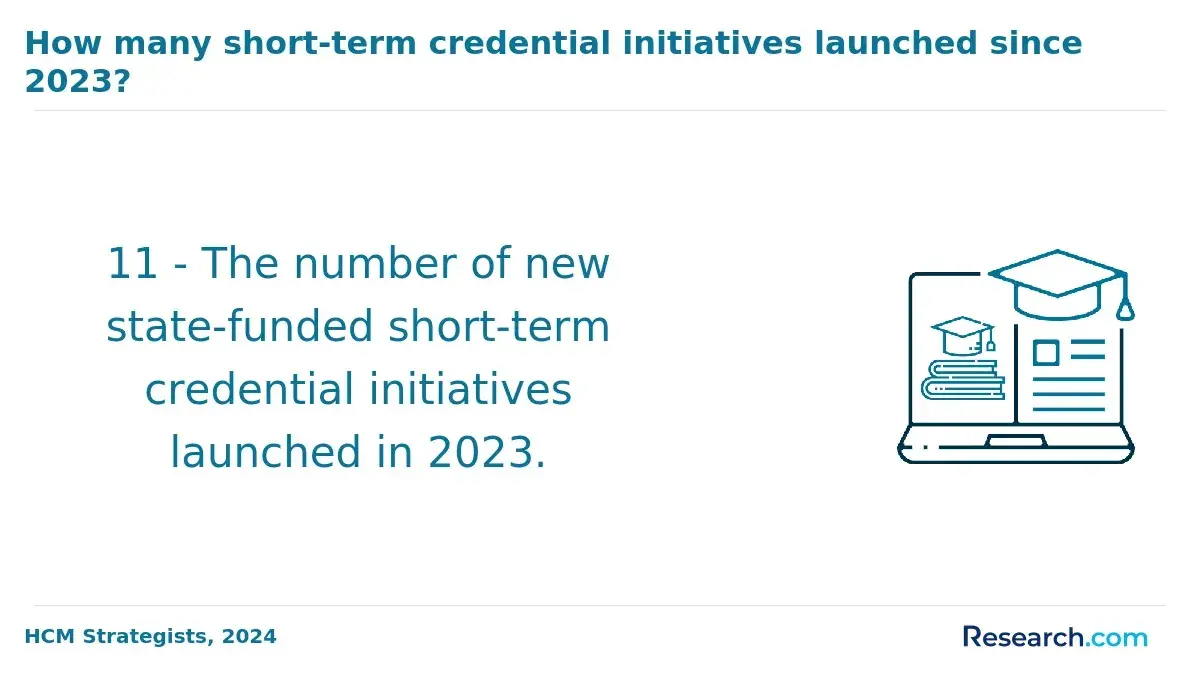
Knowing how many transfer credits an online special education master's program allows can significantly impact your degree timeline and expenses. Research indicates that most programs accept between 6 and 12 semester hours of transfer credits, though policies vary widely.
- Accreditation Standards: Accreditation bodies play a major role in setting transfer credit limits, ensuring programs maintain academic rigor. Generally, regionally accredited schools provide greater flexibility for transferring credits than nationally accredited counterparts, which often impose stricter guidelines.
- Institutional Policies: Universities establish their own maximum thresholds for transfer credits to preserve program standards. It's common for online special education master's programs to cap transfer credits at about one-third of the total required coursework.
- Credit Source Validity: Credits earned through regionally accredited institutions usually have higher acceptance rates. Prospective students should seek a formal evaluation to verify which previous credits qualify before starting their studies.
A professional who enrolled in such an online special education program shared his experience, highlighting the uncertainty faced during the transfer evaluation. "Initially, I wasn't sure which of my past courses would count toward the degree," he recalled.
"The evaluation process was thorough, but it took patience and close communication with advisors to confirm that only certain credits transferred." This careful review ultimately helped him reduce both the time and cost needed to complete his master's degree, underscoring the value of early and proactive transfer credit assessments.
Transfer credit policies for online special education programs are significantly shaped by accreditation standards, which impact the acceptability of previous coursework. Regional accreditation is widely favored for credit transfers because it is recognized by numerous institutions and ensures rigorous academic quality.
In comparison, national accreditation often covers vocational or technical schools and has more limited transferability, posing challenges for students seeking to apply credits toward a master's degree. Specialized accrediting bodies focused on educator preparation may also require that transferred credits meet specific curriculum standards, influencing credit acceptance further.
Prospective students should thoroughly confirm the accreditation status of both their past institutions and the online program to avoid transfer credit issues and maximize credit recognition.
- Regional Accreditation: Granted by agencies like the Higher Learning Commission (HLC) or the Southern Association of Colleges and Schools (SACSCOC), regional accreditation is the preferred benchmark for credit transferability in online special education master's programs due to its widespread acceptance and stringent standards.
- National Accreditation: Typically associated with vocational or career-focused schools, national accreditation tends to have stricter limitations on credit transfers, making it less compatible with many regionally accredited master's programs.
- Council for the Accreditation of Educator Preparation (CAEP): This specialized agency evaluates educator preparation programs and mandates that transferable credits adhere to defined content and quality criteria specific to special education.
- State Department of Education: State-level approval or accreditation can also affect transfer credit policies, particularly when aligning programs with state-specific licensing requirements for special education teachers.
Nearly 70% of online master's programs in education prioritize regional accreditation to enhance transfer credit acceptance, highlighting its critical role in educational planning. For students navigating transfer credit evaluations, consulting resources on accelerated online degrees can offer additional guidance on credit policies and program options.
Nearly half of graduate education students transfer credits from previous programs, underscoring the benefit of recognizing eligible coursework in special education master's programs. To successfully transfer, courses generally must align closely with the program's specialized curriculum while meeting currency requirements.
- Core Special Education Courses: Foundational classes covering laws, instructional methods, and assessment strategies for diverse learners are commonly accepted. Transferred credits should mirror these essential subjects to ensure comprehensive understanding.
- Complementary Education Subjects: Classes in educational psychology, curriculum design, or classroom management that support special education themes often qualify if they complement the specialization.
- Research and Methodology: Graduate courses in research methods or statistics typically transfer if they focus on behavioral or educational applications relevant to special education practice.
- Recent Coursework: Most institutions require transferred credits to be earned within five to seven years to maintain the relevance of educational standards and legislative context.
- Supporting Materials: Students should submit detailed syllabi, official course descriptions, and transcripts to facilitate accurate evaluation of credit transfer eligibility.
A professional who transitioned careers following her online special education master's shared that navigating transfer credits was initially overwhelming due to varied institutional policies. She emphasized the importance of organizing prior coursework documentation early and communicating directly with admissions staff.
This proactive approach reduced delays and helped her maximize accepted credits, cutting both time and expense in completing the degree. Reflecting on her experience, she noted how understanding which courses qualified allowed her to focus on new learning while building on her existing knowledge base.
For prospective students aiming to transfer credits into an online special education master's program, a clear understanding of the transfer credit evaluation can streamline their academic journey. Nearly 60% of graduate students in such online programs successfully apply transfer credits from previous studies. The following points outline the essential steps and considerations for initiating this process.
- Timing of Request: Submit your transfer credit evaluation request early in the admissions process to avoid course registration delays and ensure a smooth start to your studies.
- Necessary Documentation: Provide official transcripts, detailed syllabi, and comprehensive course descriptions to help the admissions office accurately assess the equivalency of your prior coursework.
- Program Policies: Familiarize yourself with the transfer credit limits, accreditation requirements, and grading standards specific to your chosen institution to confirm your courses qualify for credit.
- Proactive Communication: Maintain regular contact with the registrar or graduate admissions office to monitor the evaluation status and promptly address any requests for additional information.
- Record Keeping: Retain copies of all submitted documents and correspondence as a safeguard against administrative errors or discrepancies during the evaluation.
For prospective students pursuing an online special education master's degree, understanding how transfer credits affect completion timelines is essential for effective planning. Recent data from the National Center for Education Statistics shows the average online master's program takes two to three years, but transfer credits can notably reduce this time.
- Transfer Credit Impact: Approved transfer credits reduce the total credit requirement, often allowing students to finish far sooner than usual. Those with a large number of accepted credits may complete the program in less than half the standard duration.
- Part-Time vs. Full-Time Enrollment: Full-time students generally finish in about two years, while part-time students might take three to four years. Transfer credits help accelerate completion proportionally in both cases.
- Credit Caps: Institutions commonly limit transfer credits to 30%-50% of total program credits. These limits can restrict how quickly a student can graduate, even with many prior credits.
- Sequential Course Requirements: Some programs require students to follow specific course sequences or complete prerequisites in order, which may extend timelines despite transferred credits.
- Residency Minimums: Schools often mandate a minimum number of credits to be earned directly through their program, affecting how much transfer credit can shorten the total time.
- Personalized Estimates: To estimate your completion time, subtract approved transfer credits from the total program credits, then divide the remainder by your typical semester course load considering your enrollment status.
For prospective students searching for top online special education master's programs with transfer credit options, identifying transfer-friendly schools is crucial to maximize both time and financial investment. Such programs are characterized by flexible credit transfer policies, clear admission guidelines, and robust student support, making them ideal for career changers, international applicants, and recent graduates alike.
- Generous Credit Limits: Highly regarded programs often permit transferring up to half of the required graduate credits. This flexibility allows students to leverage previous coursework effectively, thereby expediting degree completion and reducing tuition costs.
- Transparent Evaluation Process: The best transfer-friendly online master's programs in special education provide detailed criteria on acceptable credits and transcripts submission procedures. This clarity helps candidates assess their eligibility early and plan their academic path with confidence.
- Dedicated Student Support: These programs commonly offer specialized advising tailored to transfer students, assisting with policy navigation, course selection, and financial aid opportunities. Such support can significantly ease the complexities associated with integrating transfer credits.
- Accreditation and Reputation: It is essential to seek programs accredited by recognized bodies and to review institutional rankings and alumni feedback. These factors reinforce the quality and value of transferred credits toward advancing one's career and educational goals.
- Policy Verification: Transfer policies may differ across institutions and evolve over time. Prospective students should always confirm current policy details directly with the admissions office to avoid unexpected hurdles during enrollment.
- Transfer-Friendly Features: When exploring options for an online special education master's degree, evaluating programs by their transfer credit friendliness can reveal significant advantages in cost and duration.
Students are encouraged to explore the most affordable online masters that combine quality with transfer flexibility.
Prospective students exploring affordable online special education master's degrees accepting transfer credits can greatly benefit from understanding how transfer credits impact tuition and fees. Considering that holders of a master's degree in Special Education earn a median annual salary of approximately $65,000, effective cost management is key to maximizing return on investment in their education.
- Tuition Per Credit: Online master's programs typically charge tuition based on credit hours. Transfer credits reduce how many credits you must complete, lowering overall costs. Tuition rates range widely, often between $400 and $1,200 per credit, so transferring 6 to 12 credits can yield significant savings.
- Residency Requirements: Some programs mandate completing a minimum number of credits at their institution. This limits how many transfer credits can be applied and can affect total expenses if additional higher-cost credits must be taken.
- Mandatory Fees: Fees for technology, registration, and materials are often fixed per semester rather than per credit hour. Therefore, transferring credits might not proportionally reduce these fees despite lowering total tuition.
- Financial Aid Impact: Using transfer credits may reduce the number of credits left to complete, which can affect eligibility for aid tied to full-time enrollment. It is crucial to consult the financial aid office to understand potential changes in aid packages.
- Requesting Cost Estimates: To navigate these variables, students should request personalized net cost estimates from each program's financial aid office, clarifying how transfer credits influence total cost and aid availability.
For comprehensive information on affordable pathways to graduate education, consider reviewing the best online data science masters programs, which include detailed cost and transfer credit policies relevant to many disciplines.
Financial aid plays a critical role for individuals pursuing an online special education master's degree, especially those leveraging transfer credits to accelerate their studies. Data from the National Center for Education Statistics shows that over 85% of graduate students rely on some form of financial assistance, underscoring the necessity of understanding aid options.
- Federal Aid Eligibility: Enrollment intensity often influences federal financial aid availability. Applying transfer credits can reduce a student's course load, potentially dropping them below full-time status and limiting access to certain loans and grants.
- Transfer Credit Considerations: While transfer credits can shorten program duration and reduce tuition, students should verify how these credits impact their eligibility for different aid packages at their chosen institution.
- Scholarship Opportunities: Numerous scholarships target graduate students in special education fields. Additionally, some employers offer tuition reimbursement or assistance, benefiting students currently working in education-related roles.
- FAFSA Submission: Timely completion and annual renewal of the Free Application for Federal Student Aid (FAFSA) is essential to unlock federal funding options like grants and loans, especially for career changers.
- Graduate Assistantships and Grants: Investigating program-specific scholarships and assistantship positions can provide valuable financial relief through tuition waivers and stipends, easing the overall cost of graduate studies.
Applicants to online special education master's programs should be prepared for a comprehensive admission process that goes beyond GPA evaluation. Data shows that close to 60% of these programs take a holistic approach, reviewing multiple aspects of the application to ensure readiness for graduate-level challenges.
- Supplemental Materials: In addition to GPA, most programs require letters of recommendation and a personal statement. These materials give admissions committees insight into your motivation, experiences, and fit for special education careers.
- Test Scores: Some institutions still request GRE or equivalent exam results, although this varies. Checking each program's requirements helps determine if submitting scores could enhance your application.
- Transfer Credit Screening: Having transfer credits does not bypass the full admission review. Applicants usually need to submit transcripts and detailed course descriptions to verify credit equivalency and program alignment.
- Rolling Admissions and Multiple Terms: Many programs offer flexible enrollment dates and rolling admissions. This allows transfer students to start promptly and effectively plan their course schedules.
- Targeted Personal Statement: Craft your statement to highlight any prior graduate studies and connect them to your goals in special education. This tailored approach demonstrates focus and preparedness for the advanced coursework ahead.
What Graduates Say About Online Special Education Degree Master's Programs That Accept Transfer Credits
- Louise: "Choosing an online special education master's program was essential for me as I needed the flexibility to balance my current job and family responsibilities. The affordability of the program allowed me to invest in my future without overwhelming financial stress. Since completing my degree, I've transitioned into a meaningful new career that truly makes a difference in children's lives, and I couldn't be more grateful."
- Tina: "Reflecting on my career change journey, pursuing an online special education master's degree was a strategic decision driven by my passion and the program's tailored content. The cost was surprisingly reasonable compared to traditional options, which helped ease my apprehensions about going back to school. This degree opened doors to leadership roles I never imagined I could attain, reinforcing that the investment was absolutely worthwhile."
- Sadie: "The professional support and specialized curriculum in my online special education master's program made all the difference in my successful career transition. Cost was a big consideration, and the program's pricing was competitive and transparent, which encouraged me to commit fully. Now, equipped with advanced skills, I'm confidently advancing in a field that aligns with my values and goals."
Other Things You Should Know About Special Education Degrees
Most programs accept only graduate courses completed with a grade of B or higher, and many limit transfers to courses finished within the last 5 to 7 years. Programs also require official transcripts and a syllabus review before approving credits toward the degree.
Most online special education master's programs do not directly convert professional certifications or work experience into transfer credits. However, some institutions may offer credit for prior learning assessments, which evaluate relevant professional experience or certifications against academic standards. This process varies by program and typically requires documented evidence and a formal application.
Online special education master's programs typically waive in-person residency requirements, allowing students to complete their degrees remotely. However, some programs might require occasional on-campus visits or seminars. Always check specific program details to confirm any residency obligations.
- 10 Reasons to Get an Online Master’s Degree in Special Education https://studentscholarships.org/articles/568/10-reasons-to-get-an-online-masters-degree-in-special-education
- Transfer Credit | Averett Online https://gps.averett.edu/tuition-and-financial-aid/transfer-credit/
- What are the benefits of pursuing an e-learning master's degree in special education? https://www.umu.com/ask/a11122301573854559845
- Master's in Special Education Online | M.Ed. Degree | ECU Online https://online.ecok.edu/online-degrees/med-masters-special-education/
- Online Master's MS in Special Education https://online.uky.edu/masters/special-education/ms
- The Standards of Accreditation - ACCSC https://www.accsc.org/seeking-accreditation/the-standards-of-accreditation/
- Transfer Credit Evaluation https://www.aacrao.org/resources/professional-proficiencies/transfer-articulation/transfer-credit-evaluation
- Top 60 Best Online Master’s in Special Education 2022 https://www.topeducationdegrees.org/rankings/online-masters-special-education/
- Admission Requirements | M.S.Ed. in Special Education | Elmhurst University https://www.elmhurst.edu/academics/departments/school-arts-humanities-social-sciences/education/programs/m-s-ed-special-education/admission-requirements/
- Special Education https://www.alvernia.edu/academics/online/special-education