Best Online MBA in Data Science for Business Programs for Career Changers

Co-Founder and Chief Data Scientist
If you want to move from your current field into analytics-driven business work, the right MBA depends on the job you want next - not just the concentration name. An online program may let you keep earning while you study, but it may offer less access to internships and campus recruiting than a full-time MBA.
This guide compares relevant programs through a career changer's lens: technical depth, applied work, flexibility, cost, and transition support. It will help you decide which programs merit a closer look and whether an MBA is the right credential at all.
Key Things You Should Know
- Start with the target role: an analytics-focused MBA generally prepares you to use data in business decisions, not to replace the technical training expected for many data scientist jobs.
- Illinois Gies, UMass Amherst Isenberg, and Southern New Hampshire University offer online MBAs with identifiable business analytics options; compare their actual coursework and career support before treating them as interchangeable.
- The U.S. median annual wage for management occupations was $126,520 in May 2025, according to the Bureau of Labor Statistics (BLS). That is an occupational benchmark, not an expected salary for a new MBA graduate or career changer.
What is an online MBA in data science for business?
It is an MBA that combines broad management education with coursework on using data to make business decisions. Schools more often call the relevant concentration or focus area business analytics than "data science for business." The distinction matters: a program can teach managers to interpret models, assess evidence, and lead analytics projects without providing the programming and statistical depth of a data science master's degree.
For a career changer, the best fit depends on what you already know. A marketing professional might use analytics courses to move toward customer insights; an operations professional might apply them to forecasting or process improvement. Someone seeking a hands-on machine learning engineering role will usually need substantially more technical preparation than an MBA concentration provides.
Which online MBA data science programs are best for career changers?
There is no defensible single winner for every career changer. This fit-based shortlist includes identifiable online MBAs with named business analytics options, then compares the distinction most likely to affect a career transition: how the analytics study sits within the MBA. It is not a ranking, and a named focus area should not be mistaken for a degree in data science. Confirm the current online course list, price, format, and career-service access with each school before applying.
The table separates each program's identifiable option from the reason a particular applicant might investigate it. "Best fit" is an editorial judgment, not a placement claim.
| Online MBA | Identifiable analytics option | Potential fit for a career changer | Question to resolve before applying |
| University of Illinois Urbana-Champaign, Gies College of Business | Business Analytics focus area within the online iMBA | An experienced professional who wants to add analytics to a broad management education | Which analytics courses are available during your planned enrollment, and what recruiting support is available to online students? |
| University of Massachusetts Amherst, Isenberg School of Management | Business Analytics focus area within the online MBA | A professional seeking an established MBA structure with a defined analytics focus | How much hands-on quantitative work is required, and can you build a project relevant to your target role? |
| Southern New Hampshire University | Online MBA concentration in Business Analytics | A working professional seeking a clearly labeled analytics concentration | How do its required courses, collaborative work, and career services support a move into your intended function? |
These programs deserve comparison, not automatic enrollment. Ask each school for a current degree plan, total tuition and mandatory fees, a sample course schedule, and the career services available specifically to online MBA students. A course title alone cannot establish technical depth; request syllabi if you need substantial work in statistics, SQL, Python, or predictive modeling.
Is an online MBA in data science worth it for career changers?
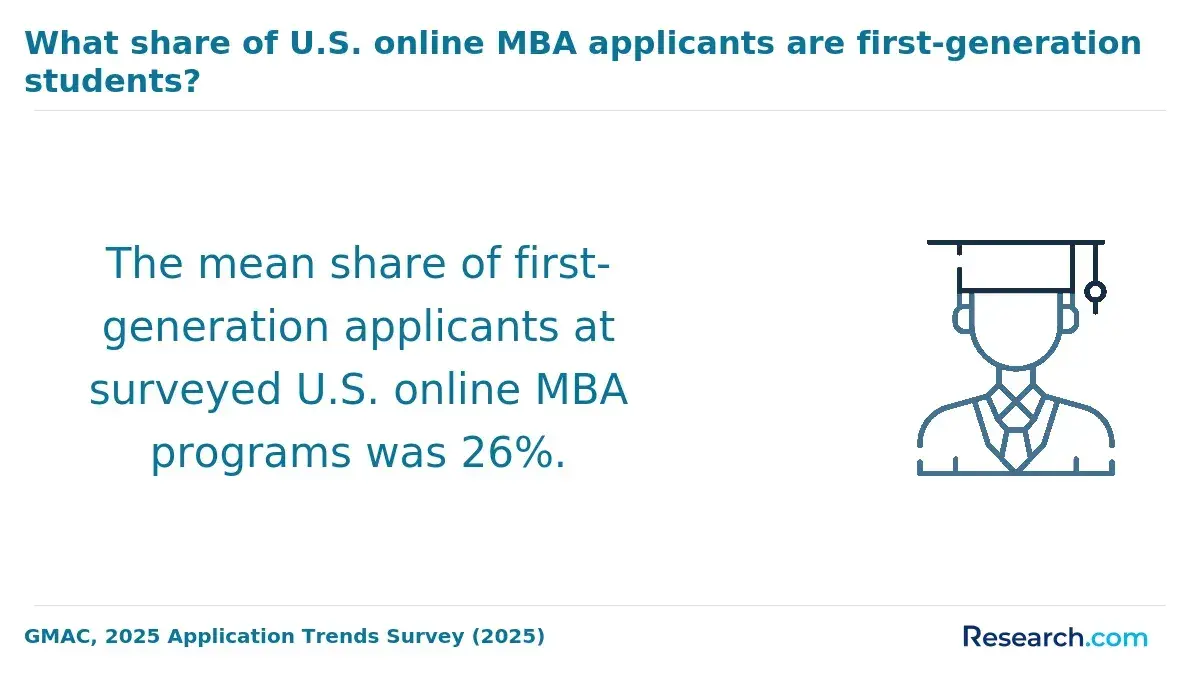
It can be worthwhile when you already have experience employers value and need management, finance, and analytics skills to move into a related function. The case is stronger if you can complete a relevant project, meet employers through your existing network, and limit borrowing through employer support. A change from operations into analytics-enabled operations management is generally more plausible than a direct jump from an unrelated role into a senior data science position.
Value is less certain when the target job requires extensive coding or modeling experience, or when the program's cost depends on a salary increase you cannot reasonably substantiate. Compare the full amount you would pay with a specialized analytics master's, individual technical courses, or a project-based credential. If affordability is the constraint, examine MBA options by total cost, then check whether any affordable option actually includes the analytics coursework and transition support you need.
An online MBA can let you retain your job and apply new methods at work. That is valuable if your planned move is adjacent to your current experience. A full-time campus MBA may be a better bridge for a substantial career change if it offers internships, intensive employer recruiting, and time to build a new professional network. Neither format guarantees those opportunities: ask what online students can use, rather than assuming access mirrors the campus program.
Online does not necessarily mean self-paced. Live classes, team assignments, and occasional travel can constrain your schedule. If you are already a senior manager seeking a change in strategic responsibility rather than an entry point into analytics, flexible online executive MBA options may also be worth comparing; executive formats are not necessarily designed around internship-led career switching.
The MBA core commonly covers accounting, finance, marketing, operations, strategy, and leadership. An analytics focus may add business statistics, data visualization, forecasting, predictive analytics, or decision modeling. Exact courses and software vary by school, and an elective in analytics is not the same as a formal concentration.
Look beyond course names to the work you will produce. For a transition into product, marketing, or operations analytics, a project that frames a business problem, analyzes suitable data, and recommends an action can be more persuasive than a transcript alone. If your target job requires building production data pipelines or advanced machine learning models, compare the MBA syllabus with a technical master's curriculum before committing.
Requirements vary. Online MBA applications commonly request a bachelor's degree, transcripts, a résumé, and written statements; schools set their own rules for work experience, recommendations, interviews, and GMAT or GRE scores. A nonbusiness bachelor's degree does not automatically rule you out, and an analytics concentration does not universally require a computer science background.
Separate admission from preparation. Before applying, identify whether you can work confidently with spreadsheets, basic statistics, and quantitative business problems. If your academic record is a concern, review business-school entry requirements for MBA students, but verify each program's current policy rather than assuming a general guide describes its requirements. In your application, connect your prior experience to a specific target role and explain which skill gap the MBA would close.
Completion time depends on required credits, term structure, course load, and whether analytics courses are offered when you need them. Part-time study can preserve income but prolong the time before you can use the credential in a job search. Ask for a course-by-course plan that includes prerequisites, concentration availability, and any maximum completion period.
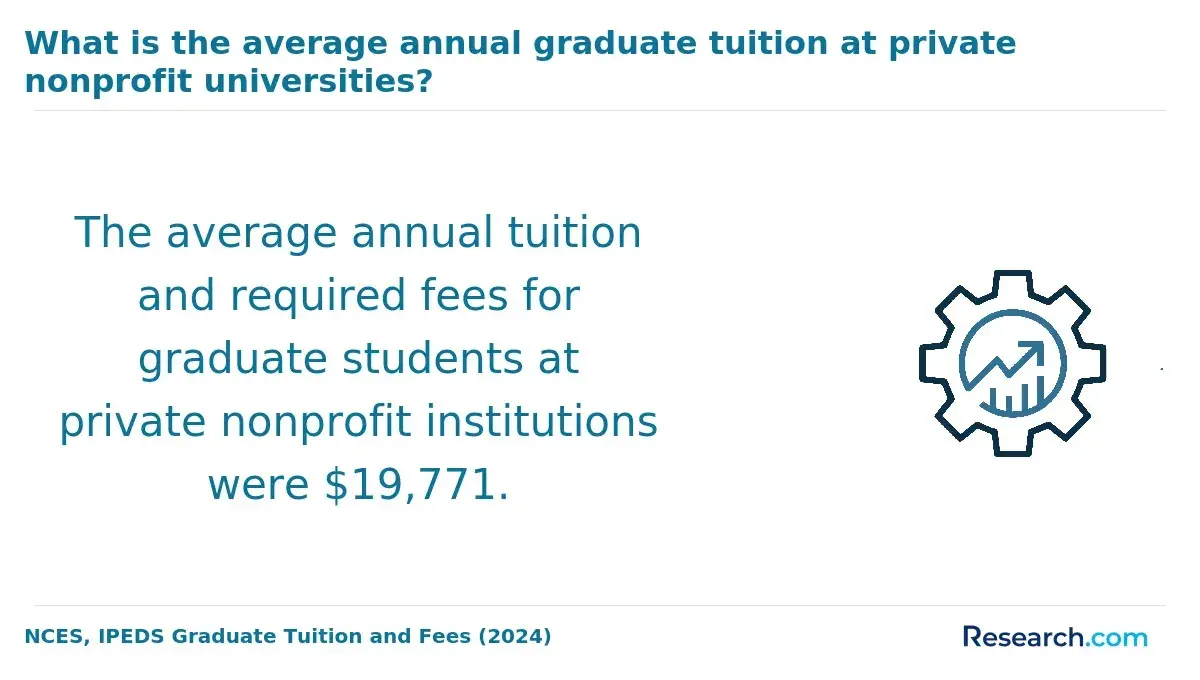
For cost, request a written estimate covering tuition for all required credits, mandatory fees, materials or software, and any required travel. Then account for borrowing costs and the work time you may give up. Published prices may use different units - per credit, course, term, or entire program - so compare estimated total cost on the same basis. If you consult an online business school cost comparison programs online guide for another concentration, do not use its prices as estimates for these analytics MBAs; program requirements and charges can differ.
Realistic targets depend heavily on prior experience. A marketer might pursue marketing analytics or customer insights work; an operations professional might move toward forecasting, process improvement, or analytics-informed management. Someone with existing analytics experience may be positioned for product, strategy, or analytics leadership responsibilities. In each case, employers will assess evidence of functional knowledge and results, not just the MBA title.
"Data scientist" is a different target from "manager who uses data." Technical data scientist positions may require stronger programming, statistics, and model-building experience than an MBA supplies. Before choosing a program, collect job postings for your intended role and compare their requirements with both your current skills and the program's required work.
No single salary figure describes graduates of online analytics-focused MBAs. In the United States, the BLS reported a May 2025 median annual wage of $126,520 for management occupations. That figure covers workers across management roles and experience levels; it is not a starting salary, an MBA-specific outcome, or the pay a career changer should assume.
The BLS projects management occupations to grow faster than the average for all occupations from 2025 to 2035, with about 1.1 million openings annually on average from growth and replacement needs. This signals a broad management labor market, not demand specifically for this concentration. For a personal estimate, examine compensation for your target occupation and location, then weigh the experience employers require against what you can demonstrate.
How can you choose an accredited online MBA data science program?
First, confirm that the university holds recognized institutional accreditation. Then check whether the business school or program holds separate business accreditation and which accreditor grants it; institutional and specialized accreditation answer different questions. Verify both through the accreditor and the school, rather than treating an advertising claim as sufficient.
Use accreditation as a starting screen, not a substitute for fit. Ask admissions staff to identify the formal concentration or focus area on the current degree plan, the analytics courses you can complete online, and whether online students can access career advising, alumni contacts, and employer events. Compare written total-cost estimates for the same planned course load. A different credential - such as an MBA tuition comparison degree programs guide covering dual degrees - is not a like-for-like price benchmark for an analytics MBA.
Finally, test your shortlist against the job you want. The strongest choice is the one that closes a demonstrable skill gap, produces credible work you can discuss with employers, and fits a cost and schedule you can sustain. If none does, gain analytics experience through targeted study and projects before paying for a full MBA.
Other Things You Should Know About MBA
Not necessarily. Schools may record a concentration on a transcript, diploma, or neither. Ask the registrar how your completed option will be documented.
Possibly, but obtain your employer's permission and follow the school's rules on confidential information. Public or simulated data may be safer if you cannot share workplace data.
That depends on the course. Ask whether teams are assigned, whether projects can be completed individually, and how students coordinate across schedules.
Some schools accept eligible transfer credit; others limit it. Request a formal evaluation before assuming previous courses will reduce your cost or completion time.
- Program Integrity Questions and Answers - Credit Hour http://www.ed.gov/laws-and-policy/higher-education-laws-and-policy/program-integrity-information-questions-and-12
- Cost of Attendance (Budget) | 2025-2026 Federal Student Aid Handbook https://fsapartners.ed.gov/knowledge-center/fsa-handbook/2025-2026/vol3/ch2-cost-attendance-budget
- Varying Views on Accreditation - NCBI https://www.ncbi.nlm.nih.gov/books/NBK435959/
- Online MBA Career Services | Kelley Direct MBA | Indiana Kelley https://kelley.iu.edu/programs/online/careers/index.html
- Career Overview | UNC Online MBA https://onlinemba.unc.edu/career/
- Effective Practices that Support Adult Learners | acenet.edu https://www.acenet.edu/Research-Insights/Pages/Student-Support/Effective-Practices-Adult-Learners.aspx
- A Guide to Choosing Between Data Science vs. Data Analytics | UCLA MSOL Data Science https://www.msol.ucla.edu/data-science-engineering/articles/demystifying-data-guide-choosing-between-data-science-vs-data-analytics/
- How to Become a Data Scientist | MDS@Rice https://csweb.rice.edu/academics/graduate-programs/online-mds/blog/how-to-become-a-data-scientist
- How to Become a Data Scientist | Harvard SEAS https://seas.harvard.edu/news/how-become-data-scientist
- Applied Learning Experiences - UW Information School https://ischool.uw.edu/programs/msim/curriculum/applied-learning-experiences