2027 Best Online Master's Degrees With Self-Paced Courses

Co-Founder and Chief Data Scientist
A master's degree can fit around work and family - but "online" does not necessarily mean "study whenever you want." This guide compares degree fields where self-paced courses may be available and shows how to distinguish flexible deadlines from genuinely progress-at-your-own-speed programs.
The decision matters financially: U.S. Bureau of Labor Statistics (BLS) data show median weekly earnings of $1,840 for workers with a master's degree in 2024, across all fields and occupations. That is not a predicted return on your tuition. Use the comparisons below to find a format you can finish and a credential that fits your goal.
Key Things You Should Know
- Business, IT, and data-focused degrees often lend themselves to independent coursework; counseling, nursing, and teaching paths usually have supervised or scheduled components.
- An asynchronous course can still have weekly deadlines. A competency-based program may let you advance after demonstrating mastery, but may also set term limits and assessment rules.
- BLS projects 34% U.S. employment growth for data scientists from 2024 to 2034, but demand for an occupation does not establish that a particular master's program is flexible, affordable, or necessary for entry.
Top 10 Best Online Master's Degrees With Self-Paced Courses - Top 10 Programs
Business / MBA Programs
An online Master of Business Administration (MBA) suits professionals seeking broader finance, operations, and leadership skills. Independent case analysis and project work can fit a self-paced format, but team assignments, presentations, and capstones may require coordination. An MS in management may offer a narrower alternative. Choose an MBA if its curriculum builds skills you cannot readily gain through experience or a shorter certificate; ask whether each required course permits flexible progress, not merely flexible viewing of lectures.
Healthcare Administration & Management Programs
A Master of Healthcare Administration (MHA) or healthcare management MS can prepare experienced professionals to study operations, finance, quality, and policy. Online reading and analysis may be asynchronous, while group projects, internships, or employer-based capstones can constrain the schedule. These are generally management pathways, not clinical licenses. Confirm whether the program expects healthcare experience and whether its practicum can be completed near home before choosing it for flexibility.
Information Technology Programs
An MS in information technology typically emphasizes systems, cloud infrastructure, enterprise technology, or IT leadership. Labs and individual projects can allow flexible study, although access windows, team projects, and security requirements may impose deadlines. This path makes the most sense when its technical depth or management focus matches your current experience. Check prerequisite programming or networking requirements and whether required courses are offered often enough to support your intended pace.
Computer Science Programs
An MS in computer science can support advanced software work, specialization, or research preparation. Recorded lectures and coding assignments may be convenient, but sequenced algorithms courses, group projects, and thesis supervision limit how quickly you can progress. Applicants changing fields should check math and programming prerequisites. Choose a coursework-focused track for applied skills or a thesis track for research goals; neither format is automatically self-paced throughout.
Cybersecurity Programs
A cybersecurity MS may cover network defense, risk, digital forensics, and security governance. Virtual labs can support independent practice, while team exercises, proctored assessments, and capstones may follow fixed schedules. Compare technical and policy-oriented curricula against the jobs you want: a managerial title usually also requires experience. A graduate certificate or professional certification may be a lower-cost first step if you need a specific skill rather than a full master's degree.
Data Science / Analytics Programs
An MS in data science or analytics commonly combines statistics, programming, data management, and applied projects. Independent coding work suits flexible study, but sequenced prerequisites and team capstones can slow acceleration. An analytics program may lean toward business decisions; a data science program may demand deeper computing and mathematics. Check the actual syllabus and required software rather than choosing by title. Applicants without quantitative preparation may need foundation courses before graduate work begins.
Education / Educational Leadership Programs
A Master of Education (MEd) may focus on teaching practice, curriculum, or educational leadership. Coursework can be asynchronous, but observations, fieldwork, cohort meetings, and school-calendar requirements may not be. A leadership concentration does not itself confer a principal license. If licensure is the goal, check your state's rules, approved-program status, required teaching experience, and placement arrangements before prioritizing course flexibility.
Counseling / Psychology Programs
Counseling master's programs can include independently completed online classes, but supervised practica and internships require scheduled work with clients. A general psychology MA or MS may be more flexible, yet usually does not qualify graduates for independent clinical practice. For a licensed counseling goal, confirm the degree's curriculum, accreditation where relevant, state eligibility, placement support, and post-degree supervised-practice requirements. Self-paced coursework cannot remove those obligations.
Nursing Programs
A Master of Science in Nursing (MSN) may support leadership, education, or advanced clinical practice. Online theory courses can be flexible; clinical hours, preceptors, simulation, and state requirements often are not. Admission commonly requires an active nursing license, and some tracks require relevant experience. Check whether your chosen track leads toward the certification or licensure you want, who secures clinical placements, and whether your state authorizes enrollment before applying.
Engineering Management Programs
An MS in engineering management blends technical decision-making with finance, operations, and project leadership. Many assignments can be completed independently, though team design projects and capstones introduce shared deadlines. It may fit engineers seeking broader responsibilities without leaving technical work entirely. Compare it with an MBA if you want cross-industry management training, and check for engineering or quantitative prerequisites. The degree alone does not substitute for leadership experience.
What Are Self-Paced Online Master's Degree Programs?
Self-paced can describe two materially different online formats. In an asynchronous course, you access materials on your schedule but may still submit work every week. In a competency-based course, you may advance after passing assessments, subject to the school's term, assessment, and enrollment policies. Neither label proves that every part of a master's degree is self-paced.
Ask for a sample course calendar and the rules for exams, group work, advising, and capstones. If predictable deadlines help you stay on track, a conventional asynchronous program may be a better choice than maximum independence. If you can devote sustained time to assessments, competency-based study may offer more control. For a broader comparison of formats, see accelerated online degrees; acceleration and self-pacing are related but not identical.
Which Online Master's Degrees Offer Self-Paced Courses?
Business, technology, and analytics degrees are often the easiest fields to investigate for independently completed coursework. Regulated, clinical, and school-based fields can offer flexible online classes, but their practical requirements usually follow an external schedule. The comparison below identifies the constraint most likely to determine whether a field fits your life; it does not claim that every program in that field offers self-paced courses.
| Degree field | Potentially flexible work | Likely scheduling constraint |
| Business / MBA | Case analysis | Team projects or capstone |
| Healthcare administration | Policy and finance coursework | Practicum or employer project |
| Information technology | Individual systems projects | Labs or course sequencing |
| Computer science | Coding assignments | Prerequisites or research supervision |
| Cybersecurity | Virtual lab practice | Team exercises or assessments |
| Data science / analytics | Independent data projects | Sequenced methods courses |
| Education / leadership | Online readings and assignments | School-based fieldwork |
| Counseling / psychology | Online theory coursework | Supervised clinical training, if applicable |
| Nursing | Online theory coursework | Clinical placement, if applicable |
| Engineering management | Individual analysis | Collaborative design or capstone |
Use this as a shortlist, then check the required-course schedule for each institution. A field that looks flexible on paper may be a poor match if the one course you need is offered infrequently.
How Do You Choose an Accredited Self-Paced Master's Program?
Start with a school's institutional accreditation, then check whether your intended occupation calls for programmatic accreditation or state approval. For licensure-oriented study, verify eligibility with the relevant state board rather than relying on a general statement that the degree is online. A useful starting point for comparing institutions is this guide to the best online schools, followed by each school's official graduate catalog and program disclosures.
Before applying, request written answers to the questions that determine whether the program is genuinely workable:
- Which required courses let students advance at their own pace, and which have weekly deadlines or live meetings?
- Are there campus visits, proctored exams, internships, clinical placements, or group capstones?
- How frequently is each required course available, and what happens if you need to pause?
- What is the full degree cost, and will the school evaluate eligible prior graduate coursework before enrollment?
A red flag is a program described as "self-paced" without a clear account of required-course deadlines or experiential work. Another is a licensure claim that does not address your state.
What Are the Admission Requirements for Self-Paced Master's Programs?
Admission normally requires a completed bachelor's degree, an application, and transcripts. Programs may also request recommendations, a statement of purpose, relevant work experience, prerequisite coursework, or a portfolio. GRE or GMAT policies and minimum GPA rules vary by graduate program; an institution's undergraduate admission policy does not answer either question.
Check your starting point before assuming you can move quickly. A computer science or analytics MS may require programming and mathematics preparation; an MSN generally requires nursing credentials; some education leadership paths require teaching experience. If you already hold graduate coursework or a certificate, ask for a degree-specific evaluation. Credit accepted by the institution may still fail to satisfy a required course, and undergraduate credits do not ordinarily count as graduate transfer credit.
If you have not yet completed a bachelor's degree, a 1 year bachelor degree online guide may help you investigate undergraduate completion options, but no advertised timeline substitutes for an evaluation of your remaining requirements.
How Long Do Self-Paced Online Master's Degrees Take?
Completion time depends on required graduate credits, your course load, the frequency of course offerings, prerequisites, and any thesis, capstone, or supervised placement. A short individual course does not make the entire master's degree short. Nor does moving rapidly through assessments eliminate required clinical hours or a school-based practicum.
Ask the program for a degree plan based on your actual starting point, including any eligible graduate transfer credit. Compare a realistic work-compatible schedule with the fastest advertised schedule: they may assume different weekly workloads or previous preparation. If you need to pause for work or caregiving, ask whether completed assessments remain valid and whether a break changes tuition or your return date.
How Much Do Self-Paced Online Master's Degrees Cost?
The useful price comparison is total cost to finish your degree, not the lowest advertised per-credit rate or subscription charge. Tuition models differ: a per-credit program charges for enrolled credits, while a flat-rate term can become less economical if work or family obligations limit your progress. Neither model is automatically cheaper.
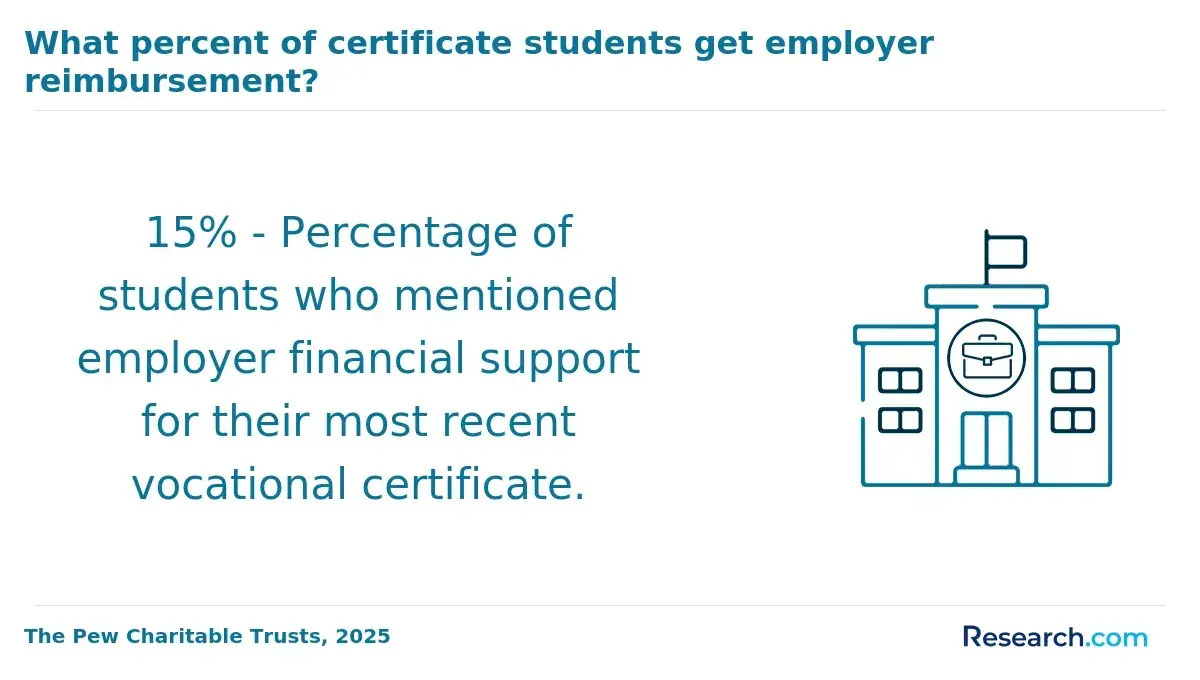
Request an itemized estimate for tuition, mandatory and program fees, assessment or technology charges, books and software, and any travel or placement expenses. Ask how many required graduate credits remain after a formal transfer evaluation. Confirm the program's federal financial aid eligibility and your own eligibility with the school; also check employer assistance, scholarships, and payment timing. Never budget on the assumption that you will finish at the maximum pace every term.
What Do You Learn in a Self-Paced Online Master's Program?
What you learn depends more on the field and curriculum than on the pacing model. An MBA may emphasize organizational decisions and finance; a computer science MS may develop advanced computing skills; a counseling master's may combine theory with supervised client work. Most programs also require concentration courses, electives, or a culminating project.
Self-paced learning changes when you study, not the need to demonstrate graduate-level competence. Review how faculty provide feedback, how quickly assessments are graded, and whether a thesis or capstone requires meetings. If your goal is research or doctoral study, check for research-methods training and faculty supervision rather than choosing a degree solely for its independent assignments.
What Careers Can You Pursue With a Self-Paced Master's Degree?
A self-paced master's can support specialization, career change, or advancement, but the degree must match the role. An analytics graduate might seek data-focused work; an experienced nurse might pursue a nursing leadership or advanced-practice path; an educator might prepare for a school leadership role. Entry into those occupations depends on the employer, prior experience, and - in regulated fields - separate licensing or certification rules.
Before enrolling, compare job postings in your target location with the curriculum. Note which skills you already possess, which the degree teaches, and which require experience or licensure. If postings chiefly ask for a focused technical skill, a certificate or employer training may cost less than a full master's. If you are exploring alternatives, a guide to online programs that pay well can broaden the comparison; occupational pay is not a promised graduate outcome.
Do Self-Paced Master's Degrees Improve Salary and Job Prospects?
A master's degree can improve prospects when it supplies a required credential, relevant advanced skills, or access to roles unavailable through your current preparation. It does not independently cause a promotion or a particular salary. BLS occupational wages describe workers in a role - including people with different education levels and experience - not the earnings of graduates from one program.
Judge potential value against what changes for you: total program cost, likely time away from other opportunities, employer tuition assistance, and whether the occupation requires the degree. In a licensed field, verify that the program meets the educational requirements where you plan to practice. In a field where a bachelor's degree and experience can lead to the same role, ask what additional opportunity the master's realistically opens before taking on debt.
Other Things You Should Know About
No. Even programs that let you advance after assessments can have term end dates, required meetings, or deadlines for projects and placements. Request the rules for every required component.
Possibly, if the program permits faster progression and you can sustain the workload. Required credits, course sequencing, and clinical or field hours still determine the earliest feasible finish.
Some are, but pacing alone says nothing about accreditation. Verify institutional accreditation and, when relevant, programmatic approval and eligibility for licensure in your state.
Choose the field that fits your career goal first. Then compare required live sessions, deadline patterns, placements, and part-time options; business and technology coursework may offer more independent work than clinical or school-based training.
References
- Academic Years, Academic Calendars, Payment Periods, and Disbursements | 2025-2026 Federal Student Aid Handbook https://fsapartners.ed.gov/knowledge-center/fsa-handbook/2025-2026/vol3/ch1-academic-years-academic-calendars-payment-periods-and-disbursements
- Chapter 3 - Courses and Enrollment, Full Course of Study, and Reduced Course Load | USCIS https://www.uscis.gov/policy-manual/volume-2-part-f-chapter-3
- UMass Global MyPath: Self-Paced Programs https://www.umassglobal.edu/why-umassglobal/flexible-ways-to-learn/self-paced
- Online Master's Degree Programs | Military Affairs https://www.liberty.edu/online/degrees/masters/
- Admission Requirements | The University of Memphis https://www.memphis.edu/graduateadmissions/future/admission-requirements.php
- Competency-Based Degree Programs Guide | bestcolleges.com https://www.bestcolleges.com/online-schools/competency-based-degrees/
- Understanding Nexford Course Pacing and Module Deadlines | Nexford University Support Hub https://nexford.freshdesk.com/support/solutions/articles/64000244844-understanding-nexford-course-pacing-and-module-deadlines
- A Guide to Online Master's Degrees | Coursera https://www.coursera.org/articles/online-masters-degrees