2027 Best Online Master's Degree Programs With 4-Week Courses

Co-Founder and Chief Data Scientist
A four-week course may fit your calendar, but it does not make a master's degree a four-week commitment. If you are comparing online programs around work or family responsibilities, the crucial questions are how many courses remain, how often they start, and what else the degree requires. Career stakes matter, too: the U.S. Bureau of Labor Statistics reported a $124,910 median annual wage for information security analysts in 2024, but that figure describes an occupation - not the earnings a cybersecurity master's guarantees. This guide helps you compare fields, scrutinize short-course claims, and choose a program you can realistically finish.
Key Things You Should Know
- Verify the exact program: A university's four-week format does not establish that every online master's course - including electives and capstones - uses it.
- Compare the whole degree: Required credits, course sequencing, breaks, transfer decisions, and fieldwork determine completion time; a four-week class is only one part of the schedule.
- Match the credential to the job: BLS's $124,910 median wage for information security analysts reflects workers in that occupation, not a promised return on a master's degree.
Top 10 Best Online Master's Degree Programs With 4-Week Courses
Business / MBA Programs
An online Master of Business Administration (MBA) is a practical choice for professionals seeking broader finance, operations, and leadership skills. Four-week courses may make it easier to focus on one subject at a time, but group projects and scheduled meetings can still constrain your calendar. Compare the program's required courses, capstone, and actual course rotation before judging speed. If you want technical depth rather than general management preparation, a specialized Master of Science (MS) may fit better. Neither degree substitutes for experience when applying for management roles.
Healthcare Administration & Management Programs
A Master of Healthcare Administration (MHA) or healthcare-focused MBA can support a move into operations, finance, or quality improvement. Look for courses in healthcare payment systems, regulation, and organizational management - not just a short term length. Some programs require a practicum or applied project that may outlast a four-week course. Healthcare leadership jobs generally require relevant experience; an MHA does not grant a clinical license. Confirm whether the program offers the specific online course schedule advertised and whether any placement must be completed locally.
Information Technology Programs
An MS in information technology often emphasizes systems, cloud infrastructure, and technology management. It may suit an experienced IT worker seeking specialization, while a career changer should inspect programming and networking prerequisites. In a four-week class, technical assignments can arrive quickly even if lectures are asynchronous. Ask whether laboratory access, team projects, and the final capstone follow the same schedule as ordinary courses. Compare the curriculum with the roles you want; an IT master's alone does not qualify you for a senior technical position.
Computer Science Programs
An MS in computer science may offer algorithms, software engineering, and advanced computing electives. It can serve professional specialization or research preparation, depending on the program. Applicants without a computing background may need foundation courses, which can substantially extend the timeline. Four-week delivery is a particularly important fit question for mathematically demanding classes: verify weekly workload, tutoring access, course sequencing, and whether a thesis is required. A narrower graduate certificate may be more appropriate if you need one technical skill rather than a full degree.
Cybersecurity Programs
An MS in cybersecurity can cover security architecture, risk, incident response, and policy. Choose a curriculum that matches your intended role: governance work and hands-on engineering call for different preparation. Short online courses may suit students with prior technical experience, but labs and collaborative exercises can have fixed deadlines. Check whether prerequisites, a capstone, or any required certification preparation changes the advertised pace. The degree can deepen expertise; employers may also expect practical experience and role-specific credentials.
Data Science / Analytics Programs
An MS in data science typically requires substantial statistics and programming; an MS in business analytics may place more emphasis on organizational decisions. Compare prerequisites before applying, especially if your bachelor's degree did not include calculus or coding. Four-week courses can compress projects without reducing their complexity. Review software access, opportunities to build a portfolio, and the time allowed for a final project. If you mainly need to use existing analytics tools at work, a focused certificate may cost less and better match your goal.
Education / Educational Leadership Programs
A Master of Education (MEd) in educational leadership may support school improvement or administrative preparation, but the two goals are not interchangeable. Aspiring principals should check their state's requirements and the program's approval status before prioritizing four-week classes. Teaching experience, supervised fieldwork, and examinations may be required separately from coursework. If you do not need administrator licensure, a nonlicensure education program may provide greater scheduling flexibility. Confirm when required field experiences occur and whether you can complete them where you live.
Counseling / Psychology Programs
A counseling master's intended for professional licensure has a different purpose from a nonlicensure MA or MS in psychology. Four-week academic courses do not compress the supervised practicum, internship, or postdegree steps a state may require. Before enrolling, compare the curriculum and accreditation with the licensing board's rules in the state where you plan to practice. Ask how placements are arranged for online students. Choose a nonlicensure psychology degree only if it serves your research, education, or other career goal without implying clinical eligibility.
Nursing Programs
A Master of Science in Nursing (MSN) may prepare registered nurses for education, leadership, or a specific advanced-practice pathway. Admission and clinical requirements differ sharply by track. A four-week online didactic course does not eliminate local clinical hours, placement arrangements, or state-specific licensing requirements. Verify that you meet the program's nursing-license and prior-degree requirements, then ask which courses actually use short terms. For advanced-practice goals, confirm that the exact track supports the intended certification and practice state.
Engineering Management Programs
An MS in engineering management combines technical decision-making with subjects such as project management, operations, and finance. It often fits engineers moving toward coordination or leadership responsibilities, although experience still matters for management jobs. Compare quantitative prerequisites and team-project expectations before choosing four-week courses. Also distinguish engineering management from an engineering MS designed for deeper technical research. A capstone based on a workplace problem may be valuable, but confirm its scheduling and employer-data requirements before assuming it will fit a short term.
What Are Online Master's Degree Programs With Four-Week Courses?
Online master's programs with four-week courses are graduate degrees that deliver at least some courses in approximately month-long terms. The term describes individual classes, not the duration of the degree. Students still complete the program's required graduate coursework and any capstone, thesis, practicum, or clinical component.
"Online" describes where instruction occurs, not necessarily when it occurs. A program may combine recorded lessons with fixed deadlines, live meetings, proctored assessments, or local placements. Before comparing schools, determine whether four-week terms apply to the entire degree plan or only selected classes. An unusually short course is not a benefit if its workload is incompatible with your schedule.
Which Accredited Universities Offer Online Master's Programs With Four-Week Courses?
There is no reliable school-wide shortcut to identifying qualifying programs. A university may promote four-week classes while placing particular master's courses on a different calendar. National University is one institution worth investigating because it publicizes a four-week class format, but that general format alone does not verify that a particular online MBA, MS, or other master's program can be completed through four-week courses.
For an institution-program pair to qualify, obtain its current graduate catalog, a course-by-course degree plan, and the schedule for required courses and electives. Confirm that the courses are graduate-level, offered online, and scheduled in four-week terms when you expect to take them. If a school cannot substantiate those points, treat its program as unverified rather than assuming that a university-wide advertising claim applies. Institutional accreditation is a separate check; short terms do not establish academic legitimacy.
How Long Does an Online Master's Degree With Four-Week Courses Take?
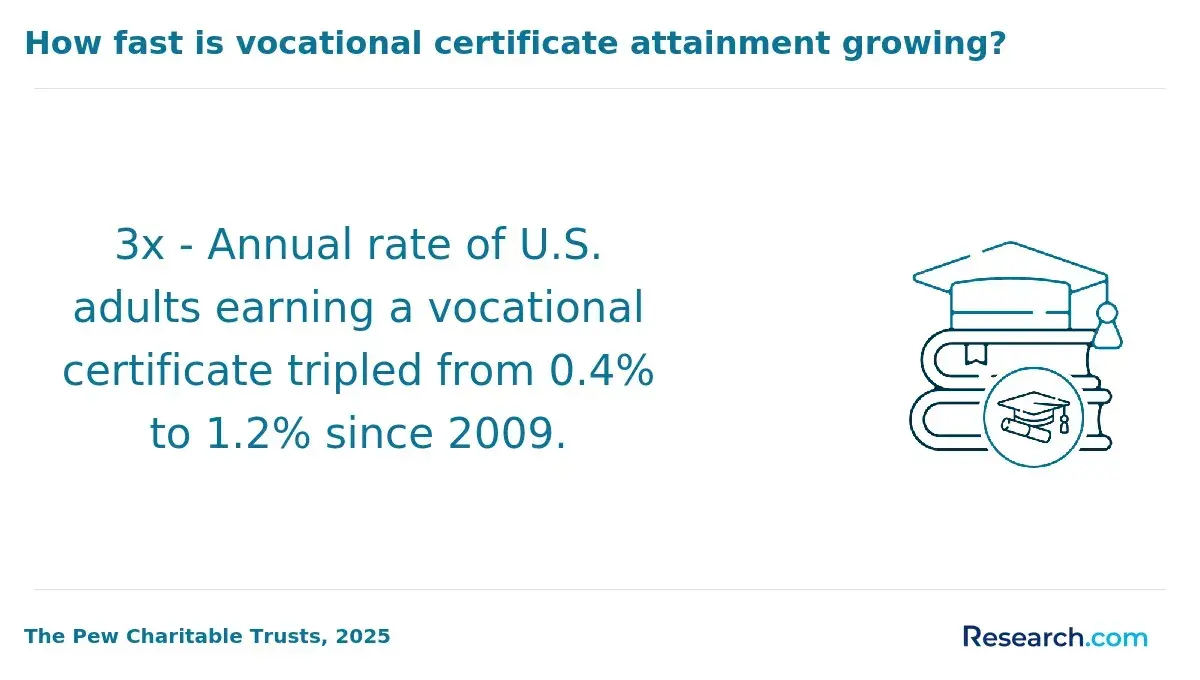
Completion time depends on the whole sequence, not the length of one course. Taking courses back to back may shorten a degree, but prerequisites, limited elective offerings, planned breaks, and culminating requirements can interrupt that pace. Compare any advertised timeline with your intended course load and start date. Students comparing 1 year master's programs should check whether the quoted schedule assumes continuous enrollment or prior preparation.
The following comparison shows why two students taking equally short classes can have different graduation dates. It describes scheduling effects, not promised completion times.
| Program feature | Effect on completion |
| Required courses offered frequently | May allow steady progress between terms |
| Prerequisites or foundation courses | Add coursework before or alongside the degree plan |
| Capstone, thesis, or field placement | May follow a longer schedule than ordinary classes |
| Approved graduate transfer credit | May reduce remaining requirements if it applies to the degree |
Prior undergraduate study normally provides admission preparation, not master's-level transfer credit. If you have graduate coursework or a stackable certificate, request an evaluation showing exactly which degree requirements it satisfies before relying on a shortened timeline.
What Admission Requirements Apply to Accelerated Online Master's Programs?
Most applicants need a completed bachelor's degree and transcripts. Depending on the program, admissions may also review undergraduate coursework, GPA, a statement of purpose, references, professional experience, an interview, or a portfolio. A computer science program may expect quantitative preparation; an MSN may require an active nursing license and a qualifying nursing degree. GRE or GMAT policies vary by program, so do not infer them from another degree at the same university.
Short terms do not mean easier admission. Ask whether missing prerequisites can be completed after acceptance, whether conditional admission is available, and whether those added courses change your price or graduation date. If you have previous graduate credit, seek a program-specific transfer evaluation; acceptance by the university does not guarantee that a course fulfills your intended degree's requirements.
How Much Do Online Master's Programs With Four-Week Courses Cost?
Total cost matters more than the price of one four-week class. Compare required graduate credits multiplied by applicable tuition, then add mandatory, technology, program, and graduation fees. Include travel for residencies, placement expenses, books or software, and any foundation courses. An inexpensive per-credit rate may still produce a costly degree if the program requires more coursework.
Request a written estimate for your enrollment status and location, plus an explanation of how tuition is charged during short terms. Compare scholarships, employer assistance, and federal-aid eligibility before borrowing. If minimizing spending matters more than finishing quickly, compare cheapest online masters against the four-week options using total expected cost, not an advertised course price. Never assume that faster scheduling automatically means lower tuition.
What Do Students Study in Four-Week Online Master's Courses?
What students study depends on the credential. An MBA emphasizes broad business functions; an MS in cybersecurity develops security expertise; an MEd may focus on instruction or leadership. Each degree can combine core courses, electives, a concentration, and a final applied or research requirement. A four-week course should meet the program's graduate learning goals even though its calendar is compressed.
Read sample syllabi when available. Check the weekly reading and project load, assessment deadlines, group-work expectations, and access to faculty. In technical subjects, determine how labs are delivered; in licensure-oriented fields, determine how supervised practice is arranged. These details tell you more about feasibility than the term length alone.
Are Four-Week Online Master's Programs Better Than Campus Programs?
Neither format is inherently better. Four-week online classes can help a student concentrate on one subject and avoid commuting. Campus courses may offer more face-to-face contact and a less compressed rhythm. Online programs can still require live attendance, and a campus program may offer useful evening or hybrid scheduling.
The comparison below highlights the trade-offs most likely to affect whether you can finish. Confirm the details with each program rather than assuming they apply to every online or campus degree.
| Decision factor | Four-week online courses | Campus courses |
| Weekly pace | Often concentrated, with frequent deadlines | Usually spread across a longer term |
| Location | Remote instruction; placements or visits may still apply | Regular travel to campus is typical |
| Interaction | May be asynchronous, live, or mixed | Usually includes scheduled in-person meetings |
| Best fit | Students able to protect focused study time | Students who prefer an extended pace and in-person contact |
If speed is your main goal, compare other accelerated degree programs as well. A program with longer individual courses could still finish sooner if its overall sequence is more efficient.
What Careers and Salaries Can Online Master's Graduates Expect?
A master's can support specialization, a career change, licensure preparation, or advancement, but occupational pay is not a measure of what a particular program's graduates earn. For example, BLS reported a $124,910 median annual wage for information security analysts in 2024. That figure covers people working in the occupation across educational and experience levels; many positions do not require a master's. Employers may also value hands-on security experience and certifications.
Likewise, an MHA may be relevant to healthcare management, while a counseling degree may form part of a state-regulated path. Neither automatically confers a leadership job or professional license. Compare the degree with the actual job postings you would pursue, including experience and credential requirements. If you prefer concentrated analytical work, consider how roles described in guides to jobs for introverts differ in teamwork and client contact; work style depends on the position and employer, not just the degree title.
How Can You Choose a Reputable Four-Week Online Master's Program?
The best choice is the verified four-week program that fits your career goal, workload, and full-degree budget - not simply the school with the shortest advertised class. Before applying, use the same checks for every finalist:
- Request the current degree plan and identify the term length of every required course, elective you need, and culminating requirement.
- Check institutional accreditation and, for a regulated career, the program approval or accreditation relevant to your intended state and credential.
- Ask for a course rotation showing when you can actually enroll, including prerequisites, breaks, and any live or in-person requirements.
- Obtain a total-cost estimate and a written evaluation of any prior graduate coursework that might satisfy degree requirements.
- Compare the curriculum and completion requirements with your target jobs, then choose a course load you can sustain.
Common red flags include a four-week claim with no program-specific schedule, an advertised finish date that omits prerequisites or placements, and a tuition quote that excludes mandatory fees. If the school cannot resolve those gaps, keep comparing rather than enrolling on the strength of a short-course promise.
Other Things You Should Know About
No. Four weeks describes an individual course term; the degree requires completion of its full curriculum and any final project or fieldwork.
Not necessarily. They cover graduate work on a compressed schedule, which can mean more frequent deadlines.
Possibly. Check weekly workload, live meetings, and placement requirements, then start with a course load you can sustain.
It may, if the institution approves eligible graduate coursework and applies it to your specific degree. Request an evaluation before counting on a shorter schedule.
References
- Program Eligibility, Written Arrangements, and Distance Education | 2022-2023 Federal Student Aid Handbook https://fsapartners.ed.gov/knowledge-center/fsa-handbook/2022-2023/vol2/ch2-program-eligibility-written-arrangements-and-distance-education
- Undergraduate Retention and Graduation Rates - COE https://nces.ed.gov/programs/coe/indicator/ctr/undergrad-retention-graduation
- Accreditation in the U.S. | ed.gov https://www.ed.gov/laws-and-policy/higher-education-laws-and-policy/college-accreditation/accreditation-in-the-us
- Admission Requirements https://graduate.appstate.edu/graduate-admissions/apply-graduate-school/application-requirements
- Accelerated Courses | Thomas Edison State University https://www.tesu.edu/degrees-programs/courses/accelerated-courses.php
- Why Is Accreditation Important? | ACE Blog https://ace.edu/blog/why-is-accreditation-important/
- Accreditation matters in higher ed: Here's why | cmich.edu https://www.cmich.edu/blog/all-things-higher-ed/accreditation-matters-in-higher-ed-here-s-why
- Time on Task in Online Courses | RIT https://www.rit.edu/teaching/time-task-online-courses
- Tuition in Detail - One Stop Student Services https://onestop.utk.edu/billing-payments/tuition-detail/
- Summer Accelerated 4-Week Sessions | University of Maryland Global Campus https://www.umgc.edu/admission/summer-intersession