
2027 Best Associate Degree Completion Programs With Flat-Rate Tuition

Co-Founder and Chief Data Scientist
If you already have college credit, a flat-rate associate degree may help you finish without paying for every new credit separately. But the lowest advertised term price is not necessarily the lowest cost to graduate: transfer decisions, required courses, and the number of paid terms matter.
The College Board reported average public two-year in-district tuition and fees of $4,050 for 2024-25, a useful benchmark but not a quote for a completion program. This guide helps returning students compare flat-rate options, identify costs that can change the calculation, and request the information needed to choose confidently.
Key Things You Should Know
- Compare the cost to finish, not just the flat rate: ask how many prior credits satisfy degree requirements and how many paid terms remain.
- The College Board's $4,050 public two-year in-district tuition-and-fees average for 2024-25 is a benchmark, not the price of a flat-rate completion program.
- A credible comparison requires a written transfer evaluation, the current tuition schedule, and confirmation of any residency, lab, clinical, or in-person requirements.
Top 10 Best Associate Degree Completion Programs With Flat-Rate Tuition
Business Programs
Business administration associate degrees can suit students bringing in general education or introductory business credits. Compare an AA or AS intended for bachelor's transfer with an AAS emphasizing workplace applications.
A flat-rate term is most useful when accounting, economics, and required electives are available in the same term; prerequisites or limited course schedules can erase the savings. Ask whether transferred business courses satisfy major requirements rather than counting only as electives. An associate degree can support applications for entry-level roles, but management positions typically require experience.
Healthcare Programs
Healthcare administration or health information associate programs may accept previous general education credits and offer substantial online coursework. Check whether specialized classes run frequently enough to make each flat-rate term worthwhile.
Distinguish these programs from clinical allied-health degrees: a flat tuition price does not eliminate placement, equipment, screening, or travel costs. If your goal is a regulated occupation, confirm the exact credential and any certification or licensing requirements before enrolling.
Information Technology Programs
IT associate programs may combine transferred general education credits with networking, programming, cybersecurity, or support courses. A flat rate can favor students who have time to complete multiple applicable courses per term; it may be less economical when labs or prerequisites limit progress.
Compare an AS designed for transfer with a career-focused AAS, and ask whether existing industry certifications can be evaluated for credit. Certifications and demonstrated skills may matter to employers alongside the degree; neither guarantees a job.
Nursing / Pre-Nursing Programs
Pre-nursing associate pathways can help students complete transferable prerequisites, but they do not themselves qualify someone for registered nurse licensure. An associate degree in nursing is a distinct, often selectively admitted clinical program.
Even where nursing courses fall under a flat-rate tuition band, clinical scheduling, lab fees, placement rules, and required in-person attendance can constrain pace and increase costs. Confirm state board approval, applicable nursing accreditation, admission requirements, and eligibility to take the required licensing examination.
Criminal Justice Programs
Criminal justice AA or AS programs often emphasize transfer, while some AAS programs emphasize applied public-safety coursework. For a returning student, the key question is whether earlier social science and general education classes fulfill the new degree plan.
Check whether internships or specific electives require an extra paid term. Hiring for law enforcement and related roles can involve separate age, background, academy, physical, and agency requirements; the associate degree does not replace them.
Psychology / Counseling Programs
A psychology associate degree is usually a foundation for further study, not a counseling license. Students with previous general education credits should compare remaining psychology courses and bachelor's transfer agreements before choosing a flat-rate plan.
Courses in statistics or research methods may have sequencing requirements that affect the number of paid terms. If your goal is licensed counseling, map the full education and state licensure pathway first; a cheaper associate degree is poor value if its credits will not apply to the next credential.
What Are Associate Degree Completion Programs With Flat-Rate Tuition?
An associate degree completion program is a route to an associate credential for a student who has already completed some college-level work. It is not necessarily a separate, accelerated degree.
Most associate degrees require roughly two years of full-time study from the beginning, but a returning student's remaining work depends on which credits the institution accepts and applies to general education, major, and residency requirements.
Flat-rate tuition generally means one tuition charge covers a defined term, subscription period, or credit-load band. It does not necessarily cover fees, books, assessments, or unlimited enrollment.
Subscription-style programs can reward rapid, steady progress; a conventional full-time tuition band may be better for students who can take several scheduled courses at once. Students taking only one course at a time should compare both models with per-credit tuition.
AA and AS degrees often support transfer to a bachelor's program; AAS degrees often emphasize workforce preparation. Those labels are useful starting points, not guarantees. The receiving university decides how individual credits apply, while employers and licensing bodies determine their own requirements.
Which Accredited Colleges Offer Associate Degree Completion Programs With Flat-Rate Tuition?
There is no responsible universal ranking of accredited flat-rate completion programs based on a term price alone. A college must currently offer both an associate degree you can finish with your existing credits and a documented flat-rate tuition arrangement that applies to that degree.
Program availability, rates, and eligibility can change, so a named option should not be treated as a verified recommendation without checking its current catalog and tuition schedule.
The University of Wisconsin Flexible Option's Associate of Arts and Sciences is a useful candidate to investigate for returning students interested in competency-based, subscription-style study. Confirm the current degree-granting institution, published rate, eligible courses, transfer rules, and subscription conditions directly before comparing it with another college.
The University of Maine at Presque Isle's YourPace offerings also warrant checking, but do not assume a particular associate degree is currently available through YourPace or that its tuition terms match those of its bachelor's programs.
Competency-based study is not automatically cheaper: its value depends on how quickly you can complete requirements within each paid period. Use comparisons of best competency-based colleges to understand the format, then verify the specific associate credential and its current price. For any candidate, request a written degree audit before calling it a degree-completion option for you.
How Much Do Flat-Rate Tuition Associate Degree Completion Programs Cost?
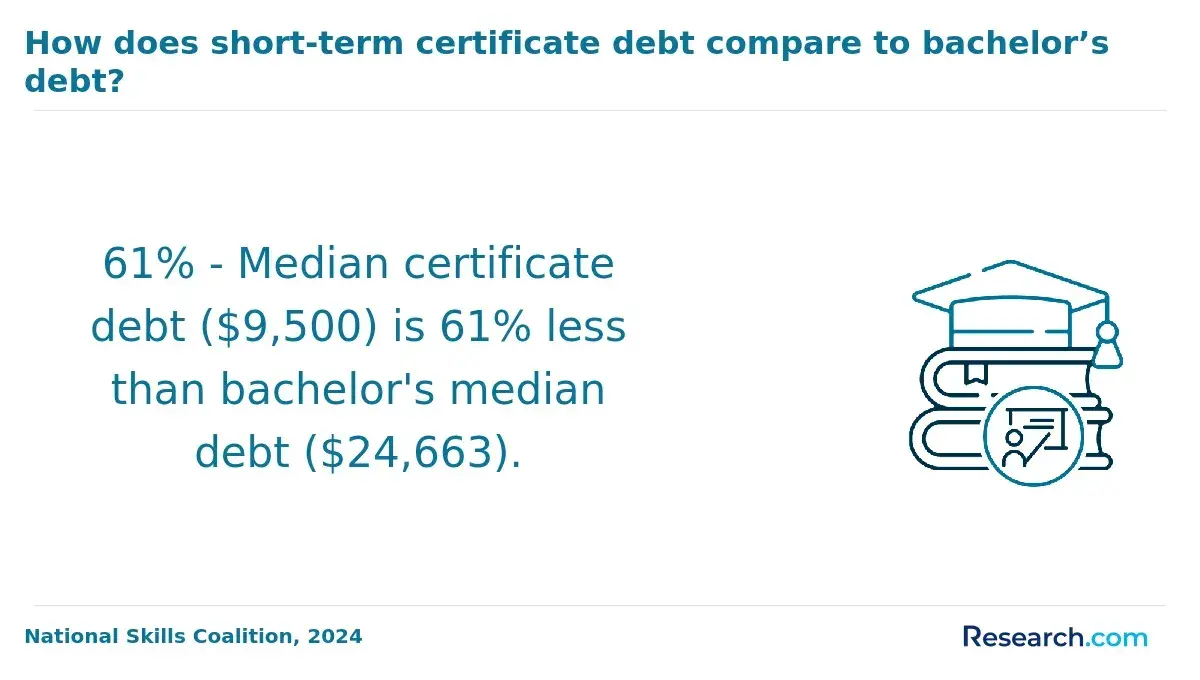
The relevant price is total remaining cost to graduate: paid terms multiplied by the applicable flat charge, plus mandatory fees and required expenses, minus aid you actually receive.
A low term price can lose its advantage if few previous credits apply or required courses extend enrollment. As a national point of comparison, the College Board reported the following average; it is not a quoted flat-rate program price. 2024-25 public two-year in-district tuition and fees: $4,050 for a full academic year.
Before accepting a school's estimate, compare the cost components below. They explain why two students offered the same flat rate can face different totals:
| Cost component | What can change the total |
| Tuition period | Term length, credit-load limits, and the number of periods needed |
| Transfer evaluation | Credits accepted as required courses rather than unused electives |
| Additional charges | Mandatory fees, materials, assessments, labs, and clinical expenses |
| Net price | Grants, scholarships, employer assistance, and other eligible aid |
Ask for a personalized estimate under both a realistic work-compatible schedule and a faster schedule. Students comparing alternatives can also examine cheapest online colleges, but must check that the listed school offers the required associate degree and that its aid eligibility and transfer policies fit their circumstances.
What Admission Requirements Apply to Associate Degree Completion Programs?
Associate degree completion usually starts with the college's general admission process and official transcripts from every prior institution. A school may also ask for proof of secondary education, placement information, or prerequisite coursework. Admission to the college is not the same as admission to a selective nursing or allied-health major.
Ask for a course-by-course evaluation, preferably before committing to a paid term. Find out whether there is a minimum number of prior credits for the pathway; the maximum transferable amount; a minimum grade; limits on older technical or science courses; and a residency requirement for credits earned at the new institution.
Prior learning, military training, examinations, and professional credentials may earn credit only after the college evaluates them under its published policy. Accepted credits may still fail to satisfy a specific major requirement.
How Long Does It Take to Complete an Associate Degree Program?
A student beginning an associate degree from scratch commonly plans for about two years of full-time study. Completion students cannot reliably use that estimate - or an advertised accelerated timeline - without knowing their remaining required courses.
Accepted general education credit may shorten the path substantially, while prerequisites, infrequently offered courses, or clinical placements can keep a student enrolled longer.
Ask an advisor to map remaining courses by term, marking prerequisites and when each class is offered. Then compare that schedule with the flat-rate billing period. Taking more courses in a term can reduce tuition under some plans, but only if the workload is sustainable and every completed course advances the degree.
What Coursework Do Associate Degree Completion Programs Include?
The exact coursework follows the degree's purpose. Transfer-oriented AA and AS programs commonly include writing, mathematics, natural sciences, humanities, and major introductory courses. Career-focused AAS programs may devote more room to technical classes. A completion student may have finished many general education courses but still need a specific sequence in the major.
Review the remaining-course audit for labs, internships, practicums, clinical rotations, and capstones. Such requirements can be scheduled differently from ordinary online courses and may carry separate expenses.
Do not assume a course transfers merely because its title resembles a required course; confirm how it is applied on the degree audit and, if you plan to continue studying, on the intended bachelor's program plan.
Are Online or Campus-Based Completion Programs Better for Adult Learners?
Online study can reduce commuting, but it does not necessarily mean self-paced study. Some classes require live meetings, fixed weekly deadlines, supervised exams, or local clinical work. Campus or hybrid programs may offer easier access to labs and scheduled support, though travel and fixed meeting times can complicate work or caregiving.
The best format is the one in which you can complete required courses consistently within the tuition period. Ask whether every remaining course is available in your chosen format and how often it runs.
If your longer-term goal is a bachelor's degree, comparisons of best affordable online colleges can help you consider the next step, but verify an articulation agreement rather than assuming the associate credits will all apply.
What Careers and Salaries Can Associate Degree Graduates Expect?
Career value depends heavily on the major and the requirements of a particular occupation. Business, IT, and health administration programs may support applications for entry-level work; psychology and pre-nursing pathways are more often steps toward further education.
For context, the U.S. Bureau of Labor Statistics reported a May 2024 median annual wage of $93,600 for registered nurses. That is an occupational median, not a predicted salary for associate graduates: registered nurses must meet state licensing requirements, and a pre-nursing degree alone does not qualify someone to practice.
Judge a program against the job or next credential you actually want. Check local postings for required skills and credentials, and confirm whether a bachelor's degree, examination, or experience is needed.
Advanced study comes later in that sequence: even listings for a 6 month masters degree online are not substitutes for an associate completion pathway and require careful review of admission prerequisites and total time.
How Should Students Choose a Reputable Associate Degree Completion Program?
Start with fit, then test the flat-rate claim. A reputable school should make its institutional accreditation, degree requirements, tuition conditions, and transfer policies available for review. Programmatic accreditation and state approval also matter when the intended occupation is regulated.
Use these steps to turn advertised features into a decision you can defend:
- Request an official or written preliminary transfer evaluation showing which previous credits fulfill each degree requirement.
- Confirm the current flat-rate amount, billing period, covered credit load, fees, and any enrollment conditions.
- Obtain a term-by-term plan that includes residency credits, prerequisites, course availability, and any in-person work.
- Compare the estimated total after grants or employer assistance with a per-credit community college option.
- Check bachelor's transfer agreements or occupational licensing rules against your intended next step.
Be wary of an unusually short completion promise that does not specify assumed incoming credits, or a price comparison that excludes required fees and additional terms. The best option is the accredited, career-appropriate program that applies the most useful prior credit and offers a realistic, affordable route through everything still required.
Other Things You Should Know About
Not necessarily. A rate may cover a defined credit band or subscription period, and academic or scheduling rules may limit how much you can complete. Read the current tuition terms.
No. A college may accept a credit without applying it to a required course. Request a degree audit showing both accepted credits and requirements still outstanding.
Some pathways may permit it, but a school-wide online label is not enough. Confirm delivery for every remaining course and ask about labs, live meetings, clinical work, and proctored activities.
It can be if enough required work fits into each paid period. Compare personalized total costs, including fees and likely time to finish, rather than the advertised term rate alone.
References
- What are the different ways to pay for college or graduate school? | consumerfinance.gov https://www.consumerfinance.gov/ask-cfpb/what-are-the-different-ways-to-pay-for-college-or-graduate-school-en-545/
- Financial Aid Dictionary: Top Terms Related to Grants, Work-Study, and Student Loans - Federal Student Aid https://studentaid.gov/articles/financial-aid-dictionary/
- Fast Facts: Time to degree (569) | ed.gov https://nces.ed.gov/fastfacts/display.asp
- Programmatic Accreditation | University of Kentucky https://ospie.uky.edu/programmatic-accreditation
- Credit for Experiential Learning | Texas State University https://mycatalog.txstate.edu/undergraduate/general-information/admissions/transfer-credit/experiential-learning/
- Modes of Instruction | Lehman College https://www.lehman.edu/online/modes-of-instruction/
- Undergraduate Transfer Credit and Credit for Prior Learning | charlotte.edu https://provost.charlotte.edu/policies-procedures/academic-policies-and-procedures/undergraduate-transfer-credit-credit-for-prior-learning/
- Flat-Rate Tuition Frequently Asked Questions - Wayne State University https://wayne.edu/registrar/flat-rate-faq
- Do Old College Credits Still Count? Common Questions Adults Ask About Finishing Their Degree | Fresno Pacific University https://www.fresno.edu/sunnys-blog/academics-university/do-old-college-credits-still-count-common-questions-adults-ask


