2027 Best Online Marketing Associate Degree Programs for Adults Returning to School

Co-Founder and Chief Data Scientist
Adults returning to college often need a marketing degree that fits work, family, and a realistic budget. An online marketing associate degree can build practical skills in sales, digital campaigns, consumer behavior, analytics, and business communication. The timing is useful: BLS data reports a May 2024 median wage of $76,950 for market research analysts, with faster-than-average projected growth. This guide explains flexible formats, costs, accreditation, transfer options, and red flags so working adults, career changers, and students restarting college can choose a program with stronger value and fit.
Key Things You Should Know
- The best online marketing associate degree for returning adults is usually regionally accredited, mostly asynchronous, transfer-friendly, and transparent about total cost, not just advertised tuition.
- Most associate programs require about 60 credits; full-time students often finish in about two years, while part-time adults commonly need three years or more depending on transfer credits and course load.
- Affordability varies widely, but the College Board reported average published tuition and fees of $4,050 for in-district public two-year colleges in 2024-25, making community colleges a key benchmark for online program costs.
What Flexible Online Marketing Associate Degree Formats Are Available?
Flexible online marketing associate degree programs are designed for students who cannot attend weekday campus classes on a fixed schedule. For adults returning to school, the best format depends on weekly availability, comfort with online learning, prior college credits, and whether the goal is immediate employment or transfer into a bachelor's program.
The table below compares common online formats and the type of adult learner each one tends to serve best. Use it as an early screening tool before reviewing admissions requirements or tuition.
| Format | How it works | Best fit for returning adults | Main trade-off |
| Fully online asynchronous | Students complete weekly modules, readings, discussions, projects, and exams without required live class meetings. | Working adults with unpredictable schedules, caregivers, and students in different time zones. | Requires strong self-management because there is less live structure. |
| Online synchronous | Students attend live virtual classes at scheduled times, often in the evening. | Students who want real-time interaction and a predictable weekly routine. | Less flexible for shift workers or parents with changing responsibilities. |
| Hybrid | Most coursework is online, but some meetings, presentations, exams, or orientation sessions may be on campus. | Local students who want some face-to-face support without commuting daily. | Campus requirements can create conflicts if they are not disclosed early. |
| Accelerated | Courses run in shorter terms, such as five, seven, or eight weeks. | Adults who can focus intensively and want to finish faster. | The weekly workload can be heavier than in a traditional term. |
| Competency-based or self-paced | Students progress by demonstrating mastery of defined skills or outcomes. | Experienced adults who already know some business, sales, or digital marketing concepts. | Not all competency-based credits transfer smoothly to every four-year school. |
Marketing associate programs usually come in two broad types: career-focused associate of applied science programs and transfer-focused associate of arts or associate of science programs. A career-focused program may include more applied courses in advertising, sales, retailing, social media, and customer relationship management. A transfer-focused program usually includes more general education and business foundation courses that may apply toward a bachelor's degree.
If you are not fully committed to marketing, compare the curriculum with an online business degree. A broader business path may be better if you want flexibility across management, entrepreneurship, accounting, operations, or human resources rather than a marketing-centered career.
How Do Part-Time Online Marketing Associate Degree Programs Work?
Part-time online marketing associate degree programs let adults take fewer credits per term, often one or two classes instead of a full-time load. This format can be the best choice if you work full time, care for family members, are returning after a long academic break, or want to limit borrowing.
A typical three-credit online course may require several hours per week for readings, assignments, discussions, and projects. Marketing courses can also involve campaign plans, customer research, presentation recordings, spreadsheets, and collaboration, so the workload is not always limited to reading and quizzes.
Before choosing part-time enrollment, adults should understand how it affects pace, aid, and motivation. These steps can help you compare part-time programs more accurately:
- Ask the school how many credits count as half-time enrollment for financial aid and whether your chosen course load meets that threshold.
- Confirm whether required marketing courses are offered every term or only once per year, because limited course rotation can delay graduation.
- Build a weekly study calendar before enrolling, including work shifts, caregiving, commute time, and quiet study blocks.
- Ask whether online tutoring, library help, advising, and technical support are available during evenings or weekends.
- Check whether the program has stop-out or reentry policies in case you need to pause for work, health, or family reasons.
Part-time study is not automatically slower in every situation. A returning student who transfers prior credits, takes summer courses, or uses shorter online terms may still make steady progress while avoiding the stress of a full-time schedule.
How Do Self-Paced and Competency-Based Marketing Associate Degree Programs Work?
Self-paced and competency-based marketing associate degree programs give students more control over how quickly they move through coursework. Instead of attending a class at the same pace as every other student, you may complete assessments when you are ready or accelerate through material you already know.
This format can work well for adults with experience in retail, sales, small business ownership, customer service, content creation, or office administration. For example, a student who has already managed social media posts for an employer may move more quickly through introductory digital marketing content than someone completely new to the field.
However, self-paced does not mean unstructured. Strong programs still provide clear course outcomes, faculty access, assessment rubrics, academic deadlines, and advising. Be cautious if a school markets speed but gives vague answers about instructor feedback, transferability, or employer recognition.
Competency-based programs are strongest when the assessments match real marketing work. Look for projects and evaluations that demonstrate job-relevant skills, such as:
- Creating a basic marketing plan for a product, service, or nonprofit campaign.
- Analyzing customer segments and explaining how messaging changes by audience.
- Using spreadsheet or analytics tools to interpret campaign or sales data.
- Writing persuasive copy for email, web, social media, or advertising channels.
- Presenting recommendations clearly to a business audience.
If your main interest is content strategy, platform management, influencer campaigns, or brand communities, compare a general marketing associate program with social media degree programs. A specialized program may be useful, but a broader marketing associate degree may transfer more easily into business or communications bachelor's programs.
Yes, some online marketing associate degree programs offer evening classes, usually through live virtual sessions or hybrid schedules. Evening programs can be especially helpful for adults who want instructor interaction but cannot attend during standard business hours.
Evening classes are most common in synchronous online programs, where students log in at a set time each week for lectures, discussions, group work, or presentations. They may also appear in hybrid programs that schedule labs, exams, or workshops after work hours.
The main advantage is accountability. A scheduled evening class can help returning students rebuild academic habits, ask questions in real time, and connect with classmates. The drawback is reduced flexibility. If your work shifts change, your childcare falls through, or you travel for work, a required evening meeting can become a barrier.
Before enrolling in an evening-based online program, ask targeted scheduling questions. These questions help reveal whether the program is truly adult-friendly or simply online in name:
- Are live evening sessions required, optional, or recorded for later viewing?
- How many evenings per week should students expect to be online?
- Are exams scheduled during evenings, or can they be completed within a testing window?
- Do group projects require meetings outside the listed class time?
- What happens if a student misses a live class because of work or caregiving responsibilities?
Evening classes make sense if your schedule is stable and you learn better with real-time discussion. If your schedule changes often, an asynchronous format may be safer.
Synchronous online marketing programs require students to participate at scheduled times, while asynchronous programs let students complete coursework within weekly or module-based deadlines. Both can be high quality, but they serve different learning styles and life situations.
The table below summarizes the most important differences for adults returning to school. Pay attention to workload predictability, not just whether the program is labeled "online."
| Feature | Synchronous online | Asynchronous online |
| Class meetings | Live virtual sessions at set times. | No required live class meetings in many courses. |
| Flexibility | Moderate; students must protect class times. | High; students can study around work and family obligations. |
| Interaction | Real-time discussion with instructors and classmates. | Discussion boards, recorded lectures, email, chat, and scheduled office hours. |
| Best for | Students who want structure, accountability, and live explanation. | Students with variable schedules or strong independent study habits. |
| Common risk | Missing required sessions because of job or family conflicts. | Falling behind without a weekly study routine. |
For marketing students, the difference matters because many assignments involve deadlines, campaigns, peer feedback, and presentations. A fully asynchronous course may still require group collaboration, while a synchronous course may still include independent online modules.
A practical way to decide is to review a sample syllabus before enrolling. Look for due dates, required log-in times, presentation expectations, proctored exams, group project requirements, and instructor response times. If the school will not provide a sample syllabus or clear schedule expectations, treat that as a warning sign.
Hybrid marketing associate degree programs combine online coursework with some in-person requirements. These programs can be a good fit for adults who live near campus and want access to face-to-face advising, computer labs, career fairs, or networking events while still completing most coursework online.
Campus visits vary by institution. Some hybrid programs require only an orientation, placement test, final presentation, or occasional exam. Others require weekly or monthly attendance. The difference is significant for adults with jobs, transportation limits, childcare needs, or military obligations.
Hybrid programs can be worth considering when the in-person components add clear value. For example, a campus-based presentation workshop, employer networking event, or advising session may help a returning student gain confidence. But a hybrid format is less useful if it creates commuting costs without improving support or outcomes.
When comparing hybrid options, focus on the true attendance requirement. Ask the school to define the following before you apply:
- The number of required campus visits per course and per semester.
- Whether campus sessions are offered on evenings, weekends, or only during business hours.
- Whether required visits can be replaced with virtual options in emergencies.
- Whether proctored exams can be completed online or at an approved local testing center.
- Whether internships, service learning, or capstone projects require local employer partnerships.
Adults who live far from campus should be especially careful. A program advertised as online may still include in-person requirements that make completion unrealistic.
Most online marketing associate degree programs require about 60 credits. A full-time student may complete that requirement in around two academic years, but many returning adults choose a slower pace to keep school manageable.
The table below shows common completion timelines. These are general planning ranges; your actual timeline depends on transfer credits, placement results, course availability, summer enrollment, and whether you need to pause.
| Enrollment pattern | Typical course load | Common completion timeline | Best fit |
| Full-time | About 12 to 15 credits per term | About two years | Students with stable schedules and enough study time each week. |
| Part-time | About 6 to 9 credits per term | Often three years or more | Working adults, caregivers, and students easing back into college. |
| Accelerated terms | One or two short courses at a time | Potentially faster if taken continuously | Students who can handle intensive deadlines. |
| Transfer-credit pathway | Varies by accepted credits | May reduce remaining time | Students with prior college coursework, military learning, or eligible exams. |
Adults should avoid choosing a program based only on the shortest advertised timeline. Faster programs may require year-round study, heavier weekly assignments, fewer breaks, or stricter course sequencing. A realistic three-year plan can be better than an unrealistic two-year plan that leads to stopping out.
If you plan to continue beyond the associate degree, ask whether the curriculum supports a bachelor's pathway in marketing, business, communications, or public relations. Students considering long-term advancement may eventually compare options such as an affordable online master's degree in communications, but the first priority is choosing associate-level credits that transfer cleanly.
Accreditation is one of the most important quality checks for an online marketing associate degree. In the U.S., institutional accreditation from a recognized accreditor helps determine whether students may access federal financial aid, whether credits are more likely to transfer, and whether employers or four-year colleges will recognize the credential.
For associate degrees, institutional accreditation is usually more important than specialized business accreditation. Some business schools may hold programmatic accreditation, but many reputable community college marketing programs do not. What matters most is that the institution itself is accredited by an agency recognized by the U.S. Department of Education or the Council for Higher Education Accreditation.
Transfer-friendliness is a separate issue. A school can be accredited and still have credits that do not apply neatly to your future bachelor's degree. Adults with prior college experience should verify both incoming and outgoing transfer policies before enrolling.
Use this process to evaluate accreditation and transfer value before you commit:
- Look up the institution in the U.S. Department of Education's Database of Accredited Postsecondary Institutions and Programs or the accreditor's official website.
- Ask whether the marketing associate degree is an associate of arts, associate of science, or associate of applied science, because each may transfer differently.
- Request an unofficial transfer evaluation before enrolling if you have previous college credits.
- Ask whether the school has articulation agreements with public universities or online bachelor's programs.
- Confirm whether marketing, business, statistics, accounting, and general education courses satisfy bachelor's degree requirements or transfer only as electives.
- Get transfer answers in writing, especially if an advisor says your previous credits will apply.
Common red flags include vague accreditation language, pressure to enroll before credit evaluation, unusually short degree timelines with little explanation, and promises that all credits will transfer anywhere. Transfer decisions are made by receiving institutions, so no associate program can guarantee universal transfer acceptance.
Costs for flexible online marketing associate degree programs depend on residency status, public versus private institution type, credit requirements, technology fees, textbooks, transfer credits, and whether you qualify for financial aid. The best comparison is total program cost, not tuition per credit alone.
For a useful benchmark, the College Board reported average published tuition and fees of $4,050 for in-district students at public two-year colleges in 2024-25. That figure does not include every online fee, book, device, or living expense, but it shows why local community colleges often provide strong value for adults seeking an associate degree.
When reviewing schools, place every cost in one list so you can compare programs consistently. Common costs include:
- Tuition per credit or per term
- Online learning, technology, or distance education fees
- Textbooks, access codes, software, and digital course materials
- Proctored exam fees or testing-center charges
- Application, graduation, transcript, and payment-plan fees
- Transportation or childcare costs for any required campus visits
- Lost income if your course schedule reduces work hours
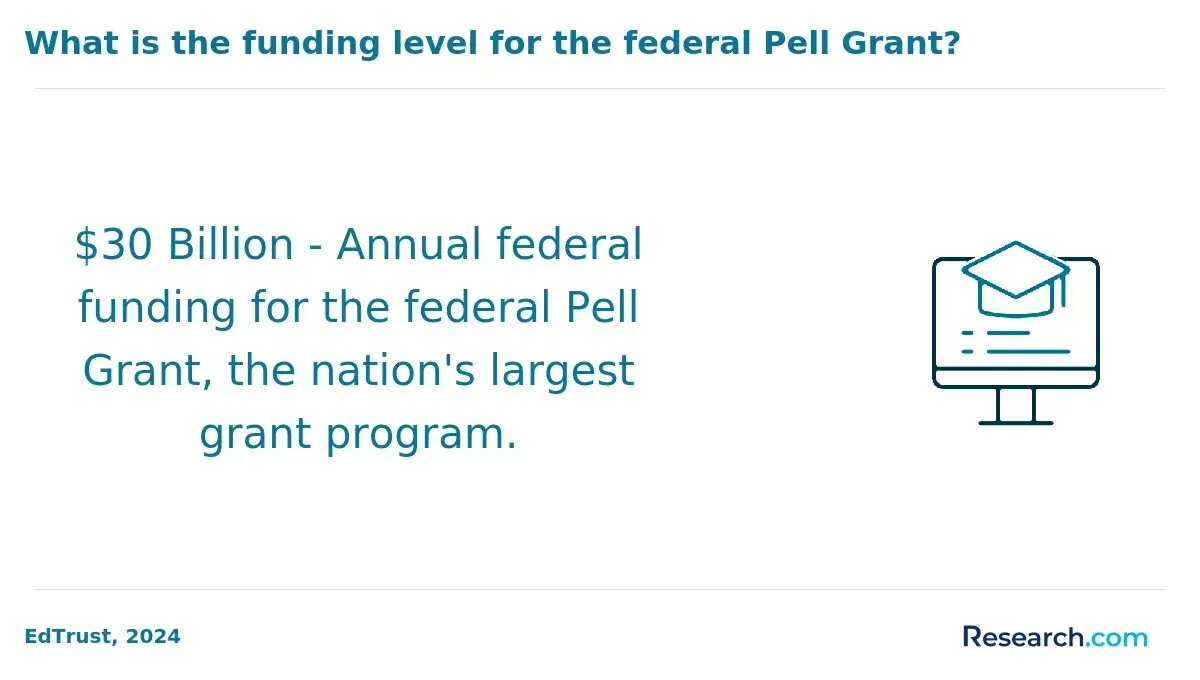
Financial aid may be available if the school is eligible for federal student aid and you meet enrollment requirements. The maximum Federal Pell Grant remained $7,395 for the 2025-26 award year, which can be especially meaningful for eligible adult students at lower-cost public two-year colleges. Your actual aid depends on the FAFSA, enrollment intensity, cost of attendance, and school packaging policies.
Adults should also ask about employer tuition assistance, state grants, workforce development funding, military or veteran education benefits, scholarships for returning students, and tuition payment plans. If you may pursue a bachelor's or graduate degree later, compare your associate program cost with longer-term education plans; resources on the cheapest online marketing degree options can help you think beyond the first credential.
How Should You Choose the Best Flexible Online Marketing Associate Degree Program for Your Schedule?
The best flexible online marketing associate degree is the one that fits your schedule, budget, transfer goals, and career direction at the same time. Rankings can be useful, but adults returning to school need a more personal decision process because time, money, and family responsibilities are often tightly connected.
Start by deciding what you want the degree to do. If your goal is entry-level employment, look for applied courses, career services, portfolio projects, and employer connections. If your goal is transfer, prioritize general education alignment, business prerequisites, and articulation agreements. If your goal is a career change, choose a program that helps you build evidence of skill through projects, not only exams.
The table below summarizes decision factors that matter most for adult learners comparing online marketing associate programs. Use it to identify which schools deserve a deeper conversation with admissions or advising.
| Decision factor | What to look for | Why it matters for adults returning to school |
| Schedule fit | Asynchronous courses, evening support, clear deadlines, and predictable course rotation. | Prevents conflicts with work, caregiving, and changing weekly responsibilities. |
| Total cost | Full tuition and fees, aid eligibility, transfer credit savings, and book or software costs. | Helps avoid unexpected expenses and unnecessary borrowing. |
| Transfer value | Articulation agreements, degree maps, and written transfer evaluations. | Protects credits if you plan to earn a bachelor's degree later. |
| Career relevance | Courses in digital marketing, analytics, sales, consumer behavior, communication, and campaign planning. | Builds practical skills that can support entry-level roles or advancement. |
| Student support | Online tutoring, advising, library access, technical help, career coaching, and reentry support. | Improves persistence for students who have been away from school. |
| Program transparency | Published tuition, graduation requirements, faculty access, accreditation, and sample syllabi. | Reduces the risk of enrolling in a program that does not match expectations. |
Before applying, narrow your choices to three to five accredited programs and compare them using the same questions. This approach is better than jumping at the fastest start date or the lowest advertised tuition.
Adults should take these practical steps before enrolling:
- Write down your weekly nonnegotiables, including work hours, family care, sleep, commuting, and recovery time.
- Choose a realistic first-term course load, especially if you have been out of school for several years.
- Request transfer evaluations from more than one school if you have prior credits.
- Ask for a degree plan showing every remaining course and the terms in which each course is offered.
- Compare total program cost after grants, scholarships, employer aid, and accepted transfer credits.
- Review career services, portfolio opportunities, internship options, and employer connections.
- Confirm whether the program's marketing courses include current topics such as analytics, AI-assisted content workflows, search marketing, customer data ethics, and social media strategy.
AI and automation are changing marketing work, but they are not eliminating the need for human judgment. Employers still need people who can understand customers, write clearly, interpret data, manage campaigns ethically, and connect marketing decisions to business goals. A strong associate program should teach tools and strategy together.
Common mistakes include choosing a school without verifying accreditation, assuming online means fully flexible, ignoring transfer policies, comparing only per-credit tuition, and enrolling before confirming support hours. Another mistake is choosing a narrow marketing program when a broader business path would serve your goals better.
Other Things You Should Know About Marketing
Yes. Many online associate degree programs admit adult learners who have been away from school for a long time. Ask about placement testing, refresher courses, tutoring, and first-year experience support before choosing your first-term course load.
Usually no. Associate programs are designed to introduce business and marketing fundamentals. Prior experience in sales, customer service, retail, freelancing, or small business can help, but it is not typically required for admission.
It depends on your goal. A certificate may be faster if you need one specific skill, such as social media basics or digital advertising. An associate degree is broader and may be better if you want general education credits, transfer options, and a recognized college credential.
Possible paths include marketing assistant, sales coordinator, social media assistant, customer service lead, retail management trainee, advertising support specialist, or market research assistant. Job titles and requirements vary by employer, so review postings in your local market before enrolling.
- What Are the Benefits of Online Education for Adult Learners? https://www.straighterline.com/blog/self-paced-what-are-the-benefits-of-online-education-for-adult-learners
- CourseCareers https://coursecareers.com/blog-posts/is-digital-marketing-a-good-career
- Accredited Online Marketing Degree Programs https://www.accreditedonlinecolleges.org/marketing/
- Higher Ed Marketing Strategies: Attract Returning Adult Students https://info.mssmedia.com/blog/higher-ed-marketing-strategies-attract-returning-adult-students
- Adult learners: who they are and what they want out of college | EAB https://eab.com/resources/blog/adult-education-blog/adult-learners-who-they-are-what-they-want-college/
- Associate Degree in Marketing (Requirements & Curriculum) https://www.allbusinessschools.com/marketing/associate-degree/
- Affordable Associate Degrees Online https://www.accreditedschoolsonline.org/online-colleges/affordable-associate-degrees/
- Understanding Your Market: Marketing to Adult and Online Learners https://evolllution.com/attracting-students/marketing_branding/understanding-your-market-marketing-to-adult-and-online-learners-2
- Reaching Graduate and Adult Learners Action Plan https://www.encoura.org/action-plan/reaching-graduate-and-adult-learners-full/
- Marketing Associate Degree - Central Penn College https://www.centralpenn.edu/academics/marketing/