2027 Best Online Doctoral Programs With No SAT or ACT Requirement

Co-Founder and Chief Data Scientist
If you are comparing online doctorates, an SAT or ACT requirement should not be the deciding factor: those are undergraduate admissions tests, not the tests doctoral applicants generally encounter. The more useful questions concern graduate admissions, research or clinical requirements, and total cost. The stakes are substantial: the U.S. Bureau of Labor Statistics (BLS) reports a $83,980 median annual wage for postsecondary teachers in May 2024, but a doctorate neither guarantees that job nor that pay. This guide helps prospective doctoral students compare degree paths and identify what to verify before applying.
Key Things You Should Know
- No SAT or ACT is not an unusually accessible doctoral admissions policy. Check the specific program's GRE, GMAT, prerequisite, experience, and application requirements instead.
- Match the doctorate to the goal: A PhD usually emphasizes original research; credentials such as the DBA, EdD, and DNP often emphasize professional practice. Neither format guarantees a particular job.
- Compare the whole commitment: Confirm accreditation, online and in-person requirements, funding, and the dissertation or project. BLS reports a $124,910 median wage for information security analysts in May 2024, but that occupation generally does not require a doctorate.
Top 10 Best Online Doctoral Programs With No SAT or ACT Requirement
Business / DBA Programs
A Doctor of Business Administration (DBA) generally suits experienced professionals seeking to investigate management problems through applied research. A business PhD is usually a closer fit for someone seeking intensive research training. Neither path ordinarily uses SAT or ACT scores; a program may instead request a GMAT or GRE score, management experience, or a research proposal. Compare faculty expertise, dissertation or project expectations, residency requirements, and funding. If your goal is a management promotion rather than doctoral-level inquiry, weigh the DBA against an MBA and additional experience.
Education / EdD Programs
An online Doctor of Education (EdD) often focuses on improving educational practice through leadership coursework and an applied inquiry project. An education PhD typically places greater emphasis on producing original research. Admissions may require a master's degree, professional experience, and a writing sample, but requirements vary. Ask whether your employer or state requires a particular credential for your intended role. An EdD does not automatically confer a teaching or administrator license, and online coursework may still involve scheduled meetings or field-based research.
Educational Leadership Programs
Educational leadership doctorates may be awarded as an EdD or PhD. Choose by examining the curriculum rather than the title alone: preparation for district-level practice differs from preparation for research or faculty work. Before applying, confirm whether the program expects current school leadership experience, offers the specialization you need, and meets applicable state administrator-licensure rules. SAT and ACT scores are not the meaningful comparison; certification eligibility, supervised experiences, and the culminating project are.
Psychology Programs
Online psychology doctorates serve different purposes. A research-focused PhD does not necessarily prepare students for clinical licensure, while a clinical PsyD may require extensive supervised training and in-person placements. Verify the exact program's accreditation and your state board's educational requirements before enrolling; an online label does not make clinical work remote. Admissions may consider research fit, prerequisites, interviews, and experience rather than SAT or ACT scores. If you want to practice therapy, first determine whether a qualifying master's and license would meet your goal.
Nursing / DNP Programs
The Doctor of Nursing Practice (DNP) is a practice-focused credential; a nursing PhD emphasizes research. Entry pathways vary for bachelor's-prepared and master's-prepared nurses, as do required licenses and clinical hours. Online classes may be paired with local clinical placements, synchronous sessions, or campus intensives. Verify your state's advanced-practice rules and the program's nursing accreditation and placement arrangements. Neither SAT nor ACT scores establish whether a DNP will qualify you for a particular nursing role.
Public Health Programs
A Doctor of Public Health (DrPH) commonly emphasizes applied leadership and population-health practice; a public health PhD generally emphasizes research. Check whether the specialization matches your intended work in policy, epidemiology, or health systems. Programs may assess graduate preparation, quantitative skills, experience, and a statement of purpose rather than undergraduate entrance tests. Compare fieldwork, dissertation or applied-project requirements, and residency costs. A doctorate may be useful for specialized work, but many public health positions do not require one.
Computer Science Programs
An online computer science PhD should be evaluated primarily as a research commitment. Look for faculty whose interests match yours, accessible research resources, clear adviser arrangements, and published candidacy and dissertation requirements. Some programs may expect substantial prior computing and mathematics preparation or a research statement. Confirm whether laboratory work, research meetings, or a defense require travel. If your objective is advancement as a software practitioner rather than conducting original research, compare the doctorate with a master's degree and relevant work experience.
Cybersecurity Programs
Cybersecurity doctorates can emphasize original technical research, applied security leadership, or policy, depending on the credential and curriculum. Assess faculty expertise, access to suitable research facilities or data, and any clearance-related constraints on your proposed work. Doctoral admission may examine technical preparation, experience, and research fit, not SAT or ACT scores. A doctorate is not normally an entry requirement for information security analyst work; a relevant degree, experience, and industry credentials may be a more direct route.
Social Work / Human Services Programs
A Doctor of Social Work (DSW) often emphasizes advanced practice and leadership; a social work PhD generally emphasizes research. Human services doctorates may have different professional aims and do not automatically provide social work licensure eligibility. Confirm the entry degree, experience expectations, program accreditation where relevant, and your state's licensing rules. Online students may still conduct community-based projects or attend residencies. If independent clinical practice is your goal, establish the required master's-level and supervised-practice pathway before considering a doctorate.
Public Administration / Public Policy Programs
A Doctor of Public Administration (DPA) commonly addresses applied government or nonprofit leadership, while a public policy or administration PhD typically emphasizes research methods and original scholarship. Review the institution's actual curriculum: degree labels alone do not establish the balance. Admissions may prioritize a relevant graduate degree, policy writing, professional experience, or faculty fit. Compare research support, project expectations, and whether your target role truly benefits from doctoral study; many policy and management careers remain accessible with a master's degree and experience.
What Are Online Doctoral Programs With No SAT or ACT Requirements?
These are doctoral programs delivered wholly or partly online whose admissions requirements do not call for SAT or ACT scores. That description is less selective than it sounds: SAT and ACT are designed primarily for undergraduate admissions. Their absence says little about a doctorate's selectivity, cost, or suitability. Applicants may still face graduate exams, interviews, professional prerequisites, or competitive research admissions.
"Online" describes delivery, not necessarily location independence. Before comparing online doctoral programs, check whether required research, residencies, clinical placements, examinations, or defenses can be completed where you live. Faster coursework alone does not shorten a dissertation or clinical requirement.
There is no reliable single list of accredited doctorates defined by "no SAT or ACT": individual doctoral admissions policies, not undergraduate university policies, determine eligibility. Because the absence of these tests is commonplace and does not verify a program's other requirements, no institution is ranked here on that basis. Use the comparison below to narrow the type of program, then confirm the current admissions page and accreditation of each specific option.
This comparison shows which credential is likeliest to fit different goals and what evidence matters more than undergraduate test policy.
| Doctoral path | Primary fit | More useful checks than SAT/ACT |
| Research PhD | Original research; some academic and research careers | Faculty fit, research preparation, funding, dissertation requirements |
| Professional doctorate, such as DBA, EdD, or DPA | Applied inquiry and professional leadership | Experience requirements, project expectations, employer relevance |
| Clinical or practice doctorate, such as DNP or clinical PsyD | Advanced practice or a defined clinical pathway | Programmatic accreditation, placements, state eligibility, licensure steps |
An institution may be accredited while a particular professional program lacks accreditation needed for a licensing goal. Check both levels where applicable, and obtain written confirmation of any required in-person component.
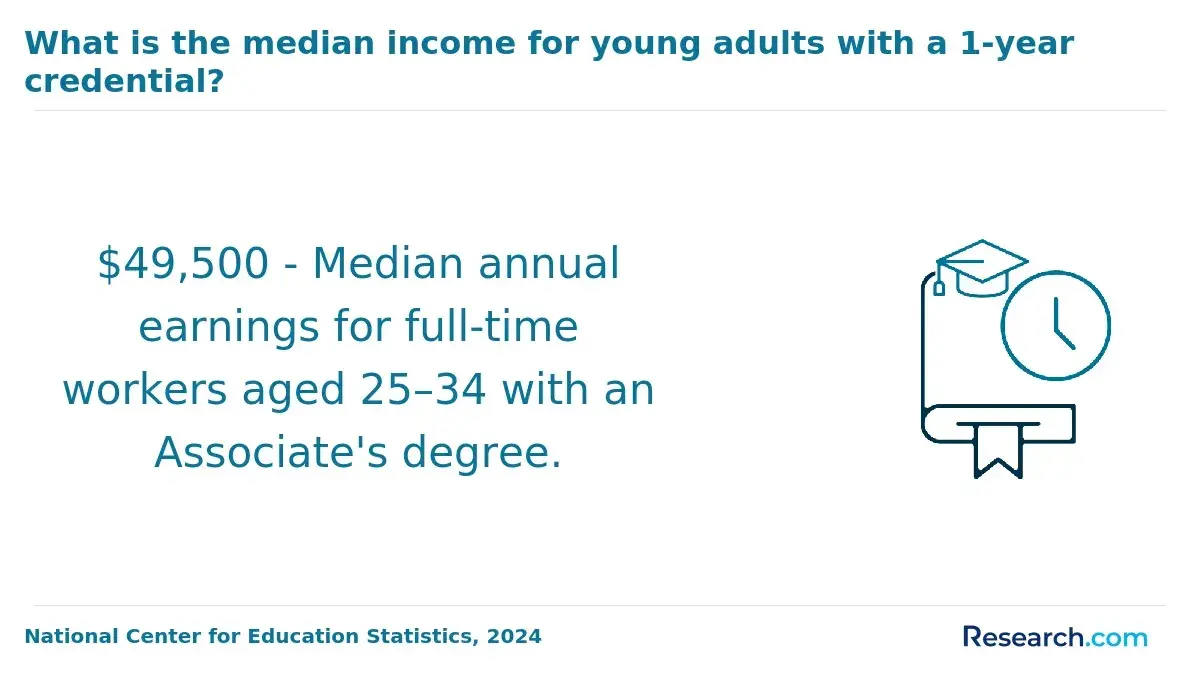
Most doctoral applicants need at least a completed bachelor's degree; many professional doctorates require a relevant master's degree, license, or work experience. Some research doctorates admit applicants after a bachelor's degree. Requirements vary by program, and an institution's undergraduate admissions policy does not establish its doctoral policy.
When you review an application, distinguish tests from the other evidence of readiness it requests. Common requirements include:
- Transcripts and evidence of required prior coursework or graduate preparation.
- A statement of purpose, résumé, recommendations, writing sample, or interview.
- For research programs, a research statement, faculty fit, or proposed adviser; for professional programs, relevant experience or licensure.
- A GRE, GMAT, or other program-specific assessment if required - or a documented waiver or test-optional policy.
If you have not yet earned a bachelor's degree, complete that step before seeking doctoral admission. Accelerated bachelor degree programs may be worth comparing, but an accelerated undergraduate path does not waive subsequent doctoral prerequisites. If you already hold graduate credits, ask for a program-level evaluation: institutional acceptance of transfer credit does not guarantee it will satisfy doctoral requirements.
Online and campus-based doctorates can lead to the same credential, but the learning and research arrangements may differ. Neither format removes the need for faculty supervision, substantial independent work, or any required clinical or field experience.
The practical distinctions below can help you judge whether a format works with your location and responsibilities.
| Consideration | Online or hybrid program | Campus-based program |
| Attendance | May combine recorded work with live sessions or visits | Typically requires regular campus presence |
| Research access | Depends on remote supervision, data, and facility arrangements | May offer easier day-to-day access to laboratories and faculty |
| Clinical or fieldwork | May require approved local placements | May use campus-area placement networks |
| Costs beyond tuition | Possible technology, travel, and placement expenses | Possible relocation, commuting, and campus living expenses |
Ask whether participation is asynchronous, whether part-time enrollment is permitted, and who arranges placements. Do not assume "online" means self-paced or free of travel.
Doctoral coursework commonly includes advanced subject study and research methods. A research PhD may add qualifying examinations, advancement to candidacy, a dissertation proposal, original research, and an oral defense. Professional doctorates may require an applied dissertation, evidence-based project, capstone, or clinical project. The name of the culminating work does not tell you how demanding it will be.
Before enrolling, request the current curriculum and doctoral handbook. Check when an adviser is assigned, what approval is needed before collecting data, how often required courses run, and which stages require live or in-person participation. In a clinical program, confirm who secures placements and whether they satisfy rules in your state.
Completion time varies with the entry pathway, course load, research progress, adviser availability, and clinical or project requirements. A post-master's pathway may require less coursework than a bachelor's-entry pathway, but prior education does not automatically reduce candidacy or culminating requirements. Ask programs for completion outcomes for students with your entry credentials and intended enrollment schedule.
For cost, compare the amount you expect to pay through completion, not just the advertised price of one credit. Include required credits, fees, travel, placements, research expenses, and extra terms if a project takes longer than planned. Eligible graduate students may have access to federal financial aid; institutional fellowships, assistantships, tuition remission, and employer benefits vary. A funded PhD can cost a student less in tuition than a lower-priced but unfunded professional doctorate, while still requiring a substantial time commitment.
A doctorate can support research, postsecondary teaching, advanced clinical practice, policy analysis, or professional leadership, depending on the field and the applicant's existing qualifications. It does not independently confer a faculty appointment, license, executive title, or promotion. Research and faculty hiring may also depend on publications, teaching, postdoctoral work, and the available positions.
Start with the role you want and verify its actual entry requirements. For some goals, a master's degree, professional certification, licensure, or additional experience is the more direct investment. Readers pursuing learning rather than a credential - particularly older adults - can also explore open university free courses for over 60s before committing to doctoral tuition and research requirements.
Occupational wages describe people already working in a role, not the expected earnings of new doctoral graduates. For example, BLS reports a May 2024 median annual wage of $124,910 for information security analysts. That figure does not establish a return on a cybersecurity doctorate: analyst jobs generally do not require one, and pay reflects factors including experience, location, and employer.
Estimate your own potential return by comparing the doctorate's net cost and time away from paid work with your realistic next-best path, such as a master's degree or continued employment. Seek program-specific career outcomes when available, but examine response rates and job types rather than relying on a headline salary.
How Can You Choose a Reputable Online Doctoral Program?
"Best" depends on your intended work and starting qualifications. A well-matched program has credible accreditation, appropriate faculty or clinical support, requirements you can complete, and a cost or funding arrangement you understand. A school's appearance among top online colleges is a starting point for investigation, not proof that its particular doctorate meets your needs.
Use this sequence to turn a shortlist into a defensible enrollment decision:
- Identify the credential your target role requires or values, and compare it with a master's degree or experience.
- Verify institutional accreditation and any programmatic accreditation or state approval relevant to licensure.
- Read the doctoral admissions page for actual graduate tests, prerequisites, experience, and faculty-fit requirements.
- Request written details on residencies, placements, supervision, the culminating requirement, funding, and estimated total cost.
- Speak with faculty or the program office about research fit, completion support, and outcomes for students with circumstances like yours.
Be wary of claims that "no SAT or ACT" makes a doctorate easy to enter, that online study eliminates travel, or that a degree guarantees a job. Those claims bypass the requirements most likely to affect your decision.
Other Things You Should Know About
Ordinarily, no. These are undergraduate admissions tests. Confirm the specific doctorate's current policy for the GRE, GMAT, or any other relevant assessment.
No. Admissions may still depend on prior degrees, grades, experience, research fit, recommendations, interviews, or professional licensure.
Possibly, but do not assume so. Confirm all residency, laboratory, clinical, examination, and defense requirements directly with the program.
Work backward from your goal: compare a research PhD with relevant professional or clinical credentials, then verify accreditation, admissions, supervision, total cost, and any licensing requirements.
- Forms and FAQs | NC DPI https://www.dpi.nc.gov/educators/educators-licensure/forms-and-faqs
- Recognition of Accrediting Agencies | Texas Higher Education Coordinating Board https://www.highered.texas.gov/recognition-of-accrediting-agencies/
- Rule 3341-3-06 - Ohio Administrative Code https://codes.ohio.gov/ohio-administrative-code/rule-3341-3-06
- Accreditation in the U.S. | ed.gov http://www.ed.gov/laws-and-policy/higher-education-laws-and-policy/college-accreditation/accreditation-in-the-us
- Out-of-State Licensure - State Board of Education - Ohio.gov https://sboe.ohio.gov/educator-licensure/apply-for-a-new-license/out-of-state-licensure
- Admission and Degree Requirements - University Catalogs https://catalog.utexas.edu/archive/2020-21/graduate/fields-of-study/school-of-nursing/admission-degree-requirements/
- Online Student Placement Process | asu.edu https://clinicalpartnerships.asu.edu/online-student-placement-process