2027 Best Online Associate Degrees With Tutoring Support

Co-Founder and Chief Data Scientist
An online associate degree is harder to finish if help is available only when you cannot use it. That makes tutoring access, not just an "online" label - a practical consideration for working students and anyone returning to school. Cost matters, too. College Board reported average published in-district tuition and fees of $4,050 at public two-year colleges for the 2024-25 academic year.
This guide compares degree fields and program examples, explains what tutoring may actually cover, and shows how to check delivery requirements, total cost, and career fit before you enroll.
Key Things You Should Know
- Start with the career or transfer goal, then compare tutoring by subject, availability, appointment format, and eligibility; a general writing center may not help with anatomy or programming.
- Southern New Hampshire University, Purdue Global, and American Public University offer online associate options alongside online academic support, but confirm that the service covers your intended courses and enrollment status.
- Many associate degrees require roughly 60 semester credits; part-time enrollment, course sequencing, and required clinical work can extend completion beyond two years.
Top 10 Best Online Associate Degrees With Tutoring Support - Best Programs
Business Programs
An online business associate degree can cover accounting, management, marketing, and spreadsheets. Choose a transfer-oriented AA or AS if a bachelor's degree is the goal; consider a career-oriented AAS for more applied coursework. Tutoring is especially useful in accounting and quantitative classes, so ask whether help extends beyond writing. Business programs can support entry-level office work, but management roles generally require experience. Compare the degree plan with the bachelor's program you might eventually pursue.
Healthcare Programs
Healthcare administration and health information programs may be available online, while hands-on allied health degrees often require local labs or clinical placements. Check whether tutoring covers medical terminology, anatomy, and coding rather than assuming every subject is supported. A healthcare administration associate degree may help with administrative entry-level roles; it does not confer a clinical license. For a credential-focused path, verify separately that the curriculum meets the relevant certification or state requirements.
Information Technology Programs
IT associate programs commonly include networking, programming, databases, or cybersecurity fundamentals. Look for tutoring that offers live troubleshooting or subject-specific help: general study-skills support may not resolve a coding problem. An applied degree may suit immediate technical work, while a transfer-oriented degree may better fit a future bachelor's program. Some employers also value certifications and hands-on projects; neither the degree nor a certification alone guarantees a particular job.
Nursing / Pre-Nursing Programs
Distinguish an online pre-nursing associate pathway from an associate degree in nursing that prepares students for registered-nurse licensure. Pre-nursing coursework does not guarantee admission to a nursing program. Nursing programs generally require in-person clinical training and may have selective admissions; online lectures do not make the whole degree fully online. Ask whether tutoring covers prerequisite sciences and nursing courses, whether clinical placements are arranged, and whether the program meets the intended state's licensure requirements.
Criminal Justice Programs
Online criminal justice associate degrees introduce courts, corrections, policing, and legal procedures. Writing and research tutoring may be particularly useful for case analyses. Choose a transfer-oriented degree if you expect to pursue further study; an applied program may emphasize workplace skills. Hiring requirements for law enforcement and related roles vary by agency and can include academy training, background checks, and physical standards. An associate degree does not replace those requirements.
Psychology / Counseling Programs
An online psychology associate degree is usually a foundation for transfer, not a qualification to practice as a counselor or psychologist. Expect introductory psychology, research, and general education courses; check whether tutoring includes statistics and academic writing. Students seeking licensed counseling work typically need graduate education and state licensure. If you want to work sooner, compare the degree with specific entry-level human-services roles and their local hiring requirements.
What are online associate degrees with tutoring support?
An online associate degree with tutoring support combines remote coursework with academic help such as live tutoring, scheduled appointments, writing feedback, or subject-specific study sessions. The degree is usually an Associate of Arts (AA), Associate of Science (AS), or Associate of Applied Science (AAS). AA and AS programs often emphasize transfer, while AAS programs often emphasize employment, but the curriculum and transfer agreement matter more than the abbreviation.
"Online" describes course delivery, not necessarily tutoring access or scheduling flexibility. Tutors may be available only during certain hours, and a program may still require scheduled class meetings, proctored exams, labs, or local placements. If you need a shorter, job-specific option rather than a full degree, compare online certificates - but check whether employers recognize the particular credential.
Which accredited online associate degrees offer tutoring support?
Southern New Hampshire University (SNHU), Purdue Global, and American Public University provide examples of online associate study paired with institution-level online tutoring or academic support. They are starting points for comparison, not a ranking: a school's tutoring service may differ by course, subject, and availability.
The table connects an online associate option at each institution with its stated academic-support route. It does not establish that every course has a dedicated tutor or that every program has identical support hours.
| Institution and online associate example | Online academic support |
| SNHU - business administration | Online tutoring and academic-support services |
| Purdue Global - criminal justice | Academic Success Center tutoring and related learning support |
| American Public University - business administration | Online tutoring through Tutor.com |
Before treating any option as your best fit, request the current degree plan and tutoring schedule. Ask whether help is available for your hardest required courses, whether sessions are live or asynchronous, whether part-time students qualify, and whether tutoring is included in required fees. For a licensed occupation, also verify program approval and in-person requirements with the school and the relevant state authority.
How much do online associate degrees with tutoring support cost?
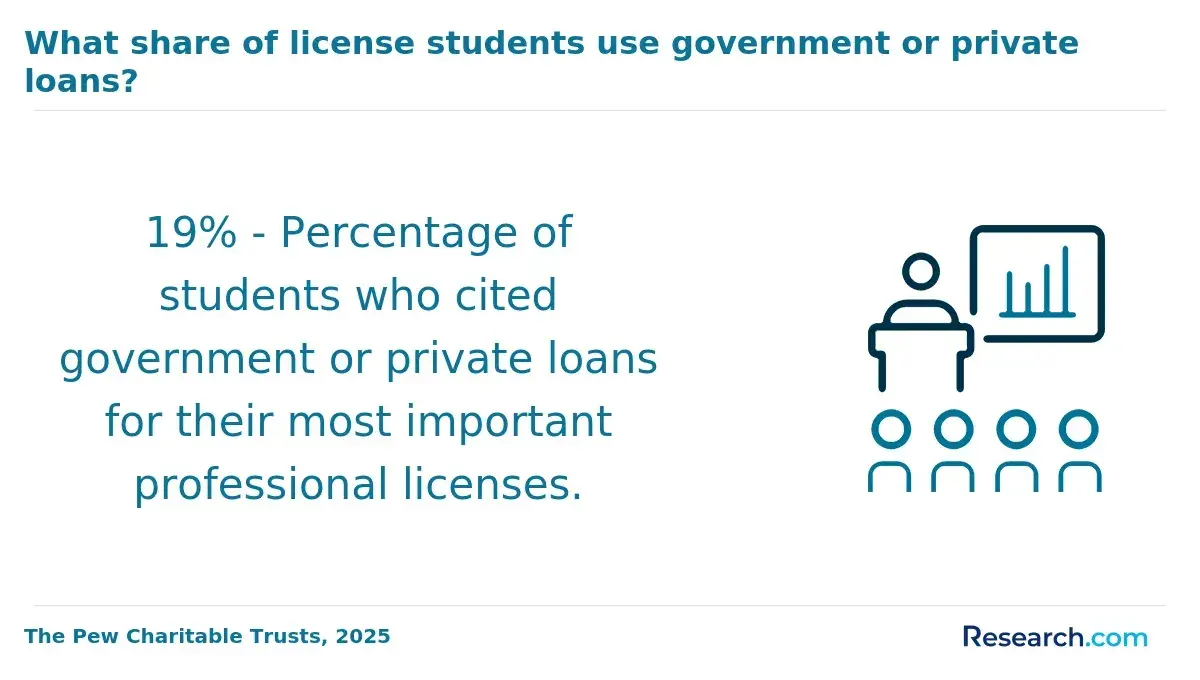
Published tuition is only a starting point. College Board's Trends in College Pricing and Student Aid 2024 reports the following U.S. benchmark; it is an average, not a quoted price for any program in this guide. To estimate your own total, add mandatory online and course fees, books and software, any travel for labs or clinical work, and the number of credits you must complete at that institution.
Check whether tutoring costs extra. A lower per-credit price can lose its advantage if fewer transfer credits apply or required courses delay graduation. Eligible students can compare grants, scholarships, federal aid, employer assistance, and payment plans using each school's actual aid offer. If price is your main constraint, broader lists of cheap online colleges can provide context, but compare associate-degree costs separately.
What admission requirements apply to online associate degree programs?
Most associate programs ask for a high school diploma or equivalent, an application, and transcripts. A college may also use placement information to recommend English or math courses. Admission to the college is not always admission to a major: nursing and some allied health programs can require prerequisites, a minimum GPA, testing, background screening, or a separate application.
Ask admissions to evaluate previous college credit before you commit, and find out which accepted credits actually satisfy your degree requirements. If an application charge is a concern, no application fee online colleges are worth comparing; an application-fee policy does not indicate whether a particular major has selective entry.
How long does it take to earn an online associate degree?
A typical associate degree takes about two years of full-time study, but the calendar depends on required credits, term dates, course availability, transfer credit, and enrollment intensity. Part-time study usually takes longer. Prerequisite chains and clinical placements can also limit how quickly students progress, even when lectures are online.
Short classes are not the same thing as a short degree. If you are comparing accelerated college programs, request a term-by-term plan showing every remaining course and when it is offered. Ask whether the advertised timeline assumes previously earned credits, summer enrollment, or a heavier course load - and whether tutoring is available during every accelerated term.
What coursework do online associate degree programs typically include?
Most online associate degrees combine general education - such as composition, mathematics, and social sciences - with courses in a major. Business students might take accounting; IT students might study networking; psychology students might take statistics. Applied programs may add industry-focused projects, while transfer pathways may prioritize courses accepted by a partner bachelor's program.
Online delivery does not remove hands-on requirements. Science labs, internships, practicums, and nursing clinicals may require attendance at an approved location. Review the course sequence alongside the tutoring menu: support for introductory writing is helpful, but it may not address the advanced course most likely to slow your progress.
Which careers can online associate degree graduates pursue?
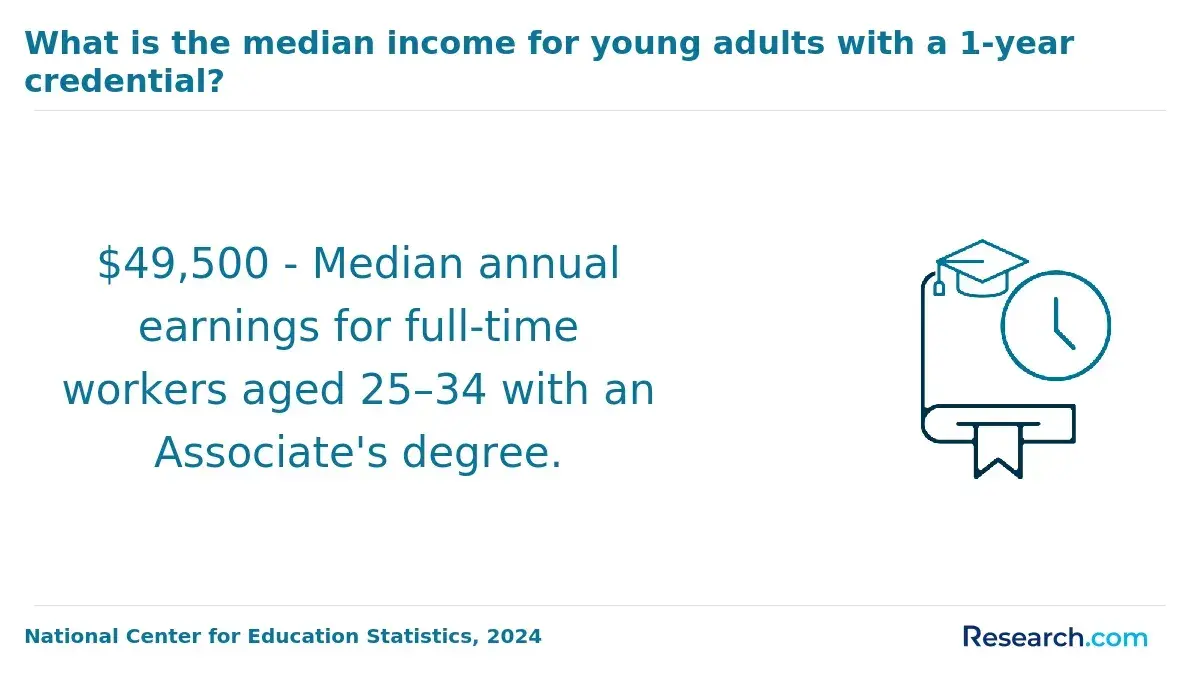
Career options depend on the major and on requirements beyond the degree. Business and healthcare administration programs can support applications for entry-level office roles; IT study can help build a foundation for technical support; criminal justice may be relevant to certain public-safety or administrative paths. Employers may also require experience, certifications, background checks, or other training.
For a transfer-focused student, the immediate outcome may be progress toward a bachelor's degree rather than a job. Psychology and pre-nursing students in particular should map the additional education needed for their intended roles. Compare actual local job postings with required courses before choosing an applied degree over a transfer pathway.
What salaries and job outlooks do associate degree careers offer?
Use occupational pay as context, not as a forecast of what an associate-degree graduate will earn. For example, the U.S. Bureau of Labor Statistics reports a May 2024 median annual wage of $93,600 for registered nurses. That figure covers employed registered nurses across education and experience levels; it is not an entry-level wage or an outcome promised by an online nursing program. RN work also requires meeting state licensure requirements and passing the applicable licensing exam.
Outlook varies just as widely by occupation. A business associate degree does not lead to one standardized "business salary," and technology skills valued by employers can change. Identify the specific role you want, check its current qualifications and local openings, then weigh likely costs against a realistic route into that role.
How should students choose a reputable online associate degree program?
The strongest choice is a program that fits your goal and provides usable help in the courses you must take. Accreditation, tutoring access, total cost, transfer fit, and delivery requirements should all survive a direct check - not just appear in a promotional summary.
Use these checks when speaking with schools so you can compare offers on the same basis:
- Verify the institution's accreditation with its accreditor or the U.S. Department of Education; for regulated fields, check any required program approval and state licensure eligibility separately.
- Request the tutoring subjects, hours, booking rules, response times, fees, and access rules for online and part-time students.
- Get a written degree audit showing accepted transfer credits, remaining courses, likely course sequence, and any campus, lab, exam, or placement requirements.
- Compare the estimated total cost and ask a destination bachelor's program how each course - not merely the degree - would apply toward transfer.
A common mistake is choosing the school with the longest advertised tutoring hours without checking subject coverage. Another is assuming that "fully online" rules out clinical travel or that institutional accreditation alone establishes eligibility for a professional license. Resolve those points before paying a deposit.
Other Things You Should Know About
Sometimes. Schools may include it in student services or limit certain sessions. Confirm coverage, eligibility, and fees for your specific program.
Some programs allow it; others require labs, clinicals, placements, proctored exams, or scheduled attendance. Ask for requirements for every course.
It may, but acceptance of credit does not mean each course fulfills the intended major. Get a course-by-course review from the destination school.
Not by itself. Nursing requires an approved educational path and state licensure; licensed counseling generally requires graduate education and state licensure.
References
- DAPIP | Homepage - Office of Postsecondary Education (OPE) https://ope.ed.gov/dapip/
- College Navigator - National Center for Education Statistics https://nces.ed.gov/collegenavigator/
- Understanding U.S. Accreditation | EducationUSA https://educationusa.state.gov/understanding-us-accreditation
- [PDF] Standards for Academic Associate Degree Programs | texas.gov https://reportcenter.highered.texas.gov/agency-publication/miscellaneous/standards-for-academic-associate-degree-programs/
- College Student's Academic Help-Seeking Behavior - PMC - NIH https://pmc.ncbi.nlm.nih.gov/articles/PMC10451185/
- Types of Tutoring: Effectiveness and Equity | stanford.edu https://nssa.stanford.edu/briefs/types-of-tutoring
- Writing - Academic Success Centers - University of Minnesota https://success.umn.edu/writing
- CCV Academic Support | Tutoring & Student Resources https://ccv.edu/student-support/academic-career-support-services/academic-support/
- Online Information Technology Associate's Degree | Purdue Global https://www.purdueglobal.edu/degree-programs/information-technology/associate-degree-information-technology/
- Tutoring Services | Manhattan University https://manhattan.edu/academics/academics-support/center-for-academic-success/tutoring-services