
2027 Best Online Associate Degrees With Self-Paced Courses

Co-Founder and Chief Data Scientist
Choosing an online associate degree is hard enough without discovering that "self-paced" still means weekly deadlines - or that a required clinical placement will disrupt your schedule. For working adults and other students balancing competing responsibilities, those details can determine whether a program is workable. The College Board reported average published tuition and fees of $4,050 for in-district students at public two-year colleges in 2024-25, but price alone does not reveal the best fit. This guide compares degree fields and pacing models, then shows you how to check costs, requirements, and career pathways before enrolling.
Key Things You Should Know
- Best fit for maximum flexibility: Business, IT, and some transfer-oriented programs are more likely than clinical majors to offer coursework without required in-person practice; confirm deadlines course by course.
- Check the whole degree: An associate program commonly requires about 60 semester credits, so a self-paced class does not make the entire degree self-paced or unusually fast.
- Verify the outcome: Institutional accreditation, aid eligibility, transfer acceptance, and any licensing requirements matter more than a school's "self-paced" label.
Top 10 Best Online Associate Degrees With Self-Paced Courses
Business Programs
Business administration and management associate degrees are strong options when schedule control is the priority: accounting, marketing, and management concepts generally lend themselves to online study. An AA or AS may suit students planning to transfer; an AAS may emphasize workplace skills. Compare whether accounting courses require scheduled exams and whether your intended bachelor's program will accept the credits. The degree can support applications for administrative or customer-service roles, but management jobs typically also require experience.
Healthcare Programs
Healthcare administration and medical-office associate programs can offer flexible online coursework without the clinical requirements common in patient-care programs. Check whether medical terminology, billing, or coding classes have fixed exam windows and whether an internship is required. These programs may prepare students for office-based entry-level work, not clinical practice. If your goal is a credentialed health occupation, verify that the curriculum meets the relevant certification or licensing requirements before treating flexibility as the deciding factor.
Information Technology Programs
IT support, computer information systems, and networking associate degrees can work well online because many assignments use virtual labs. The trade-off is that labs, team projects, and proctored assessments may still run on fixed schedules. Look for a program that lets you practice with current systems and build a portfolio, not just read about technology. An AAS may focus on employment; an AS may better support transfer. Employers may also value relevant certifications and hands-on troubleshooting experience.
Nursing / Pre-Nursing Programs
Pre-nursing coursework may include online general education classes, but science labs can require scheduled or in-person participation. An associate degree in nursing also requires supervised clinical training and must meet state board requirements; it is not an entirely self-paced route to registered nurse practice. Ask whether admission to pre-nursing guarantees anything about admission to the nursing major - it usually should not be assumed. Choose this path for a clear nursing goal, not for unrestricted scheduling freedom.
Criminal Justice Programs
Criminal justice associate degrees can cover law, corrections, and investigation through flexible online reading and writing. An AA or AS may be useful for transfer, while an AAS may emphasize applied coursework. Before enrolling, check the hiring standards for the specific agency or role you want: background screening, academy training, physical requirements, and other qualifications can apply separately from the degree. A self-paced program is most useful if it also fits those career requirements.
Psychology / Counseling Programs
Psychology associate programs often offer flexible introductory coursework and a foundation for bachelor's-level study. They do not, by themselves, qualify graduates to practice as licensed counselors or psychologists. If that is your goal, favor an AA or AS with a documented transfer pathway and check which statistics, science, and major courses the destination university requires. Choose a career-focused alternative if you need a direct route to employment rather than a first step toward further education.
What Are Self-Paced Online Associate Degree Programs?
A self-paced online associate degree lets students make at least some progress through coursework on a flexible schedule. Schools use the term differently: one course may permit work at any time within a term, while another may have weekly deadlines despite offering asynchronous lessons. A competency-based format may allow faster progress after students demonstrate mastery, but assessment rules and term end dates still apply.
Ask for a sample syllabus from a required course - not just an elective - and check start dates, exam scheduling, minimum course duration, and how often each required course is offered. Students seeking shorter timelines should compare accelerated programs separately: short classes or flexible access do not establish how long the full degree will take.
Which Accredited Schools Offer Online Associate Degrees With Self-Paced Courses?
Penn Foster College and Ashworth College are examples to investigate for online, self-paced associate study. Both have offered associate programs using flexible independent coursework, but their available majors, terms, and policies can change. Neither example should be taken as a blanket endorsement or as evidence that every course has identical pacing.
The comparison identifies the first decision each school raises. Confirm the current catalog, institutional accreditation, program availability, and written transfer or licensing advice directly with the school before applying.
| School to investigate | Potential fit | Most important check |
| Penn Foster College | Students seeking independent online study in an available career-focused associate major | Whether the exact major's assessments, practical requirements, aid options, and credits meet your goals |
| Ashworth College | Students seeking flexible online coursework in an available associate major | Whether the current degree plan, exam rules, aid options, and transfer prospects work for you |
Institutional accreditation is a baseline quality check, not a promise that another college will accept credits. For nursing and other regulated fields, also verify any required program approval or programmatic accreditation with the relevant state board or credentialing body. Do not substitute a generally flexible online school for a verified route into a licensed occupation.
How Much Do Self-Paced Online Associate Degrees Cost and How Long Do They Take?
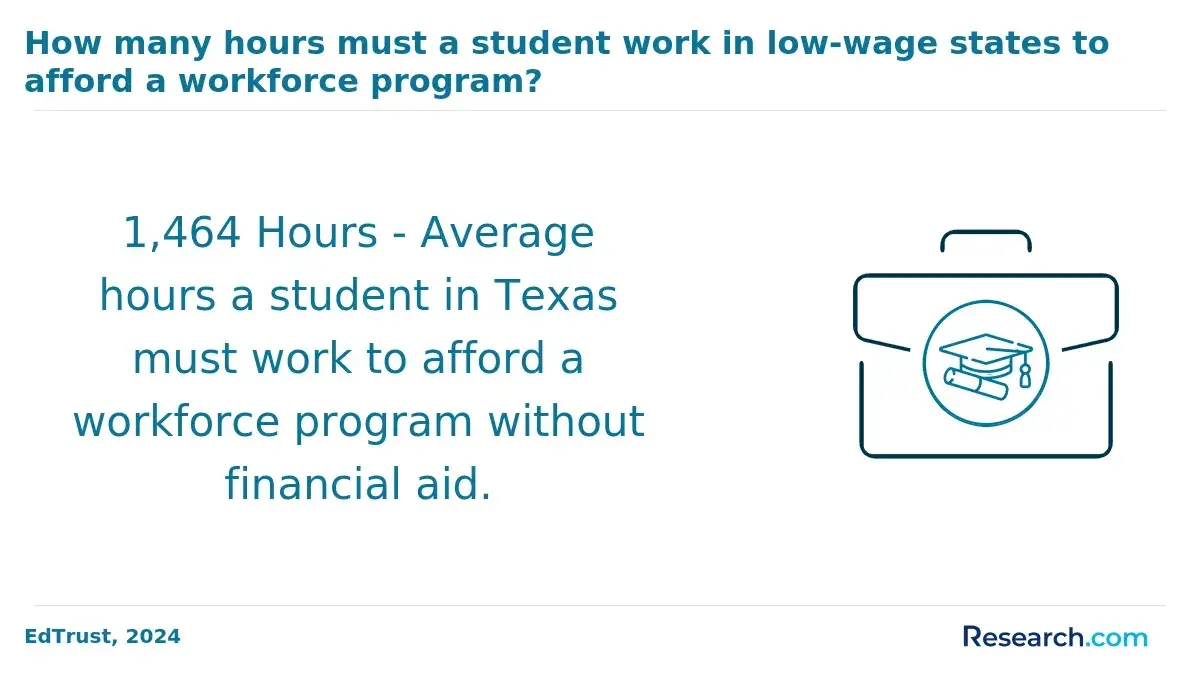
Most associate degrees require roughly 60 semester credits, but completion time depends on enrollment intensity, accepted prior credit, course availability, prerequisites, and any fieldwork. Self-paced study can help someone with more available time progress; it can also help a part-time student keep studying around work. It does not eliminate required credits or guarantee continuous access to every course.
Compare a written estimate of total remaining cost, not just the monthly payment or price per credit. Include mandatory fees, books, technology, proctoring, labs, and travel for any required in-person activity. The College Board's public two-year tuition average cited earlier is a useful benchmark, not a quote for online enrollment: residency rules, fees, and private-college pricing differ. Confirm federal financial aid eligibility at both the institution and program level; some self-paced schools use payment plans rather than federal aid. Ask for a transfer-credit evaluation before relying on an advertised price or timeline.
What Admission Requirements Apply to Self-Paced Online Associate Degree Programs?
Typical starting requirements include an application and a high school diploma or equivalent. Schools may request prior transcripts and use placement measures for math or writing. A college's general admission policy does not necessarily grant entry to a selective nursing or allied-health major, which may have separate prerequisites and screening.
Students with a criminal record should check both admission policies and occupation-specific restrictions before paying an enrollment deposit. Guidance on best associate degrees for felons can help frame that decision, but the relevant licensing board or employer sets the applicable rules. If you have previous college work, ask when the school evaluates it and whether accepted credits satisfy degree requirements rather than merely appearing on your transcript.
What Coursework Do Online Associate Degrees With Self-Paced Courses Include?
Expect general education in writing, math, and other broad subjects alongside major courses. Business students might study accounting; IT students might complete virtual labs; psychology students might take introductory research or statistics. An AA or AS often supports transfer, while an AAS often emphasizes occupational preparation, though the actual curriculum and agreements matter more than the abbreviation.
Review the complete degree map for prerequisites and courses offered only in certain terms. Also identify scheduled exams, live meetings, labs, internships, or clinical hours. These requirements may limit flexibility even when lectures and readings are available on demand. For transfer, ask the destination university whether each course applies to the intended bachelor's major - not simply whether it accepts the credit.
How Do Self-Paced Online Associate Degrees Compare With Campus Programs?
A self-paced online program can reduce commuting and give students more control over study hours. A campus program may offer easier access to equipment, in-person instruction, and local placements. Neither format is inherently better: a student who needs clinical training may benefit from a structured local program, while a student working variable shifts may value online access.
Online does not always mean asynchronous, and asynchronous does not always mean deadline-free. Compare required attendance and the availability of advising, tutoring, and technical support during the hours you can actually use them. If your long-term plan extends beyond a bachelor's degree, explore that pathway early; even a future low cost masters degree online cannot fix associate credits that fail to meet your next program's requirements.
What Jobs Can You Get With a Self-Paced Online Associate Degree?
Potential entry-level paths depend on the major and local hiring requirements. Business coursework may support administrative or customer-service applications; IT coursework may support help-desk applications; healthcare administration coursework may relate to medical-office work. An associate degree can also be a transfer step rather than a direct employment credential.
Do not infer job eligibility from a program title. Registered nursing requires an approved education pathway and licensure; licensed counseling requires substantially more education; public-safety roles can require agency training and screening. Compare several current local job postings with the program's required courses, then ask career services what relevant practical experience students can gain. Access to career support is not a job-placement guarantee.
What Salaries and Job Outlook Can Graduates Expect?
The U.S. Bureau of Labor Statistics reports a 2024 median annual wage of $93,600 for registered nurses. That is an occupation-wide figure, not the typical pay of associate degree graduates or a likely starting salary. An associate nursing degree also must lead through an approved pathway, examination, and state licensure before a graduate can practice as an RN.
For any field, compare BLS occupational wages and projections with local postings, entry requirements, and the cost of finishing the degree. Readers comparing online degrees that pay well should distinguish a realistic first job from an occupation reached only after licensing, further education, or experience. Salary potential matters, but it cannot make an impractical schedule or nonqualifying program a good investment.
Do Self-Paced Associate Degree Graduates Need Licenses or Certifications?
Licenses and certifications depend on the occupation, not on whether coursework is self-paced. Business and many IT entry-level roles generally do not require a state professional license, although employers may prefer specific skills or industry credentials. Nursing requires state licensure, and other clinical occupations may require approved training, examinations, or certification. An associate degree in psychology does not qualify someone for a counseling license.
Before enrolling for a regulated occupation, identify the state where you intend to work and ask its licensing board whether the exact program satisfies educational requirements. Check clinical placement arrangements and examination eligibility in writing. The costly mistake is assuming that an accredited institution automatically offers a qualifying program for every licensed career.
Other Things You Should Know About
Sometimes coursework is highly flexible, but term limits, exams, course availability, and required labs or placements still set boundaries. Request the degree plan and sample syllabi to see how much control you actually have.
Employers assess the institution, relevant skills, experience, and any required credentials. Check institutional accreditation and whether the program prepares you for your specific goal; "self-paced" alone says little about quality.
Possibly, but acceptance and application to a major are separate decisions. Ask the intended university to evaluate the specific courses before enrolling, especially in a career-focused AAS program.
Business, IT, and some transfer-oriented programs are often easier to complete without clinical placements than nursing or other patient-care programs. Compare the requirements of the exact degree, because exams, labs, and deadlines vary by school and course.
References
- The Need for New Guidelines and Training for Remote/Online Testing and Proctoring - PMC https://pmc.ncbi.nlm.nih.gov/articles/PMC8500292/
- Academic Years, Academic Calendars, Payment Periods, and Disbursements | 2025-2026 Federal Student Aid Handbook https://fsapartners.ed.gov/knowledge-center/fsa-handbook/2025-2026/vol3/ch1-academic-years-academic-calendars-payment-periods-and-disbursements
- Fast Facts: Tuition costs of colleges and universities (76) | ed.gov https://nces.ed.gov/fastfacts/display.asp
- DAPIP | Homepage - Office of Postsecondary Education (OPE) https://ope.ed.gov/dapip/
- Transfer Credit | CUNY School of Professional Studies | CUNY SPS https://sps.cuny.edu/admissions/undergraduate-admission/transfer-credit
- Academic Policies and Procedures - Post University https://post.edu/student-services/academic-affairs/academic-policies-and-procedures/
- How Do Transfer Credits Work? A Guide for Adult Learners | Whitworth Online https://online.whitworth.edu/news-articles/how-do-transfer-credits-work-when-you-go-back-to-school/
- Health Information Technology | Academic and Career Programs | Austin Community College District https://programs.austincc.edu/school-of-health-sciences/health-information-technology/
- Academic Programs Catalog - MSU RO - Michigan State University https://reg.msu.edu/academicprograms/Print.aspx
- Glossary of Academic Terms | Florida State College at Jacksonville Catalog https://catalog.fscj.edu/academics/glossary-of-academic-terms


