
2027 Best Online Associate Degree Programs With 2.5 GPA Admission

Co-Founder and Chief Data Scientist
A 2.5 GPA need not end your search for an online associate degree, but it also does not establish eligibility for every major. Colleges may admit students under one policy while nursing or other competitive programs use another. The College Board reported average published in-district tuition and fees of $4,050 at public two-year colleges for 2024-25; your total cost can be higher, especially outside your district.
This guide compares degree paths, explains how to confirm admission and online requirements, and helps you build a shortlist that fits your goals and budget.
Key Things You Should Know
- A 2.5 GPA may qualify you for general college admission, but verify the current rule for your chosen major and whether it uses high school, college, or prerequisite grades.
- Most associate degrees require around 60 credits; prerequisites, course sequencing, and part-time enrollment can extend completion beyond two years.
- The best choice depends on your goal: favor an AA or AS with a confirmed transfer pathway for a bachelor's degree, or examine an AAS and its hands-on requirements for workforce preparation.
Top 10 Best Online Associate Degree Programs With 2.5 GPA Admission
Business Programs
An online business administration AA or AS can suit a student planning to transfer; an AAS may emphasize immediate workplace skills. Courses commonly cover accounting, management, and business communication. A 2.5 GPA may be compatible with general admission, but the college must confirm its current policy and whether a concentration has separate requirements. Compare transfer agreements if you want a bachelor's degree. For an employment-focused program, examine internships, software taught, and local entry-level job requirements rather than assuming the degree qualifies you for management.
Healthcare Programs
Online healthcare administration or medical information programs may offer more remote coursework than clinical allied-health degrees. The distinction matters with a 2.5 GPA: admission to the college may not mean admission to a selective clinical program. Ask whether science prerequisites have separate grade minimums and whether labs, placements, or certification exams are required. A healthcare administration associate degree can support entry-level office work, but it does not qualify you to practice a licensed clinical profession.
Information Technology Programs
An IT or computer support AAS can focus on troubleshooting, networking, and operating systems; an AS may be better aligned with transfer into computer science. Online coursework may still require scheduled labs, proctored exams, or specific equipment. Applicants with a 2.5 GPA should check math placement and major-specific admission rules. Compare the program's hands-on projects and employer-recognized certification preparation, while remembering that certification eligibility and hiring standards are separate from earning the degree.
Nursing / Pre-Nursing Programs
Pre-nursing coursework may be available online, but an associate degree in nursing (ADN) requires supervised clinical education in person. A 2.5 GPA might satisfy a college's general admission rule yet fall short of a nursing program's competitive or prerequisite-specific standards. Before applying, confirm which GPA is evaluated, clinical-site availability, state-board approval, and whether graduates are eligible to seek RN licensure and take the NCLEX-RN. Pre-nursing admission is not a reserved nursing seat.
Criminal Justice Programs
Online criminal justice AA and AS programs often support transfer, while an AAS may emphasize public-safety procedures and workplace skills. A 2.5 GPA applicant should verify college and major admission separately. Compare courses in law, ethics, and report writing against the job you want. Police positions generally involve agency hiring standards and academy training; an online associate degree alone does not meet every agency's entry requirements or guarantee placement.
Psychology / Counseling Programs
An online psychology AA or AS is usually a starting point for a bachelor's degree, not a counseling license. A human services AAS may prepare students for supervised support roles, depending on employers' requirements. With a 2.5 GPA, check admission to both the college and any practicum-based major. If your goal is professional counseling, map the full education and state-licensure path before enrolling; associate-level coursework alone is not sufficient.
What Are the Best Online Associate Degrees Accepting a 2.5 GPA?
The best online associate degree for a 2.5 GPA is one that confirms your eligibility in writing and meets your transfer or career goal. A GPA by itself cannot establish that a particular school, major, or online format is available to you. Rather than treating an unverified college list as a ranking, use these program types to create a shortlist.
This comparison shows where each path tends to fit and the admission or delivery issue most likely to change your decision.
| Program type | Best fit | Verify before applying |
| Business AA/AS | Bachelor's transfer | How courses apply to the intended business major |
| Business or IT AAS | Near-term workforce skills | Hands-on work and transfer limitations |
| Healthcare administration | Nonclinical healthcare work | Whether the advertised degree is fully online |
| Pre-nursing AS | Preparation for a nursing application | Separate ADN admission and science-grade rules |
| Criminal justice AA/AS | Transfer or public-safety foundation | Employer or academy requirements |
| Psychology AA/AS | Transfer toward a longer education path | Bachelor's transfer and eventual licensing requirements |
If speed is part of your decision, treat an advertised associate degree online timeline as a question, not a promise: ask how many previously earned credits it assumes. Do not rank any program above another until you have confirmed its current GPA policy, delivery requirements, accreditation, and full cost.
What Admission Requirements Do Online Associate Degree Programs Have?
Online associate programs commonly request an application, high school transcript or equivalent credential, and transcripts from any previous colleges. A college may use placement measures to determine a student's starting courses without using them to deny general admission. SAT or ACT policies vary; do not assume a test is either required or waived.
For a 2.5 GPA, the crucial question is which GPA the program evaluates. A selective major may calculate prerequisite or college coursework separately and require an application after initial enrollment. Ask admissions to identify the published minimum, the grades included, application deadlines, and whether meeting the minimum makes you eligible to apply rather than guaranteed a seat.
Previous college or military coursework can also change your plan. Request a credit evaluation showing which courses count toward this specific degree, not merely which credits the college accepts. Students comparing good online colleges for military should also ask how military training is evaluated and how many credits must be earned at the institution.
How Can You Verify Online Associate Degree Accreditation?
Check institutional accreditation with the U.S. Department of Education's accreditation database or the accreditor's own directory, using the institution's exact name and current status. Accreditation matters for quality oversight, transfer decisions, and eligibility for federal student aid; it does not mean another college must accept every course.
For a regulated field, check more than the college. Confirm nursing board approval or relevant programmatic accreditation where applicable, then ask the state licensing board whether the program meets educational requirements where you intend to work. Be wary of a school that calls a program "accredited" without identifying what is accredited, by whom, and whether that status covers your intended credential.
Which Online Associate Degrees Lead to In-Demand Careers?
Career potential depends on the occupation, not just the degree title. An IT AAS with substantial troubleshooting practice may support applications for support roles; a business AAS may align with administrative or bookkeeping work. Clinical healthcare occupations can offer a different pathway, but their programs are often selective and require in-person training and separate credentials.
Use job postings in your intended location to check required skills, credentials, and experience. The U.S. Bureau of Labor Statistics projects employment of registered nurses to grow 5% from 2024 to 2034, but an applicant must still complete an appropriate nursing program and meet licensure requirements. That outlook describes an occupation; it is not a placement rate for an ADN or a reason to overlook competitive admission.
How Long Do Online Associate Degree Programs Take and Cost?
Many associate degrees require around 60 semester credits. A student taking a full-time load may finish in roughly two years, while part-time study, prerequisites, limited course availability, or clinical scheduling can take longer. Transferred credits may shorten the path only when they fulfill remaining degree requirements.
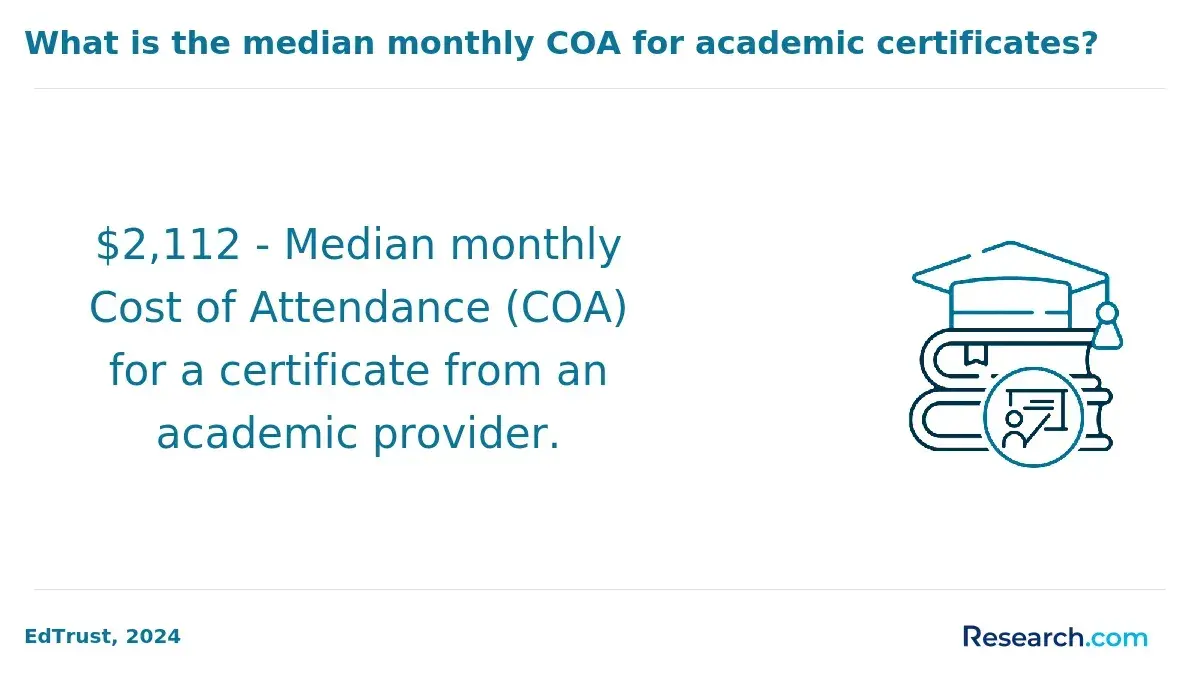
For cost context, the College Board's 2024-25 average of $4,050 covers published in-district tuition and fees at public two-year colleges for one academic year - not books, technology, travel, or an individual student's net price. Online tuition and residency rules vary. Request a degree audit and a total-cost estimate covering mandatory fees, equipment, proctoring, and any in-person components. Compare grants and scholarships before deciding how much to borrow.
A cheapest self-paced online college may appeal if you need scheduling control, but verify that required courses are actually self-paced and offered when you need them. Low per-credit tuition will not save money if missing courses delay completion.
What Coursework Is Included in Online Associate Degree Programs?
Associate programs generally combine general education - such as writing, math, and social science - with courses in the major. An AA or AS often places greater emphasis on courses intended for transfer, whereas an AAS often includes more occupational training. The label alone does not establish where credits will count; inspect the curriculum and any articulation agreement.
Coursework should also match the job or next degree. IT students may need practical labs, business students may use accounting software, and prospective nurses need science prerequisites and supervised clinical work. Before enrolling, check whether online labs require equipment, whether exams are proctored, and whether internships or practicums can be completed near home.
Are Online Associate Degrees Better Than Campus-Based Programs?
Online study is better when it removes a commute without removing instruction or hands-on experiences you need. Asynchronous classes can help with changing work hours, but they still have deadlines. Campus study may be preferable if you need face-to-face lab access, a reliable study space, or local clinical connections. Hybrid programs can offer both, though travel may make them impractical.
Compare the actual weekly schedule, support hours, lab arrangements, and required visits - not just an "online" label. If your long-term goal is academic research, even the cheapest online PhD programs represent a much later, separate educational decision; an associate degree is an initial step, not a substitute for graduate study.
What Salaries and Job Outlook Can Associate Degree Graduates Expect?
Do not read an occupational wage as the expected pay for someone newly awarded an associate degree. The Bureau of Labor Statistics reports a May 2024 median annual wage of $93,600 for registered nurses. That figure spans working nurses with different credentials, locations, and experience; earning an ADN alone does not confer RN licensure or that salary.
For other majors, compare the precise occupation you could realistically enter after graduation with roles that require a bachelor's degree, certification, or experience. Review local openings alongside national BLS wage and outlook information, then weigh likely entry requirements against your total education cost. A program's career-services office can help with a search, but access to those services is not an employment outcome.
Which Certifications or Licenses Do Associate Degree Graduates Need?
Requirements depend on the occupation and state. ADN graduates generally must satisfy their state board's requirements and pass the NCLEX-RN to become registered nurses. Some IT employers value industry certifications, but a degree does not automatically award them. Public-safety roles may require agency screening and academy training; professional counselors typically need graduate education and state licensure.
Before committing to a program, compare the credential named in local job postings with the program's stated outcomes. Ask whether graduates are eligible for any required exam, whether additional supervised experience is needed, and whether the school can document compliance with requirements in your state. This avoids the costly mistake of completing an online degree that does not lead to the credential you intended.
Other Things You Should Know About
Possibly. Check the college's current admissions policy and any separate requirements for your major. Meeting a published minimum may establish eligibility without guaranteeing a place in a selective program.
Not always. Schools may review high school, prior college, or prerequisite-course grades. Ask which record controls your application and whether the program recalculates GPA.
Some business, IT, and transfer-oriented programs may permit it. Nursing and other clinical degrees require in-person experiences, and other online programs may require labs, proctored exams, or scheduled sessions.
Request the written GPA rule for your major, a list of in-person requirements, a total-cost estimate, and - if you have prior credit or plan to transfer - a course-by-course evaluation.
References
- College Affordability and Transparency Center | ed.gov http://collegecost.ed.gov/
- Transfer Credit Policy - Medgar Evers College - CUNY https://www.mec.cuny.edu/admissions/transfer-applicant/transfer-policy/
- Course Placement Options | Mesa Community College https://www.mesacc.edu/testing-services/our-services/course-placement-options
- Student Achievement Data | cf.edu https://www.cf.edu/about-cf/cf-at-a-glance/accreditation/student-achievement-data/
- Admissions Requirements at MCC - Middlesex Community College https://www.middlesex.edu/admissions/requirements.html
- How Do Transfer Credits Work? A Guide for Adult Learners | Whitworth Online https://online.whitworth.edu/news-articles/how-do-transfer-credits-work-when-you-go-back-to-school/
- What Are the 4 Types of College Degree Levels? | SNHU https://www.snhu.edu/about-us/newsroom/education/college-degree-levels
- Placement Testing - CCAC https://www.ccac.edu/admissions/placement-testing.php
- Placement Test Waivers - Reading - RACC https://www.racc.edu/admissions/placement-test-waivers
- Transfer Credit Process and Procedure | William Paterson University https://www.wpunj.edu/admissions/undergraduate/transfer-students/transfer-credit-process-and-procedure


