2027 Best Master's Degrees With No Live Class Requirement

Co-Founder and Chief Data Scientist
A master's program can fit around work and family - until a required evening class or campus visit appears in the schedule. This guide compares degree fields that may offer coursework without live class meetings and shows how to verify the requirements before applying.
The distinction matters financially, too: U.S. Bureau of Labor Statistics data put median weekly earnings for workers with a master's degree at $1,737, but that figure does not show what any particular program will earn you. Use the comparisons below to find a flexible path that also fits your career goal.
Key Things You Should Know
- Business, technology, analytics, and some education or management degrees are promising fields to investigate, but asynchronous delivery must be confirmed for each specific program and required course.
- Check three separate conditions: no required live classes, no required campus visits, and no required local placements. A program can meet one condition without meeting the others.
- Compare total cost, accreditation, and career requirements - not scheduling alone. The degree does not guarantee a job or salary; some occupations also require experience or a license.
Top 10 Best Master's Degrees With No Live Class Requirement
Business / MBA Programs
An asynchronous Master of Business Administration (MBA) can suit professionals seeking broader finance, operations, and strategy skills without weekly live lectures. An MS in management or a specialized business field may be a better fit if you want depth rather than general management training.
Compare team-project meeting expectations as well as class schedules: a course may have recorded lectures but require groups to coordinate in real time. An MBA may support advancement, but management roles generally also depend on professional experience.
Healthcare Administration & Management Programs
A Master of Healthcare Administration (MHA), healthcare management MS, or relevant MBA concentration can prepare experienced professionals for operational and policy responsibilities. Coursework may be asynchronous, while internships, applied projects, or employer-based assignments can still require scheduled participation.
Check whether the curriculum emphasizes healthcare systems or general business management. These degrees do not confer a clinical license, and leadership positions commonly require substantial healthcare experience.
Information Technology Programs
An MS in information technology often emphasizes enterprise systems, cloud infrastructure, databases, and technology leadership. It may suit working IT professionals who want advanced technical or managerial preparation. Recorded demonstrations and independent labs can replace live lectures, but check for scheduled team presentations, remote lab access, and proctored assessments. If your goal is hands-on specialization rather than a graduate credential, compare the degree's cost and curriculum with targeted professional certifications.
Computer Science Programs
An MS in computer science can offer deeper study of algorithms, software systems, or artificial intelligence. Coursework-focused tracks may be easier to schedule asynchronously than research tracks requiring regular lab or adviser meetings.
Applicants without a computing background should check prerequisite courses before comparing completion times. For experienced developers, the degree may support specialization; it is not automatically necessary for software jobs, and the best choice depends on the skills the curriculum adds.
Cybersecurity Programs
An MS in cybersecurity may cover security architecture, risk, incident response, or digital forensics through recorded instruction and independent labs. Verify whether cyber-range exercises, incident simulations, or group work require attendance at fixed times. Choose a technically intensive curriculum for engineering roles or a governance-focused one for compliance and risk work. Employers may also value relevant experience and certifications; the degree alone does not qualify someone for a senior security position.
Data Science / Analytics Programs
An MS in data science usually emphasizes programming, statistics, and machine learning; an MS in business analytics may focus more on organizational decisions and communication. Both can use asynchronous coding assignments and recorded lessons, but capstone teams may need scheduled collaboration. Review mathematics prerequisites and access to computing tools. Choose the curriculum that matches your intended work rather than assuming the two degree titles offer the same preparation.
Education / Educational Leadership Programs
A Master of Education (MEd) in curriculum, instruction, or educational leadership may offer recorded lessons and independent projects that suit working educators. Leadership tracks can nevertheless require school-based internships, observations, or meetings at set times.
If you need principal certification or another credential, confirm that the program meets your state's rules and your school district's requirements. An asynchronous academic schedule does not remove fieldwork obligations.
Counseling / Psychology Programs
Some psychology master's programs designed for research or nonclinical careers may permit asynchronous coursework. Licensure-oriented counseling programs are less likely to be free of scheduled activities: skills practice, supervision, practica, and internships can require live or in-person participation. Distinguish a general MA or MS in psychology from a program explicitly designed for counseling licensure. Check state board requirements before treating scheduling flexibility as a reason to enroll.
Nursing Programs
Some Master of Science in Nursing (MSN) leadership, education, or informatics tracks may provide asynchronous classes, making them worth investigating for licensed nurses. Advanced-practice tracks generally include clinical hours and supervised placements, even when lectures are recorded.
Admissions may require an active nursing license and particular prior education. Confirm clinical-site arrangements, state authorization, and certification eligibility; "no live classes" does not mean "no scheduled patient-care responsibilities."
Engineering Management Programs
An MS or Master of Engineering in engineering management combines technical decision-making with project, financial, and organizational skills. It can fit engineers moving toward coordination or leadership roles, although experience remains important for advancement. Asynchronous lectures may coexist with scheduled design reviews or team projects. Compare engineering prerequisites and project requirements with those of an MBA: the engineering degree generally offers a more technical management context.
What are asynchronous master's degrees with no live class requirement?
They are graduate programs in which required classes can be completed without attending lectures or discussions at a scheduled time. Students typically access recordings, readings, assignments, and discussion boards on their own schedules, while still meeting deadlines. "Asynchronous" does not necessarily mean self-paced: courses usually follow an academic calendar.
Delivery labels can hide important differences. An online program might have a live orientation, a required presentation, or an in-person practicum. If you need maximum scheduling control, compare published course requirements with the distinctions explained in best accredited self-paced online colleges; self-paced and asynchronous are not interchangeable terms.
Which master's degrees can be completed entirely online without live classes?
Coursework-based degrees in business, IT, computer science, cybersecurity, analytics, and some education or management specialties are plausible candidates. No degree title, however, guarantees that every school - or every required course - offers that format.
This comparison separates fields by the scheduling obstacle most likely to affect a student seeking no live classes. It describes what to investigate, not a verified list of programs with identical delivery rules.
| Degree field | Likely scheduling issue to verify | Best fit when you want |
| MBA or business MS | Required group meetings or presentations | Business or management preparation |
| IT, computer science, or cybersecurity MS | Live labs, team exercises, or proctored work | Technical specialization |
| Data science or analytics MS | Capstone collaboration and software access | Quantitative or applied analytics skills |
| MEd or education leadership degree | School-based internship or observations | Education practice or advancement |
| MSN or counseling degree | Clinical placements, supervision, or skills sessions | A regulated professional pathway |
A program can have entirely online classes yet still require local experiential work. Request written confirmation of requirements for the full degree, including electives needed for your concentration - not just the introductory courses.
How do you verify accreditation for an asynchronous online master's program?
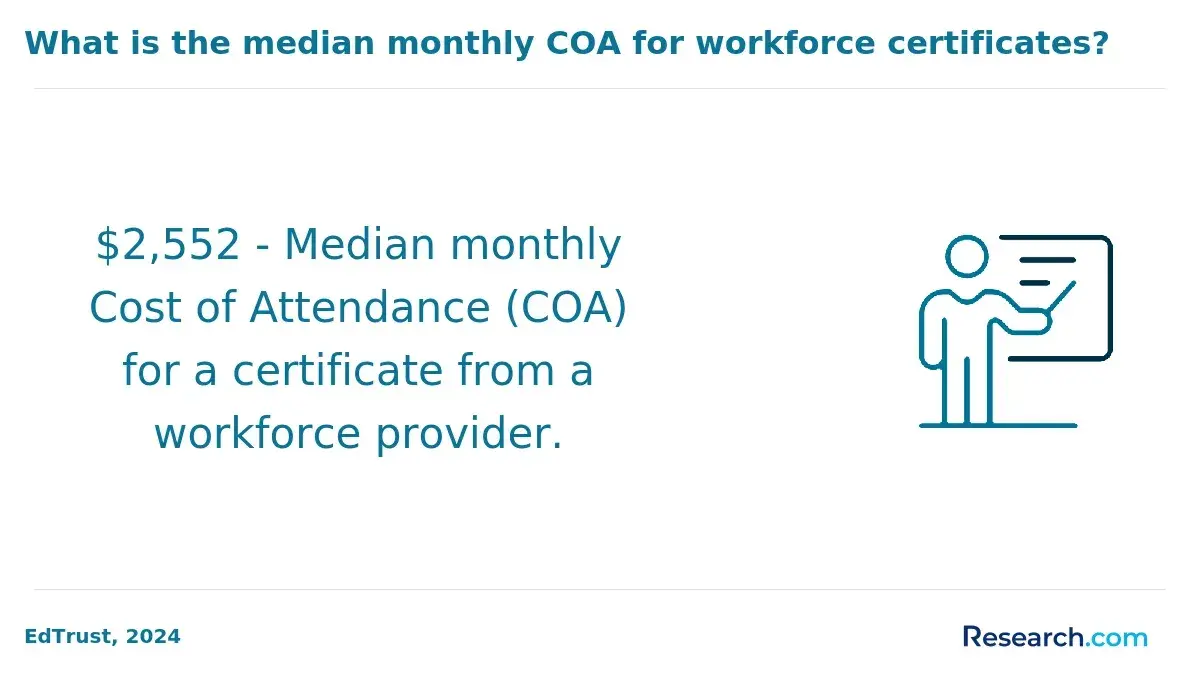
Check the institution's current accreditation through the U.S. Department of Education's accreditation database or the Council for Higher Education Accreditation directory. Then compare the institution and degree name with the official graduate catalog; an advertisement for an "accredited online program" is not enough detail on its own.
Some career paths also depend on programmatic accreditation or approval. For example, a prospective counseling, nursing, or education student should check the applicable accreditor and state licensing or certification board. Institutional accreditation and programmatic recognition answer different questions; neither substitutes for confirming that a specific program meets the rules where you plan to work.
What are the admission requirements for no-live-class master's programs?
Applicants generally need a completed bachelor's degree and must satisfy both graduate-school and program-specific requirements. Depending on the field, these may include transcripts, prerequisite courses, a statement of purpose, recommendations, professional experience, a portfolio, or an active professional license. GPA and GRE or GMAT policies vary; do not infer them from undergraduate admissions pages.
Ask whether missing prerequisites can be completed before or during the degree and whether they add cost or time. If you have not completed a bachelor's degree, an associate pathway is a different, earlier step - not a route directly into graduate admission. A fast-track associate's degree online may be relevant to your longer education plan, but it does not replace bachelor's-level eligibility for a master's program.
How long do asynchronous master's degrees take, and how much do they cost?
Both depend on the required graduate credits, enrollment load, course sequencing, prerequisites, and any capstone or fieldwork. Recorded lectures do not shorten a degree by themselves. Compare an institution's published degree plan with your realistic part-time schedule; if speed is a priority, examine the assumptions behind claims about the fastest master's degree online.
For cost, calculate required credits multiplied by your applicable tuition rate, then add mandatory, technology, program, and graduation fees. Include software, books, proctoring, travel, and placement-related expenses where required. Ask for a written graduate transfer-credit evaluation before counting on savings: previously earned graduate courses may be accepted by an institution but not apply to your intended degree. Employer assistance, scholarships, and eligible federal aid can change what you ultimately pay.
What coursework and learning activities do asynchronous master's programs include?
Expect recorded instruction, readings, discussion posts, problem sets, research or case analyses, and assignments submitted by fixed deadlines. Technical programs may include remote labs and coding projects; professional programs may include portfolios or applied capstones. A research-oriented track may instead require a thesis and ongoing adviser coordination.
The key distinction is between scheduled attendance and scheduled work. An instructor may set weekly due dates without holding live class. Conversely, a program may call lectures asynchronous while requiring a live defense or team presentation. Review sample syllabi and the requirements for each culminating activity before enrolling.
Which careers and salaries can graduates pursue after an asynchronous master's degree?
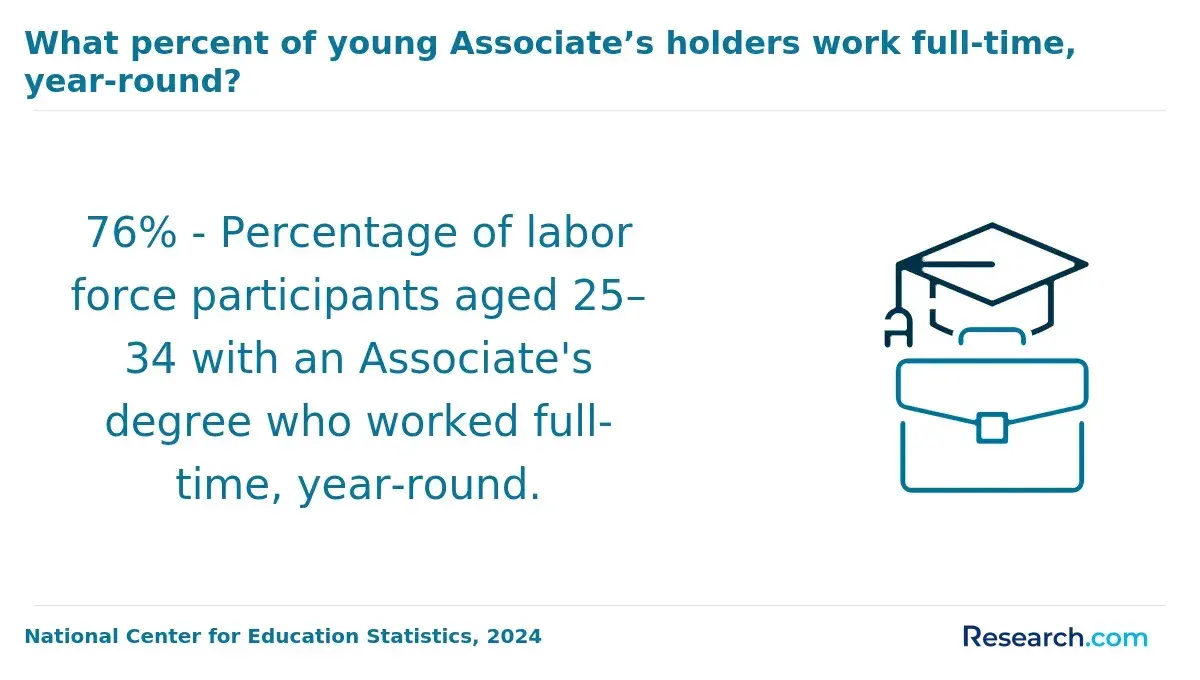
Career options depend on specialization and prior experience, not whether lectures were recorded. Business and healthcare graduates may pursue operational roles; computing and analytics graduates may pursue technical roles; education and nursing graduates may pursue paths consistent with their credentials and state requirements.
As one labor-market reference point, the Bureau of Labor Statistics reports a 2024 median annual wage of $112,590 for data scientists. That is the occupation's wage across workers, not the expected pay for graduates of an asynchronous analytics program. Compare the jobs you want with their actual entry requirements, then decide whether graduate coursework adds value beyond experience, a certificate, or training you already have.
Do asynchronous master's degrees meet licensing and certification requirements?
Possibly, but delivery format does not establish eligibility. Counseling, nursing, and some education roles can require approved coursework, supervised practice, examinations, and state-specific authorization. Clinical and school placements may also be in person and scheduled even when every academic lecture is asynchronous.
Before applying, give the relevant state board the exact institution, degree, concentration, and proposed placement location. Ask the program for written documentation of which states it prepares students for, whether it arranges local placements, and what obligations remain after graduation. Do not assume that eligibility in one state transfers automatically to another.
How should you choose a reputable master's program without live classes?
Start with your target role, then compare programs on the requirement that matters most here: whether you can finish every required academic component without live class attendance. Accreditation, career fit, support, and total cost should break ties - not an unsupported "fully flexible" label.
Use these checks to turn a program description into a decision you can defend:
- Ask for the current degree plan and sample syllabi; identify any required live meetings, presentations, residencies, placements, or proctored activities.
- Confirm institutional accreditation and any programmatic or state approval relevant to your career.
- Request a total-cost estimate for your enrollment pace, including fees, prerequisites, and required travel.
- Ask how advising, technical support, and course availability work for part-time students.
- Compare likely career value with lower-cost alternatives, and obtain a written evaluation of any prior graduate credit.
A low tuition quote can be misleading if fees or extra terms raise the final bill. If federal aid matters to your budget, confirm the institution's and program's eligibility directly; a guide to online colleges that accept FAFSA can help frame the financing questions, but it cannot confirm aid for your particular master's degree.
Other Things You Should Know About
No. Asynchronous classes have no required live meeting, but they commonly have weekly deadlines and fixed term dates. Self-paced courses may offer more control over when you finish.
Often, particularly with part-time enrollment. Check assignment loads, course availability, and any placement or team-project obligations against your work schedule.
Diploma wording is set by the institution. Ask the registrar if this matters to you; employers may also request transcripts or details about the program.
Ask: "Can you confirm in writing that no required course or degree component involves live class attendance?" Follow up separately about campus visits and in-person placements.
References
- Approved Institutions and Programs | Commission https://www.ctc.ca.gov/commission/reports/dashboards/approved-institutions-and-programs/
- Recognition of Accrediting Agencies | Texas Higher Education Coordinating Board https://www.highered.texas.gov/recognition-of-accrediting-agencies/
- DAPIP | Homepage - Office of Postsecondary Education (OPE) https://ope.ed.gov/dapip/
- What is the time commitment for different degree options? | Penn State World Campus https://www.worldcampus.psu.edu/about-us/news-and-features/what-is-the-time-commitment-for-different-degree-options
- 4.1.21 Instructional Modalities and Distance Education | Illinois State https://policy.illinoisstate.edu/academic/4-1-21
- Regional vs. National Accreditation: Which is Better? | Drexel University Online https://www.online.drexel.edu/news/national-vs-regional-accreditation.aspx
- Online Student Placement Process | asu.edu https://clinicalpartnerships.asu.edu/online-student-placement-process
- Online Master's Degrees at Cleveland State University https://online.csuohio.edu/online-programs-and-courses/online-graduate-programs
- Graduate Online Degree Programs Global - UofM Global | The University of Memphis https://www.memphis.edu/uofmglobal/degrees/graduate/graduate-programs.php
- Choosing the Right Online MBA Program | Gies College of Business https://giesbusiness.illinois.edu/news/2025/10/03/choosing-the-right-online-mba-program--a-comprehensive-guide-to-asynchronous--synchronous--and-hybrid-programs