
2027 Best Colleges With No GPA Requirement

Co-Founder and Chief Data Scientist
A low GPA can make college applications feel like a dead end, but some accredited colleges use open-door general admissions rather than an incoming GPA cutoff. The distinction matters: getting into a college does not necessarily mean getting into nursing, engineering, or a master's program there. Cost matters, too. College Board reported average published tuition and fees of $4,050 for in-district students at public two-year colleges in 2024-25.
This guide compares accessible colleges, explains where GPA rules can reappear, and shows how to check a program's total cost and career fit before applying.
Key Things You Should Know
- Start with the exact admissions policy for your credential: open-door undergraduate admission does not establish eligibility for a selective major or a master's degree.
- Dallas College, Austin Community College, Mesa Community College, and Rio Salado College are accredited open-door options to investigate; confirm the current rules for your applicant category and program.
- Check aid before ruling out college on price: the maximum federal Pell Grant for 2025-26 is $7,395, but individual eligibility and awards vary.
Top 10 Best Colleges With No GPA Requirement
Business Programs
An MBA or specialized business master's may assess undergraduate grades alongside work experience, recommendations, or an interview. A college's open-door associate-degree policy does not carry over to its graduate programs—or to another university where you later apply. If your GPA is weak, ask whether the particular master's program offers a documented waiver or considers recent, graded coursework. No business master's is included here as a verified no-minimum-GPA option.
Healthcare Programs
Healthcare administration and public health master's programs serve different goals from clinical degrees. Even when a university has flexible undergraduate admission, a graduate department may require a bachelor's degree, prerequisites, or a minimum GPA. Compare the program's published graduate policy, any required internship, and whether the credential actually matches your intended role. Do not treat admission to an open-door college as evidence of admission to its healthcare graduate programs.
Information Technology Programs
A master's in information technology can emphasize systems, cybersecurity, or management; some programs expect prior computing coursework. For applicants with a low undergraduate GPA, the useful question is whether the specific graduate program states a cutoff, permits conditional admission, or evaluates later academic work. Check those terms directly. An undergraduate no-cutoff policy cannot verify eligibility for an IT master's.
Computer Science Programs
Computer science master's programs may require programming, algorithms, and mathematics even when they welcome applicants from other majors. Foundation courses can add time and cost. Ask admissions whether the stated GPA rule applies to all applicants and whether prerequisites must be completed before entry. A university's open undergraduate admission policy is not a substitute for its computer science graduate requirements.
Nursing Programs
Master's nursing programs generally require an RN license and prior nursing education; advanced-practice tracks have additional clinical and certification considerations. Undergraduate college admission without a GPA cutoff does not waive those requirements. If nursing is your goal, first distinguish admission to the college from admission to an RN program, then check the graduate program's separate academic and licensure criteria.
Psychology Programs
A general psychology master's does not automatically qualify a graduate to practice as a licensed psychologist or counselor. Graduate GPA expectations, research preparation, and supervised training vary by program. Before applying, identify the occupation you want, check your state's licensing rules, and confirm whether the specific program publishes a minimum GPA. Open undergraduate admission alone answers none of those questions.
Education Programs
Education master's degrees can support professional development or lead toward a teaching credential, depending on the program and state. Teacher-preparation tracks may require background checks, field placements, and separate admission. Ask whether a GPA cutoff applies to the graduate school, the education department, or both. Also confirm that the track fits the state where you intend to teach.
Criminal Justice Programs
Criminal justice master's programs may focus on policy, research, or administration rather than preparation for a particular law-enforcement job. Graduate admissions can include GPA review even at institutions with accessible undergraduate entry. Compare the curriculum with the experience and hiring standards of your target employer before paying for the degree; do not assume it is required for entry-level work.
Engineering Programs
Engineering master's programs often expect substantial mathematics and discipline-specific undergraduate preparation. A low-GPA applicant should ask whether the department allows conditional admission and precisely which prerequisite courses count. For professional engineer licensure, degree accreditation, examinations, and experience may matter separately from admission. An open-door college can be a place to build coursework, but its policy does not establish graduate engineering eligibility.
Social Work Programs
An MSW intended for clinical practice typically includes supervised field education; licensure also involves state requirements after graduation. Advanced-standing tracks generally require an eligible bachelor's in social work and have their own admissions rules. Check the exact MSW track's GPA policy and Council on Social Work Education accreditation. None of the open-door undergraduate examples below should be read as a verified no-GPA MSW option.
What does no GPA requirement mean for college admission?
"No GPA requirement" means there is no stated minimum incoming GPA for the specified admission route—not that grades are irrelevant. An open-door college may admit eligible high school graduates or GED holders to general undergraduate study while using placement assessments to determine starting courses. A competitive nursing program may still rank applicants by prerequisite grades, and satisfactory academic progress rules still affect continued federal aid.
Scope is the essential detail: ask whether the policy applies to first-time students, transfers, returning students, certificate applicants, or graduate applicants. If a website simply omits a GPA figure, do not assume the cutoff is zero; request the applicable written admissions policy.
Which accredited colleges accept students without a minimum GPA?
These accredited colleges are practical starting points because their general undergraduate admissions follow open-door models rather than a published collegewide incoming GPA cutoff for eligible applicants. They are not a ranking of acceptance rates or a claim that every program admits every applicant. Confirm the current policy against your circumstances before applying.
The comparison separates the general college-entry route from the program restriction most likely to change your decision:
| College | Institutional accreditor | General-entry opportunity | What to verify for your program |
| Dallas College, Texas | Southern Association of Colleges and Schools Commission on Colleges | Open-door undergraduate admission for eligible applicants | Selective health-program admission and placement requirements |
| Austin Community College District, Texas | Southern Association of Colleges and Schools Commission on Colleges | Open-door undergraduate admission for eligible applicants | Program prerequisites and any limited-enrollment process |
| Mesa Community College, Arizona | Higher Learning Commission | Open admissions within the Maricopa Community Colleges system | Eligibility for a particular degree, certificate, or clinical track |
| Rio Salado College, Arizona | Higher Learning Commission | Open admissions within the Maricopa Community Colleges system | Whether the intended courses and required experiences fit your location |
Choose among them by the credential you need, residency-based price, delivery, and transfer destination—not by an unsupported claim that one has the "easiest" admission. If you intend to transfer, confirm with the receiving university how each course applies to your intended program in college; acceptance as an elective is not the same as satisfying a major requirement.
What admission requirements do colleges with no GPA requirement have?
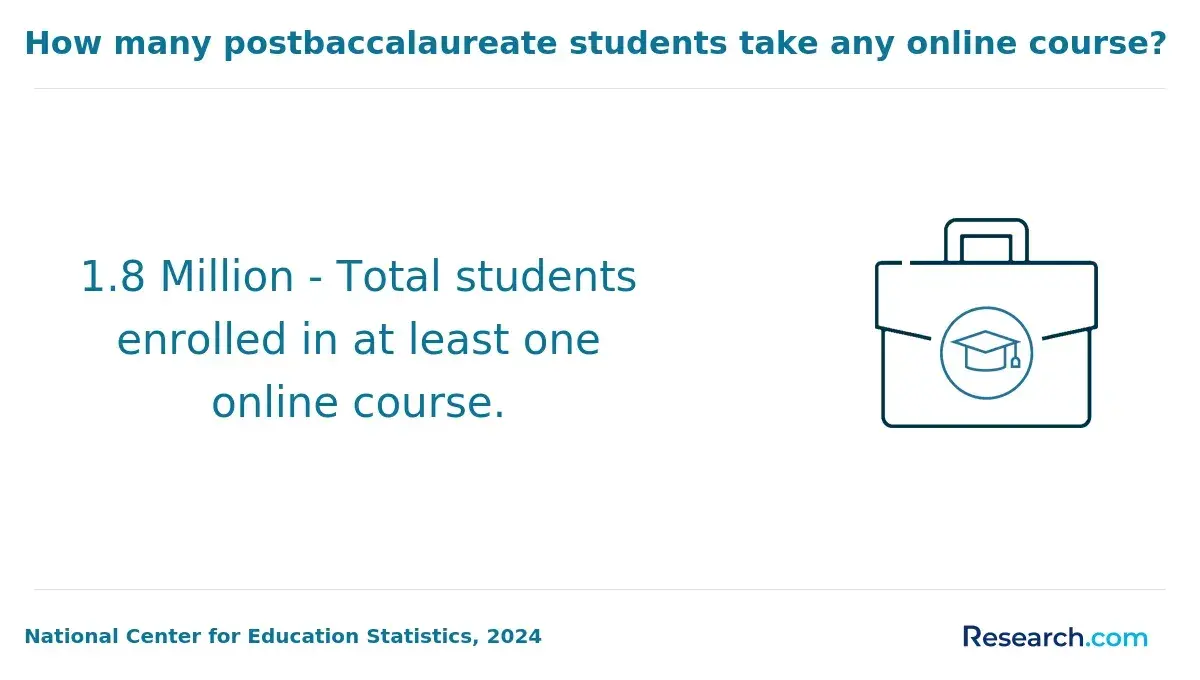
Open-door admission commonly still calls for an application and proof of eligibility, such as a high school diploma, GED, or an applicable adult-admission route. Schools may request transcripts, residency documentation, and placement information. Transfer applicants should ask how previous grades affect academic standing even if those grades do not block general entry.
Before committing, get written answers to three separate questions: Can I enter the college? Can I enter my intended program now? What must I complete to stay enrolled and receive aid? This prevents the common mistake of treating a college acceptance as a seat in a limited-enrollment major.
Are online colleges with no GPA requirements legitimate and accredited?
Yes—an online college can be legitimate without a minimum incoming GPA. Admission flexibility and educational quality are different questions. Verify institutional accreditation with the accreditor or the U.S. Department of Education, then check the exact program's delivery, state authorization where relevant, and eligibility for federal aid. Accreditation of a college does not automatically establish required programmatic accreditation for nursing, social work, or another regulated field.
When comparing good online colleges, read their current admissions pages rather than assuming an "online" label means no GPA cutoff. Also ask about live meetings, proctored exams, clinical placements, and campus visits; online courses are not necessarily self-paced or location-independent.
How do online and campus colleges with no GPA requirement compare?
Neither format is automatically easier to enter. Admissions rules belong to the institution and program; format changes how you complete the work. The comparison below highlights practical trade-offs to check after confirming the GPA policy:
| Format | Potential advantage | Potential constraint |
| Online | Less routine travel; may suit work schedules | Fixed deadlines, live sessions, or local placements may still apply |
| Campus | Direct access to labs, classmates, and in-person services | Commuting and scheduled attendance can limit course choices |
| Hybrid | Combines remote coursework with in-person activities | Required visits may be difficult for distant students |
For a working adult, the best format is the one in which required courses are available when needed and attendance obligations are manageable. Ask for a sample schedule, not just a description of the delivery format.
What degrees and certificate programs can you pursue without a GPA cutoff?
At an open-door college, eligible students may pursue certificates and associate degrees in areas such as business, IT, and general studies. Some colleges also offer bachelor's programs, but those programs can have separate admission rules. An associate degree can support transfer or prepare for particular jobs; a short certificate targets narrower skills and does not necessarily replace a degree or professional license.
If speed is your priority, compare the actual course sequence and employer relevance of short certificate programs that pay well online. Treat the title as a category to investigate, not a promise of completion time or earnings. For any credential, check whether required courses run every term and whether an employer or transfer university recognizes the result.
How long do these programs take and how much do they cost?
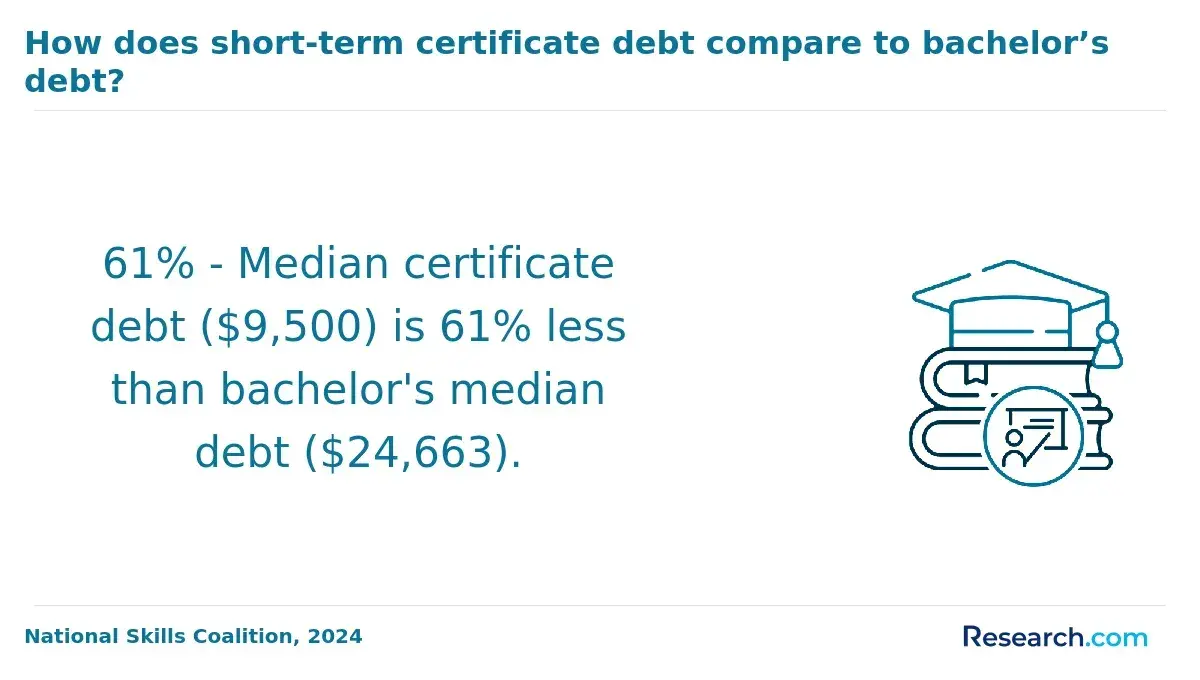
Time and cost depend on the credential, enrollment pace, residency rate, prerequisites, and credits that actually apply. An associate degree commonly requires about 60 semester credits; a bachelor's commonly requires about 120. A certificate can be shorter, while limited course availability or a clinical sequence can extend any timeline. Request a degree audit that shows your remaining requirements rather than relying on the shortest advertised completion estimate.
Compare the total expected cost: tuition for remaining credits, mandatory and program fees, books or equipment, travel, and any unpaid placement time. The College Board's public two-year average cited above is an annual published price for in-district students, not a quote for an entire degree or your eventual net price. Federal grants, state aid, scholarships, and employer assistance may reduce what you pay; eligibility varies.
An accelerated online bachelor's degree may be worth comparing if you already have applicable credits. Ask for a pre-enrollment evaluation showing which courses meet major requirements and how many credits must be completed at the new institution. Transferred credits do not automatically shorten every program.
What careers, salaries, and job outlooks follow these college programs?
Career outcomes depend on the occupation and its entry requirements, not on an open-door admissions policy. For context, the U.S. Bureau of Labor Statistics reported a May 2024 median annual wage of $93,600 for registered nurses. That is an occupation-wide wage—not an expected salary for a new graduate—and becoming an RN requires completion of an eligible nursing pathway and licensure.
For business or IT, compare entry-level job postings with the skills taught and the experience employers request. A certificate may help build a specific skill, whereas an associate degree may provide a broader foundation or transfer route. Avoid borrowing on the assumption that a credential alone secures a particular job or wage.
How can you verify licensing and certification requirements before enrolling?
Check licensing before paying an enrollment deposit. Begin with the licensing board in the state where you intend to work, identify its education and examination rules, and then ask the college to document how the exact program meets them. For online study, confirm that required clinical placements, practicums, or student teaching can be completed where you live.
Finally, verify any required programmatic accreditation with its accreditor and ask the school for written clarification of state eligibility. A college can be institutionally accredited and admit you without a minimum GPA while its particular program either has selective admission or does not meet your state's licensing requirements. Those are separate decisions.
Other Things You Should Know About
Possibly. An open-door college may not set a minimum incoming GPA for eligible general-admission applicants. Check its current rules and any separate requirements for your intended program.
No. General college admission and nursing-program admission are separate. Nursing tracks may require prerequisite courses, particular grades, and limited-enrollment selection.
Policies vary by individual graduate program. Do not apply an institution's undergraduate open-door policy to a master's degree; request the program's written GPA and conditional-admission rules.
Not necessarily. The college evaluates eligible prior coursework, and accepted credits may count as electives rather than fulfill your intended major. Request a program-specific evaluation before enrolling.
References
- School-Determined Requirements | 2024-2025 Federal Student Aid Handbook https://fsapartners.ed.gov/knowledge-center/fsa-handbook/2024-2025/vol1/ch1-school-determined-requirements
- Price of Attending an Undergraduate Institution - COE https://nces.ed.gov/programs/coe/indicator/cua/price-of-attending-an-undergraduate-institution
- Undergraduate Degree and Non-Degree Admissions Policy | Commonwealth University https://www.commonwealthu.edu/documents/undergraduate-degree-and-non-degree-admissions-policy
- Tuition & Expenses | Student Financial Services https://financialaid.wsu.edu/tuition-and-expenses/
- Complete List: Open Admission Colleges With 100% Admission · PrepScholar https://blog.prepscholar.com/open-admission-colleges


