2027 Best Career Pivot Options for People With a Health Sciences Degree

Co-Founder and Chief Data Scientist
Many graduates with a health sciences degree face uncertainty when their chosen career path no longer aligns with their goals or market demands rapidly evolve. Roughly 38% of health sciences alumni report shifting fields within five years, highlighting a pressing need to leverage transferable skills effectively. This challenge especially affects those seeking accessible entry-level pivot roles in high-growth sectors like healthcare technology, public health, or medical communications.
Navigating credential requirements, refining networking tactics, and reframing resumes to reflect versatile competencies becomes crucial. This article explores evidence-based strategies to guide health sciences graduates through successful career pivots-unlocking new opportunities and sustainable long-term outcomes.
Key Things to Know About the Best Career Pivot Options for People With a Health Sciences Degree
- Leveraging transferable competencies-such as research analysis, communication, and critical thinking-enables graduates to access pivot roles in public health, healthcare consulting, and clinical data management.
- Entry-level positions in telehealth coordination and pharmaceutical sales offer accessible transitions while credentialing through certifications like CHES or PMP enhances competitiveness in booming industries.
- Tailored networking-utilizing professional associations and LinkedIn-plus resume reframing to highlight interdisciplinary skills supports sustainable career shifts into sectors projected to grow by over 15% through 2030.
What Career Pivot Options Are Available to People With a Health Sciences Degree?
Career pivoting has become increasingly common and professionally legitimate as evolving job markets reward adaptable skill sets more than ever before. Data from the Bureau of Labor Statistics (BLS) and insights from the National Association of Colleges and Employers (NACE) confirm that nearly half of all workers anticipate multiple career changes over their lifetimes. This trend especially benefits graduates with degrees offering broad, transferable competencies. A health sciences degree exemplifies such versatility-equipping holders with foundational knowledge in biology, research methods, communication, and problem solving that apply across diverse occupational fields.
According to LinkedIn Workforce Insights, health sciences graduates often transition into roles leveraging their analytical thinking and understanding of human health systems-expanding career horizons well beyond traditional clinical environments. Entry-level career transitions for health sciences graduates commonly lead into several key directions:
- Healthcare Administration: Leveraging knowledge of healthcare delivery and policy to move into management, operations, or health informatics, where coordination and organizational skills play a pivotal role.
- Public Health and Wellness: Applying understanding of community health drivers and preventive strategies to roles in health promotion, epidemiology, and program management.
- Health Technology and Data Analysis: Capitalizing on the rise of digital health by pivoting toward health IT, data analytics, or biomedical research, utilizing quantitative skills and technical proficiency.
- Education and Training: Serving as health educators, curriculum developers, or corporate trainers who communicate complex concepts effectively.
- Regulatory and Compliance: Ensuring organizational adherence to healthcare regulations and quality standards by navigating legal and ethical frameworks.
These pathways rely on core scientific understanding and versatile problem-solving abilities inherent in health sciences programs, making the degree highly adaptable across industries. Professionals seeking higher compensation or greater fulfillment, career changers evaluating if a health sciences credential provides sufficient foundation, and prospective students researching what career pivot options are available to people with a health sciences degree in the United States will find this flexibility invaluable. Enhancing credentials-such as obtaining a medical billing and coding certificate-can improve access to specialized entry points within the healthcare ecosystem.
This article will explore these career options in detail-covering accessible entry-level pivot roles, credential strategies, networking approaches, resume reframing, and long-term prospects-offering a practical, evidence-based roadmap that encourages deliberate, informed career change rather than reactive shifts driven by dissatisfaction alone.
Which Industries Outside the Traditional Health Sciences Field Hire Health Sciences Degree Holders?
Graduates with a health sciences degree often find opportunities beyond traditional clinical or laboratory roles by leveraging their versatile skill sets. Based on BLS Occupational Employment and Wage Statistics, Lightcast labor market analytics, and LinkedIn Talent Insights, several industries consistently hire health sciences degree holders, ranked by hiring volume and specific roles that demand their competencies. Understanding which sectors recognize the degree as a core credential versus those requiring more credential translation can shape your career pivot strategy.
- Pharmaceuticals and Biotechnology: This sector leads in hiring volume, with roles such as clinical trial coordinators, regulatory affairs specialists, and medical science liaisons. Health sciences credentials are widely accepted here, facilitating smoother entry and career growth due to the alignment of biological and research skills.
- Health Insurance and Managed Care: Hiring for case management, health data analysis, and policy development is common. While credentials may require interpretation, analytical and public health knowledge from health sciences programs is highly valued.
- Government and Public Health Agencies: Positions include epidemiology, health education, and program administration. The focus on population health makes these roles accessible, though some may require additional certification.
- Health Technology and Digital Health: Rapid sector growth demands product managers, user experience researchers, and implementation specialists who can merge clinical knowledge with innovation. Additional training in technology or project management is often necessary.
- Medical and Scientific Communications: Roles as medical writers, editors, and communications specialists hinge on translating complex science to broad audiences. Health sciences degrees offer a foundation, but writing and strategic communication expertise drive success.
- Corporate Wellness and Occupational Health: Businesses increasingly invest in wellness coaching, program coordination, and health risk assessment. The degree acts as a qualification baseline alongside strong interpersonal and organizational skills.
- Education and Training: Opportunities span academic administration, curriculum development, and healthcare training roles. Educational credentials ease transitions into these positions.
Distinguishing between industry-switching-applying familiar functional skills in a new sector-and role-switching-where new credentials are often required-is essential. Industry-switching, such as moving from hospital clinical research to pharmaceutical trials, generally demands fewer additional credentials than changing functional roles, like shifting into health technology project management.
Informational interviews with health sciences alumni employed in these adjacent industries provide valuable insights into employer expectations, daily tasks, and credential relevance. Using such conversations helps create a targeted list of organizations aligned with your experience and career goals.
For those seeking to increase qualifications, pursuing a healthcare management certificate can enhance your profile, especially in sectors like managed care and administration.
What Transferable Skills Does a Health Sciences Degree Provide for Career Changers?
To make transferable competencies visible to employers outside healthcare, graduates should systematically document relevant projects, internships, and coursework-identifying which skills were applied and the outcomes achieved. This competency-mapping helps articulate concrete examples rather than relying on assumptions that hiring managers will connect the dots. Communicating these skills effectively is itself a key ability, and upcoming guidance will explore how to reframe resumes and construct networking narratives that resonate in target industries.
- Analytical Thinking: Graduates develop strong skills in interpreting complex information and drawing logical conclusions-abilities essential in market research for spotting consumer behavior patterns and in policy analysis, where evaluating regulations drives strategy decisions.
- Research Proficiency: The ability to conduct both qualitative and quantitative research transfers well to fields like user experience studies, which require deep understanding of customer interactions, and to consulting, where data gathering and interpretation inform business solutions.
- Communication Skills: Translating technical concepts into clear language equips graduates for roles in technical writing, corporate training, and public relations, where conveying intricate ideas simply is critical.
- Problem Solving: Navigating complex health challenges hones adaptability and creative thinking, skills that support success in project management and business development, particularly when addressing unexpected obstacles.
- Ethical Reasoning: An emphasis on ethics prepares graduates for leadership in corporate compliance and nonprofit sectors, where maintaining moral standards underpins decision-making and stakeholder trust.
- Collaboration and Teamwork: Experience working in diverse, interdisciplinary groups prepares graduates for roles in education and product development, where coordination across specialties is routine.
- Technical Literacy: Familiarity with healthcare technologies fosters quick adjustment to various software and data systems, valuable in IT support and operations analysis.
Time Management: Balancing demanding coursework and practical experiences cultivates organizational strengths needed in administrative positions and consulting jobs with strict deadlines.
Reflecting on his journey, a professional who earned a health sciences degree shared that the most challenging part was recognizing the breadth of his own skill set. "At first, I thought my training was too specialized," he said, "but mapping my internship tasks to business and tech roles helped me see the overlap. Explaining that to employers was difficult-I needed to practice how to tell my story clearly and confidently. It wasn't just what I knew but how I presented it." His experience underscores that even with strong competencies, translating them into new career terms requires patience, reflection, and deliberate effort.
Employers outside traditional health sciences fields often face difficulty interpreting these degrees within their specific contexts. This challenge-known as credential translation-requires candidates to tailor resumes and cover letters to emphasize transferable skills like data analysis, research techniques, and communication.
Including project samples or portfolios strengthens this connection, aiding hiring managers in understanding relevant qualifications. Graduates highlighting these transferable skills of health sciences graduates in hiring can better position themselves for varied roles.
- Degree Type and Prestige: Industry research shows that hiring managers evaluate the type of degree and institution reputation differently depending on company size and sector. Larger or highly competitive firms tend to prioritize degrees from prestigious institutions and higher GPAs. Conversely, smaller businesses frequently favor proven practical skills and adaptability over academic pedigree, impacting employer perspectives on health sciences degree value.
- Implicit Bias and Cross-Disciplinary Hiring: Some hiring personnel may unconsciously discount health sciences credentials when roles typically attract candidates from other disciplines. This implicit bias can limit chances, but proactive strategies-such as thorough employer research, active networking, and strong demonstrations of relevant skills-help counter passive filtering based on credentials alone.
Employer Targeting and Organizational Size: Mid-to-large employers often rely on keyword matching and degree relevance in automated screening, while startups and smaller firms emphasize cultural fit and hands-on aptitude. Prospective pivots should prioritize organizations with a track record of cross-disciplinary hiring-discoverable through LinkedIn alumni insights, employee spotlights, and recruitment messaging-to build early career credibility before expanding applications broadly.
Exploring options for career shifts might include exploring accredited self-paced online colleges to supplement credentials strategically.
Health sciences graduates often transition into entry-level pivot roles across various functions-roles that build on their foundational knowledge while requiring minimal additional specialization. These positions leverage analytical skills, scientific literacy, and healthcare insight, enabling a smoother career shift without fully starting anew.
- Operations Coordinator: Manages workflow, team coordination, and project support within healthcare or related sectors. Key skills include organization, attention to detail, and communication. Typically reports to operations managers. Health sciences training provides familiarity with medical terminology and protocol compliance, enhancing operational effectiveness.
- Communications Assistant: Creates content, bolsters public relations, and manages communications. Essential skills involve writing, public speaking, and basic marketing. Reports to communications managers. Graduates bring health domain credibility, improving message accuracy in health-centered organizations.
- Data Analyst (Entry-Level): Focuses on data collection, reporting, and elementary statistical analysis to guide decisions. Proficiency with Excel and statistical tools is necessary. Reports to senior analysts. Coursework in biostatistics and research methods speeds adaptation for health sciences graduates.
- Policy Assistant: Supports policy research, draft briefings, and advocacy efforts. Requires strong research, critical thinking, and regulatory understanding. Reports to policy advisors. Education in health policy and ethics strengthens competitiveness in public health or government roles.
- Sales Representative (Medical/Scientific Products): Handles client relationships, product education, and territory management. Needs interpersonal and negotiation skills. Reports to sales managers. Health sciences background confers technical credibility that accelerates trust-building with clients.
- Product Coordinator (Healthcare Technology): Assists with product lifecycle, documentation, and cross-team communication. Requires project coordination and technical literacy. Reports to product managers. Domain knowledge supports bridging clinical workflows and development teams effectively.
Data indicates health sciences graduates moving into these roles advance from entry-level to mid-career roughly within 3 to 5 years-faster than peers lacking related education or internships. Prior healthcare exposure and analytical aptitudes minimize onboarding time and boost early career growth.
Graduates should prioritize pivot opportunities by evaluating role fit based on competencies, earning potential, career progression speed, and long-term goals-transforming initial roles into deliberate strategic steps rather than fallback options.
One professional who built her career after graduating from a health sciences degree shared that despite initial doubts about reorienting her career path, she found her background particularly valuable when applying for roles outside traditional clinical settings. She recounted feeling uncertain about starting over, but quickly realized that her prior coursework and internships helped her grasp job expectations faster than expected.
"The challenge was reframing my resume to highlight transferable skills rather than clinical experience alone," she explained. Over time, she noticed her health sciences training garnered respect, which opened networking doors she hadn't anticipated. Her experience underscores how deliberate preparation and leveraging existing knowledge foster career pivots that feel like advancement instead of setbacks.
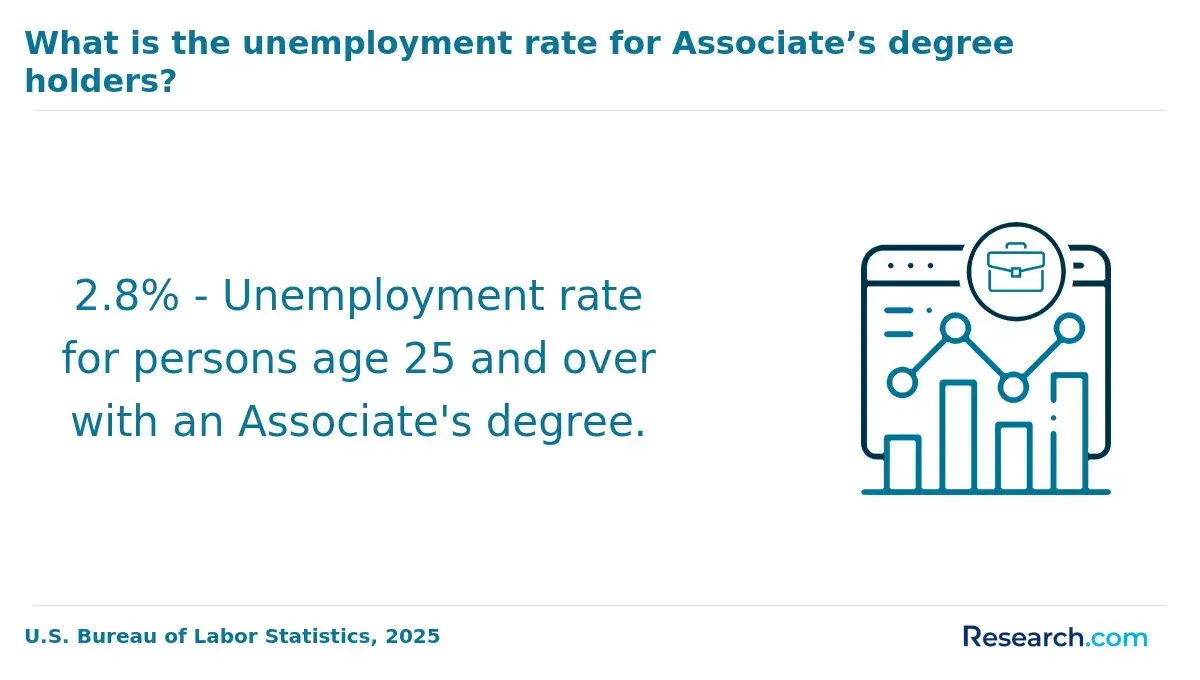
Career pivots for health sciences degree holders into higher-paying fields often capitalize on analytical skills, scientific understanding, and project management expertise-though many require further credentialing or professional experience. Compared to traditional healthcare and public sector roles, these alternative pathways offer substantially enhanced early- and mid-career earnings.
- Financial Services: Positions such as healthcare investment analysts or consultants in health-focused funds start with salaries well above traditional health sciences roles.
- Mid-career compensation grows significantly through performance bonuses, profit-sharing, and equity participation in venture capital and other high-growth subsectors.
- Management Consulting: Healthcare strategy and operations consulting provide premium pay and benefits, including annual bonuses, retirement matching, and development stipends.
- Advancement relies on acquiring business credentials like an MBA or project management certifications.
- Enterprise Technology: Roles in healthcare IT, data science, and digital health product management command competitive base salaries that increase with experience.
- Equity incentives, stock options, robust health benefits, and remote work options commonly supplement compensation. Specialized training or coding bootcamps are typically needed to enter these fields.
- High-Growth Startups: Product management and clinical informatics positions within startups often offer lucrative packages rich in equity grants and profit-sharing.
- Flexible work environments and professional growth budgets are regular perks-but total compensation depends heavily on company performance, requiring strong networking and startup-relevant skills.
These compensation differences stem from factors like industry profit margins, scalability, and labor market competitiveness. Financial and tech sectors generate higher revenues and profits, enabling larger incentives than nonprofits or government roles where mission focus limits pay growth.
Evaluating total compensation means considering not just salary but also bonuses, equity, retirement contributions, health benefits, and remote flexibility. Recognizing that high-paying pivots often demand additional education, longer preparation, and expanded networking helps align expectations realistically with financial goals-encouraging strategic, informed career decisions.
Professionals with a health sciences background have distinct advantages in several rapidly expanding sectors where their expertise aligns with evolving industry demands and innovation. These sectors actively seek candidates who combine scientific knowledge with adaptability and demonstrate strong learning agility-traits often more valued than narrow technical credentials.
- Healthcare Technology: The fusion of healthcare and advanced technologies such as telemedicine, health informatics, and wearable devices drives demand for health sciences graduates. Their understanding of physiological data and clinical workflows is crucial for designing effective, user-centric digital health products.
- Biotechnology: Growth in genomics, personalized medicine, and biopharmaceuticals requires professionals versed in biological systems and clinical trial protocols. Health sciences knowledge facilitates clear communication between scientists, clinicians, and regulatory authorities, enabling roles in regulatory affairs, clinical research coordination, and product development.
- Public Health and Epidemiology: Expanding global health challenges emphasize disease prevention, health policy, and analytics. Health sciences graduates contribute valuable insights into human biology and healthcare systems, making them well-suited for roles in data analysis, program management, and policy advising within public and private organizations.
- Health and Wellness Consulting: As businesses prioritize employee wellness and chronic disease management, consultants with clinical and behavioral health expertise design targeted interventions, blending scientific knowledge with communication and coaching skills.
- Pharmaceutical Manufacturing and Quality Assurance: With the drug development pipeline growing, demand rises for professionals familiar with human physiology, safety protocols, and compliance to ensure product quality, safety, and regulatory adherence.
- Data Science in Healthcare: The explosion of healthcare data creates opportunities at the intersection of clinical insight and analytics. Health sciences professionals enhance their data competencies to engage in clinical informatics, health outcomes research, and predictive modeling, translating healthcare knowledge into actionable insights.
- Environmental Health and Safety: Increasing regulatory focus on workplace safety and environmental impact calls for expertise in risk assessment, toxicology, and health regulations. Health sciences graduates fit roles managing occupational health initiatives and ensuring environmental compliance.
Candidates targeting rapidly expanding sectors should prioritize organizations with a track record of innovation and talent growth-these employers often seek demonstrated competencies and adaptability over traditional credentials, rendering them more welcoming to career pivots. Balancing opportunity availability, career fit, and compensation potential is essential, particularly as high-growth sectors may involve greater job volatility. Assessing personal risk tolerance should inform strategic integration of these industries into one's career development plan.
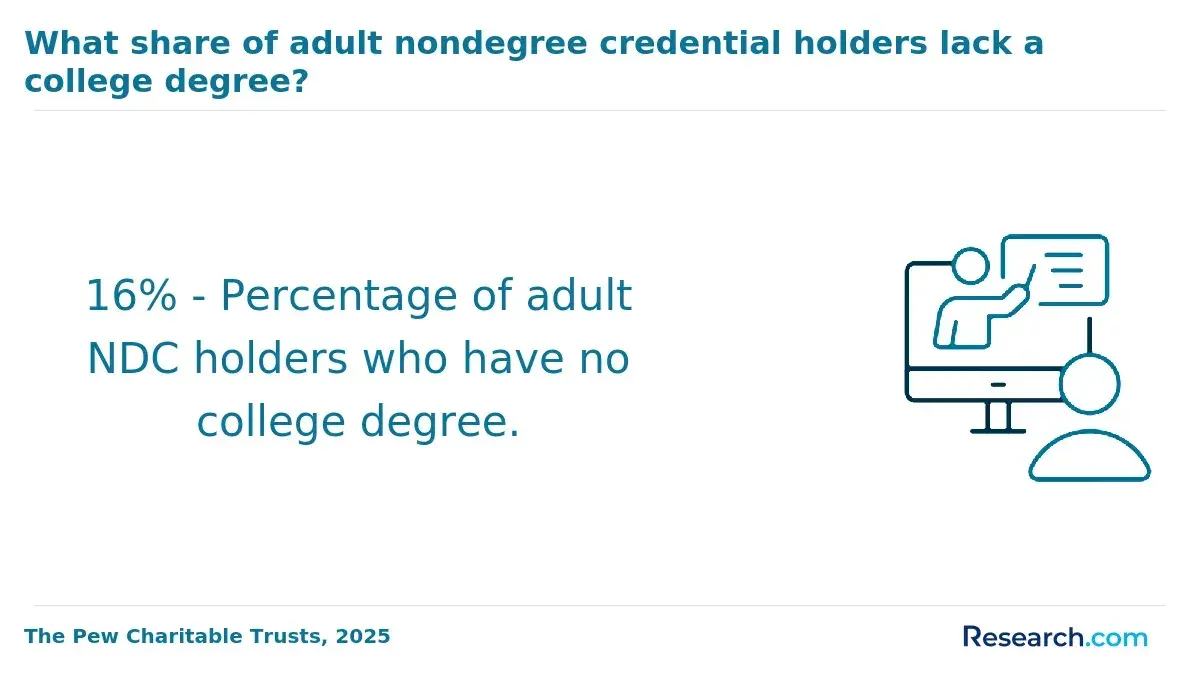
Earning a graduate certificate offers a focused pathway for health sciences degree holders aiming to pivot careers efficiently. These programs typically last six months to one year-significantly shorter and less costly than master's degrees-enabling professionals to upskill or reskill without extensive time or financial commitments. According to the National Center for Education Statistics (NCES), about 18% of post-bachelor's credentials in recent years have been awarded in healthcare and related fields, highlighting a growing trend among adult learners pursuing career advancement or change.
Graduate certificate programs for health sciences degree holders often target specialized competencies in areas such as data analytics, project management, UX research, public health, nonprofit management, and financial analysis. These certificates leverage foundational health sciences knowledge for strong labor market returns. For example, public health credentials align with expanding sectors like epidemiology and health policy-fields known to offer approximately a 7% wage premium according to studies by the American Council on Education and professional associations.
However, credential inflation means not all certificates carry equal value. Prospective students should evaluate programs by key criteria:
- Accreditation: Seek certificates from regionally accredited institutions or those recognized by relevant professional bodies.
- Employer Recognition: Review hiring manager surveys or labor market data to identify certificates valued by local employers.
- Alumni Outcomes: Investigate graduate success rates regarding job placement and salary changes.
- Cost-Benefit Balance: Balance tuition and time against expected salary gains and job accessibility.
Timing the pursuit of a certificate is crucial within a career pivot. Options include completing a certificate before applying to clear qualification barriers, enrolling while applying to demonstrate proactive skill-building, or pursuing certificates after landing a role as part of continuing education. This strategic approach aligns credential acquisition with individual career timelines and resources. Recent labor statistics show that roles requiring interdisciplinary credentials-combining health sciences with data analytics, for example-are among the fastest growing.
Health sciences graduates evaluating career options may also explore broader educational pathways such as top dietetics masters programs to complement or extend their expertise.
Professional certifications provide essential validation for health sciences career pivots by serving as industry-recognized labor market signals-demonstrating practical expertise beyond academic credentials.
Unlike degrees, which focus on foundational knowledge, certifications assure employers that candidates have both specialized skills and a commitment to ongoing development. In adjacent fields such as project management, data analytics, human resources, and technology, certifications are often prioritized in hiring decisions when aligned with role requirements. However, in more traditional or research-oriented health sciences roles, advanced degrees or extensive experience may overshadow the value of certifications for short-term hiring outcomes.
Professional certifications for health sciences career pivots carry distinct advantages when academic credentials alone are insufficient to prove competency in specific domains. Key certifications relevant to these pivot paths include:
- Project Management Professional (PMP): Requires 35 hours of project management education plus relevant experience; preparation spans 3-6 months; costs about $555. It is highly valued in healthcare administration, clinical operations, and consulting roles.
- Certified Analytics Professional (CAP): Needs a mix of education and analytics experience; preparation typically takes 3-6 months; exam fee circa $495. Appeals to data analysis and healthcare informatics positions.
- SHRM-CP: Targets HR professionals with relevant HR education or experience; preparation lasts around 3 months; costs near $400. Sought after by healthcare HR and management teams.
- Salesforce Administrator: No formal prerequisites; study time varies from 1-3 months; moderate exam costs around $200. Fits roles handling CRM platforms in health organizations.
- Certified Professional in Healthcare Quality (CPHQ): Requires healthcare quality management experience; 2-4 months preparation; roughly $300 exam fee. Important for quality assurance and regulatory compliance functions.
To maximize the impact of professional certifications for health sciences career pivots, research before investing significant time and money is critical. Scan job postings for certification preferences, review LinkedIn profiles of professionals thriving in your target roles, and conduct informational interviews to confirm which credentials hiring managers value most. This approach ensures alignment between credential effort and actual market demand for validating career changes with health sciences credentials.
Strategically time certification pursuit within your career pivot-referencing in-progress certifications on your resume and in interviews signals active growth and dedication. Use terms like "anticipated completion" along with expected dates to showcase evolving expertise while applying for roles and networking.
For health sciences degree holders looking beyond traditional pathways-including those considering advanced clinical options or alternative healthcare roles-exploring options such as ADN to FNP programs can illustrate the diverse career flexibility their credentials provide.
The expanding gig economy-marked by a 15% rise in freelance participation since 2020-offers health sciences degree holders a valuable pathway to accelerate career pivots through freelance, contract, or project-based work. Early-stage pivoters frequently find opportunities in areas like content development, research support, data entry and analysis, virtual assistance, communications consulting, and project coordination.
- Content Development: Enables application of medical knowledge while honing communication skills suited for diverse audiences, building a portfolio attractive to education or communications roles.
- Research Support: Enhances familiarity with data collection and interpretation, reinforcing analytical credentials.
- Data Entry and Analysis: Provides practical experience with data management tools relevant to many sectors.
- Virtual Assistance: Develops organizational and multitasking capabilities prized in administrative or operational roles.
- Communications Consulting: Leverages expertise in health topics to advise on messaging, boosting credibility.
- Project Coordination: Builds hands-on skills in managing timelines and stakeholder communications, widely transferable across industries.
Launching this freelance approach involves strategic selection of gig platforms with strong health or research job categories, carefully packaging services to highlight how a health sciences background adds value, and setting rates competitively-often below market averages initially-to build trust. Converting freelance outcomes into portfolio artifacts and resume achievements is crucial for catching employer attention during a full-time pivot.
Assessing fit of freelancing means considering financial resilience and risk tolerance, as some sectors-especially regulated or government-offer fewer freelance entry points. Yet for those with flexibility, freelancing offers a dynamic method to rapidly accumulate cross-sector credibility and shorten the timeline to a successful career transition.
Intentional networking is essential for health sciences graduates shifting into new fields-particularly because many lack connections within their desired industries. Research from Harvard Business Review, MIT Sloan Management Review, and labor market sociology underscores the critical role of "weak ties"-acquaintances rather than close contacts-in uncovering referral-based and hidden job openings. Strategic relationship-building beyond familiar circles often unlocks opportunities that otherwise remain inaccessible.
- Alumni Network Activation: Identify alumni from your health sciences program who have successfully transitioned to your target sector. Reach out with personalized messages focused on learning about their journey, rather than immediately asking for job leads.
- Professional Association Entry: Join relevant industry associations to attend workshops, conferences, and webinars, which provide authentic occasions to increase your visibility and credibility in new professional communities.
- Informational Interview Campaigns: Compile a list of professionals working in your areas of interest and request brief conversations, using respectful, clear language such as: "I'm exploring a move into [field] and admire your career path. Could I have 20 minutes to hear about your experience?"
- LinkedIn Strategic Connection-Building: Send tailored connection requests highlighting shared backgrounds or interests, then engage by commenting thoughtfully on their posts to nurture relationships meaningfully.
- Community of Practice Engagement: Participate actively in online or local groups centered on desired competencies and industries to demonstrate your commitment and build familiarity through discussions and knowledge sharing.
Common anxieties-imposter syndrome, fear of rejection, or discomfort with self-promotion-can be eased by framing interactions as mutual learning rather than sales pitches. Use conversational frameworks that prioritize curiosity and genuine interest. Establish a regular weekly routine for outreach, setting measurable goals (e.g., connecting with five new contacts) and tracking progress to convert networking into a structured, ongoing career asset instead of a reactive effort.
What Graduates Say About the Best Career Pivot Options for People With a Health Sciences Degree
- Arden: "My journey with a health sciences degree opened my eyes to how valuable transferable competencies really are-communication, data analysis, and critical thinking gave me a leg up when I pivoted into healthcare consulting. I encourage anyone thinking about a career shift to also pursue relevant certifications-it's those credentials that turned my resume from "good" to "must-interview." The energy in high-growth sectors like telehealth is contagious-I couldn't be happier diving into a field that's both future-proof and impactful."
- Santos: "Reflecting on my career path, I've found that accessible entry-level pivot roles are the perfect testing ground to explore different industries within the health sciences umbrella without feeling overwhelmed. Networking approaches that focus on genuine relationship-building rather than quick exchanges made all the difference for me-slow and steady wins every time. In the long term, I've realized that these strategies combine to create a sustainable career, rather than just a quick jump from one job to another."
- Leonardo: "Having earned a degree in health sciences, I approached my career transition professionally by concentrating on resume reframing-highlighting transferable skills in research and patient outreach rather than just academic achievements. I found that credential strategies specific to public health helped cement my credibility, especially when entering government roles. Long-term career outcomes in sectors like epidemiology have proven to be both rewarding and stable-moving into these areas was definitely a strategic decision."
Other Things You Should Know About Health Sciences Degrees
The most useful credentials are Certified Professional in Healthcare Quality (CPHQ), Certified in Healthcare Compliance (CHC), and Lean Six Sigma Yellow Belt. CPHQ is awarded by NAHQ, CHC by HCCA, and Six Sigma training usually takes 2 to 8 weeks. These credentials support quality improvement, auditing, and regulatory roles.
The timeline varies but generally spans six months to two years depending on the complexity of the desired pivot and additional credentials needed. Entry-level roles in adjacent fields may allow for quicker transitions, while specialized or technology-driven roles often require additional training or certification. Continuous networking and skill development throughout this period are crucial to securing interviews and job offers.
Graduates leverage their understanding of healthcare systems and data to transition into roles like health IT, data analytics, and medical device consulting. Gaining proficiency in relevant software, coding languages, or certifications such as Certified Health Data Analyst enhances marketability. Building connections with tech firms through internships or professional groups creates opportunities that align domain expertise with technical skills.
- What Can You Do With a Health Sciences Degree? https://www.ahu.edu/blog/health-sciences-jobs
- Health Science occupation list | Explore Careers | CareerOneStop https://www.careeronestop.org/ExploreCareers/Learn/CareerClusters/health-science-occupation-list.aspx
- 5 Reasons Certification Can Boost the Careers of Allied Health Grads https://americanmedtech.org/blog/blog-post/5-reasons-certification-can-boost-the-careers-of-allied-health-grads
- 8 High-Paying Jobs with Health Sciences BS | University of Bridgeport https://www.bridgeport.edu/news/high-paying-health-science-jobs/
- 8 Needed Roles in Healthcare Due to Industry Growth https://insightglobal.com/blog/needed-roles-healthcare-industry-growth/
- Why Healthcare Professionals Should Pursue Certifications https://almanaltraining.com/why-healthcare-professionals-should-pursue-certification-courses/
- The top 10 fastest-growing jobs in health care, according to BLS data—some pay six figures https://www.cnbc.com/2026/02/11/the-top-fastest-growing-jobs-in-healthcare-according-to-bls-data-.html
- Unlocking Freelance Opportunities for Physicians in Healt... https://residencyadvisor.com/resources/alternative-medical-careers/freelancing-health-sector-guide-physicians-healthcare-workers
- Effective Networking Strategies for Healthcare Professionals in 2025 - OMNISTARR https://omnistarr.com/effective-networking-strategies-for-healthcare-professionals-in-2025/