2027 Most Recession-Resistant Careers You Can Pursue With a Health Sciences Degree

Co-Founder and Chief Data Scientist
Amid economic downturns, graduates with a health sciences degree often face uncertainty about job security and growth potential. However, data shows that employment in health-related roles is projected to grow by 15% through 2030, outpacing many other sectors. This growth reflects an ongoing demand for healthcare services, driven by aging populations and chronic disease management.
To remain competitive, candidates must acquire relevant certifications and adapt to emerging technologies like telehealth and data analytics. This article explores the most recession-resistant careers for health sciences graduates, highlighting strategic pathways to stability and success in volatile job markets.
Key Points About Recession-Resistant Health Sciences Careers
- Demand for healthcare administrators and clinical specialists remains steady during recessions due to ongoing patient care and regulatory compliance needs.
- Graduates with health sciences degrees often transition into biotechnology and pharmaceutical roles, industries projected to grow 7% annually despite economic downturns.
- Skills in health informatics enable professionals to support digital health initiatives-key for improving efficiency and adapting to evolving healthcare models.
What is the employment outlook for graduates of Health Sciences?
The employment landscape for graduates of health sciences programs in the United States remains robust and notably resistant to recession. Key roles such as healthcare administrators, public health analysts, and clinical researchers are expected to grow by approximately 10% to 15% over the next decade, outpacing many other fields. This growth highlights some of the top recession-resistant careers with a health sciences degree, influenced by several critical factors outlined below.
Three primary reasons support this strong employment outlook:
- Stable demand: Aging demographics and the ongoing management of chronic diseases drive a consistent need for health sciences professionals, ensuring steady job opportunities.
- Technological innovation: Advancements in healthcare technology require skilled experts to implement and maintain new systems, broadening job prospects in research and clinical settings.
- Investment in public health: Both government and private sectors continuously increase funding for public health infrastructure and research, sustaining job growth in related fields.
Health sciences graduates benefit from lower unemployment rates compared to the general workforce, demonstrating resilience to economic downturns. For students interested in advancing their careers without extensive clinical requirements, programs like RN to BSN no clinicals offer a valuable pathway. With their versatile skills and growing demand, health sciences degree holders are well-positioned to pursue recession-resistant careers that make a meaningful impact.
What are the most recession-resistant careers for Health Sciences degree graduates?
Certain careers within the field of health sciences and adjacent industries naturally withstand economic fluctuations due to their essential or regulatory roles. Employment in health services occupations continues to grow at an average annual rate of 7%-outpacing the overall job market. Below are some of the top recession-proof jobs for health sciences graduates that demonstrate stability even during downturns.
- Registered Nurse (RN): Nurses play a vital role in hospital operations and community health. Their patient care responsibilities are indispensable, and mandated nurse-to-patient ratios help secure employment stability by preventing significant staffing cuts.
- Medical and Health Services Manager: Overseeing healthcare facility operations and ensuring compliance with laws and regulations, these managers directly affect revenue cycles and organizational efficiency, making their roles crucial to avoid costly disruptions.
- Clinical Laboratory Technologist: These technologists perform critical laboratory testing used in diagnosing diseases. Their demand remains steady as timely lab results are essential regardless of economic conditions, supported further by government public health programs.
- Public Health Educator: Focused on community wellness and disease prevention, educators deliver essential public health services. Funding for these programs is often prioritized during recessions because they produce long-term savings for healthcare systems.
- Health Information Technician: Responsible for managing medical records and data compliance, these technicians ensure accurate documentation for insurance reimbursement and legal adherence. As healthcare increasingly depends on data management, maintaining these positions helps avoid financial penalties.
Health sciences graduates interested in high-demand careers in health sciences during economic downturns can also explore opportunities through the best online nursing programs. Aligning with roles tied to essential care, government oversight, and financial protection offers a clear advantage when seeking recession-resistant careers.
In which industries can Health Sciences degree holders find work?
Graduates with a health sciences degree often find their skills valued beyond traditional healthcare settings, extending into several durable sectors. Employment opportunities remain strong, supported by a projection of nearly 3 million new jobs in healthcare and social assistance over the coming decade. Below is an overview of key industries where health sciences graduates can build resilient careers.
- Healthcare: This sector consistently requires professionals for roles such as healthcare administration, clinical coordination, and public health, driven by ongoing medical needs and demographic trends.
- Biotechnology and Pharmaceuticals: Health sciences expertise is critical in research, regulatory compliance, and clinical trial oversight, supporting innovation in medicine that remains steady during economic fluctuations.
- Public Health: Jobs in community health education, policy development, and disease prevention are fundamental to addressing public health concerns and exhibit stability regardless of economic cycles.
- Health Insurance: This field utilizes health sciences graduates in claims management, health informatics, and quality assurance, areas that grow as healthcare systems become more complex.
- Wellness and Rehabilitation: Increasing interest in preventive care sustains demand for specialists in occupational therapy, nutrition, and health coaching within this expanding industry.
A professional who earned their bachelor's degree in health sciences through an online program shared insights about navigating career paths. They recalled facing uncertainty initially when trying to pinpoint where their degree would fit outside of direct patient care, explaining, "It was overwhelming to see so many directions but also encouraging to realize the adaptability of the skills I developed."
They emphasized the importance of gaining practical experience and networking to find niches in emerging fields, adding that "the most challenging part was convincing employers that my background was versatile enough for roles in both administration and community health." Their journey highlighted how diverse industries welcome health sciences graduates who demonstrate flexibility and a willingness to learn new sector-specific demands.
Health sciences roles in the public sector typically offer greater job stability than those in the private sector. Public positions, often within government agencies, academia, or non-profits, benefit from consistent funding streams like federal budgets and grants. These roles usually have structured pay scales and union protections, which help shield employees from layoffs during economic downturns. In fact, employment turnover rates in public health sciences are about 15% lower in recessions compared to private sector jobs.
By contrast, private sector careers in health sciences may provide faster advancement and access to cutting-edge innovation but come with heightened risk. Companies in this space-ranging from established corporations to startups-face pressures such as budget cuts and reorganizations when profits shrink. Despite this volatility, private firms often invest heavily in emerging medical technologies and personalized health solutions, creating specialized opportunities for growth not commonly found in public roles.
The choice between sectors often hinges on a graduate's tolerance for risk and career priorities. Those seeking long-term security might favor public sector roles supported by reliable funding and collective labor protections. Meanwhile, individuals prioritizing rapid professional development and involvement in innovative projects may lean toward private sector employment, accepting greater uncertainty in exchange for potential rewards.
Location significantly influences job stability for health sciences graduates, as some states serve as centers for healthcare industries and offer more secure career paths. Below are three states recognized for their strong and steady demand for health sciences professionals.
- California: The state boasts a vast and varied population alongside heavy investments in medical research and healthcare technology. Its ongoing efforts to expand community health services create abundant opportunities in diverse health sciences fields.
- Texas: Rapid population growth combined with a thriving network of private healthcare providers and specialized medical facilities fuels demand for health sciences graduates. Opportunities are especially plentiful in rural regions and underserved urban communities.
- Florida: With a notably large retiree demographic, Florida faces increasing needs in chronic disease care and elder services. Additionally, investment in medical innovation hubs enhances prospects in public health and healthcare administration roles.
The Bureau of Labor Statistics projects healthcare occupations will grow faster than the overall job market-around 12%-highlighting the sector's resilience and the continuous need for skilled health sciences workers in these states and nationwide.
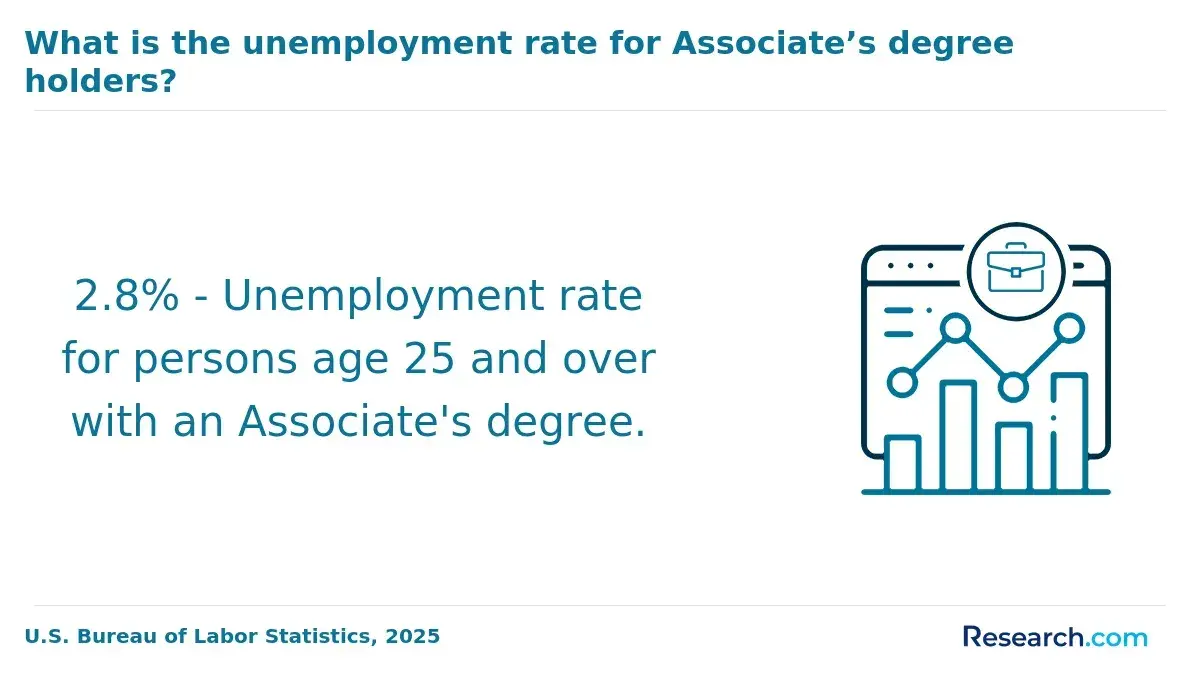
Post-graduate credentials and continuing education serve as a vital shield against layoffs by validating specialized, high-demand expertise in health sciences careers. Roles requiring certifications experienced 12% less employment volatility over recent recessions, underscoring the value of recession-proof certifications in health sciences careers. Below are key certifications that enhance job security in this resilient field.
- Certified Clinical Research Professional (CCRP): This certification focuses on clinical trials management, emphasizing regulatory compliance and advanced knowledge essential for clinical research roles. Professionals with CCRP credentials are well-positioned in a field expected to expand even when other sectors contract.
- Registered Health Information Administrator (RHIA): The RHIA credential prepares healthcare data managers to optimize patient records and ensure legal compliance. RHIAs are in growing demand within hospitals, insurance companies, and government agencies, reflecting the rising importance of health informatics.
- Certified Medical Assistant (CMA): The CMA certification confirms proficiency in clinical and administrative healthcare tasks. This versatile credential bolsters employability across diverse healthcare settings. For those interested, many online medical assistant programs FAFSA approved offer pathways to earn this certification affordably.
- Certified Occupational Therapy Assistant (COTA): COTA certification equips practitioners for roles in occupational therapy support, an area growing due to aging populations and resilience of long-term care industries.
- Certified Professional in Healthcare Quality (CPHQ): This certification targets experts in quality management and patient safety, crucial for healthcare organizations aiming to improve care outcomes and reduce costs, especially when budgets tighten.
Choosing a certification aligned with one's career goals can significantly enhance job security in health sciences, particularly during economic downturns when employers prioritize skills that guarantee immediate proficiency and regulatory adherence.
Consistently enhancing one's skill set makes health sciences professionals less replaceable during organizational shifts caused by economic downturns. The following core competencies significantly improve job security for graduates navigating a competitive and evolving job market.
- Data Literacy and Analysis: The ability to interpret healthcare data and support evidence-based decisions is essential across clinical and administrative roles. Mastery of these skills enhances flexibility and value in numerous health sciences positions.
- Health Informatics Expertise: Proficiency in managing electronic health records (EHR) and other health IT systems is increasingly sought after. These capabilities enable professionals to connect clinical workflows with technology, making them indispensable in the digital transformation of healthcare.
- Effective Communication: Clear, multidisciplinary communication improves collaboration among diverse teams and patient interactions. Professionals skilled in conveying complex medical information contribute directly to better outcomes and streamlined operations.
- Adaptability and Problem Solving: The fast-paced nature of healthcare demands quick thinking and flexibility. Workers who can innovate and adjust to changing situations are more likely to maintain their roles even in unstable economies.
- Regulatory Knowledge: Familiarity with healthcare laws, patient privacy regulations, and compliance standards bolsters job stability. This foundational understanding ensures consistent performance and reduces organizational risk.
Developing these recession-proof certifications for health sciences careers not only strengthens employability but also facilitates movement between clinical, technical, and administrative functions. Graduates aiming for sustainable career paths should also explore courses offered by best medical billing and coding schools online to expand their qualifications and job prospects.
School prestige often plays a significant role in securing stable jobs for health sciences graduates. Employers may associate well-known institutions with higher-quality education and rigorous training, which can provide an edge in competitive job markets. Graduating from a reputable school can signal to hiring managers that candidates possess not only knowledge but also professionalism and commitment.
Beyond the diploma, attending the right school can create valuable networking opportunities. Strong alumni networks and connections with healthcare facilities often open doors to internships and positions not widely advertised. These relationships can be crucial in industries that prize trust and collaboration-giving graduates an advantage in accessing better job opportunities.
Nevertheless, graduates from any accredited health sciences program can remain competitive by demonstrating proven performance and skills. Success depends on continuous learning, relevant certifications, and practical experience, which together help candidates thrive in the dynamic healthcare environment regardless of their alma mater's prestige.
Proactively preparing for a career in health sciences is crucial for aligning academic skills with the sector's evolving demands. This approach not only enhances employability but also improves job stability in a competitive, recession-resistant field. Below are key strategies students can adopt to better position themselves for workforce success.
- Hands-On Experience: Seek internships, clinical rotations, or research projects that provide real-world problem-solving opportunities. Practical experience is highly sought after by employers in healthcare settings.
- Interdisciplinary Communication: Develop strong teamwork and communication skills by engaging with diverse professional groups. Participation in multidisciplinary student organizations or community initiatives can showcase collaboration abilities.
- Technological Skills: Gain familiarity with digital health tools such as electronic health records, telehealth platforms, and data analysis software. Certifications or experience in these areas can set candidates apart.
- Leadership Development: Take on roles that demonstrate project management and leadership, such as organizing health campaigns or leading volunteer efforts. These experiences reflect readiness for dynamic healthcare roles.
- Continuous Learning: Stay informed about healthcare policies and public health trends through workshops, seminars, or specialized courses. Maintaining current knowledge signals engagement and adaptability.
When asked how health sciences students can meet market demands, a professional who completed an online bachelor's in health sciences reflected, "It wasn't just about earning credentials-it was about pushing myself to connect classroom concepts with real healthcare challenges. Navigating the demands of work, study, and gaining practical experience was overwhelming at times, but each step added confidence." He emphasized the importance of flexibility, noting, "Being open to roles outside your comfort zone helped me discover skills I didn't realize I had." His story underlines how perseverance and adaptability are key for success beyond academics.
Professionals with health sciences degrees commonly earn an average annual salary around $70,000, surpassing the national average for all occupations by roughly 12%. This wage reflects the average income for health sciences recession-proof jobs, where stability and competitive pay intersect.
Roles such as clinical research coordinators, public health analysts, and health information managers not only maintain resilience during economic downturns but often come with lucrative compensation due to their essential functions.
Among recession-resistant health sciences careers salaries vary significantly-clinical research coordinators and certified public health professionals typically command higher earnings, while other positions in administrative or support roles may offer less pay but remain consistent sources of employment.
Factors influencing income include specialization, industry sector, geographic location, and company size. Attaining advanced credentials, such as Certified Clinical Research Professional (CCRP) or Registered Health Information Administrator (RHIA), frequently leads to bonuses and salary enhancements reflecting market demand.
For those invested in long-term financial security, the health sciences field offers growing opportunity. Graduates find their practical skills adaptable across diverse health sectors, safeguarding income potential even when broader markets falter.
With steady growth projections and demand driven by healthcare's essential nature, students exploring careers in this area might also consider pathways like what is the easiest RN to BSN online program to enhance credentials and expand opportunities.
What Graduates Say About Their Career After Getting a Degree in Health Sciences
- Arden: "Choosing to pursue a degree in health sciences was driven by my passion for making a tangible difference in healthcare. The program's blend of practical skills and theoretical knowledge equipped me with the confidence to navigate the complexities of a healthcare environment. Today, my health sciences background has been invaluable in securing a stable role that withstands economic fluctuations, providing both purpose and security."
- Santos: "Reflecting on my journey, the health sciences degree laid a foundation that goes beyond textbooks-it taught me critical thinking and adaptability, which are essential in any recession-resistant career. I sought this degree to enter a field where demand remains steady despite economic ups and downs. The education I received opened doors to opportunities that ensure long-term job stability and continuous growth."
- Leonardo: "From a professional standpoint, my health sciences degree was the key to entering a field known for its resilience during economic downturns. I was motivated by job security and the diverse career paths the degree offers. The comprehensive training provided me with the practical abilities and credibility employers look for, enabling me to maintain a fulfilling and stable career regardless of market shifts."
Other Things You Should Know About Health Sciences Degrees
In 2027, maintaining technological proficiency is crucial for job security in health sciences. Adopting technologies like telemedicine, digital health records, and AI-driven diagnostics enhances patient care and operational efficiency. Keeping pace with technological advancements helps professionals remain indispensable even during economic challenges.
Continuing education is crucial in health sciences due to the fast-paced evolution of medical knowledge, technology, and healthcare regulations. Regular training and certifications ensure that professionals stay current and maintain their employability. This adaptability helps reduce the risk of unemployment during recessions, as employers prioritize workers with updated skills.
Yes, many health sciences professionals possess transferable skills such as data analysis, patient care, and health education, which are valuable in fields like health informatics, health policy, or wellness coaching. This flexibility can be a crucial asset during economic downturns, enabling individuals to switch roles or industries without retraining from scratch.
Certifications in basic life support, medical coding, clinical research, and health information management can strengthen employability. Employers often favor credentials from recognized bodies such as the AHA, AHIMA, or AAPC. Many programs require a short exam and renewal every 2 to 3 years.
- Top U.S. Cities and States for Healthcare Jobs - Goodwin Recruiting https://www.goodwinrecruiting.com/top-u-s-cities-and-states-for-healthcare-jobs
- What New Graduates Need to Know About the Healthcare Job Market in 2025 https://unitehealthcare.com.au/healthcare-jobs-graduates/
- First Aid for Burns: 1st, 2nd, and 3rd Degree Burn Cure https://www.idahomedicalacademy.com/recession-proof-jobs-in-healthcare/
- What Can You Do With a Health Sciences Degree? https://www.ahu.edu/blog/health-sciences-jobs
- How is the Job Outlook for the Public Health Field? - Healthcare Management Degree Guide https://www.healthcare-management-degree.net/faq/how-is-the-job-outlook-for-the-public-health-field/
- States with the Highest Demand for Healthcare Professionals in 2024 https://radiusstaffingsolutions.com/states-with-the-highest-demand-for-healthcare-professionals-in-2024/
- Public vs. Private: We weigh the pros and cons https://medrecruit.medworld.com/articles/locuming-balance-the-money-of-private-with-the-altruism-of-public
- Blogs https://talktocolleges.com/blog-details/top-10-recession-proof-healthcare-career-options-for-2026-best-choices-for-medical-students
- Top 10 states with the highest demand for healthcare workers in 2025 https://comphealth.com/resources/highest-demand-healthcare-workers
- Explore 5 Recession-Proof Careers in Healthcare https://www.snu.edu/degrees/5-recession-proof-careers-in-healthcare