2027 Best Associate Degree Completion Programs With Easy Admission Requirements

Co-Founder and Chief Data Scientist
Have college credits but no degree - and want a straightforward way back in? The best associate degree completion path is one that accepts your previous coursework, has admission requirements you can meet, and leads toward your next goal. Cost matters, too: the College Board reported average published in-district tuition and fees of $4,050 at public two-year colleges for 2024-25. That price does not include books or living expenses.
This guide compares six fields, explains where admission can become selective, and shows you what to verify before applying.
Key Things You Should Know
- For the simplest entry route, compare general-admission business, information technology, criminal justice, and transfer-focused programs first; confirm that your intended major has no separate application.
- Many associate degrees require around 60 semester credits, but accepted transfer credits - not an advertised completion timeline - determine how much work you have left.
- Healthcare and nursing pathways may admit students to the college while requiring separate grades, prerequisites, background checks, or clinical placement for the major.
Top 10 Best Associate Degree Completion Programs With Easy Admission Requirements
Business Programs
A business AA, AS, or AAS can be a practical completion choice if your previous credits include general education or introductory business courses. General college admission may be straightforward, but ask whether the concentration has its own requirements.
Choose a transfer-focused degree if a bachelor's in accounting, management, or another field is your goal; an AAS may fit better if you want applied coursework now. Compare how many of your credits satisfy degree requirements, not just how many the college accepts.
Healthcare Programs
Healthcare administration, health information, and medical office programs may offer more accessible entry than clinical allied-health majors. Some also accommodate previous general education credits and online coursework. Check whether the credential prepares you for office or records work, transfer, or a specific certification exam.
Do not assume "healthcare" means clinical eligibility: imaging, respiratory care, and other patient-care programs can have selective admission, laboratories, and supervised placements even at colleges with broad general admission.
Information Technology Programs
IT support, networking, and cybersecurity associate programs can suit returning students whose credits include math, writing, or computing. Entry to the college may be accessible, while course prerequisites can still affect when you finish. Compare applied AAS programs for job-focused technical training with AS pathways designed for transfer.
Ask whether labs use remote-access software, require scheduled attendance, or take place on campus. Industry certifications may complement the degree, but earning a degree does not automatically award them.
Nursing / Pre-Nursing Programs
A pre-nursing AA or AS may have accessible general admission and help you complete science and general education prerequisites. It is not the same as admission to an associate degree in nursing (ADN) program.
ADN entry may depend on prerequisite grades, testing, available seats, and clinical eligibility. If registered nursing is your goal, confirm both the nursing program's admission criteria and its eligibility for your state's licensing pathway before spending time on transferable prerequisites.
Criminal Justice Programs
Criminal justice AA, AS, and AAS programs often give returning students room to apply previous general education credits. Look beyond general admission: determine whether a concentration, internship, or public-safety training component has separate conditions.
A transfer-oriented program can support later bachelor's study, while an applied program may emphasize procedures and workplace skills. Neither degree substitutes for an employer's hiring standards, academy training, background investigation, or other requirements for sworn roles.
Psychology / Counseling Programs
Psychology AA and AS programs can be accessible routes back to college, particularly for students planning to transfer. Previous writing, statistics, and general education courses may be useful if they meet the new school's requirements.
An associate degree can support entry-level human-services work where employers accept it, but it does not qualify someone to practice independently as a psychologist or licensed counselor. Check bachelor's transfer agreements - and eventual graduate education requirements - before choosing this route.
What Are Associate Degree Completion Programs?
An associate degree completion program is a route for someone who already has college credit to finish an associate credential. It may be a formally named completion program or a standard AA, AS, or AAS that accepts returning and transfer students. The important question is how previous work applies to the new degree: accepted credits that count only as electives may leave major requirements unfinished.
AA and AS degrees often support bachelor's transfer, while AAS degrees often emphasize occupational skills; individual programs can serve either purpose. If you are still deciding on a destination field, compare best majors against your existing credits and career goal rather than choosing solely for the easiest admission.
Which Associate Degree Completion Programs Have the Easiest Admission Requirements?
General-admission business, IT, criminal justice, psychology, and nonclinical healthcare pathways are often the first options worth checking. They may let eligible students enter the college without competing for a limited number of major seats. That is a screening strategy, not a claim that every program in those fields has open admission. Published policies at the institution and major level decide whether a particular option qualifies as easy to enter.
Ask admissions to distinguish acceptance to the college from entry to the major. Confirm any high school credential, previous-college transcript, placement, prerequisite, minimum-grade, or GPA rules. A missing published GPA threshold does not prove there is no GPA-related requirement. Nursing and clinical allied-health majors warrant particular scrutiny because admission, clinical clearance, and course placement can be separate decisions.
Are Online Associate Degree Completion Programs Accredited?
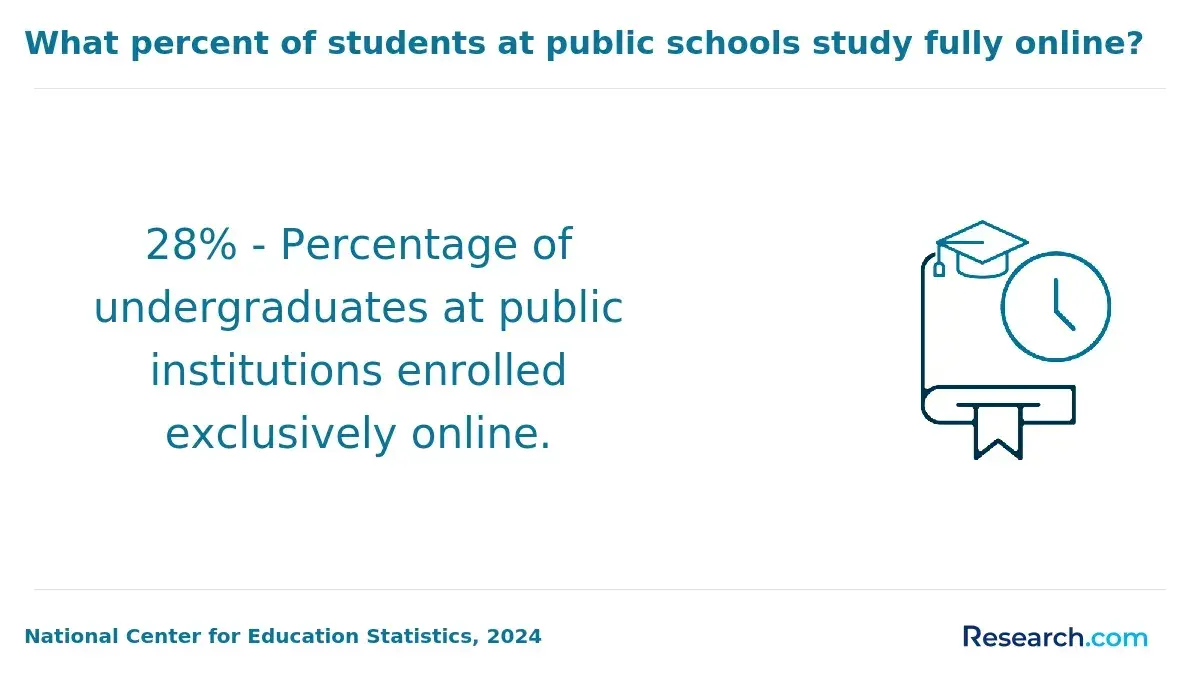
Online delivery does not establish accreditation. Check the institution's status with an accreditor recognized by the U.S. Department of Education, and confirm that the particular program meets any field-specific approval needed for your goal. Nursing students, for example, should verify state-board approval and applicable program accreditation rather than relying on institutional accreditation alone.
Ask whether "online" includes live sessions, proctored exams, campus labs, internships, or local clinical placements. Also check whether the program can enroll students in your state and, for a licensed occupation, whether it meets that state's educational requirements. Accreditation, transfer acceptance, and professional eligibility are related but distinct questions.
How Long Do Associate Degree Completion Programs Take and Cost?
Many associate degrees require around 60 semester credits. Your remaining time depends on how many previous credits satisfy general education and major requirements, whether required courses run every term, and how many credits you can take at once. A short advertised completion time may assume substantial transferable credit and full-time enrollment; it is not a promise to every applicant.
The comparison below separates prices that are easy to see from costs that require an individualized estimate. The College Board's 2024-25 average of $4,050 for published in-district tuition and fees at public two-year colleges is a benchmark, not a quote for your program.
| Cost measure | What it tells you | What it may miss |
| Published tuition and fees | The school's stated price, often based on residency | Books, equipment, travel, and additional program charges |
| Estimated remaining-degree cost | Charges for courses you still need after evaluation | Changes in enrollment pace or course availability |
| Net price | Estimated cost after applicable grant aid | A personal aid offer until eligibility is confirmed |
Request a written degree audit and a cost estimate based on your accepted credits. Ask about minimum credits that must be earned at the new school, transfer limits, credit for prior learning, employer assistance, and federal aid eligibility. If your goal is already a bachelor's, compare completing an associate first with a direct transfer route; a bachelor degree online in 2 years may be advertised for students entering with substantial qualifying credit.
What Courses Are Included in Associate Degree Completion Programs?
Completion students typically fill gaps in general education, major coursework, and electives rather than repeat an entire first-year schedule. Business may require accounting and economics; IT may require programming or networking labs; psychology may require statistics and research methods. Nursing adds sequenced sciences, nursing courses, and supervised clinical work. A prior course's title alone does not establish that it replaces a requirement.
Review the degree audit for courses that must be taken in sequence or at the awarding institution. If a bachelor's is next, ask the intended destination school whether each course will satisfy a major or general education requirement - not merely transfer as elective credit.
Which Careers Can Associate Degree Completion Graduates Pursue?
Career fit depends on the program's orientation and an employer's requirements. This comparison shows plausible directions, not guaranteed jobs or outcomes; use it to decide whether an applied associate degree, a transfer pathway, or additional training fits your target role.
| Field | Possible direction | Important qualification |
| Business | Administrative or customer operations work | Specialized and management roles may require experience or further education |
| Healthcare administration | Medical office or records-related work | Employers may request specific software skills or credentials |
| Information technology | Technical support or junior IT work | Practical skills and certifications can matter alongside the degree |
| Nursing | Registered nursing after an eligible ADN pathway | State licensure and examination are required |
| Criminal justice | Support roles in public safety or related organizations | Sworn positions have separate hiring and training rules |
| Psychology | Some entry-level human-services support roles | Licensed counseling requires substantially more education |
Some administrative, records, and IT jobs can be performed remotely, but employers - not degree titles - determine location. If location flexibility is central to your plan, compare online degrees for remote jobs with actual entry-level job requirements.
What Salaries and Job Outlook Can Graduates Expect?
Wages and demand vary by occupation, location, experience, and credential. The U.S. Bureau of Labor Statistics reports a 2024 median annual wage of $93,600 for registered nurses and projects 5% employment growth for the occupation from 2024 to 2034. Those are occupation-wide figures, not expected earnings or a placement forecast for ADN graduates. An eligible nursing degree is one step toward RN licensure; applicants must also meet state requirements and pass the licensing examination.
For other fields, compare the specific entry-level job titles you would pursue with local postings. A broad field label such as "business" or "cybersecurity" is too imprecise to estimate an individual graduate's pay.
Do Associate Degree Completion Graduates Need Licenses or Certifications?
Most business, IT, criminal justice, and psychology associate degrees do not themselves confer a professional license. An employer may still prefer an industry certification, background clearance, or specific experience. IT certifications generally require separate assessments; criminal justice degrees do not replace police academy or agency requirements.
Regulated healthcare roles need closer review. To practice as an RN, an eligible graduate must meet the state board's requirements and pass the NCLEX-RN. Other clinical occupations have their own approval, examination, and supervised-training rules. A pre-nursing degree alone does not provide nursing licensure.
How Can Students Choose a Reputable Associate Degree Completion Program?
Start with an individualized credit evaluation, then compare programs on the requirements that remain - not on an open-admission label or a low per-credit price alone. These checks help reveal whether an accessible program is also one you can realistically finish:
- Send transcripts and request a written audit showing which credits satisfy general education, major, and elective requirements; ask when the evaluation becomes final.
- Confirm the college's admission rules separately from any major admission, prerequisite, GPA, clinical, or background-check requirements.
- Check institutional accreditation, any required program approval, state eligibility, and how the degree fits your intended job or bachelor's transfer plan.
- Price the remaining credits and mandatory fees, then verify residency-credit rules, course scheduling, online attendance requirements, and available aid.
Be cautious if a school will not clarify how your credits apply or describes a clinical program as easy to enter without explaining selective admission. For students balancing coursework with caregiving, college programs for moms can provide another flexibility comparison - but confirm live sessions, deadlines, and required placements before enrolling.
Other Things You Should Know About
Possibly. Schools may accept older general education credits while applying recency rules to science or technical courses. Request a course-by-course evaluation.
No. Admission to a college and selection for its nursing program are often separate. Check prerequisites, deadlines, available seats, and clinical eligibility.
It may, if the college awards applicable credit through its prior-learning, examination, or military-credit process. Experience does not automatically become degree credit.
It depends on your remaining requirements and the destination school's policies. Compare both routes using written degree audits, estimated costs, and confirmation of how each credit will apply.
References
- Standards for Academic Associate Degree Programs | texas.gov https://reportcenter.highered.texas.gov/agency-publication/miscellaneous/standards-for-academic-associate-degree-programs/
- School-Determined Requirements | 2024-2025 Federal Student Aid Handbook https://fsapartners.ed.gov/knowledge-center/fsa-handbook/2024-2025/vol1/ch1-school-determined-requirements
- Advanced Placement/Credit for Prior Learning/Transfer Credits | solacc.edu https://catalog.solacc.edu/content.php
- Undergraduate Transfer Credit and Credit for Prior Learning | charlotte.edu https://provost.charlotte.edu/policies-procedures/academic-policies-and-procedures/undergraduate-transfer-credit-credit-for-prior-learning/
- Online Classes & Programs | Learn Online at Your Pace | STLCC https://stlcc.edu/programs-academics/online-education/
- General Principles for Transfer of Credit | Calhoun Community College https://catalog.calhoun.edu/general-principles-for-transfer-of-credit
- Course Placement Options | mesacc.edu https://www.mesacc.edu/testing-services/our-services/course-placement-options
- Transfer Students - Undergraduate Admissions https://admissions.rochester.edu/applying/transfer-students/
- Placement Requirements | rockvalleycollege.edu https://rockvalleycollege.edu/academics/testing-center/placement-requirements.php
- Transfer College Credits and Experiential Learning | Purdue Global https://www.purdueglobal.edu/transfer-students/