
2027 Best Associate Degree Completion Programs With Academic Advising

Co-Founder and Chief Data Scientist
Returning to college with credits but no degree raises a practical question: which program will count your previous work and help you finish? Cost makes that decision consequential. College Board reported average published in-district tuition and fees of $4,050 at public two-year colleges for 2024-25, before books and other expenses. This guide is for students with prior college credit who want to compare associate degree completion paths. It explains what effective academic advising looks like, how six fields differ, and what to verify before paying for another course.
Key Things You Should Know
- A typical associate degree requires about 60 credits, but your remaining requirements depend on how previously earned courses apply to the specific degree - not merely how many credits transfer.
- The best advising-focused option provides an individual degree audit, a realistic course sequence, and a named contact who can resolve transfer and scheduling problems.
- Career fit matters: a transfer-oriented psychology degree and a nursing degree with clinical requirements lead toward very different next steps; neither should be chosen on completion speed alone.
Top 10 Best Associate Degree Completion Programs With Academic Advising
Business Programs
Business AA and AS pathways often suit students planning to transfer, while an AAS may emphasize immediate workplace skills in accounting, operations, or administration. Ask an advisor whether your previous economics, math, and general education courses satisfy this degree's requirements and a prospective bachelor's program's requirements.
Choose a pathway with predictable course availability if you study around work. An AAS may be useful for workforce preparation, but do not assume all its credits will apply to a business bachelor's degree.
Healthcare Programs
Healthcare completion paths differ sharply. Health information or healthcare administration coursework may be available online, while allied-health programs can require laboratories, clinical placements, and separate program admission.
An advisor should identify which prior science courses remain valid, whether prerequisites must be repeated, and where in-person requirements occur. Check any required programmatic accreditation or certification eligibility before enrolling. A general healthcare degree does not, by itself, qualify someone for a licensed clinical role.
Information Technology Programs
IT programs may focus on support, networking, cybersecurity, or software development. Compare how the curriculum credits previous technical courses or evaluated industry credentials, then inspect what remains: hands-on labs, current tools, and projects may matter more than a broad course title.
An AAS often targets entry-level work; an AS may be structured for transfer, though either can serve both purposes at some colleges. Ask whether online labs require scheduled participation and whether advising includes a plan for courses offered infrequently.
Nursing / Pre-Nursing Programs
A pre-nursing AA or AS usually prepares students to apply to a selective nursing program; it is not a nursing license. An associate degree in nursing has distinct admission, clinical, examination, and state licensure requirements.
Advising is especially valuable when prior anatomy or microbiology credits have recency rules or when prerequisite grades affect admission. Ask for separate audits of pre-nursing requirements and the nursing curriculum. Confirm clinical scheduling and state-board eligibility before treating any advertised completion timeline as realistic.
Criminal Justice Programs
Criminal justice AA and AS degrees may support transfer into a bachelor's program; an AAS may emphasize applied public-safety coursework. Ask whether previous coursework counts toward major requirements and whether an advisor can map the degree to your intended employer or transfer school.
Police, corrections, and federal roles have different hiring standards and may require academy training, examinations, background checks, or additional education. The associate degree alone does not establish eligibility for every public-safety job.
Psychology / Counseling Programs
Psychology AA and AS programs are generally strongest as transfer pathways. Prior statistics, research, and general education credits can be valuable if they satisfy the destination bachelor's degree. Ask an advisor to check an articulation agreement and map courses to that destination, rather than counting transferable electives alone.
An associate degree can support entry-level human-services applications, but independent counseling or psychologist practice requires substantially more education and state licensure. Students seeking immediate clinical practice need a different plan.
What are associate degree completion programs with academic advising?
An associate degree completion program is a pathway for a student who has already earned college credit but has not finished an associate degree. It may be a designated returning-student program or an ordinary AA, AS, or AAS degree with a transfer-credit evaluation and an individual completion plan. The distinction that matters is credits applied to degree requirements versus credits accepted only as electives.
Effective academic advising goes beyond course registration. An advisor should explain remaining general education and major requirements, identify prerequisite sequences, flag courses that will not be offered when you need them, and update your plan if a transfer evaluation changes.
For a transfer-oriented degree, the plan should also account for the intended bachelor's program. Ask whether you will have a continuing advisor, how appointments work for online students, and who can correct a disputed degree audit.
These pathways make the most sense when enough previous work applies to a clear goal. If very few credits remain usable, a standard associate program may offer the same education without a meaningful time advantage.
How do you choose an accredited associate degree completion program?
Start with institutional accreditation recognized by the U.S. Department of Education or the Council for Higher Education Accreditation, then check any programmatic accreditation relevant to your intended occupation.
Accreditation is a starting point, not proof that your courses will transfer, your costs will be low, or a program will meet a licensing board's requirements.
For this article, "best" means the strongest fit between your prior credits, educational goal, and usable advising - not a universal ranking. The comparison below shows what different goals should lead you to prioritize.
| Student goal | Strong program fit | Advising evidence to look for | Key trade-off |
| Transfer to a bachelor's degree | AA or AS with an applicable articulation pathway | A degree audit mapped to the intended destination and major | Some accepted electives may not fulfill bachelor's requirements |
| Prepare for entry-level work | Career-focused AAS with relevant coursework | A sequenced plan that accounts for labs, projects, or internships | Applied credits may be harder to use in a later transfer |
| Qualify for a regulated profession | Program meeting applicable educational and clinical standards | Written guidance on selective admission, placements, and license eligibility | Clinical capacity and state rules can limit scheduling flexibility |
| Finish while working | Program with reliably available required courses | Part-time plans and accessible appointments when problems arise | Flexible delivery does not necessarily mean faster completion |
Before enrolling, request a written transfer evaluation and degree audit. Confirm the college's residency requirement - the credits you must earn there - and ask whether older coursework, low grades, military training, examinations, or professional learning can count.
Prior experience earns credit only when the institution evaluates and awards it under its policy. A red flag is a short completion promise offered before anyone has examined your transcript.
Are online associate degree completion programs as effective as campus programs?
Online study can be an effective way to complete an associate degree when courses, advising, tutoring, and required experiences match your needs. Delivery format alone does not establish academic quality. Compare the same degree requirements, accreditation, instructor access, and opportunities to complete required work that you would compare on campus.
Check whether "online" means asynchronous lessons or scheduled live classes. Fixed deadlines, proctored assessments, labs, internships, and clinical placements can still affect your calendar.
Campus or hybrid study may be preferable if you need in-person labs or regular face-to-face support; online study may fit better if commuting would otherwise interrupt enrollment. Ask an advisor to show a term-by-term plan in the actual format you intend to use, including any required in-person components.
What admission requirements apply to associate degree completion programs?
Colleges generally ask returning students for an application and official transcripts from every previous institution. Policies on minimum GPA, acceptable transfer grades, course age, and placement vary.
Selective majors - particularly nursing and some allied-health programs - can impose prerequisites, grades, testing, or separate applications beyond general college admission. Do not mistake admission to the college for admission to the major.
If an application charge is a concern, online colleges no application fee can be a starting point for exploring options. An application-fee policy says nothing by itself about transfer acceptance, academic advising, or total degree cost. Request a transcript review and ask when the school will issue a final evaluation; a preliminary estimate may change after enrollment.
What coursework and academic support do these programs provide?
Most associate degrees combine general education with field-specific courses. Your prior credits may cover some requirements while leaving a major sequence, laboratory, capstone, practicum, or clinical experience unfinished.
An advisor should distinguish courses that transfer into the college from those that actually fulfill your chosen degree, then identify prerequisites and the terms when remaining courses run.
Useful support includes a current degree audit, scheduled planning appointments, tutoring, accessible faculty, and clear referrals when financial aid or registration creates a barrier.
For students aiming to transfer, advising should include destination-school requirements; for regulated fields, it should include the limits of what college staff can confirm about state licensing. Ask who owns your plan if your assigned advisor leaves. A service listed on a website is less valuable than one you can access when a required course is full.
How long do associate degree completion programs take and cost?
A typical associate degree is about 60 credits, but completion time depends on required credits left after evaluation, not credits previously attempted. A student whose general education courses apply may have a shorter route than one whose credits transfer only as electives.
Part-time enrollment, prerequisite order, infrequent course offerings, and clinical placement can extend either route. Shorter individual course terms do not, by themselves, shorten the entire degree.
Published tuition is only a starting point. Compare tuition and mandatory fees for your residency status, then add books, technology, transportation, lab or clinical charges, and the cost of courses you must repeat.
Calculate the cost of remaining required credits at each school, including residency credits. Ask the financial aid office about eligibility, scholarships, employer assistance, and how your enrollment level affects aid; previous borrowing can also affect your remaining federal aid options.
Be wary of comparing an associate completion estimate with an unrelated accelerated credential such as one year doctoral programs. Their entry qualifications and starting points are different. For an associate degree, a credible time and cost estimate begins with your evaluated transcripts and a course-by-course plan.
Which careers can associate degree completion graduates pursue?
The right career target depends on the degree's content and any additional qualifications the role requires. The examples below describe possible directions, not placements promised to associate graduates.
| Degree area | Possible direction | Important qualification limit |
| Business | Administrative or operations support | Management positions commonly require experience |
| Information technology | Technical support or junior IT work | Employers may expect demonstrable skills or certifications |
| Nursing | Registered nursing after an eligible nursing program | State licensure and the required examination are separate from the degree |
| Psychology | Entry-level human-services support | Independent counseling requires further education and licensure |
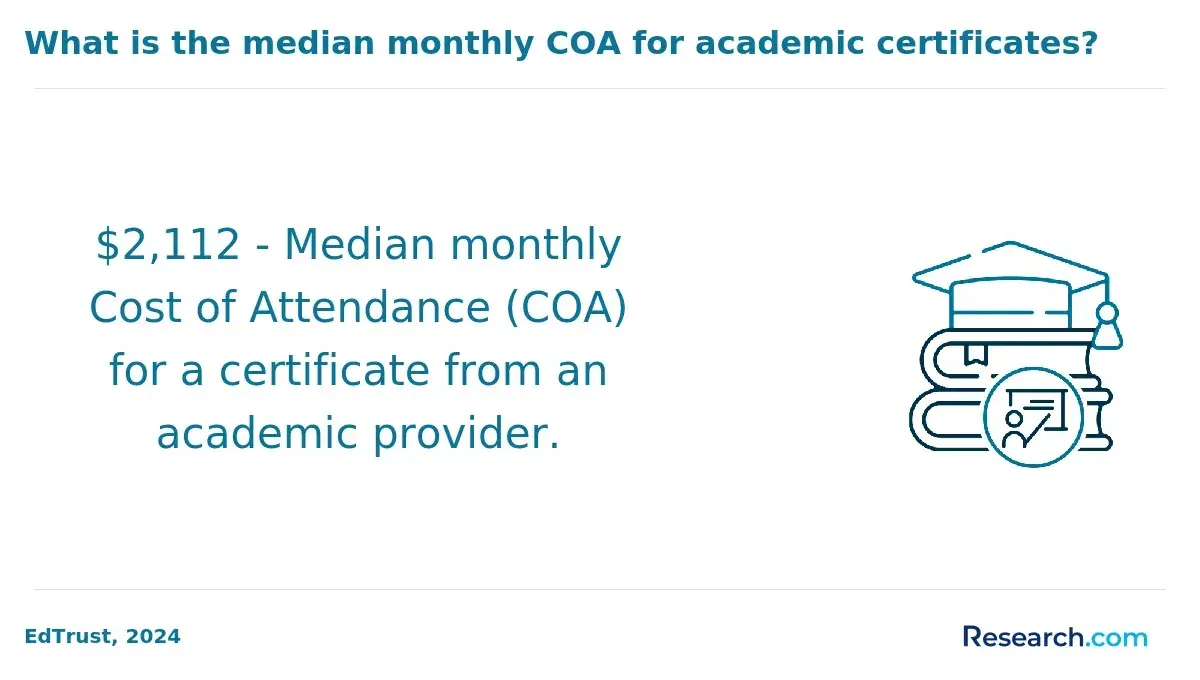
If you need one specific skill for work sooner, compare the degree with jobs that only require a certificate; a certificate may take less coursework but provide less breadth or transfer value. If your target occupation requires a bachelor's degree, choose an associate pathway that applies cleanly toward it rather than assuming a workforce-oriented degree will do so automatically.
What salaries and job outlooks can graduates expect?
Occupational pay is useful for judging a career direction, but it is not a prediction of what a particular associate degree graduate will earn. The U.S. Bureau of Labor Statistics reported a May 2024 median annual wage of $93,600 for registered nurses.
That figure describes employed nurses across experience levels and education backgrounds; completing an associate nursing program alone does not confer a nursing license or that wage.
Use current BLS occupation profiles to compare pay and projected employment growth for the specific job you want, then check its typical entry requirements. A broad major such as business or psychology cannot be assigned one reliable salary or job outlook.
For roles that normally call for more education, compare transfer plans and the additional cost of bachelor degrees that pay well without treating advertised occupational wages as guaranteed returns. Local employers, experience, and credentials will also shape opportunities.
Which certifications or licenses may associate degree graduates need?
Requirements vary by occupation and state. Graduates of an eligible associate nursing program must meet state-board rules and pass the required licensing examination to practice as registered nurses.
Some allied-health roles require graduation from an appropriately accredited program, a certification examination, state licensure, or a combination. In IT, certifications may strengthen an application, but whether one is required depends on the job and employer.
Before enrolling in a regulated field, check the relevant state licensing board's current requirements and ask the program how its curriculum and clinical placements align with them - especially if you will study across state lines.
For criminal justice, an agency may require an academy, background screening, or other hiring steps. A psychology associate degree does not qualify someone for independent counseling practice.
Other Things You Should Know About
Often, yes, but the receiving college decides which credits transfer and which fulfill degree requirements. Send every official transcript and request an individual audit before committing.
An advisor can map requirements and recommend a sequence, but you should verify course availability, transfer goals, costs, and any licensing rules. Request the plan in writing so you can review changes.
Possibly. Some colleges evaluate professional training, military education, examinations, or other prior learning for credit. Awards and limits vary; work experience does not automatically become college credit.
Not necessarily. A shorter plan can be a poor fit if it leaves out a required prerequisite, weakens transfer options, or fails to meet a licensing requirement. Compare evaluated remaining credits and the outcome you need.
References
- Transfer Students | New York State Education Department https://www.nysed.gov/standards-instruction/transfer-students
- Cost of Attendance (Budget) | 2026-2027 Federal Student Aid Handbook https://fsapartners.ed.gov/knowledge-center/fsa-handbook/2026-2027/vol3/ch2-cost-attendance-budget
- Health Sciences Students' Perspective on the Functions of... - PMC https://pmc.ncbi.nlm.nih.gov/articles/PMC10161333/
- Undergraduate Retention and Graduation Rates - COE https://nces.ed.gov/programs/coe/indicator/ctr/undergrad-retention-graduation
- Academic Advising - Definition - Academics - University of Maine at Machias https://machias.edu/academics/faculty-handbook/section-iv-academic-pol/academic-adv-def/
- School of Nursing: Standard On Academic Advising - UNC Policies https://policies.unc.edu/TDClient/2833/Portal/KB/Article/132401/School-of-Nursing-Standard-On-Academic-Advising
- How Do Transfer Credits Work? A Guide for Adult Learners | Whitworth Online https://online.whitworth.edu/news-articles/how-do-transfer-credits-work-when-you-go-back-to-school/
- Types of Advisors | Office of Undergraduate Education https://ugeducation.osu.edu/advising/students/types-advisors
- Academic Advising Expectations | UC Blue Ash College https://www.ucblueash.edu/academics/advising/expectations.html
- Transfer Students & Transfer Credit | dunwoody.edu https://catalog.dunwoody.edu/catalog-student-handbook/admissions/transfer-students-transfer-credit/


