2027 Accredited Online Health Services Degree Programs That Accept the Most Transfer Credits

Co-Founder and Chief Data Scientist
Choosing an online health services degree is often less about starting over and more about preserving credits you already paid for. That matters because the College Board reported average published tuition and fees of $11,610 for in-state public four-year colleges in 2024-25, before books and living costs.
This guide is for transfer students, associate degree holders, working healthcare staff, military learners, and adults returning to college. You will learn which accredited online programs advertise high transfer limits, how credits are evaluated, and how to estimate whether a program will actually save time and money.
Key Things You Should Know
- The most transfer-friendly online health services bachelor's options commonly allow 90 to 114 transfer credits, but the number that matters is how many credits apply to your degree plan, not the advertised maximum.
- A 120-credit bachelor's degree with 90 accepted credits can leave about 30 credits, but residency rules, major requirements, grades, course age, and accreditation can increase the actual credits remaining.
- The BLS reported a $117,960 median annual wage for medical and health services managers in May 2024, making transfer efficiency especially important for students seeking healthcare administration, health services management, or health operations roles.
Which Accredited Online Health Services Degree Programs Accept the Most Transfer Credits?
The online health services programs that accept the most transfer credits are usually bachelor's degree-completion programs in health services administration, healthcare management, health sciences, or health and human services. Most are institutionally accredited and designed for students who already have an associate degree, healthcare coursework, professional training, or prior college credit.
The table below compares transfer-friendly online options by their commonly published maximum transfer limits. These limits are useful for screening programs, but you should treat them as a starting point because schools decide transferability after reviewing official transcripts, course descriptions, grades, and degree requirements.
| School | Example online health services-related program | Institutional accreditation | Commonly published maximum transfer allowance | Best fit |
| Charter Oak State College | Health Care Administration concentration or related bachelor's completion pathway | NECHE | Up to about 114 credits, subject to residency and program rules | Students with extensive prior college credit who need a highly flexible completion model |
| Excelsior University | BS in Health Sciences or related health sciences pathway | MSCHE | Up to about 113 credits, depending on degree requirements | Adult learners with many credits from multiple institutions |
| Franklin University | BS in Healthcare Management | HLC | Up to 94 transfer credits toward many bachelor's programs | Working adults with an associate degree and applied healthcare coursework |
| University of Maryland Global Campus | BS in Health Services Management | MSCHE | Up to 90 credits | Community college transfers, military learners, and healthcare staff seeking management roles |
| Southern New Hampshire University | BS in Health Sciences or BS in Healthcare Administration | NECHE | Up to 90 credits | Students who want a broad online healthcare administration or health sciences path |
| Capella University | BS in Health Care Administration | HLC | Up to 135 quarter credits, roughly comparable to 90 semester credits | Students interested in competency-based or flexible online pacing |
| University of Arizona Global Campus | BA in Health Care Administration | WSCUC | Up to 90 credits | Adult learners seeking a healthcare administration-focused bachelor's degree |
| Western Governors University | BS in Health and Human Services or related health programs | NWCCU | Transfer acceptance varies by competency and program requirement | Students comfortable with competency-based education and documented prior learning |
| Purdue Global | BS in Health Care Administration | HLC | Typically up to 75% of undergraduate degree requirements, subject to evaluation | Students who want a structured online healthcare administration curriculum |
| Arizona State University Online | BS in Health Care Administration and Policy | HLC | Transfer limits vary by source, level, and residency requirements | Students prioritizing a large public university brand and structured degree requirements |
The programs with the highest advertised limits are not automatically the best choice. A school that accepts 90 credits directly into general education, major, and elective requirements can be more valuable than a school that accepts 110 credits but leaves you with additional prerequisites or upper-division major courses.
Before applying, ask each school for a degree-specific transfer evaluation rather than a general credit estimate. The best online health services degree for a transfer student is the one that converts the most prior learning into required credits while still offering strong accreditation, relevant healthcare coursework, and career support.
How Do Online Health Services Degree Programs Evaluate Transfer Credits?
Online health services programs evaluate transfer credits by comparing your previous coursework with the receiving school's curriculum. Evaluators look at whether each course came from an accredited institution, whether you earned the required grade, whether the course content matches a requirement, and whether the credit fits within residency and upper-division rules.
The evaluation process usually has several layers. Understanding these steps helps you avoid the common mistake of assuming that "accepted credit" always means "useful credit."
- Submit official transcripts from every college, university, military education record, or approved testing agency you attended.
- Request a program-specific degree audit that shows whether each course applies to general education, major requirements, concentration courses, prerequisites, or electives.
- Provide syllabi or course descriptions for older, specialized, or healthcare-specific classes if the school cannot match them automatically.
- Confirm grade rules, because many programs require at least a C for undergraduate transfer credit and may require higher grades for major courses.
- Review residency requirements, which determine the minimum number of credits you must complete through the new institution.
Health services programs are especially careful with courses tied to statistics, anatomy, healthcare ethics, finance, healthcare law, reimbursement, health informatics, or management. A course may transfer as elective credit but still fail to satisfy a major requirement if it does not match the program's learning outcomes.
Accreditation also matters. Regionally or institutionally accredited colleges are usually the easiest source of transferable credit. Credits from nationally accredited, unaccredited, international, or clock-hour programs may require additional review and may not transfer in the way students expect.
How Can Transfer Credits Shorten an Online Health Services Degree?
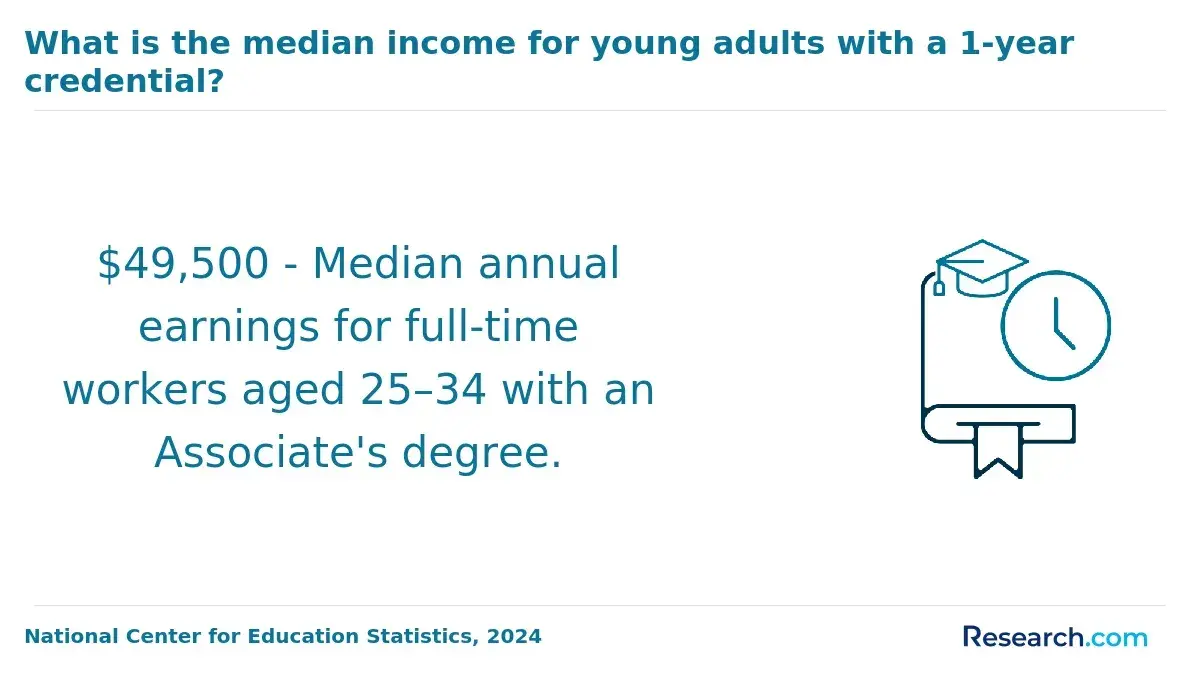
Transfer credits shorten an online health services degree by reducing the number of courses you still need to complete. In a typical 120-credit bachelor's degree, an associate degree or substantial prior college work can cut the remaining curriculum from four years to about one to two years, depending on course load, term length, and whether transferred credits satisfy major requirements.
The table below shows how different transfer-credit scenarios can affect remaining credits. It is an estimate, not a promise, because schools may require additional upper-division courses, prerequisites, or residency credits.
| Credits accepted toward the degree | Estimated credits remaining in a 120-credit bachelor's degree | Possible completion pattern | Key caution |
| 30 credits | 90 credits | About three years at a full-time pace | Often helpful, but not usually a true degree-completion path |
| 60 credits | 60 credits | About two years at a full-time pace | Works best when an associate degree satisfies most general education requirements |
| 75 credits | 45 credits | About 15 courses in many semester-based programs | Some credits may count only as electives |
| 90 credits | 30 credits | About one year full time or longer part time | Residency and upper-division major rules become the main constraint |
| 100 or more credits | Usually at least 18 to 30 credits remain | Fastest when the school has a low residency requirement | High credit volume does not eliminate capstone, major, or institutional requirements |
Self-paced and competency-based formats can shorten the calendar time further for disciplined students, especially when they already understand healthcare operations or administrative concepts. If pace is a major priority, comparing self paced colleges can help you understand how flexible academic calendars differ from traditional online terms.
The fastest route is usually a degree-completion program that accepts an associate degree block transfer, applies credits to general education, and leaves mostly upper-division health services courses. However, speed should not override fit. Students who need prerequisites for graduate school, licensure, or specialized healthcare credentials may be better served by a slightly longer program with stronger course alignment.
How Much Can Transfer Credits Reduce the Cost of an Online Health Services Degree?
Transfer credits can reduce the cost of an online health services degree by lowering the number of credits you must pay for at the new school. The savings depend on per-credit tuition, fees, books, technology charges, and whether the school charges flat-rate, subscription, or term-based tuition.
For a simple estimate, multiply accepted degree-applicable credits by the receiving school's per-credit tuition. The table below illustrates how tuition exposure changes when a student transfers credits into a 120-credit bachelor's degree; actual costs vary by institution and aid package.
| Example tuition rate | Credits remaining after transfer | Estimated tuition before fees | What the estimate tells you |
| $300 per credit | 60 credits | $18,000 | A moderate-cost online program can still be a major investment if only half the degree transfers |
| $300 per credit | 30 credits | $9,000 | A high transfer award can make a bachelor's completion pathway significantly more affordable |
| $500 per credit | 60 credits | $30,000 | A higher tuition program may need stronger career value or better credit acceptance to justify the price |
| $500 per credit | 30 credits | $15,000 | A more expensive school can still be competitive if it accepts many credits into requirements |
Cost comparisons should include opportunity cost. If transferring more credits allows you to finish sooner, you may enter or advance in healthcare administration, compliance, patient services, or operations roles earlier. The BLS May 2024 median wage of $117,960 for medical and health services managers is not an entry-level guarantee, but it shows why completion speed can matter for experienced healthcare workers moving toward management.
Students should also compare financial aid limits and borrowing. Federal aid may not cover repeated courses if the school requires you to retake classes that did not transfer. Graduate-bound nurses weighing long-term cost may also want to compare cheapest MSN to DNP programs after finishing a bachelor's or master's pathway, because transfer efficiency at one level can affect total educational debt across multiple credentials.
The biggest red flag is choosing the lowest posted tuition without knowing how many credits remain. A $450-per-credit school that leaves 30 credits may cost less than a $300-per-credit school that leaves 60 credits.
Can Military, Professional, or Prior Learning Credits Transfer to an Online Health Services Degree?
Yes, many accredited online health services degree programs consider military training, professional certifications, standardized exams, employer training, and prior learning assessment. These credits are usually evaluated separately from traditional college coursework and may be limited to electives unless they match specific program outcomes.
Students with nontraditional learning should ask whether the school uses recognized credit recommendations, such as ACE or NCCRS evaluations, and whether it awards credit for healthcare credentials. The most useful categories often include the following:
- Military education documented through Joint Services Transcript or Community College of the Air Force records.
- Standardized exams such as CLEP, DSST, AP, or IB when they match general education or elective requirements.
- Healthcare certifications or professional training in areas such as medical coding, emergency medical services, health information, allied health, leadership, or compliance.
- Portfolio-based prior learning assessment that documents college-level learning from work experience, training, or independent study.
The main limitation is applicability. A school may award credit for military medical training or a healthcare credential, but those credits may not replace upper-division courses in healthcare finance, policy, law, quality improvement, or management.
Military and professional-credit policies can be especially important for students planning a longer healthcare education ladder. For example, a nurse moving from a bachelor's completion program toward advanced practice may later compare DNP programs, where graduate transfer rules, clinical requirements, and accreditation standards are much stricter than undergraduate transfer policies.
Which Types of Previous College Credits Transfer Best to Online Health Services Degrees?
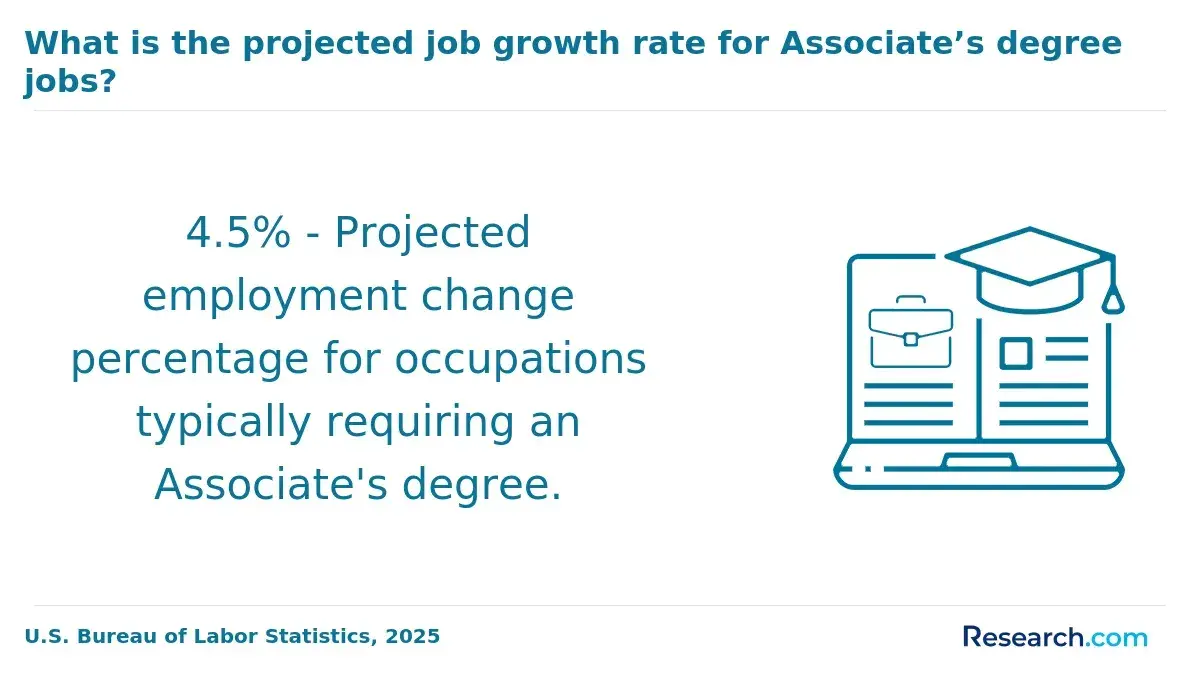
The credits that transfer best into online health services degrees are lower-division general education courses, completed associate degree blocks, and healthcare-related courses from accredited colleges. Credits are more likely to apply when they align clearly with the receiving program's curriculum.
The table below shows which previous credits tend to be most useful and where students should be cautious. This can help you organize transcripts before requesting a degree audit.
| Previous credit type | Transfer strength | Where it usually applies | Common problem |
| English composition, college algebra, statistics, psychology, sociology, and humanities | High | General education requirements | Developmental or remedial courses usually do not transfer |
| Associate of Arts or Associate of Science degree | High when covered by an articulation agreement | General education block or lower-division electives | May not include healthcare prerequisites |
| Associate of Applied Science in allied health, health information, medical assisting, or similar field | Moderate to high | Electives, technical credits, or health-related requirements | Applied credits may not satisfy upper-division management courses |
| Healthcare administration, medical terminology, coding, health law, or health information courses | Moderate to high | Major, concentration, or elective requirements | Course age and content mismatch can limit applicability |
| Business, accounting, management, communication, and technology courses | Moderate | Support courses for healthcare management degrees | May transfer as electives if not equivalent to required courses |
| Science courses with labs | Variable | Prerequisites or electives, depending on degree type | Older science credits may expire for some healthcare pathways |
Students with a health information background often have a strong transfer position because their coursework may connect directly to health data, coding, privacy, reimbursement, and healthcare systems. If that pathway fits your goals, comparing a health information management associate degree online can also help you understand how lower-division HIM coursework may support later bachelor's completion.
The credits that transfer worst are usually remedial courses, duplicate courses, continuing education units, noncredit workforce training, and courses from unaccredited providers. Credits from accredited colleges can still lose value if they are too old, too specialized, below the required grade, or unrelated to the degree plan.
How Do Transfer Agreements Affect Online Health Services Degree Completion?
Transfer agreements can make online health services degree completion faster and more predictable. These agreements, often called articulation agreements, map courses from a community college or partner institution into a bachelor's program so students know which credits will apply before they transfer.
The strongest agreements do more than accept credits. They show whether an associate degree satisfies general education, whether specific health courses meet major requirements, and which bachelor's-level courses remain.
Students should look for several features when reviewing transfer agreements:
- A degree map that lists community college courses and the exact bachelor's requirements they satisfy.
- A general education block-transfer policy for completed associate degrees.
- Clear upper-division requirements so students do not overtake lower-level electives that will not help later.
- Guaranteed admission or preferred admission language, if available, while remembering that admission does not always guarantee major-course transfer.
- Current effective dates, because articulation agreements can expire or change when curricula are updated.
Transfer agreements are especially useful for students who have not yet finished an associate degree. If your target bachelor's program publishes a pathway, you can choose remaining community college courses that satisfy both the associate degree and the future health services bachelor's degree.
A common mistake is assuming that an associate degree automatically completes the first two years of every bachelor's program. In reality, an Associate of Applied Science may transfer differently from an Associate of Arts or Associate of Science, and healthcare administration programs may still require specific courses in statistics, accounting, ethics, or healthcare systems.
What Transfer Policies Should Students Compare Before Choosing an Online Health Services Degree?
Students should compare transfer policies that affect the number of credits accepted, the number of credits applied to the degree, and the number of credits they must still complete at the new school. These are related but not the same.
Use the following questions to compare programs before applying. They help reveal whether a high transfer-credit limit will meaningfully reduce your remaining time and cost.
- What is the maximum number of transfer credits allowed for this specific bachelor's program?
- How many credits must be completed through the institution because of residency requirements?
- Do transferred credits satisfy general education, major requirements, concentration requirements, or only electives?
- Are there different limits for community college credits, four-year college credits, military credits, exams, and prior learning assessment?
- What minimum grade is required for transfer, and are higher grades required for major or prerequisite courses?
- Do science, technology, health information, or healthcare law courses expire after a certain number of years?
- Will the school provide an official degree audit before you enroll or only after admission?
- Are there extra fees for transcript evaluation, prior learning assessment, portfolio review, technology, graduation, or online course access?
- Does the program have programmatic accreditation, employer partnerships, internship options, or career services relevant to your goal?
- If you plan graduate school, will the transferred coursework satisfy prerequisite expectations for that next step?
The most important policy is degree applicability. A program that accepts 80 credits into the right categories is usually better than one that accepts 100 credits but leaves you short on required healthcare administration, management, finance, or capstone coursework.
Also ask whether the evaluation is official. An admissions conversation may provide a helpful estimate, but only an official evaluation or degree audit shows how credits count toward graduation.
Which Students Benefit Most From Transfer-Friendly Online Health Services Degree Programs?
Transfer-friendly online health services degree programs are best for students who already have meaningful college credit and a clear healthcare career direction. They are especially valuable for adults who need a bachelor's degree to qualify for promotion, move into administration, or prepare for graduate study.
The strongest candidates usually fall into one of these groups:
- Associate degree holders in allied health, health information, nursing support, business, public health, or general studies who want a bachelor's completion path.
- Working healthcare employees in patient access, billing, coding, clinic operations, insurance, compliance, care coordination, or administrative support.
- Military learners with documented medical, logistics, leadership, or administrative training.
- Students who accumulated credits at multiple colleges and need a school that can consolidate them into one degree plan.
- Career changers who want healthcare administration roles but already completed general education or business coursework.
Students should avoid choosing a program mainly because it advertises a high transfer limit if they need a licensed clinical credential. A general health services or healthcare administration bachelor's degree does not usually qualify students for nursing, physician assistant, physical therapy, radiology, or other regulated clinical practice by itself.
The labor market context is favorable for experienced healthcare operations professionals. The BLS projects much faster-than-average growth for medical and health services managers from 2024 to 2034, reflecting continued demand for people who can manage healthcare delivery, compliance, staffing, technology, and finance. Students interested in advanced clinical mental health roles may eventually compare a fastest PMHNP program, but that path requires nursing credentials and clinical preparation beyond a general health services bachelor's degree.
How Should Students Choose an Online Health Services Degree Based on Transfer Efficiency?
Students should choose an online health services degree based on transfer efficiency, not transfer-credit volume alone. Transfer efficiency means the program accepts your credits, applies them to the right requirements, keeps remaining tuition manageable, and supports your career or graduate-school goal.
A practical decision process can prevent expensive surprises. Follow these steps before committing to a program:
- List your goal first, such as healthcare administration, health information management, patient services leadership, public health support, graduate school, or internal promotion.
- Collect official transcripts from every prior institution and unofficial copies for early advising conversations.
- Shortlist only institutionally accredited online programs with health services, healthcare administration, health sciences, or healthcare management curricula aligned to your goal.
- Request a written degree audit showing credits accepted, credits applied to requirements, credits remaining, and expected graduation requirements.
- Calculate total remaining tuition by multiplying credits left by per-credit cost, then add mandatory fees and estimated books.
- Compare the remaining curriculum, not just the transfer total, to ensure you will study useful areas such as healthcare finance, law, quality improvement, data, ethics, leadership, and operations.
- Ask whether the program's pacing, term structure, and course availability fit your work schedule.
- Check whether the degree supports your next step, especially if you may later pursue graduate study, certification, or a regulated healthcare profession.
Transfer efficiency also means knowing when a stricter program may be worth it. A school with fewer accepted credits may be a better investment if it has stronger employer recognition, better advising, required internship options, stronger health information or administration coursework, or clearer graduate-school preparation.
Students who plan to continue into advanced nursing or doctoral pathways should be especially careful. Undergraduate transfer generosity does not mean graduate programs will waive clinical, practicum, or doctoral project requirements; for example, students comparing DNP programs should expect a separate review of graduate coursework and professional credentials.
The best final choice is the program that produces the shortest credible path to a useful credential, not simply the largest transfer-credit number. Before enrolling, make sure you can answer three questions in writing: how many credits remain, what they will cost, and how the completed degree supports your next career move.
Other Things You Should Know About Health Services
Usually, employers focus on the completed degree, accredited institution, relevant skills, experience, and fit for the role. Your transcript may show transfer credits, but a large transfer total is not typically a problem if the final degree comes from an accredited school.
They overlap but are not always identical. Health services degrees may be broader, while healthcare administration degrees often emphasize management, finance, policy, operations, and leadership in healthcare settings. Review the course list, not just the title.
Usually not by itself. Most clinical licenses require specific accredited clinical programs, supervised practice, exams, and state approval. A health services degree is more commonly used for administrative, operational, policy, or support roles.
Yes, if application costs are manageable. Different schools may evaluate the same transcript differently, so comparing official degree audits can reveal which program leaves the fewest required credits and the best total cost.
References
- How College Credit Transfer Really Works: A Practical Guide https://www.straighterline.com/blog/transfer-how-college-credit-transfer-really-works-a-practical-guide
- Transfer Partnership Agreements | Waubonsee Community College https://www.waubonsee.edu/programs-courses/transfer-programs/transferring-credit-waubonsee/transfer-partnership-agreements
- Transfer Agreements https://www.hcfl.edu/transfer-agreements
- Transfer Access for All? Depends on Where You Start https://www.nists.org/post/transfer-access-for-all-depends-on-where-you-start
- Transfer Opportunities https://www.ccp.edu/student-services/academic-support-services/transfer-opportunities
- Health and Human Services: Campus & Online Degrees and Careers https://www.publichealthonline.org/human-services/online-degree-programs/
- Choosing an Online School as a Transfer Student | OEDb.org https://www.oedb.org/advice/choosing-an-online-school-for-transfer-students/
- Transfer Options https://www.nscc.edu/current-students/transfer-options.php
- Top Online Schools That Accept Transfer Credits https://www.edvisorly.com/student-guides/online-schools-that-accept-transfer-credits
- Best Online Universities With Generous Transfer Credit Policies https://www.collegetransitions.com/blog/best-online-universities-with-generous-transfer-credit-policies/