2027 Accounting Internship Requirements: Hours, Placements, and Supervision

Co-Founder and Chief Data Scientist
Accounting internships can affect when you graduate, how you qualify for academic credit, and how competitive you look for entry-level accounting roles. Many students do not realize until late in the program that an internship may require approval, a minimum GPA, completed coursework, documented hours, employer evaluations, and supervision from both the school and the workplace.
Nearly 65% of accounting graduates cite internship experience as crucial for securing entry-level positions. That does not mean every accounting degree requires one, but it does mean students should understand how internships work before choosing courses, applying to firms, or planning work schedules around school.
This guide explains when accounting internships are required, how placements are arranged, how many hours students typically complete, what supervision looks like, and what challenges to expect. It is designed for accounting students comparing degree programs, preparing for internship approval, or trying to decide whether an optional internship is worth the time commitment.
Key Things to Know About Accounting Internship Requirements
- Accounting internships typically require 120 to 160 hours, influencing students' semester course loads and demanding careful scheduling to balance academic and professional commitments.
- Placement depends on firm availability and program partnerships, with competitive markets in metropolitan areas often limiting site options for students.
- Supervisors must meet credential standards and provide structured evaluations, ensuring meaningful feedback that aligns with internship learning objectives and professional development.
Do All Accounting Degrees Require an Internship?
No. Not all accounting degrees require an internship, but many programs strongly encourage one because employers often value applied experience. According to a 2022 survey by the National Association of Colleges and Employers (NACE), about 60% of accounting students participated in internships before graduation, showing that internships are common even when they are not mandatory.
The requirement depends on the school, degree level, curriculum design, and whether the program uses internships to satisfy experiential learning outcomes. Students should confirm the requirement early because an internship can affect course sequencing, tuition planning, graduation timing, and eligibility for academic credit.
- Program type: Some bachelor’s degree programs build internships into the required curriculum. Others list them as electives or recommend them for students who want experience in public accounting, corporate accounting, audit, or tax.
- Accreditation expectations: Accreditation bodies such as AACSB and ACBSP encourage practical learning experiences that prepare students for professional roles. These organizations often recommend internships rather than requiring every program to mandate them, so individual schools set their own rules.
- Specialization tracks: Tracks in taxation, forensic accounting, auditing, or other applied areas may place greater emphasis on internships because students need exposure to real documents, deadlines, controls, and client or organizational expectations.
- Alternative experiential learning: Some programs allow case studies, simulations, cooperative education placements, service learning, or applied projects instead of a traditional internship. These alternatives can be useful for online students, working adults, or students who cannot relocate for a placement.
- Institutional policies: Requirements vary widely by school. Students comparing affordability and flexibility should review internship rules alongside tuition, transfer credit, and financial aid options, including programs at accredited online colleges that accept FAFSA or a cheap accounting degree option that still provides meaningful career preparation.
The safest approach is to check the official degree audit, catalog, and accounting department handbook. If the internship is optional, ask whether it can count toward accounting electives, business electives, or general credits before committing to a placement.
What Requirements Must Be Met Before Starting a Accounting Internship?
Before starting an accounting internship, students usually need academic approval and evidence that they are ready to work with financial information in a professional setting. Studies indicate that over 60% of employers prefer interns who have completed foundational coursework, which helps ensure students understand basic accounting terminology, procedures, and ethical expectations before they begin.
Requirements differ by school and employer, but the most common prerequisites include academic standing, course completion, application review, and sometimes screening requirements tied to confidentiality or client access.
- Minimum GPA: Many programs require a minimum grade point average, usually around 3.0 on a 4.0 scale. A GPA threshold helps departments confirm that students are prepared for detail-heavy work and can manage deadlines responsibly.
- Completed coursework: Students are often expected to complete courses such as Introduction to Accounting and Financial Accounting. More selective internships may require intermediate accounting coursework because students may assist with reconciliations, reporting, audit support, tax preparation, or account analysis.
- Application approval: Most credit-bearing internships require a formal application reviewed by a faculty member, department chair, or internship coordinator. Approval confirms that the placement fits the degree plan and that the student understands academic reporting requirements.
- Background checks: Because accounting interns may handle confidential financial, payroll, tax, or client information, some employers require background or security checks. These checks may be especially common in government, financial services, and firms serving regulated clients.
Students should also ask whether they need a resume review, professional liability forms, learning contract, internship agreement, or proof of enrollment before work begins. Starting without approval can create problems later if the student expects the experience to count for credit.
How Many Internship Hours Are Required for Accounting Degrees?
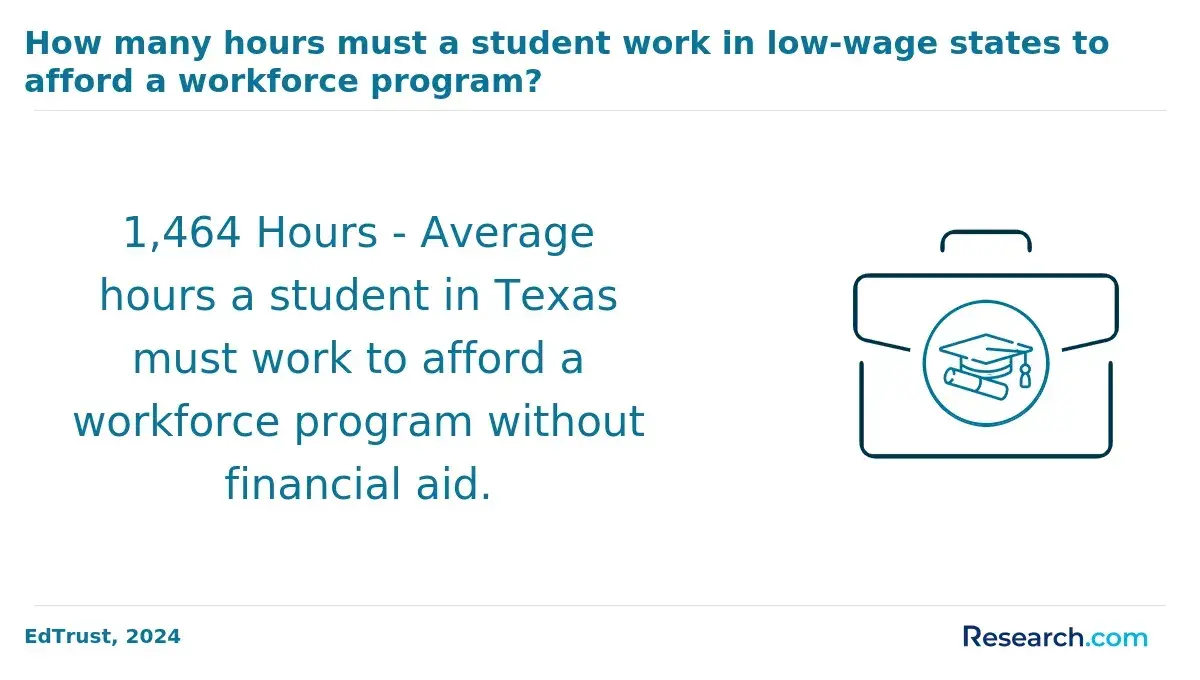
Accounting internship hour requirements commonly fall between 120 and 300 internship hours, which usually correspond to about 3 to 6 credit hours depending on the institution. The exact number depends on the school’s credit policy, degree level, and whether the internship is required, elective, or part of a specialization.
Students should pay close attention to how hours are counted. Some programs count only direct work hours, while others also require journals, meetings, final papers, or evaluations outside the worksite schedule.
- Credit hour conversion: Most schools connect internship hours to academic credit. One credit hour may equal approximately 40 to 50 hours of practical work. For example, a 3-credit internship often means around 120 to 150 hours of documented experience.
- Degree level: Bachelor’s degrees generally require more internship hours than associate programs because the curriculum is broader and more career-focused. Some graduate programs may allow students to substitute related professional experience for a traditional internship.
- Accreditation standards: Programs accredited by recognized bodies like AACSB often include experiential learning expectations to ensure students gain practical exposure. However, schools still have flexibility in how they structure and document those experiences.
- Enrollment status: Full-time and part-time students may complete the same total number of hours on different schedules. A full-time student may finish hours in one semester, while a working student may need a longer timeline.
An accounting degree graduate described the hour requirement as demanding but valuable. He said balancing internship duties with coursework required careful time management, especially during busy academic terms.
“It wasn’t just about putting in the hours,” he said, “but making sure the work I did actually helped build skills.” He added that securing a suitable placement took effort, and that adapting to real-world accounting tasks felt challenging at first but ultimately helped prepare him for his career.
Where Do Accounting Students Complete Internships?
Accounting students complete internships in many settings, including companies, public agencies, nonprofits, research institutions, consulting firms, and accounting practices. Nearly 45% of internships are situated in corporate settings, while government and nonprofit sectors make up 30% and 15%, respectively.
The right placement depends on the student’s career goals. A student interested in public accounting may prioritize audit or tax experience, while a student interested in internal finance may prefer a corporate accounting department.
- Corporate organizations: Corporate internships may involve accounts payable, accounts receivable, reconciliations, financial reporting support, tax documentation, audit preparation, budgeting, or internal controls. These roles help students understand how accounting supports business operations.
- Government agencies: Government internships can expose students to budgeting, public finance, compliance, and regulatory procedures. Possible settings include the Internal Revenue Service or state finance offices.
- Nonprofit organizations: Nonprofit internships may involve grant tracking, donor reporting, expense documentation, budget support, and financial accountability. These placements can be useful for students interested in mission-driven organizations or fund accounting.
- Research institutions and consulting firms: These internships may introduce students to forensic accounting, data analysis, advisory work, compliance reviews, or specialized financial research. They can be a strong fit for students who want analytical or investigative experience.
Students expanding their options should compare employer expectations, location, schedule, and whether the experience qualifies for credit. Those managing a compressed academic timeline may also look at accelerated degree programs online while planning when to complete required experiential learning.
How Are Internship Placements Assigned in Accounting Programs?
Accounting internship placements may be assigned by the school, found independently by the student, or developed through employer partnerships. A 2023 survey revealed that over 60% of accounting students secure internships through formal partnerships between their schools and employers.
Placement processes matter because not every accounting-related job automatically qualifies for academic credit. Schools often need to verify that the role includes appropriate duties, supervision, learning objectives, and evaluation procedures.
- Faculty-guided matching: Faculty members and advisors may recommend placements based on a student’s grades, completed coursework, interests, and professional goals. This can be especially helpful for students unsure whether they want tax, audit, corporate accounting, or nonprofit finance experience.
- Student-driven applications: Some programs expect students to identify openings, submit resumes, interview with employers, and bring an offer to the department for approval. This approach gives students more control but requires stronger job-search planning.
- Centralized placement systems: Career centers or internship offices may manage postings, application deadlines, employer paperwork, learning contracts, and compliance requirements. These systems can make the process more organized but may also involve firm deadlines.
- Partnership-based assignments: Schools may maintain recurring relationships with firms, companies, government agencies, or nonprofits. Qualified students may receive direct access to openings, but popular placements can still be competitive.
One accounting student described the process as a mix of anticipation and uncertainty. “It wasn’t just about sending out applications; my advisor helped me identify firms that fit my career interests,” she said.
She found the connection between her school and employers helpful, especially when comparing options. She also noted that competitive placements required patience. “The support system made all the difference, turning what could have been a stressful search into a guided journey.”
Are Virtual or Remote Internships Available?
Yes. Virtual and remote accounting internships are available in some programs, especially when the work can be completed through secure accounting software, cloud-based documents, video meetings, and online collaboration tools. A 2023 survey indicated that almost 60% of internship providers now offer virtual internship options.
Remote internships can be useful for online students, students in rural areas, working adults, and students who cannot commute daily to an office. They can also broaden access to employers outside a student’s immediate location. However, they are not automatically easier. Strong remote internships still need clear assignments, regular supervision, confidentiality protections, and measurable learning outcomes.
Common remote accounting internship tasks may include data entry support, reconciliations, spreadsheet analysis, financial statement preparation assistance, research, audit documentation support, tax document organization, or process improvement projects. Employers typically use video calls, shared work platforms, and cloud-based accounting applications to coordinate work.
Availability depends on the school’s policies and employer network. Some accounting programs still require a portion of in-person experience, particularly when the curriculum emphasizes workplace observation, client interaction, supervised audit procedures, or professional networking.
Are Part-Time Internships Allowed for Working Students?
Part-time internships are often allowed, but students must confirm the rules with their accounting department before accepting a position. Studies indicate that over 70% of college students hold part-time jobs during semesters, making flexible internship structures important for students who cannot complete a traditional full-time placement.
A part-time internship can still satisfy degree requirements if it meets the total hour requirement, includes appropriate accounting tasks, and provides acceptable supervision. The main trade-off is time: completing the same number of hours over fewer weekly shifts may extend the internship across more weeks or more than one term.
- Scheduling flexibility: Some employers allow interns to work around classes, jobs, or family responsibilities. Evening, weekend, or hybrid arrangements may be possible depending on the organization’s workflow.
- Employer accommodations: Employers may adjust project deadlines or weekly expectations for part-time interns. Students should still expect professional standards for accuracy, responsiveness, confidentiality, and punctuality.
- Academic workload balance: Programs may require documentation of weekly hours, supervisor check-ins, journals, or progress reports. These requirements help confirm that the student is learning rather than simply working extra hours.
- Program-specific restrictions: Some programs allow students to complete required hours over an extended period, while others require completion within a single semester. Students should clarify limits before choosing a part-time placement.
Working students should create a weekly schedule before the internship begins. The schedule should include class time, study time, commute time, internship hours, job hours, and deadlines for internship paperwork. Without that planning, even a flexible internship can become difficult to manage.
What Supervision Is Required During a Accounting Internship?
Accounting internships typically require supervision from both the academic program and the workplace. Research shows that 75% of accounting interns feel their learning improves significantly when they receive consistent feedback from workplace mentors.
Good supervision protects the student, the employer, and the school. It ensures that interns are not assigned inappropriate duties, that confidential information is handled properly, and that the work supports accounting-related learning outcomes.
- Faculty oversight: A faculty supervisor or internship coordinator usually defines the academic requirements, approves learning objectives, monitors progress, and confirms that the internship aligns with the degree program.
- Workplace mentors: A workplace supervisor provides day-to-day direction, reviews assignments, answers questions, and models professional conduct. Ideally, this person has accounting knowledge relevant to the intern’s tasks.
- Progress monitoring: Programs may require scheduled check-ins, time logs, progress reports, or midterm evaluations. These tools help identify problems early, such as insufficient accounting work or unclear expectations.
- Performance feedback: Feedback sessions help interns improve accuracy, communication, time management, software skills, and professional judgment. They also give students a clearer understanding of workplace standards.
Students should ask who will supervise them before accepting a placement. A role with little guidance may provide work experience, but it may not meet academic internship standards. Students planning additional education after gaining experience can also compare affordable online masters programs as part of their longer-term career plan.
How Are Accounting Internships Evaluated?
Accounting internships are evaluated through a combination of employer feedback, academic assignments, documented hours, and evidence that the student met learning objectives. Nearly 85% of programs use diverse methods to assess performance and learning outcomes.
The goal is not only to confirm that the student completed the required hours. Evaluation should also show whether the student applied accounting concepts accurately, behaved professionally, followed ethical expectations, and developed skills relevant to entry-level work.
- Supervisor reviews: Workplace supervisors usually evaluate technical skills, reliability, communication, professionalism, accuracy, and ability to apply accounting principles in practical assignments.
- Reflective assignments: Students may submit journals, essays, or final reflections explaining what they learned, what challenges they faced, and how the internship connected to coursework.
- Performance benchmarks: Programs may assess competencies such as financial reporting accuracy, deadline management, spreadsheet use, accounting software familiarity, documentation quality, and attention to detail.
- Faculty assessments: Faculty members review employer evaluations, student reflections, hour logs, and sometimes interviews or presentations to determine whether academic requirements were met.
- Outcome alignment: The final evaluation should connect the internship experience to the program’s learning outcomes and identify areas where the student should continue improving.
Students should request evaluation criteria before the internship begins. Knowing how performance will be graded helps students prioritize the right behaviors, ask better questions, and avoid surprises at the end of the term. Students considering graduate business education later may also compare options such as an online MBA no GMAT program when planning next steps.
What Challenges Do Accounting Students Face During Internships?
Accounting internships can be valuable, but they are also demanding. Nearly half of interns report feeling overwhelmed by their workload, and accounting students may feel pressure because their work involves accuracy, confidentiality, deadlines, and professional responsibility.
The most common challenges are manageable when students plan early, communicate clearly, and ask for help before small problems become major issues.
- Balancing schedules: Students may need to manage internship hours, classes, assignments, exams, paid work, and commuting. A written weekly schedule is essential, especially during tax season, audit deadlines, or midterms.
- Adapting to workplace norms: Interns must learn professional communication, punctuality, documentation standards, dress expectations, meeting etiquette, and how to ask questions appropriately. This adjustment can be difficult for students entering their first professional environment.
- Financial and transportation burdens: Some internships are unpaid or require travel. Students should calculate costs before accepting a placement, including transportation, parking, meals, clothing, and reduced paid-work hours.
- Managing professional responsibility: Interns may handle sensitive financial information or contribute to reports, reconciliations, or client files. The work may be supervised, but students still need to take confidentiality, accuracy, and deadlines seriously.
Students can reduce risk by confirming pay status, expected hours, supervisor availability, remote-work policies, and academic requirements in writing. Those coordinating internships with broader academic planning may also review programs outside accounting, such as an online master's in electrical engineering degree, when comparing long-term education options.
What Graduates Say About Accounting Internship Requirements
- Rhea: "Completing my internship with a focus on supervised assignments truly shaped my understanding of the practical side of accounting. The structured hours and clear expectations helped me balance my time between studies and real-world tasks efficiently. This experience was crucial in building my confidence as I transitioned into a professional role."
- Aimee: "Reflecting on my accounting internship, I appreciate how the diverse placement options allowed me to explore different industries. Logging the required hours was challenging but rewarding, giving me a sense of accomplishment and deeper industry insight. These internships were not just a requirement-they defined the foundation of my approach to problem-solving in the workplace."
- Leslie: "In my accounting degree internship, the emphasis on supervised work ensured I developed attention to detail and ethical standards early on. Having a mentor involved in my placement made a significant difference in understanding professional expectations. The impact of this hands-on experience is clear in my daily work as a licensed accountant."
Other Things You Should Know About Accounting Degrees
Yes, some accounting internship programs consider prior relevant work experience when structuring the internship. Students with previous exposure to accounting tasks may be offered more advanced responsibilities or a reduced number of required hours. However, this varies by institution and employer, so candidates should verify policies with their program coordinators.
While internships are typically available across a range of industries, many accounting programs encourage placements in public accounting firms, corporate finance departments, or government agencies. These sectors provide experience in audit, tax, or financial reporting work, which are crucial to developing core competencies in accounting. Students may also find opportunities in nonprofits or consulting firms depending on their interests.
Students are usually required to maintain detailed timesheets and log work activities to verify internship hours. Additionally, programs often mandate submission of supervisor evaluations and reflective reports summarizing learning experiences. These documents help assess student progress and ensure compliance with academic standards.
References
- Guide to Accounting Internships | Higherin https://higherin.com/career-guides/accounting/accounting-internships
- Remote Accounting Internships | The Intern Group https://theinterngroup.com/featured-roles/remote-accounting-internships/
- Are Internships Required for Bachelor's in Accounting Programs? - Top Accounting Degrees https://www.topaccountingdegrees.org/faq/are-internships-required-for-bachelors-in-accounting-programs/
- How to Get an Accounting Internship (Even if You Don't Have Experience) https://www.theforage.com/blog/careers/accounting-internship
- Inside the world of accounting internships: What to expect : ThisWayToCPA : AICPA https://www.thiswaytocpa.com/work-experience/articles/internships/inside-world-accounting-internships-what-expect/
- Remote Accounting Internships hosted out of the USA | Intern Online https://www.internhq.com/remote-internships/accounting/usa/
- All You Need to Know About Accounting Internships – Blue Lotus College https://www.bluelotus.edu.au/all-you-need-to-know-about-accounting-internship
- Accountancy Placements/Internships | Gradcracker - Careers for STEM Students https://www.gradcracker.com/search/maths-business/accountancy-work-placements-internships
- Accounting internships | HBO & WO | Discover 2,383 internships | May 2026 https://magnet.me/en/internships/accounting