
2027 Accelerated vs. Traditional Interdisciplinary Studies Degrees: Pros & Cons

Co-Founder and Chief Data Scientist
Choosing between accelerated and traditional interdisciplinary studies degrees presents distinct advantages and challenges. Accelerated programs attract working adults and career changers eager to finish quickly, offering a condensed, intensive learning path. Traditional degrees, however, allow for a slower, more flexible pace, providing deeper academic engagement and exploration. Notably, enrollment in accelerated interdisciplinary studies formats in the U.S. has increased by over 25% in recent years, reflecting their growing appeal.
This article will compare time commitments, learning experiences, and career outcomes linked to both paths. It will also explore critical factors students should weigh, helping prospective learners decide which format best fits their goals and lifestyles in interdisciplinary studies.
Key Points About Accelerated vs. Traditional Interdisciplinary Studies Degrees
- Accelerated interdisciplinary studies degrees offer flexibility for working adults, enabling faster career advancement and lower overall tuition costs by reducing time spent in school.
- Traditional programs foster deeper academic engagement, allowing students to explore subjects thoroughly and develop critical thinking at a balanced pace.
- Longer timelines in traditional degrees support stronger peer connections and collaborative skills essential for interdisciplinary work, benefiting learners seeking social and professional networks.
What Are the Differences Between Accelerated vs. Traditional Interdisciplinary Studies Programs?
The program structure differs notably between accelerated and traditional interdisciplinary studies degree formats, primarily in pacing, scheduling, and the intensity of learning experiences. These variations significantly influence how students manage their academic workload and engagement. Below is a detailed comparison of these differences between accelerated and traditional interdisciplinary studies degrees.
Key distinctions in program structure include:
- Course Intensity: Accelerated programs condense courses into shorter sessions, typically 5-10 weeks, requiring students to absorb material rapidly and maintain sustained focus. Traditional formats follow a standard 15-16 week semester, allowing extended time for reflection and deeper understanding.
- Learning Pace and Flexibility: Accelerated interdisciplinary studies program structure vs traditional often features online asynchronous classes, giving students flexible access to coursework around work or family commitments. Traditional programs usually have fixed, synchronous schedules with regular in-person or live online class meetings.
- Peer and Faculty Interaction: Traditional programs provide more opportunities for networking, group collaboration, and mentorship through frequent, longer in-class meetings. Accelerated formats tend to reduce these interactions, especially if courses are fully online and asynchronous, which can impact the communal learning experience.
- Self-Motivation and Time Management: The faster pace of accelerated degrees demands a high level of self-discipline and effective time management to stay on track. In contrast, traditional programs allow more gradual adjustments and access to ongoing academic support.
- Program Pathway: Accelerated options often cater to students transferring credits or pursuing combined bachelor's/master's degrees, offering more flexible degree completion paths. Traditional programs usually follow a linear sequence of courses and milestones.
As outlined by BestColleges, these differences mean that nearly all accelerated interdisciplinary programs mirror the curriculum of traditional pathways but compress the experience, creating unique challenges and benefits for students. For those interested in exploring options that prioritize speed and flexibility, the degree fast track approach may be worth considering.
How Fast Can You Finish an Accelerated vs. Traditional Interdisciplinary Studies Program?
Program length varies significantly between accelerated and traditional interdisciplinary studies degrees, with accelerated formats condensing coursework into shorter terms while traditional paths follow a standard academic pace. Accelerated programs typically use compressed courses lasting 5 to 10 weeks, whereas traditional classes run 15 to 16 weeks per term.
This difference impacts how fast students can finish their degrees. Below is a comparison of the completion timeline for both formats, highlighting key factors affecting duration.
- Transfer Credits: Accelerated programs may accept up to 90 transfer credits, dramatically reducing the time needed for graduation compared to traditional programs, which usually have lower transfer limits.
- Full-Time vs. Part-Time Enrollment: Full-time enrollment accelerates progress, especially in accelerated interdisciplinary studies degree completion time, while part-time students, more common in traditional programs, often take longer.
- Course Intensity: Accelerated tracks require more coursework per week, demanding greater commitment and strong time management skills compared to traditional interdisciplinary studies program duration.
- Flexible Scheduling: Options like online or evening classes allow students, particularly working professionals, to tailor their timelines in both accelerated and traditional settings.
- Admission Requirements: Some accelerated programs require prior credits or higher GPAs, affecting eligibility and pacing.
Students interested in what is the fastest and easiest bachelor's degree to get should carefully consider their readiness for intensive study, as accelerated programs come with increased academic pressure despite the advantages of earlier graduation.
What Are the Admission Requirements for Accelerated vs. Traditional Interdisciplinary Studies Programs?
Admission requirements for accelerated and traditional interdisciplinary studies programs often share foundational standards such as minimum GPA, test scores, and prerequisite coursework. However, they may differ significantly in how they evaluate a student's academic readiness and professional experience. These distinctions affect who is best suited for each program type and the admissions process itself.
Key differences in admissions expectations include:
- Academic Progress and Timing: Accelerated interdisciplinary studies admission requirements commonly expect applicants to be current undergraduates, typically in their junior year, ready to begin graduate-level courses while finishing their bachelor's degree. Traditional programs tend to welcome a broader range of students, including freshmen, transfer students, and adult learners at various stages.
- Minimum GPA and Transfer Credits: Both program types generally require a minimum cumulative GPA of 2.0 or higher. However, accelerated tracks often enforce higher GPA standards or evidence of strong academic achievement due to the rigors of graduate coursework. Additionally, some traditional programs require at least 54 transferable semester units for admission.
- Application Materials and Evaluation: The streamlined admission process in accelerated programs may waive application fees and allow graduate credits to satisfy undergraduate requirements, reflecting a focus on academic readiness. Traditional programs usually demand standard documents such as transcripts and recommendations and evaluate experience more flexibly.
- Assessment of Readiness: Accelerated programs emphasize evidence of academic maturity, often involving faculty approval or interviews to gauge preparedness for intense study. Traditional programs typically accommodate students progressing at a conventional pace, including those completing general education courses.
Prospective students weighing their options might also consider career outcomes; those interested in pursuing some of the highest paid master's degrees often explore accelerated pathways. Understanding both traditional interdisciplinary studies admission requirements and accelerated program expectations helps applicants choose the best fit for their background and goals.
Accelerated interdisciplinary studies courses compress the same curriculum into a significantly shorter period, allowing students to complete degrees faster than traditional programs. These courses differ mainly in pace, workload, and delivery style, offering a more intensive learning experience within a condensed timeframe.
Key structural differences between accelerated and traditional courses include:
- Course Length: Accelerated programs typically run classes in 5-8 week sessions instead of a standard 15-week semester, helping motivated learners graduate in as little as 12-18 months for a bachelor's degree. Traditional formats span four years and suit students preferring a slower, more immersive pace.
- Weekly Workload: The accelerated format demands a heavier weekly workload with increased assignments and readings, requiring strong time management skills. Traditional courses distribute work more evenly over longer periods, allowing gradual mastery of content.
- Instruction Style: Accelerated courses frequently use online or hybrid models to fit the schedules of working adults, whereas traditional programs often rely on in-person, semester-based classes ideal for students seeking campus engagement.
- Student Fit: Accelerated degrees benefit self-motivated, career-focused individuals needing quicker credentials. In contrast, traditional programs appeal to those valuing deeper academic exploration and community involvement.
- Academic Standards: Both formats uphold rigorous academic quality through capstone projects, theses, and comprehensive assessments, ensuring consistent learner outcomes despite different timelines.
Tuition and total expenses for interdisciplinary studies programs vary notably between accelerated and traditional paths. Accelerated programs generally cost less because students complete their degrees faster, lowering both tuition fees and living costs. This difference can make a significant impact on overall affordability.
Key cost factors to consider include:
- Tuition Rate per Credit: Accelerated online programs typically charge between $250 and $519 per credit hour, whereas traditional private universities can charge up to $1,748 per credit hour. This wide gap influences the per-semester cost and overall tuition bill.
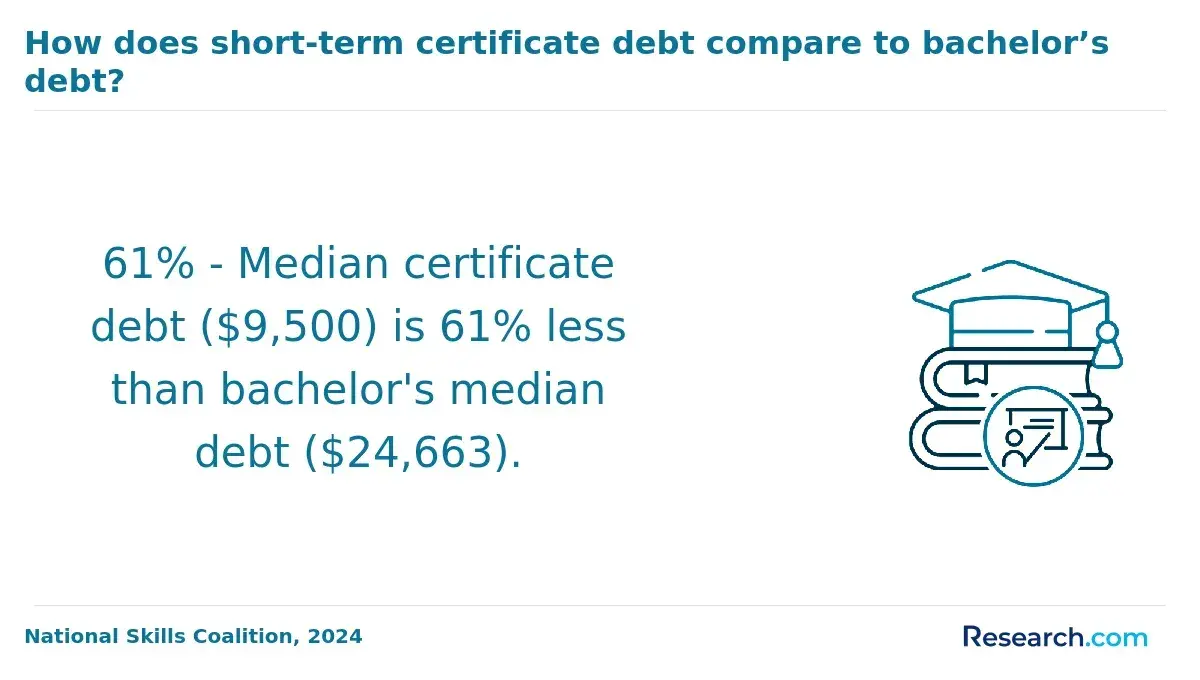
- Program Duration and Total Cost: Unlike conventional four-year degrees averaging nearly $19,000 annually, accelerated options often condense study into two to three years with annual tuition closer to $12,200. This shorter timeframe can reduce total tuition by 25-35%, plus lowering living expenses.
- Opportunity Cost: Finishing a degree sooner allows students to enter the workforce earlier, potentially gaining up to two additional years of earnings compared to traditional students. This earlier start can enhance long-term financial stability.
- Financial Aid Availability: Both program types usually qualify for federal aid, scholarships, and grants. However, accelerated online students might have access to fewer campus-based scholarships, affecting aid options.
Students pursuing both accelerated and traditional interdisciplinary studies degrees may qualify for financial aid, though eligibility and disbursement schedules vary with program length and enrollment status. Understanding these differences is key to managing finances effectively throughout the degree.
Here's a breakdown of how financial aid applies to each format:
- Federal Aid Eligibility: Both program types qualify for federal grants and loans if accredited and meeting enrollment minimums. Accelerated students should note that shorter terms may shift the timing of aid release compared to the usual semester-based schedule.
- Scholarship Timelines: Scholarships are available for full-time students in both paths, but accelerated study schedules may require careful coordination to fit within award periods, as some scholarships renew annually or by semester.
- Employer Tuition Assistance: Commonly offered to all students, accelerated learners might gain an advantage if employers reimburse by course completion, enabling quicker reimbursement through faster course completion.
- Aid Renewal and Distribution: Accelerated students must stay attentive to how compressed terms impact aid renewals and billing cycles, often needing proactive communication with financial aid offices.
Student support is vital for achieving success in academic programs, with accelerated and traditional interdisciplinary studies often varying in how and when services are delivered. The differences in student assistance relate to the type, timing, and format of support offered. Below is a comparison of common student support elements in both program structures.
- Academic Advising: Accelerated programs usually offer concise, online advising or intensive workshops, catering to a faster pace with less frequent but focused interactions. Traditional programs provide regular, face-to-face advising that fosters longer-term relationships and ongoing guidance throughout the semester.
- Tutoring Services: Students in accelerated tracks often have access to virtual, on-demand tutoring suited to flexible schedules, though opportunities for extended tutor engagement are limited. In contrast, traditional students benefit from scheduled, in-person tutoring and study groups that encourage sustained academic support and peer collaboration.
- Career Services: Career support in accelerated programs centers on targeted workshops and online materials designed for quick skill application. Traditional programs typically provide more comprehensive offerings, including networking events and internships, enabling personalized career exploration over a longer timeframe.
- Peer Interaction: Peer support tends to be more limited in accelerated settings due to condensed timelines, whereas traditional programs promote ongoing peer engagement through group activities and campus events.
Employment prospects are a major factor when deciding between accelerated and traditional interdisciplinary studies programs. Both pathways can open doors to strong careers, but the speed at which graduates find jobs often depends on several variables. Here is a comparison of job placement trends and key factors influencing hiring timelines for graduates of each program type.
- Employer Perception: While some employers still favor traditional graduates for roles that rely heavily on in-person teamwork, online and accelerated degrees are gaining acceptance as remote work becomes more common, narrowing this gap.
- Career Readiness: Accelerated programs typically focus on practical skills and real-world projects, which can lead to quicker job entry, but may offer fewer opportunities for networking than traditional programs.
- Industry Demand: Graduates from online and accelerated formats often find faster placement in sectors valuing digital literacy and remote collaboration, while traditional graduates might excel in industries that prioritize extended academic engagement and live interaction.
- Job Placement Speed: Research shows online and accelerated degree holders can be equally or more competitive in obtaining jobs quickly, especially in tech, business, and health fields.
Accreditation ensures academic quality and legitimacy for both accelerated and traditional interdisciplinary studies programs, regardless of pacing or delivery format. This process impacts important factors such as federal financial aid eligibility, credit transferability between institutions, and employer recognition of the degree. Both formats must meet established standards set by recognized accrediting bodies, which helps maintain consistency in educational outcomes.
As a result, students pursuing accelerated degrees can expect their credentials to carry the same weight as those from traditional programs. Ensuring proper accreditation is essential for students seeking to maximize educational and professional opportunities.
The process of accreditation typically applies equally to traditional vs accelerated interdisciplinary studies program accreditation, although institutions may tailor accelerated coursework to fit condensed schedules while maintaining academic rigor. Regional or programmatic accrediting bodies evaluate whether institutions meet quality standards without distinguishing between program formats.
However, students must verify that the institution offering an accelerated program holds regional accreditation to guarantee their degree is widely accepted by employers and other academic programs. Prospective students can find accredited options, including FAFSA online colleges, which may offer accelerated interdisciplinary studies degrees.
Choosing between an accelerated and a traditional interdisciplinary studies degree depends largely on your career goals, schedule flexibility, and preferred learning pace. Both pathways offer distinct advantages tailored to different personal circumstances, making it important to assess which aligns best with your needs. Below are key factors to consider when deciding which program suits you.
Time Commitment: Accelerated programs demand intense focus and a faster pace, allowing students to complete their degrees in less time. This can reduce overall tuition and living expenses, benefiting those seeking efficiency. Traditional degrees provide a steadier pace across longer semesters, better fitting individuals balancing studies with other responsibilities.
Learning Style: The accelerated interdisciplinary studies degree program benefits students who thrive in fast-paced, often online or blended learning environments with rigorous workloads. Conversely, traditional programs support deeper engagement with material, allowing more time for reflection and in-person networking.
Career Goals: Those aiming for rapid advancement or specialized credentials might prefer accelerated routes that enable earlier workforce entry and may include dual degrees. Traditional interdisciplinary studies degree career outcomes often appeal to students valuing comprehensive exploration and gradual skill-building, which can foster broader professional development.
Ultimately, your decision should reflect your lifestyle and priorities. For example, working professionals or individuals with clear, urgent career goals might find accelerated programs advantageous, while others benefit from the traditional structure. For further insight on aligning your education with professional pathways, explore best careers introverts.
What Students of Accelerated vs. Traditional Interdisciplinary Studies Programs Say About Their Degree
- Jerich: "The traditional interdisciplinary studies program allowed me to explore various fields at a comfortable pace, which really deepened my understanding. I appreciated the diversity of courses, though the longer duration did feel a bit costly over time, especially with tuition and living expenses. Still, this pathway opened doors for a versatile career in education. "
- Enzo: "Enrolling in the traditional interdisciplinary studies degree was a reflective journey. Balancing coursework over several years gave me space to develop critical thinking skills, but I sometimes wished the program were faster because the accumulated costs added up. Overall, it has been invaluable for my growth in nonprofit leadership. "
- Rowan: "The accelerated interdisciplinary studies program was intense but incredibly rewarding. Moving through the curriculum rapidly meant higher upfront expenses, but the shorter timeline helped me enter the workforce sooner. This efficiency boosted my career momentum in marketing strategy, making the tradeoff well worth it. "
Other Things You Should Know About Traditional vs. Accelerated Interdisciplinary Studies Degrees
Many accelerated programs require a 3.0 GPA for admission, while traditional interdisciplinary studies degrees often accept a broader range, sometimes from 2.0 to 2.5. Accelerated tracks may also expect recent college credit, a completed associate degree, or approval for a lockstep course sequence.
Accelerated programs often have compressed schedules, which may limit opportunities for internships or hands-on experiences during the study period. Traditional degrees usually provide a longer duration that better accommodates internships and experiential learning. However, some accelerated tracks incorporate practical components in a condensed format.
In 2027, an accelerated interdisciplinary studies degree may enhance graduate school applications by demonstrating a student's ability to manage rigorous coursework efficiently. However, the reduced time may impact opportunities for in-depth exploration, which traditional degrees might offer, potentially affecting admissions decisions.
- Reliability estimation from two types of accelerated testing considering individual difference and measurement error - ScienceDirect https://www.sciencedirect.com/science/article/abs/pii/S0266892024000067
- Assessing Interdisciplinary Programs https://interdisciplinarystudies.org/assessing-ids-programs/
- Comparing Traditional vs. Accelerated Educational Programs https://www.collegenews.com/article/comparing-traditional-and-accelerated-educational/
- Bachelor’s Degree in Interdisciplinary Studies | Adelphi University https://www.adelphi.edu/program/undergraduate/interdisciplinary-studies/
- Innovative Accreditation: Accelerated Degrees and Competency-Based Education https://changinghighered.com/innovative-accreditation-accelerated-degrees-and-competency-based-education/
- Dual College Degree vs. Accelerated Degree: What’s the Difference? https://www.sacredheart.edu/news-room/news-listing/dual-college-degree-vs-accelerated-degree-whats-the-difference/
- What Are the Advantages of an Interdisciplinary Degree? https://online.odu.edu/resources/what-can-you-do-interdisciplinary-studies-degree


