2027 A Second BS in Business Administration After a Bachelor's in Construction Technology: Credits, Cost, and Alternatives
Audited and Verified:
Our Editorial and Data Verification Process
Research.com uses government datasets, official education statistics and primary institutional information to support its career and degree guides. Our review process checks factual accuracy, occupational definitions, source dates and the requirements associated with the credentials discussed.
How This Article Was Fact-Checked
Our editorial team verifies salary estimates, employment projections, education requirements and program information against original data providers and official organizations. Salary figures are checked against the relevant occupational definitions and reporting periods. Information about licensure, accreditation and required in-person training is reviewed separately.
Fact-checked and verified on:

Co-Founder and Chief Data Scientist
A bachelor's in construction technology can prepare you for technical and project work, but it may leave gaps in finance, strategy, or business operations. A second BS in Business Administration could fill those gaps - at the cost of more coursework and tuition.
If you are considering the degree to move into construction leadership, estimating, procurement, or a different business role, the key is to find out what your first degree actually satisfies. This guide shows how to evaluate remaining credits and costs, compare career-focused alternatives, and request the information you need before committing.
Key Things You Should Know
- A construction technology bachelor's can qualify you to apply for a second business bachelor's, but each school decides which prior courses satisfy its business requirements and how many credits you must complete there.
- Compare written degree audits and total remaining costs, not advertised transfer-credit maximums or tuition rates alone; a previously earned bachelor's generally makes you ineligible for a federal Pell Grant.
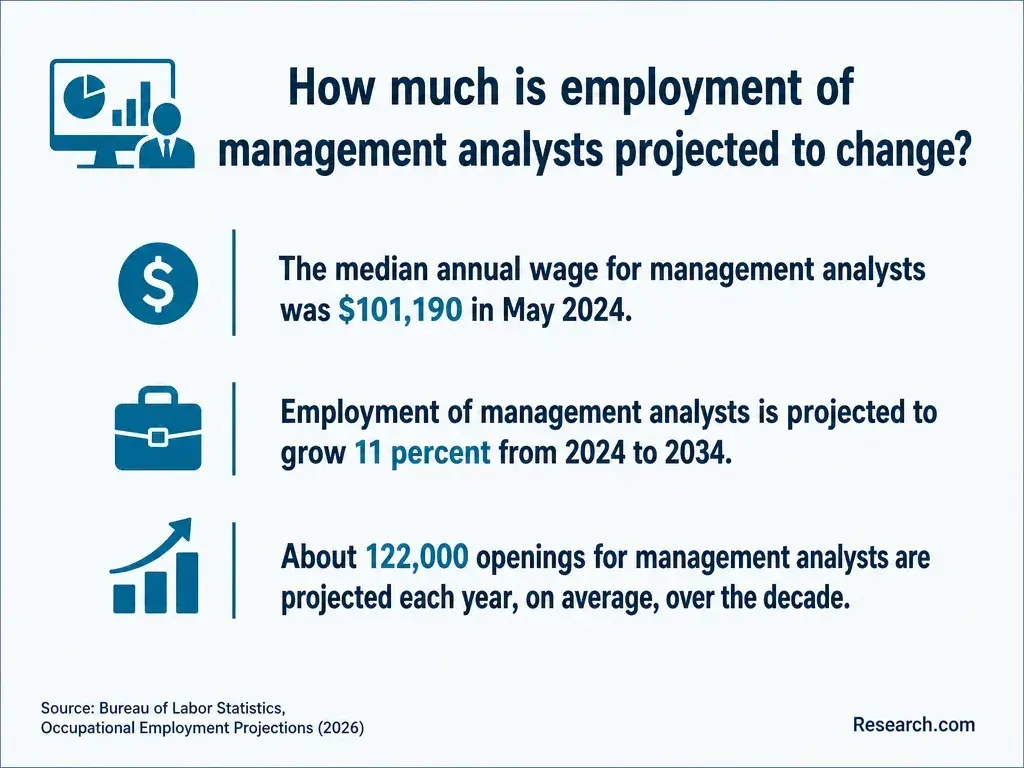
- A second degree is most useful when you need substantial undergraduate business coursework or a specific bachelor's credential. For context, the May 2025 median wage for project management specialists was $102,320, but that occupation-wide figure is not an expected salary for second-degree graduates.
Can you earn a second bachelor's degree in business administration after construction technology?
Yes, if the institution admits second-degree students to its business program. A completed bachelor's in construction technology does not normally require you to start college over, but it does not waive the business major automatically. Schools may distinguish admission to the university from admission to the BS in Business Administration and may set separate minimum coursework or residency requirements for a second degree.
The decision depends on your goal. If you need structured preparation across accounting, finance, management, and operations - or an employer specifically requires a business bachelor's - the second degree may be worthwhile. If you already manage budgets, vendors, schedules, and teams and need only one stronger skill, a targeted course or credential may be more direct.
Ask each school whether it awards a second bachelor's degree to someone with your exact prior credential, rather than assuming its general transfer policy applies. A list of bachelor's programs for faster completion can provide possibilities to investigate, but accelerated scheduling does not establish second-degree eligibility or shorten your remaining requirements.
How many credits transfer into a second business administration bachelor's degree?
There is no reliable universal credit number. Your construction technology courses may cover general education, mathematics, communication, technology, or unrestricted electives. A construction estimating course, however, may not replace managerial accounting; experience supervising a site may not replace organizational behavior. Some schools accept prior credits onto a transcript while applying fewer of them to the second degree.
The distinctions below explain why a large transfer award can still leave a substantial business curriculum. Request an official evaluation showing each category, not just a total.
| Credit category | What to check in the business degree audit |
| General education | Whether the first bachelor's fulfills the entire requirement or only individual courses |
| Business prerequisites and core | Whether accounting, economics, statistics, and management courses have approved equivalents |
| Concentration and electives | Whether construction coursework satisfies a defined requirement or counts only as an elective |
| Residency and upper-division work | How much coursework must be taken at the new school, regardless of prior credits |
Send official transcripts and, where requested, syllabi for potentially equivalent courses to the transfer office or registrar. Then ask a business adviser for a degree audit that identifies remaining courses, prerequisites, and the terms when they are offered. Compare ranked online business bachelor's completion routes using those written evaluations; a preliminary credit estimate is not a graduation plan.
How much does a second business administration bachelor's degree cost?
Your cost depends primarily on required credits still to be completed, the school's charging model, and the time needed to finish. Calculate tuition using the applicable per-credit, per-course, or per-term rate; then add mandatory fees, books, software, travel, and any earnings lost to scheduling conflicts. A lower advertised rate can cost more overall if the program requires additional courses or delays completion.
Ask the financial-aid office for an estimate based on your second-degree status and intended enrollment. Students who already hold a bachelor's generally cannot receive federal Pell Grants, although federal student loans may remain available if they meet applicable eligibility, loan-limit, and satisfactory-academic-progress rules. Confirm whether employer tuition assistance applies to a second bachelor's and when reimbursement arrives; reimbursement after grades are posted does not cover an upfront bill.
When comparing low-cost business administration degrees with federal aid options, distinguish a school's participation in federal aid from your personal eligibility for a particular award. Request an itemized, course-by-course cost estimate alongside the degree audit before borrowing or enrolling.
A business administration core commonly spans financial and managerial accounting, economics, finance, marketing, management, operations, business law, and quantitative analysis. Your school may also require a concentration, upper-division electives, and a capstone. Exact courses - and whether previous study substitutes for them - depend on the catalog governing your enrollment.
For a construction professional, the most valuable gaps may be job-specific: managerial accounting for project costs, finance for cash-flow decisions, operations for purchasing and scheduling, and organizational behavior for leading teams. A construction technology course that uses spreadsheets may not satisfy a business statistics requirement, even if the practical skills overlap.
Check the prerequisite chain before estimating your finish date: an introductory accounting or statistics course may need to precede an upper-division course offered infrequently. If your goal is project delivery rather than broad business preparation, compare the actual required courses with project management undergraduate transfer pathways. A project management course within a business degree is not itself a separately awarded credential.
Expect to document your completed bachelor's with official college transcripts and meet the institution's rules for second-degree applicants. A business school may separately review academic standing or require prerequisites before entry to the major. Some programs admit students first and require them to complete missing accounting, economics, or quantitative courses later; others require those courses before business-major admission.
Ask admissions whether your original GPA, all college coursework, or recent coursework controls eligibility. Ask the business department whether any prerequisite must be completed before enrollment and the registrar whether a course can be substituted. These are different decisions, sometimes made by different offices. An admission offer alone does not confirm that your construction courses apply to the business major.
If you are considering another business specialty, such as HR, compare its policies separately. Resources that compare credit acceptance at online HR schools may help identify questions, but an HR program's transfer policy does not establish what a BS in Business Administration will accept.
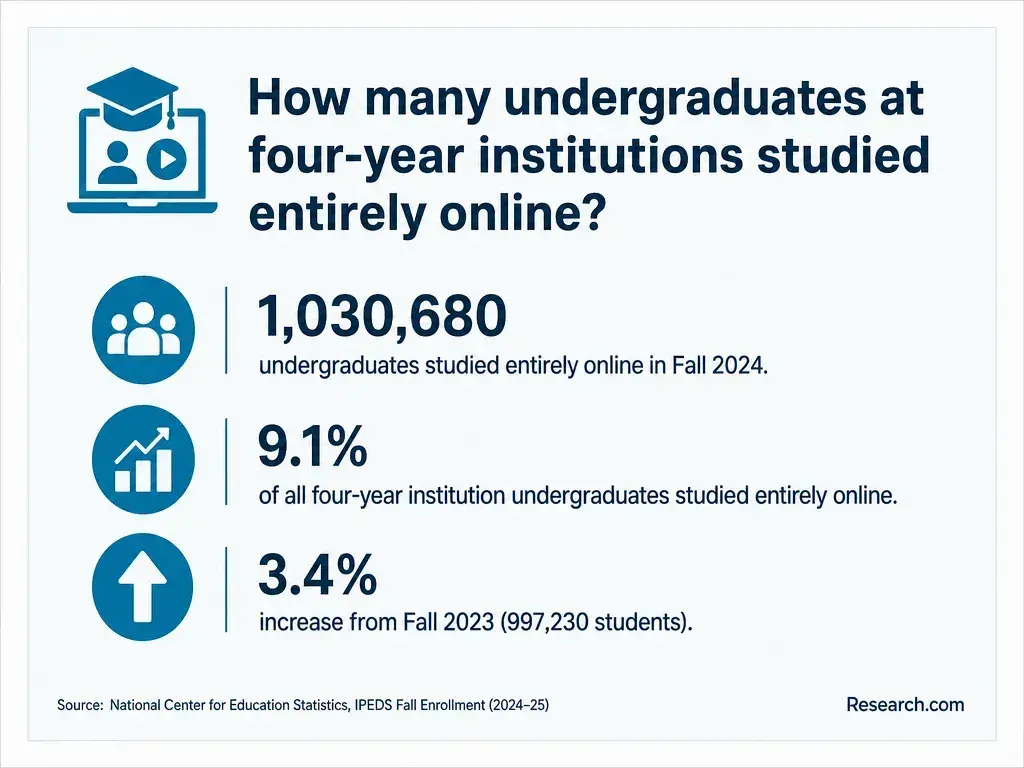
Online study can reduce commuting around changing site assignments; campus study may offer easier access to local recruiting, faculty, and classmates. Neither format is automatically faster or more flexible. An online course may still require live meetings, scheduled exams, group presentations, or weekly deadlines that conflict with early starts and unpredictable project demands.
Before choosing, request a sample course schedule and ask about synchronous sessions, exam proctoring, team-project hours, capstone expectations, required visits, and how often remaining courses are offered. If you expect a busy construction season, compare part-time pacing and leave policies with the cost and delay of extending enrollment. If a capstone could involve your employer, confirm academic approval and permission to use workplace information before planning around it.
A national guide to ranked online business colleges can help build a shortlist. Use it as a starting point, then judge fit against your degree audit and actual work schedule rather than delivery labels alone.
Start with the responsibility you want next. Someone moving from technical work into project cost control needs different preparation from someone seeking a broader corporate operations role. A second bachelor's offers breadth, but breadth may be unnecessary when the gap is narrow.
A focused accounting or finance course can address budgeting and financial statements without another full degree. Employer training or mentored responsibility may be more relevant for procurement, estimating, or team coordination.
A graduate business program may be an option for bachelor's holders who meet its admissions requirements, although its curriculum, cost, and expected experience differ from undergraduate study. A specialized project management or supply chain degree merits comparison only if its course requirements align more closely with the target work.
For procurement-oriented goals, examine low-cost shorter supply chain degree options alongside nondegree training. The best comparison is remaining courses and cost after your construction credits are evaluated - not the advertised length of either program.
The combination can be useful where technical construction knowledge meets commercial decisions: project coordination, estimating support, purchasing, contracts administration, operations, and, with relevant experience, project or operations management. Your prior responsibilities matter more than the pairing of degree titles alone. Someone who has already tracked subcontractor costs or managed schedules can show more directly relevant evidence than someone whose experience is limited to classroom projects.
For a target job, compare its tasks with what you can document. A procurement role may call for vendor evaluation and purchase-order accuracy; a project role may call for schedules, cost tracking, risk communication, and stakeholder coordination. Use coursework or an approved workplace project to fill a specific evidence gap. Do not disclose confidential bids, customer information, or employer records in a portfolio without permission.
If your goal is supervising people rather than managing construction projects, compare business coursework with undergraduate leadership programs with shorter timelines. Neither degree substitutes for the experience and demonstrated judgment employers may expect in a management position.
No national salary figure isolates people who hold both a construction technology bachelor's and a second business bachelor's. Pay depends on the occupation, region, employer, and experience. The U.S. Bureau of Labor Statistics reports a May 2025 median annual wage of $102,320 for project management specialists, with employment projected to grow 7% from 2025 to 2035. That median covers workers across industries and experience levels; it is not a starting salary or a return you can attribute to another degree.
Use an actual target job's pay range and requirements to test the investment. Compare the second degree's remaining tuition and time with the likelihood that it would help you qualify for responsibilities you cannot otherwise obtain. If an employer values your construction experience and offers a lower-cost route to project responsibility, another bachelor's may have limited incremental value.
Lists of budget-friendly online business schools can help with the cost side of that comparison, but only a school-specific audit and cost estimate reveal what you would pay. Do not compare an occupation-wide median directly with tuition and treat the difference as a projected earnings gain.
What accreditation and certifications matter for business and construction careers?
Check the institution's recognized accreditation and confirm that it covers the school awarding the degree. Business-school or programmatic accreditation - such as AACSB, ACBSP, or IACBE - is a separate question: verify the accreditor's scope and whether the specific business program is included. Accreditation can inform program screening, but it does not guarantee credit transfer, employment, or certification eligibility.
Professional credentials answer different questions. Project management certifications may have their own education and experience rules; construction-related credentials can reflect different specialties and eligibility standards. A BS in Business Administration, a concentration, or a single course does not automatically award any of them. Check the credential issuer's requirements against your documented construction work before paying for training.
When investigating shorter pathways to an online business degree, verify accreditation and the exact degree awarded alongside speed. Then obtain written confirmation of second-degree admission, applied credits, required courses, and total cost. Those facts - not a program's headline duration - should drive your decision.
Other Things You Should Know About Business Administration
Often, yes. MBA programs commonly consider applicants with bachelor's degrees in other fields, but admissions criteria and any preparatory coursework vary. Compare the MBA's curriculum and cost with the undergraduate business skills you actually need.
Only if the school offers an applicable prior-learning assessment and approves your documented learning under its rules. Employment by itself does not automatically replace a required course.
Not automatically. Contractor licensing rules vary by state and license type and may involve examinations, experience, insurance, or other requirements. Check the relevant state licensing authority.
Possibly, if the program permits it and approves the role, learning objectives, supervision, and assessment in advance. Existing employment is not automatically an approved internship.
- Types of Financial Aid: Grants, Work-Study, and Loans | studentaid.gov https://studentaid.gov/understand-aid/types
- Program Integrity Questions and Answers - Credit Hour http://www.ed.gov/laws-and-policy/higher-education-laws-and-policy/program-integrity-information-questions-and-12
- Fast Facts: Tuition costs of colleges and universities (76) | ed.gov https://nces.ed.gov/fastfacts/display.asp
- Degree definitions - VCU Bulletin https://bulletin.vcu.edu/academic-regs/ugrad/degree-options/
- Business Administration Major | Stillman College https://catalog.stillman.edu/business/business-administration-major
- Fast Online Bachelor's Degree Completion: How to Spot a Smart Investment vs. a Degree Mill https://www.ndnu.edu/articles/business-management/fast-online-bachelors-degree-completion-smart-investment-vs-degree-mill.html
- What kind of aid am I eligible for as a second-degree student? | unc.edu https://studentaid.unc.edu/faq/what-kind-of-aid-am-i-eligible-for-as-a-second-degree-student/
- Degree Information | University of Maryland Catalog https://academiccatalog.umd.edu/undergraduate/registration-academic-requirements-regulations/degree-information/
- Business Administration - Bachelor of Science (BSBA) | colorado.edu https://catalog.colorado.edu/undergraduate/colleges-schools/business/programs-study/business-administration/business-administration-bachelor-science-bsba/
- Majoring in Business Administration: What to Expect | CTU Online https://www.coloradotech.edu/degrees/studies/business-and-management/articles/majoring-in-business-administration